

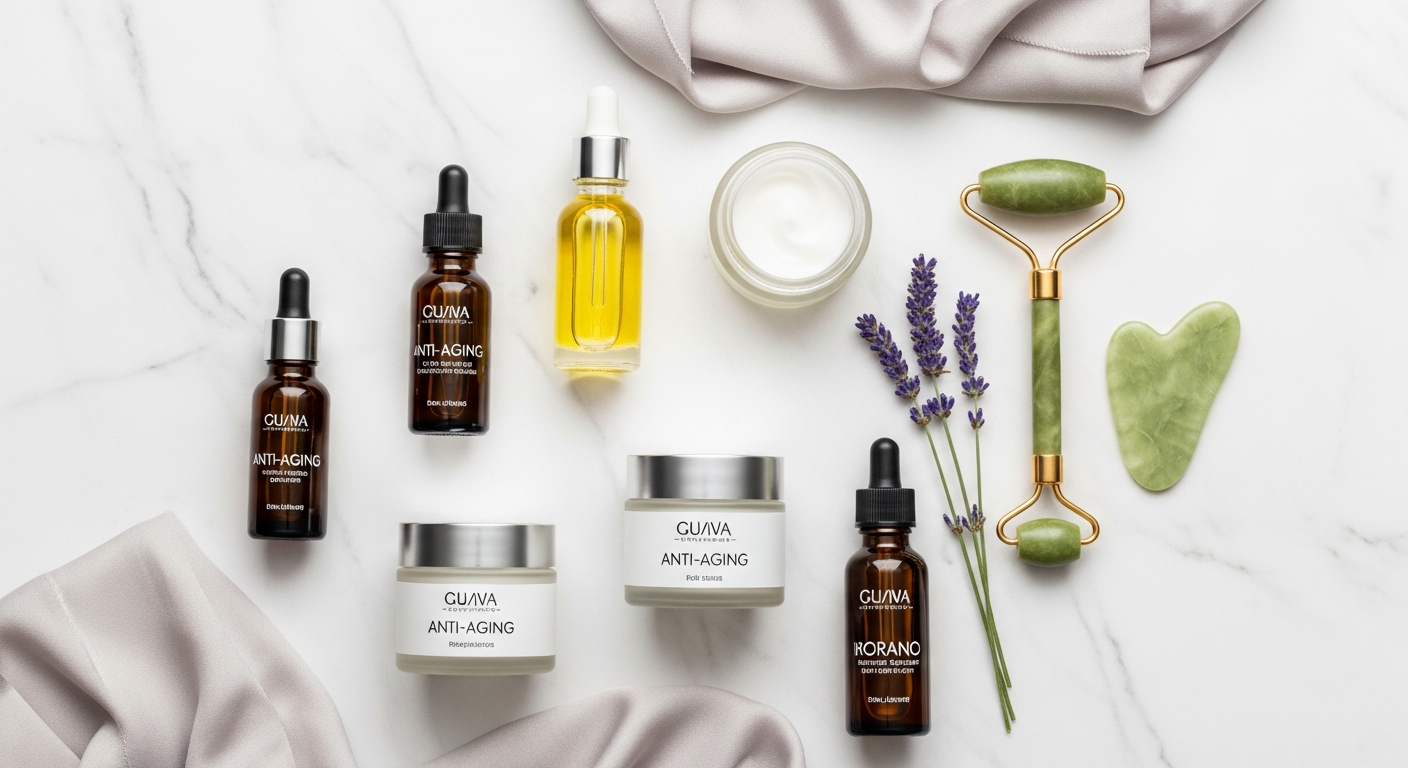
Your Complete Anti-Aging Skincare Routine: Tips for Ageless Radiance
Understanding the Science of Skin Aging: Why an Anti-Aging Skincare Routine Matters
Before diving into product recommendations, it’s crucial to grasp the fundamental science behind skin aging. This understanding will empower you to make informed decisions for your anti-aging skincare routine, choosing ingredients and practices that genuinely address the root causes. Skin aging is a complex process influenced by two main factors: intrinsic and extrinsic.
- Intrinsic Aging (Chronological Aging): This is the natural, genetically determined aging process. Over time, our bodies produce less collagen and elastin, the proteins responsible for skin’s firmness and elasticity. Our cell turnover rate slows, and our skin’s natural healing capabilities diminish. This leads to thinner skin, reduced elasticity, and a slower rate of repair, which intrinsically contributes to the formation of fine lines and wrinkles.
- Extrinsic Aging (Environmental Aging): This accounts for up to 90% of visible aging and is largely within our control. Key culprits include:
- UV Radiation (Photoaging): Exposure to UVA and UVB rays from the sun is the single biggest cause of premature skin aging. UV radiation generates free radicals, unstable molecules that damage DNA, collagen, and elastin fibers, leading to wrinkles, hyperpigmentation (sun spots), and a leathery texture.
- Pollution: Environmental pollutants, particularly particulate matter and airborne chemicals, also generate free radicals, contributing to oxidative stress, collagen degradation, and inflammation.
- Lifestyle Factors: Smoking, poor nutrition, lack of sleep, chronic stress, and inadequate hydration all accelerate the aging process by impacting cellular health and increasing oxidative stress.
The combination of these factors results in visible signs such as fine lines and wrinkles (often first appearing around the eyes and mouth), loss of skin firmness and elasticity (sagging), hyperpigmentation (age spots, sun spots, melasma), dullness, uneven skin tone and texture, and increased dryness. A well-planned anti-aging skincare routine isn’t just about covering up these signs; it’s about actively protecting against further damage, stimulating repair processes, and supporting the skin’s natural rejuvenation mechanisms.
The Essential Morning Anti-Aging Skincare Routine: Protect and Prevent
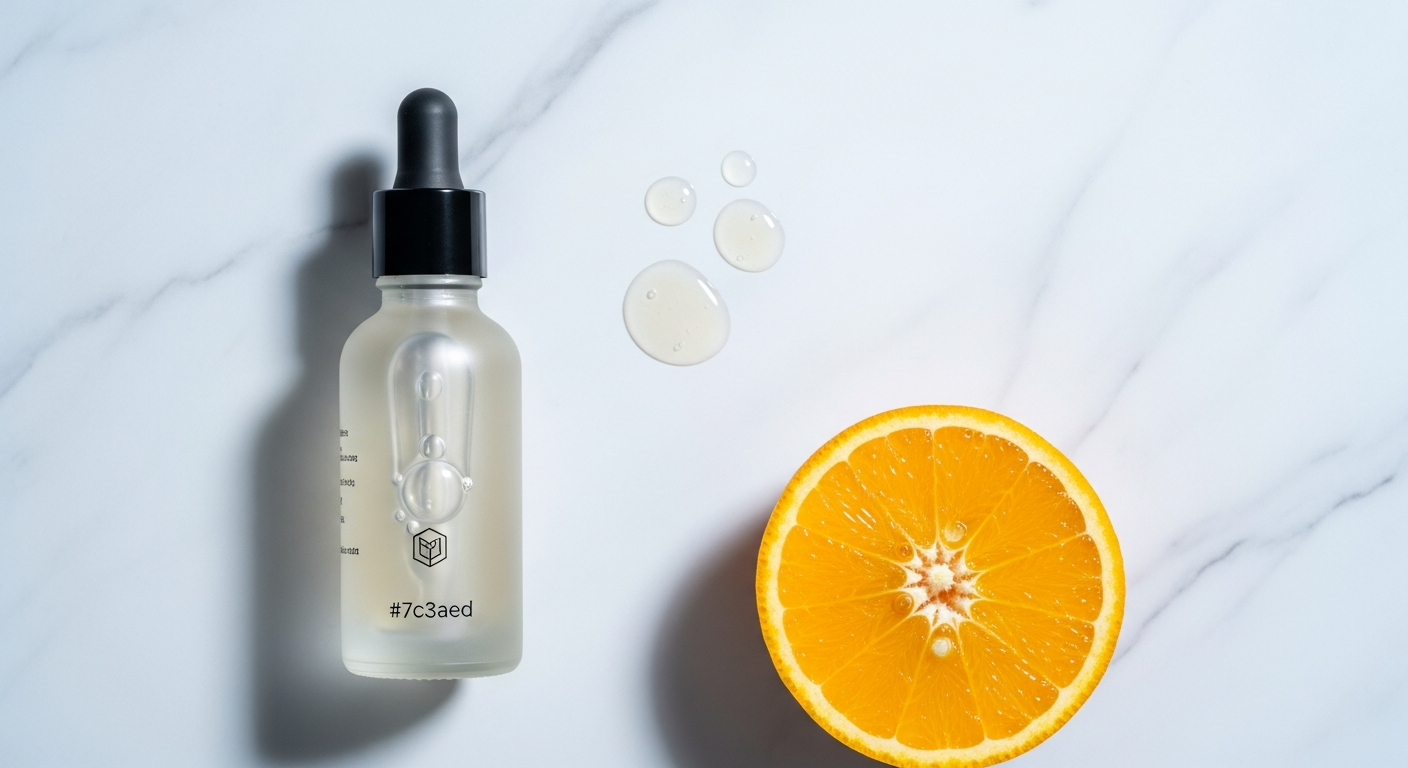
Your morning anti-aging skincare routine is all about protection and prevention. It’s your shield against the environmental aggressors you’ll encounter throughout the day. Consistency is paramount, as is the order of application – typically from thinnest to thickest consistency to allow for optimal absorption.
- Gentle Cleansing (1-2 minutes): Start by gently cleansing your face to remove any overnight accumulation of oils, sweat, and residual products. Opt for a mild, hydrating cleanser that doesn’t strip your skin of its natural oils. Over-cleansing or using harsh cleansers can disrupt your skin barrier, leading to dryness and irritation, which can exacerbate signs of aging.
- Practical Tip: If your skin is dry or sensitive, a splash of water might be enough. For oilier skin, a creamy or gel cleanser works well.
- Tone (Optional, but Beneficial – 30 seconds): A hydrating or pH-balancing toner can prepare your skin for subsequent product absorption and restore its natural pH balance. Avoid toners with high alcohol content, which can be drying.
- Practical Tip: Look for toners containing humectants like hyaluronic acid or soothing ingredients like ceramides.
- Antioxidant Serum (Vitamin C is Key – 1 minute): This is arguably one of the most critical steps in an effective anti-aging skincare routine. A high-quality Vitamin C serum (L-Ascorbic Acid being the most potent form) protects your skin from free radical damage caused by UV rays and pollution, brightens skin tone, reduces hyperpigmentation, and stimulates collagen production.
- Practical Tip: Apply 4-5 drops to a dry face, neck, and décolletage. Look for concentrations between 10-20% Vitamin C, often combined with Vitamin E and Ferulic Acid for enhanced stability and efficacy.
- Eye Cream (30 seconds): The skin around your eyes is thinner and more delicate, making it prone to early signs of aging. An eye cream specifically formulated for this area can provide targeted hydration, reduce the appearance of fine lines, dark circles, and puffiness.
- Practical Tip: Gently tap a pea-sized amount with your ring finger around the orbital bone, avoiding direct contact with the lash line. Look for ingredients like peptides, hyaluronic acid, and caffeine.
- Moisturizer (1 minute): A good moisturizer locks in hydration, strengthens your skin’s barrier, and provides a smooth canvas. Even oily skin types benefit from moisturizing, just choose a lighter, non-comedogenic formula.
- Practical Tip: Select a moisturizer suitable for your skin type. Ingredients like ceramides, hyaluronic acid, and glycerin are excellent for barrier support and hydration.
- Broad-Spectrum Sunscreen (SPF 30+ – 2 minutes): This is the non-negotiable cornerstone of any anti-aging strategy. UV radiation is the primary driver of premature aging. A broad-spectrum sunscreen with an SPF of 30 or higher protects against both UVA (aging) and UVB (burning) rays.
- Practical Tip: Apply a generous amount—about a nickel-sized dollop for your face and neck—as the final step. Reapply every two hours if you’re outdoors or sweating. Mineral sunscreens (zinc oxide, titanium dioxide) are often preferred for sensitive skin.
By dedicating these few minutes each morning to your anti-aging skincare routine, you’re not just applying products; you’re investing in the long-term health and youthful appearance of your skin. Remember, consistency truly is the secret ingredient.
The Powerful Evening Anti-Aging Skincare Routine: Repair and Rejuvenate
While your morning routine focuses on protection, your evening anti-aging skincare routine is dedicated to repair, rejuvenation, and regeneration. As you sleep, your skin works to repair damage, produce new cells, and restore itself. This is the optimal time to deliver powerful active ingredients.
- Double Cleanse (2-3 minutes): This step is crucial, especially if you wear makeup or sunscreen (which you should!).
- First Cleanse (Oil-Based): Use an oil cleanser, balm, or micellar water to dissolve makeup, sunscreen, and environmental impurities without stripping your skin. Massage onto dry skin, then emulsify with water and rinse.
- Second Cleanse (Water-Based): Follow with your regular gentle, hydrating cleanser to thoroughly clean your pores and remove any remaining residue.
- Practical Tip: Proper cleansing ensures your active ingredients can penetrate effectively.
- Tone (Optional – 30 seconds): As in the morning, a hydrating toner can help balance pH and prep your skin.
- Treatment Serum (The Powerhouses – 1-2 minutes): This is where the heavy lifting happens in your anti-aging skincare routine. Alternate or incorporate powerful actives based on your skin’s needs and tolerance.
- Retinoids (Vitamin A derivatives): The gold standard for anti-aging. Retinol, retinaldehyde, and prescription tretinoin boost collagen production, accelerate cell turnover, reduce fine lines and wrinkles, and improve skin texture and tone.
- Practical Tip: Start with a lower concentration a few nights a week and gradually increase frequency as your skin builds tolerance to minimize irritation (redness, flaking). Apply to dry skin to reduce penetration and potential irritation.
- AHAs (Alpha Hydroxy Acids): Glycolic acid, lactic acid, and mandelic acid exfoliate the skin’s surface, promoting cell turnover, improving texture, fading hyperpigmentation, and enhancing radiance.
- Practical Tip: Use an AHA serum a few nights a week, perhaps alternating with retinoids, or on nights when you’re not using retinol.
- Peptide Serums: Peptides are chains of amino acids that signal skin cells to perform specific functions, like producing more collagen or elastin, leading to firmer, smoother skin. They are generally well-tolerated and can be used daily.
- Hyaluronic Acid Serum: While not an “anti-aging” active in the same way as retinoids, hyaluronic acid is a powerful humectant that draws moisture into the skin, plumping it up and reducing the appearance of fine lines due to dehydration. It layers well with other actives.
- Retinoids (Vitamin A derivatives): The gold standard for anti-aging. Retinol, retinaldehyde, and prescription tretinoin boost collagen production, accelerate cell turnover, reduce fine lines and wrinkles, and improve skin texture and tone.
- Eye Cream (30 seconds): Apply a richer, more concentrated eye cream formulated for overnight repair. Look for ingredients like peptides, retinoids (specifically formulated for eyes), or ceramides.
- Practical Tip: Be extra gentle around the delicate eye area.
- Night Cream/Moisturizer (1 minute): Seal in all your serums with a nourishing night cream. These are typically richer and more occlusive than day moisturizers, designed to support the skin’s barrier and provide sustained hydration overnight.
- Practical Tip: Choose a cream with ingredients like ceramides, fatty acids, glycerin, or shea butter to replenish and protect.
- Facial Oil (Optional – 30 seconds): If your skin is particularly dry or you want an extra boost of nourishment, finish with a few drops of a facial oil. Oils like rosehip, argan, or marula can provide essential fatty acids, antioxidants, and a healthy glow.
- Practical Tip: Apply by pressing gently into the skin.
This comprehensive evening anti-aging skincare routine provides your skin with the tools it needs to regenerate and repair while you sleep, laying the foundation for a healthier, more youthful complexion.
Beyond the Basics: Weekly Treatments & Professional Insights for Your Anti-Aging Skincare Routine
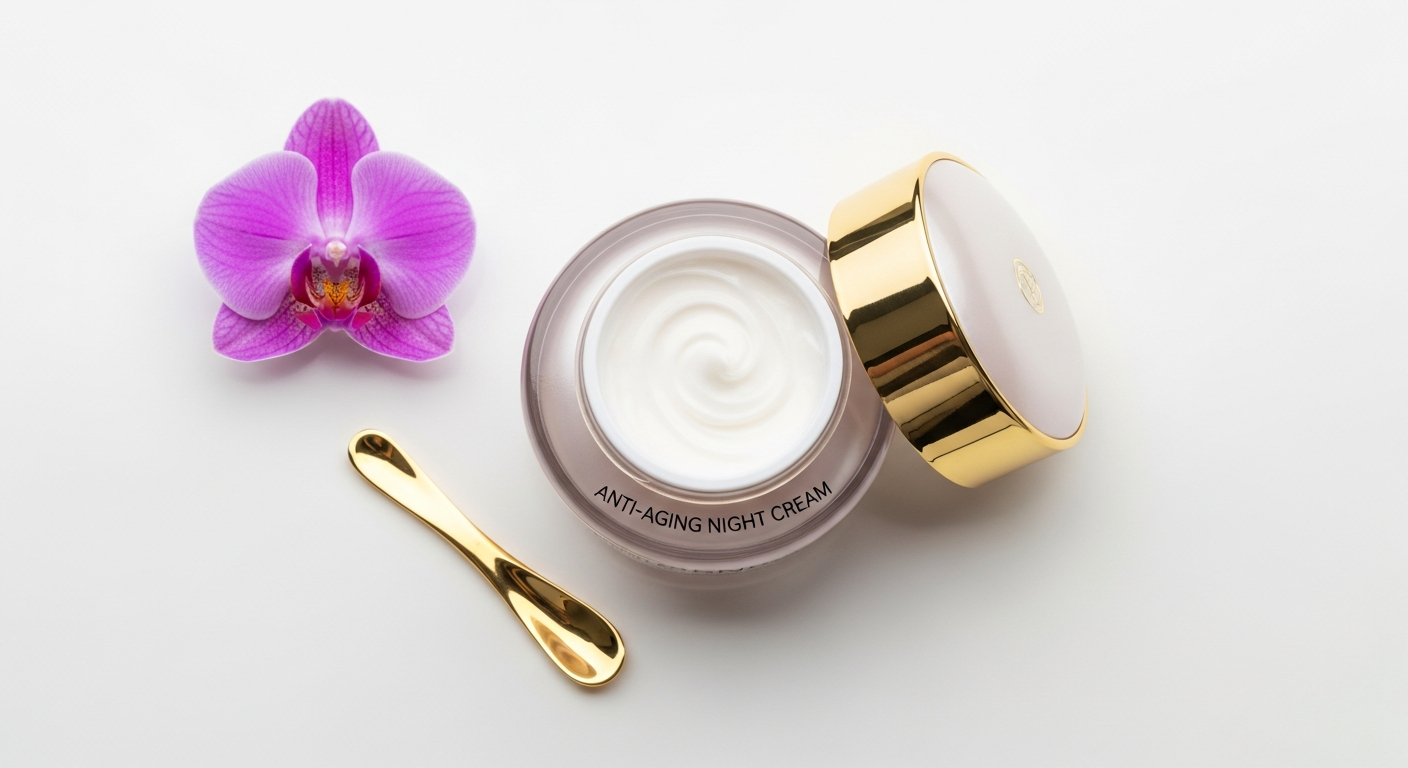
While daily cleansing, treating, and moisturizing form the bedrock of any successful anti-aging skincare routine, incorporating weekly targeted treatments and considering professional interventions can significantly amplify your results. These extra steps provide deeper exfoliation, more intense nourishment, and access to advanced technologies.
Weekly Power-Ups: Boost Your At-Home Routine
- Exfoliation (1-2 times a week): Beyond daily AHA/BHA serums, a dedicated exfoliating mask or treatment can help shed dead skin cells more effectively, revealing brighter, smoother skin.
- Chemical Exfoliants: Masks containing higher concentrations of AHAs (like glycolic or lactic acid) or BHAs (salicylic acid) offer a deeper exfoliation than daily serums. They dissolve the “glue” that holds dead skin cells together.
- Practical Tip: Start with once a week, especially if you’re using retinoids, to avoid over-exfoliation. Follow product instructions carefully for leave-on time.
- Physical Exfoliants (Gentle Scrubs): While often demonized, gentle physical exfoliants (with fine, spherical particles) can be used occasionally for those who prefer them, but be wary of harsh scrubs that can cause micro-tears.
- Chemical Exfoliants: Masks containing higher concentrations of AHAs (like glycolic or lactic acid) or BHAs (salicylic acid) offer a deeper exfoliation than daily serums. They dissolve the “glue” that holds dead skin cells together.
- Hydrating or Targeted Masks (1-2 times a week): Sheet masks, clay masks (for purification), or sleeping masks can deliver concentrated ingredients to address specific concerns.
- Sheet Masks: Impregnated with serums, they provide an intense boost of hydration and active ingredients.
- Practical Tip: Use after cleansing and before your other serums.
- Sleeping Masks: Applied as the last step in your evening routine, they work overnight to provide deep nourishment or targeted treatment.
- Sheet Masks: Impregnated with serums, they provide an intense boost of hydration and active ingredients.
- Facial Massage Tools: Tools like gua sha stones or facial rollers can improve circulation, reduce puffiness, and aid in lymphatic drainage, contributing to a more toned and radiant appearance.
- Practical Tip: Use with a facial oil or serum for better glide and absorption.
Professional Treatments: When to Seek Expert Help
For more advanced anti-aging concerns, or when you want to accelerate results, professional treatments offered by dermatologists or licensed estheticians can be incredibly effective. These complement, rather than replace, your daily anti-aging skincare routine.
- Professional Facials: Beyond relaxation, medical-grade facials can include deeper exfoliation, extractions, and targeted masks. An anti-aging facial might incorporate ingredients like high-potency Vitamin C, growth factors, or peptides.
- Chemical Peels: Stronger than at-home versions, professional chemical peels use acids to remove damaged outer layers of skin, stimulating cell regeneration and improving texture, tone, and hyperpigmentation. Peels range from superficial to deep.
- Microneedling: This procedure uses tiny needles to create controlled micro-injuries in the skin, stimulating the body’s natural wound-healing process and boosting collagen and elastin production. It’s effective for fine lines, wrinkles, acne scars, and overall skin texture.
- Laser Resurfacing: Lasers can target specific concerns like hyperpigmentation, fine lines, and sun damage. Fractional lasers stimulate collagen production by creating microscopic treatment zones, leading to smoother, firmer skin.
- Injectables (Botox, Fillers): While not strictly skincare, neuromodulators (like Botox) relax muscles to reduce dynamic wrinkles, and dermal fillers restore lost volume and soften deep lines, offering immediate anti-aging effects.
Actionable Tip: Always consult with a board-certified dermatologist or a reputable esthetician to discuss which professional treatments are safe and appropriate for your skin type and concerns. They can provide a personalized plan that integrates with your at-home anti-aging skincare routine.
Lifestyle Factors: The Holistic Approach to an Anti-Aging Skincare Routine
Your anti-aging skincare routine extends far beyond the bottles and jars in your bathroom. What you put into your body, how you live your life, and how you manage stress profoundly impact your skin’s health and its ability to resist the signs of aging. A truly effective anti-aging strategy adopts a holistic approach, integrating healthy lifestyle choices with topical treatments.
- Nutrition: Fuel Your Skin from Within
- Antioxidant-Rich Diet: Consume a rainbow of fruits and vegetables (berries, leafy greens, colorful peppers, sweet potatoes). Antioxidants like vitamins C and E, beta-carotene, and selenium combat free radicals, protecting your skin from oxidative stress and damage.
- Healthy Fats: Omega-3 fatty acids found in fatty fish (salmon, mackerel), flaxseeds, chia seeds, and walnuts are crucial for maintaining skin barrier function, reducing inflammation, and keeping skin supple and moisturized.
- Hydration: Drink plenty of water throughout the day. Well-hydrated skin appears plumper, smoother, and more radiant, while dehydration can make fine lines more noticeable.
- Practical Tip: Aim for at least 8 glasses of water daily and incorporate healthy fats into most meals.
- Quality Sleep: The Original “Beauty Sleep”
- During sleep, your body undergoes crucial repair processes, including skin regeneration. Collagen production increases, and blood flow to the skin improves, leading to a “rested” and more youthful appearance. Chronic sleep deprivation can lead to increased cortisol levels, which can break down collagen.
- Practical Tip: Aim for 7-9 hours of quality sleep per night. Establish a consistent sleep schedule and create a relaxing bedtime routine.
- Stress Management: Calm Your Complexion
- Chronic stress elevates cortisol levels, a hormone that can break down collagen and elastin, leading to premature aging, increased inflammation, and worsened skin conditions like acne or eczema.
- Practical Tip: Incorporate stress-reducing activities into your daily life: yoga, meditation, deep breathing exercises, spending time in nature, or hobbies you enjoy.
- Regular Exercise: Boost Circulation and Glow
- Physical activity increases blood flow, which delivers oxygen and nutrients to skin cells and carries away waste products. This improved circulation can give your skin a healthy, vibrant glow and support cellular repair.
- Practical Tip: Engage in at least 30 minutes of moderate exercise most days of the week.
- Environmental Protection: Beyond Sunscreen
- While sunscreen is vital, also be mindful of other environmental aggressors. Protect your skin from pollution by cleansing thoroughly and using antioxidant serums. Consider limiting exposure to blue light from screens, though its long-term impact on skin aging is still being researched.
- Practical Tip: Use a robust antioxidant serum in the morning, and thoroughly double-cleanse in the evening.
- Avoid Smoking: The Fastest Route to Wrinkles
- Smoking severely accelerates skin aging by narrowing blood vessels (reducing blood flow to the skin), damaging collagen and elastin, and generating vast amounts of free radicals. It leads to premature wrinkles, especially around the mouth, and a dull, sallow complexion.
- Practical Tip: If you smoke, quitting is the single most impactful step you can take for your skin and overall health.
By consciously integrating these lifestyle factors into your daily life, you’re not just supporting your topical anti-aging skincare routine; you’re cultivating an internal environment that fosters skin health, resilience, and a naturally radiant, youthful appearance.
Common Pitfalls in Your Anti-Aging Skincare Routine and How to Avoid Them
Even with the best intentions, it’s easy to fall into common traps that can hinder the effectiveness of your anti-aging skincare routine. Being aware of these pitfalls and knowing how to navigate them will save you time, money, and potential skin irritation.
- Over-Exfoliating or Using Too Many Actives:
- The Pitfall: Enthusiastically layering multiple potent ingredients like retinoids, AHAs, and Vitamin C every night can lead to a compromised skin barrier, resulting in redness, dryness, flaking, increased sensitivity, and even breakouts.
- How to Avoid: Introduce new actives one at a time, allowing your skin to adjust for several weeks before adding another. Alternate strong actives (e.g., retinol one night, AHA the next, or a peptide serum on “off” nights). Pay attention to your skin’s signals – if it feels tight, irritated, or looks red, scale back.
- Skipping Sunscreen (Even on Cloudy Days or Indoors):
- The Pitfall: Believing sunscreen is only for sunny beach days. UVA rays, which are responsible for aging, can penetrate clouds and windows. Constant exposure without protection is the leading cause of premature aging.
- How to Avoid: Make broad-spectrum SPF 30+ sunscreen the non-negotiable final step of your morning anti-aging skincare routine, every single day, rain or shine, indoors or out. Reapply every 2 hours when outdoors.
- Lack of Consistency:
- The Pitfall: Using products sporadically or only when you remember. Anti-aging ingredients like retinoids and antioxidants work cumulatively over time, requiring consistent application to yield visible results.
- How to Avoid: Commit to your morning and evening routines daily. Think of it as brushing your teeth – it’s a non-negotiable habit. Keep your products visible and create a dedicated “skincare time.”
- Expecting Instant Results:
- The Pitfall: Discarding products after a week or two because you don’t see dramatic changes. Skin cell turnover takes approximately 28 days (and longer as we age), meaning it takes time for products to show their full effect.
- How to Avoid: Practice patience. Give new products at least 4-6 weeks (and often 3-6 months for ingredients like retinoids) to demonstrate their efficacy before deciding if they work for you. Take “before” photos to track progress.
- Ignoring the Neck, Chest, and Hands:
- The Pitfall: Focusing solely on your face and neglecting these often-exposed areas, which are equally susceptible to sun damage and collagen loss, can create an age discrepancy.
- How to Avoid: Extend your entire anti-aging skincare routine (cleanser, serums, moisturizer, and especially sunscreen) down to your neck and décolletage. Use hand cream with SPF during the day and a rich hand cream at night.
- Using the Wrong Products for Your Skin Type:
- The Pitfall: Following influencer recommendations blindly without considering your unique skin type (oily, dry, combination, sensitive) or specific concerns. Using products too rich for oily skin can cause breakouts; using products too harsh for dry skin can exacerbate dryness.
- How to Avoid: Understand your skin type and concerns. Read ingredient lists and look for products specifically formulated for your needs. When in doubt, consult a dermatologist or knowledgeable esthetician.
- Not Patch Testing New Products:
- The Pitfall: Applying a new, potentially irritating product directly to your entire face, risking a full-face allergic reaction or breakout.
- How to Avoid: Always patch test a new product on a small, inconspicuous area of skin (e.g., behind the ear or on the inner forearm) for a few days before applying it all over your face.
By diligently avoiding these common pitfalls, you can optimize your anti-aging skincare routine, protect your skin’s health, and achieve the radiant, ageless complexion you desire with greater efficiency and fewer setbacks.
Navigating the world of anti-aging can bring up many questions. Here are answers to some of the most common inquiries to help you refine your approach.
Frequently Asked Questions
Conclusion: Embrace Your Ageless Radiance with a Purposeful Anti-Aging Skincare Routine
Embarking on a comprehensive anti-aging skincare routine is an investment in yourself—a declaration that you value your skin’s health and are committed to maintaining its youthful vitality. We’ve journeyed through the science of aging, meticulously outlined essential morning and evening steps, explored weekly enhancements, and highlighted the profound impact of holistic lifestyle choices. From the non-negotiable shield of daily sunscreen to the transformative power of retinoids and the calming influence of stress management, each element plays a crucial role in cultivating ageless radiance.
Remember that consistency is your most powerful tool, patience your greatest virtue, and understanding your skin’s unique needs your guiding principle. Don’t be afraid to experiment, but always listen to your skin and introduce new products gradually. The journey to ageless radiance isn’t about erasing every line, but about nurturing healthy, resilient skin that glows with confidence and vitality at every stage of life.
Are you ready to transform your approach to skincare? Start building your personalized anti-aging skincare routine today. Consult a dermatologist if you have specific concerns or need professional guidance, and embrace the beautiful journey of caring for the skin you’re in.