


icon

Creating a life you love

Search
Share

How To Do A Gua Sha Facial Massage At Home

how to do a gua sha facial massage at home
In the bustling rhythm of modern life, carving out moments for intentional self-care has become not just a luxury, but a necessity. Imagine a ritual that not only enhances your skin’s natural radiance but also serves as a tranquil pause, a meditation for your face and soul. Enter Gua Sha, an ancient beauty practice that has gracefully re-emerged from the annals of traditional Chinese medicine to claim its rightful place in contemporary wellness routines. Far more than just a passing trend, performing a Gua Sha facial massage at home offers a profound connection to your body, promoting lymphatic drainage, boosting circulation, and melting away tension that accumulates in the facial muscles. This comprehensive guide will empower you with the knowledge and techniques to seamlessly integrate this transformative ritual into your daily life, transforming your complexion and your overall well-being with every mindful stroke. Prepare to unlock a radiant glow that emanates from within, a testament to the power of consistent and conscious self-care.

Understanding Gua Sha: More Than Just a Stone

Gua Sha, pronounced “Gwah-Shah,” translates literally to “to scrape” (Gua) and “sand” (Sha), referring to the slight redness or petechiae that can appear on the skin after traditional body Gua Sha. However, facial Gua Sha is a much gentler practice, aiming for a healthy flush rather than the intense scraping associated with its body counterpart. Rooted deeply in Traditional Chinese Medicine (TCM) for thousands of years, Gua Sha was originally used to alleviate muscle pain, release tension, and promote healing throughout the body by stimulating blood flow and moving stagnant energy, known as Qi. Its application to the face evolved to address concerns of beauty, vitality, and anti-aging, with ancient practitioners recognizing its profound benefits for skin health.

At its core, facial Gua Sha involves using a smooth, flat stone tool to gently stroke and massage the skin. The technique works by increasing microcirculation, which means boosting blood flow to the capillaries just beneath the skin’s surface. This surge of nutrient-rich blood brings oxygen and vital nutrients to skin cells, promoting regeneration and a vibrant, healthy complexion. Simultaneously, the massage encourages lymphatic drainage, a crucial process for detoxifying the skin. Our lymphatic system, a network of tissues and organs that help rid the body of toxins, waste, and other unwanted materials, doesn’t have a pump like the circulatory system. Manual stimulation, such as Gua Sha, helps to move stagnant lymph fluid, reducing puffiness, especially around the eyes and jawline, and contributing to clearer, healthier skin.

The Myriad Benefits of Incorporating Gua Sha into Your Routine

  • Improved Circulation and Blood Flow: The gentle scraping motion brings fresh blood to the surface, resulting in a natural, healthy glow and enhancing the skin’s ability to repair itself.
  • Lymphatic Drainage: By encouraging the movement of lymph, Gua Sha helps to depuff the face, reduce fluid retention, and diminish the appearance of dark circles under the eyes.
  • Muscle Tension Relief: Many of us carry tension in our faces – clenching our jaws, furrowing our brows. Gua Sha can deeply relax these muscles, softening the appearance of fine lines and promoting a more relaxed facial expression.
  • Enhanced Product Absorption: By stimulating circulation and gently exfoliating the skin, Gua Sha can help your serums and oils penetrate more effectively, maximizing their benefits.
  • Skin Rejuvenation and Glow: Regular practice can lead to a more even skin tone, refined texture, and a noticeable radiance that comes from within. It contributes to a youthful vitality, making it a fantastic addition to any comprehensive anti-aging strategy for women in 2026.
  • Stress Reduction and Mindfulness: Beyond the physical benefits, the ritual itself is a powerful stress reliever. The slow, deliberate strokes encourage a mindful pause, transforming a simple skincare step into a meditative self-care practice.

Choosing Your Gua Sha Tool: Materials and Shapes

The market offers a variety of Gua Sha tools, each with unique properties and aesthetic appeals. Understanding these differences can help you select the perfect companion for your at-home ritual:

  • Jade: The most traditional choice, jade is known for its cooling properties and is associated with balance and peace in TCM. It’s relatively durable and feels wonderfully soothing on the skin.
  • Rose Quartz: Often linked to love, self-love, and healing, rose quartz is slightly warmer to the touch than jade. It’s excellent for sensitive skin and those seeking a gentle, comforting experience.
  • Amethyst: Known for its calming and purifying properties, amethyst is great for sensitive or acne-prone skin. It can help to reduce inflammation and promote a sense of tranquility.
  • Stainless Steel: A modern and hygienic option, stainless steel is non-porous, incredibly durable, and naturally cool. It’s easy to clean and often recommended for its longevity and effectiveness.

Beyond material, the shape of your Gua Sha tool is equally important, as different edges are designed for specific areas and functions:

  • Heart-Shaped: Versatile for most facial contours, with a pointed end for under-eyes and brows, and wider curves for cheeks and jawline.
  • S-Shaped or Wavy: Excellent for sculpting the jawline, cheekbones, and fitting around the brow bone.
  • Comb Edge: Ideal for stimulating the scalp, improving circulation, and gently massaging the forehead to smooth fine lines.
  • Concave Edge: Perfect for larger areas like the neck and décolletage, as well as contouring the cheeks.
  • Pointed End: Useful for acupressure points around the eyes and temples, relieving tension.

Ultimately, the best tool is one that feels comfortable in your hand and glides smoothly over your skin. Consider starting with a versatile heart-shaped or S-shaped tool to explore the techniques before investing in more specialized shapes.

Preparing for Your At-Home Gua Sha Ritual: Setting the Scene

How To Do A Gua Sha Facial Massage At Home

A successful Gua Sha facial massage begins long before the stone touches your skin. It’s about cultivating an environment and mindset that honors the ritual, ensuring both efficacy and enjoyment. Think of it as preparing your canvas, not just for the massage itself, but for a moment of profound self-connection.

Cleanliness is Paramount

The very first step is non-negotiable: ensure both your face and your Gua Sha tool are impeccably clean. Start by thoroughly cleansing your face to remove makeup, dirt, and impurities. A gentle cleanser that respects your skin’s natural barrier is ideal. Pat your skin dry with a clean towel. Simultaneously, wash your Gua Sha tool with mild soap and warm water, then dry it completely. This prevents the transfer of bacteria to your skin, which is especially important if you’re prone to breakouts. A clean canvas ensures that the benefits of your massage are maximized without introducing unwanted elements.

The Essential Role of Facial Oil or Serum

This is perhaps the most crucial element for an effective and safe Gua Sha massage. Applying a generous amount of facial oil or a rich serum is absolutely essential for creating the necessary glide. Attempting Gua Sha on dry skin can lead to uncomfortable pulling, tugging, and even irritation, counteracting all the benefits you’re trying to achieve. The oil acts as a luxurious cushion, allowing the tool to move smoothly and effortlessly across your skin without friction.

How to Choose the Right Glide Medium:

  • Non-Comedogenic: Opt for oils that won’t clog your pores. Look for labels like “non-comedogenic” or ingredients such as jojoba oil, rosehip oil, squalane, argan oil, or grapeseed oil.
  • Hydrating and Nourishing: Beyond glide, your chosen oil can infuse your skin with beneficial nutrients. Consider oils rich in antioxidants and essential fatty acids to enhance your skin’s health.
  • Suit Your Skin Type:
    • Oily/Acne-Prone Skin: Lighter oils like jojoba, grapeseed, or squalane are excellent choices.
    • Dry/Mature Skin: Richer oils like rosehip, argan, or marula can provide deep nourishment.
    • Sensitive Skin: Opt for gentle, unscented oils like squalane or sweet almond oil.

Apply 3-5 drops of your chosen oil to your face and neck, ensuring an even layer that allows the Gua Sha tool to glide without resistance. This thoughtful selection of your facial oil reflects a holistic approach to wellness, much like the principles of “How To Eat Healthier Without Dieting,” where conscious choices about what you put into and onto your body are paramount for overall vitality and long-term health. Just as you choose nutrient-dense foods, select skincare that truly nourishes.

Creating the Ambiance: Cultivating a Sanctuary

Transforming your Gua Sha session into a truly therapeutic ritual involves more than just the physical steps; it’s about engaging your senses and fostering a serene atmosphere. This dedicated time is a cornerstone of a mindful “Morning Routine For Women 2026,” setting a positive tone for the day or winding down gracefully in the evening.

  • Music: Select calming instrumental music, nature sounds, or a meditation playlist that helps you relax and focus inward.
  • Lighting: Soft, diffused lighting can instantly create a tranquil mood. Dim overhead lights and consider using a warm-toned lamp or even candlelight (safely!) to enhance the peaceful atmosphere.
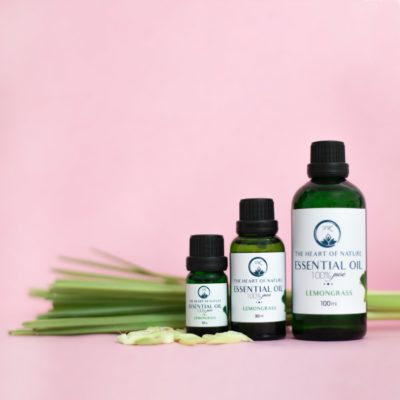
  • Aromatherapy: Diffuse essential oils like lavender for relaxation, frankincense for grounding, or a citrus blend for uplifting your spirits. Ensure the scent is subtle and pleasant, contributing to your overall sense of well-being. This attention to sensory detail is akin to the art of “How To Choose The Right Perfume,” where a carefully selected fragrance can elevate your mood and personal expression.
  • Mindful Breathing: Before you even pick up your tool, take a few deep, slow breaths. Inhale deeply through your nose, hold for a moment, and exhale slowly through your mouth. This simple practice signals to your nervous system that it’s time to relax, enhancing the stress-reducing benefits of the massage.

Pre-Massage Considerations: Hydration and Mindset

Hydration from within is just as important as hydration on the surface. Drink a glass of water before and after your Gua Sha session to support lymphatic drainage and overall cellular health. Moreover, approach your ritual with a mindset of self-love and intention. This isn’t just another task; it’s a gift you’re giving yourself. Be present, listen to your body, and enjoy the sensation of caring for your skin and mind. This holistic preparation elevates your Gua Sha experience from a mere beauty treatment to a profound act of self-care.

Step-by-Step Guide: Mastering the Gua Sha Facial Massage Techniques

💡 Pro Tip

Now that your skin is prepped and your sanctuary is set, it’s time to delve into the art of the Gua Sha facial massage. Remember, consistency and gentle pressure are your allies. Approach each stroke with intention, listening to your skin and allowing the ritual to be a moment of mindful connection. Always hold your Gua Sha tool at a shallow angle—between 15 to 45 degrees—almost flat against your skin, to avoid harsh dragging and maximize lymphatic flow.

General Principles for Effective Stroking

  • Light Pressure: For facial Gua Sha, the pressure should be light to medium. You’re aiming for a gentle glide, not deep tissue work. Too much pressure can cause bruising or irritation.
  • Angle: Maintain a 15-45 degree angle, almost flat against the skin, allowing the tool to hug your facial contours. This encourages lymphatic drainage without pulling the skin.
  • Direction: Always stroke upwards and outwards, working against gravity and towards the lymphatic drainage points (ears, collarbones). For the neck, strokes are generally downwards to encourage drainage to the lymph nodes in the collarbone area.
  • Number of Strokes: Aim for 3-5 repetitions per area, though you can do more if it feels good and your skin isn’t showing signs of irritation.
  • Anchor Your Skin: Use your free hand to gently hold the skin taut at the starting point of your stroke. This provides stability and prevents pulling.

The Sequence of Your Gua Sha Facial Massage

It’s generally recommended to start from the neck and work your way up to the forehead, clearing lymphatic pathways as you go. Ensure your face and neck are generously coated with your chosen facial oil throughout the process.

1. Neck and Décolletage: The Foundation of Drainage

Clearing the neck is crucial as it’s the primary pathway for lymphatic fluid to drain from the face. Begin here to ensure optimal detoxification and reduced puffiness in the upper facial areas.

  • Collarbone Area: Using the small curve or the pointed end of your tool, gently stroke outwards along your collarbone, moving towards your shoulder. This stimulates the lymph nodes in this region. Repeat 3-5 times on each side.
  • Sides of the Neck: With the large concave edge, stroke downwards from behind your earlobe (where your jaw meets your ear) all the way to your collarbone. This helps drain lymph from the face. Avoid the center of your throat where your thyroid is located. Repeat 3-5 times on each side.
  • Back of the Neck (Optional): If you carry tension here, use the comb edge or a wider curve to gently stroke upwards from the base of your neck towards your hairline. This can relieve tension headaches and improve circulation.

2. Jawline and Chin: Sculpting and Releasing Tension

The jawline is a common area for tension, especially for those who clench their jaw or experience TMJ discomfort. Gua Sha here can release knots and define the jawline.

  • Under the Chin: Use the U-shaped curve of your tool. Starting at the center of your chin, stroke upwards along the jawline towards your earlobe. Ensure the curve hugs your jawbone. Repeat 3-5 times on each side.
  • Jawline Definition: Using the longer, flat edge, place the tool against your chin and sweep it upwards and outwards along your jawbone, finishing at the ear. This helps to sculpt and lift. Repeat 3-5 times on each side.
  • Jaw Muscle Release: If you feel tension in your masseter muscles (the bulky muscles at the back of your jaw near your ears), use the rounded edge of your tool to gently massage in small circles or apply gentle pressure for a few seconds.

3. Cheeks: Lifting, Contouring, and Promoting Glow

Massaging the cheeks helps to lift, sculpt, and bring a beautiful flush to the skin, enhancing your natural radiance.

  • Cheekbones: Place the large concave edge or the longest curve of your tool against the side of your nose. Sweep upwards and outwards, following the contour of your cheekbone, towards your hairline just above your ear. Repeat 3-5 times on each side.
  • Mid-Cheek: Starting from the corner of your mouth, sweep the tool upwards and outwards towards the middle of your ear. This helps to lift the lower cheek area. Repeat 3-5 times on each side.

4. Under-Eye Area and Brows: Gentle De-Puffing and Smoothing

The skin around the eyes is delicate, so use very light pressure here. This area benefits greatly from lymphatic drainage to reduce puffiness and dark circles.

  • Under-Eyes: Using the very small, pointed curve of your tool, place it gently at the inner corner of your under-eye. With extremely light pressure, sweep outwards towards your temple. Be incredibly gentle here. Repeat 3 times on each side.
  • Brow Bone: Place the small curve of your tool at the inner part of your brow. Sweep upwards and outwards along the brow bone towards your temple. This helps to lift and soothe tension. Repeat 3-5 times on each side.
  • Forehead: Using the largest flat edge or the concave curve, place the tool just above your eyebrow. Sweep upwards towards your hairline. Then, move to the center of your forehead and sweep outwards towards your temple. Repeat 3-5 times across the entire forehead.

5. Forehead: Smoothing and Releasing Tension

The forehead is another common area for tension and fine lines. Gua Sha can help relax these muscles and promote a smoother appearance.

  • Horizontal Lines: Using the long, flat edge, place the tool horizontally just above your brows. Sweep upwards towards your hairline. Repeat across the forehead.
  • Vertical Lines (Between Brows): Use the pointed end or a small curve. Stroke upwards between your eyebrows, or gently massage in small circles to release tension.

After completing your massage, you might notice a slight pinkness or flush to your skin, which indicates increased blood flow – a sign of a successful session! Gently wipe off any excess oil with a soft cloth if desired, and follow with your usual skincare routine (serum, moisturizer). Remember that consistency is key. Integrating this ritual into your “Morning Routine For Women 2026” a few times a week will yield the most noticeable and lasting results, contributing to a truly radiant and revitalized complexion.

Common Mistakes to Avoid for Optimal Results

How To Do A Gua Sha Facial Massage At Home

While Gua Sha is a relatively simple practice, certain common missteps can diminish its effectiveness or even cause skin irritation. Being aware of these pitfalls will help you maximize the benefits and ensure a safe, enjoyable experience.

1. Using Too Much Pressure

This is perhaps the most frequent mistake, especially for beginners. Unlike body Gua Sha, which can involve deeper pressure, facial Gua Sha requires a very light, gentle touch. The goal is to stimulate lymphatic flow and circulation, not to “scrape” or bruise the skin. Excessive pressure can lead to:

  • Bruising: Resulting in unsightly marks that can take days to fade.
  • Capillary Damage: Especially if you have sensitive skin or rosacea.
  • Skin Irritation: Redness, tenderness, or even breakouts from trauma.

Remember, a light hand is all you need. The sensation should be pleasant and relaxing, never painful or uncomfortable.

2. Performing Gua Sha on Dry Skin

As emphasized earlier, this is a cardinal sin of Gua Sha. Attempting to massage without a sufficient layer of facial oil or serum creates friction, which can drag and pull at the delicate skin, leading to:

  • Collagen Damage: Repeated tugging can break down collagen and elastin, contributing to premature aging rather than preventing it.
  • Skin Irritation and Redness: Friction can cause raw, sensitive patches.
  • Discomfort: The experience will be anything but relaxing.

Always ensure your skin is generously coated with a suitable glide medium throughout your entire session. Reapply if your skin starts to feel dry.

3. Incorrect Angle and Direction

The angle at which you hold the tool and the direction of your strokes are critical for effective lymphatic drainage and lifting. Incorrect technique can hinder results:

  • Wrong Angle (Too Perpendicular): Holding the tool too straight (90 degrees) against the skin can create too much pressure on a small area, causing irritation or scraping. Aim for a shallow 15-45 degree angle, almost flat against the skin, allowing the tool to hug the contours.
  • Stroking Downwards on the Face: Except for the neck (where you drain towards the collarbones), all facial strokes should be upwards and outwards. Stroking downwards on the face can work against gravity and impede lymphatic drainage.

4. Ignoring the Neck Area

Many beginners jump straight to their face, neglecting the neck. However, the neck contains major lymphatic pathways that need to be cleared first. If these pathways are blocked, lymphatic fluid from your face won’t be able to drain effectively, diminishing the de-puffing benefits of your facial massage. Always start by clearing the neck and décolletage to create an open channel for drainage.

5. Not Cleaning Your Gua Sha Tool

Just as you cleanse your face, your Gua Sha tool needs regular cleaning. After each use, wash it with mild soap and warm water, then pat it dry and store it in a clean pouch or container. Neglecting this step can lead to a buildup of oil, dead skin cells, and bacteria on the tool, which can then be transferred back to your skin, potentially causing breakouts or infections.

6. Overdoing It (Frequency and Duration)

While consistency is key, more is not always better. Starting with daily 2-3 minute sessions or 2-3 times a week for 5-10 minutes is ideal. Over-massaging your face can lead to:

  • Overtaxed Lymphatic System: While rare, too much stimulation can potentially overwhelm the system.
  • Skin Sensitivity: Your skin might become overly sensitive or reactive.
  • Unnecessary Strain: It can turn a relaxing ritual into a chore.

Listen to your skin. If it feels tender or irritated, give it a break. Building a sustainable practice is far more beneficial than intense, sporadic sessions.

7. Ignoring Skin Signals

Your skin is an excellent communicator. Pay attention to how it responds during and after your Gua Sha session. While a slight flush is normal, excessive redness, prolonged irritation, or pain are signs to stop and reassess your technique or products. If you have active acne, open wounds, rashes, or recent injectables, avoid Gua Sha in those areas until healed or cleared by a professional.

By consciously avoiding these common mistakes, you’ll ensure that your at-home Gua Sha facial massage remains a beneficial, relaxing, and highly effective part of your self-care routine, paving the way for a truly radiant and healthy complexion.

Enhancing Your Gua Sha Experience: Beyond the Basic Strokes

Integrating Gua Sha into your self-care repertoire is a wonderful step, but truly elevating the experience involves weaving it into a broader tapestry of wellness. This isn’t just about moving a stone across your face; it’s about creating a holistic ritual that nourishes your mind, body, and spirit, much like designing a comprehensive “Morning Routine For Women 2026” that balances productivity with profound self-care.

Pairing with Other Self-Care Practices

The benefits of Gua Sha extend beyond the physical, touching upon mental and emotional well-being. Amplify this by combining it with other mindful practices:

  • Mindful Breathing and Meditation: Before you even pick up your tool, take a few deep, intentional breaths. Focus on the sensation of inhaling and exhaling. You can even incorporate short guided meditations during your massage, allowing the rhythmic strokes to deepen your state of relaxation. This synergy turns your skincare routine into a powerful stress-reduction tool.
  • Hydration: A hydrated body is a happy body, and this extends to your skin. Drinking plenty of water throughout the day, especially before and after your Gua Sha session, supports lymphatic drainage and helps flush out toxins. Consider adding a squeeze of lemon or cucumber to your water for an extra boost of vitality.
  • Healthy Diet: The glow you achieve with Gua Sha is amplified by what you put into your body. A diet rich in antioxidants, healthy fats, and vitamins supports skin health from within. This aligns perfectly with the philosophy of “How To Eat Healthier Without Dieting,” where the focus is on nourishing your body with whole, unprocessed foods rather than restrictive calorie counting. Think vibrant fruits, leafy greens, lean proteins, and healthy fats like avocado and nuts to feed your skin cells.
  • Sleep Hygiene: Quality sleep is a powerful beauty secret. During sleep, your body repairs and regenerates cells, including skin cells. Making Gua Sha an evening ritual can help you unwind, signal to your body that it’s time to rest, and enhance the skin’s overnight repair processes.

Incorporating into a Holistic Beauty Routine

Gua Sha doesn’t operate in isolation; it enhances and is enhanced by your broader skincare and beauty choices.

  • Layering Skincare Products: Your Gua Sha session is an excellent time to apply your favorite serums and oils. The massage can help these active ingredients penetrate deeper into the skin, maximizing their efficacy. After your massage, consider sealing in the benefits with a hydrating moisturizer. Think of it as a multi-layered approach to skin nourishment.
  • Facial Masks: On days you’re not doing Gua Sha, or as an occasional treat, incorporating a hydrating or detoxifying facial mask can complement your routine. Masks can provide intense nourishment or deep cleansing, preparing your skin beautifully for subsequent Gua Sha sessions.
  • Choosing Complementary Scents: Elevate the sensory experience of your Gua Sha ritual through aromatherapy. The essential oils in your chosen facial oil can contribute to the ambiance, or you can diffuse calming scents like lavender or frankincense in your space. This mindful attention to scent is akin to the nuanced art of “How To Choose The Right Perfume.” Just as a carefully selected perfume can evoke confidence or serenity, a pleasant aroma during your Gua Sha ritual can deepen relaxation and enhance the overall luxurious feel of your self-care moment. Consider a facial oil with a subtle, natural fragrance that resonates with your desired mood.

Maintenance and Care of Your Gua Sha Tool

To ensure your Gua Sha tool remains a hygienic and effective part of your routine, proper care is essential:

  • Clean After Every Use: Wash your tool with mild soap and warm water immediately after each session to remove any oil residue and bacteria.
  • Pat Dry: Use a soft, clean cloth to thoroughly dry your tool to prevent water spots and bacterial growth.
  • Store Safely: Keep your Gua Sha tool in a clean pouch (many come with one) or a dedicated drawer to protect it from dust and potential damage. Crystal tools are fragile and can break if dropped.

Listening to Your Body and Skin

The most important enhancement to your Gua Sha experience is developing a deep awareness of your own body and skin. Pay attention to areas of tension, notice how your skin responds to different pressures, and adjust your routine accordingly. Some days your skin might crave a lighter touch, while on others, a more invigorating massage might feel right. This intuitive approach ensures that your Gua Sha ritual is always tailored to your immediate needs, making it a truly personalized and effective tool for wellness in your unique “Morning Routine For Women 2026.”

The Transformative Power of Consistency and Self-Care

Embarking on the journey of at-home Gua Sha facial massage is more than just adopting a new beauty technique; it’s an investment in a deeper form of self-care and a commitment to your overall well-being. The true magic of Gua Sha, like many meaningful practices, lies not in a single session, but in the power of consistency and the intention you bring to each mindful stroke.

The immediate gratification of a Gua Sha session – the temporary reduction in puffiness, the healthy flush, the release of tension – is certainly rewarding. However, it’s the cumulative effect over weeks and months that truly unveils its transformative potential. Regular practice steadily improves lymphatic circulation, leading to a sustained reduction in fluid retention and a clearer, more vibrant complexion. The continuous stimulation of blood flow encourages cell renewal and collagen production, contributing to firmer, more elastic skin and a noticeable softening of fine lines and wrinkles over time. Muscle tension, particularly in the jaw and brow, begins to dissipate, leading to a more relaxed facial expression and a greater sense of ease.

Beyond the visible changes, the ritualistic aspect of Gua Sha offers profound benefits for your mental and emotional landscape. In a world that constantly demands our attention, dedicating a few minutes each day or a few times a week to this focused, meditative practice provides a much-needed pause. It’s a conscious act of slowing down, reconnecting with your body, and tending to your needs. This dedicated “me time” can significantly reduce stress, calm the nervous system, and foster a deeper sense of self-love and appreciation. It transforms a simple skincare step into a sacred ritual, a cornerstone of a truly fulfilling “Morning Routine For Women 2026” or an evening wind-down.

Embracing Gua Sha is an embodiment of a holistic approach to beauty and wellness that is increasingly vital for women in 2026. It recognizes that true radiance emanates from within – a reflection of not just what you apply to your skin, but how you nourish your body, manage your stress, and honor your inner peace. By consistently engaging in practices like Gua Sha, alongside mindful nutrition (as explored in “How To Eat Healthier Without Dieting”) and attention to sensory details (such as “How To Choose The Right Perfume

THE LATEST

Hi, I’m Thea.

I started this brand as a personal online publication after graduating from Boston University with a degree in Marketing and Design. Originally from San Francisco, I was thousands of miles from family and friends, and needed an outlet for exploring my passions and connecting with others. My goal has always been to show others the beauty in enjoying life’s simple pleasures and to encourage others to look inward for self fulfillment.

Thousands of readers later, The Contextual Life has become a resource for anyone wanting a sense of community and a source of inspiration throughout their journey of life. It’s a place where readers can find suggestions on where to travel, what to eat, what to wear, and what to shop for, from experts who are almost like personal friends.

The Contextual Life brings our mission to life through news, products, experiences, and design. We are dedicated to providing the latest information to help you live a lifestyle that you love. Thank you for being here. Stay awhile.

thea-signature
Im-thea