


Understanding the Dip: Why We Lose Our Spark
Before we dive into solutions, it’s crucial to understand that feeling low and lacking motivation isn’t a personal failing. It’s often a natural response to various internal and external factors. Recognizing these triggers can be the first step towards addressing them effectively. For many women, these dips can be influenced by a complex interplay of physiological and psychological elements.
- Chronic Stress and Burnout: The relentless pace of modern life, juggling careers, family, and personal aspirations, can lead to chronic stress. Over time, this depletes our mental and physical reserves, manifesting as profound fatigue and a disinterest in activities we once enjoyed. It’s like running a marathon without proper fuel or recovery.
- Lack of Purpose or Direction: Sometimes, a feeling of aimlessness can creep in, especially after achieving a big goal or when daily routines become monotonous. Without a clear “why,” it’s incredibly difficult to muster enthusiasm for daily tasks.
- Hormonal Fluctuations: Women’s bodies are a symphony of hormones, and these fluctuations (due to menstrual cycles, perimenopause, or other health conditions) can significantly impact mood, energy levels, and motivation. Understanding your body’s rhythm can provide valuable context.
- Nutritional Deficiencies or Poor Diet: What we eat directly impacts our brain chemistry and energy production. A diet lacking essential nutrients, or one high in processed foods and sugar, can lead to energy crashes and a general feeling of sluggishness.
- Lack of Sleep or Poor Sleep Quality: Sleep is our body’s primary repair and rejuvenation cycle. Insufficient or poor-quality sleep is a direct pathway to low energy, impaired cognitive function, and diminished motivation.
- Seasonal Affective Disorder (SAD): For some, reduced exposure to sunlight during darker months can trigger feelings of sadness, low energy, and a lack of motivation.
- Emotional Overload: Suppressing emotions, dealing with grief, disappointment, or prolonged emotional challenges can be incredibly draining, leaving little energy for anything else.
Acknowledging these potential underlying causes validates your experience and moves you away from self-blame. It’s a signal from your body and mind that something needs attention, and with the right approach, you can begin to restore your balance and vitality.
Reclaiming Your Mornings: The Foundation of Energy and Motivation

The way you start your day has a profound impact on your energy levels and overall mindset, especially when you’re feeling low. Even a small, intentional shift in your morning can set a positive tone and create momentum. This is where cultivating a powerful Morning Routine For Women 2026 becomes not just a trend, but a vital strategy for well-being.
Crafting Your Intentional Morning
- Hydrate Immediately: Before anything else, drink a large glass of water, perhaps with a squeeze of lemon. Your body is dehydrated after hours of sleep, and rehydrating kickstarts your metabolism and brain function. This simple act sends a signal of self-care to your system.
- Delay Digital Devices: Resist the urge to check your phone, emails, or social media for at least the first 30-60 minutes. This protects your mind from external demands and allows you to focus on your inner state. Instead of reacting to the world, you proactively shape your morning.
- Embrace Mindful Movement: You don’t need an intense workout to feel the benefits. Gentle stretching, a short walk around the block, or a few minutes of yoga can increase blood flow, release endorphins, and gently wake up your body. The goal is to move with intention, not to break a sweat.
- Practice Mindfulness or Meditation: Even 5-10 minutes of quiet reflection, deep breathing exercises, or guided meditation can significantly reduce stress and improve focus. It allows you to ground yourself before the day’s challenges begin, helping you feel more centered and less overwhelmed.
- Set Your Intention: Before you fully dive into your day, take a moment to consider what you want to achieve or how you want to feel. This could be a simple affirmation like, “Today, I will approach tasks with patience,” or “I will prioritize my well-being.” This small mental exercise provides direction and purpose.
- Nourish Your Body: Prepare a healthy, balanced breakfast. Focus on protein, healthy fats, and complex carbohydrates to provide sustained energy. Avoid sugary cereals or pastries that lead to energy crashes later. A nutritious meal is an investment in your day’s motivation.
Even on days when getting out of bed feels like scaling a mountain, choose one or two elements from this list to implement. The cumulative effect of these small, consistent actions can gradually rebuild your energy and sense of control. Remember, the goal isn’t perfection, but progress. An intentional morning routine isn’t about productivity; it’s about self-respect and setting a positive internal climate, which is essential for how to stay motivated and energized when feeling low.
Fueling Your Body & Mind: Nutrition, Movement, and Rest
Nourishing from Within: The Power of Food
- Hydration is Key: Dehydration can mimic feelings of fatigue and sluggishness. Make sure you’re consistently drinking enough water throughout the day. Keep a water bottle handy and sip regularly. Herbal teas can also contribute to your fluid intake.
- Balanced Meals and Snacks: Focus on whole, unprocessed foods. Incorporate lean proteins (chicken, fish, beans, lentils), healthy fats (avocado, nuts, seeds, olive oil), and complex carbohydrates (whole grains, vegetables, fruits). These provide sustained energy and prevent the blood sugar spikes and crashes that contribute to low energy.
- Mindful Snacking: If you need a snack, choose nutrient-dense options like a handful of almonds, an apple with peanut butter, or Greek yogurt. Avoid sugary treats that offer only a fleeting energy boost followed by a slump.
- Address Deficiencies: If you suspect you might have a vitamin deficiency (e.g., Vitamin D, B12, iron), consult with your doctor. These deficiencies are common and can severely impact energy and mood.
- Comfort Food, Wisely Chosen: There’s a place for comfort food, but try to make conscious choices. Instead of reaching for highly processed options, perhaps a homemade soup, a warm lentil stew, or a delicious whole-grain pasta dish can offer both comfort and nutrition.
Movement as Medicine: Revitalizing Your Body
- Start Small, Stay Consistent: When you’re feeling low, the thought of a strenuous workout can be overwhelming. Begin with short, manageable bursts of activity. A 10-minute walk, some gentle stretching, or even dancing to your favorite song in your living room counts. The goal is to create a habit of movement, not to achieve peak performance.
- Find Joy in Movement: Exercise shouldn’t feel like a punishment. Explore different activities until you find something you genuinely enjoy. It could be gardening, cycling, swimming, hiking, or a fun fitness class. When you enjoy it, you’re more likely to stick with it.
- Outdoor Activity: Spending time outdoors, even for a short walk, exposes you to natural light and fresh air, which can significantly boost mood and energy. Combine movement with nature for a double dose of feel-good hormones.
- Desk Stretches: If you have a sedentary job, incorporate regular stretch breaks. Simple neck rolls, shoulder shrugs, and leg stretches can alleviate tension and improve circulation, helping to prevent that mid-afternoon slump.
The Art of Rest: More Than Just Sleep
- Prioritize Sleep Hygiene: Create a consistent sleep schedule, even on weekends. Ensure your bedroom is dark, cool, and quiet. Avoid screens for at least an hour before bed. Consider a relaxing ritual like a warm bath or reading a book. Aim for 7-9 hours of quality sleep.
- Understand the Difference Between Rest and Sleep: Sleep is essential, but rest encompasses more. Rest can be active (like meditation or gentle yoga) or passive (like simply sitting quietly, listening to music, or gazing out the window). When you’re feeling low, you might need more restorative rest that isn’t necessarily sleep.
- Power Naps: If you’re struggling with afternoon fatigue, a short 20-30 minute power nap can be incredibly rejuvenating without causing grogginess.
By consciously addressing your body’s needs for proper fuel, regular movement, and adequate rest, you are building a robust foundation that makes it significantly easier to cultivate motivation and maintain energy, even when external circumstances are challenging. These are non-negotiable elements in the quest for how to stay motivated and energized when feeling low.
Cultivating Joy and Connection: Beyond the To-Do List
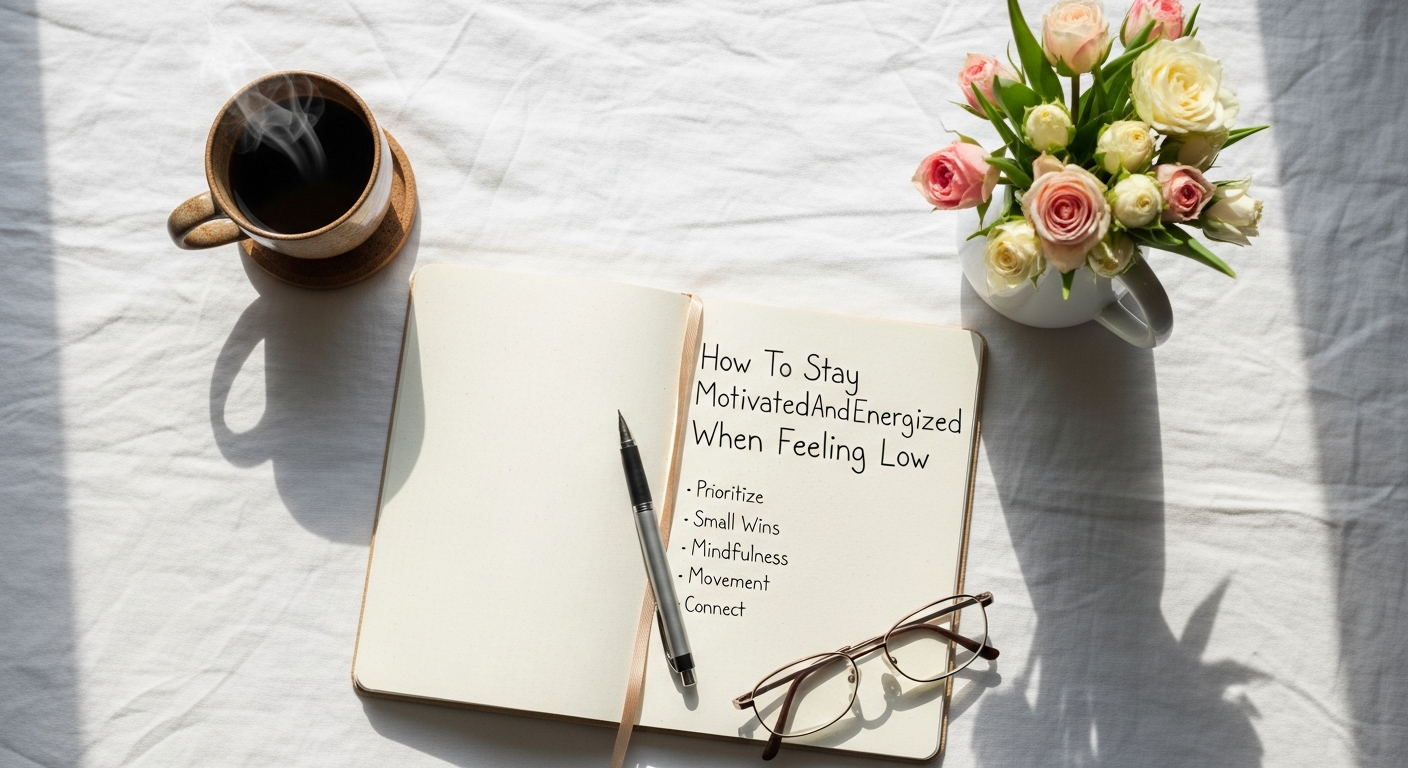
When motivation wanes and energy dips, our natural inclination can be to withdraw, to focus solely on the necessary tasks, and to let go of the things that bring us simple joy or connect us to others. However, these are precisely the elements that can help pull us out of a slump. Prioritizing joy and connection isn’t a luxury; it’s a vital part of maintaining mental and emotional resilience.
Reconnecting with Sources of Joy
- Rediscover Hobbies and Passions: What activities used to light you up? Whether it’s painting, playing an instrument, gardening, cooking, or creative writing, make time for things that engage your mind and spirit without pressure. Even a small amount of time dedicated to a passion can remind you of your capacity for joy.
- Engage Your Senses: Actively seek out experiences that delight your senses. Listen to uplifting music, light a scented candle, enjoy the taste of a delicious meal, wrap yourself in a soft blanket, or spend time in a beautiful natural setting. These sensory inputs can shift your mood and bring you into the present moment. This is also where considering How To Choose The Right Perfume comes into play; a fragrance that evokes positivity or comfort can be a powerful, subtle mood booster.
- Practice Gratitude: Even on the toughest days, there is always something to be grateful for. Keep a gratitude journal, or simply take a few moments each day to mentally list three things you appreciate. This practice shifts your focus from what’s lacking to what’s abundant.
- Embrace Playfulness: Allow yourself moments of uninhibited play. This could be anything from doodling, building a fort with your kids, playing a board game, or simply laughing at a silly video. Play is a powerful antidote to stress and seriousness.
Nurturing Meaningful Connections
- Reach Out, Even When You Don’t Feel Like It: When feeling low, the instinct to isolate can be strong. However, genuine connection with loved ones is a powerful antidote. Send a text, make a phone call, or schedule a short coffee date. Even a brief interaction can remind you that you’re valued and supported.
- Set Boundaries: While connection is important, it’s equally vital to protect your energy. Learn to say no to commitments that will drain you. Spend time with people who uplift you and respect your boundaries.
- Offer Help to Others: Sometimes, shifting focus from your own challenges to helping someone else can be incredibly motivating. It creates a sense of purpose and can generate positive feelings. This doesn’t have to be a grand gesture; a kind word or a small favor can make a difference.
- Join a Community: Whether it’s a book club, a hiking group, a volunteer organization, or an online forum centered around a shared interest, being part of a community can provide a sense of belonging and shared experience, combating feelings of isolation.
Intentionally weaving moments of joy and meaningful connection into your life, especially when you’re navigating a low period, is a proactive step towards rebuilding your emotional reserves. These actions remind you that life is rich and multifaceted, offering diverse pathways to feel better and regain your zest. They are essential components in the holistic approach to how to stay motivated and energized when feeling low.
The Power of Intentional Self-Care: Nurturing Your Soul
Self-care is far more than just indulging in luxuries; it’s a conscious, intentional practice of nurturing your physical, mental, and emotional well-being. When you’re feeling low, self-care becomes a non-negotiable strategy to replenish your depleted reserves and regain a sense of balance. It’s about creating a personal sanctuary and making deliberate choices that support your inner peace and resilience.
Building Your Self-Care Toolkit
- Design Your Self-Care Sunday Routine: Weekends, particularly Sundays, offer a unique opportunity to reset and prepare for the week ahead. Consider How To Build Self Care Sunday Routine that genuinely recharges you. This could involve:
- Digital Detox: Designate a few hours, or even the whole day, to be screen-free. Engage with the real world instead.
- Soothing Rituals: A long, warm bath with Epsom salts and essential oils, a calming face mask, or a luxurious body lotion can be incredibly therapeutic.
- Journaling and Reflection: Use this time to process thoughts, set intentions, or simply free-write without judgment. It’s a powerful tool for self-discovery and emotional release.
- Meal Prep for the Week: While practical, preparing healthy meals can also be a calming, mindful activity that reduces stress during busy weekdays.
- Nature Immersion: Spend time in a park, garden, or by the water. The restorative power of nature is immense.
- Reading for Pleasure: Curl up with a good book, distinct from any work-related reading.
The key is to tailor your Self-Care Sunday to what you truly need, not what you think you should be doing.
- Establish Healthy Boundaries: Protecting your energy often means setting clear boundaries with others and with your own commitments. Learn to say “no” without guilt, delegate tasks when possible, and ensure you’re not overextending yourself. Healthy boundaries are a form of radical self-care.
- Create a Sacred Space: Designate a corner of your home, or even just a specific chair, as your sanctuary. Fill it with things that bring you comfort and peace – a cozy blanket, a favorite book, a plant, a calming scent. This is a place you can retreat to when you need to recharge.
- Practice Sensory Self-Care: Engage your senses in ways that bring comfort and calm. This could be listening to classical music, enjoying the aroma of a freshly brewed cup of tea, or consciously selecting a personal fragrance. As mentioned previously, the deliberate act of considering How To Choose The Right Perfume can be a form of self-care. A scent can evoke memories, shift moods, and become a part of your intentional self-nurturing ritual, helping you to feel more grounded or uplifted.
- Mindful Consumption: Be mindful of what you consume – not just food, but also media, news, and even conversations. Protect yourself from negativity and choose to engage with content and people that uplift and inspire you.
- Seek Professional Support: Self-care also means recognizing when you need more than personal strategies. If feelings of low motivation and energy persist, consulting a therapist, counselor, or doctor is a crucial act of self-care. They can offer guidance, tools, and potentially identify underlying issues that require professional attention.
Intentional self-care is an ongoing dialogue with yourself, a commitment to honoring your needs, and a powerful way to build resilience. It’s not selfish; it’s essential for your capacity to give to others and to navigate life’s challenges with greater strength and grace. By consistently engaging in these practices, you actively support your journey on how to stay motivated and energized when feeling low.
Strategic Mindset Shifts: Reframing Your Perspective
While external actions and routines are crucial, our internal narrative and mindset play an equally significant role in our ability to overcome low motivation and energy. The way we perceive our challenges and ourselves can either empower us or keep us stuck. Cultivating strategic mindset shifts can be a game-changer when you’re feeling low.
Shifting Your Internal Dialogue
- Practice Self-Compassion: When you’re feeling low, it’s easy to fall into a trap of self-criticism. Instead, treat yourself with the same kindness and understanding you would offer a dear friend. Acknowledge that it’s okay to not be okay, and speak to yourself with gentleness. This reduces the burden of self-judgment and frees up mental energy.
- Challenge Negative Self-Talk: Become aware of the negative thoughts that arise when you’re feeling low. Are they truly accurate? Often, these thoughts are exaggerated or irrational. Question them, reframe them, and replace them with more balanced and realistic perspectives. Instead of “I can’t do anything right,” try “I’m having a tough day, but I’m capable of small steps.”
- Focus on Progress, Not Perfection: When motivation is low, the idea of tackling a large task can feel insurmountable. Break down big goals into tiny, actionable steps. Celebrate each small win, no matter how minor. The feeling of accomplishment, even from completing a single small task, creates momentum and builds confidence.
- Embrace the “Done is Better Than Perfect” Mantra: Perfectionism can be a huge barrier to action when you’re feeling low. Give yourself permission to do things imperfectly. The act of starting and completing something, even if it’s not flawless, is more valuable than endless procrastination due to fear of not being good enough.
- Cultivate a Growth Mindset: View challenges and setbacks not as failures, but as opportunities for learning and growth. Understand that your abilities and motivation are not fixed; they can be developed and improved over time with effort and strategy.
- Use Positive Affirmations: While not a magic bullet, positive affirmations, when genuinely felt and repeated, can help rewire your brain over time. Choose affirmations that resonate with you, such as “I am resilient,” “I am capable of finding my energy,” or “Each day, I find more strength.”
Reframing Your Relationship with Motivation
- Don’t Wait for Motivation to Strike: Often, motivation follows action, rather than preceding it. Instead of waiting to “feel” motivated, commit to taking a small, actionable step. Once you start, the momentum often builds, and motivation follows.
- Identify Your Core Values: When you’re clear on what truly matters to you, it’s easier to connect your actions to those values. Even mundane tasks can feel more purposeful if you link them to a deeper value, like contributing to your family’s well-being or advancing a cause you believe in.
- Visualize Success: Take a few moments each day to visualize yourself feeling energized, motivated, and successfully completing tasks. This mental rehearsal can prime your brain for success and build anticipation.
By consciously working on these mindset shifts, you equip yourself with powerful internal tools. You learn to be your own best ally, navigating the internal landscape with greater wisdom and compassion. This internal work is fundamental to mastering how to stay motivated and energized when feeling low, providing a sustainable foundation for your well-being.
Conclusion
Feeling low and lacking motivation is a valid human experience, but it doesn’t have to be a permanent state. By embracing a holistic approach that integrates intentional routines, nourishing your body and mind, cultivating joy and connection, prioritizing thoughtful self-care, and making strategic mindset shifts, you can effectively navigate these challenging periods. Remember, the journey back to feeling motivated and energized is a process of small, consistent steps, fueled by self-compassion and a deep understanding of your own needs. The Contextual Life believes in empowering you with practical, actionable strategies to live your best life, even through its inevitable dips. You have the strength within you to rekindle your spark and reclaim your vibrant energy. Begin today, with one small, kind step towards yourself.
Frequently Asked Questions
Recommended Resources
Explore How To Style A Bookshelf for additional insights.
Related reading: How To Build A Work Wardrobe Capsule (Fashion Goggled).