


Understanding Cortisol: The Stress Hormone’s Double-Edged Sword
Cortisol, a glucocorticoid hormone produced by your adrenal glands, is a vital component of your body’s stress response system. In short bursts, it’s incredibly beneficial, helping you manage acute stressors by providing a burst of energy, sharpening your focus, and even dampening pain perception – think of it as your body’s built-in “fight or flight” mechanism. It helps regulate blood sugar, reduce inflammation, control blood pressure, and manage your sleep-wake cycle.
However, the challenge arises when stress becomes chronic. In our fast-paced society, the “tiger” we’re running from isn’t always a physical threat; it’s often a demanding job, financial worries, relationship struggles, or the relentless pressure to be everything to everyone. When these stressors persist, your adrenal glands continue to pump out cortisol, keeping your body in a constant state of alert. This sustained elevation of cortisol can lead to a host of detrimental effects, uniquely impacting women:
- Weight Gain, Especially Abdominal Fat: High cortisol can increase appetite and cravings for comfort foods, particularly those high in sugar and fat. It also encourages the body to store fat, especially around the abdomen, a type of fat linked to increased health risks.
- Hormonal Imbalances: Chronic stress and high cortisol can disrupt the delicate balance of other hormones, including estrogen and progesterone, potentially leading to irregular periods, exacerbated PMS symptoms, and even fertility issues.
- Sleep Disturbances: Cortisol naturally peaks in the morning and declines at night. When this rhythm is disrupted, high nighttime cortisol can interfere with melatonin production, making it difficult to fall asleep, stay asleep, and achieve restorative rest.
- Fatigue and Burnout: Paradoxically, while cortisol provides energy in the short term, chronic elevation can exhaust the adrenal glands and lead to persistent fatigue, often described as “adrenal fatigue.”
- Mood Swings and Mental Health Challenges: High cortisol levels are strongly linked to increased anxiety, depression, irritability, and difficulty concentrating.
- Weakened Immune System: While cortisol initially reduces inflammation, chronic elevation can suppress the immune system, making you more susceptible to illness.
- Skin and Hair Issues: Stress can manifest externally, contributing to acne breakouts, dull skin, and even hair thinning.
Recognizing these signs is the first step toward addressing them. For women, understanding these specific impacts is crucial for taking proactive steps to manage and reduce cortisol levels naturally.
Cultivating a Mindful Morning: Setting the Tone for Low Stress
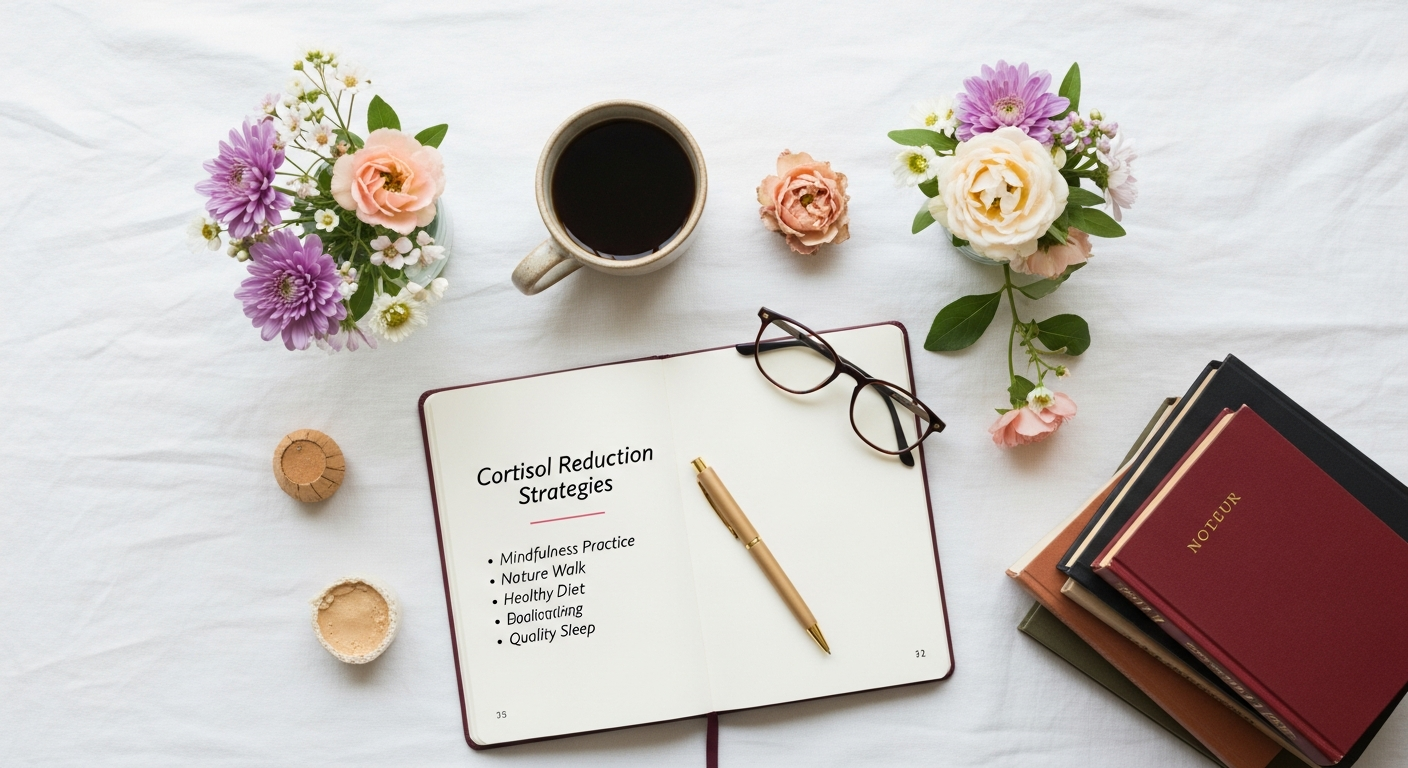
The way you begin your day profoundly influences your stress levels and overall well-being. A rushed, chaotic morning can send your cortisol skyrocketing before you even step out the door. Conversely, a mindful and intentional morning routine can set a serene, grounded tone, signaling to your body that it’s safe to remain calm. This isn’t about adding more to your already packed schedule; it’s about optimizing the first hour or two to support your mental and physical health.
For inspiration on structuring your ideal start, consider exploring resources like “Morning Routine For Women 2026.” While that specific guide might offer tailored insights, the core principles revolve around gentle transitions and self-nurturing practices. Here’s how to build a morning that helps reduce cortisol naturally:
- Wake Up Gently and Consistently: Ditching the jarring alarm for a gentler wake-up light or waking naturally with the sun can prevent an immediate cortisol spike. Aim for a consistent wake-up time, even on weekends, to regulate your circadian rhythm.
- Prioritize Natural Light Exposure: As soon as you wake, open your curtains or step outside. Exposure to natural light within the first hour of waking helps regulate your body’s internal clock, signaling to your brain that it’s daytime and helping to suppress melatonin production and set your cortisol rhythm appropriately.
- Hydrate Immediately: Before coffee, drink a large glass of water, perhaps with a squeeze of lemon. This rehydrates your body after hours of sleep and kickstarts your metabolism gently.
- Mindful Breathing or Meditation (5-10 minutes): Dedicate a few minutes to quiet reflection or meditation. Simple deep breathing exercises – inhaling slowly through your nose, holding for a count, and exhaling slowly through your mouth – can activate your parasympathetic nervous system, counteracting the stress response. Guided meditations are also excellent tools for beginners. This practice helps center your mind and lower cortisol before the day’s demands begin.
- Gentle Movement: Incorporate some light stretching, yoga, or a short walk. This isn’t about intense exercise (which can sometimes elevate cortisol in the short term if done too vigorously first thing); it’s about waking up your body, increasing blood flow, and releasing tension. Even 10-15 minutes can make a significant difference.
- Nourishing Breakfast: Fuel your body with a balanced breakfast rich in protein, healthy fats, and complex carbohydrates. Avoid sugary cereals or pastries that can lead to blood sugar spikes and subsequent crashes, which can stress your system. Examples include eggs with avocado and whole-grain toast, or oatmeal with berries and nuts.
- Delay Digital Devices: Resist the urge to immediately check your phone, emails, or social media. This allows your mind to gently transition into the day without being bombarded by external demands and potential stressors, helping to keep cortisol levels stable.
By intentionally crafting a morning routine that prioritizes calm and self-care, you equip yourself with a powerful tool for managing stress and naturally reducing cortisol throughout the day.
Nourishing Your Body: Diet and Supplements for Stress Resilience
Dietary Strategies to Lower Cortisol:
- Embrace Whole, Unprocessed Foods: Focus on fruits, vegetables, lean proteins, and whole grains. These foods provide essential vitamins, minerals, and antioxidants that protect your cells from stress-induced damage.
- Prioritize Omega-3 Fatty Acids: Found in fatty fish (salmon, mackerel, sardines), flaxseeds, chia seeds, and walnuts, Omega-3s are powerful anti-inflammatory agents that can help regulate cortisol levels and support brain health.
- Load Up on Magnesium-Rich Foods: Magnesium is often called the “calming mineral” because it plays a crucial role in nerve function and stress response. Foods like leafy green vegetables (spinach, kale), nuts (almonds, cashews), seeds (pumpkin, sesame), legumes, and dark chocolate are excellent sources.
- Incorporate B Vitamins: B vitamins are essential for energy production and nerve function, and they help convert food into energy while supporting adrenal health. Find them in whole grains, eggs, lean meats, and leafy greens.
- Choose Complex Carbohydrates: Opt for whole grains like oats, quinoa, and brown rice over refined carbs. Complex carbs help stabilize blood sugar levels, preventing the spikes and crashes that can trigger cortisol release.
- Gut-Friendly Foods: The gut-brain axis is a powerful connection. Fermented foods like yogurt, kefir, sauerkraut, and kimchi introduce beneficial probiotics that can positively influence mood and stress response. Fiber-rich foods also support a healthy gut microbiome.
- Reduce Caffeine and Alcohol: While a morning coffee might be a ritual, excessive caffeine can overstimulate your adrenal glands and prolong cortisol release. Similarly, alcohol can disrupt sleep patterns and raise cortisol. Consider reducing your intake or opting for decaffeinated alternatives.
- Eliminate Refined Sugars and Processed Foods: These foods cause rapid blood sugar fluctuations, putting stress on your body and triggering cortisol release. They also contribute to inflammation.
Strategic Supplementation (with caution):
While a balanced diet is paramount, certain supplements can offer additional support in managing cortisol. Always consult with your doctor or a qualified healthcare professional before starting any new supplement regimen, especially if you have underlying health conditions or are taking medications.
- Magnesium: As mentioned, magnesium is critical for stress reduction. Many women are deficient.
- Ashwagandha: This adaptogenic herb has been studied for its ability to help the body adapt to stress and reduce cortisol. It’s often used to improve sleep and reduce anxiety.
- Rhodiola Rosea: Another adaptogen, Rhodiola, can help combat fatigue and improve mental performance under stress.
- L-Theanine: An amino acid found in green tea, L-Theanine promotes relaxation without causing drowsiness and can help reduce the physiological responses to stress.
- Omega-3 Fatty Acids: If dietary intake is insufficient, a high-quality fish oil supplement can be beneficial.
- Vitamin D: Many women are deficient in Vitamin D, which plays a role in mood regulation and immune function.
By thoughtfully choosing what you eat and considering targeted supplements under professional guidance, you can significantly bolster your body’s resilience against stress and effectively work to reduce cortisol levels naturally.
Movement and Mindfulness: Active Strategies for Stress Reduction

In our quest to understand how to reduce cortisol levels naturally for women, we cannot overlook the profound impact of physical activity and mindful practices. These aren’t just about physical fitness or mental calm; they’re powerful biochemical regulators that directly influence your stress hormones.
Exercise: Finding Your Cortisol-Calming Rhythm
Regular physical activity is an excellent stress reliever, primarily by helping your body process cortisol more efficiently and by releasing endorphins, which have mood-boosting effects. However, the type and intensity of exercise matter. While moderate activity helps lower cortisol, overtraining or engaging in overly intense workouts without adequate recovery can sometimes temporarily elevate cortisol, especially if you’re already stressed.
- Moderate Aerobic Exercise: Activities like brisk walking, jogging, swimming, cycling, or dancing for 30-60 minutes most days of the week are ideal. They provide cardiovascular benefits, improve mood, and help regulate stress hormones without overtaxing your system.
- Yoga and Pilates: These practices combine physical postures with breathing and mindfulness, making them exceptional for stress reduction. They improve flexibility, strength, and balance while calming the nervous system. Many women find the meditative aspect of yoga particularly helpful in reducing anxiety and promoting relaxation.
- Strength Training: Building muscle mass can improve metabolic health and overall resilience to stress. Focus on consistent, moderate-intensity strength training 2-3 times per week, ensuring proper form and adequate rest between sessions.
- Outdoor Activities: Exercising outdoors, whether it’s hiking, gardening, or simply walking in a park, combines the benefits of physical activity with exposure to nature, further amplifying stress reduction.
The key is consistency and listening to your body. If you’re feeling depleted, a gentle walk might be more beneficial than an intense HIIT session. The goal is to move your body in a way that feels good and energizing, not punishing.
Mindfulness and Meditation: Reclaiming Inner Calm
Mindfulness is the practice of being present and fully engaged in the current moment without judgment. Meditation is a formal practice of mindfulness, but you can be mindful in any activity. These practices directly impact the brain’s stress response center, helping to downregulate cortisol production.
- Deep Breathing Exercises: Simple yet incredibly powerful, diaphragmatic breathing (belly breathing) directly activates the vagus nerve, which stimulates the parasympathetic nervous system – your body’s “rest and digest” mode. Practice taking slow, deep breaths, feeling your belly rise and fall. Even a few minutes throughout the day can make a difference.
- Guided Meditation: Numerous apps and online resources offer guided meditations for stress reduction, sleep, and anxiety. These can be particularly helpful for beginners, providing a structured way to quiet the mind.
- Body Scan Meditation: Lie down and systematically bring your awareness to each part of your body, noticing any sensations without judgment. This helps release physical tension and brings you into the present moment.
- Mindful Moments: Integrate mindfulness into daily tasks. When eating, savor each bite. When showering, notice the feel of the water. When walking, pay attention to the sensation of your feet on the ground. These small shifts can break the cycle of anxious thoughts.
- Progressive Muscle Relaxation: Tense and then relax different muscle groups throughout your body. This helps you become more aware of physical tension and consciously release it.
Regular practice of mindfulness and meditation literally changes your brain, making it more resilient to stress over time. By incorporating both mindful movement and dedicated meditation practices, women can create a robust defense against chronic stress and actively work to reduce cortisol levels naturally.
The Power of Rest and Recharge: Prioritizing Sleep and Self-Care
In the demanding landscape of a woman’s life, rest and genuine self-care are often the first things to be sacrificed. However, they are not luxuries; they are fundamental pillars in the strategy of how to reduce cortisol levels naturally for women. Chronic sleep deprivation and a lack of dedicated recharge time are direct routes to elevated cortisol and adrenal fatigue.
Prioritizing Restorative Sleep: Your Body’s Reset Button
Sleep is when your body repairs, regenerates, and rebalances hormones, including cortisol. A consistent lack of quality sleep is a potent stressor that keeps cortisol levels persistently high. Aim for 7-9 hours of restorative sleep each night.
- Establish a Consistent Sleep Schedule: Go to bed and wake up at roughly the same time every day, even on weekends. This helps regulate your circadian rhythm and optimizes your body’s natural sleep-wake cycle.
- Create a Relaxing Bedtime Routine: Signal to your body that it’s time to wind down. This might include a warm bath (perhaps with Epsom salts), reading a physical book, gentle stretching, listening to calming music, or practicing deep breathing.
- Optimize Your Sleep Environment: Ensure your bedroom is dark, quiet, and cool. Block out light with blackout curtains, use earplugs if needed, and set your thermostat to a comfortable, slightly cool temperature.
- Limit Screen Time Before Bed: The blue light emitted from phones, tablets, and computers can interfere with melatonin production, the hormone that signals sleep. Power down devices at least an hour before bed.
- Avoid Caffeine and Heavy Meals Late in the Day: Stimulants and a full digestive system can disrupt sleep.
Building a Robust Self-Care Routine: Beyond the Bubble Bath
Self-care is often misunderstood as indulgent pampering, but it’s much more profound. True self-care is about intentionally engaging in activities that replenish your energy, soothe your nervous system, and protect your mental and emotional health. It’s a proactive measure against stress and a vital component of lowering cortisol.
- Schedule Downtime: Just as you schedule appointments, schedule non-negotiable downtime for yourself. This could be an hour each evening or a dedicated afternoon on the weekend.
- Nurture Hobbies and Creative Outlets: Engage in activities purely for pleasure – painting, writing, playing music, gardening, knitting. These activities provide a mental break and foster a sense of joy and accomplishment, which are powerful stress reducers.
- Practice Saying “No”: One of the biggest stressors for women is overcommitment. Learn to set healthy boundaries and politely decline requests that don’t align with your priorities or capacity.
- Connect with Loved Ones: Strong social connections are a buffer against stress. Spend quality time with friends and family who uplift you.
- Mindful Sensory Experiences: Engage your senses in calming ways. A warm cup of herbal tea, the soft feel of a cozy blanket, or the gentle scent of essential oils can be incredibly soothing. This is where choices like “How To Choose The Right Perfume” can actually play a role in your self-care. A signature scent that evokes feelings of calm, confidence, or joy can be a subtle yet powerful tool in managing your mood and setting a positive internal environment. Consider a perfume with notes like lavender, sandalwood, or bergamot for their known calming properties, making its application a small, mindful ritual within your day.
- Build a “Self Care Sunday Routine”: This dedicated time can become a weekly anchor for stress reduction. Explore ideas on “How To Build Self Care Sunday Routine” to create a personalized ritual that truly recharges you. This could involve a long bath, meal prepping healthy foods, planning for the week ahead in a relaxed manner, journaling, or simply enjoying quiet time.
- Journaling: Putting your thoughts and feelings onto paper can be incredibly cathartic, helping you process emotions and gain perspective, thereby reducing the mental load that contributes to high cortisol.
By consciously prioritizing sleep and integrating meaningful self-care practices into your life, you create a powerful buffer against chronic stress, allowing your body to naturally regulate cortisol and move towards a state of greater balance and well-being.
Environmental and Lifestyle Adjustments for Lower Cortisol
While internal practices like diet, exercise, and mindfulness are crucial, our external environment and daily lifestyle choices also significantly impact our stress levels and, consequently, our cortisol. Making intentional adjustments to your surroundings and habits can create a more supportive, less stressful existence, a key aspect of how to reduce cortisol levels naturally for women.
Creating a Calm Environment:
- Declutter Your Space: A cluttered physical environment can lead to a cluttered mind. Regularly decluttering your home and workspace can create a sense of calm and order, reducing subtle stressors.
- Bring Nature Indoors: Incorporate plants into your living and working spaces. Studies show that indoor plants can reduce stress, improve air quality, and boost mood.
- Minimize Noise Pollution: If possible, create quiet zones in your home. Use noise-canceling headphones or play calming music/nature sounds to buffer against disruptive noise.
- Control Digital Overload: Our digital lives can be a constant source of stress. Set boundaries around screen time, turn off notifications, and designate “tech-free” times or rooms in your home.
- Use Aromatherapy: Essential oils like lavender, frankincense, bergamot, and ylang-ylang can have calming effects. Use a diffuser in your home or add a few drops to a warm bath.
Lifestyle Habits for Stress Resilience:
- Spend Time in Nature (Forest Bathing): Regularly exposing yourself to natural environments, even a local park, has been shown to lower cortisol, blood pressure, and heart rate. Make it a point to go for walks in green spaces.
- Set Healthy Boundaries: This is paramount for women. Learn to say “no” to requests that overextend you. Establish clear boundaries with work, family, and friends to protect your time and energy. Over-committing is a primary driver of chronic stress.
- Practice Effective Time Management: Feeling overwhelmed by tasks is a major stressor. Use tools like calendars, to-do lists, and the Eisenhower Matrix (urgent/important) to prioritize and manage your time more effectively. Delegate tasks when possible.
- Cultivate Gratitude: Regularly practicing gratitude can shift your perspective from what’s lacking to what’s abundant, fostering positive emotions that counteract stress. Keep a gratitude journal or simply take a moment each day to acknowledge things you’re thankful for.
- Engage in Play and Laughter: Don’t underestimate the power of joy! Schedule time for activities that bring you genuine laughter and lightheartedness. Laughter reduces cortisol and releases endorphins.
- Seek Professional Support When Needed: If you find yourself consistently overwhelmed, despite implementing these strategies, don’t hesitate to seek help from a therapist, counselor, or doctor. Cognitive Behavioral Therapy (CBT) or other forms of counseling can provide effective tools for managing stress and anxiety, and a doctor can rule out any underlying medical conditions or discuss medication options if appropriate.
By thoughtfully curating your environment and adopting empowering lifestyle habits, you create a foundation for sustained well-being, allowing your body to naturally regulate and reduce cortisol levels. This holistic approach empowers you to actively design a life that supports your calm and vitality.
Embracing a Holistic Approach: Your Journey to Balance
The journey to naturally reduce cortisol levels for women is not a sprint, but a marathon—a continuous process of self-awareness, adjustment, and compassionate self-care. There isn’t a single magic bullet; rather, it’s the synergistic effect of integrating multiple strategies into your daily life that yields the most profound and lasting results. This holistic perspective acknowledges that your mind, body, and spirit are interconnected, and stress impacts all facets of your being.
As we’ve explored, effectively managing cortisol involves a multi-pronged approach:
- Mindful Mornings: Setting a calm and intentional tone for your day.
- Nourishing Nutrition: Fueling your body with whole foods and supportive supplements.
- Active Movement & Mindfulness: Engaging in beneficial exercise and cultivating present moment awareness.
- Restorative Sleep & Self-Care: Prioritizing deep rest and intentional rejuvenation.
- Supportive Environment & Lifestyle: Curating surroundings and habits that foster peace.
It’s important to remember that progress isn’t always linear. There will be days when stress feels overwhelming, and your cortisol might spike. The key is not to strive for perfection but for consistency and resilience. Be patient with yourself, celebrate small victories, and approach this journey with curiosity and self-compassion. Experiment with different strategies to discover what resonates most deeply with you and your unique needs. Your body is constantly communicating with you; learn to listen to its signals.
Empowering yourself with the knowledge and tools to naturally reduce cortisol levels is an investment in your long-term health, happiness, and vitality. By embracing this holistic approach, you are not just managing stress; you are actively cultivating a life of greater balance, resilience, and profound well-being. You are taking charge of your internal environment, creating a sanctuary of calm amidst the demands of the modern world. Remember, your well-being is your most valuable asset, and prioritizing it is a powerful act of self-love.
Frequently Asked Questions
Recommended Resources
You might also enjoy Budget Friendly Dinner Party Menu from Rock Salt Plum.
Related reading: Home Cleaning Routine For Busy Moms (Veralyn Media).