

While a nutritious diet, regular exercise, adequate sleep, and effective stress management remain the cornerstones of good health, sometimes our bodies need a little extra support. This is where targeted vitamins and supplements can become powerful allies, helping to bridge nutritional gaps, optimize bodily functions, and address specific concerns that become more prevalent after 30. But with a dizzying array of options on the market, how do you know which are the best vitamins and supplements for women over 30?
In this comprehensive guide, we’ll delve into the essential nutrients and specialized supplements that can empower you to thrive in your 30s and beyond. We’ll explore why certain vitamins and minerals become even more crucial during this decade, what to look for, and how to integrate them thoughtfully into your holistic lifestyle. Remember, the goal isn’t just to add pills to your routine, but to cultivate a deeper understanding of your body’s needs and support its natural capabilities. Always consult with a healthcare professional before starting any new supplement regimen to ensure it’s right for your individual health profile.
Understanding Your Body After 30: Why Supplements Matter Now More Than Ever
Your 30s are a dynamic decade, often characterized by juggling multiple responsibilities, from demanding careers to growing families. While you might still feel energetic, subtle physiological shifts are taking place that warrant a more proactive approach to nutrition and health. Understanding these changes is the first step in identifying the best vitamins and supplements for women over 30 to support your well-being.
- Metabolic Slowdown: Around age 30, our basal metabolic rate (BMR) naturally begins to decrease. This means our bodies burn fewer calories at rest, making weight management potentially more challenging. Certain nutrients can help support a healthy metabolism.
- Bone Density Concerns: Peak bone mass is typically achieved by age 30. After this, bone density can slowly start to decline, particularly if nutrient intake is insufficient or lifestyle factors are not optimized. Adequate calcium, vitamin D, and magnesium are crucial for maintaining strong bones and preventing future issues like osteoporosis.
- Hormonal Shifts: While major hormonal changes like menopause are still years away for most, the delicate balance of hormones can begin to fluctuate in the 30s. Stress, diet, and lifestyle all play a role, impacting everything from energy levels and mood to skin health and menstrual regularity. Targeted supplements can help support hormonal equilibrium.
- Increased Stress and Demands: The juggle of career, family, and personal life can lead to chronic stress. This takes a toll on the body, depleting vital nutrients and impacting adrenal function. B vitamins, magnesium, and adaptogens become particularly valuable in these demanding times.
- Nutritional Gaps: Despite our best efforts to eat a balanced diet, modern food production, soil depletion, and busy lifestyles can make it challenging to obtain all necessary nutrients solely from food. Supplements act as an insurance policy, helping to fill these potential gaps.
By proactively addressing these areas, you’re not just reacting to symptoms; you’re building a robust foundation for enduring health and vitality. This preventative mindset is key to thriving throughout your 30s and beyond.
The Essential Foundation: Core Vitamins for Women Over 30
When considering the best vitamins and supplements for women over 30, it’s wise to start with the foundational nutrients that support overall health and address common deficiencies. These are the workhorses that keep your body functioning optimally.
1. High-Quality Multivitamin: Your Daily Nutritional Insurance
Even with a balanced diet, a high-quality multivitamin formulated specifically for women can act as an excellent nutritional safety net. It helps ensure you’re getting a baseline of essential vitamins and minerals that might be lacking. Look for:
- Bioavailable Forms: Ensure vitamins are in forms your body can easily absorb and utilize (e.g., methylfolate instead of folic acid, vitamin D3).
- Iron Content: If you are menstruating, choose a multi with iron. If you are post-menopausal or have sufficient iron, opt for an iron-free version.
- Specific for Women: Many multis are tailored to women’s needs, often containing higher amounts of iron, folate, and calcium.
2. Vitamin D (The Sunshine Vitamin): Crucial for Bones, Mood, and Immunity
Vitamin D is less a vitamin and more a hormone, critical for countless bodily functions. Despite its importance, deficiency is incredibly common, especially for those living in northern climates, spending much time indoors, or having darker skin tones. After 30, its role becomes even more pronounced:
- Bone Health: It’s essential for calcium absorption and bone mineralization, playing a direct role in preventing bone density loss.
- Immune System Support: Vitamin D modulates immune responses, helping your body fight off infections.
- Mood Regulation: Studies suggest a link between adequate vitamin D levels and reduced risk of depression and improved mood.
- Hormonal Balance: It plays a role in regulating several hormones, including estrogen.
What to look for: Vitamin D3 (cholecalciferol) is the most effective form. Aim for 2000-5000 IU daily, but always get your levels tested by a doctor to determine your specific needs.
3. B Vitamins (The Energy and Stress Managers): Fueling Your Cells
The B vitamin complex (B1, B2, B3, B5, B6, B7, B9, B12) is vital for energy production, brain function, and cellular metabolism. For women over 30, they are particularly important for:
- Energy Production: They help convert food into energy, combating fatigue often felt in busy lifestyles.
- Stress Response: B vitamins support adrenal function and the nervous system, helping your body cope with stress.
- Hormonal Balance: B6, in particular, is involved in estrogen metabolism, which can help alleviate PMS symptoms.
- Red Blood Cell Formation: B12 and folate are essential for healthy red blood cells, preventing anemia.
- Folate (B9): Crucial for cell growth and DNA synthesis. If you’re considering pregnancy or are pregnant, folate (preferably in its active form, L-methylfolate) is non-negotiable for preventing neural tube defects.
What to look for: A B-complex supplement that includes active, methylated forms of folate (L-methylfolate) and B12 (methylcobalamin) for optimal absorption, especially if you have MTHFR gene variations.
4. Vitamin C (The Antioxidant & Collagen Booster): More Than Just Immunity
While renowned for its immune-boosting properties, Vitamin C is a powerful antioxidant and plays a critical role in collagen synthesis. After 30, maintaining collagen levels becomes increasingly important for:
- Skin Health: Essential for producing collagen, which maintains skin elasticity and firmness, helping to reduce the appearance of fine lines.
- Immune Support: Helps support your body’s defenses against illness.
- Iron Absorption: Enhances the absorption of non-heme iron from plant-based foods.
What to look for: A buffered form of Vitamin C (like calcium ascorbate) can be gentler on the stomach for higher doses.
Bone Health, Energy, and Metabolism: Key Minerals for Women Over 30
1. Calcium: The Backbone of Your Health
Calcium is synonymous with strong bones, and for good reason. With peak bone mass reaching its zenith around 30, maintaining adequate calcium intake becomes paramount to prevent future bone loss. While dairy products, leafy greens, and fortified foods are excellent sources, many women still fall short. Calcium is also vital for nerve transmission, muscle function, and blood clotting.
- Bone Density: Supports the maintenance of strong bones and teeth, crucial for preventing osteoporosis later in life.
- Muscle and Nerve Function: Plays a role in muscle contraction and nerve signal transmission.
What to look for: Calcium citrate is generally well-absorbed, especially if taken with food. Calcium carbonate is also effective but requires stomach acid for absorption, so it’s best taken with meals. Always pair calcium with Vitamin D for optimal absorption.
2. Magnesium (The Relaxation Mineral): A Deficiency Epidemic
Magnesium is involved in over 300 biochemical reactions in the body, yet it’s estimated that a significant portion of the population is deficient. For women over 30, it’s a silent superhero:
- Stress Reduction & Sleep Quality: Helps regulate neurotransmitters that promote relaxation and improve sleep. A wonderful addition to a calming evening routine, complementing a How To Build Self Care Sunday Routine.
- Energy Production: Essential for converting food into energy at a cellular level.
- Muscle & Nerve Function: Prevents muscle cramps and promotes healthy nerve impulses.
- Bone Health: Works synergistically with calcium and vitamin D to maintain bone density.
- Migraine Prevention: Studies suggest magnesium can reduce the frequency and intensity of migraines.
What to look for: Different forms have different benefits. Magnesium glycinate is highly absorbable and excellent for relaxation and sleep. Magnesium citrate is good for bowel regularity. Magnesium L-threonate is known for its brain-penetrating ability. Avoid magnesium oxide, which has poor bioavailability.
3. Iron: Essential for Energy and Vitality
Iron deficiency, or anemia, is particularly common among menstruating women due to blood loss during periods. Symptoms include extreme fatigue, weakness, pale skin, shortness of breath, and brittle nails. If you experience these, a doctor’s visit and blood test are essential.
- Energy Levels: Iron is a crucial component of hemoglobin, which carries oxygen in the blood. Low iron means less oxygen delivery, leading to fatigue.
- Cognitive Function: Supports concentration and overall brain function.
- Immune System: Plays a role in maintaining a healthy immune response.
What to look for: If supplementing, choose a well-absorbed form like iron bisglycinate, which is often gentler on the stomach and causes less constipation than traditional ferrous sulfate. Always take iron under the guidance of a healthcare professional, as too much iron can be harmful.
4. Zinc: The Immune and Skin Health Ally
Zinc is a trace mineral involved in immune function, wound healing, DNA synthesis, and cell division. For women over 30, it offers several benefits:
- Immune Support: Crucial for the development and function of immune cells.
- Skin Health: Plays a role in collagen production and can help manage acne and improve wound healing.
- Hormonal Balance: Involved in the synthesis and regulation of hormones, including estrogen and progesterone.
What to look for: Zinc picolinate, zinc citrate, or zinc gluconate are well-absorbed forms. Avoid taking high doses of zinc long-term without balancing it with copper, as zinc can deplete copper.
Beyond the Basics: Specialized Supplements for Common Concerns
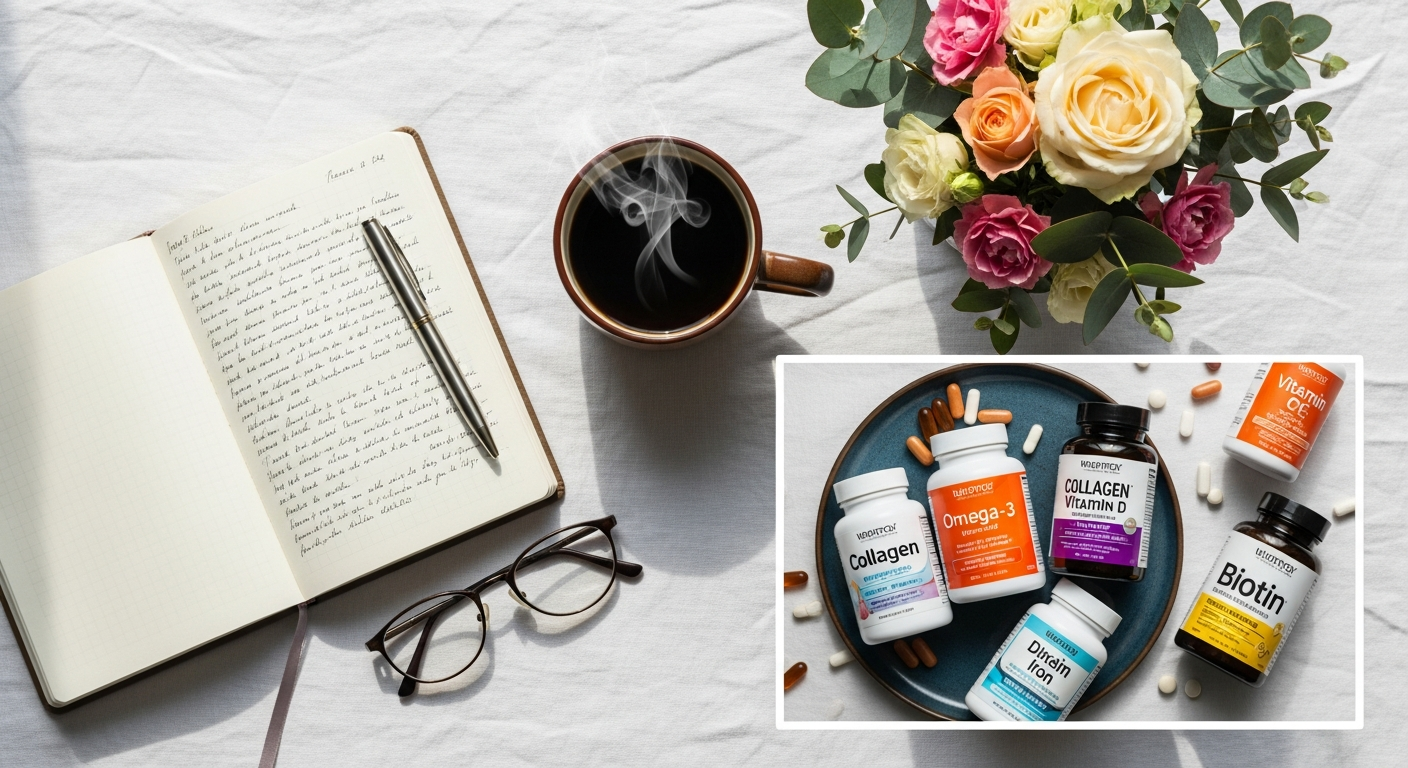
Once you have your foundational vitamins and minerals in place, you might consider specialized supplements to address specific health goals or common concerns that arise in your 30s. These are often included in discussions about the best vitamins and supplements for women over 30 for their targeted benefits.
1. Omega-3 Fatty Acids (EPA & DHA): The Anti-Inflammatory Powerhouses
Omega-3s are essential fatty acids that our bodies cannot produce, so we must obtain them through diet or supplements. They are vital for:
- Brain Health: DHA is a major structural component of the brain and eyes, supporting cognitive function and vision.
- Heart Health: Helps maintain healthy cholesterol levels, blood pressure, and reduces triglyceride levels.
- Reduced Inflammation: Powerful anti-inflammatory properties can alleviate symptoms of chronic inflammation, which is linked to many age-related diseases.
- Mood Support: Studies suggest a link between omega-3 intake and improved mood and reduced symptoms of depression and anxiety.
- Skin Health: Contributes to a healthy skin barrier, potentially reducing dryness and supporting a clear complexion.
What to look for: Fish oil supplements with high concentrations of EPA and DHA. If you’re vegan or vegetarian, algae-based DHA supplements are an excellent alternative. Always choose third-party tested brands for purity and potency, ensuring they are free from heavy metals and contaminants.
2. Probiotics (Gut Health Heroes): Nurturing Your Inner Ecosystem
Your gut microbiome—the trillions of bacteria living in your digestive tract—impacts everything from digestion and nutrient absorption to immune function, mood, and even skin health. Stress, diet, antibiotics, and environmental toxins can disrupt this delicate balance. Probiotics introduce beneficial bacteria to support a healthy gut.
- Digestive Health: Aids in nutrient absorption, helps alleviate bloating, gas, and irregular bowel movements.
- Immune System: A significant portion of your immune system resides in your gut.
- Mood & Brain Health: The gut-brain axis means a healthy gut can positively influence mood and cognitive function.
- Vaginal Health: Certain probiotic strains can help maintain a healthy balance of bacteria in the vaginal microbiome.
3. Collagen (Beauty & Joint Support): Rebuilding From Within
Collagen is the most abundant protein in your body, providing structure to your skin, hair, nails, bones, joints, and connective tissues. After 30, natural collagen production begins to decline, contributing to visible signs of aging and joint stiffness.
- Skin Elasticity: Improves skin hydration, elasticity, and can reduce the appearance of wrinkles.
- Joint Health: Supports cartilage health, potentially reducing joint pain and improving flexibility.
- Hair & Nail Strength: Can contribute to stronger, healthier hair and nails.
- Gut Health: Contains amino acids like glycine and glutamine, which can support gut lining integrity.
What to look for: Hydrolyzed collagen peptides (often labeled as collagen powder) are highly bioavailable. Look for types I and III, often derived from bovine or marine sources. For vegans, consider a “collagen booster” that provides the amino acids and cofactors (like Vitamin C) needed for your body to produce its own collagen.
4. CoQ10 (Coenzyme Q10): Cellular Energy and Heart Health
CoQ10 is an antioxidant naturally produced by the body, essential for energy production within cells, particularly in the heart, liver, and kidneys. Production naturally declines with age and can also be depleted by certain medications, like statins.
- Cellular Energy: Plays a crucial role in the electron transport chain, which generates ATP (cellular energy).
- Heart Health: Supports cardiovascular function and helps maintain healthy blood pressure.
- Antioxidant Protection: Protects cells from oxidative damage.
What to look for: Ubiquinol is the active, more bioavailable form of CoQ10, especially beneficial for women over 30 or those with impaired absorption. Ubiquinone is the oxidized form and needs to be converted by the body.
Hormonal Balance and Stress Management: Targeted Support for Women Over 30
The 30s can be a decade where hormonal fluctuations become more noticeable, and the demands of life can significantly amplify stress. Addressing these areas with targeted supplements can profoundly impact overall well-being. These are integral components when discussing the best vitamins and supplements for women over 30.
1. Adaptogens (Ashwagandha, Rhodiola, Ginseng): Your Stress Resilience Allies
Adaptogens are a unique class of herbs that help your body adapt to physical, chemical, and biological stress by normalizing physiological functions. They don’t just mask symptoms; they help your body achieve balance.
- Ashwagandha: Known for its calming properties, ashwagandha helps reduce cortisol levels, improve sleep quality, and enhance resilience to stress. It can also support thyroid function.
- Rhodiola Rosea: Excellent for combating fatigue, improving mental focus, and boosting stamina under stress. It’s particularly useful for those experiencing burnout or mental fog.
- Siberian Ginseng (Eleuthero): While not a true ginseng, it’s a powerful adaptogen that supports adrenal function, enhances endurance, and improves mental performance.
What to look for: Standardized extracts ensure consistent potency. Choose reputable brands that provide clear dosage information.
2. DIM (Diindolylmethane): Supporting Healthy Estrogen Metabolism
DIM is a compound found naturally in cruciferous vegetables like broccoli, cauliflower, and kale. It plays a crucial role in how your body metabolizes estrogen, helping to balance hormone levels.
- Estrogen Balance: Promotes the production of beneficial estrogen metabolites (2-hydroxyestrone) over less favorable ones (16-hydroxyestrone), which can be linked to conditions like PMS, fibroids, and certain cancers.
- PMS Support: Can help alleviate symptoms associated with estrogen dominance, such as breast tenderness, bloating, and mood swings.
- Acne Management: By balancing hormones, DIM may help improve hormonally driven acne.
What to look for: Look for DIM supplements combined with BioPerine (black pepper extract) for enhanced absorption. Always discuss with your doctor, especially if you have existing hormonal conditions or are on hormonal birth control.
3. Chasteberry (Vitex agnus-castus): For Cycle Regularity and PMS Relief
Chasteberry is a traditional herbal remedy often used by women to support hormonal balance, particularly in relation to the menstrual cycle.
- PMS Symptom Relief: Helps alleviate symptoms like breast pain, irritability, headaches, and bloating by influencing prolactin levels and indirectly impacting progesterone.
- Cycle Regulation: Can help regulate irregular menstrual cycles and support fertility in some cases by promoting a healthy balance of reproductive hormones.
What to look for: Standardized extracts for consistent dosing. It may take several months to see full effects, and it’s important to consult with a healthcare provider, particularly if you are pregnant, breastfeeding, or on hormonal medications.
Managing stress and hormonal fluctuations in your 30s is not just about supplements; it’s about a holistic approach. Practices like cultivating a mindful Morning Routine For Women 2026, incorporating regular movement, and dedicating time for relaxation, such as building a How To Build Self Care Sunday Routine, are equally vital. Supplements can augment these efforts, providing the internal support your body needs to navigate the demands of this vibrant decade with grace and resilience.
Integrating Supplements into Your Holistic Lifestyle
Choosing the best vitamins and supplements for women over 30 is only one part of the equation. Their true power is unlocked when integrated thoughtfully into a comprehensive, holistic approach to health. Supplements are not magic pills; they are synergistic partners to a lifestyle that prioritizes well-being. Think of them as enhancing your existing healthy habits, not replacing them.
Here’s how to weave your supplement regimen into a lifestyle that supports your optimal health:
- Nourishing Diet as the Foundation: No supplement can fully compensate for a poor diet. Prioritize whole, unprocessed foods: plenty of colorful fruits and vegetables, lean proteins, healthy fats, and whole grains. These provide the macronutrients and phytochemicals that supplements can’t fully replicate. Hydration is also key—drink plenty of water throughout the day.
- Consistent Movement: Regular physical activity is non-negotiable. Aim for a mix of cardiovascular exercise, strength training (crucial for bone density after 30), and flexibility work. Exercise not only boosts metabolism and mood but also enhances nutrient delivery and detoxification.
- Quality Sleep: This is arguably one of the most undervalued pillars of health. Aim for 7-9 hours of quality sleep each night. Sleep is when your body repairs, regenerates, and balances hormones. Magnesium and certain adaptogens can support better sleep, but good sleep hygiene (consistent schedule, dark room, no screens before bed) is paramount.
- Mindful Stress Management: The demands of your 30s can be intense. Chronic stress depletes nutrients and impacts every system in your body. Incorporate stress-reduction techniques into your daily life: meditation, deep breathing exercises, spending time in nature, journaling, or engaging in hobbies you love. This is where a dedicated practice like a How To Build Self Care Sunday Routine truly shines, providing a weekly reset that supports mental and emotional well-being.
- Strategic Supplement Timing: Consider when you take your supplements. Iron is best absorbed on an empty stomach with Vitamin C. Fat-soluble vitamins (A, D, E, K) should be taken with a meal containing healthy fats. Magnesium is often best in the evening for relaxation. Building a Morning Routine For Women 2026 can be an excellent framework to ensure consistent supplement intake alongside a nutritious breakfast and mindful moments, setting a positive tone for your day.
- Personal Presentation as Self-Care: Just as you thoughtfully select a fragrance that embodies your essence and enhances your outer presentation – perhaps following tips from a guide like How To Choose The Right Perfume – so too should you thoughtfully and intentionally select supplements that nourish your inner well-being and reflect your commitment to holistic health. This intentionality in all aspects of self-care, both internal and external, contributes to a feeling of confidence and vitality.
- Regular Health Check-ups: Continue to see your doctor for annual physicals and discuss any new symptoms or concerns. Regular blood work can help identify deficiencies that supplements can address.
By viewing supplements as one valuable tool within a broader commitment to self-care and a healthy lifestyle, you empower yourself to navigate your 30s with energy, resilience, and radiant health.
Choosing Quality and Consulting Professionals: Navigating the Supplement Market
The supplement market is vast and can be overwhelming. Ensuring you choose high-quality products and consulting with healthcare professionals are critical steps in safely and effectively integrating the best vitamins and supplements for women over 30 into your routine.
1. Prioritize Quality Over Price
Not all supplements are created equal. Cheaper options may contain fillers, artificial ingredients, or forms of nutrients that are poorly absorbed by the body. Investing in quality brands is an investment in your health.
- Third-Party Testing: Look for certifications from independent organizations like USP (U.S. Pharmacopeia), NSF International, or ConsumerLab.com. These certifications verify that the product contains what it claims, is free from harmful contaminants, and dissolves properly.
- Bioavailability: Pay attention to the form of the nutrient. For example, methylfolate is more bioavailable than folic acid, and magnesium glycinate is better absorbed than magnesium oxide. Research the best forms for each specific nutrient.
- Ingredient Transparency: Reputable brands will clearly list all ingredients, including “other ingredients” like binders, fillers, or artificial colors. Opt for products with minimal additives.
Recommended Resources
Explore Celebrity Inspired Vision Board Ideas for additional insights.
Learn more about this topic in How To Practice Mindful Parenting at Veralyn Media.