

Understanding Your Gut: The Foundation of Well-being
Before diving into specific strategies, it’s essential to grasp the marvel that is your gut microbiome. Imagine a bustling city within you, inhabited by trillions of microorganisms—bacteria, fungi, viruses, and other microbes. This complex community, predominantly residing in your large intestine, is your microbiome. When this city is balanced, with a diverse array of beneficial residents, it functions optimally, contributing to robust health. An imbalance, known as dysbiosis, can manifest in a myriad of ways, ranging from uncomfortable digestive issues like bloating, gas, and irregular bowel movements, to more pervasive symptoms such as persistent fatigue, brain fog, mood swings, skin breakouts, and even increased susceptibility to illness.
The intricate connection between your gut and your brain, known as the gut-brain axis, is a two-way communication highway. This means that not only does your gut health influence your mental state, but your thoughts and emotions also directly impact your digestive system. Stress, for instance, can alter the composition of your gut bacteria and even affect gut motility. Understanding this profound interconnectedness is the first step towards a holistic approach to gut health. It underscores why a truly effective strategy extends beyond just diet, encompassing lifestyle, stress management, and even sleep. Our goal isn’t just to alleviate symptoms, but to cultivate a resilient internal environment that supports every facet of your being, empowering you to live a life brimming with energy and clarity.
Recognizing the subtle cues your body sends is paramount. Do you often feel sluggish after meals? Experience unexplained anxiety or irritability? Notice your skin isn’t as clear as it could be? These seemingly disparate symptoms can often trace their roots back to an imbalanced gut. By addressing the core health of your microbiome, you’re not just fixing a digestive issue; you’re investing in a profound upgrade to your entire system. This journey is about empowering you with the knowledge and tools to become an active participant in your own health narrative, fostering a symbiotic relationship with your internal ecosystem for lasting well-being.
Dietary Pillars for a Thriving Gut

What you choose to put on your plate is arguably the most direct and potent lever you have for influencing your gut health. A conscious, nutrient-dense diet acts as the primary architect of your microbiome, shaping its diversity and resilience. Focusing on whole, unprocessed foods is the cornerstone, providing the essential fuel and building blocks your beneficial bacteria need to flourish.
Embrace the Fiber Revolution: Prebiotics are Your Friends
Fiber is not just for regularity; it’s the preferred food source for your good gut bacteria, making it a powerful prebiotic. Think of prebiotics as the fertilizer for your internal garden. There are two main types:
- Soluble Fiber: Found in oats, apples, citrus fruits, carrots, barley, and beans. It dissolves in water to form a gel-like substance, slowing digestion and helping regulate blood sugar.
- Insoluble Fiber: Found in whole wheat flour, wheat bran, nuts, beans, and vegetables like cauliflower, green beans, and potatoes. It adds bulk to stool and helps food pass more quickly through your stomach and intestines.
Aim for a diverse range of plant-based foods to ensure you’re feeding a wide variety of microbial species. Incorporate legumes (lentils, chickpeas, black beans), a rainbow of vegetables (leafy greens, cruciferous veggies like broccoli and cauliflower, root vegetables), fruits (berries, bananas, apples), and whole grains (oats, quinoa, brown rice) into your daily meals. These foods provide complex carbohydrates and an abundance of prebiotics that foster a rich and diverse microbiome.
Cultivate with Cultured Foods: The Power of Probiotics
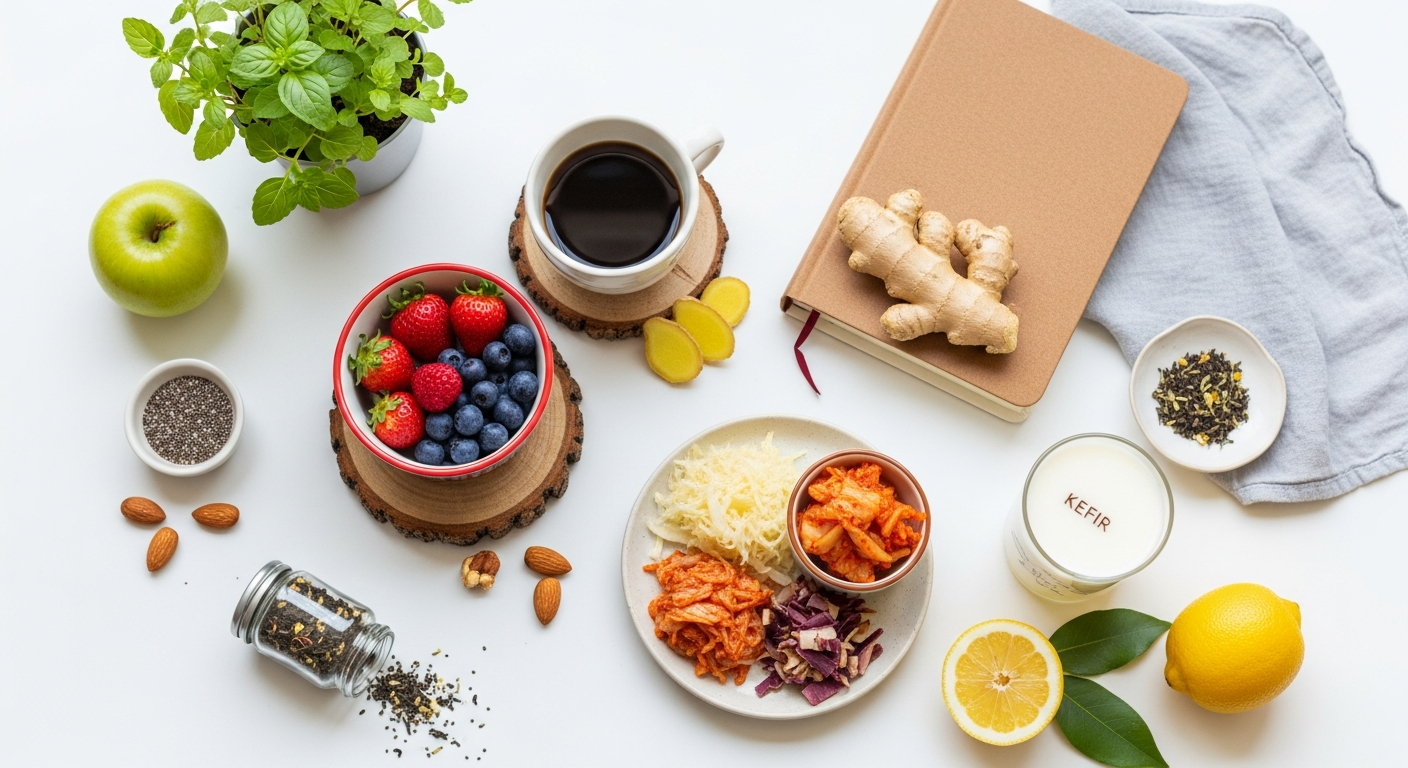
Probiotics are living microorganisms, often bacteria, that, when consumed in adequate amounts, confer a health benefit to the host. Essentially, they are the beneficial residents you want to introduce or bolster in your gut city. Fermented foods are nature’s best source of probiotics, offering a delicious and accessible way to replenish your gut’s good bacteria.
- Yogurt & Kefir: Opt for plain, unsweetened varieties with live and active cultures. Dairy-free options made from coconut, almond, or cashew milk are also excellent.
- Sauerkraut & Kimchi: These fermented cabbage dishes are packed with probiotics and offer a tangy, savory kick to any meal. Ensure they are unpasteurized to retain live cultures.
- Kombucha: A fermented tea beverage, kombucha is a delightful way to introduce probiotics. Be mindful of sugar content in some commercial brands.
- Tempeh: A fermented soybean product, tempeh is a fantastic plant-based protein source rich in probiotics.
Start slowly with fermented foods if you’re new to them, as some individuals may experience mild digestive upset initially. Gradually increasing your intake allows your gut to adjust.
The Importance of Dietary Diversity
Beyond specific food groups, the sheer diversity of your diet is crucial. Each type of plant food contains unique fibers and phytochemicals that nourish different strains of gut bacteria. The more diverse your plant intake, the more diverse and robust your microbiome tends to be. Challenge yourself to try new vegetables, fruits, and whole grains weekly. Aim to “eat the rainbow” every day, ensuring a wide spectrum of nutrients and microbial fuel.
Healthy Fats and Lean Proteins
While fiber and probiotics often steal the spotlight, healthy fats and lean proteins also play supportive roles. Omega-3 fatty acids, found in fatty fish (salmon, mackerel), flaxseeds, chia seeds, and walnuts, possess anti-inflammatory properties that can soothe an irritated gut lining. Lean proteins from sources like poultry, fish, eggs, and legumes provide essential amino acids for gut repair and overall bodily function without overburdening the digestive system.
What to Limit or Avoid
Just as important as what you include is what you choose to limit. Highly processed foods, refined sugars, artificial sweeteners, and excessive unhealthy fats (trans fats, hydrogenated oils) can disrupt the delicate balance of your microbiome, feeding pathogenic bacteria and contributing to inflammation. These items offer little to no nutritional value for your beneficial gut inhabitants and can actively work against your efforts to foster a healthy gut. Making conscious choices to reduce their presence in your diet will significantly support your gut health journey.
Lifestyle Habits That Nurture Your Microbiome
Movement Matters: Exercise for Gut Diversity
Regular physical activity does more than just keep you fit; it’s a powerful ally for your gut. Studies suggest that moderate exercise can increase the diversity of your gut microbiome and promote the growth of beneficial bacteria, while also reducing inflammation. It aids in peristalsis, the muscular contractions that move food through your digestive tract, helping to prevent constipation and promote regularity. You don’t need to be an Olympic athlete; consistent, moderate activity is key.
- Daily Walks: A brisk 30-minute walk can do wonders.
- Yoga & Pilates: These practices not only strengthen your core but also incorporate breathing techniques that can calm the nervous system and indirectly benefit the gut.
- Dancing: A joyful way to move your body and reduce stress.
The goal is to find activities you genuinely enjoy, making movement a sustainable and pleasurable part of your Morning Routine For Women 2026 and throughout your day, rather than a chore.
Hydration: The Unsung Hero of Gut Function
Water is absolutely vital for every bodily function, and gut health is no exception. Adequate hydration helps maintain the integrity of the gut lining, aids in the breakdown and absorption of nutrients, and ensures smooth bowel movements by softening stool. Dehydration can lead to constipation, making the digestive process sluggish and uncomfortable.
- Start Early: Begin your day with a large glass of water, perhaps with a squeeze of lemon.
- Consistent Sips: Keep a reusable water bottle handy and sip throughout the day.
- Herbal Teas: Caffeine-free herbal teas (ginger, peppermint, chamomile) can contribute to your fluid intake and offer digestive benefits.
Aim for at least eight glasses of pure water daily, adjusting based on your activity level and climate. Remember, sugary drinks, excessive caffeine, and alcohol can dehydrate you, so prioritize plain water.
Mindful Eating: Savoring for Digestion
How you eat is almost as important as what you eat. In our fast-paced world, eating on the go or while distracted is common, but it can impair digestion. Mindful eating practices encourage you to slow down, savor your food, and truly tune into your body’s signals.
- Chew Thoroughly: Digestion begins in the mouth. Chewing breaks down food mechanically and signals the release of digestive enzymes.
- Eat Without Distraction: Turn off screens and focus on your meal.
- Listen to Your Body: Eat when hungry, stop when satisfied, not stuffed.
This practice not only aids digestion but also enhances your appreciation for food, transforming meal times into moments of nourishment and presence.
The Power of Intentional Hydration
In the symphony of bodily functions, water often plays an understated yet critically important role, especially when it comes to gut health. Beyond merely quenching thirst, intentional hydration is a foundational practice that directly influences digestive efficiency, nutrient absorption, and the overall vitality of your internal ecosystem. It’s a simple, cost-effective, and profoundly impactful strategy that every woman can integrate into her daily routine to naturally elevate her gut well-being.
Water: The Essential Facilitator of Digestion
Think of water as the ultimate lubricant and solvent for your digestive system. It’s required at every stage of digestion:
- Saliva Production: Water is the main component of saliva, which contains enzymes that begin the breakdown of food in your mouth.
- Nutrient Absorption: It helps dissolve nutrients from food, making them accessible for absorption through the intestinal lining into your bloodstream.
- Waste Elimination: Sufficient water intake keeps your stool soft and pliable, allowing it to pass smoothly through the colon. Without enough water, stool can become hard and difficult to pass, leading to constipation, bloating, and discomfort.
- Gut Lining Integrity: Water helps maintain the mucosal lining of the intestines, acting as a protective barrier and supporting the health of the gut wall.
When you’re dehydrated, your body pulls water from all available sources, including your gut, leading to a sluggish digestive system and potential strain on your microbiome.
How Much is Enough? Listening to Your Body
While the classic advice of “eight glasses a day” is a good starting point, individual needs vary based on activity level, climate, diet, and overall health. A more personalized approach involves:
- Monitoring Urine Color: Pale yellow urine typically indicates good hydration. Darker urine suggests you need more fluids.
- Thirst Cues: Don’t wait until you’re parched. By the time you feel intense thirst, you’re likely already somewhat dehydrated.
- Considering Your Lifestyle: If you exercise intensely, live in a hot climate, or consume a lot of dehydrating beverages (like coffee or alcohol), your water needs will be higher.
Aim to consistently drink water throughout the day, rather than trying to chug a large amount all at once.
Creative Ways to Boost Your Hydration
If plain water feels monotonous, there are many delightful ways to enhance your fluid intake:
- Infused Water: Add slices of cucumber, lemon, lime, berries, or sprigs of mint to your water for a subtle, refreshing flavor without added sugar.
- Herbal Teas: Unsweetened herbal teas like peppermint, ginger, chamomile, or rooibos are excellent choices. They contribute to hydration and often offer their own digestive benefits. Peppermint can soothe an upset stomach, while ginger is known for its anti-inflammatory properties.
- Broths: Bone broth or vegetable broth are not only hydrating but also provide minerals and amino acids that can support gut healing.
- Water-Rich Foods: Incorporate fruits and vegetables with high water content into your diet, such as watermelon, cucumbers, strawberries, celery, and bell peppers. These contribute to both hydration and fiber intake.
Be mindful of beverages that can counteract your hydration efforts. Sugary sodas and fruit juices are often loaded with refined sugars that can negatively impact gut bacteria. While moderate coffee and tea consumption can be fine for some, excessive amounts can have a diuretic effect. Alcohol, in particular, is dehydrating and can irritate the gut lining, so moderation is key. By making intentional hydration a non-negotiable part of your daily rhythm, you’re providing your gut with one of its most fundamental requirements for optimal function and long-term health.
Calming the Storm: Stress Management for Gut Harmony
The connection between your brain and your gut is profound and undeniable. Known as the gut-brain axis, this intricate communication network means that your emotional state directly impacts your digestive system, and vice versa. In our always-on world, chronic stress is a pervasive issue for many women, and it can wreak havoc on gut health, leading to imbalances in the microbiome, increased gut permeability (often referred to as “leaky gut”), and exacerbated digestive symptoms. Therefore, mastering stress management isn’t just about mental well-being; it’s a critical component of naturally improving your gut health at home.
The Gut-Brain Axis: A Two-Way Street
When you experience stress, your body activates the “fight or flight” response, diverting resources away from non-essential functions like digestion. This can slow down gut motility, alter the secretion of digestive enzymes, and even change the composition of your gut bacteria. Conversely, an imbalanced gut can send distress signals to the brain, contributing to anxiety and mood disorders. Understanding this reciprocal relationship empowers you to address stress as a primary target for gut healing.
Practical Strategies to Cultivate Calm and Gut Resilience
Integrating stress-reducing practices into your daily life can create a profound ripple effect on your gut health. These aren’t just feel-good activities; they are powerful physiological interventions.
- Mindfulness and Meditation: Even a few minutes of daily mindfulness meditation can significantly reduce stress hormones. Apps like Calm or Headspace offer guided sessions that are easy to incorporate, perhaps as part of your Morning Routine For Women 2026 to set a calm tone for the day. Focusing on your breath is a simple yet effective way to engage your parasympathetic nervous system, signaling to your body that it’s safe to rest and digest.
- Deep Breathing Exercises: Techniques like diaphragmatic breathing (belly breathing) can immediately activate the vagus nerve, a key component of the gut-brain axis, promoting relaxation and aiding digestion. Practice 4-7-8 breathing: inhale for 4 counts, hold for 7, exhale for 8.
- Nature Connection: Spending time outdoors, whether it’s a walk in a park, gardening, or simply sitting in your backyard, has been shown to lower cortisol levels and improve mood. The sensory experience of nature can be incredibly grounding.
- Journaling: Expressing your thoughts and feelings on paper can be a therapeutic release, helping to process emotions and reduce mental clutter. This can be a wonderful component of a How To Build Self Care Sunday Routine, dedicating time to introspection and emotional release.
- Creative Outlets: Engaging in hobbies like painting, playing music, knitting, or even cooking can be incredibly meditative and stress-reducing. These activities allow your mind to focus on something enjoyable, shifting attention away from stressors.
- Prioritize Sleep: Adequate, restorative sleep is a potent stress reducer. Lack of sleep elevates stress hormones and negatively impacts gut bacteria. (More on this in the next section.)
- Set Boundaries: Learning to say no to commitments that overextend you, and setting clear boundaries in your personal and professional life, is a crucial act of self-care that prevents burnout and chronic stress.
Just as choosing the right fragrance involves understanding your unique preferences and how a scent interacts with your personal chemistry, like when you’re learning How To Choose The Right Perfume, finding your ideal stress management techniques is a personal journey. Experiment with different practices to discover what resonates most with you and effectively brings calm to your mind and, by extension, your gut. Consistency, even in small doses, is far more impactful than sporadic grand gestures. By actively managing stress, you’re not only fostering a peaceful inner world but also creating an optimal environment for your gut to flourish naturally.
Restorative Sleep: Your Gut’s Nightly Recharge
In the relentless pursuit of productivity and personal growth, sleep is often the first thing to be sacrificed. However, for the woman committed to holistic well-being and naturally improving her gut health, prioritizing restorative sleep is non-negotiable. It’s during these precious hours of repose that your body undertakes vital repair work, regulates hormones, and, crucially, allows your gut microbiome to reset and rebalance. A healthy Morning Routine For Women 2026 truly begins the night before, with adequate and quality sleep.
The Intimate Link Between Sleep and Gut Health
The connection between sleep and gut health operates on several levels:
- Circadian Rhythms: Both your body and your gut microbiome have their own circadian rhythms – internal 24-hour clocks that regulate various physiological processes. Disruptions to your sleep-wake cycle (e.g., shift work, inconsistent bedtimes) can throw these rhythms out of sync, negatively impacting gut bacteria diversity and function.
- Inflammation: Sleep deprivation is a known stressor that increases systemic inflammation. Chronic inflammation can damage the gut lining and contribute to dysbiosis, creating an environment where harmful bacteria can thrive.
- Gut Barrier Integrity: Adequate sleep is essential for maintaining the integrity of the gut barrier. When you’re sleep-deprived, this barrier can become more permeable, allowing toxins and undigested food particles to “leak” into the bloodstream, triggering immune responses and further inflammation.
- Hormone Regulation: Sleep influences the production and regulation of hormones like cortisol (the stress hormone) and ghrelin/leptin (hunger hormones). Poor sleep can elevate cortisol, which, as discussed, negatively impacts the gut-brain axis, and disrupt hunger cues, potentially leading to unhealthy food choices that further compromise gut health.
Essentially, when you sleep, your gut gets its chance to rest, repair, and optimize its microbial balance, preparing itself for the digestive and immune challenges of the day ahead.
Cultivating a Sanctuary for Sleep: Improving Sleep Hygiene
Improving your sleep doesn’t always require drastic measures; often, it’s about establishing consistent, healthy habits that signal to your body it’s time to wind down.
- Stick to a Schedule: Go to bed and wake up at roughly the same time every day, even on weekends. This helps regulate your body’s natural circadian rhythm.
-
Create a Relaxing Bedtime Routine: Just as children thrive on routines, so do adults. An hour before bed, engage in calming activities. This might include:
- A warm bath with Epsom salts.
- Reading a physical book (avoiding screens).
- Gentle stretching or restorative yoga.
- Listening to calming music or a guided meditation.
- Applying a calming essential oil, like lavender, to your pulse points.
This ritual signals to your body and mind that it’s time to transition from the day’s activities to rest.
-
Optimize Your Sleep Environment: Your bedroom should be a sanctuary for sleep.
- Dark: Block out all light with blackout curtains or an eye mask. Even small amounts of light can disrupt melatonin production.
- Cool: The ideal sleep temperature is typically between 60-67°F (15-19°C).
- Quiet: Use earplugs or a white noise machine if necessary to block out disruptive sounds.
- Comfortable: Invest in a supportive mattress and pillows.
- Limit Screen Time Before Bed: The blue light emitted from phones, tablets, and computers can suppress melatonin production, making it harder to fall asleep. Aim to switch off all screens at least an hour before bed.
- Watch Your Intake: Avoid caffeine and heavy meals close to bedtime. While a glass of wine might feel relaxing, alcohol can disrupt sleep architecture, leading to fragmented rest.
Embracing these sleep hygiene practices is a powerful act of self-care that directly contributes to a healthier gut. By honoring your body’s need for restorative sleep, you’re not just improving your energy and focus for the day ahead; you’re giving your gut the nightly recharge it needs to support your entire system, naturally and effectively.
Curating Your Personal Gut Health Journey
Embarking on a journey to improve your gut health naturally at home is not about chasing perfection or adhering to a rigid, one-size-fits-all protocol. Instead, it’s about thoughtful experimentation, consistent effort, and deeply listening to the unique wisdom of your own body. Just as understanding your personal style and preferences is key when learning How To Choose The Right Perfume that truly suits you, optimizing your gut health requires an intimate understanding of what nourishes and balances your individual internal ecosystem.
The Art of Gradual Implementation
Overhauling your entire diet and lifestyle overnight can be overwhelming and unsustainable. The most effective approach is to implement changes gradually, allowing your body and mind to adapt.
- Start Small: Begin with one or two actionable steps. Perhaps it’s adding a serving of fermented food daily, increasing your water intake, or committing to a 15-minute walk.
- Be Consistent: Small, consistent efforts compound over time, leading to significant, lasting improvements. Regularity is far more impactful than occasional heroic efforts.
- Observe and Adjust: Pay close attention to how your body responds to each change. Journaling about your food intake, mood, energy levels, and digestive symptoms can provide invaluable insights. If something doesn’t feel right, don’t be afraid to adjust or try a different approach.
This journey is not a race; it’s a mindful exploration of what makes you feel your best.
Patience and Persistence
Your gut microbiome didn’t become imbalanced overnight, and it won’t heal instantly either. Significant improvements can take weeks or even months to manifest. There will be days when you feel fantastic and days when you feel less so. Embrace these fluctuations as part of the process, and don’t let setbacks derail your commitment. Persistence and a compassionate attitude towards yourself are your greatest allies. Celebrate small victories, whether it’s a day without bloating or a night of restful sleep.
Embracing a Holistic Perspective
Remember, gut health is intricately woven into the fabric of your overall well-being. It’s not just about what you eat, but also how you manage stress, how much you move, and the quality of your sleep. A truly holistic approach recognizes these interconnectedness, allowing you to build a resilient foundation for health that extends far beyond your digestive tract. This comprehensive view aligns perfectly with the ethos of a well-rounded How To Build Self Care Sunday Routine, where intentionality across various aspects of self-care leads to profound benefits.
As you integrate these natural, at-home strategies, you’re not just improving your gut; you’re cultivating a deeper relationship with your body, empowering yourself to live a life of greater vitality, clarity, and inner peace. By taking charge of your gut health in 2026, you’re investing in a future where you feel more energetic, resilient, and connected to your authentic self. The journey starts with a single, conscious step, and the rewards are boundless.
Frequently Asked Questions
Recommended Resources
For more on how to improve, see Fashion Trends For Women 2026 on Fashion Goggled.
Check out How To Decorate A Rental Apartment on Rock Salt Plum for a deeper dive.