


icon

Creating a life you love

Search
Share

How To Practice Mindfulness At Work Without Meditating

how to practice mindfulness at work without meditating
In the relentless rhythm of the modern professional world, where deadlines loom large and digital distractions constantly vie for our attention, the concept of mindfulness often feels like an elusive luxury. Many of us associate it with serene meditation cushions, silent retreats, or dedicated hours we simply don’t have to spare. Yet, the yearning for a calmer, more focused, and less stressed workday is universal. The good news? You don’t need to commit to a daily meditation practice to reap the profound benefits of mindfulness at work. This article from The Contextual Life is your comprehensive guide to integrating conscious presence into your professional life, transforming your workday from a reactive scramble into a series of intentional, productive moments. We’ll explore practical, actionable strategies that empower you to cultivate inner calm, enhance focus, and boost your overall well-being, all without ever needing to sit down and “meditate” in the traditional sense. Get ready to discover how simple shifts in perspective and routine can unlock a more mindful, meaningful, and effective approach to your career.

Understanding Mindfulness Beyond the Cushion: Why It Matters at Work

Before we dive into the how, let’s clarify what mindfulness truly means, especially in the context of your bustling professional life. Mindfulness isn’t about emptying your mind or achieving a state of blissful detachment; it’s about paying attention, on purpose, to the present moment, without judgment. It’s about noticing your thoughts, feelings, bodily sensations, and the environment around you as they arise, and doing so with an attitude of curiosity and acceptance. Far from being an esoteric spiritual practice, mindfulness is a highly practical skill that can profoundly impact your performance, relationships, and overall well-being in the workplace.

Think about the typical workday: we’re often caught in a whirlwind of multitasking, constantly jumping from one task to another, our minds replaying past conversations or rehearsing future scenarios. This state of constant mental activity, often referred to as “autopilot,” is a significant contributor to stress, errors, and a general feeling of being overwhelmed. When you’re on autopilot, you might find yourself:

  • Reading an email but not truly absorbing its content, leading to misunderstandings or missed details.
  • Participating in a meeting but mentally drafting your next email, missing crucial points of discussion.
  • Feeling a surge of frustration or anxiety but reacting impulsively rather than with considered thought.
  • Experiencing decision fatigue because your brain is constantly processing multiple streams of information without true focus.

Practicing mindfulness at work, even without formal meditation, directly counters these challenges. By intentionally bringing your attention to the task at hand, to the conversation you’re having, or to the sensation of your feet on the floor, you engage your prefrontal cortex – the part of your brain responsible for executive functions like planning, problem-solving, and emotional regulation. This engagement allows you to:

  • Enhance Focus and Concentration: When your mind is fully engaged in a single task, you work more efficiently and produce higher-quality results. You’re less prone to distractions and can delve deeper into complex problems.
  • Improve Decision-Making: Mindfulness helps you observe situations more clearly, without the distortion of stress or preconceived notions. This allows for more reasoned, strategic decisions rather than reactive ones.
  • Boost Emotional Intelligence: By noticing your emotions as they arise, you gain a moment of space before reacting. This pause enables you to respond to challenging situations or difficult colleagues with greater empathy, patience, and professionalism.
  • Reduce Stress and Burnout: Constantly being “on” and mentally scattered is exhausting. Mindfulness provides moments of mental reprieve, allowing your nervous system to calm and recharge. This proactive stress reduction is crucial for long-term career sustainability and preventing burnout.
  • Foster Better Relationships: When you’re truly present in conversations, you listen more attentively, understand others more deeply, and communicate more effectively, strengthening your professional connections.
  • Increase Creativity and Problem-Solving: A mind that is less cluttered and more present is more open to new ideas and innovative solutions. Mindfulness can help you break free from rigid thinking patterns.

The beauty of workplace mindfulness is its adaptability. It’s not about adding another item to your already packed to-do list; it’s about transforming how you approach the tasks already on it. It’s about cultivating an internal shift that makes your entire workday feel more manageable, purposeful, and ultimately, more rewarding. In the subsequent sections, we’ll explore concrete ways to weave this powerful practice into the fabric of your daily professional life, proving that a calmer, more focused you is well within reach, no matter how demanding your job may be.

Cultivating Presence: Integrating Mindfulness into Your Daily Work Flow

How To Practice Mindfulness At Work Without Meditating

The key to practicing mindfulness at work without meditating lies in integrating brief, intentional moments of awareness into your existing routines. It’s about transforming mundane activities into opportunities for presence. Think of it as micro-dosing mindfulness throughout your day, accumulating benefits that lead to a more sustained state of calm and focus. This isn’t about clearing your schedule; it’s about re-framing how you engage with your schedule.

Mindful Transitions: The Power of the Pause

One of the easiest yet most impactful ways to introduce mindfulness is during transitions. We often rush from one meeting to the next, from finishing an email to starting a report, without a moment to reset. These frantic shifts leave us feeling scattered and perpetually playing catch-up. Instead, try these mindful transitions:

  • Before Starting Your Workday: Instead of immediately diving into emails, take 60 seconds. Sit at your desk, take three deep breaths, and simply notice your surroundings. Feel your feet on the floor, the texture of your desk, the sounds around you. Set a quiet intention for your day – perhaps “focus” or “patience.” This mindful beginning can set a positive tone.
  • Between Tasks: When you complete one task and move to the next, resist the urge to immediately jump. Take a conscious breath. Stretch your arms. Look away from your screen for a moment. Acknowledge that the previous task is done, and mentally prepare for the next one. This short pause helps your brain reset and prevents mental residue from clinging to the new task.
  • Before and After Meetings: Prior to a meeting, take a few deep breaths and focus on the purpose of the gathering. What do you hope to contribute or gain? After a meeting, instead of rushing off, take a moment to reflect. What were the key takeaways? How do you feel? This helps consolidate information and prevents the feeling of being pulled from one event to the next without processing.

Single-Tasking: The Antidote to Digital Overload

In our hyper-connected world, multitasking is often glorified, but research consistently shows it’s a myth that diminishes productivity and increases stress. True multitasking is impossible; what we actually do is “task-switching,” which drains mental energy and leads to more errors. Cultivate single-tasking as a form of mindfulness:

  • Choose One Task: At any given moment, commit to focusing on only one task. Close unnecessary tabs, silence notifications, and put your phone away.
  • Immerse Yourself: While working on that single task, bring your full attention to it. Notice the details, the process, the words you’re writing, the data you’re analyzing. If your mind wanders (and it will!), gently bring it back to the task at hand.
  • Allocate Focused Blocks: Use techniques like the Pomodoro Technique (25 minutes of focused work, 5-minute break) to structure your single-tasking. During those 25 minutes, it’s just you and that one task.

Mindful Communication: Listening with Presence

Communication is the bedrock of professional success, and mindful communication is about truly connecting. This is especially vital in a world where virtual interactions can feel impersonal.

  • Active Listening: When a colleague is speaking, make a conscious effort to truly listen. Put away your phone, close your laptop, make eye contact (if in person or on video), and resist the urge to formulate your response while they’re still talking. Focus on understanding their perspective, not just waiting for your turn to speak.
  • Thoughtful Responses: Before you speak or type, pause. Consider what you want to convey and how best to convey it. Is your message clear, constructive, and respectful? This small pause can prevent misunderstandings and foster more effective dialogue.
  • Mindful Emailing: Before hitting “send,” quickly re-read your email. Is it clear? Is the tone appropriate? Have you addressed all points? This prevents hasty errors and ensures your message is well-received.

Integrating these simple yet powerful practices into your daily workflow doesn’t require extra time; it requires a shift in awareness. By making these small, intentional choices, you begin to rewire your brain, moving away from constant distraction and towards sustained presence, making your work more effective and your workday more enjoyable.

Sensory Anchors: Using Your Environment for Everyday Mindfulness

💡 Pro Tip

One of the most accessible ways to practice mindfulness without meditating is by engaging your five senses. Our senses are powerful anchors to the present moment, constantly providing us with real-time information about our environment. By intentionally tuning into what you see, hear, smell, taste, and touch, you can quickly pull your mind out of future worries or past regrets and ground it firmly in the here and now, even amidst a busy workday. This technique doesn’t demand silence or stillness; it simply asks for your conscious attention.

Sight: Observing Your Visual Landscape

Our eyes are constantly processing information, yet we often don’t truly “see.” Take brief moments throughout your day to consciously observe:

  • A Plant or Object: Look at a plant on your desk, a piece of art on the wall, or even the pattern on your coffee mug. Notice its colors, textures, shadows, and contours. Observe it as if you’ve never seen it before. This small exercise can break a cycle of rumination or mental fatigue.
  • Out the Window: If you have a window view, take a minute to look outside. Notice the movement of leaves, the clouds, people walking by, the changing light. Don’t label or judge; just observe. This provides a mental break and reconnects you with the larger world beyond your immediate tasks.
  • Your Screen: Even when looking at your computer screen, you can practice mindfulness. Notice the arrangement of icons, the font of the text, the colors. Acknowledge the tool you are using without getting lost in its content for a moment.

Sound: Tuning into the Auditory World

Our workplaces are often filled with sounds – keyboards clacking, phones ringing, colleagues talking, the hum of air conditioning. Instead of letting these sounds be background noise or distractions, use them as anchors:

  • Distant Sounds: Close your eyes for a moment (if comfortable and appropriate) and just listen. Can you identify three distinct sounds? Perhaps traffic outside, a distant conversation, or the whirring of your computer. Don’t try to identify their source or meaning; just notice the pure sound.
  • Your Own Sounds: Become aware of the sounds you are making – your breathing, the tapping of your fingers, the rustle of your clothes. These immediate sounds can bring you back to your body and the present moment.
  • Music (If Applicable): If you listen to music while you work, occasionally pause and truly listen to a few notes or a short passage. Notice the instruments, the melody, the rhythm. Let it fully occupy your auditory attention.

Smell: A Breath of Presence

The sense of smell is incredibly powerful and directly linked to memory and emotion. Using scent can be a profound way to ground yourself:

  • Your Coffee or Tea: Before taking a sip, inhale the aroma deeply. Notice the rich, complex scents. Let this simple act be a moment of pure sensory pleasure.
  • Fresh Air: Step outside for a moment, or simply open a window. Take a deep breath and notice the scent of the air – perhaps rain, fresh cut grass, or simply the absence of indoor smells.
  • Subtle Scents: This is where understanding How To Choose The Right Perfume can play a unique role in your workday mindfulness. A carefully chosen perfume isn’t just about making a statement; it can be a personal sensory anchor. Perhaps you choose a scent with calming notes like lavender or sandalwood for stressful days, or an invigorating citrus for when you need a boost. Take a moment to gently inhale the scent on your wrist. Let it be a private, immediate reminder to slow down, breathe, and reconnect with yourself. It’s a subtle, personal ritual that can be entirely integrated into your professional environment without drawing attention, serving as a powerful, immediate prompt for presence.

Taste: Mindful Eating and Drinking

Meal breaks and hydration moments are perfect opportunities for mindful practice:

  • Mindful Sips: Whether it’s water, coffee, or tea, take a moment before each sip. Notice the temperature, the texture, the subtle flavors. Feel the liquid moving down your throat. Transform a routine act into a mini-meditation.
  • Mindful Bites: During lunch, put your fork down between bites. Chew slowly, noticing the flavors, textures, and aromas of your food. How does it feel in your mouth? How does your body respond? This not only aids digestion but also prevents mindless eating and helps you feel more satisfied.

Touch: Feeling Your Physical Presence

Our bodies are always in contact with something, offering constant opportunities for grounding:

  • Feet on the Floor: Feel the contact of your feet with the floor. Notice the pressure, the temperature, the sensation of your shoes. This simple act can immediately bring you into your body and out of your head.
  • Hands on Keyboard/Mouse: Pay attention to the sensation of your fingers on the keys, the smooth surface of your mouse. Notice the pressure and movement.
  • The Chair: Feel your body in the chair. Notice the support, the texture of the fabric. Let your body relax into the support.

By consciously engaging your senses, you create powerful, immediate pathways back to the present moment. These sensory anchors are always available to you, requiring no special equipment or extended time commitment, making them ideal tools for practicing mindfulness at work without meditating.

Strategic Pauses: Building Mindful Moments into Your Schedule

How To Practice Mindfulness At Work Without Meditating

In a demanding work environment, the idea of taking a “break” might feel like an indulgence you can’t afford. However, strategic, mindful pauses are not only affordable but essential for sustained productivity, creativity, and well-being. These aren’t necessarily long breaks; they are intentional micro-moments designed to reset your focus, calm your nervous system, and prevent mental fatigue. Integrating these into your workday is a practical form of mindfulness that directly counters the pervasive “always on” culture.

The Breath Break: Your Instant Reset Button

Your breath is your most immediate and powerful tool for mindfulness. You carry it with you everywhere, and it can be used discreetly, anytime, anywhere. A conscious breath break can shift your physiological state in moments.

  • The 3-Breath Reset: When you feel stress rising, before responding to a challenging email, or simply when you need to re-center, take three deliberate breaths.
    1. Inhale deeply through your nose, feeling your belly rise. Count to four.
    2. Hold your breath gently for a count of four.
    3. Exhale slowly through your mouth, releasing tension, for a count of six.

    Repeat this three times. This simple exercise slows your heart rate, calms your nervous system, and creates a small but significant mental space.

  • Mindful Breathing Throughout Tasks: While working on a less demanding task, occasionally bring your attention to your breath. Notice its natural rhythm. Don’t try to change it, just observe it for 30 seconds. This keeps you anchored in the present without interrupting your workflow significantly.

Movement Pauses: Reconnecting with Your Body

Sitting for prolonged periods is detrimental to both physical and mental health. Incorporating mindful movement breaks can release physical tension and refresh your mind.

  • Desk Stretches: Every hour or so, take 60 seconds to do a simple stretch. Roll your shoulders back and down, gently stretch your neck from side to side, reach your arms overhead. As you stretch, pay attention to the sensations in your body – the stretch, the release of tension. This is not just physical exercise; it’s a moment of body awareness.
  • Mindful Walks: If possible, take a brief walk – to the water cooler, the restroom, or even just around your office floor. As you walk, pay attention to the sensation of your feet on the ground, the swing of your arms, your posture. Notice the sights and sounds around you without judgment. This short burst of mindful movement can significantly improve focus upon your return.
  • Posture Check: Periodically, bring awareness to your posture. Are you slumping? Are your shoulders hunched? Gently adjust yourself to an upright, comfortable position. Notice the feeling of aligning your spine. This small act of self-correction is a powerful act of self-care and presence.

Mindful Eating at Lunch: Nourishing Body and Mind

Lunch breaks are often rushed, spent scrolling on phones, or working through. Reclaiming your lunch as a mindful pause can be deeply rejuvenating.

  • Disconnect to Dine: Step away from your desk if possible. Put your phone away. Dedicate your lunch break entirely to eating and relaxing.
  • Engage Your Senses: As discussed in the previous section, eat slowly. Notice the colors, textures, aromas, and flavors of your food. Chew thoroughly. Pay attention to how your body feels as you eat – sensations of hunger diminishing, feelings of satisfaction.
  • Acknowledge Gratitude: Take a moment to silently acknowledge the effort that went into producing your meal. This simple act can deepen your appreciation and connection to the present moment.

Scheduled “Thinking Time”: Mindful Planning

Instead of letting your thoughts constantly interrupt your workflow with new ideas or worries, create dedicated time for them.

  • Calendar Blocking: Block out 10-15 minutes in your calendar, perhaps in the mid-morning or mid-afternoon, specifically for “Mindful Review” or “Thinking Time.” During this time, you can review your to-do list, plan your next steps, or simply let your mind wander purposefully. This prevents fragmented attention throughout the day.
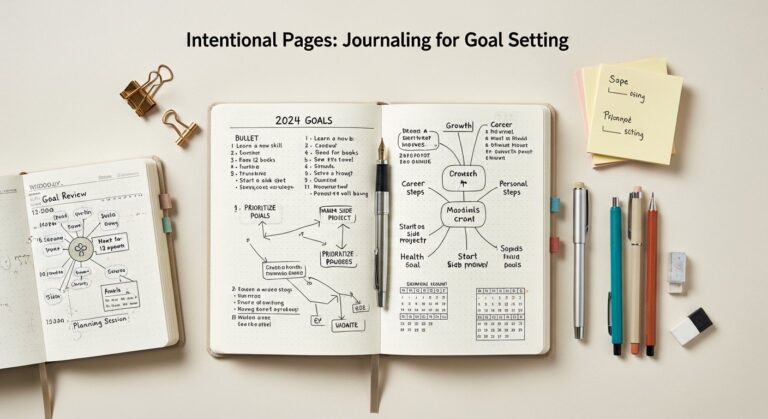
  • Journaling (Optional): If you find your mind racing with ideas or concerns, use this “thinking time” to jot them down. The act of writing can often clarify thoughts and prevent them from looping endlessly in your mind, allowing you to return to your work with greater focus.

By strategically weaving these mindful pauses into your day, you create opportunities to break the cycle of reactivity and cultivate a more intentional, present, and ultimately more productive work experience. These aren’t just breaks from work; they are integral components of working mindfully and sustainably.

The Power of Ritual: Anchoring Mindfulness in Your Day

Rituals are powerful tools for bringing intention and presence into our lives. They are not merely habits; they are sequences of actions imbued with meaning, designed to mark transitions, set intentions, and create moments of mindfulness. In the context of the workday, establishing simple rituals can serve as powerful anchors, helping you transition into a focused state, maintain presence throughout the day, and wind down effectively. These rituals don’t require lengthy meditation sessions; they are about conscious engagement with routine actions.

Mindful Morning Ritual: Setting the Tone for Your Day

How you begin your day profoundly impacts how you navigate its challenges. A mindful morning routine sets a foundation of calm and clarity, making it easier to practice mindfulness at work without meditating. The concept of a Morning Routine For Women 2026 emphasizes starting your day with intention, and incorporating mindfulness into this routine can be transformative.

  • Conscious Awakening: Instead of immediately grabbing your phone, allow yourself a few moments of quiet awareness upon waking. Notice the feeling of the sheets, the sounds in your home, the sensation of your breath. This brief pause helps you transition from sleep to wakefulness with presence.
  • Mindful Hydration: Before your coffee, drink a glass of water. As you do, pay full attention to the sensation of the cool water, its taste, and how it feels as it nourishes your body. This simple act is a grounding ritual.
  • Intentional Planning: Before diving into your work, take a few minutes to review your priorities for the day. Instead of just listing tasks, consider the “why” behind them. What is your intention for each task? Which one requires your most focused attention? This mindful planning reduces reactive tendencies and promotes purposeful work.
  • Brief Movement: Incorporate a few minutes of gentle stretching or a short walk. As you move, focus on the sensations in your body, the rhythm of your breath. This prepares your body and mind for the day ahead.

These elements, drawn from best practices for a holistic morning routine, ensure you’re not just starting your day, but starting it with purpose and a cultivated sense of presence.

Midday Re-Centering Ritual: The Lunchtime Anchor

The middle of the day can be when energy dips and distractions peak. A midday ritual helps you reset and re-engage with mindfulness.

  • The “Unplug” Lunch: Make a ritual of completely stepping away from your work during lunch. This means no emails, no work-related calls, and ideally, no scrolling through social media. Use this time to mindfully eat, as discussed, or simply to gaze out a window, read a non-work book, or listen to calming music.
  • A Moment of Gratitude: Before returning to your desk, take 60 seconds to silently list three things you are grateful for, either in your personal life or related to your work. This positive reflection can shift your perspective and boost your mood, making you more resilient for the afternoon.
  • Nature Connection (If Possible): If your workplace allows, a brief walk outside, even for five minutes, can be a powerful ritual. Feel the sun on your skin, the air, and observe the natural world around you. This simple connection can be incredibly grounding.

Mindful End-of-Day Ritual: Winding Down with Intention

Just as important as starting your day mindfully is ending it with intention. This ritual helps you transition from work mode to personal time, preventing work stress from spilling over into your evenings.

  • The “Digital Sunset”: Before you log off, take 5-10 minutes to mindfully wrap up your workday.
    • Review what you accomplished. Acknowledge your efforts and successes.
    • Make a brief plan for the next day, noting your top 1-3 priorities. This clears your mind of lingering tasks.
    • Organize your desk. A tidy workspace can contribute to a tidy mind.
    • Close all unnecessary tabs and applications.

    This structured closure signals to your brain that the workday is complete.

  • Commute as a Transition: Whether you commute physically or just move from your home office to another room, use this time as a mindful transition. Avoid immediately jumping into another screen. Instead, listen to a podcast, music, or simply observe your surroundings. If driving, focus on the act of driving, the feel of the wheel, the road ahead. If walking, feel your feet on the ground.
  • A Physical Release: Upon arriving home, consider a quick ritual to physically release the day’s tension – perhaps a few deep stretches, a warm shower, or simply changing into comfortable clothes. This physical shift helps reinforce the mental one.

By consciously embedding these rituals into your workday, you create predictable moments of presence and intention. They become signposts throughout your day, reminding you to pause, breathe, and engage mindfully, ultimately transforming your entire professional experience without ever needing a formal meditation practice.

From Workday to Well-being: Extending Mindfulness Beyond the Desk

The practice of mindfulness at work, even without formal meditation, is not an isolated skill; it’s a foundational pillar that supports your overall well-being. The benefits you cultivate during your professional hours—increased focus, emotional regulation, stress reduction, and enhanced presence—naturally extend into every other facet of your life. In fact, one of the most powerful outcomes of workplace mindfulness is its ability to create a seamless bridge between your professional effectiveness and your personal fulfillment, ultimately preventing burnout and fostering a more balanced existence. This holistic approach is critical for the modern woman striving for both career success and personal peace.

Preventing Burnout: The Long-Term Reward of Presence

Burnout is a pervasive issue in today’s high-demand work culture, characterized by emotional exhaustion, cynicism, and a reduced sense of personal accomplishment. It often stems from chronic, unmanaged stress and a feeling of being constantly overwhelmed. Mindfulness acts as a potent antidote:

  • Early Warning System: By regularly checking in with your thoughts, feelings, and bodily sensations (a core tenet of workplace mindfulness), you become more attuned to the early signs of stress and fatigue. You might notice subtle tension in your shoulders, a quickening heart rate, or increasing irritability before they escalate into full-blown exhaustion. This awareness allows you to intervene proactively, taking a breath break, a short walk, or adjusting your workload.
  • Emotional Regulation: Mindfulness teaches you to observe emotions without being consumed by them. Instead of reacting impulsively to frustration or pressure, you learn to create a space between the stimulus and your response. This skill is invaluable for navigating workplace conflicts, managing demanding projects, and maintaining composure under pressure, thereby reducing the emotional drain that contributes to burnout.
  • Cultivating Resilience: Regularly practicing presence builds mental fortitude. When challenges arise, a mindful individual is better equipped to approach problems with a clear head, adapt to change, and bounce back from setbacks, rather than being paralyzed by them. This resilience is a key factor in sustained professional well-being.
  • Valuing Rest and Recovery: When you consistently experience the benefits of mindful presence during your workday, you naturally begin to appreciate the importance of truly disconnecting and resting. The desire to maintain that sense of calm and clarity encourages you to set stronger boundaries between work and personal life.

Connecting to Broader Self-Care: The Synergistic Effect

The skills you hone in practicing mindfulness at work seamlessly integrate with and enhance your broader self-care strategies. For example, understanding How To Build Self Care Sunday Routine becomes even more impactful when your weekdays are also infused with conscious presence.

  • Enhanced Appreciation for Self-Care: When you’re mindful during the week, you arrive at your weekend with less accumulated stress and a greater capacity to enjoy your self-care practices. A mindful Sunday routine—whether it involves a long bath, journaling, spending time in nature, or cooking a nourishing meal—feels truly restorative because your mind isn’t constantly replaying work scenarios.
  • Mindful Leisure: The ability to be fully present translates directly to your personal time. Instead of passively consuming entertainment or rushing through chores, you can mindfully engage in hobbies, spend quality time with loved ones, or simply relax with a heightened sense of enjoyment and connection. This makes your leisure time genuinely rejuvenating.
  • Improved Sleep Quality: Reducing workday stress through mindfulness directly contributes to better sleep. By consciously winding down at the end of the day (as per our rituals section), you can quiet a racing mind, making it easier to fall asleep and experience more restorative rest. Quality sleep is a cornerstone of both physical and mental well-being.
  • Stronger Relationships: The mindful communication skills you practice at work—active listening, thoughtful responses, empathy—are equally, if not more, vital in your personal relationships. Being truly present with family and friends deepens connections and fosters more meaningful interactions.

A Foundation for Continuous Growth

Ultimately, embracing mindfulness at work without meditating is about cultivating a way of being that fosters continuous personal and professional growth. It’s about learning to navigate the complexities of life with greater awareness, intention, and grace. It empowers you to be more effective not just in what you do, but in who you are, creating a life that is both productive

THE LATEST

Hi, I’m Thea.

I started this brand as a personal online publication after graduating from Boston University with a degree in Marketing and Design. Originally from San Francisco, I was thousands of miles from family and friends, and needed an outlet for exploring my passions and connecting with others. My goal has always been to show others the beauty in enjoying life’s simple pleasures and to encourage others to look inward for self fulfillment.

Thousands of readers later, The Contextual Life has become a resource for anyone wanting a sense of community and a source of inspiration throughout their journey of life. It’s a place where readers can find suggestions on where to travel, what to eat, what to wear, and what to shop for, from experts who are almost like personal friends.

The Contextual Life brings our mission to life through news, products, experiences, and design. We are dedicated to providing the latest information to help you live a lifestyle that you love. Thank you for being here. Stay awhile.

thea-signature
Im-thea