

What Exactly Is Hair Porosity? Understanding the Basics
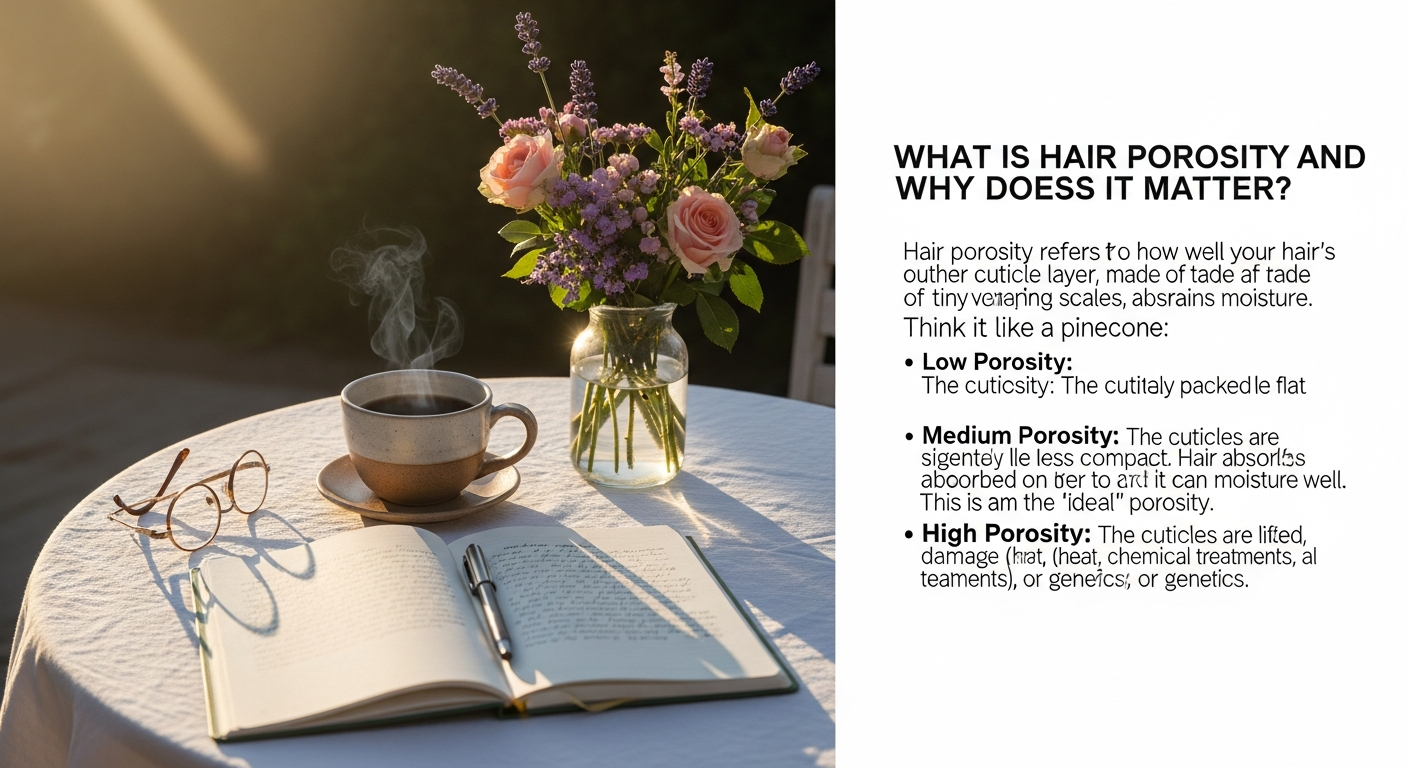
At its core, hair porosity refers to your hair’s ability to absorb and retain moisture. Think of it as the condition of your hair’s outermost layer, known as the cuticle. The cuticle is made up of tiny, overlapping scales, much like shingles on a roof. These scales can be tightly closed, slightly raised, or widely open, and their state determines how easily water, oils, and other hair care products can penetrate and remain within the hair shaft. Understanding this fundamental characteristic is not just a scientific curiosity; it’s a practical necessity that profoundly impacts the effectiveness of your entire hair care routine. Without considering porosity, you might be using products that either sit on top of your hair, leading to buildup, or pass right through it, leaving your strands perpetually dry and prone to damage.
The hair shaft itself is composed of three main layers: the medulla (innermost core, not always present), the cortex (middle layer, providing strength and elasticity), and the cuticle (outermost protective layer). The cuticle’s condition is the primary determinant of porosity. When these scales are tightly packed, your hair has low porosity. If they’re slightly open, it’s normal porosity. And if they’re widely open or damaged, you’re dealing with high porosity. This isn’t a static condition; while genetics play a significant role in determining your natural porosity, external factors such as heat styling, chemical treatments (coloring, perms), environmental exposure (sun, wind, pollution), and even rough handling can alter your hair’s porosity over time. This dynamic nature means that periodically reassessing your hair’s porosity is a wise practice, allowing you to adapt your care strategy as your hair’s needs evolve.
Grasping this concept is the first step towards a truly personalized hair care journey. It’s akin to understanding your skin type before choosing skincare products; a one-size-fits-all approach rarely yields optimal results. By recognizing your hair’s porosity, you can select ingredients and techniques that work synergistically with its natural tendencies, rather than fighting an uphill battle. This means less wasted product, fewer frustrating hair days, and ultimately, healthier, more vibrant hair that truly shines. This foundational knowledge is crucial for anyone seeking to optimize their hair health, much like building a robust Morning Routine For Women 2026 requires understanding your personal energy cycles and priorities.
The Three Types of Hair Porosity: Low, Normal, and High
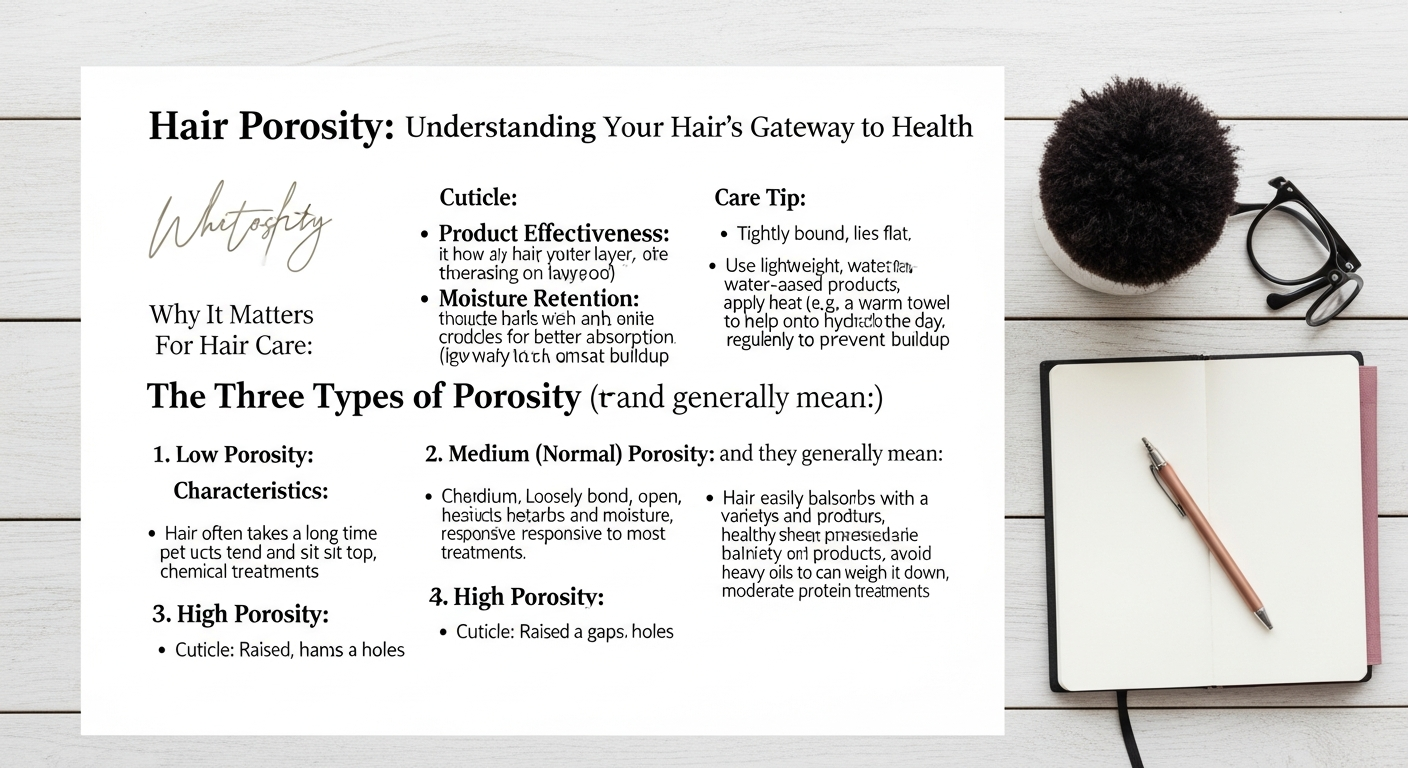
Once you understand the basic concept of porosity, the next step is to identify which of the three main types best describes your hair. Each type comes with its own set of characteristics, challenges, and ideal care strategies. Recognizing your hair’s specific porosity will empower you to make informed decisions about product selection, styling techniques, and even the frequency of certain treatments.
Low Porosity Hair: The Moisture-Resistant Type
Low porosity hair is characterized by a tightly closed cuticle layer, meaning the scales lie flat and are very close together. This makes it difficult for moisture to penetrate the hair shaft. While this sounds like a disadvantage, it also means that once moisture gets in, it tends to stay there. The challenge, however, is getting it in! Products often sit on top of the hair, leading to buildup and a greasy feel without actually hydrating the strands. Low porosity hair can also take a long time to get fully wet and an equally long time to air dry.
- Characteristics:
- Products tend to sit on the hair rather than absorbing.
- Hair takes a long time to get fully wet.
- Hair takes a long time to air dry.
- Can be prone to product buildup.
- Often appears shiny and healthy, but can feel stiff or dry underneath.
- Care Strategies:
- Use heat: Gentle heat (e.g., a steamer, warm towel, or hooded dryer) can help lift the cuticles to allow products to penetrate better, especially during deep conditioning.
- Lightweight products: Opt for lighter, water-based products, lotions, and milks rather than heavy butters and oils that can cause buildup.
- Clarifying shampoos: Regular clarifying (every 2-4 weeks) is crucial to remove buildup that can further impede moisture absorption.
- Humectants: Ingredients like glycerin and honey can draw moisture into the hair, but use sparingly in very humid or very dry climates.
- Avoid protein overload: While some protein is good, too much can make low porosity hair stiff and brittle. Opt for protein-free or low-protein conditioners.
- Apply to damp hair: Products are best applied when hair is damp or wet to aid absorption.
Normal Porosity Hair: The Balanced Type
Normal porosity hair is often considered the ideal type. Its cuticle layer is slightly raised, allowing just the right amount of moisture to penetrate and stay within the hair shaft. This type of hair is generally easy to manage, holds styles well, and tends to look healthy and shiny with minimal effort. It absorbs products effectively without becoming overloaded or overly dry.
- Characteristics:
- Hair absorbs and retains moisture well.
- Takes color and chemical treatments evenly.
- Looks healthy, shiny, and has good elasticity.
- Holds styles well.
- Requires relatively less effort to maintain.
- Care Strategies:
- Balanced routine: Maintain a balanced routine with moisturizing and protein treatments as needed, rather than focusing heavily on one or the other.
- Preventive care: While resilient, normal porosity hair still benefits from protective measures against heat, UV damage, and chemical processing.
- Gentle cleansing: Use sulfate-free or gentle shampoos to maintain natural oil balance.
- Deep conditioning: Regular deep conditioning (once a week or bi-weekly) will help maintain its healthy state.
- Variety of products: Can experiment with a wider range of product types, but still pay attention to how your hair responds.
High Porosity Hair: The Moisture-Guzzling Type
High porosity hair has a cuticle layer that is widely open, often due to damage from chemical treatments, heat styling, or environmental factors, but it can also be genetic. This wide-open cuticle allows moisture to easily enter the hair shaft, but just as easily allows it to escape. This leads to hair that often feels dry, frizzy, and prone to breakage, even if you’re using plenty of moisturizing products. It can absorb water quickly but struggles to retain it, leaving it feeling rough and looking dull.
- Characteristics:
- Hair absorbs water quickly but dries quickly.
- Prone to frizz, especially in humid conditions.
- Can feel rough, dry, or brittle.
- Tangles easily.
- Often appears dull or lacks shine.
- Breaks easily.
- Care Strategies:
- Seal in moisture: The primary goal is to seal the cuticles to prevent moisture loss. Use leave-in conditioners, heavier creams, and oils (like castor, olive, or argan oil) to create a protective barrier.
- Protein treatments: Regular protein treatments (e.g., once a month or every few weeks, depending on hair’s needs) can help fill gaps in the cuticle, temporarily strengthening the hair shaft.
- Layering products: Use the LOC method (Liquid, Oil, Cream) or LCO method to layer products and lock in hydration.
- Acidic rinses: Apple cider vinegar rinses can help flatten the cuticle and add shine.
- Avoid hot water: Rinse with cool or lukewarm water to help close the cuticles.
- Protective styling: Minimize manipulation and protect hair from environmental damage with styles like braids, buns, or twists.
- Deep conditioning: Frequent, rich deep conditioning treatments are essential to replenish lost moisture and strengthen the hair.
By understanding these distinctions, you’re not just categorizing your hair; you’re gaining a roadmap for effective care. This knowledge helps you move beyond generic product recommendations and towards a truly personalized regimen that addresses your hair’s unique needs, much like understanding your body’s specific nutritional requirements is key to How To Eat Healthier Without Dieting effectively.
How to Determine Your Hair Porosity: Simple Home Tests
1. The Water Float Test
This is perhaps the most well-known and simplest test for porosity. It’s a good starting point, though it does have some limitations (e.g., product residue can affect results).
- How to perform:
- Wash your hair thoroughly with a clarifying shampoo to remove any product buildup. Do not apply conditioner or styling products.
- Allow your hair to air dry completely.
- Pluck a clean strand of hair from your head (or collect a few strands from your comb/brush).
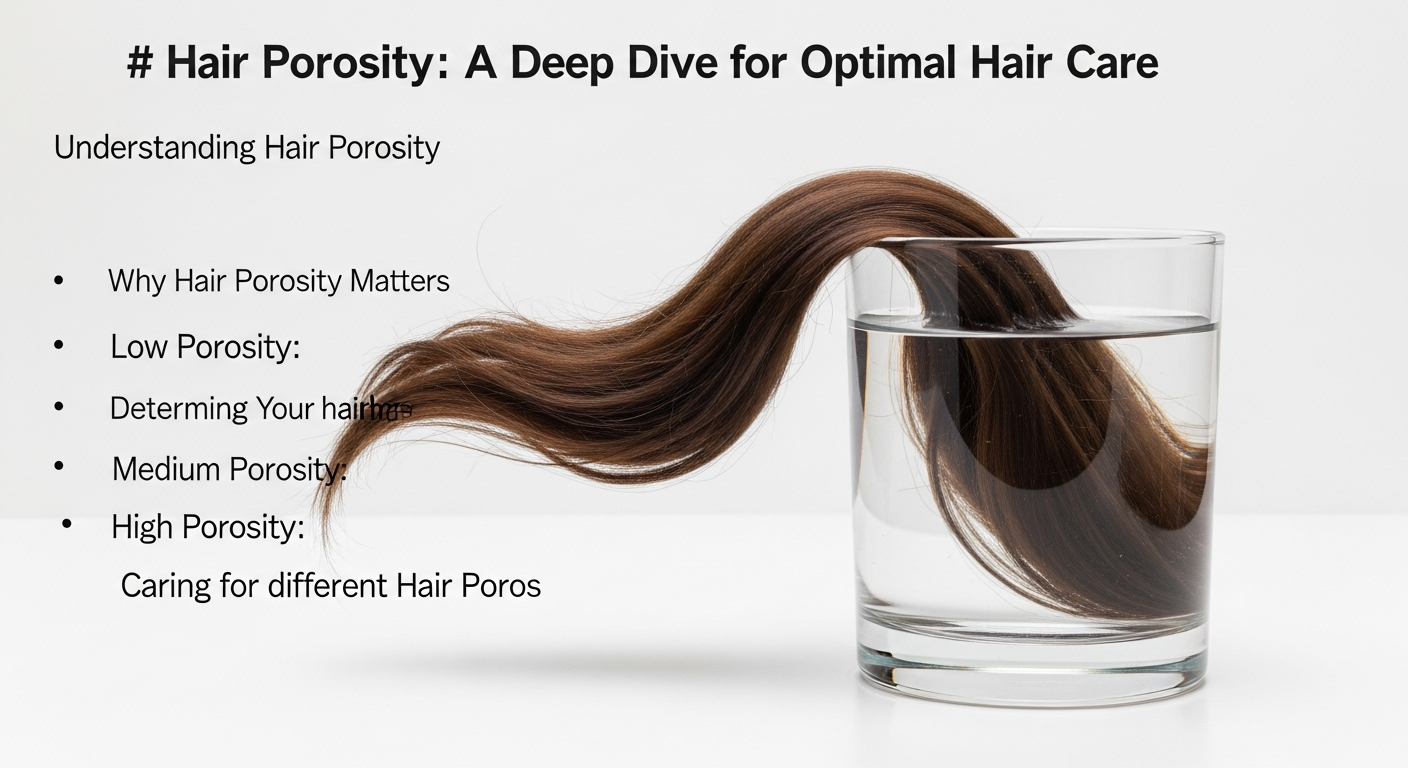
- Drop the strand(s) into a clear glass of room-temperature water.
- Observe the hair strand for 2-4 minutes.
- Interpreting the results:
- Low Porosity: If your hair strand floats at the top or just below the surface, it indicates low porosity. The tightly closed cuticles prevent water from quickly penetrating the hair shaft, making it buoyant.
- Normal Porosity: If your hair strand gradually sinks to the middle of the glass, it suggests normal porosity. The cuticles are slightly open, allowing for a balanced absorption of water.
- High Porosity: If your hair strand quickly sinks to the bottom, it points to high porosity. The open cuticles rapidly absorb water, causing the strand to become saturated and sink.
Caveat: Ensure your hair is free of products, as oils and silicones can create a coating that makes hair float, giving a false low porosity reading.
2. The Strand Test (Finger Slide Test)
This tactile test relies on the feel of your hair and can be a good complement to the water test.
- How to perform:
- Take a single strand of hair between your thumb and forefinger.
- Slide your fingers up the hair strand, from the tip towards your scalp.
- Interpreting the results:
- Low Porosity: If your fingers glide smoothly without much resistance, it suggests low porosity. The cuticles are flat and closed.
- Normal Porosity: If you feel a slight bumpiness or slight resistance, it indicates normal porosity. The cuticles are slightly raised.
- High Porosity: If your fingers feel rough, bumpy, or catch along the strand, it points to high porosity. This indicates lifted or damaged cuticles.
3. The Spray Test
This test observes how your hair reacts to water when sprayed directly onto it.
- How to perform:
- Take a small section of clean, dry hair.
- Lightly mist it with a spray bottle filled with water.
- Observe how the water behaves on your hair.
- Interpreting the results:
- Low Porosity: If the water beads up on the surface of your hair and doesn’t seem to absorb immediately, it suggests low porosity. The water droplets sit on top due to tightly closed cuticles.
- Normal Porosity: If the water beads for a moment and then quickly absorbs into your hair, it indicates normal porosity.
- High Porosity: If your hair immediately absorbs the water and becomes wet without much beading, it points to high porosity. The open cuticles quickly draw the water in.
While these tests provide valuable insights, remember that your hair’s porosity can vary across different sections of your head, especially if you have areas that have been more exposed to heat or chemical treatments. It’s also important to consider other factors like hair texture (fine, medium, coarse) and density (thin, medium, thick), as these also influence how your hair looks and feels. Combining the results of these tests with careful observation of how your hair responds to various products and environmental conditions will give you the most accurate picture of your hair’s porosity and its specific needs.
Why Hair Porosity Matters: Tailoring Your Hair Care Routine
Understanding your hair porosity isn’t just about identifying a characteristic; it’s about unlocking a personalized approach to hair care that can transform your hair’s health and appearance. This knowledge is paramount because it dictates how effectively your hair will interact with the products you use, influencing everything from moisture absorption and retention to product efficacy and potential for damage. Failing to consider porosity often leads to frustration, wasted money on unsuitable products, and hair that never quite reaches its full potential.
Imagine trying to hydrate a sponge with a tightly sealed plastic coating (low porosity) versus a sponge with large holes (high porosity). You wouldn’t use the same method for both, would you? The same logic applies to your hair. If you have low porosity hair and are slathering on heavy butters and oils, these products will likely sit on top of your tightly closed cuticles, leading to greasy buildup, dullness, and a feeling of unwashed hair, without actually providing the internal moisture it craves. Conversely, if you have high porosity hair and rely solely on lightweight serums without proper sealing, moisture will evaporate just as quickly as it’s applied, leaving your hair perpetually dry, frizzy, and vulnerable to environmental damage.
The “why it matters” can be broken down into several key areas:
- Product Selection: This is perhaps the most direct impact. Knowing your porosity guides you towards the right types of ingredients and product consistencies. Low porosity hair benefits from lightweight, water-based products, humectants (in controlled environments), and clarifying agents. High porosity hair thrives on heavier creams, butters, oils, and protein treatments to help fill gaps in the cuticle. Normal porosity hair can enjoy a balanced mix, focusing on maintenance.
- Moisture Management: Porosity directly controls how well your hair absorbs and retains moisture. For low porosity, the challenge is getting moisture in; for high porosity, it’s keeping it in. Your strategy for deep conditioning, leave-in conditioners, and sealing products will be entirely different based on your porosity type.
- Styling and Longevity: High porosity hair may struggle to hold styles due to rapid moisture loss, requiring more products to seal the cuticle. Low porosity hair might resist styling products, leading to limpness or quick collapse of styles if products aren’t absorbed.
- Preventing Damage: High porosity hair is particularly susceptible to damage due to its open cuticle. Understanding this allows you to prioritize protective measures like heat protectants, UV filters, and gentle handling. Low porosity hair, while resilient, can suffer from product buildup that prevents nutrients from reaching the hair, leading to internal dryness and brittleness over time.
- Chemical Treatments: If you color or chemically treat your hair, porosity is a critical factor. High porosity hair will absorb chemicals very quickly, potentially leading to over-processing or uneven color, requiring careful formulation and application. Low porosity hair may resist chemical penetration, requiring longer processing times or stronger formulas.
- Time and Cost Efficiency: When you understand your hair’s porosity, you stop wasting money on products that simply don’t work for you. You also save time by streamlining your routine and focusing on techniques that yield actual results. This leads to a more efficient and rewarding hair care journey.
Just as you wouldn’t choose a perfume without understanding your skin’s chemistry and how it reacts with fragrances – a process akin to How To Choose The Right Perfume – you shouldn’t choose hair products without understanding your hair’s porosity. It’s about working with your hair’s natural properties, not against them, leading to healthier, happier, and more manageable strands. This personalized approach empowers you to be an informed consumer and a proactive participant in your hair’s well-being, moving beyond trial-and-error to a place of confident, effective care.
Hair Care Strategies for Each Porosity Type
Armed with the knowledge of your hair porosity, you can now move from a generic approach to a highly targeted hair care regimen. This section outlines specific strategies tailored to each porosity type, ensuring that every product and technique you employ works synergistically with your hair’s unique structure.
Strategies for Low Porosity Hair
The main challenge for low porosity hair is getting moisture past the tightly closed cuticles. The key is to encourage the cuticles to lift slightly to allow moisture in, and then to use products that are easily absorbed without causing buildup.
- Cleansing: Use clarifying shampoos regularly (every 2-4 weeks) to prevent buildup from products that sit on the surface. Opt for sulfate-free, gentle shampoos for daily or weekly washes to avoid stripping natural oils completely.
- Conditioning: Choose lightweight, humectant-rich conditioners. Look for ingredients like glycerin, honey, aloe vera, and lightweight oils (grapeseed, jojoba). Apply conditioner to damp, not soaking wet, hair to help with absorption.
- Deep Conditioning: This is where heat becomes your best friend. Use a hooded dryer, a steamer, or simply wrap your hair in a warm, damp towel after applying a deep conditioner. The gentle heat helps to lift the cuticles, allowing the treatment to penetrate deeply. Aim for once a week or bi-weekly.
- Leave-in Products: Opt for lightweight leave-in sprays or milks rather than heavy creams or butters. Apply to damp hair immediately after washing to lock in moisture.
- Styling Products: Avoid heavy creams, butters, and thick oils. They will likely cause buildup and weigh down your hair. Instead, choose lightweight gels, mousses, and serums.
- Application: Always apply products to damp or wet hair. Water helps to “open” the cuticle and aids in product absorption.
- Avoid Protein Overload: While protein is essential, low porosity hair can be sensitive to too much. Look for protein-free or low-protein conditioners and deep conditioners. If you use protein treatments, opt for hydrolyzed proteins, which have smaller molecules that can penetrate more easily.
Strategies for Normal Porosity Hair
Normal porosity hair is relatively balanced, so the goal is to maintain its healthy state and protect it from factors that could alter its porosity.
- Cleansing: Gentle, sulfate-free shampoos are ideal to maintain the natural oil balance without over-stripping.
- Conditioning: A good quality, balanced conditioner will suffice for regular washes.
- Deep Conditioning: Once a week or bi-weekly deep conditioning treatments are excellent for maintaining moisture and elasticity. You generally don’t need heat, but it can enhance absorption.
- Leave-in Products: A lightweight leave-in conditioner or serum can provide an extra layer of moisture and protection, especially if you heat style.
- Protection: Use heat protectants religiously if you use heat styling tools. Protect your hair from sun and chlorine exposure, as these can increase porosity over time.
- Balanced Protein/Moisture: Your hair generally handles both well. Listen to your hair; if it feels limp, it might need protein; if it feels dry, it needs more moisture.
- Scalp Health: Focus on maintaining a healthy scalp environment, as this contributes significantly to overall hair health.
Strategies for High Porosity Hair
High porosity hair readily absorbs moisture but struggles to retain it. The focus here is on sealing the cuticle, strengthening the hair, and minimizing moisture loss.
- Cleansing: Use moisturizing, sulfate-free shampoos. Co-washing (washing with conditioner) can also be beneficial to minimize stripping. Avoid extremely hot water, as it can further lift the cuticle.
- Conditioning: Rich, creamy conditioners with humectants and emollients are excellent. Look for ingredients like shea butter, coconut oil, argan oil, and fatty alcohols.
- Deep Conditioning: Frequent and intensive deep conditioning treatments are non-negotiable, at least once a week. These should be rich in moisturizing ingredients and beneficial oils. Applying heat (warm towel, steamer) can help these treatments penetrate, but the focus is on sealing afterwards.
- Protein Treatments: Regular protein treatments are crucial to temporarily fill in the gaps in the lifted cuticles, strengthening the hair and improving elasticity. Use hydrolyzed proteins for better absorption. Adjust frequency based on your hair’s needs (e.g., every 2-4 weeks).
- Leave-in Products: Layering is key. Use a leave-in conditioner, followed by an oil, and then a cream (LOC method) or vice versa (LCO method) to seal in moisture. Heavy creams and butters are your friends here.
- Sealing Oils: Use heavier oils like castor oil, olive oil, avocado oil, or shea butter to seal the cuticle after moisturizing. These create a barrier that prevents moisture from escaping.
- Rinsing: Finish your wash routine with a cool water rinse to help close the cuticles. An apple cider vinegar rinse diluted with water can also help flatten the cuticle and add shine.
- Protective Styling: Minimize manipulation and protect your hair from environmental damage. Braids, twists, buns, and updos can reduce exposure to friction and elements.
- Heat Protection: Always use a strong heat protectant if you use heat styling tools, and opt for air drying whenever possible.
Remember, consistency is key. Once you’ve identified your porosity and adopted a tailored routine, stick with it for a few weeks to truly see the benefits. Your hair will thank you with improved health, shine, and manageability. This thoughtful approach to hair care is an investment in your well-being, much like carefully planning your Morning Routine For Women 2026 to optimize your day from the start.
Beyond Porosity: Other Factors Influencing Hair Health
While understanding your hair’s porosity is a game-changer, it’s essential to recognize that it’s just one piece of the intricate puzzle of hair health. A truly holistic approach considers several other vital factors that interact with porosity to determine your hair’s overall condition, appearance, and responsiveness to care. Overlooking these elements can lead to incomplete solutions, even with a perfect porosity-based routine.
- Hair Texture (Fine, Medium, Coarse): This refers to the diameter of individual hair strands.
- Fine hair is delicate and prone to breakage, often easily weighed down by heavy products, regardless of porosity.
- Coarse hair is thicker and typically more resilient but can feel dry and may require richer conditioning.
- Medium hair falls in between and is generally easier to manage.
Texture impacts product choice; for instance, fine, high porosity hair might still need lighter oils than coarse, high porosity hair to avoid greasiness.
- Hair Density (Thin, Medium, Thick): This refers to the number of hair strands per square inch of your scalp.
- Thin density means fewer strands, which can make hair appear less voluminous.
- Thick density means many strands, often leading to fuller, more voluminous hair that can be challenging to dry and manage.
Density influences how much product you need and how long your hair takes to dry. High density, low porosity hair, for example, will take a very long time to dry and can easily accumulate product buildup if not clarified often.
- Hair Elasticity: This is your hair’s ability to stretch and return to its original state without breaking. Good elasticity indicates healthy hair; poor elasticity suggests damage.
- To test: Gently stretch a wet strand of hair. If it stretches significantly and bounces back, it has good elasticity. If it snaps quickly or doesn’t return, elasticity is low.
Low elasticity often indicates a need for protein treatments to strengthen the hair, especially for high porosity hair which tends to be more fragile.
- Scalp Health: The foundation of healthy hair begins with a healthy scalp. Issues like dryness, oiliness, dandruff, or inflammation can directly impact hair growth and quality. A balanced scalp environment supports healthy hair follicles, leading to stronger, more vibrant hair growth.
- Environmental Factors: Your hair is constantly exposed to external elements.
- UV radiation from the sun can damage the cuticle, increasing porosity.
- Humidity can cause frizz in high porosity hair or make low porosity hair feel heavy and greasy.
- Chlorine and saltwater can strip hair of natural oils and increase porosity.
- Pollution can build up on hair, making it dull and lifeless.
Protecting your hair from these elements (e.g., hats, UV protectants, rinse-out treatments after swimming) is crucial.
- Internal Factors: Diet, Hydration, and Lifestyle: What you put into your body significantly impacts your hair.
- A balanced diet rich in proteins, vitamins (especially A, C, D, E, biotin), and minerals (iron, zinc) is essential for hair growth and strength. Just as we learn How To Eat Healthier Without Dieting for overall well-being, nourishing your body from the inside out is vital for hair.
- Adequate hydration ensures cells function optimally, including those responsible for hair health.
- Stress, lack of sleep, hormonal imbalances, and certain medications can all manifest in hair changes, including increased shedding, dullness, or altered texture.
Considering your overall lifestyle and well-being provides a complete picture of your hair’s needs.
By integrating these factors with your understanding of porosity, you build a truly comprehensive hair care strategy. It’s about creating a harmonious ecosystem where every element contributes to your hair’s optimal health and beauty. This holistic perspective moves beyond quick fixes, offering a sustainable path to strong, vibrant, and resilient hair.
The Journey to Healthy Hair: A Holistic Approach
Embarking on the journey to healthy, vibrant hair is more than just choosing the right shampoo; it’s about adopting a holistic approach that recognizes the interconnectedness of your hair’s internal structure, external environment, and overall well-being. Understanding what is hair porosity and why it matters for hair care is a monumental first step, but it’s just the beginning of a truly personalized and effective regimen.
The beauty of learning your hair porosity lies in its power to demystify product choices and eliminate the guesswork that often leads to frustration and wasted resources. No longer will you be swayed by every new trend or “miracle” product that hits the market. Instead, you’ll possess the discerning eye to select ingredients and formulations that genuinely cater to your hair’s unique absorption and retention needs. This informed decision-making process is empowering, transforming you from a passive consumer into an active participant in your hair’s health.
However, remember that hair care is rarely a static endeavor. Your hair’s needs can evolve due to factors like age, hormonal changes, environmental shifts, chemical treatments, or even your internal health. This means that periodically reassessing your porosity and adjusting your routine is not just recommended, but essential. Be open to experimentation within the framework of your porosity type, paying close attention to how your hair responds to new products, techniques, and even lifestyle adjustments. Just as you might refine your Morning Routine For Women 2026 as your life changes, your hair care routine should also be a living, breathing practice.
Ultimately, the journey to healthy hair is a testament to self-care and self-awareness. It’s about listening to your hair, understanding its whispers and shouts, and responding with conscious, informed choices. It’s about patience, as results often take time to manifest, and about celebrating the small victories along the way. Embrace the process of learning, adapting, and nurturing your hair, not just as a beauty ritual, but as an extension of your overall commitment to well-being.
By integrating the foundational knowledge of hair porosity with an understanding of texture, density, elasticity, scalp health, environmental protection, and internal nourishment, you are building a robust and sustainable foundation for truly beautiful hair. This comprehensive perspective ensures that you’re not just treating symptoms, but addressing the root causes of your hair concerns. It’s about finding that perfect harmony, much like discovering How To Choose The Right Perfume that perfectly complements your personal chemistry and style. So, take these insights,
Recommended Resources
Explore Celebrity Travel Packing Essentials for additional insights.
Learn more about this topic in French Girl Style Guide Wardrobe Essentials at Fashion Goggled.