

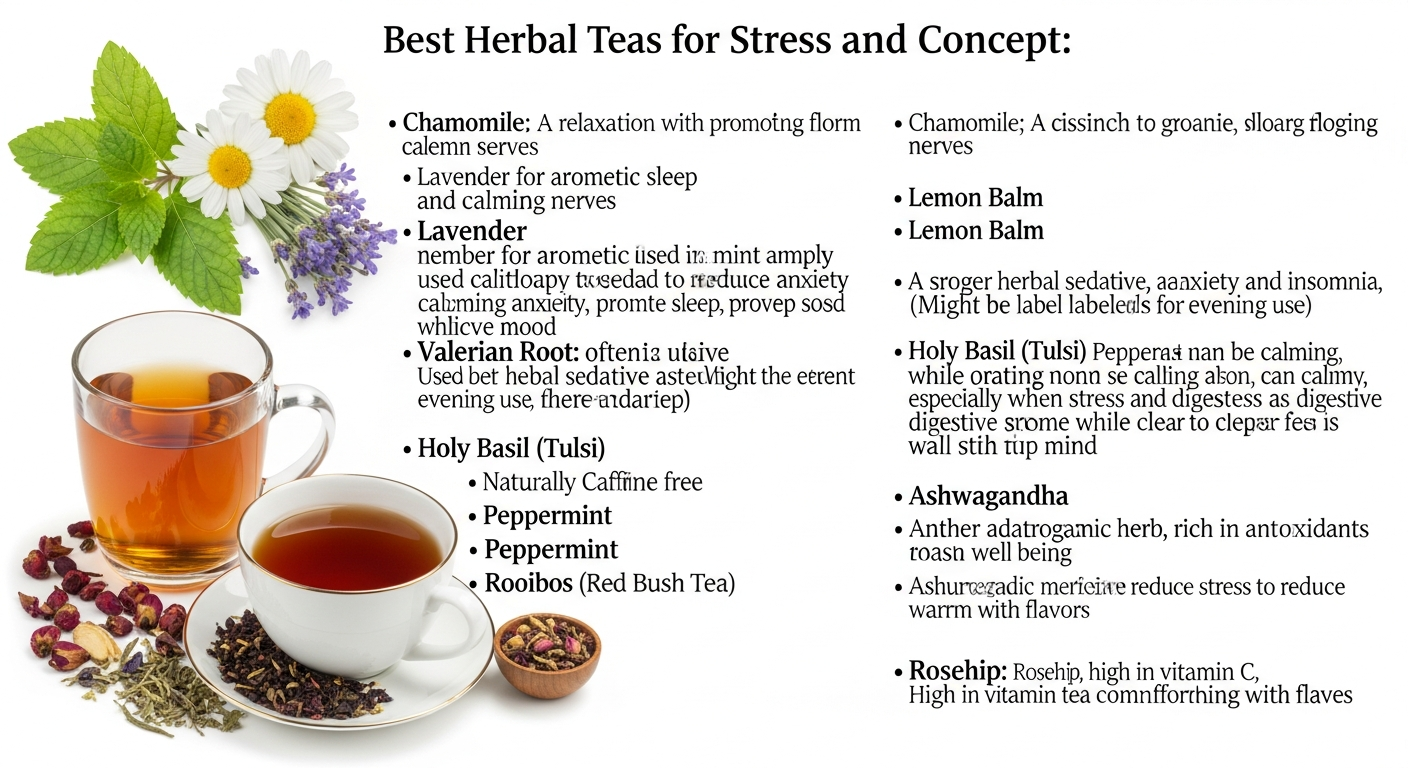
Understanding Stress and Anxiety in Modern Life
Stress and anxiety aren’t just buzzwords; they are very real physiological and psychological responses to the pressures we face. In a world that often celebrates constant motion and productivity, taking a moment to breathe and recenter can feel like a luxury. However, chronic stress can have detrimental effects on our physical health, mental clarity, and emotional balance. It can disrupt sleep, impact digestion, reduce immunity, and even cloud our decision-making. For women, the societal expectations and biological factors can sometimes amplify these challenges, making proactive self-care not just beneficial, but essential.
Recognizing the signs of stress and anxiety – from persistent worry and irritability to physical tension and difficulty concentrating – is the first step towards managing them. While professional support is paramount for severe or persistent conditions, for daily stressors and mild anxiety, incorporating mindful practices and natural remedies can make a significant difference. This is where the ancient wisdom of herbal teas steps in, offering a gentle yet effective way to support our nervous system and promote a state of calm.
The Gentle Power of Herbal Teas: A Natural Approach to Calm
Herbal teas are more than just warm beverages; they are a centuries-old tradition of natural healing, harnessing the therapeutic properties of plants. Each herb contains a unique cocktail of compounds – known as phytochemicals – that can interact with our bodies in beneficial ways. For stress and anxiety relief, many herbs work by calming the central nervous system, reducing inflammation, balancing hormones, or providing adaptogenic support to help the body cope with stressors.
Beyond the biochemical effects, the very ritual of preparing and savoring a cup of herbal tea is a powerful act of self-care. The warmth in your hands, the steam rising, the fragrant aroma, and the quiet moment of pause it encourages can all contribute to a sense of peace. It’s an invitation to slow down, to be present, and to consciously nurture yourself. This intentional pause is a cornerstone of effective stress management, and it’s a practice that can seamlessly integrate into your busy life, perhaps even becoming a cherished part of your Morning Routine For Women 2026.
Top Herbal Teas for Soothing Your Mind and Body
Chamomile: The Classic Calmer
Perhaps the most famous of all calming teas, chamomile is revered for its gentle yet effective ability to soothe the nerves. Derived from the daisy-like flowers of the Matricaria chamomilla plant, chamomile has been used for centuries to promote relaxation and aid sleep. Its primary active compound, apigenin, is a flavonoid that binds to benzodiazepine receptors in the brain, which can help reduce anxiety and initiate sleep. It’s mild enough for most people, making it a staple in any stress-relief arsenal.
Benefits:
- Reduces general anxiety and nervousness.
- Promotes restful sleep and combats insomnia.
- Soothes digestive issues often exacerbated by stress.
- Possesses anti-inflammatory properties.
How to Enjoy: Steep 1-2 teaspoons of dried chamomile flowers (or one tea bag) in hot water for 5-10 minutes. Enjoy before bedtime or whenever you feel overwhelmed. A touch of honey or lemon can enhance its delicate flavor.
Lavender: Aromatic Serenity
Benefits:
- Significantly reduces anxiety symptoms.
- Improves sleep quality and helps with restlessness.
- Acts as a mild sedative.
- Can alleviate headaches and muscle tension.
How to Enjoy: Use about 1 teaspoon of dried culinary lavender buds per cup of hot water. Steep for 5-7 minutes. Be mindful not to over-steep, as it can become bitter. Lavender tea can be a wonderful component of a mindful evening routine, perhaps as you transition into a How To Build Self Care Sunday Routine, creating an atmosphere of profound calm.
Lemon Balm: The Sunshine Herb for Mood
Lemon balm (Melissa officinalis) is a member of the mint family, known for its bright, lemony fragrance and its uplifting yet calming properties. It has a long history of use as a natural remedy for anxiety, insomnia, and digestive upset. Lemon balm is believed to work by increasing levels of GABA (gamma-aminobutyric acid) in the brain, a neurotransmitter that helps regulate mood and reduce excitability. It’s a fantastic choice for those seeking to gently lift their spirits while simultaneously easing tension.
Benefits:
- Reduces anxiety and promotes a sense of calm.
- Enhances mood and cognitive function.
- Aids in sleep, especially when anxiety keeps you awake.
- Soothes digestive discomfort, including bloating and gas.
How to Enjoy: Steep 1-2 teaspoons of dried lemon balm leaves in hot water for 10-15 minutes. Its fresh, citrusy taste is enjoyable on its own or with a slice of lemon. It’s particularly pleasant during the day when you need a gentle pick-me-up without the jitters.
Passionflower: Nature’s Gentle Sedative
Passionflower (Passiflora incarnata) is a beautiful vine with equally impressive calming properties. It has been traditionally used to treat anxiety, insomnia, and nervousness. Research suggests that passionflower may increase levels of GABA in the brain, similar to lemon balm, leading to a reduction in brain activity and promotion of relaxation. It’s generally considered a stronger option than chamomile for anxiety, making it suitable for those moments when you need a little more support.
Benefits:
- Significantly reduces generalized anxiety disorder symptoms.
- Improves sleep quality and latency.
- Eases restlessness and nervous tension.
- Can help with stress-related muscle spasms.
How to Enjoy: Use 1 teaspoon of dried passionflower per cup of hot water and steep for 10-15 minutes. Its flavor is mild and earthy. It’s best consumed in the evening or during times of heightened stress, but always start with a smaller dose to assess your body’s response.
Valerian Root: For Deeper Tranquility
Valerian root (Valeriana officinalis) is a powerful herb primarily known for its sedative and sleep-promoting effects. It has been used for centuries to treat insomnia, anxiety, and restlessness. While its exact mechanism isn’t fully understood, it’s thought to increase GABA levels and interact with serotonin receptors, promoting deep relaxation. Valerian has a distinctive, strong aroma and taste that some find unappealing, but its efficacy for deep relaxation is undeniable.
Benefits:
- Potent for treating insomnia and improving sleep quality.
- Reduces anxiety and nervous tension, particularly before sleep.
- Can help with stress-related headaches and muscle pain.
How to Enjoy: Use 1 teaspoon of dried valerian root per cup of hot water. Steep for 10-15 minutes. Due to its strong taste, you might want to blend it with other calming herbs like chamomile or peppermint, or add honey. It’s best consumed about 30 minutes to an hour before bedtime, as its effects are quite pronounced and can cause drowsiness.
Holy Basil (Tulsi): Adaptogenic Bliss
Holy Basil, or Tulsi (Ocimum sanctum), is an adaptogenic herb revered in Ayurvedic medicine for its ability to help the body adapt to stress. Adaptogens don’t directly calm or stimulate; instead, they help normalize bodily functions and protect against the harmful effects of stress, whether physical, chemical, or environmental. Tulsi helps to balance cortisol levels, reduce inflammation, and enhance mental clarity, making it a fantastic daily tonic for overall well-being and resilience.
Benefits:
- Reduces physical and mental stress.
- Balances cortisol levels, aiding in stress response.
- Boosts immunity and reduces inflammation.
- Enhances mental clarity and focus without jitters.
- Uplifts mood and promotes a sense of spiritual well-being.
How to Enjoy: Steep 1 teaspoon of dried holy basil leaves (or a tea bag) in hot water for 5-10 minutes. Its unique peppery, clove-like flavor is refreshing and can be enjoyed multiple times throughout the day, particularly during stressful periods. It’s a wonderful addition to a holistic wellness plan for 2026.
Green Tea (Decaffeinated): L-Theanine’s Gentle Calm
While regular green tea contains caffeine, decaffeinated green tea still offers the remarkable benefits of L-Theanine, an amino acid known for its unique ability to induce a state of calm alertness. L-Theanine promotes the production of alpha brain waves, which are associated with a relaxed yet focused state, often experienced during meditation. It can reduce the perception of stress, improve focus, and promote better sleep without causing drowsiness. Opting for decaf ensures you get the calming benefits without any caffeine-induced jitters.
Benefits:
- Promotes relaxed alertness and focus.
- Reduces mental and physical stress.
- Improves cognitive function and memory.
- Supports better sleep quality without sedation.
- Rich in antioxidants for overall health.
How to Enjoy: Steep 1 teaspoon of decaffeinated green tea leaves (or one tea bag) in hot water (ideally below boiling, around 175°F/80°C) for 2-3 minutes. Over-steeping can make it bitter. Enjoy throughout the day for sustained calm and focus.
Rooibos: The Nurturing, Caffeine-Free Choice
Rooibos, or red bush tea, originates from South Africa and is naturally caffeine-free, making it an excellent choice for any time of day, including before bed. While not a direct sedative, rooibos is rich in antioxidants and minerals, which support overall health and can indirectly aid in stress reduction. Its gentle, slightly sweet, and earthy flavor is inherently comforting. It contains compounds like aspalathin and nothofagin, which have anti-inflammatory and antioxidant properties, helping the body to better cope with the physiological effects of stress.
Benefits:
- Naturally caffeine-free, suitable for all times.
- Rich in antioxidants, supporting cellular health.
- Can help lower cortisol levels (the stress hormone).
- Supports healthy digestion and can ease stomach cramps.
- Promotes overall well-being and a sense of calm.
How to Enjoy: Steep 1-2 teaspoons of rooibos leaves (or one tea bag) in hot water for 5-7 minutes, or even longer for a stronger brew as it doesn’t get bitter. It’s delicious on its own, with a splash of milk, or a hint of honey, making it a versatile and soothing beverage for any moment of your day.
Integrating Herbal Teas into Your Daily Wellness Rituals
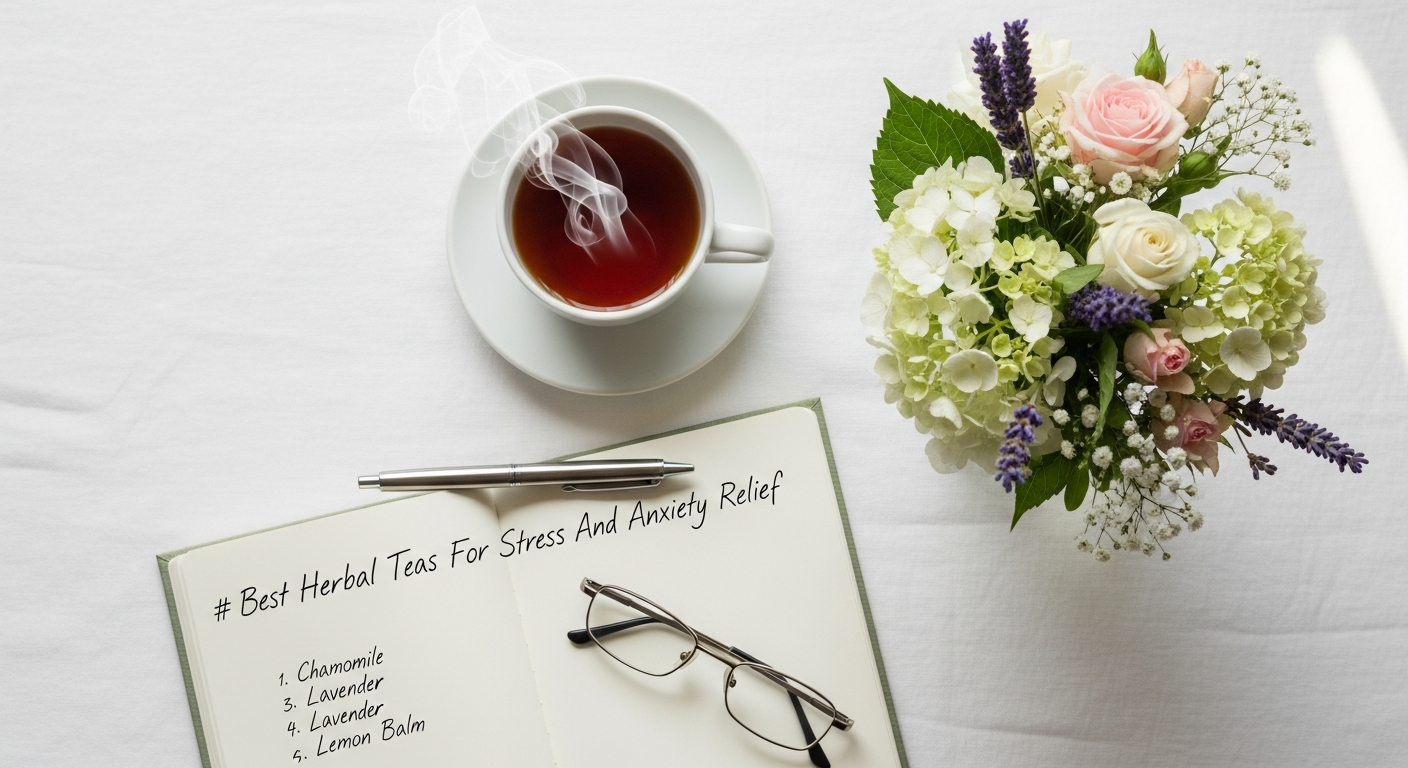
The true power of herbal teas for stress and anxiety relief lies not just in their inherent properties, but in how you integrate them into your life as intentional rituals. A tea break isn’t just about the drink; it’s about the pause, the mindfulness, and the self-care it represents.
Consider starting your day with a calming tea as part of your Morning Routine For Women 2026. Instead of rushing straight to coffee, begin with a gentle cup of holy basil or decaf green tea. This sets a tone of calm and intention, preparing you to face the day with greater equanimity. Imagine sipping your tea while planning your day, feeling a sense of grounded purpose.
Throughout the day, especially during moments of rising stress, a quick tea break can be a powerful reset. Step away from your desk, boil some water, and mindfully prepare your cup. This small act can break the cycle of stress, offering a mini-meditation in liquid form. Lemon balm or peppermint can be excellent choices for these daytime moments, providing clarity without drowsiness.
Evenings are perhaps the most natural time for calming teas. As you wind down, a cup of chamomile, lavender, or valerian root can signal to your body and mind that it’s time to transition from activity to rest. This practice can be a cornerstone of your How To Build Self Care Sunday Routine, creating a peaceful evening ritual that prepares you for deep, restorative sleep. Pair it with a warm bath, soft music, or a good book for an ultimate unwind session.
Choosing and Preparing Your Herbal Tea for Optimal Benefits
Just as you carefully select ingredients for a nourishing meal or ponder How To Choose The Right Perfume that truly embodies your essence, selecting and preparing your herbal tea is an art. The quality of your herbs significantly impacts their efficacy and flavor.
Source Quality: Always opt for high-quality, organic, and ethically sourced loose-leaf herbs or reputable tea bags. Organic herbs ensure you’re not consuming pesticides, and high-quality sources mean the herbs retain their potent active compounds. Look for brands that prioritize freshness and sustainable practices.
Preparation Matters:
- Water Quality: Use filtered water if possible, as chlorine and other impurities can affect the taste and potentially the efficacy of your tea.
- Temperature: While most herbal teas benefit from boiling water (212°F/100°C), some delicate teas like decaf green tea do better with slightly cooler water (around 175°F/80°C) to prevent bitterness.
- Steeping Time: This is crucial. For most stress-relief teas, a longer steep (5-15 minutes) is beneficial to extract the maximum therapeutic compounds. However, some, like lavender, can become bitter if over-steeped. Follow package instructions or experiment to find your preferred strength.
- Cover Your Cup: Covering your cup or teapot while steeping helps trap the volatile essential oils, which are often key to the herb’s therapeutic properties.
- Sweeteners and Additions: While many herbal teas are delicious on their own, a touch of raw honey, a slice of lemon, or a dash of fresh ginger can enhance both flavor and additional health benefits. Avoid excessive sugar, which can counteract some of the calming effects.
Think of your tea preparation as a mindful act, a small meditation. The intention you bring to the process can amplify the tea’s benefits, transforming a simple drink into a powerful elixir for peace.
Important Considerations and When to Consult a Professional
While herbal teas are generally safe and gentle, it’s crucial to approach them with an informed perspective, especially when seeking relief for stress and anxiety. Here are some important considerations:
- Individual Sensitivity: Everyone’s body reacts differently to herbs. Start with smaller doses and observe how you feel.
- Medication Interactions: Some herbs can interact with prescription medications, including antidepressants, sedatives, blood thinners, and contraceptives. For example, St. John’s Wort (though not primarily a tea herb for anxiety, often found in blends) is notorious for interactions. Always consult your doctor or a qualified herbalist before incorporating new herbal remedies, especially if you are on medication.
- Pregnancy and Breastfeeding: Many herbs are not recommended during pregnancy or breastfeeding. Always seek professional medical advice before consuming any herbal teas if you are pregnant, planning to become pregnant, or breastfeeding.
- Underlying Conditions: If your stress or anxiety is severe, persistent, or interferes significantly with your daily life, it’s essential to consult a healthcare professional. Herbal teas can be a wonderful supportive measure, but they are not a substitute for professional medical or psychological treatment.
- Quality and Purity: As mentioned, choose reputable brands to ensure you’re getting pure herbs without contaminants or unwanted additives.
Herbal teas offer a beautiful, natural pathway to greater calm and well-being. By understanding their properties, preparing them mindfully, and integrating them wisely into your life, you can harness their gentle power to navigate the demands of modern life with grace and tranquility.
Frequently Asked Questions About Herbal Teas for Stress and Anxiety
How quickly do herbal teas work for stress and anxiety?
The speed at which herbal teas work can vary greatly depending on the individual, the specific herb, and the severity of the stress or anxiety. Some teas, like chamomile or passionflower, may offer noticeable calming effects within 30 minutes to an hour after consumption, especially for acute stress or to aid sleep. Others, like Holy Basil (Tulsi), are adaptogenic and work more subtly over time, building resilience with consistent daily use. For chronic anxiety, consistent daily consumption over several weeks may be necessary to experience their full benefits.
Can I drink these teas every day?
Many of the herbal teas discussed, such as chamomile, lemon balm, Holy Basil, decaf green tea, and rooibos, are generally considered safe for daily consumption for most individuals. They are gentle enough to be integrated into a regular wellness routine. However, more potent herbs like valerian root and passionflower are often recommended for shorter periods or as needed, especially if you are prone to drowsiness. Always listen to your body and consult with a healthcare professional or herbalist for personalized advice, particularly if you have underlying health conditions or are taking medications.
Are there any side effects to watch out for?
While generally safe, some individuals may experience mild side effects from certain herbal teas. These can include drowsiness (especially from valerian or passionflower), digestive upset, or allergic reactions. Valerian root, for example, can occasionally cause headaches or dizziness in some people. It’s also crucial to be aware of potential interactions with medications. If you notice any adverse reactions, discontinue use and consult a healthcare professional. Always start with a lower dose to assess your body’s tolerance.
Can I combine different herbal teas?
Yes, combining certain herbal teas can be an effective way to create synergistic effects and enhance their calming properties. For example, a blend of chamomile, lavender, and lemon balm can offer a wonderfully soothing and aromatic experience. However, it’s advisable to combine herbs with similar actions (e.g., all calming herbs) and to research potential interactions between different herbs. If you’re new to blending, start with just two or three herbs and pay attention to how your body responds. Many reputable tea brands also offer expertly crafted stress-relief blends.
Are these teas safe during pregnancy or breastfeeding?
Many herbal teas are NOT recommended during pregnancy or breastfeeding. The active compounds in herbs can cross the placental barrier or pass into breast milk, and their effects on developing fetuses or infants are often not well-studied or understood. Herbs like peppermint and chamomile are sometimes considered safe in moderation, but potent ones like valerian, passionflower, and even lavender are generally advised against. It is absolutely critical to consult your doctor or a qualified herbalist before consuming any herbal teas if you are pregnant, planning to become pregnant, or breastfeeding.
What’s the best time of day to drink stress-relief tea?
The best time to drink stress-relief tea depends on the specific herb and your personal needs. For promoting sleep and deep relaxation, teas like chamomile, valerian root, passionflower, or lavender are ideal about 30 minutes to an hour before bedtime. For daytime stress and anxiety without causing drowsiness, lemon balm, Holy Basil, or decaffeinated green tea are excellent choices. Rooibos can be enjoyed at any time. Integrating a calming tea into your morning routine can also set a positive tone for the day, while an afternoon cup can offer a gentle reset. Listen to your body and schedule to find what works best for you.
Recommended Resources
Check out Celebrity Inspired Vision Board Ideas on Celebrity Exchange for a deeper dive.
Related reading: How To Set Boundaries In Relationships (Rock Salt Plum).