

But what if there was a way to reclaim your evenings, nourish your body consistently, and reduce daily stress – all without adding another monumental task to your already overflowing plate? Enter meal prepping: the ultimate life hack for modern women. It’s not about restrictive diets or spending an entire Sunday chained to the stove. It’s about smart planning, strategic cooking, and cultivating a habit that profoundly impacts your wellness, finances, and even your peace of mind. If you’ve ever wondered how to meal prep for the week as a busy woman, you’re in the right place. This comprehensive guide will break down the entire process, from mindful planning to efficient execution and smart storage, empowering you to embrace a more nourished, less stressed life.
Why Meal Prep? The Untapped Power for Busy Women
Before we dive into the “how,” let’s solidify the “why.” Understanding the profound benefits can be a powerful motivator, especially when you’re feeling overwhelmed. Meal prepping isn’t just about food; it’s a profound act of self-care and a strategic investment in your overall well-being. For the busy woman juggling work, family, relationships, and personal growth, the advantages are multifaceted:
- Reclaim Your Time & Energy: Imagine coming home after a long day and knowing dinner is ready or just needs a quick reheat. No more agonizing over what to cook, no frantic chopping, no last-minute grocery runs. Meal prepping frees up precious evening hours, allowing you to unwind, connect with loved ones, pursue a hobby, or simply relax.
- Boost Your Health & Nutrition: When you prep your meals, you control the ingredients. This means less unhealthy fats, sugars, and processed foods, and more nutrient-dense whole foods. Consistent healthy eating leads to better energy levels, improved mood, stronger immunity, and long-term health benefits. It’s easier to make smart choices when they’re already made for you.
- Save Money (Seriously!): Eating out, ordering takeout, and making impulsive grocery store trips for one-off ingredients add up fast. Meal prepping significantly cuts down on these expenses by reducing food waste and encouraging bulk buying and planned consumption.
- Reduce Decision Fatigue & Stress: Every day, we make countless decisions, big and small. What to eat for lunch and dinner can be a significant source of mental exhaustion. By planning your meals for the week, you eliminate this daily stressor, freeing up cognitive energy for more important tasks and allowing you to feel more in control.
- Achieve Your Goals: Whether your goal is weight management, increasing your vegetable intake, or simply having more predictable eating habits, meal prep provides the structure and consistency needed to succeed. It’s a proactive step towards a healthier, more organized you.
Think of meal prep not as another chore, but as a weekly ritual that underpins your wellness journey. It’s about setting yourself up for success, one delicious, home-cooked meal at a time.
Phase 1: The Strategic Planning Session – How to Meal Prep for the Week with Purpose
The foundation of successful meal prepping for the busy woman lies in smart, intentional planning. This isn’t about rigid adherence but about thoughtful preparation that accounts for your unique schedule and preferences. Consider this your weekly “strategy meeting” with yourself.
1. Assess Your Week & Needs
- Scan Your Calendar: Look at your upcoming week. Are there late meetings, social events, or kids’ activities that will impact dinner times? Plan lighter, faster meals for busy evenings and perhaps more involved ones for days with more breathing room.
- Consider Dietary Preferences & Goals: Are you vegetarian, gluten-free, trying to incorporate more protein, or focusing on specific nutrients? Let these guide your recipe choices.
- Factor in Family: If you’re cooking for others, involve them in the planning. What do they like? What are their dietary needs? This can prevent “what’s for dinner?” debates and ensure everyone is happy.
- Think About All Meals: Don’t just focus on dinner. Consider breakfast (overnight oats, egg muffins), lunch (salads, grain bowls, leftovers), and snacks (veggie sticks, fruit, pre-portioned nuts).
2. Choose Your Meal Prep Style
- Batch Cooking: Making large quantities of one or two dishes (e.g., a big pot of chili, a roasted chicken) that can be eaten multiple times throughout the week or frozen for later.
- Component Prep: Preparing individual ingredients in bulk (e.g., cooking a large batch of quinoa, roasting a sheet pan of vegetables, grilling chicken breasts) that can then be mixed and matched into different meals throughout the week. This offers more variety and less boredom.
- “Ready-to-Assemble” Prep: Doing all the chopping, slicing, and dicing, so that on a busy weeknight, all you need to do is combine prepped ingredients and cook quickly (e.g., stir-fry components, taco fillings).
Many busy women find a hybrid approach works best, batch cooking some staples and component prepping others.
3. Select Your Recipes Wisely
This is where the magic happens! Aim for 3-5 versatile recipes that use similar ingredients but can be transformed into different meals to prevent “food fatigue.”
- Focus on Simplicity: Especially when starting out. Choose recipes with minimal ingredients and straightforward instructions. One-pan meals, sheet pan dinners, slow-cooker recipes, and instant pot meals are gold for efficiency.
- Prioritize Versatility: Can roasted sweet potatoes be a side dish one night, added to a salad the next, and folded into a breakfast hash? Can shredded chicken be used for tacos, salads, and sandwiches?
- Leverage Similar Ingredients: If one recipe calls for bell peppers and onions, pick another recipe that also uses them. This streamlines your grocery list and prevents waste.
- Balance Macronutrients: Ensure your chosen meals offer a good balance of protein, complex carbohydrates, and healthy fats to keep you feeling full and energized.
- Consider Longevity: Some foods hold up better than others. Grains, roasted vegetables, cooked meats, and hardy greens (kale, spinach) fare well. Avoid prepping dishes with delicate herbs or ingredients that get soggy quickly too far in advance.
4. Create a Master List
Once you’ve chosen your recipes, make a detailed list:
- Meals for the Week: Write down what you’ll eat for each meal slot (Breakfast, Lunch, Dinner) for each day.
- Ingredients List: Compile a single list of ALL ingredients needed for your chosen recipes.
- Pantry Check: Go through your pantry, fridge, and freezer and cross off what you already have. This is crucial for preventing duplicate purchases and saving money.
This systematic approach might seem like extra work upfront, but it’s the bedrock of a smooth and stress-free meal prep session later.
Phase 2: Smart Shopping & Pantry Power
With your master list in hand, it’s time to tackle the grocery store. This phase is all about efficiency and making smart choices that support your weekly meal plan.
1. Master Your Grocery List
- Organize by Aisle: Reorganize your master list into categories that match your grocery store’s layout (produce, dairy, meat, dry goods, frozen, etc.). This saves immense time and prevents backtracking.
- Check for Sales & Coupons: Before you head out, quickly scan store flyers or apps for deals on items on your list. Being flexible with certain veggies or protein sources can lead to significant savings.
- Don’t Shop Hungry: This is a classic trap! Shopping on an empty stomach leads to impulsive, often unhealthy, purchases. Eat a meal or snack beforehand.
2. Stock Your Pantry Strategically
A well-stocked pantry is a busy woman’s secret weapon. Having staples on hand means fewer trips to the store and the ability to whip up a meal even when your fresh ingredients run low.
- Grains & Legumes: Quinoa, brown rice, whole wheat pasta, oats, lentils, canned beans (black, chickpeas).
- Canned Goods: Diced tomatoes, tomato paste, tuna, chicken broth, coconut milk.
- Oils & Vinegars: Olive oil, avocado oil, balsamic vinegar, apple cider vinegar.
- Spices & Herbs: A diverse collection of dried herbs and spices can transform simple ingredients into flavorful meals. Don’t underestimate their power!
- Frozen Staples: Frozen fruits (for smoothies), frozen vegetables (broccoli, spinach, peas), frozen proteins (chicken breasts, shrimp). These are lifesavers when fresh produce isn’t available or you’re short on time.
- Healthy Snacks: Nuts, seeds, dried fruit, protein bars, whole-grain crackers.
Consider buying non-perishables and frequently used items in bulk when they’re on sale. This is a smart long-term strategy that pays dividends in both time and money.
Phase 3: The Efficient Kitchen Workflow
1. Set the Scene
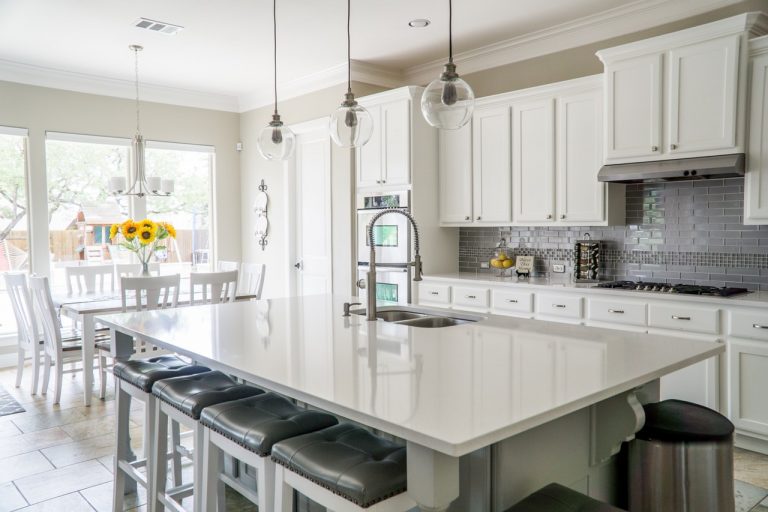
- Clear Your Workspace: A cluttered counter leads to a cluttered mind. Make sure you have ample space to work.
- Gather Your Tools: Pull out all the pots, pans, cutting boards, knives, and mixing bowls you’ll need.
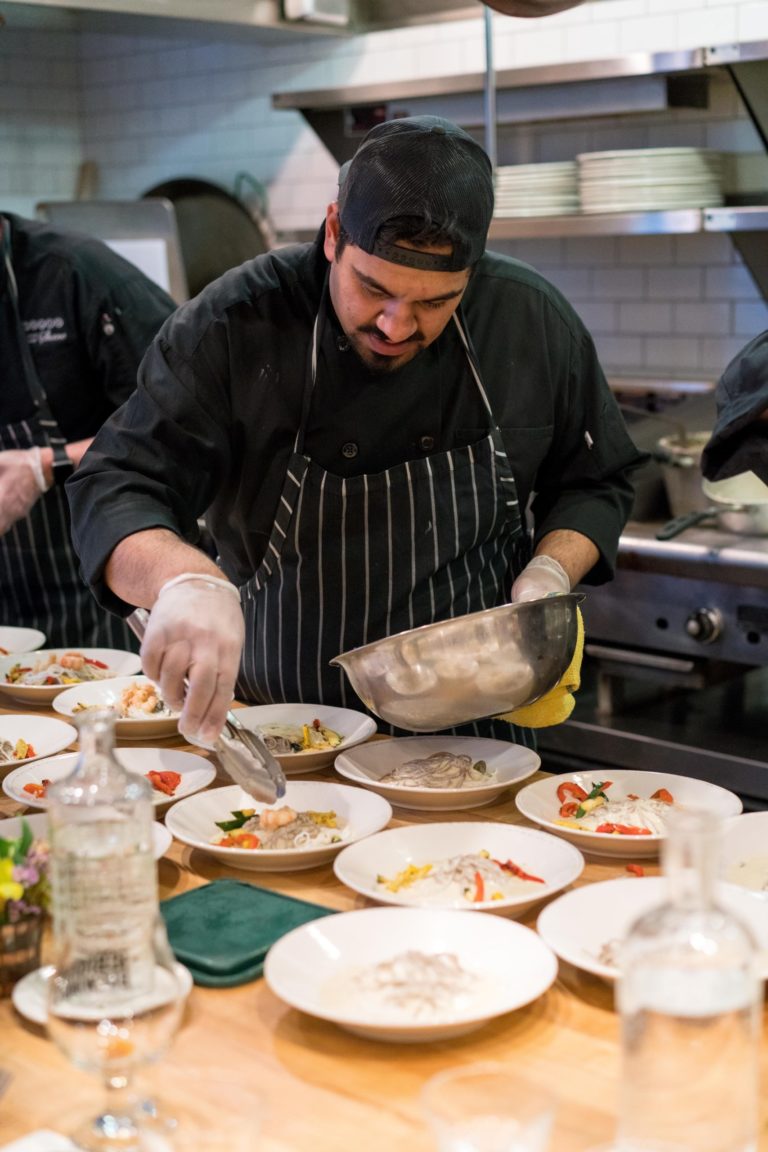
- “Mise en Place” Your Ingredients: This French culinary term means “everything in its place.” Before you even turn on the stove, wash and chop all your vegetables, measure out spices, and portion proteins. This makes cooking flow seamlessly.
- Put on Some Music or a Podcast: Make the experience more enjoyable!
2. Batch & Multi-Task Your Cooking
The key to efficient meal prep is cooking multiple things at once.
- Start with Longest-Cooking Items: Get grains (quinoa, brown rice) and slow-cooker/Instant Pot meals going first. While they cook unattended, you can move on to other tasks.
- Oven Power: Utilize your oven to its full potential. Roast multiple trays of vegetables (broccoli, bell peppers, sweet potatoes) and proteins (chicken breasts, salmon fillets) simultaneously. Use parchment paper for easy cleanup.
- Stovetop Strategy: While one pot is boiling pasta, another pan can be sautéing ground meat or cooking eggs.
- Prep Raw Items: While things are cooking, continue prepping raw ingredients for future use. Wash and chop salad greens, slice cucumbers, dice onions. Store them properly (see Phase 4).
- Make Sauces & Dressings: These can be whipped up quickly and stored separately to add flavor variety throughout the week. A basic vinaigrette, a peanut sauce, or a simple lemon-tahini dressing can elevate simple components.
3. Smart Kitchen Gadgets for the Win
Investing in a few key kitchen tools can drastically cut down on your prep time:
- Good Knives: A sharp chef’s knife and a paring knife are essential for efficient chopping.
- Large Cutting Board: Gives you ample space to work.
- Food Processor: For quickly chopping large quantities of vegetables, making purees, or shredding cheese.
- Sheet Pans: Indispensable for roasting vegetables and proteins simultaneously.
- Slow Cooker/Instant Pot: Perfect for hands-off cooking of soups, stews, chilis, and grains.
- Blender: For smoothies, sauces, and dressings.
4. Clean As You Go
This tip might seem minor, but it’s a game-changer. As you finish with a bowl, utensil, or cutting board, wash it immediately or load it into the dishwasher. This prevents a mountain of dishes at the end of your prep session, making cleanup far less daunting and maintaining that feeling of control and accomplishment.
“The secret to getting ahead is getting started. The secret to getting started is breaking your overwhelming tasks into small manageable tasks, and then starting on the first one.”
— Mark Twain (adapted for meal prep)
Phase 4: Smart Storage & Flavor Longevity
You’ve done the hard work of planning and cooking. Now, how do you ensure your delicious, healthy meals stay fresh and appealing all week long? Proper storage is just as critical as the cooking itself.
1. Choose the Right Containers
- Airtight is Key: Invest in high-quality, airtight containers. Glass containers are excellent as they are non-toxic, microwave-safe, dishwasher-safe, and don’t retain odors or stains. BPA-free plastic containers are also an option.
- Variety of Sizes: Have a mix of sizes for individual portions, larger batches, and small containers for sauces or dressings.
- Compartmentalized Containers: These are fantastic for keeping different components of a meal separate (e.g., protein, grain, vegetables) until ready to eat, preventing sogginess and preserving texture.
2. Proper Cooling & Storage Techniques
- Cool Completely Before Storing: Do not put hot food directly into sealed containers in the fridge. This creates condensation, encourages bacterial growth, and can raise the temperature of your fridge, affecting other foods. Allow food to cool to room temperature (within 2 hours) before sealing and refrigerating.
- Portion Control: Divide meals into individual servings. This makes grab-and-go incredibly easy and prevents you from overeating or having to re-portion later.
- Layering for Freshness:
- For salads: Put dressing at the bottom, then hard vegetables (carrots, bell peppers), then grains/protein, and finally leafy greens on top.
- For grain bowls: Keep sauces/dressings separate until serving.
- Freezing Smartly: Many cooked items (soups, stews, chilis, cooked grains, some proteins) freeze beautifully. Use freezer-safe containers or bags, label with the date and contents, and freeze in individual portions for quick meals later.
3. Preventing Sogginess & Maintaining Texture
- Keep Sauces Separate: This is the golden rule for preventing soggy meals. Store dressings, gravies, and sauces in small separate containers or add them just before eating.
- Blanch & Shock Veggies: For vegetables you want to keep crisp (like broccoli florets or green beans), blanch them briefly and then immediately plunge into ice water to stop the cooking process.
- Hardy Greens: Opt for kale, romaine, or spinach over more delicate lettuces if you’re prepping salads days in advance.
- Crunchy Toppings Separate: Croutons, nuts, seeds, crispy onions should be added right before consumption.
4. Reheating Tips
- Microwave: Best for most dishes, but stir halfway through for even heating.
- Oven/Toaster Oven: Great for roasted vegetables, baked chicken, or anything you want to crisp up slightly.
- Stovetop: Ideal for stir-fries, saucy dishes, or if you want to add a fresh element like an egg or some quick greens.
With careful planning and execution in this phase, you’ll open your fridge to an organized array of appealing, ready-to-eat meals, truly mastering how to meal prep for the week as a busy woman.
Beyond the Basics: Sustaining Your Meal Prep Habit
Getting started with meal prep is a fantastic accomplishment, but making it a sustainable habit is where the real long-term benefits lie. Here are some advanced tips to keep your momentum going and make meal prep a seamless part of your lifestyle.
1. Embrace Flexibility
Life happens! Don’t let a missed prep session or a spontaneous dinner invitation derail your entire effort. Meal prep is meant to support your life, not control it. If you have an off week, don’t beat yourself up. Just get back on track the next week. If plans change, adjust your meals accordingly (e.g., freeze a portion, turn a prepped component into a different dish).
2. Involve Your Household
3. Rotate Your Recipes (But Keep Favorites)
Variety is the spice of life, and it’s essential to prevent meal prep boredom. Keep a running list of your go-to, tried-and-true recipes that are easy and delicious. Then, periodically introduce new recipes to keep things exciting. A good rhythm might be 3-4 staple recipes and 1-2 new ones per month.
4. Don’t Forget Snacks!
Often overlooked, prepping healthy snacks can be just as crucial as meals for a busy woman. Think pre-portioned nuts, chopped veggies with hummus, hard-boiled eggs, or fruit. Having these ready prevents impulsive, unhealthy snacking when hunger strikes between meals.
5. Optimize for Your “Worst” Meal
Which meal causes you the most stress or leads you to unhealthy choices? Is it breakfast on busy mornings? Or hurried lunches at your desk? Or chaotic weeknight dinners? Focus your meal prep efforts primarily on that “problem” meal first. Once you’ve mastered that, you can expand.
6. Celebrate Small Wins
Acknowledge your efforts! Did you successfully prep lunches for the week? Great! Did you manage to cook one new recipe? Fantastic! Every step towards a more organized, nourished life is worth celebrating. This positive reinforcement fuels your motivation.
Troubleshooting Common Meal Prep Hurdles
Even with the best intentions, you might encounter roadblocks. Here’s how to address some common challenges busy women face with meal prepping:
“I Don’t Have Enough Time!”
- Start Small: Don’t try to prep every meal for every day. Begin with just one meal (e.g., lunches only) or just a few key components (e.g., cooked grains and roasted veggies).
- Break It Up: Instead of one marathon session, spread your prep out. Chop veggies on one night, cook proteins on another, assemble on a third.
- Leverage Convenience: Don’t be afraid to buy pre-chopped vegetables, pre-cooked rice packets, or rotisserie chickens. These shortcuts can make a huge difference on a busy week.
“I Get Bored Eating the Same Thing!”
- Component Prep is Your Friend: Cook versatile components (chicken, quinoa, roasted vegetables) and then mix and match them with different sauces, spices, or fresh garnishes daily.
- Theme Nights: Plan loosely around themes – “Taco Tuesday,” “Pasta Wednesday,” “Stir-fry Thursday.” This provides variety without endless recipe searching.
- Freeze & Rotate: If you batch cook, freeze portions and rotate them so you’re not eating the same meal several days in a row.
“My Food Gets Soggy/Doesn’t Last!”
- Revisit Storage: Ensure you’re using airtight containers and cooling food completely.
- Separate Components: As mentioned, keep dressings, sauces, and crunchy toppings separate until serving.
- Mindful Ingredient Choices: Some ingredients just don’t hold up well for days (e.g., delicate greens, avocado). Add these fresh when eating.
“I Lack Motivation!”
- Find Your “Why”: Remind yourself of the benefits – more free time, better health, saving money.
- Make It Fun: Put on your favorite music, listen to a podcast, or even invite a friend over to prep together.
- Reward Yourself: A small treat after a successful prep session can provide a boost.
Meal prep is a skill, and like any skill, it improves with practice. Be patient with yourself, learn from each session, and adapt your approach to fit your evolving life. The goal is progress, not perfection.
Mastering how to meal prep for the week as a busy woman isn’t just about cooking; it’s about reclaiming control, nourishing your body, and creating space for what truly matters in your life. It’s a powerful act of self-love and efficiency, empowering you to navigate your demanding schedule with grace and vitality. So, take a deep breath, choose one small step to start with, and embark on this journey towards a more organized, healthier, and ultimately happier you. Your future self (and your taste buds!) will thank you.