


icon

Creating a life you love

Share

How To Organize A Small Closet And Maximize Space

Reclaim Your Sanctuary: How to Organize a Small Closet and Maximize Space for a More Serene Life

Does the thought of opening your closet doors fill you with a familiar dread? Do you find yourself rummaging through a mountain of clothes each morning, declaring, “I have nothing to wear!” despite owning a wardrobe that barely fits? You’re not alone. Many modern women, juggling careers, relationships, and personal growth, find their small closets becoming an unexpected source of daily stress. It’s a silent battle against overflowing hangers, forgotten treasures, and the constant feeling that you just don’t have enough space. But what if we told you that your tiny closet isn’t a limitation, but an invitation? An invitation to declutter, to simplify, and to create a functional, beautiful space that supports your daily life and personal style.

At The Contextual Life, we believe that an organized home contributes significantly to an organized mind and a more serene existence. That’s why we’re diving deep into how to organize a small closet and maximize space, transforming it from a source of frustration into a calm, curated corner of your home. This isn’t just about tidying; it’s about reclaiming your mornings, making intentional choices, and fostering a sense of peace that extends far beyond your wardrobe. We’ve done the research, tested the strategies, and gathered the insights to guide you through a practical, empathetic process. Get ready to breathe new life into your small closet and, by extension, your daily routine.

The Mindset Shift: From Overwhelm to Opportunity

Before you even think about pulling out a single item, let’s talk about your approach. Organizing a small closet isn’t just a physical task; it’s a mental and emotional journey. We often hold onto clothes for myriad reasons: sentimental value, the hope of fitting into them again, guilt over money spent, or the “what if” scenarios. This emotional baggage often prevents us from truly seeing our space and our possessions clearly. Shifting your mindset is the first, most crucial step in learning how to organize a small closet effectively.

Acknowledge the Struggle, Embrace the Vision: Start by acknowledging the frustration your current closet causes. It’s okay to feel overwhelmed. Now, imagine your ideal closet. What does it look like? How does it feel to open those doors? Envision a space where every item has a home, where everything is visible and accessible, and where getting dressed is a joyful, calm experience rather than a chaotic scramble. This vision will be your guiding star throughout the process.

Understand Your “Why”: Why do you want to organize your closet? Is it to save time in the mornings? To feel more confident in your outfits? To reduce stress? To make space for new growth in your life? Connecting to your deeper motivation will provide the staying power when the task feels daunting. This isn’t just about decluttering clothes; it’s about decluttering your mind and making space for the life you want to live.

✨ Wellness Tip

The “Abundance” Mindset: Instead of focusing on the “lack” of space, view your small closet as an opportunity for curation. A small space forces you to be intentional, to surround yourself only with items you truly love and use. This leads to a more sustainable, fulfilling wardrobe, rather than one filled with fleeting trends or impulse buys. Embrace the challenge; it will lead to powerful insights about your personal style and consumption habits.

The Grand Purge: Ruthlessly Decluttering Your Small Closet

This is where the magic truly begins – the essential step in how to organize a small closet and maximize space. You simply cannot organize clutter; you must first reduce it. This process can feel intimidating, but taking it one step at a time, with a clear strategy, will make all the difference. Remember, the goal isn’t an empty closet, but a functional one filled with items that serve you.

  1. Empty Everything Out: Yes, everything. Take every single item out of your closet. Place it on your bed, on the floor, on a clean sheet – wherever you have space. Seeing the sheer volume of what you own is a powerful first step. This also allows you to clean the closet itself before putting things back.
  2. The “Keep, Donate, Sell, Toss” Method: As you pick up each item, make a quick decision and place it into one of four piles:
    • Keep: Items you love, wear regularly, fit well, and make you feel good.
    • Donate: Items in good condition that you no longer wear, don’t fit, or no longer align with your style. Think about local charities, women’s shelters, or consignment shops.
    • Sell: Higher-value items that are still in excellent condition and could fetch a good price on platforms like Poshmark, ThredUp, or local consignment stores.
    • Toss: Items that are damaged beyond repair, stained, ripped, or worn out. Be honest with yourself here.
  3. Ask Yourself the Hard Questions: For each item in the “Keep” pile, challenge yourself with these questions:
    • When was the last time I wore this? (If it’s been over a year, seriously consider letting it go, unless it’s a sentimental or special occasion item.)
    • Does it fit me well right now? (Not “when I lose 5 pounds.”)
    • Does it make me feel confident and comfortable?
    • Does it align with my current style and lifestyle?
    • Is it in good condition?
    • Do I truly love it? (Inspired by Marie Kondo, this “spark joy” question is surprisingly effective.)
  4. Beware the “Fantasy Self” Trap: We all have clothes for the person we wish we were or think we should be. Let go of the ball gown you’ll never wear, the too-tight jeans from five years ago, or the business suit for a job you don’t have. Dress for the woman you are today, and the woman you are becoming, authentically.
  5. Address Sentimental Items: These are the hardest. If an item holds deep sentimental value but isn’t wearable, consider taking a photo of it, or finding a creative way to display a small part of it, rather than letting it take up prime closet real estate.
  6. The “Maybe” Box: If you absolutely cannot decide on an item, place it in a clearly labeled “Maybe” box. Store it out of sight for a few months. If you haven’t thought about it or reached for it by then, it’s time to let it go. This creates a temporary holding zone without clogging your closet.

Once you’ve gone through every single item, immediately bag up the Donate, Sell, and Toss piles and get them out of your house. The longer they linger, the more likely you are to second-guess yourself.

Smart Storage Solutions to Maximize Small Closet Space

With your purged wardrobe in hand, it’s time to strategically plan how to put things back. When thinking about how to organize a small closet and maximize space, remember that every inch counts. This means looking beyond traditional hanging rods and thinking vertically, behind doors, and even under shelves.

  • Go Vertical, Vertical, Vertical: This is the golden rule for small spaces.
    • Add Shelves: If your closet has high ceilings but only one rod, invest in a shelving unit or have custom shelves installed. Modular shelving systems are excellent for adaptability.
    • Stackable Drawers/Cubes: Use these on shelves or on the floor for folded items like sweaters, jeans, or accessories. Clear ones are great for visibility.
    • Hanging Organizers: These utilize vertical space on your rod for shoes, folded garments, or accessories. Look for ones with multiple compartments.
  • Slimming Down Your Hangers: This seemingly small change makes a huge impact. Replace bulky plastic or wire hangers with slim, non-slip velvet hangers. They can literally double your hanging capacity and keep clothes from slipping off.
  • Utilize the Back of the Door: An often-forgotten gem for tiny closets! Over-the-door organizers with pockets or hooks are perfect for:
    • Shoes (flats, sneakers, sandals)
    • Scarves, belts, hats
    • Jewelry or small accessories
    • Even hair tools or toiletries in an adjacent bathroom closet.
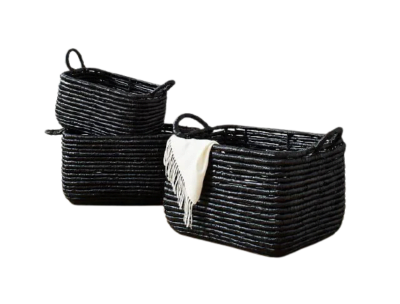
  • Under-Shelf Baskets & Dividers: Maximize the space above and between items on shelves. Under-shelf baskets clip onto existing shelves to create an extra layer of storage. Shelf dividers keep stacks of clothes (like sweaters or jeans) neat and prevent them from toppling over.
  • Rolling Carts for Overflow: If you have a sliver of space outside your closet (or a larger closet with awkward corners), a slim rolling cart can be a lifesaver for items you use frequently, like pajamas, workout clothes, or even a small capsule of “next-day” outfits.
  • Embrace Clear Bins and Labels: For items stored on higher shelves or less frequently used items, clear bins allow you to see what’s inside without pulling everything down. Labels are essential for remembering what’s in opaque bins or boxes, especially for seasonal storage.

Strategic Organization: Zoning and Categorization for Easy Access

Now that you have less stuff and smart storage solutions, it’s time to put it all back in a way that makes sense for you and your daily routines. This is about creating a highly functional system for your small closet that simplifies your mornings and helps you maintain order.

  1. Create “Zones”: Think about how you use your closet. Create distinct zones for different types of items or occasions.
    • Everyday Essentials: Items you wear most often (work clothes, favorite jeans, go-to tops) should be the easiest to access, ideally at eye level.
    • Special Occasion/Seasonal: Store less frequently used items (formal wear, heavy winter coats in summer, swimsuits in winter) on higher shelves or in dedicated bins, perhaps even in an under-bed storage container if closet space is truly at a premium.
    • Accessories Zone: Dedicate a specific area for scarves, belts, jewelry, and handbags so they don’t get lost or tangled.
  2. Categorize Like with Like: This is a fundamental organizing principle. Group all your dresses together, all your pants together, all your blouses together. Within these categories, you can further organize by color or sleeve length. This makes finding specific items incredibly efficient.
  3. The Power of Folding (and Rolling): For items that don’t need to be hung (sweaters, t-shirts, workout gear, pajamas), mastering a neat fold or roll will save significant drawer or shelf space. Marie Kondo’s vertical folding method is a game-changer for visibility and space-saving in drawers. You can see every item at a glance, rather than having to dig through stacks.
  4. Color-Coding for Visual Harmony: Once categorized, arranging clothes by color creates a visually appealing and calming aesthetic. It also helps you quickly locate items and even inspire outfit combinations. Start with whites, then move through the spectrum (grays, blacks, blues, greens, yellows, reds, prints).
  5. Embrace Capsule Wardrobe Principles (Even Partially): You don’t have to fully commit to a capsule wardrobe, but borrowing its core idea – choosing versatile, interchangeable pieces – is incredibly helpful for small closets. Focus on quality over quantity, and items that can be mixed and matched to create multiple outfits. This naturally reduces the volume of clothes you need to store.
  6. Dedicated Laundry Spot: Even in a small closet, having a slim hamper or laundry bag within or just outside the closet can prevent dirty clothes from ending up on the floor, thus maintaining the clean system you’ve worked so hard to create.

The goal is to create a system that flows with your life, where every item has a clear home, and returning it to its spot is intuitive and effortless. This attention to detail is key to how to organize a small closet and keep it that way.

The Unsung Heroes: Essential Organizers for a Tiny Closet

Beyond general strategies, specific tools can make a significant difference in maximizing your small closet space. Think of these as your organizing sidekicks, designed to make your life easier and your closet more efficient.

  • Slim Velvet Hangers: We mentioned them before, but they deserve a dedicated spot. Their slim profile frees up hanging space, and the velvet prevents clothes from slipping off, maintaining a tidy appearance.
  • Drawer Dividers/Baskets: Essential for keeping folded items, undergarments, socks, and accessories neat within drawers or on shelves. They prevent items from becoming a jumbled mess and help maintain the vertical folding you’ve mastered.
  • Clear, Stackable Bins: Perfect for storing out-of-season clothes, extra linens, or even smaller handbags on higher shelves. Being clear means you can quickly see what’s inside, reducing guesswork.
  • Over-the-Door Shoe Rack/Organizer: If floor space is nonexistent, an over-the-door solution for shoes is a lifesaver. Look for ones with sturdy pockets or shelves that can hold various types of footwear.
  • Hooks (Adhesive or Screw-in): Don’t underestimate the power of hooks! Place them on empty wall space inside your closet, on the back of the door, or even on the side of a shelf unit. They’re great for:
    • Robes
    • Handbags (especially frequently used ones)
    • Scarves
    • Belts
    • Next-day outfits
  • Shelf Risers/Expandable Shelves: These allow you to create additional layers of storage on existing wide shelves, effectively doubling your usable surface area for folded clothes, shoes, or smaller accessories.
  • Shoe Organizers (Vertical): For those who love shoes but lack floor space, a vertical shoe tree or a multi-tiered shoe rack that goes up rather than out is crucial. Alternatively, consider clear shoe boxes that stack neatly, allowing you to see each pair.
  • Small Acrylic Trays or Boxes: Ideal for jewelry, watches, sunglasses, or small clutches within a drawer or on a shelf, keeping them protected and organized.

Invest in good quality organizers. While it might seem like an upfront cost, the longevity and functional benefits they provide will far outweigh cheap, flimsy alternatives that quickly fall apart or don’t serve their purpose well.

Maintaining the Oasis: Keeping Your Organized Closet Clutter-Free

Congratulations! You’ve mastered how to organize a small closet and maximize space. But the work isn’t entirely over. The real challenge, and the key to lasting peace, is maintaining your beautiful new system. This requires integrating small habits into your daily and seasonal routines.

  1. The “One In, One Out” Rule: This is a powerful preventative measure. Whenever you bring a new item of clothing into your home, commit to letting go of an existing similar item. Buying a new sweater? Donate an old one. New pair of jeans? Say goodbye to an older, less-loved pair. This keeps your wardrobe from silently creeping back to its overflowing state.
  2. Daily 5-Minute Tidy: Before you go to bed, spend just five minutes tidying your closet area. Hang up clothes you tried on and didn’t wear, put away accessories, and ensure everything is in its designated spot. This prevents small piles from accumulating and becoming overwhelming messes.
  3. Regular Mini-Declutters: Don’t wait for your closet to become a disaster zone again. Set a recurring reminder (monthly or quarterly) for a quick “closet check-in.” Pull out items you haven’t worn, check for damage, and reassess if they still align with your style. This keeps things fresh and manageable.
  4. Seasonal Swaps: If you live in an area with distinct seasons, storing off-season clothing is a smart way to free up prime real estate. When spring arrives, pack away heavy sweaters and winter boots in clearly labeled bins or vacuum-sealed bags, and bring out your lighter garments. Reverse the process in the fall. Make sure the storage containers are breathable if possible, especially for natural fibers.
  5. Hanger Trick for Tracking Usage: Turn all your hangers backward at the beginning of a season. As you wear an item, turn its hanger forward. At the end of the season, any hanger still facing backward is for an item you haven’t worn. These are prime candidates for reassessment or decluttering.
  6. Practice Mindful Shopping: With an organized closet, you’ll have a clear view of what you own and what gaps (if any) truly exist. This empowers you to shop more intentionally, avoiding impulse purchases and investing in pieces that truly enhance your existing wardrobe. Ask yourself, “Do I have something like this already? Does it fit my lifestyle? Do I absolutely love it?”

Maintaining an organized closet isn’t about perfection; it’s about consistency and developing habits that support your goal of a serene and functional space. It’s a continuous conversation with your wardrobe, ensuring it serves you and brings you joy every day.

Conclusion: Your Organized Closet, Your Serene Life

Congratulations, dear reader! You’ve journeyed through the process of how to organize a small closet and maximize space, from shifting your mindset to implementing smart storage and mastering the art of maintenance. This isn’t just about perfectly folded shirts and color-coded hangers; it’s about cultivating a deeper relationship with your belongings, understanding your personal style, and creating a harmonious environment that supports your overall well-being.

Imagine starting your day not with a sigh of frustration, but with a sense of calm and clarity as you effortlessly select an outfit that makes you feel confident and beautiful. This newfound order extends beyond your closet, positively impacting your mental clarity, reducing decision fatigue, and freeing up precious time and energy for the relationships, passions, and personal growth that truly matter to you.

Remember, this is your journey, and progress, not perfection, is the goal. Be patient with yourself, celebrate small victories, and know that every step you take towards a more organized closet is a step towards a more serene, intentional, and contextual life. Your small closet is no longer a challenge; it’s a testament to your power to create order, beauty, and peace in your everyday world.

Frequently Asked Questions About Small Closet Organization

Q: How often should I declutter my small closet?

A: While a grand purge is recommended annually or semi-annually, it’s best to do a mini-declutter quarterly to assess seasonal needs and remove items you haven’t worn. Daily tidies also prevent clutter buildup.

Q: What’s the single most impactful thing I can do to maximize space in a tiny closet?

A: Implementing slim velvet hangers for all your hanging clothes is often cited as the single most impactful change. It can free up significant rod space immediately. Combining this with vertical storage solutions (shelves, hanging organizers) comes a close second.

Q: I have a lot of sentimental items. How do I decide what to keep in my closet?

A: For sentimental items, ask yourself if you truly need to wear it, or if the memory is what’s important. Consider taking photos, creating a memory box for non-wearable items, or repurposing parts of an item (e.g., using fabric from an old dress for a keepsake pillow) rather than letting it take up prime closet real estate.

Q: Where should I store out-of-season clothing if my closet is tiny?

A: Utilize under-bed storage bins (vacuum-seal bags are excellent for saving space), high shelves in other closets, or even aesthetically pleasing storage ottomans or benches that double as seating. Ensure items are clean and protected from pests and moisture.

Q: What if I share a small closet with someone else?

A: Communication is key! Clearly divide the closet space (e.g., one side for each person, or top shelves for one, bottom for another). Invest in individual organizing solutions like drawer dividers and labeled bins for each person’s items. Encourage both parties to commit to the decluttering process and the “one in, one out” rule.

Reclaim Your Sanctuary: How to Organize a Small Closet and Maximize Space for a More Serene Life

Does the thought of opening your closet doors fill you with a familiar dread? Do you find yourself rummaging through a mountain of clothes each morning, declaring, “I have nothing to wear!” despite owning a wardrobe that barely fits? You’re not alone. Many modern women, juggling careers, relationships, and personal growth, find their small closets becoming an unexpected source of daily stress. It’s a silent battle against overflowing hangers, forgotten treasures, and the constant feeling that you just don’t have enough space. But what if we told you that your tiny closet isn’t a limitation, but an invitation? An invitation to declutter, to simplify, and to create a functional, beautiful space that supports your daily life and personal style.

At The Contextual Life, we believe that an organized home contributes significantly to an organized mind and a more serene existence. That’s why we’re diving deep into how to organize a small closet and maximize space, transforming it from a source of frustration into a calm, curated corner of your home. This isn’t just about tidying; it’s about reclaiming your mornings, making intentional choices, and fostering a sense of peace that extends far beyond your wardrobe. We’ve done the research, tested the strategies, and gathered the insights to guide you through a practical, empathetic process. Get ready to breathe new life into your small closet and, by extension, your daily routine.

The Mindset Shift: From Overwhelm to Opportunity

Before you even think about pulling out a single item, let’s talk about your approach. Organizing a small closet isn’t just a physical task; it’s a mental and emotional journey. We often hold onto clothes for myriad reasons: sentimental value, the hope of fitting into them again, guilt over money spent, or the “what if” scenarios. This emotional baggage often prevents us from truly seeing our space and our possessions clearly. Shifting your mindset is the first, most crucial step in learning how to organize a small closet effectively.

Acknowledge the Struggle, Embrace the Vision: Start by acknowledging the frustration your current closet causes. It’s okay to feel overwhelmed. Now, imagine your ideal closet. What does it look like? How does it feel to open those doors? Envision a space where every item has a home, where everything is visible and accessible, and where getting dressed is a joyful, calm experience rather than a chaotic scramble. This vision will be your guiding star throughout the process.

Understand Your “Why”: Why do you want to organize your closet? Is it to save time in the mornings? To feel more confident in your outfits? To reduce stress? To make space for new growth in your life? Connecting to your deeper motivation will provide the staying power when the task feels daunting. This isn’t just about decluttering clothes; it’s about decluttering your mind and making space for the life you want to live.

The “Abundance” Mindset: Instead of focusing on the “lack” of space, view your small closet as an opportunity for curation. A small space forces you to be intentional, to surround yourself only with items you truly love and use. This leads to a more sustainable, fulfilling wardrobe, rather than one filled with fleeting trends or impulse buys. Embrace the challenge; it will lead to powerful insights about your personal style and consumption habits.

The Grand Purge: Ruthlessly Decluttering Your Small Closet

This is where the magic truly begins – the essential step in how to organize a small closet and maximize space. You simply cannot organize clutter; you must first reduce it. This process can feel intimidating, but taking it one step at a time, with a clear strategy, will make all the difference. Remember, the goal isn’t an empty closet, but a functional one filled with items that serve you.

  1. Empty Everything Out: Yes, everything. Take every single item out of your closet. Place it on your bed, on the floor, on a clean sheet – wherever you have space. Seeing the sheer volume of what you own is a powerful first step. This also allows you to clean the closet itself before putting things back.
  2. The “Keep, Donate, Sell, Toss” Method: As you pick up each item, make a quick decision and place it into one of four piles:
    • Keep: Items you love, wear regularly, fit well, and make you feel good.
    • Donate: Items in good condition that you no longer wear, don’t fit, or no longer align with your style. Think about local charities, women’s shelters, or consignment shops.
    • Sell: Higher-value items that are still in excellent condition and could fetch a good price on platforms like Poshmark, ThredUp, or local consignment stores.
    • Toss: Items that are damaged beyond repair, stained, ripped, or worn out. Be honest with yourself here.
  3. Ask Yourself the Hard Questions: For each item in the “Keep” pile, challenge yourself with these questions:
    • When was the last time I wore this? (If it’s been over a year, seriously consider letting it go, unless it’s a sentimental or special occasion item.)
    • Does it fit me well right now? (Not “when I lose 5 pounds.”)
    • Does it make me feel confident and comfortable?
    • Does it align with my current style and lifestyle?
    • Is it in good condition?
    • Do I truly love it? (Inspired by Marie Kondo, this “spark joy” question is surprisingly effective.)
  4. Beware the “Fantasy Self” Trap: We all have clothes for the person we wish we were or think we should be. Let go of the ball gown you’ll never wear, the too-tight jeans from five years ago, or the business suit for a job you don’t have. Dress for the woman you are today, and the woman you are becoming, authentically.
  5. Address Sentimental Items: These are the hardest. If an item holds deep sentimental value but isn’t wearable, consider taking a photo of it, or finding a creative way to display a small part of it, rather than letting it take up prime closet real estate.
  6. The “Maybe” Box: If you absolutely cannot decide on an item, place it in a clearly labeled “Maybe” box. Store it out of sight for a few months. If you haven’t thought about it or reached for it by then, it’s time to let it go. This creates a temporary holding zone without clogging your closet.

Once you’ve gone through every single item, immediately bag up the Donate, Sell, and Toss piles and get them out of your house. The longer they linger, the more likely you are to second-guess yourself.

Smart Storage Solutions to Maximize Small Closet Space

With your purged wardrobe in hand, it’s time to strategically plan how to put things back. When thinking about how to organize a small closet and maximize space, remember that every inch counts. This means looking beyond traditional hanging rods and thinking vertically, behind doors, and even under shelves.

  • Go Vertical, Vertical, Vertical: This is the golden rule for small spaces.
    • Add Shelves: If your closet has high ceilings but only one rod, invest in a shelving unit or have custom shelves installed. Modular shelving systems are excellent for adaptability.
    • Stackable Drawers/Cubes: Use these on shelves or on the floor for folded items like sweaters, jeans, or accessories. Clear ones are great for visibility.
    • Hanging Organizers: These utilize vertical space on your rod for shoes, folded garments, or accessories. Look for ones with multiple compartments.
  • Slimming Down Your Hangers: This seemingly small change makes a huge impact. Replace bulky plastic or wire hangers with slim, non-slip velvet hangers. They can literally double your hanging capacity and keep clothes from slipping off.
  • Utilize the Back of the Door: An often-forgotten gem for tiny closets! Over-the-door organizers with pockets or hooks are perfect for:
    • Shoes (flats, sneakers, sandals)
    • Scarves, belts, hats
    • Jewelry or small accessories
    • Even hair tools or toiletries in an adjacent bathroom closet.
  • Under-Shelf Baskets & Dividers: Maximize the space above and between items on shelves. Under-shelf baskets clip onto existing shelves to create an extra layer of storage. Shelf dividers keep stacks of clothes (like sweaters or jeans) neat and prevent them from toppling over.
  • Rolling Carts for Overflow: If you have a sliver of space outside your closet (or a larger closet with awkward corners), a slim rolling cart can be a lifesaver for items you use frequently, like pajamas, workout clothes, or even a small capsule of “next-day” outfits.
  • Embrace Clear Bins and Labels: For items stored on higher shelves or less frequently used items, clear bins allow you to see what’s inside without pulling everything down. Labels are essential for remembering what’s in opaque bins or boxes, especially for seasonal storage.

Strategic Organization: Zoning and Categorization for Easy Access

Now that you have less stuff and smart storage solutions, it’s time to put it all back in a way that makes sense for you and your daily routines. This is about creating a highly functional system for your small closet that simplifies your mornings and helps you maintain order.

  1. Create “Zones”: Think about how you use your closet. Create distinct zones for different types of items or occasions.
    • Everyday Essentials: Items you wear most often (work clothes, favorite jeans, go-to tops) should be the easiest to access, ideally at eye level.
    • Special Occasion/Seasonal: Store less frequently used items (formal wear, heavy winter coats in summer, swimsuits in winter) on higher shelves or in dedicated bins, perhaps even in an under-bed storage container if closet space is truly at a premium.
    • Accessories Zone: Dedicate a specific area for scarves, belts, jewelry, and handbags so they don’t get lost or tangled.
  2. Categorize Like with Like: This is a fundamental organizing principle. Group all your dresses together, all your pants together, all your blouses together. Within these categories, you can further organize by color or sleeve length. This makes finding specific items incredibly efficient.
  3. The Power of Folding (and Rolling): For items that don’t need to be hung (sweaters, t-shirts, workout gear, pajamas), mastering a neat fold or roll will save significant drawer or shelf space. Marie Kondo’s vertical folding method is a game-changer for visibility and space-saving in drawers. You can see every item at a glance, rather than having to dig through stacks.
  4. Color-Coding for Visual Harmony: Once categorized, arranging clothes by color creates a visually appealing and calming aesthetic. It also helps you quickly locate items and even inspire outfit combinations. Start with whites, then move through the spectrum (grays, blacks, blues, greens, yellows, reds, prints).
  5. Embrace Capsule Wardrobe Principles (Even Partially): You don’t have to fully commit to a capsule wardrobe, but borrowing its core idea – choosing versatile, interchangeable pieces – is incredibly helpful for small closets. Focus on quality over quantity, and items that can be mixed and matched to create multiple outfits. This naturally reduces the volume of clothes you need to store.
  6. Dedicated Laundry Spot: Even in a small closet, having a slim hamper or laundry bag within or just outside the closet can prevent dirty clothes from ending up on the floor, thus maintaining the clean system you’ve worked so hard to create.

The goal is to create a system that flows with your life, where every item has a clear home, and returning it to its spot is intuitive and effortless. This attention to detail is key to how to organize a small closet and keep it that way.

The Unsung Heroes: Essential Organizers for a Tiny Closet

Beyond general strategies, specific tools can make a significant difference in maximizing your small closet space. Think of these as your organizing sidekicks, designed to make your life easier and your closet more efficient.

  • Slim Velvet Hangers: We mentioned them before, but they deserve a dedicated spot. Their slim profile frees up hanging space, and the velvet prevents clothes from slipping off, maintaining a tidy appearance.
  • Drawer Dividers/Baskets: Essential for keeping folded items, undergarments, socks, and accessories neat within drawers or on shelves. They prevent items from becoming a jumbled mess and help maintain the vertical folding you’ve mastered.
  • Clear, Stackable Bins: Perfect for storing out-of-season clothes, extra linens, or even smaller handbags on higher shelves. Being clear means you can quickly see what’s inside, reducing guesswork.
  • Over-the-Door Shoe Rack/Organizer: If floor space is nonexistent, an over-the-door solution for shoes is a lifesaver. Look for ones with sturdy pockets or shelves that can hold various types of footwear.
  • Hooks (Adhesive or Screw-in): Don’t underestimate the power of hooks! Place them on empty wall space inside your closet, on the back of the door, or even on the side of a shelf unit. They’re great for:
    • Robes
    • Handbags (especially frequently used ones)
    • Scarves
    • Belts
    • Next-day outfits
  • Shelf Risers/Expandable Shelves: These allow you to create additional layers of storage on existing wide shelves, effectively doubling your usable surface area for folded clothes, shoes, or smaller accessories.
  • Shoe Organizers (Vertical): For those who love shoes but lack floor space, a vertical shoe tree or a multi-tiered shoe rack that goes up rather than out is crucial. Alternatively, consider clear shoe boxes that stack neatly, allowing you to see each pair.
  • Small Acrylic Trays or Boxes: Ideal for jewelry, watches, sunglasses, or small clutches within a drawer or on a shelf, keeping them protected and organized.

Invest in good quality organizers. While it might seem like an upfront cost, the longevity and functional benefits they provide will far outweigh cheap, flimsy alternatives that quickly fall apart or don’t serve their purpose well.

Maintaining the Oasis: Keeping Your Organized Closet Clutter-Free

Congratulations! You’ve mastered how to organize a small closet and maximize space. But the work isn’t entirely over. The real challenge, and the key to lasting peace, is maintaining your beautiful new system. This requires integrating small habits into your daily and seasonal routines.

  1. The “One In, One Out” Rule: This is a powerful preventative measure. Whenever you bring a new item of clothing into your home, commit to letting go of an existing similar item. Buying a new sweater? Donate an old one. New pair of jeans? Say goodbye to an older, less-loved pair. This keeps your wardrobe from silently creeping back to its overflowing state.
  2. Daily 5-Minute Tidy: Before you go to bed, spend just five minutes tidying your closet area. Hang up clothes you tried on and didn’t wear, put away accessories, and ensure everything is in its designated spot. This prevents small piles from accumulating and becoming overwhelming messes.
  3. Regular Mini-Declutters: Don’t wait for your closet to become a disaster zone again. Set a recurring reminder (monthly or quarterly) for a quick “closet check-in.” Pull out items you haven’t worn, check for damage, and reassess if they still align with your style. This keeps things fresh and manageable.
  4. Seasonal Swaps: If you live in an area with distinct seasons, storing off-season clothing is a smart way to free up prime real estate. When spring arrives, pack away heavy sweaters and winter boots in clearly labeled bins or vacuum-sealed bags, and bring out your lighter garments. Reverse the process in the fall. Make sure the storage containers are breathable if possible, especially for natural fibers.
  5. Hanger Trick for Tracking Usage: Turn all your hangers backward at the beginning of a season. As you wear an item, turn its hanger forward. At the end of the season, any hanger still facing backward is for an item you haven’t worn. These are prime candidates for reassessment or decluttering.
  6. Practice Mindful Shopping: With an organized closet, you’ll have a clear view of what you own and what gaps (if any) truly exist. This empowers you to shop more intentionally, avoiding impulse purchases and investing in pieces that truly enhance your existing wardrobe. Ask yourself, “Do I have something like this already? Does it fit my lifestyle? Do I absolutely love it?”

Maintaining an organized closet isn’t about perfection; it’s about consistency and developing habits that support your goal of a serene and functional space. It’s a continuous conversation with your wardrobe, ensuring it serves you and brings you joy every day.

Conclusion: Your Organized Closet, Your Serene Life

Congratulations, dear reader! You’ve journeyed through the process of how to organize a small closet and maximize space, from shifting your mindset to implementing smart storage and mastering the art of maintenance. This isn’t just about perfectly folded shirts and color-coded hangers; it’s about cultivating a deeper relationship with your belongings, understanding your personal style, and creating a harmonious environment that supports your overall well-being.

Imagine starting your day not with a sigh of frustration, but with a sense of calm and clarity as you effortlessly select an outfit that makes you feel confident and beautiful. This newfound order extends beyond your closet, positively impacting your mental clarity, reducing decision fatigue, and freeing up precious time and energy for the relationships, passions, and personal growth that truly matter to you.

Remember, this is your journey, and progress, not perfection, is the goal. Be patient with yourself, celebrate small victories, and know that every step you take towards a more organized closet is a step towards a more serene, intentional, and contextual life. Your small closet is no longer a challenge; it’s a testament to your power to create order, beauty, and peace in your everyday world.

Frequently Asked Questions About Small Closet Organization

Q: How often should I declutter my small closet?

A: While a grand purge is recommended annually or semi-annually, it’s best to do a mini-declutter quarterly to assess seasonal needs and remove items you haven’t worn. Daily tidies also prevent clutter buildup.

Q: What’s the single most impactful thing I can do to maximize space in a tiny closet?

A: Implementing slim velvet hangers for all your hanging clothes is often cited as the single most impactful change. It can free up significant rod space immediately. Combining this with vertical storage solutions (shelves, hanging organizers) comes a close second.

Q: I have a lot of sentimental items. How do I decide what to keep in my closet?

A: For sentimental items, ask yourself if you truly need to wear it, or if the memory is what’s important. Consider taking photos, creating a memory box for non-wearable items, or repurposing parts of an item (e.g., using fabric from an old dress for a keepsake pillow) rather than letting it take up prime closet real estate.

Q: Where should I store out-of-season clothing if my closet is tiny?

A: Utilize under-bed storage bins (vacuum-seal bags are excellent for saving space), high shelves in other closets, or even aesthetically pleasing storage ottomans or benches that double as seating. Ensure items are clean and protected from pests and moisture.

Q: What if I share a small closet with someone else?

A: Communication is key! Clearly divide the closet space (e.g., one side for each person, or top shelves for one, bottom for another). Invest in individual organizing solutions like drawer dividers and labeled bins for each person’s items. Encourage both parties to commit to the decluttering process and the “one in, one out” rule.

THE LATEST

Hi, I’m Thea.

I started this brand as a personal online publication after graduating from Boston University with a degree in Marketing and Design. Originally from San Francisco, I was thousands of miles from family and friends, and needed an outlet for exploring my passions and connecting with others. My goal has always been to show others the beauty in enjoying life’s simple pleasures and to encourage others to look inward for self fulfillment.

Thousands of readers later, The Contextual Life has become a resource for anyone wanting a sense of community and a source of inspiration throughout their journey of life. It’s a place where readers can find suggestions on where to travel, what to eat, what to wear, and what to shop for, from experts who are almost like personal friends.

The Contextual Life brings our mission to life through news, products, experiences, and design. We are dedicated to providing the latest information to help you live a lifestyle that you love. Thank you for being here. Stay awhile.

thea-signature
Im-thea