


icon

Creating a life you love

Share

How To Practice Self-Care When You Feel Depressed

Life can feel incredibly heavy sometimes, can’t it? Especially when you’re battling the relentless pull of depression. In those moments, the very idea of “self-care” can feel like a cruel joke—an insurmountable task added to an already overwhelming list of demands. You know it’s important, perhaps even essential for your well-being, but the energy to even think about it, let alone do it, seems to have vanished entirely. The guilt of not being able to practice self-care when you feel depressed can be a heavy burden in itself, creating a vicious cycle that leaves you feeling even more stuck.

You’re not alone in this struggle. Many women, strong and resilient, find themselves in this exact emotional landscape. Depression drains not just your joy, but your motivation, your energy, and your capacity for self-compassion. It whispers doubts, tells you you’re not worth the effort, and makes even the simplest tasks feel like climbing a mountain. But here’s the truth that The Contextual Life wants you to remember: self-care isn’t about grand gestures or perfect routines, especially when you’re navigating depression. It’s about tiny, gentle acts of kindness towards yourself, acknowledging your pain, and lowering the bar so drastically that “doing something” becomes possible again.

This article isn’t here to tell you to “just snap out of it” or overwhelm you with an unrealistic checklist. Instead, we’ll explore practical, compassionate strategies for how to practice self-care when you feel depressed. We’ll talk about understanding the unique challenges depression presents, finding joy in micro-moments, nourishing your body gently, tending to your inner world, and knowing when and how to reach out for professional help. Consider this a guiding hand from a trusted friend who understands, offering real, actionable steps to help you navigate these difficult waters, one small, brave step at a time.

Understanding the Resistance: Why Self-Care Feels Impossible When You’re Depressed

Before we dive into actionable tips for how to practice self-care when you feel depressed, it’s crucial to acknowledge and validate the immense resistance you might be feeling. It’s not a personal failing; it’s a symptom of the illness itself. Understanding this can help diffuse some of the self-blame and pave the way for a gentler approach.

The Energy Drain: More Than Just Feeling Tired

Depression isn’t just about feeling sad; it’s a complex condition that often manifests as profound physical and mental exhaustion. Imagine trying to run a marathon on empty. That’s what everyday life can feel like when you’re depressed. Your brain might be working overtime on negative thought loops, depleting your mental reserves, while your body feels weighted down, making even the simplest movements feel monumental. Anhedonia, the inability to feel pleasure, also strips away the incentive to engage in activities that once brought joy, including self-care. Why bother when nothing feels good anyway?

  • What it feels like: A lead blanket weighing you down, a mind constantly buzzing with anxious or critical thoughts, the feeling that your internal battery is always at 1%.
  • Why it matters for self-care: This profound exhaustion makes initiating anything, let alone something that requires effort, incredibly difficult. It’s not laziness; it’s a genuine depletion of resources.

The Guilt & Self-Criticism Cycle

“I should be doing more. Why can’t I just get out of bed? Other people manage.”

✨ Wellness Tip

Does this inner monologue sound familiar? Depression often comes with a cruel internal critic that fuels feelings of guilt, shame, and worthlessness. This voice tells you that your struggles are your fault, that you’re weak, or that you’re not doing enough. When you try to think about self-care, this critic often hijacks the conversation, turning it into another stick to beat yourself with. Instead of seeing self-care as a loving act, it becomes another “should” you’re failing to meet, deepening the cycle of negativity.
  • The impact: Every unmet self-care goal becomes further proof of your inadequacy, leading to more self-criticism and less motivation to try again.
  • Recognize the pattern: Notice when that critical voice pipes up. Acknowledge it, but don’t let it dictate your actions.

Overwhelm: The Mountain of “Shoulds”

The concept of “self-care” itself can be overwhelming when you’re depressed. Social media often presents an idealized version: elaborate bath rituals, perfectly plated healthy meals, invigorating yoga sessions, and mindful journaling. When you’re struggling to just get dressed, this perfect image can feel like an impossible mountain to climb. The sheer number of potential self-care activities can paralyze you, leading to inaction. You might think, “If I can’t do it perfectly, what’s the point of doing it at all?”

  • The challenge: The gap between what you feel you “should” be doing and what you’re actually capable of doing feels vast and insurmountable.
  • Our approach: We’ll focus on micro-steps and redefining what “counts” as self-care.

Micro-Steps & Low-Effort Self-Care: Lowering the Bar When You Feel Depressed

When battling depression, the secret to effective self-care isn’t doing more; it’s doing less, but doing it consistently. We need to redefine self-care, making it so incredibly easy and low-stakes that resistance has no ground to stand on. This is about meeting yourself exactly where you are and celebrating the smallest victories.

The “Just One Thing” Principle

Forget the grand self-care routines for now. When you feel depressed, the goal is simply to do one tiny thing. This strategy breaks down overwhelming tasks into bite-sized pieces, making them feel achievable. Each small success builds a tiny bit of momentum and reminds your brain that you are capable of action.

  • How to apply it:
    • Pick one minimal action: Instead of “clean the kitchen,” try “put one dirty dish in the sink.” Instead of “go for a run,” try “stand up and stretch for 30 seconds.”
    • Embrace the “zero-day” rule: If you can’t manage your chosen micro-step, aim for a “zero day” where you still attempt something, no matter how small. Even just thinking about a positive self-care step counts.
    • Examples:
      • Drink a single glass of water.
      • Open a window for five minutes.
      • Brush your teeth.
      • Change out of your pajamas.
      • Text a friend “thinking of you.”
      • Listen to one favorite song.
      • Take one deep breath.
  • The power of accumulation: These tiny steps, though seemingly insignificant on their own, add up over time and contribute to a sense of agency and well-being.

Routine, Not Rigidity

Depression thrives on chaos and unpredictability, but strict routines can feel suffocating. The key is to introduce gentle, flexible structure that provides comfort and predictability without adding pressure. Think of it as a soft framework rather than a rigid cage.

  • Gentle anchors: Identify one or two consistent, easy activities you can try to incorporate each day.
    • Morning anchor: Maybe it’s making your bed, or simply sitting with a warm drink for 10 minutes.
    • Evening anchor: Perhaps it’s reading one page of a book, or dimming the lights an hour before bed.
  • Flexibility is key: If you miss a “routine” day, don’t chastise yourself. Just acknowledge it and try again tomorrow. The point isn’t perfection, but persistence and self-compassion.

The Power of “Good Enough”

One of the biggest hurdles when trying to practice self-care when you feel depressed is the inner voice that demands perfection. Silence that voice. “Good enough” is not only acceptable; it’s revolutionary when you’re battling depression. Any step forward, no matter how small or imperfect, is a victory.

  • Redefine success:
    • A full shower might be too much, but a quick face wash and changing your shirt is “good enough.”
    • Cooking a gourmet meal is impossible, but a piece of toast with peanut butter or a pre-made protein shake is “good enough.”
    • A long, invigorating walk feels out of reach, but walking to the mailbox and back is “good enough.”
  • Release the judgment: Let go of the idea that self-care has to look a certain way. It just needs to be a conscious act of kindness toward yourself in that moment, regardless of its size or aesthetic appeal.

Nourishing Your Body, Even When Motivation is Low

Our physical well-being is deeply intertwined with our mental health. When depression strikes, basic needs often get neglected. The goal here isn’t to embark on a strict health regimen, but to gently remind your body that it is worthy of care, even in the smallest ways.

Gentle Movement: Shifting Your State (A Little Bit)

The thought of exercise when depressed can feel like climbing Mount Everest. Forget high-intensity workouts. Focus on gentle, non-intimidating movement that can subtly shift your mood and energy without demanding too much.

  • Start incredibly small:
    • Stretch in bed: Before you even get up, do a few gentle stretches.
    • Walk to the kitchen: Even if it’s just a few steps to get water, it counts.
    • Dance to one song: Put on your favorite upbeat tune and just sway or gently move for its duration.
    • A 5-minute walk: Step outside, breathe the fresh air. You don’t need a destination; just move.
    • Mindful movement: Focus on how your body feels, not how much you’re accomplishing.
  • Benefits: Even minimal movement can release endorphins, reduce tension, and improve sleep quality, all of which are crucial when managing depressive symptoms.

Hydration & Simple Fuel: Basic Needs First

When you’re depressed, appetite can disappear or swing wildly, and the effort of preparing food can be too much. But consistent hydration and simple nourishment are foundational to physical and mental function.

  • Hydration hacks:
    • Keep water nearby: Place a full glass or bottle of water next to your bed, desk, or sofa.
    • Set gentle reminders: Use an app or alarm to remind you to take a few sips every hour.
    • Infuse it: Add a slice of lemon, cucumber, or a few berries to make water more appealing.
  • Simple, easy-to-eat foods:
    • Prioritize convenience: Don’t try to cook elaborate meals. Think grab-and-go options.
    • Keep healthy snacks accessible: Pre-cut fruit, yogurt, cheese sticks, nuts, granola bars, hard-boiled eggs.
    • Consider meal delivery or frozen meals: On particularly low days, it’s okay to lean on these resources.
    • Aim for something, not perfection: A piece of fruit and a handful of nuts is better than nothing.
  • Avoid extreme dietary changes: Now is not the time for restrictive diets. Focus on gentle, consistent intake.

Sleep Hygiene: Creating a Restful Nook

Depression often wreaks havoc on sleep, leading to either insomnia or excessive sleeping. While addressing underlying depression is key, creating a more conducive sleep environment can offer some relief.

  • Small steps for better sleep:
    • Darken your room: Use blackout curtains or an eye mask.
    • Reduce screen time: Put away phones, tablets, and laptops at least 30-60 minutes before bed.
    • Establish a gentle bedtime ritual: This could be listening to calming music, reading a non-stimulating book, or taking a warm bath. Keep it simple.
    • Try to maintain a consistent sleep schedule: Even on weekends, try to wake up around the same time. This helps regulate your body’s natural clock.
    • Limit caffeine and alcohol: Especially in the afternoon and evening, as they can disrupt sleep patterns.
  • Acknowledge setbacks: Some nights will be harder than others. Be kind to yourself and try again the next day.

Sensory Soothe: Engaging Your Senses Mindfully

When your mind is racing with negative thoughts, engaging your senses can be a powerful way to ground yourself in the present moment and offer gentle comfort. This form of self-care is particularly effective because it requires minimal mental energy.

  • Touch:
    • Wrap yourself in a soft blanket or a favorite sweater.
    • Hold a warm mug of tea or coffee.
    • Pet a furry animal.
    • Take a warm, not hot, shower or bath (if energy allows).
  • Smell:
    • Light a calming candle (lavender, vanilla, sandalwood).
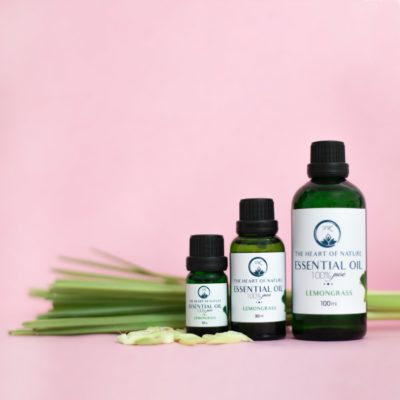
    • Use an essential oil diffuser.
    • Breathe in the scent of fresh air from an open window.
    • Brew your favorite tea or coffee.
  • Sound:
    • Listen to gentle, instrumental music or ambient sounds (rain, nature sounds).
    • Use white noise or a fan to block out distracting sounds.
    • Listen to a comforting podcast or audiobook.
  • Sight:
    • Look at a beautiful image or a comforting object in your home.
    • Observe nature outside your window.
    • Dim the lights for a soft, calming atmosphere.
  • Taste:
    • Savor a small piece of dark chocolate slowly.
    • Enjoy a comforting warm drink like herbal tea or hot cocoa.

Tending to Your Inner World: Emotional & Mental Self-Care

Caring for your mind and emotions when you feel depressed requires gentleness, patience, and a willingness to simply “be” with difficult feelings rather than trying to fix them immediately.

Mindful Moments: Small Breaks from Overthinking

The idea of meditating for 30 minutes can feel impossible when your mind is a turbulent storm. Instead, focus on tiny, bite-sized moments of mindfulness that offer brief respites from overwhelming thoughts.

  • 1-minute breath anchor:
    • Close your eyes (if comfortable) or soften your gaze.
    • Simply notice your breath for 60 seconds. Don’t try to change it; just observe its natural rhythm.
    • When your mind wanders (and it will!), gently bring your attention back to your breath.
  • 5-4-3-2-1 Grounding Technique:
    • Name 5 things you can see.
    • Name 4 things you can feel (e.g., the chair beneath you, your clothes on your skin).
    • Name 3 things you can hear.
    • Name 2 things you can smell.
    • Name 1 thing you can taste.
  • Mindful sensory experience: Focus all your attention on one simple sensory experience, like the taste of a piece of fruit, the warmth of a hot drink, or the texture of a soft blanket.

Creative Expression, No Pressure

You don’t need to be an artist to engage in creative expression. The goal isn’t to create a masterpiece, but to provide an outlet for emotions and a brief escape from negative thought patterns.

  • Doodling or coloring: Grab a pen and paper or a coloring book and just let your hand move. There’s no right or wrong way.
  • Listen to music: Create a playlist of songs that resonate with you, whether they’re comforting, empowering, or simply allow you to feel your emotions without judgment.
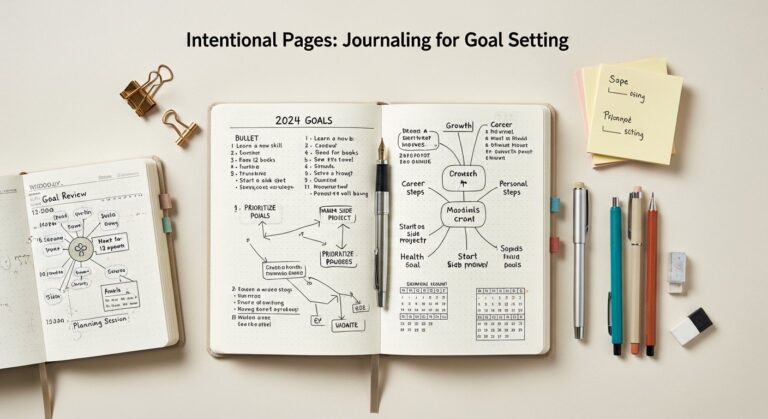
  • Journaling (low-stakes): Instead of feeling pressured to write long entries, try these:
    • Bullet points: List three things you’re grateful for (even if they’re tiny).
    • One word a day: Write down one word that describes how you’re feeling.
    • Stream of consciousness for 5 minutes: Just write whatever comes to mind, without editing or judgment.
    • Prompts: “If I could tell myself one thing right now, it would be…” or “What’s one thing I need today?”

Compassionate Self-Talk: Challenging the Inner Critic

The critical voice of depression can be incredibly harsh. Actively countering it with self-compassion is a powerful act of self-care. Treat yourself as you would a dear friend who is struggling.

  • Identify the critical thought: When you hear yourself thinking, “I’m useless,” or “I should be better,” consciously acknowledge it.
  • Reframe with kindness:
    • Instead of “I’m useless,” try, “This is depression talking. I’m struggling right now, and that’s okay. I’m doing my best.”
    • Instead of “I should be better,” try, “I’m going through a really hard time, and it’s valid to feel this way. I’ll get through this.”
  • Use a compassionate mantra: “May I be kind to myself. May I be gentle with myself. May I accept myself as I am.”
  • Practice self-hugs: Physically wrap your arms around yourself as a gesture of comfort.

Media Consumption: Curating Your Digital Diet

The digital world can be a source of connection or comparison and overwhelm. When you feel depressed, being mindful of your media consumption is essential for protecting your mental energy.

  • Unfollow accounts that trigger comparison or negativity: If certain influencers or news sources make you feel worse, mute or unfollow them.
  • Limit news intake: Stay informed, but don’t immerse yourself in a constant stream of negative headlines. Set specific times for news consumption.
  • Seek uplifting content: Follow accounts that share positive affirmations, inspiring stories, cute animals, or simply things that make you smile.
  • Digital detox moments: Set aside specific times or days to completely disconnect from screens. Even an hour can make a difference.

The Lifeline of Connection: Reaching Out When You Feel Isolated

Depression often isolates us, making us withdraw from others even when connection is precisely what we need. Reaching out can feel incredibly difficult, but even tiny gestures of connection can be profoundly healing.

Low-Effort Social Engagement

The goal isn’t to attend a lively party; it’s to create a small, gentle touchpoint with another human being or even an animal. These connections remind you that you’re not alone.

  • Text a friend: Send a simple “Thinking of you” or “Hope you’re having a good day.” You don’t need to explain your feelings, just connect.
  • A quick phone call: If a text feels too impersonal, try a 5-minute call with someone you trust. Let them know you just wanted to hear their voice.
  • Video chat (briefly): Seeing a friendly face, even for a short while, can make a difference.
  • Spend time with a pet: Animals offer unconditional love and comfort without judgment. Just petting an animal can release oxytocin, a bonding hormone.
  • Coffee or tea with a trusted person: Suggest a low-stakes, short meet-up. “Want to grab a quick coffee for 20 minutes?” This reduces pressure.
  • Engage in a shared, quiet activity: If conversation feels too much, suggest watching a movie together or doing a puzzle in comfortable silence.

Setting Boundaries for Your Social Energy

While connection is important, it’s equally vital to protect your limited energy. When depressed, your social battery drains much faster. It’s okay, and healthy, to say no or limit interactions.

  • Decline invitations gently: “Thank you so much for the invitation, but I won’t be able to make it this time. Hope you have fun!” No need for elaborate explanations.
  • Limit the duration of visits: If you do meet up, set an unspoken or explicit time limit beforehand. “I can only stay for an hour, but I’d love to see you!”
  • Communicate your needs (if comfortable): If you have a very trusted friend, you might say, “I’m feeling pretty low, so I might be quiet, but I’d love your company.”

The Power of Shared Experience: Support Groups

Sometimes, the most profound connection comes from those who truly understand what you’re going through. Support groups, whether online or in-person, can offer validation, coping strategies, and a sense of belonging.

  • Finding a group: Look for local mental health organizations, hospital programs, or online communities (e.g., Depression and Bipolar Support Alliance, NAMI).
  • Benefits: Hearing others share similar struggles can reduce feelings of isolation and shame, and provide a safe space to express yourself without judgment.

Knowing When to Seek Professional Support

While practicing self-care when you feel depressed is crucial, it’s important to recognize that sometimes, self-care alone isn’t enough. Depression is a serious medical condition, and professional support can provide the tools and guidance needed for deeper healing.

Recognizing the Signs: When Self-Care Isn’t Enough

It’s vital to be honest with yourself about the severity and duration of your symptoms. Pay attention to these red flags:

  • Worsening symptoms: Your depressive symptoms are intensifying, becoming more frequent, or lasting longer despite your self-care efforts.
  • Impairment in daily life: Your ability to function in work, school, relationships, or personal hygiene is significantly affected.
  • Thoughts of self-harm or suicide: If you are experiencing thoughts of harming yourself or others, please seek immediate help. (Call or text 988 in the US and Canada, or your local emergency number).
  • Lack of pleasure in almost everything: Anhedonia becomes pervasive, and you feel nothing good, even in activities you used to love.
  • Persistent physical symptoms: Unexplained aches, pains, digestive issues, or chronic fatigue that doesn’t improve.
  • Increased isolation: You’re consistently withdrawing from social contact and finding it harder to connect.

Debunking Myths: Therapy & Medication Are Not Failures

There’s a harmful stigma that seeking professional help for mental health indicates weakness or failure. This couldn’t be further from the truth. Professional support is a courageous act of self-preservation and a powerful form of self-care.

  • Therapy (psychotherapy or counseling): Provides a safe space to explore your thoughts, feelings, and behaviors with a trained professional. It equips you with coping strategies, helps you process trauma, and develop healthier thought patterns. It’s not about being “fixed”; it’s about being supported in your healing journey.
  • Medication (antidepressants): For some, medication can help rebalance brain chemistry, alleviating severe symptoms and making therapy more effective. It’s a tool, not a cure-all, and is often most effective when combined with therapy.
  • It’s a team effort: Think of your therapist or doctor as part of your self-care team, providing expert guidance when your own resources are depleted.

How to Take the First Step

Even reaching out for help can feel overwhelming. Here are some low-stakes ways to begin:

  • Talk to your primary care doctor: They can screen for depression, rule out other medical conditions, and provide referrals to mental health specialists.
  • Utilize employee assistance programs (EAP): Many workplaces offer free, confidential counseling services for a limited number of sessions.
  • Search online directories: Websites like Psychology Today, Zocdoc, or the American Psychological Association can help you find therapists in your area who specialize in depression.
  • Ask trusted friends or family for recommendations: If someone you know has had a positive experience with a therapist, it can be a good starting point.
  • Consider teletherapy: Online therapy sessions can reduce barriers like transportation or social anxiety, making access to care easier.

Remember, prioritizing your mental health by seeking professional help is one of the most profound acts of self-care you can undertake. You deserve to feel better.

Dear friend, navigating depression is an arduous journey, and the idea of “self-care” can sometimes feel like an added pressure rather than a comfort. But remember, self-care isn’t about being perfect; it’s about being present and gentle with yourself. It’s about acknowledging your pain and offering yourself the smallest, kindest gestures of support when you need them most.

You are not failing by struggling. You are not weak for finding everyday tasks monumental. You are a human being experiencing immense pain, and every single micro-step you take towards your own well-being is an act of profound courage. Whether it’s drinking a glass of water, feeling the soft texture of a blanket, or simply allowing yourself to rest without guilt, these are all powerful forms of how to practice self-care when you feel depressed.

Be patient with yourself. Be compassionate. There will be days when even the simplest suggestions feel impossible, and that’s okay. Just as the sun rises again after the darkest night, your capacity for joy and well-being will return. Keep lowering the bar, keep celebrating the smallest victories, and never hesitate to reach out for a hand when you need it most, whether that’s a trusted friend or a compassionate professional.

Your worth is inherent, not dependent on your productivity or your ability to feel “happy.” You are worthy of care, love, and support, especially now. Keep showing up for yourself, one gentle breath, one tiny step, one moment of kindness at a time. The Contextual Life is here cheering you on, every single step of the way.

Frequently Asked Questions

What if I don’t have the energy for any of these self-care tips?
When energy is at its lowest, the key is to aim for truly minimal, “zero-effort” self-care. This could be simply focusing on your breath for 30 seconds, acknowledging a negative thought without judgment, opening a window, or even just shifting your position in bed. The goal isn’t to feel better instantly, but to perform a tiny, conscious act of kindness towards yourself. Even “good enough” is a huge victory. If you can only do one minute of a tip, that’s more than enough.
How can I overcome the guilt of not doing “enough” self-care?
Guilt is a common companion to depression. Remind yourself that depression itself is draining and makes self-care challenging. Reframe your understanding of self-care: it’s not a performance or a checklist, but an act of self-compassion. Any effort, no matter how small, counts. Challenge the inner critic by asking, “Would I speak to a friend this harshly if they were struggling?” Practice compassionate self-talk, acknowledging that you’re doing your best with limited resources. Progress, not perfection, is the goal.
Should I force myself to do things, even if I don’t feel like it?
There’s a delicate balance. Forcing yourself into activities that cause significant distress can be counterproductive. However, gentle activation can sometimes break the cycle of inaction. The strategy here is “behavioral activation” through micro-steps. Instead of “forcing” a huge task, gently nudge yourself towards a tiny, non-threatening one. For example, if showering feels too much, aim for just washing your face. If going for a walk feels impossible, just stand up and stretch. The goal is to create tiny successes that build momentum, rather than overwhelming yourself.
How do I know if my self-care efforts are actually working?
When depressed, progress can be slow and hard to notice. Don’t look for dramatic shifts, but rather subtle improvements. Are you sleeping slightly better on some nights? Did you manage one small task you couldn’t do yesterday? Did you have a brief moment of peace? Keep a very brief, non-judgmental journal of these micro-victories. Consistency in small acts, not a sudden cure, is the indicator. If you notice no changes, or symptoms worsen, it’s a strong sign to reach out for professional support.
What’s the most important thing to remember when practicing self-care with depression?
The most important thing is self-compassion. Depression is an illness, not a personal failing. You wouldn’t expect someone with a broken leg to run a marathon. Extend that same grace and understanding to yourself. Be kind, be patient, and remember that any effort you make, no matter how small, is a testament to your resilience and your commitment to your own well-being. And always know when to seek professional help when your own self-care resources are depleted.

THE LATEST

Hi, I’m Thea.

I started this brand as a personal online publication after graduating from Boston University with a degree in Marketing and Design. Originally from San Francisco, I was thousands of miles from family and friends, and needed an outlet for exploring my passions and connecting with others. My goal has always been to show others the beauty in enjoying life’s simple pleasures and to encourage others to look inward for self fulfillment.

Thousands of readers later, The Contextual Life has become a resource for anyone wanting a sense of community and a source of inspiration throughout their journey of life. It’s a place where readers can find suggestions on where to travel, what to eat, what to wear, and what to shop for, from experts who are almost like personal friends.

The Contextual Life brings our mission to life through news, products, experiences, and design. We are dedicated to providing the latest information to help you live a lifestyle that you love. Thank you for being here. Stay awhile.

thea-signature
Im-thea