

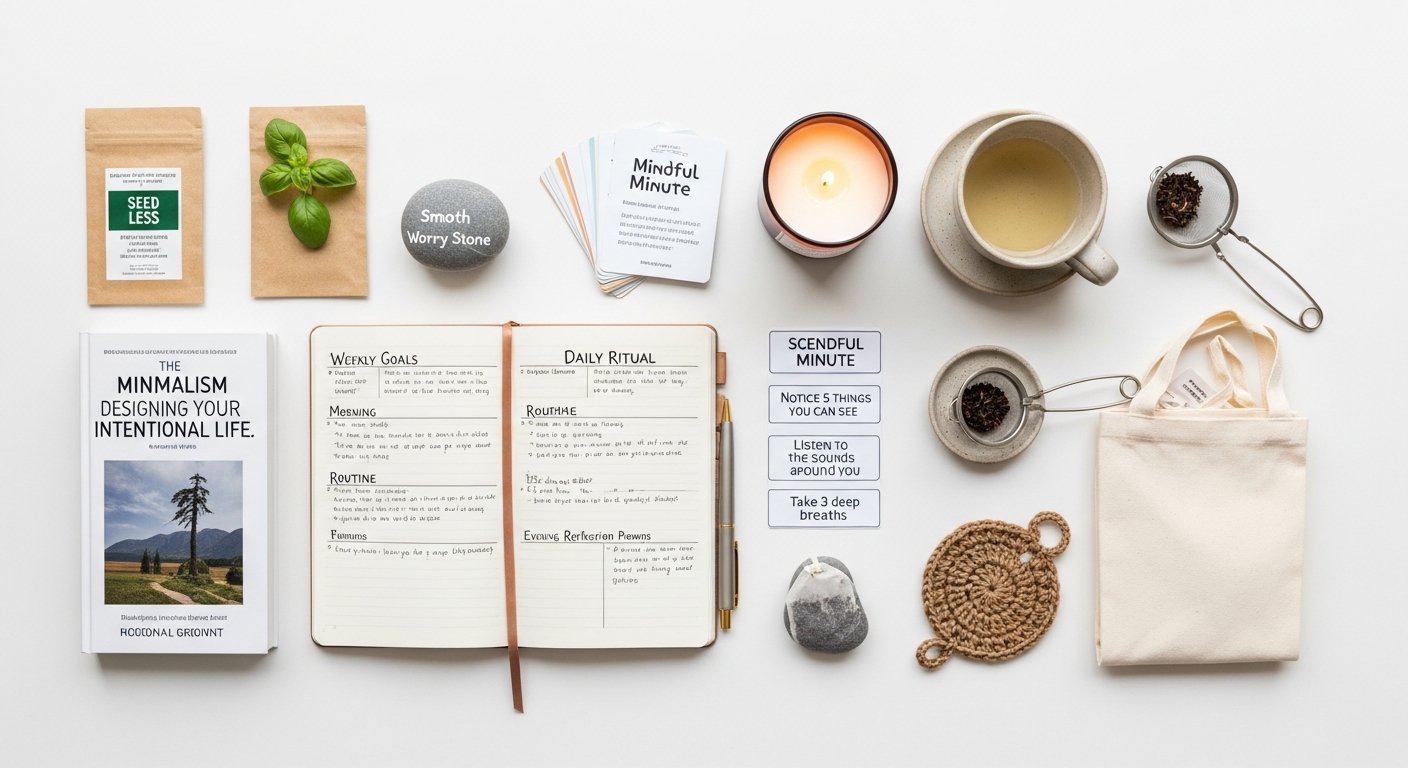
Intentional Living Examples: A Comprehensive Guide for Women Cultivating a Purpose-Driven Life
Affiliate disclosure: This article may contain affiliate links. Recommendations are independent and editorially driven.
In a world that constantly bombards us with choices, distractions, and societal expectations, it’s easy to feel adrift, reacting to life rather than actively shaping it. This is precisely why the concept of intentional living has resonated so deeply with countless women seeking a more meaningful, fulfilling existence. Intentional living isn’t about rigid rules or a minimalist aesthetic (though it can include elements of both); it’s about making conscious choices that align with your deepest values, goals, and desires. It’s about being present, mindful, and deliberate in every aspect of your life, from your morning routine to your long-term aspirations.
For women, intentional living often translates into reclaiming time, prioritizing self-care, nurturing authentic connections, and designing a life that truly reflects who they are, rather than who society expects them to be. It’s a journey of self-discovery, empowerment, and continuous growth. But what does intentional living actually look like in practice? How do these philosophical ideals translate into tangible actions and everyday choices?
This comprehensive guide will explore a wide array of intentional living examples, offering practical insights and actionable strategies across various facets of life. Whether you’re just beginning your intentional living journey or seeking to deepen your practice, these examples will illustrate how small, deliberate shifts can create profound and lasting transformations. Prepare to unlock a richer, more authentic life, built on purpose and driven by your own conscious design.
Understanding Intentional Living: More Than Just a Buzzword
Before diving into specific examples, it’s crucial to grasp the foundational principles of intentional living. At its core, intentional living is about moving from a reactive state to a proactive one. It’s about choosing your responses, your actions, and your path, rather than letting external circumstances dictate them. It requires self-awareness, clarity on your values, and the courage to make choices that might go against the grain of mainstream culture.
Defining Intentionality
Intentionality is the quality of being deliberate and purposeful. When applied to living, it means approaching each day, each decision, and each interaction with a clear sense of purpose. It’s about asking yourself “why” before “what” – why are you doing this? Does it align with your vision for your life? Does it serve your well-being or the well-being of others you care about?
- Self-Reflection: Regularly pausing to assess your feelings, thoughts, and motivations.
- Value Clarification: Identifying what truly matters to you – be it kindness, creativity, freedom, family, or personal growth.
- Mindful Action: Executing tasks and making decisions with full awareness and presence, rather than on autopilot.
The Benefits of an Intentional Life
Embracing intentional living can lead to a multitude of benefits that enhance overall well-being and satisfaction. These benefits often compound over time, creating a virtuous cycle of positive change.
- Reduced Stress and Overwhelm: By consciously choosing commitments and activities, you minimize unnecessary pressures.
- Greater Fulfillment: Living in alignment with your values brings a deeper sense of purpose and joy.
- Improved Relationships: Intentional communication and presence foster stronger, more authentic connections.
- Enhanced Productivity: Focusing on what truly matters allows you to accomplish more meaningful work.
- Increased Self-Confidence: Making deliberate choices builds self-trust and empowers you to lead your life with conviction.
- Financial Freedom: Mindful spending and saving habits lead to greater financial security and peace of mind.
Ultimately, intentional living is about taking the reins of your own existence. It’s about actively designing a life that feels authentic, vibrant, and deeply satisfying, rather than passively accepting the one handed to you. It’s a continuous journey of learning, adapting, and recommitting to your chosen path.
Cultivating an Intentional Mindset: Self-Awareness & Values

The foundation of any intentional life begins within. Developing an intentional mindset involves deep self-awareness, clarifying your core values, and consciously shaping your inner world to support your external actions. Without this inner groundwork, even the most well-intentioned plans can falter.
Daily Self-Reflection Practices
One of the most potent intentional living examples involves consistent self-reflection. This isn’t about navel-gazing, but rather a structured way to understand your inner landscape and align it with your desired life.
- Journaling: Dedicate 10-15 minutes each morning or evening to free-writing about your thoughts, feelings, and aspirations. Ask yourself: “What brought me joy today?” “What challenged me?” “What could I have done differently to align more with my values?”
- Mindful Pauses: Throughout your day, take short breaks to check in with yourself. Notice your breath, your physical sensations, and your emotional state. This helps you identify moments when you might be acting on autopilot or feeling overwhelmed.
- Setting Daily Intentions: Before starting your day, choose one word or a short phrase that will guide your actions. Examples include “Patience,” “Presence,” “Creativity,” or “Connection.”
- Gratitude Practice: Regularly acknowledge things you are grateful for. This shifts your perspective towards abundance and positivity, laying a foundation for more intentional actions.
Identifying and Living Your Core Values
Your values are your internal compass. Living intentionally means making decisions that are congruent with these deeply held beliefs. Many people operate on inherited or unspoken values; intentional living invites you to define your own.
- Value Clarification Exercise: Make a list of all values that come to mind (e.g., integrity, adventure, compassion, security, growth). Narrow it down to your top 3-5 non-negotiable values. For instance, if “freedom” is a core value, you might intentionally seek work arrangements that offer flexibility. If “community” is a core value, you might prioritize local engagement and volunteer opportunities.
- Value-Aligned Decision Making: When faced with a choice, ask yourself: “Does this decision honor my core values?” For example, if “health” is a value, you might intentionally choose a home-cooked meal over fast food, even when tired. If “authenticity” is a value, you might opt out of social engagements that feel forced or disingenuous.
- Regular Value Review: Your values can evolve. Periodically revisit your core values to ensure they still resonate and are accurately reflected in your life choices.
[INLINE IMAGE 1: place after second H2 | alt=”intentional living examples concept illustration”]
Intentional Living in Relationships: Deeper Connections & Community
Our relationships form the rich tapestry of our lives. Intentional living extends beyond the individual to how we connect with others, fostering deeper, more meaningful bonds with family, friends, and community members. This often means choosing quality over quantity in interactions and being fully present when engaging with others.
Nurturing Close Relationships
In a world of fleeting digital interactions, intentional relationships are built on presence, empathy, and consistent effort.
- Active Listening: Instead of planning your response, intentionally focus all your attention on what the other person is saying. Put away your phone, make eye contact, and truly absorb their words and emotions.
- Dedicated Time: Schedule regular, uninterrupted time with loved ones. This could be a weekly “date night” with your partner, a standing coffee date with a friend, or a family dinner where devices are put away. It signals that these relationships are a priority.
- Mindful Communication: Practice expressing your thoughts and feelings clearly and kindly, especially during conflict. Use “I” statements to own your emotions rather than placing blame. For example, instead of “You always ignore me,” try “I feel unheard when I’m speaking and you’re looking at your phone.”
- Showing Appreciation: Intentionally express gratitude and appreciation for the people in your life. A heartfelt thank-you note, a small thoughtful gift, or a sincere compliment can strengthen bonds immensely.
Building Community & Connection
Intentional living also involves consciously contributing to and benefiting from a wider community. This combats feelings of isolation and enriches your life with diverse perspectives and support networks.
- Joining Local Groups: Seek out groups aligned with your interests – a book club, a hiking group, a volunteer organization, or a local art class. This creates natural opportunities for connection.
- Volunteering: Dedicate your time and energy to a cause you care about. Intentional service connects you with like-minded individuals and provides a profound sense of purpose.
- Being a Good Neighbor: Simple acts like introducing yourself to new neighbors, offering help, or participating in neighborhood events foster a sense of belonging and mutual support.
- Limiting Social Media Comparison: Intentionally reduce time spent scrolling through curated feeds that can foster comparison and superficial connection. Instead, use social media purposefully to connect with specific individuals or groups, or to share meaningful content.
Crafting an Intentional Home & Environment: Sanctuary & Sustainability
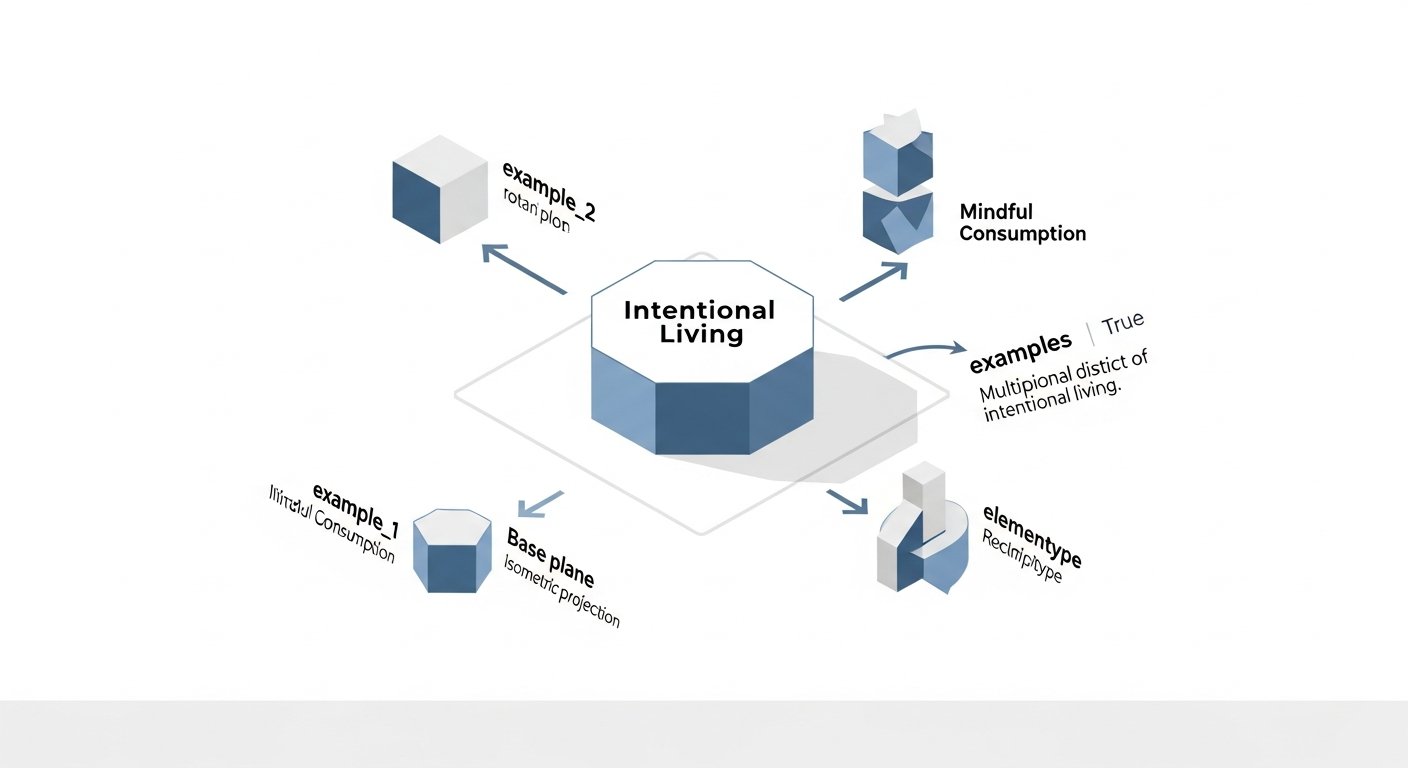
Our living spaces profoundly impact our mood, productivity, and overall well-being. Intentional living extends to creating a home environment that serves as a sanctuary, reflecting our values and supporting our desired lifestyle, rather than being a repository for clutter or a source of stress. It also often embraces principles of sustainability.
Decluttering with Purpose
Beyond simply tidying, intentional decluttering is about surrounding yourself only with items that serve a purpose, bring you joy, or hold genuine sentimental value.
- The “KonMari” Method: Handle each item and ask, “Does this spark joy?” If not, thank it for its service and let it go. This practice connects you emotionally to your possessions and encourages mindful consumption.
- One In, One Out Rule: When you purchase a new item, intentionally commit to donating or discarding an old, similar item. This prevents accumulation and encourages thoughtful purchasing.
- Creating Designated Homes: Every item in your home should have a specific place. This makes tidying easier and reduces the mental load of visual clutter. For example, your keys always go on a hook by the door, and mail is processed immediately upon arrival.
- Digital Declutter: Extend decluttering to your digital space. Unsubscribe from unnecessary emails, organize computer files, delete unused apps, and clear out old photos. A tidy digital environment reduces mental noise.
Designing an Inspiring & Sustainable Space
Intentional home design is about creating a space that nurtures you, promotes your well-being, and aligns with your values regarding environmental responsibility.
- Mindful Decorating: Choose furniture and decor that are not only aesthetically pleasing but also functional and durable. Invest in quality pieces that will last, rather than constantly buying into fast trends.
- Bringing Nature Indoors: Incorporate houseplants, natural light, and natural materials (wood, stone, cotton) into your home. Studies show that biophilic design can reduce stress and improve mood.
- Creating Zones of Purpose: Designate specific areas for specific activities – a cozy reading nook, a dedicated workspace, a serene meditation corner. This helps to segment your mental and physical energy.
- Sustainable Choices:
- Reducing Waste: Intentionally minimize single-use plastics, compost food scraps, and choose reusable alternatives (e.g., cloth napkins, refillable water bottles).
- Energy Efficiency: Be mindful of energy consumption – turn off lights when leaving a room, unplug electronics, and consider energy-efficient appliances.
- Ethical Sourcing: When purchasing new items, intentionally seek out brands that prioritize ethical labor practices and sustainable materials.
[INLINE IMAGE 2: place after fourth H2 | alt=”intentional living examples comparison illustration”]
Intentional Career & Work Life: Purpose, Passion, and Balance
For many women, work is a significant part of their daily lives. Intentional living in the career sphere means more than just having a job; it’s about aligning your work with your purpose, finding meaning in your contributions, and creating a sustainable balance that supports your overall well-being. It often involves strategic career planning, mindful work habits, and clear boundary setting.
Aligning Work with Purpose and Values
True career fulfillment comes from feeling that your work matters and is congruent with what you hold dear.
- Career Audits: Periodically assess your current role against your core values and long-term goals. Ask: “Does this work energize me or drain me?” “Am I using my strengths?” “Does this path lead towards my desired future?” If not, consider intentional shifts, whether within your current role or by exploring new opportunities.
- Seeking Meaningful Projects: If a complete career change isn’t feasible, intentionally seek out projects or responsibilities within your existing job that resonate more deeply with your skills and passions. Volunteer for committees or initiatives that align with your purpose.
- Defining Your “Why”: Understand the bigger picture of your work. How does your contribution, no matter how small, impact others or the world? Connecting to this “why” can imbue even mundane tasks with greater meaning.
Establishing Intentional Work Habits
Productivity is often less about working harder and more about working smarter and more mindfully.
- Prioritization with Purpose: Instead of tackling tasks as they come, intentionally identify your top 1-3 most important tasks for the day (MITs) that will move your most significant goals forward. Focus on these first.
- Time Blocking: Schedule specific blocks of time for focused work, meetings, and breaks. Treat these blocks as non-negotiable appointments with yourself and your work. This prevents reactive task management.
- Limiting Distractions: During focused work blocks, intentionally turn off notifications, close unnecessary tabs, and communicate your unavailability to colleagues. Create an environment conducive to deep work.
- Mindful Breaks: Instead of mindlessly scrolling during breaks, intentionally step away from your screen. Take a short walk, meditate, stretch, or engage in a brief, non-work-related activity to truly recharge.
Setting Boundaries and Achieving Work-Life Harmony
Intentional living recognizes that work is only one part of a fulfilling life. Establishing clear boundaries is vital for preventing burnout and maintaining overall well-being.
- Defining “Done for the Day”: Intentionally decide when your workday ends and commit to stepping away. This might involve a specific shutdown routine, like reviewing tomorrow’s tasks and closing your computer.
- Saying “No” with Intention: Evaluate new requests and commitments against your existing workload and personal priorities. Learn to politely decline opportunities that don’t align with your goals or that would lead to overcommitment.
- Protecting Personal Time: Treat personal appointments – whether it’s a workout, a family dinner, or a hobby – with the same respect as work appointments. Intentionally block them out in your calendar.
- Separating Spaces: If working from home, create a physical distinction between your workspace and your personal space. When you leave your “office,” you are intentionally transitioning out of work mode.
Mastering Intentional Finances & Consumption: Conscious Choices
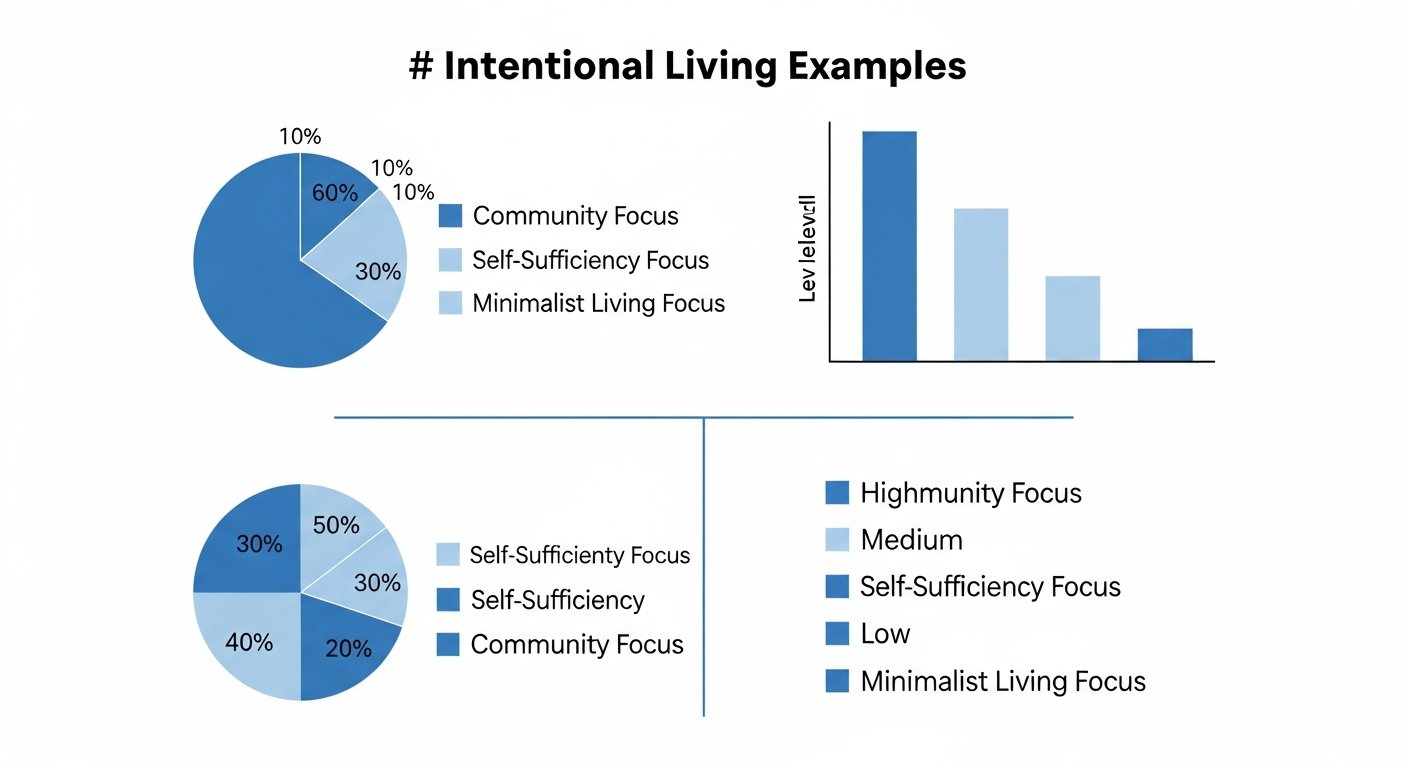
Our relationship with money and material possessions deeply influences our sense of security, freedom, and even happiness. Intentional living in this domain is about moving beyond impulsive spending and societal pressures to make conscious choices that align with your financial goals, values, and long-term vision. It’s about recognizing that every purchase is a vote for the kind of world you want to live in and the kind of life you want to lead.
Mindful Budgeting and Saving
Financial intentionality begins with a clear understanding of where your money comes from and where it goes.
- Value-Based Budgeting: Instead of simply tracking expenses, intentionally allocate funds according to your core values. If “travel” is a value, allocate a significant portion to a travel fund. If “security” is a value, prioritize savings and investments.
- The “Why” Behind Purchases: Before making a significant purchase, pause and ask yourself: “Why do I want this? Does it align with my needs or my values, or is it an impulsive desire influenced by external factors?”
- Automating Savings: Intentionally set up automatic transfers from your checking to your savings or investment accounts each payday. This ensures you pay yourself first, without needing to make a conscious decision each time.
- Debt Reduction Strategies: If you have debt, intentionally create a plan for paying it off, whether it’s the snowball or avalanche method. This is a powerful step towards financial freedom.
Conscious Consumption Practices
Intentional consumption is about thoughtful purchasing, prioritizing quality, sustainability, and ethical considerations over quantity and fleeting trends.
- Buying Less, Choosing Well: Instead of frequently buying cheap, disposable items, intentionally invest in high-quality, durable goods that will last. This reduces waste and often saves money in the long run.
- Supporting Ethical Brands: Research companies and choose to buy from those that align with your values, whether it’s fair labor practices, sustainable production, or local sourcing. Every dollar spent is a choice.
- Reducing Waste: Embrace a circular economy mindset by repairing items instead of replacing them, borrowing or renting instead of buying, and exploring secondhand options. This is a direct example of intentional living with environmental impact.
- Experiences Over Possessions: Intentionally prioritize spending money on experiences – travel, classes, concerts, time with loved ones – rather than solely on material possessions. These often bring greater, longer-lasting happiness.
Unintentional Spending Habits vs. Intentional Financial Practices
Here’s a comparison to highlight the difference:
| Aspect | Unintentional Spending Habits | Intentional Financial Practices |
|---|---|---|
| Decision-Making | Impulsive, reactive, driven by advertising or peer pressure. | Deliberate, value-aligned, planned, driven by personal goals. |
| Budgeting | No clear budget or vague, aspirational goals. | Detailed, tracked budget with specific allocations for needs, wants, and savings. |
| Purchases | Frequent, low-quality items; “retail therapy” for emotional highs. | Fewer, higher-quality items; investments in durable goods or experiences. |
| Debt Management | Accumulating debt without a clear repayment plan. | Proactive debt reduction strategies; avoiding unnecessary debt. |
| Savings | Saving whatever is left over (often nothing); no clear goals. | Prioritizing and automating savings; clear goals for emergencies, investments, and future aspirations. |
| Emotional Connection | Temporary satisfaction, often followed by buyer’s remorse or guilt. | Sense of control, peace of mind, alignment with long-term well-being. |
Learn more about mindful money management strategies.
Prioritizing Intentional Health & Well-being: Mind, Body, and Spirit
Our health is our most precious asset, yet it’s often the first thing we neglect in a fast-paced world. Intentional living encourages a holistic approach to well-being, where mind, body, and spirit are nurtured through deliberate choices, not just when problems arise, but as a continuous practice of self-care and prevention.
Nourishing Your Body with Intention
Food is fuel, but it’s also a source of pleasure and connection. Intentional eating goes beyond diet fads to a mindful relationship with what you consume.
- Mindful Eating: Pay full attention to your meals. Notice the flavors, textures, and smells. Eat slowly, without distraction, and listen to your body’s hunger and fullness cues. This helps prevent overeating and increases enjoyment.
- Planning Healthy Meals: Intentionally plan your meals and snacks for the week. This reduces stress, promotes healthier choices (as you’re less likely to grab convenient, unhealthy options), and can save money.
- Hydration as a Priority: Consciously make an effort to drink enough water throughout the day. Keep a water bottle handy and make hydration a non-negotiable part of your routine.
- Intentional Movement: Find forms of physical activity you genuinely enjoy. Instead of viewing exercise as a chore, intentionally choose movement that brings you joy and supports your physical health, whether it’s dancing, hiking, yoga, or lifting weights.
Cultivating Mental and Emotional Well-being
Just as we nourish our bodies, our minds and emotions require intentional care to thrive.
- Mindfulness and Meditation: Dedicate a few minutes each day to mindfulness practice. This could be guided meditation, body scans, or simply observing your breath. This builds resilience to stress and enhances emotional regulation.
- Digital Detoxes: Intentionally schedule periods away from screens. This might be a “no-phone zone” in the bedroom, a social media sabbatical, or a weekend without digital devices. This reduces mental clutter and allows for deeper presence.
- Setting Boundaries: Protect your mental and emotional energy by intentionally setting boundaries with commitments, people, and information. Learn to say no to requests that overextend you or drain your energy.
- Positive Self-Talk: Become aware of your inner dialogue. Intentionally challenge negative self-talk and replace it with compassionate, encouraging thoughts. Affirmations can be a powerful tool here.
Spiritual Health and Connection
Intentional living often includes nourishing the spiritual aspect of self, whether through traditional religion or personal practices that foster a sense of meaning and connection.
- Connecting with Nature: Spend intentional time outdoors, observing the natural world. This can be a walk in a park, sitting by a body of water, or simply gardening. Nature often provides a sense of peace and perspective.
- Practicing Gratitude: Regularly reflect on what you are grateful for. This simple practice shifts your focus from what’s lacking to what’s abundant, fostering contentment and joy.
- Engaging in Creative Expression: Pursue hobbies that allow for creative expression – painting, writing, playing music, crafting. These activities can be deeply meditative and spiritually enriching.
- Service to Others: Intentionally give back to your community or a cause you care about. Contributing to something larger than yourself can provide a profound sense of purpose and spiritual fulfillment.
Explore our articles on holistic self-care routines.
Embracing Intentional Growth & Learning: Lifelong Evolution
The human spirit thrives on growth and discovery. Intentional living embraces the idea that we are lifelong learners, constantly evolving and expanding our knowledge and skills. It’s about consciously seeking opportunities for personal development, rather than passively letting life happen to us.
Pursuing Personal Development with Purpose
Growth doesn’t just happen; it’s a result of deliberate effort and curiosity.
- Reading Intentionally: Instead of randomly picking up books, create a reading list focused on specific areas of growth you want to pursue (e.g., leadership, mindfulness, creative writing). Dedicate consistent time to reading.
- Learning New Skills: Enroll in a course, workshop, or online program to learn something new. This could be a new language, a musical instrument, coding, or a practical skill like carpentry. The act of learning expands your capabilities and boosts confidence.
- Seeking Mentorship: Intentionally seek out mentors or coaches who can guide you in areas where you want to grow. Their wisdom and experience can accelerate your learning journey.
- Reflecting on Experiences: After significant events or challenges, intentionally take time to reflect on what you learned, how you grew, and what you would do differently next time. This turns experiences into wisdom.
Cultivating a Growth Mindset
An intentional approach to growth requires adopting a mindset that views challenges as opportunities and failures as stepping stones.
- Embracing Challenges: Instead of shying away from difficulties, intentionally lean into them. View obstacles as puzzles to solve and opportunities to develop new skills and resilience.
- Learning from Mistakes: When you make a mistake, intentionally avoid self-criticism and instead focus on what you can learn from the experience. What insights can you gain? How can you apply them moving forward?
- Seeking Feedback: Intentionally ask for constructive feedback from trusted colleagues, friends, or mentors. View it as valuable information for improvement, not as personal criticism.
- Stepping Outside Your Comfort Zone: Consciously push your boundaries. Try something new that feels a little uncomfortable. This expands your capabilities and fosters personal growth.
Digital Declutter & Intentional Technology Use: Reclaiming Your Time
In our hyper-connected world, technology often serves as both a powerful tool and a significant source of distraction and overwhelm. Intentional living recognizes the need to curate our digital lives with the same care we apply to our physical spaces, ensuring technology serves us rather than enslaving us.
Mindful Engagement with Social Media
Social media can be a double-edged sword. Intentional use focuses on connection and inspiration, minimizing comparison and time-wasting.
- Scheduled Check-ins: Instead of constant, reactive checking, intentionally schedule specific times during the day to engage with social media (e.g., 15 minutes in the morning, 15 minutes in the evening).
- Curating Your Feed: Actively unfollow accounts that make you feel inadequate, stressed, or drained. Intentionally seek out and follow accounts that inspire, educate, or genuinely connect you with others.
- Purposeful Engagement: Before opening an app, ask yourself: “What is my intention here? Am I looking to connect with a specific person, learn something new, or simply pass time?” If it’s the latter, consider a more enriching alternative.
- Notifications Off: Intentionally turn off most, if not all, notifications for social media apps. This reduces constant interruptions and allows you to engage on your own terms.
Controlling Device Usage
Our phones and computers are powerful tools, but their omnipresence can be detrimental if not managed intentionally.
- Device-Free Zones: Designate certain areas or times as device-free. This could be the dinner table, the bedroom, or during family time. This promotes presence and deeper connection.
- Digital Sunset: Establish a “digital sunset” time where you put away all screens at least an hour before bed. This improves sleep quality and allows for winding down.
- App Limits: Utilize built-in features on your smartphone or third-party apps to set limits on screen time for specific applications. This creates a gentle barrier against endless scrolling.
- Batching Digital Tasks: Instead of constantly checking emails or messages, intentionally set aside specific times to respond. This reduces context-switching and boosts productivity.
Digital Declutter and Organization
A cluttered digital space can contribute to mental clutter. Intentional organization simplifies your digital life.
- Email Inbox Zero: Commit to processing your email inbox daily, either archiving, responding, or deleting. Unsubscribe from newsletters you no longer read.
- Organizing Files: Regularly organize your computer and cloud storage files into logical folders. Delete old, unnecessary documents and photos.
- App Review: Periodically review the apps on your phone and computer. Delete any that you no longer use or that don’t serve an intentional purpose.
- Password Management: Use a password manager to securely store complex passwords. This reduces mental load and improves digital security.
Discover strategies for a healthier digital life.
Leaving an Intentional Legacy: Contribution & Impact
Beyond our daily routines, intentional living invites us to consider our broader impact on the world and the legacy we wish to leave behind. This involves thinking about how our actions contribute to something larger than ourselves, and how we can make a positive difference for future generations.
Conscious Contribution to Society
Intentional contribution involves actively seeking ways to use your unique gifts and resources to benefit others and address societal needs.
- Volunteering for a Cause: Dedicate your time, skills, or resources to a non-profit organization or social cause that aligns with your values. This could be anything from mentoring young girls to helping at a local animal shelter or participating in environmental clean-ups.
- Advocacy and Awareness: Use your voice and platform (no matter how small) to raise awareness for issues you care deeply about. This could involve sharing information, signing petitions, or participating in peaceful protests.
- Ethical Consumerism: As discussed, intentionally supporting businesses that uphold ethical labor practices, environmental sustainability, and social responsibility contributes to a more just and equitable world.
- Mentoring and Sharing Knowledge: If you have expertise or life experience, intentionally offer to mentor someone younger or less experienced. Share your knowledge to empower others.
Cultivating a Sense of Purpose
A clear sense of purpose acts as a guiding star, informing your choices and providing motivation. For many, this purpose is intrinsically linked to how they want to impact the world.
- Defining Your Personal Mission Statement: Articulate a concise statement that encapsulates your core values and how you aim to contribute to the world. This can serve as a compass for all your intentional actions.
- Identifying Your Unique Talents: Reflect on your natural strengths, passions, and what truly lights you up. How can these unique gifts be used in service of a greater good?
- Long-Term Visioning: Practice visualizing your ideal future and the impact you wish to have in 5, 10, or 20 years. What kind of world do you want to help create? What will your story be?
Practicing Generosity
Generosity is a powerful expression of intentional living, fostering connection, empathy, and a sense of abundance.
- Intentional Giving: Beyond monetary donations, intentionally give your time, your attention, your skills, or your compassion. A simple act of kindness to a stranger can create a ripple effect.
- Sharing Resources: Consider how you can share resources within your community, whether it’s lending tools, sharing excess produce from your garden, or organizing a skill-share event.
- Passing Down Knowledge and Values: For parents, intentional living often means consciously teaching children values like empathy, resilience, and responsibility, thus shaping the next generation.
Explore ways to make a lasting impact.
Conclusion: Your Journey to a Richer, More Intentional Life
The journey of intentional living is not a destination, but a continuous path of self-awareness, mindful choice, and purposeful action. As we’ve explored through these intentional living examples, it touches every facet of life – from the quiet moments of self-reflection to the profound impact we have on our communities and the world.
For women navigating the complexities of modern life, intentional living offers a powerful framework for reclaiming personal agency, cultivating genuine fulfillment, and designing a life that truly resonates with their deepest desires. It’s about shedding the weight of societal expectations and embracing the freedom that comes from living authentically.
Remember, you don’t have to overhaul your entire life overnight. Start small. Choose one or two areas where you feel called to bring more intention. Perhaps it’s setting a daily intention, decluttering one drawer, or dedicating 15 minutes to active listening with a loved one. Each small, deliberate step builds momentum, creating a ripple effect that gradually transforms your entire existence.
Embrace the process with curiosity, self-compassion, and an unwavering commitment to living a life that is deeply meaningful to you. The rewards – greater peace, deeper connections, profound purpose, and boundless joy – are truly immeasurable. Your intentional life awaits; begin creating it today.
Frequently Asked Questions
Q1: What is intentional living, really?
A1: Intentional living is the practice of making conscious choices that align with your core values, goals, and desires, rather than passively reacting to external circumstances or societal pressures. It involves being deliberate and purposeful in every aspect of your life – from how you spend your time and money to how you interact with others and care for yourself.
Q2: How can I start living more intentionally?
A2: Begin with self-reflection. Identify your core values and what truly matters to you. Then, choose one small area of your life to apply intention. This could be your morning routine (e.g., no phone for the first hour), your spending habits (e.g., tracking every purchase), or your relationships (e.g., scheduling dedicated time with a loved one). Consistency in small intentional actions leads to big changes over time.
Q3: Is intentional living the same as minimalism?
A3: While intentional living often incorporates elements of minimalism (such as decluttering and conscious consumption), they are not identical. Minimalism focuses primarily on reducing possessions to live with less. Intentional living is a broader philosophy that applies mindfulness and purpose to all areas of life, including relationships, work, health, and personal growth, regardless of the number of possessions one owns.
Q4: How does intentional living benefit women specifically?
A4: For women, intentional living can be particularly empowering. It helps to counteract societal pressures to conform, fosters self-care in often demanding roles, encourages the cultivation of authentic relationships, and provides a framework for aligning career and personal life with deeply held values. It supports reclaiming time, energy, and focus for what truly matters to them.
Q5: Can I be intentional even if my life is very busy?
A5: Absolutely. Intentional living is not about having more free time, but about making better use of the time you have. Even in a busy schedule, you can practice intentionality by setting clear priorities, delegating tasks, practicing mindful pauses, and saying “no” to commitments that don’t align with your values. Small, consistent intentional actions can make a big difference without requiring a complete life overhaul.
Intentional Living Examples: A Comprehensive Guide for Women Cultivating a Purpose-Driven Life
Affiliate disclosure: This article may contain affiliate links. Recommendations are independent and editorially driven.
In a world that constantly bombards us with choices, distractions, and societal expectations, it’s easy to feel adrift, reacting to life rather than actively shaping it. This is precisely why the concept of intentional living has resonated so deeply with countless women seeking a more meaningful, fulfilling existence. Intentional living isn’t about rigid rules or a minimalist aesthetic (though it can include elements of both); it’s about making conscious choices that align with your deepest values, goals, and desires. It’s about being present, mindful, and deliberate in every aspect of your life, from your morning routine to your long-term aspirations.
For women, intentional living often translates into reclaiming time, prioritizing self-care, nurturing authentic connections, and designing a life that truly reflects who they are, rather than who society expects them to be. It’s a journey of self-discovery, empowerment, and continuous growth. But what does intentional living actually look like in practice? How do these philosophical ideals translate into tangible actions and everyday choices?
This comprehensive guide will explore a wide array of intentional living examples, offering practical insights and actionable strategies across various facets of life. Whether you’re just beginning your intentional living journey or seeking to deepen your practice, these examples will illustrate how small, deliberate shifts can create profound and lasting transformations. Prepare to unlock a richer, more authentic life, built on purpose and driven by your own conscious design.
Understanding Intentional Living: More Than Just a Buzzword
Before diving into specific examples, it’s crucial to grasp the foundational principles of intentional living. At its core, intentional living is about moving from a reactive state to a proactive one. It’s about choosing your responses, your actions, and your path, rather than letting external circumstances dictate them. It requires self-awareness, clarity on your values, and the courage to make choices that might go against the grain of mainstream culture.
Defining Intentionality
Intentionality is the quality of being deliberate and purposeful. When applied to living, it means approaching each day, each decision, and each interaction with a clear sense of purpose. It’s about asking yourself “why” before “what” – why are you doing this? Does it align with your vision for your life? Does it serve your well-being or the well-being of others you care about?
- Self-Reflection: Regularly pausing to assess your feelings, thoughts, and motivations.
- Value Clarification: Identifying what truly matters to you – be it kindness, creativity, freedom, family, or personal growth.
- Mindful Action: Executing tasks and making decisions with full awareness and presence, rather than on autopilot.
The Benefits of an Intentional Life
Embracing intentional living can lead to a multitude of benefits that enhance overall well-being and satisfaction. These benefits often compound over time, creating a virtuous cycle of positive change.
- Reduced Stress and Overwhelm: By consciously choosing commitments and activities, you minimize unnecessary pressures.
- Greater Fulfillment: Living in alignment with your values brings a deeper sense of purpose and joy.
- Improved Relationships: Intentional communication and presence foster stronger, more authentic connections.
- Enhanced Productivity: Focusing on what truly matters allows you to accomplish more meaningful work.
- Increased Self-Confidence: Making deliberate choices builds self-trust and empowers you to lead your life with conviction.
- Financial Freedom: Mindful spending and saving habits lead to greater financial security and peace of mind.
Ultimately, intentional living is about taking the reins of your own existence. It’s about actively designing a life that feels authentic, vibrant, and deeply satisfying, rather than passively accepting the one handed to you. It’s a continuous journey of learning, adapting, and recommitting to your chosen path.
Cultivating an Intentional Mindset: Self-Awareness & Values
The foundation of any intentional life begins within. Developing an intentional mindset involves deep self-awareness, clarifying your core values, and consciously shaping your inner world to support your external actions. Without this inner groundwork, even the most well-intentioned plans can falter.
Daily Self-Reflection Practices
One of the most potent intentional living examples involves consistent self-reflection. This isn’t about navel-gazing, but rather a structured way to understand your inner landscape and align it with your desired life.
- Journaling: Dedicate 10-15 minutes each morning or evening to free-writing about your thoughts, feelings, and aspirations. Ask yourself: “What brought me joy today?” “What challenged me?” “What could I have done differently to align more with my values?”
- Mindful Pauses: Throughout your day, take short breaks to check in with yourself. Notice your breath, your physical sensations, and your emotional state. This helps you identify moments when you might be acting on autopilot or feeling overwhelmed.
- Setting Daily Intentions: Before starting your day, choose one word or a short phrase that will guide your actions. Examples include “Patience,” “Presence,” “Creativity,” or “Connection.”
- Gratitude Practice: Regularly acknowledge things you are grateful for. This shifts your perspective towards abundance and positivity, laying a foundation for more intentional actions.
Identifying and Living Your Core Values
Your values are your internal compass. Living intentionally means making decisions that are congruent with these deeply held beliefs. Many people operate on inherited or unspoken values; intentional living invites you to define your own.
- Value Clarification Exercise: Make a list of all values that come to mind (e.g., integrity, adventure, compassion, security, growth). Narrow it down to your top 3-5 non-negotiable values. For instance, if “freedom” is a core value, you might intentionally seek work arrangements that offer flexibility. If “community” is a core value, you might prioritize local engagement and volunteer opportunities.
- Value-Aligned Decision Making: When faced with a choice, ask yourself: “Does this decision honor my core values?” For example, if “health” is a value, you might intentionally choose a home-cooked meal over fast food, even when tired. If “authenticity” is a value, you might opt out of social engagements that feel forced or disingenuous.
- Regular Value Review: Your values can evolve. Periodically revisit your core values to ensure they still resonate and are accurately reflected in your life choices.
[INLINE IMAGE 1: place after second H2 | alt=”intentional living examples concept illustration”]
Intentional Living in Relationships: Deeper Connections & Community
Our relationships form the rich tapestry of our lives. Intentional living extends beyond the individual to how we connect with others, fostering deeper, more meaningful bonds with family, friends, and community members. This often means choosing quality over quantity in interactions and being fully present when engaging with others.
Nurturing Close Relationships
In a world of fleeting digital interactions, intentional relationships are built on presence, empathy, and consistent effort.
- Active Listening: Instead of planning your response, intentionally focus all your attention on what the other person is saying. Put away your phone, make eye contact, and truly absorb their words and emotions.
- Dedicated Time: Schedule regular, uninterrupted time with loved ones. This could be a weekly “date night” with your partner, a standing coffee date with a friend, or a family dinner where devices are put away. It signals that these relationships are a priority.
- Mindful Communication: Practice expressing your thoughts and feelings clearly and kindly, especially during conflict. Use “I” statements to own your emotions rather than placing blame. For example, instead of “You always ignore me,” try “I feel unheard when I’m speaking and you’re looking at your phone.”
- Showing Appreciation: Intentionally express gratitude and appreciation for the people in your life. A heartfelt thank-you note, a small thoughtful gift, or a sincere compliment can strengthen bonds immensely.
Building Community & Connection
Intentional living also involves consciously contributing to and benefiting from a wider community. This combats feelings of isolation and enriches your life with diverse perspectives and support networks.
- Joining Local Groups: Seek out groups aligned with your interests – a book club, a hiking group, a volunteer organization, or a local art class. This creates natural opportunities for connection.
- Volunteering: Dedicate your time and energy to a cause you care about. Intentional service connects you with like-minded individuals and provides a profound sense of purpose.
- Being a Good Neighbor: Simple acts like introducing yourself to new neighbors, offering help, or participating in neighborhood events foster a sense of belonging and mutual support.
- Limiting Social Media Comparison: Intentionally reduce time spent scrolling through curated feeds that can foster comparison and superficial connection. Instead, use social media purposefully to connect with specific individuals or groups, or to share meaningful content.
Crafting an Intentional Home & Environment: Sanctuary & Sustainability
Our living spaces profoundly impact our mood, productivity, and overall well-being. Intentional living extends to creating a home environment that serves as a sanctuary, reflecting our values and supporting our desired lifestyle, rather than being a repository for clutter or a source of stress. It also often embraces principles of sustainability.
Decluttering with Purpose
Beyond simply tidying, intentional decluttering is about surrounding yourself only with items that serve a purpose, bring you joy, or hold genuine sentimental value.
- The “KonMari” Method: Handle each item and ask, “Does this spark joy?” If not, thank it for its service and let it go. This practice connects you emotionally to your possessions and encourages mindful consumption.
- One In, One Out Rule: When you purchase a new item, intentionally commit to donating or discarding an old, similar item. This prevents accumulation and encourages thoughtful purchasing.
- Creating Designated Homes: Every item in your home should have a specific place. This makes tidying easier and reduces the mental load of visual clutter. For example, your keys always go on a hook by the door, and mail is processed immediately upon arrival.
- Digital Declutter: Extend decluttering to your digital space. Unsubscribe from unnecessary emails, organize computer files, delete unused apps, and clear out old photos. A tidy digital environment reduces mental noise.
Designing an Inspiring & Sustainable Space
Intentional home design is about creating a space that nurtures you, promotes your well-being, and aligns with your values regarding environmental responsibility.
- Mindful Decorating: Choose furniture and decor that are not only aesthetically pleasing but also functional and durable. Invest in quality pieces that will last, rather than constantly buying into fast trends.
- Bringing Nature Indoors: Incorporate houseplants, natural light, and natural materials (wood, stone, cotton) into your home. Studies show that biophilic design can reduce stress and improve mood.
- Creating Zones of Purpose: Designate specific areas for specific activities – a cozy reading nook, a dedicated workspace, a serene meditation corner. This helps to segment your mental and physical energy.
- Sustainable Choices:
- Reducing Waste: Intentionally minimize single-use plastics, compost food scraps, and choose reusable alternatives (e.g., cloth napkins, refillable water bottles).
- Energy Efficiency: Be mindful of energy consumption – turn off lights when leaving a room, unplug electronics, and consider energy-efficient appliances.
- Ethical Sourcing: When purchasing new items, intentionally seek out brands that prioritize ethical labor practices and sustainable materials.
[INLINE IMAGE 2: place after fourth H2 | alt=”intentional living examples comparison illustration”]
Intentional Career & Work Life: Purpose, Passion, and Balance
For many women, work is a significant part of their daily lives. Intentional living in the career sphere means more than just having a job; it’s about aligning your work with your purpose, finding meaning in your contributions, and creating a sustainable balance that supports your overall well-being. It often involves strategic career planning, mindful work habits, and clear boundary setting.
Aligning Work with Purpose and Values
True career fulfillment comes from feeling that your work matters and is congruent with what you hold dear.
- Career Audits: Periodically assess your current role against your core values and long-term goals. Ask: “Does this work energize me or drain me?” “Am I using my strengths?” “Does this path lead towards my desired future?” If not, consider intentional shifts, whether within your current role or by exploring new opportunities.
- Seeking Meaningful Projects: If a complete career change isn’t feasible, intentionally seek out projects or responsibilities within your existing job that resonate more deeply with your skills and passions. Volunteer for committees or initiatives that align with your purpose.
- Defining Your “Why”: Understand the bigger picture of your work. How does your contribution, no matter how small, impact others or the world? Connecting to this “why” can imbue even mundane tasks with greater meaning.
Establishing Intentional Work Habits
Productivity is often less about working harder and more about working smarter and more mindfully.
- Prioritization with Purpose: Instead of tackling tasks as they come, intentionally identify your top 1-3 most important tasks for the day (MITs) that will move your most significant goals forward. Focus on these first.
- Time Blocking: Schedule specific blocks of time for focused work, meetings, and breaks. Treat these blocks as non-negotiable appointments with yourself and your work. This prevents reactive task management.
- Limiting Distractions: During focused work blocks, intentionally turn off notifications, close unnecessary tabs, and communicate your unavailability to colleagues. Create an environment conducive to deep work.
- Mindful Breaks: Instead of mindlessly scrolling during breaks, intentionally step away from your screen. Take a short walk, meditate, stretch, or engage in a brief, non-work-related activity to truly recharge.
Setting Boundaries and Achieving Work-Life Harmony
Intentional living recognizes that work is only one part of a fulfilling life. Establishing clear boundaries is vital for preventing burnout and maintaining overall well-being.
- Defining “Done for the Day”: Intentionally decide when your workday ends and commit to stepping away. This might involve a specific shutdown routine, like reviewing tomorrow’s tasks and closing your computer.
- Saying “No” with Intention: Evaluate new requests and commitments against your existing workload and personal priorities. Learn to politely decline opportunities that don’t align with your goals or that would lead to overcommitment.
- Protecting Personal Time: Treat personal appointments – whether it’s a workout, a family dinner, or a hobby – with the same respect as work appointments. Intentionally block them out in your calendar.
- Separating Spaces: If working from home, create a physical distinction between your workspace and your personal space. When you leave your “office,” you are intentionally transitioning out of work mode.
Mastering Intentional Finances & Consumption: Conscious Choices
Our relationship with money and material possessions deeply influences our sense of security, freedom, and even happiness. Intentional living in this domain is about moving beyond impulsive spending and societal pressures to make conscious choices that align with your financial goals, values, and long-term vision. It’s about recognizing that every purchase is a vote for the kind of world you want to live in and the kind of life you want to lead.
Mindful Budgeting and Saving
Financial intentionality begins with a clear understanding of where your money comes from and where it goes.
- Value-Based Budgeting: Instead of simply tracking expenses, intentionally allocate funds according to your core values. If “travel” is a value, allocate a significant portion to a travel fund. If “security” is a value, prioritize savings and investments.
- The “Why” Behind Purchases: Before making a significant purchase, pause and ask yourself: “Why do I want this? Does it align with my needs or my values, or is it an impulsive desire influenced by external factors?”
- Automating Savings: Intentionally set up automatic transfers from your checking to your savings or investment accounts each payday. This ensures you pay yourself first, without needing to make a conscious decision each time.
- Debt Reduction Strategies: If you have debt, intentionally create a plan for paying it off, whether it’s the snowball or avalanche method. This is a powerful step towards financial freedom.
Conscious Consumption Practices
Intentional consumption is about thoughtful purchasing, prioritizing quality, sustainability, and ethical considerations over quantity and fleeting trends.
- Buying Less, Choosing Well: Instead of frequently buying cheap, disposable items, intentionally invest in high-quality, durable goods that will last. This reduces waste and often saves money in the long run.
- Supporting Ethical Brands: Research companies and choose to buy from those that align with your values, whether it’s fair labor practices, sustainable production, or local sourcing. Every dollar spent is a choice.
- Reducing Waste: Embrace a circular economy mindset by repairing items instead of replacing them, borrowing or renting instead of buying, and exploring secondhand options. This is a direct example of intentional living with environmental impact.
- Experiences Over Possessions: Intentionally prioritize spending money on experiences – travel, classes, concerts, time with loved ones – rather than solely on material possessions. These often bring greater, longer-lasting happiness.
Unintentional Spending Habits vs. Intentional Financial Practices
Here’s a comparison to highlight the difference:
| Aspect | Unintentional Spending Habits | Intentional Financial Practices |
|---|---|---|
| Decision-Making | Impulsive, reactive, driven by advertising or peer pressure. | Deliberate, value-aligned, planned, driven by personal goals. |
| Budgeting | No clear budget or vague, aspirational goals. | Detailed, tracked budget with specific allocations for needs, wants, and savings. |
| Purchases | Frequent, low-quality items; “retail therapy” for emotional highs. | Fewer, higher-quality items; investments in durable goods or experiences. |
| Debt Management | Accumulating debt without a clear repayment plan. | Proactive debt reduction strategies; avoiding unnecessary debt. |
| Savings | Saving whatever is left over (often nothing); no clear goals. | Prioritizing and automating savings; clear goals for emergencies, investments, and future aspirations. |
| Emotional Connection | Temporary satisfaction, often followed by buyer’s remorse or guilt. | Sense of control, peace of mind, alignment with long-term well-being. |
Learn more about mindful money management strategies.
Prioritizing Intentional Health & Well-being: Mind, Body, and Spirit
Our health is our most precious asset, yet it’s often the first thing we neglect in a fast-paced world. Intentional living encourages a holistic approach to well-being, where mind, body, and spirit are nurtured through deliberate choices, not just when problems arise, but as a continuous practice of self-care and prevention.
Nourishing Your Body with Intention
Food is fuel, but it’s also a source of pleasure and connection. Intentional eating goes beyond diet fads to a mindful relationship with what you consume.
- Mindful Eating: Pay full attention to your meals. Notice the flavors, textures, and smells. Eat slowly, without distraction, and listen to your body’s hunger and fullness cues. This helps prevent overeating and increases enjoyment.
- Planning Healthy Meals: Intentionally plan your meals and snacks for the week. This reduces stress, promotes healthier choices (as you’re less likely to grab convenient, unhealthy options), and can save money.
- Hydration as a Priority: Consciously make an effort to drink enough water throughout the day. Keep a water bottle handy and make hydration a non-negotiable part of your routine.
- Intentional Movement: Find forms of physical activity you genuinely enjoy. Instead of viewing exercise as a chore, intentionally choose movement that brings you joy and supports your physical health, whether it’s dancing, hiking, yoga, or lifting weights.
Cultivating Mental and Emotional Well-being
Just as we nourish our bodies, our minds and emotions require intentional care to thrive.
- Mindfulness and Meditation: Dedicate a few minutes each day to mindfulness practice. This could be guided meditation, body scans, or simply observing your breath. This builds resilience to stress and enhances emotional regulation.
- Digital Detoxes: Intentionally schedule periods away from screens. This might be a “no-phone zone” in the bedroom, a social media sabbatical, or a weekend without digital devices. This reduces mental clutter and allows for deeper presence.
- Setting Boundaries: Protect your mental and emotional energy by intentionally setting boundaries with commitments, people, and information. Learn to say no to requests that overextend you or drain your energy.
- Positive Self-Talk: Become aware of your inner dialogue. Intentionally challenge negative self-talk and replace it with compassionate, encouraging thoughts. Affirmations can be a powerful tool here.
Spiritual Health and Connection
Intentional living often includes nourishing the spiritual aspect of self, whether through traditional religion or personal practices that foster a sense of meaning and connection.
- Connecting with Nature: Spend intentional time outdoors, observing the natural world. This can be a walk in a park, sitting by a body of water, or simply gardening. Nature often provides a sense of peace and perspective.
- Practicing Gratitude: Regularly reflect on what you are grateful for. This simple practice shifts your focus from what’s lacking to what’s abundant, fostering contentment and joy.
- Engaging in Creative Expression: Pursue hobbies that allow for creative expression – painting, writing, playing music, crafting. These activities can be deeply meditative and spiritually enriching.
- Service to Others: Intentionally give back to your community or a cause you care about. Contributing to something larger than yourself can provide a profound sense of purpose and spiritual fulfillment.
Explore our articles on holistic self-care routines.
Embracing Intentional Growth & Learning: Lifelong Evolution
The human spirit thrives on growth and discovery. Intentional living embraces the idea that we are lifelong learners, constantly evolving and expanding our knowledge and skills. It’s about consciously seeking opportunities for personal development, rather than passively letting life happen to us.
Pursuing Personal Development with Purpose
Growth doesn’t just happen; it’s a result of deliberate effort and curiosity.
- Reading Intentionally: Instead of randomly picking up books, create a reading list focused on specific areas of growth you want to pursue (e.g., leadership, mindfulness, creative writing). Dedicate consistent time to reading.
- Learning New Skills: Enroll in a course, workshop, or online program to learn something new. This could be a new language, a musical instrument, coding, or a practical skill like carpentry. The act of learning expands your capabilities and boosts confidence.
- Seeking Mentorship: Intentionally seek out mentors or coaches who can guide you in areas where you want to grow. Their wisdom and experience can accelerate your learning journey.
- Reflecting on Experiences: After significant events or challenges, intentionally take time to reflect on what you learned, how you grew, and what you would do differently next time. This turns experiences into wisdom.
Cultivating a Growth Mindset
An intentional approach to growth requires adopting a mindset that views challenges as opportunities and failures as stepping stones.
- Embracing Challenges: Instead of shying away from difficulties, intentionally lean into them. View obstacles as puzzles to solve and opportunities to develop new skills and resilience.
- Learning from Mistakes: When you make a mistake, intentionally avoid self-criticism and instead focus on what you can learn from the experience. What insights can you gain? How can you apply them moving forward?
- Seeking Feedback: Intentionally ask for constructive feedback from trusted colleagues, friends, or mentors. View it as valuable information for improvement, not as personal criticism.
- Stepping Outside Your Comfort Zone: Consciously push your boundaries. Try something new that feels a little uncomfortable. This expands your capabilities and fosters personal growth.
Digital Declutter & Intentional Technology Use: Reclaiming Your Time
In our hyper-connected world, technology often serves as both a powerful tool and a significant source of distraction and overwhelm. Intentional living recognizes the need to curate our digital lives with the same care we apply to our physical spaces, ensuring technology serves us rather than enslaving us.
Mindful Engagement with Social Media
Social media can be a double-edged sword. Intentional use focuses on connection and inspiration, minimizing comparison and time-wasting.
- Scheduled Check-ins: Instead of constant, reactive checking, intentionally schedule specific times during the day to engage with social media (e.g., 15 minutes in the morning, 15 minutes in the evening).
- Curating Your Feed: Actively unfollow accounts that make you feel inadequate, stressed, or drained. Intentionally seek out and follow accounts that inspire, educate, or genuinely connect you with others.
- Purposeful Engagement: Before opening an app, ask yourself: “What is my intention here? Am I looking to connect with a specific person, learn something new, or simply pass time?” If it’s the latter, consider a more enriching alternative.
- Notifications Off: Intentionally turn off most, if not all, notifications for social media apps. This reduces constant interruptions and allows you to engage on your own terms.
Controlling Device Usage
Our phones and computers are powerful tools, but their omnipresence can be detrimental if not managed intentionally.
- Device-Free Zones: Designate certain areas or times as device-free. This could be the dinner table, the bedroom, or during family time. This promotes presence and deeper connection.
- Digital Sunset: Establish a “digital sunset” time where you put away all screens at least an hour before bed. This improves sleep quality and allows for winding down.
- App Limits: Utilize built-in features on your smartphone or third-party apps to set limits on screen time for specific applications. This creates a gentle barrier against endless scrolling.
- Batching Digital Tasks: Instead of constantly checking emails or messages, intentionally set aside specific times to respond. This reduces context-switching and boosts productivity.
Digital Declutter and Organization
A cluttered digital space can contribute to mental clutter. Intentional organization simplifies your digital life.
- Email Inbox Zero: Commit to processing your email inbox daily, either archiving, responding, or deleting. Unsubscribe from newsletters you no longer read.
- Organizing Files: Regularly organize your computer and cloud storage files into logical folders. Delete old, unnecessary documents and photos.
- App Review: Periodically review the apps on your phone and computer. Delete any that you no longer use or that don’t serve an intentional purpose.
- Password Management: Use a password manager to securely store complex passwords. This reduces mental load and improves digital security.
Discover strategies for a healthier digital life.
Leaving an Intentional Legacy: Contribution & Impact
Beyond our daily routines, intentional living invites us to consider our broader impact on the world and the legacy we wish to leave behind. This involves thinking about how our actions contribute to something larger than ourselves, and how we can make a positive difference for future generations.
Conscious Contribution to Society
Intentional contribution involves actively seeking ways to use your unique gifts and resources to benefit others and address societal needs.
- Volunteering for a Cause: Dedicate your time, skills, or resources to a non-profit organization or social cause that aligns with your values. This could be anything from mentoring young girls to helping at a local animal shelter or participating in environmental clean-ups.
- Advocacy and Awareness: Use your voice and platform (no matter how small) to raise awareness for issues you care deeply about. This could involve sharing information, signing petitions, or participating in peaceful protests.
- Ethical Consumerism: As discussed, intentionally supporting businesses that uphold ethical labor practices, environmental sustainability, and social responsibility contributes to a more just and equitable world.
- Mentoring and Sharing Knowledge: If you have expertise or life experience, intentionally offer to mentor someone younger or less experienced. Share your knowledge to empower others.
Cultivating a Sense of Purpose
A clear sense of purpose acts as a guiding star, informing your choices and providing motivation. For many, this purpose is intrinsically linked to how they want to impact the world.
- Defining Your Personal Mission Statement: Articulate a concise statement that encapsulates your core values and how you aim to contribute to the world. This can serve as a compass for all your intentional actions.
- Identifying Your Unique Talents: Reflect on your natural strengths, passions, and what truly lights you up. How can these unique gifts be used in service of a greater good?
- Long-Term Visioning: Practice visualizing your ideal future and the impact you wish to have in 5, 10, or 20 years. What kind of world do you want to help create? What will your story be?
Practicing Generosity
Generosity is a powerful expression of intentional living, fostering connection, empathy, and a sense of abundance.
- Intentional Giving: Beyond monetary donations, intentionally give your time, your attention, your skills, or your compassion. A simple act of kindness to a stranger can create a ripple effect.
- Sharing Resources: Consider how you can share resources within your community, whether it’s lending tools, sharing excess produce from your garden, or organizing a skill-share event.
- Passing Down Knowledge and Values: For parents, intentional living often means consciously teaching children values like empathy, resilience, and responsibility, thus shaping the next generation.
Explore ways to make a lasting impact.
Conclusion: Your Journey to a Richer, More Intentional Life
The journey of intentional living is not a destination, but a continuous path of self-awareness, mindful choice, and purposeful action. As we’ve explored through these intentional living examples, it touches every facet of life – from the quiet moments of self-reflection to the profound impact we have on our communities and the world.
For women navigating the complexities of modern life, intentional living offers a powerful framework for reclaiming personal agency, cultivating genuine fulfillment, and designing a life that truly resonates with their deepest desires. It’s about shedding the weight of societal expectations and embracing the freedom that comes from living authentically.
Remember, you don’t have to overhaul your entire life overnight. Start small. Choose one or two areas where you feel called to bring more intention. Perhaps it’s setting a daily intention, decluttering one drawer, or dedicating 15 minutes to active listening with a loved one. Each small, deliberate step builds momentum, creating a ripple effect that gradually transforms your entire existence.
Embrace the process with curiosity, self-compassion, and an unwavering commitment to living a life that is deeply meaningful to you. The rewards – greater peace, deeper connections, profound purpose, and boundless joy – are truly immeasurable. Your intentional life awaits; begin creating it today.
Frequently Asked Questions
Q1: What is intentional living, really?
A1: Intentional living is the practice of making conscious choices that align with your core values, goals, and desires, rather than passively reacting to external circumstances or societal pressures. It involves being deliberate and purposeful in every aspect of your life – from how you spend your time and money to how you interact with others and care for yourself.
Q2: How can I start living more intentionally?
A2: Begin with self-reflection. Identify your core values and what truly matters to you. Then, choose one small area of your life to apply intention. This could be your morning routine (e.g., no phone for the first hour), your spending habits (e.g., tracking every purchase), or your relationships (e.g., scheduling dedicated time with a loved one). Consistency in small intentional actions leads to big changes over time.
Q3: Is intentional living the same as minimalism?
A3: While intentional living often incorporates elements of minimalism (such as decluttering and conscious consumption), they are not identical. Minimalism focuses primarily on reducing possessions to live with less. Intentional living is a broader philosophy that applies mindfulness and purpose to all areas of life, including relationships, work, health, and personal growth, regardless of the number of possessions one owns.
Q4: How does intentional living benefit women specifically?
A4: For women, intentional living can be particularly empowering. It helps to counteract societal pressures to conform, fosters self-care in often demanding roles, encourages the cultivation of authentic relationships, and provides a framework for aligning career and personal life with deeply held values. It supports reclaiming time, energy, and focus for what truly matters to them.
Q5: Can I be intentional even if my life is very busy?
A5: Absolutely. Intentional living is not about having more free time, but about making better use of the time you have. Even in a busy schedule, you can practice intentionality by setting clear priorities, delegating tasks, practicing mindful pauses, and saying “no” to commitments that don’t align with your values. Small, consistent intentional actions can make a big difference without requiring a complete life overhaul.