

The Foundation of Warmth: Intentional Design Choices
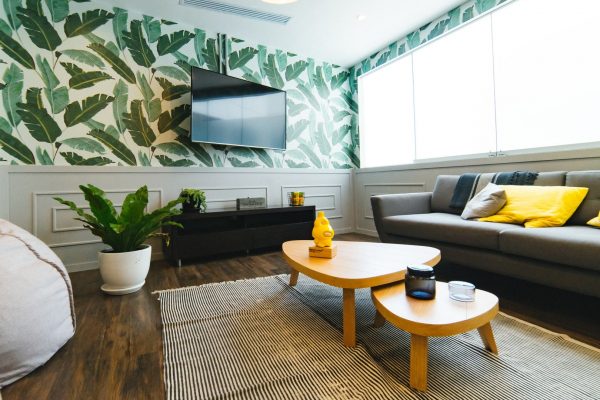
Before diving into the delightful details, consider the larger strokes that paint the canvas of your home. Intentional design choices lay the groundwork for a cozy and welcoming atmosphere, guiding the eye and setting the mood from the moment you step through the door.
Color Palettes That Embrace
Colors have an undeniable impact on our emotions and perceptions. To foster coziness, gravitate towards warm, inviting hues. Think soft neutrals like cream, beige, and greige, which provide a calming backdrop. Earthy tones such as terracotta, olive green, and deep blues can add depth and a sense of groundedness. Don’t shy away from rich, saturated colors for accent walls or key pieces of furniture; a deep burgundy or a warm mustard can envelop a room in comfort. The key is balance – pair stronger colors with softer ones to create harmony, ensuring your palette feels cohesive and serene rather than overwhelming.
- Warm Neutrals: Cream, beige, greige, soft off-whites for walls and large furniture.
- Earthy Tones: Terracotta, rust, sage green, deep blue for accents or feature walls.
- Rich Jewel Tones: Burgundy, emerald, mustard yellow to add depth and warmth.
- Tip: Consider the natural light in your room. Cooler-toned rooms might benefit from warmer paint colors, while sun-drenched rooms can handle cooler hues to balance the light.
Furniture Arrangement for Connection and Comfort
The way you arrange your furniture profoundly influences how a room feels and functions. For a welcoming space, prioritize comfort and conversation. Instead of pushing all furniture against the walls, create intimate groupings that encourage interaction. A sofa facing two armchairs with a coffee table in the center forms a natural conversation area. Ensure there’s enough space to move freely, but not so much that the room feels sparse. Consider furniture with soft lines, plush upholstery, and generous proportions to invite relaxation. Incorporate ottomans or poufs for extra seating or a comfortable footrest, enhancing the sense of ease.
- Conversation Zones: Arrange seating to face each other, fostering dialogue.
- Clear Pathways: Ensure ease of movement around furniture groupings.
- Comfort-First Seating: Opt for sofas and chairs with deep cushions and inviting fabrics.
- Pro Tip: Use area rugs to anchor furniture groupings, visually defining separate zones within a larger open-plan space.
The Power of Rugs and Textiles
Rugs are more than just floor coverings; they are essential for adding warmth, texture, and defining spaces. Choose rugs that are soft underfoot, with textures like wool, jute, or faux fur, to introduce an immediate sense of coziness. Layering rugs can add even more depth and visual interest. Beyond rugs, textiles are your secret weapon for comfort. Generously drape throws over sofas and armchairs, inviting snuggling. Pile plush pillows in varying textures and patterns onto beds and seating. Velvets, knits, faux furs, and linen blends all contribute to a tactile richness that begs to be touched, instantly making a room feel more inviting and comfortable.
- Soft Rugs: Wool, shag, or thick pile rugs for warmth and comfort.
- Layered Textiles: Mix throws, blankets, and pillows of different textures (knits, velvet, faux fur).
- Curtains and Drapes: Choose heavier fabrics for insulation and a sense of enclosure, or sheer ones for diffused light.
Sensory Delights: Engaging Sight, Smell, and Touch
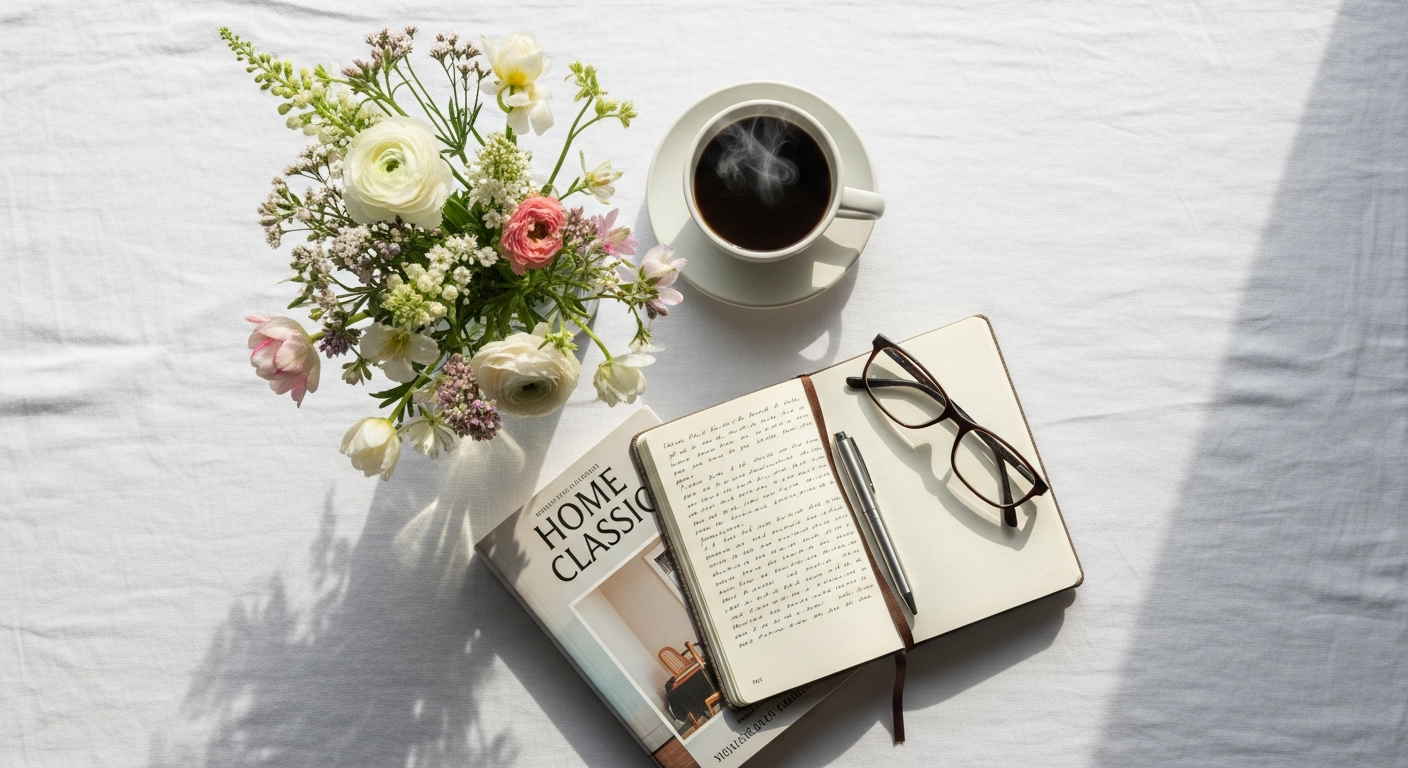
A truly cozy and welcoming home appeals to all the senses, not just sight. By thoughtfully engaging smell, touch, and even sound, you can create a multi-dimensional experience that wraps you and your guests in comfort.
Illuminating Ambiance: The Art of Lighting
- Layered Lighting: Mix ambient, task, and accent lighting.
- Warm Light Bulbs: Opt for softer, yellower light (2700K-3000K).
- Dimmer Switches: Essential for adjusting mood and intensity.
- Candles and Lamps: Create soft, inviting pools of light.
Aromas That Soothe and Invite
Our sense of smell is powerfully linked to memory and emotion. A pleasant aroma can instantly make a home feel more welcoming. Think beyond just air fresheners; opt for natural scents that evoke warmth and comfort. Diffusers with essential oils like lavender (for relaxation), cedarwood (for a grounding, earthy feel), or citrus (for freshness) can subtly scent your space. Scented candles, especially those with notes of vanilla, cinnamon, sandalwood, or pine, add both fragrance and a warm, flickering glow. Don’t underestimate the power of natural aromas from freshly baked goods, brewing coffee, or even simmering a potpourri of citrus peels and spices on the stove.
- Essential Oil Diffusers: Lavender, bergamot, cedarwood for calming scents.
- Scented Candles: Vanilla, cinnamon, sandalwood, pine for warmth.
- Natural Scents: Fresh flowers, baking, simmering spices, or brewing coffee.
Tactile Textures and Softness
The sense of touch is integral to coziness. Introduce a variety of textures throughout your home to invite interaction and add visual interest. Think soft throws of chunky knit or faux fur draped over a sofa, plush velvet pillows, linen curtains that billow gently, and warm wooden furniture. Even the feeling of a smooth, cool ceramic mug in your hands contributes to the sensory experience. Layering different textures creates a rich, inviting environment that beckons you to settle in and get comfortable. Don’t forget the tactile pleasure of a thick bathmat or soft towels in the bathroom, enhancing personal comfort.
- Soft Throws and Blankets: Knits, faux fur, cashmere, cotton.
- Plush Pillows: Velvet, chenille, textured weaves.
- Warm Woods and Natural Fibers: Furniture, baskets, jute rugs.
- Consideration: Even the feel of the floor underfoot contributes – think soft slippers for maximum comfort.
Personal Touches: Infusing Your Story
A truly welcoming home isn’t just beautifully decorated; it tells a story – your story. Infusing your personality and memories into your space makes it uniquely yours and instantly more inviting to both you and your guests.
Curated Decor and Meaningful Objects
Resist the urge to fill your home with generic decor. Instead, choose pieces that resonate with you, tell a story, or evoke fond memories. Display souvenirs from travels, cherished gifts, or family heirlooms. Frame meaningful artwork, whether it’s a child’s drawing or a piece collected from a local artist. These curated objects add character and soul to a room, making it feel lived-in and loved. They spark conversation and create a sense of authenticity that mass-produced decor simply cannot replicate.
- Travel Souvenirs: Reminders of adventures and experiences.
- Family Photos: Displayed in elegant frames, creating a personal history.
- Handmade or Artisan Items: Unique pieces with a story and character.
The Living Element: Plants and Greenery
Bringing the outdoors in is a simple yet incredibly effective way to make your home feel more alive, fresh, and welcoming. Houseplants not only add a touch of natural beauty and vibrant color but also improve air quality and create a sense of calm. Choose plants that thrive in your home’s conditions and place them strategically to add height, texture, and a pop of green. Even a small vase of fresh flowers on a coffee table or a window sill can instantly brighten a space and make it feel more cared for. The presence of living things connects us to nature and imbues a space with vitality.
- Easy-Care Houseplants: Snake plants, ZZ plants, Pothos for beginners.
- Fresh Flowers: Seasonal blooms for color and natural fragrance.
- Herb Gardens: Small potted herbs in the kitchen for both decor and utility.
- Benefit: Plants can also contribute to a sense of peace, supporting a calm atmosphere for a focused Morning Routine For Women 2026.
Showcasing Hobbies and Passions
Your home is a reflection of who you are and what you love. Don’t hide your hobbies or passions; instead, find creative ways to display them. A well-organized bookshelf filled with your favorite reads, a gallery wall showcasing your photography, or a corner dedicated to your crafting supplies can make your home feel more authentic and inviting. These personal touches offer glimpses into your world, making your space feel more approachable and interesting to guests. They also serve as gentle reminders of the joy and fulfillment your passions bring to your life.
- Curated Bookshelves: Arrange books by color or genre, mixed with decorative objects.
- Display Collections: Showcase ceramics, art, or other cherished collections on open shelving.
- Art and Photography: Create a gallery wall with personal photos and artwork.
Cultivating Calm: Organization and Flow

While aesthetics are important, a truly cozy and welcoming home also feels calm, functional, and effortless. This often comes down to thoughtful organization and creating a harmonious flow throughout your space.
The Power of Decluttering
Clutter is the enemy of coziness. A cluttered home can feel chaotic, stressful, and unwelcoming. Regularly decluttering your space is an act of self-care that creates physical and mental breathing room. Go through each room, removing items that no longer serve a purpose, bring you joy, or fit your lifestyle. Donate, discard, or relocate items to appropriate storage. A minimalist approach doesn’t mean sparse; it means intentional. Fewer, more meaningful items create a serene environment where each piece can truly shine, fostering a sense of peace that is essential for a truly comfortable home.
- Regular Purges: Schedule seasonal decluttering sessions.
- One-In, One-Out Rule: Prevent new clutter from accumulating.
- Hidden Storage: Baskets, ottomans with storage, built-ins to tuck away essentials.
Strategic Organization Solutions
Once you’ve decluttered, strategic organization keeps chaos at bay. Invest in smart storage solutions that blend seamlessly with your decor. Baskets, decorative boxes, and stylish shelving units can house essentials while maintaining an uncluttered appearance. Labels can help keep things tidy, especially in pantries, linen closets, and home offices. Think vertically to maximize space, especially in smaller rooms. When everything has a place, your home feels more orderly, peaceful, and ultimately, more welcoming because it reduces stress for both residents and guests.
- Baskets and Bins: Stylish options for discreet storage.
- Shelving and Cabinets: Utilize vertical space effectively.
- Drawer Organizers: Keep smaller items neatly contained.
Creating Designated Zones for Every Activity
Even in an open-plan home, creating designated zones for different activities can enhance functionality and coziness. A reading nook with a comfortable armchair, a soft blanket, and a good light source invites quiet contemplation. A small desk tucked into a corner can become a focused workspace. A well-defined dining area, even if just a small table, encourages intentional meals. These zones help to break up larger spaces, making them feel more intimate and purposeful. They also support various aspects of a balanced lifestyle, from work to relaxation, contributing to overall well-being. This sense of dedicated space can also support practices like mindful eating, which is key to learning How To Eat Healthier Without Dieting, by creating an intentional environment for meals.
- Reading Nook: Armchair, lamp, small table, and a soft throw.
- Coffee/Tea Station: A dedicated spot for daily rituals.
- Workspace: A tidy desk area for focus and productivity.
- Meditation/Yoga Corner: A serene spot for self-reflection.
The Art of Hospitality: Welcoming Others
A truly cozy and welcoming home extends its embrace to everyone who enters. Cultivating hospitality transforms your space into a place where friends and family feel cherished and comfortable.
A Warm Welcome from the Entryway
Your entryway is the first impression guests have of your home, so make it count. Keep it clear of clutter with a designated spot for shoes and coats. Add a small console table with a welcoming element like a vase of fresh flowers, a pleasant scent from a diffuser, or a small bowl for keys. Good lighting is essential, especially in the evening. A simple rug or mat can also add a touch of warmth and define the space. A well-organized and inviting entryway immediately signals that guests are welcome and that your home is a place of comfort and care.
- Decluttered Space: Clear pathways and surfaces.
- Functional Storage: Bench with shoe storage, coat rack.
- Welcoming Details: Fresh flowers, pleasant scent, soft lighting.
Thoughtful Guest Spaces
If you frequently host overnight guests, making their stay as comfortable as possible is paramount. A clean, comfortable bed with fresh linens and extra blankets is a must. Provide essentials like fresh towels, a glass of water, and maybe a small basket with toiletries. A bedside lamp, a place to charge devices, and a clear surface for their belongings will make them feel truly at home. Even a small gesture, like a note with the Wi-Fi password or local recommendations, can make a huge difference in their experience, showing genuine care and making them feel valued.
- Comfortable Bedding: Fresh sheets, extra pillows, and blankets.
- Guest Essentials: Fresh towels, water glass, basic toiletries.
- Connectivity: Wi-Fi password, charging station.
- Personal Touches: A small book, magazine, or local guide.
Creating an Atmosphere for Entertaining
When entertaining, the goal is to create an atmosphere where everyone feels relaxed and at ease. This isn’t about perfection, but about thoughtful preparation. Dim the lights, put on some background music, and light a few candles. Have snacks and drinks readily available. Ensure there are comfortable seating options for everyone. Don’t stress about every detail being flawless; focus on creating a relaxed and joyful environment. A host who is comfortable and enjoying themselves will naturally make their guests feel more at home. A beautifully set table, even for a casual meal, shows care and attention to detail, making the dining experience more special.
- Ambiance: Soft lighting, background music, pleasant aromas.
- Ready Refreshments: Drinks and appetizers easily accessible.
- Comfortable Seating: Ensure enough space for everyone to relax.
- Relaxed Host: Your ease will set the tone for your guests.
Beyond Aesthetics: Lifestyle for a Cozy Home
A truly cozy and welcoming home isn’t just about what you see; it’s about how you live within its walls. Integrating intentional lifestyle practices can deepen the sense of comfort and well-being your home provides.
Nurturing Routines and Rituals
Your home serves as the backdrop for your daily life, and by cultivating nurturing routines, you can enhance its cozy appeal. Imagine a serene morning, where a beautifully organized and calm bedroom facilitates a peaceful Morning Routine For Women 2026. The quiet calm of a decluttered living room allows for mindful meditation or journaling. A cozy kitchen encourages the ritual of brewing your favorite tea or coffee, becoming a moment of comfort. These small, intentional acts, performed within a welcoming environment, transform your home from a mere dwelling into a dynamic partner in your well-being, imbuing it with a sense of purpose and peace.
- Morning Rituals: Enjoying a quiet coffee in a comfortable space.
- Evening Wind-Down: Reading a book in a cozy armchair with soft lighting.
- Mindful Moments: Practicing meditation or stretching in a serene corner.
The Heart of the Home: Nourishment and Connection
The kitchen and dining areas are often considered the heart of the home, places where nourishment and connection truly flourish. A cozy kitchen, equipped with essentials and perhaps a touch of personal flair, makes cooking a joyful experience rather than a chore. This environment can significantly support efforts on How To Eat Healthier Without Dieting, by making meal preparation and enjoyment a more pleasant, mindful ritual. Similarly, a welcoming dining space, whether a grand table or a small breakfast nook, encourages shared meals and meaningful conversations. The warmth generated from cooking, the aroma of delicious food, and the laughter shared around a table all contribute immensely to a home’s cozy and welcoming spirit.
- Inviting Kitchen: Clean, organized, with personal touches.
- Mindful Meal Prep: Creating a pleasant environment for cooking.
- Shared Dining: A comfortable space for family and friends to gather.
Creating a Sanctuary for Self-Care
Your home should also be a sanctuary where you can truly unwind and indulge in self-care. Think about how your bathroom can be transformed into a spa-like retreat. Soft towels, pleasant scents, and perhaps some calming music can elevate your Best Body Care Routine Soft Glowing Skin from a mundane task to a luxurious ritual. A comfortable bedroom, free from digital distractions, becomes a haven for restful sleep. Designating spaces specifically for relaxation, whether it’s a deep soaking tub or a plush reading chair, reinforces the idea that your home is a place where your well-being is prioritized. This intentional creation of self-care zones contributes significantly to the overall feeling of coziness and welcome, not just for guests, but for yourself above all.
- Spa-Like Bathroom: Soft towels, aromatic bath products, calming lighting.
- Serene Bedroom: Comfortable bedding, minimal clutter, conducive to rest.
- Personal Retreats: A specific spot for quiet reflection, reading, or relaxation.
Seasonal Shifts: Adapting Your Sanctuary
A truly cozy and welcoming home is one that evolves with the seasons, reflecting the changes outside and adapting to your needs throughout the year. Embracing seasonal shifts allows your home to feel perpetually fresh, relevant, and deeply comforting.
Embracing the Changing Seasons
As the seasons change, so too can the atmosphere of your home. In cooler months, bring in heavier textures like wool, flannel, and faux fur. Introduce richer, warmer colors through throws and pillows. Light candles with comforting scents like pine, cinnamon, or spiced apple. In warmer months, lighten up the decor with fresh linens, lighter fabrics, and brighter, airier colors. Opt for floral or citrus scents and bring in more fresh flowers and vibrant greenery. Swapping out seasonal decor doesn’t require a complete overhaul; small adjustments can make a big impact, keeping your home feeling dynamic and attuned to the natural world.
- Winter Warmth: Chunky knits, faux fur, deep colors, comforting scents.
- Spring Freshness: Light fabrics, pastel colors, floral scents, fresh blooms.
- Summer Breezy: Sheer curtains, bright accents, citrus scents, natural textures.
- Autumn Harvest: Earthy tones, plaid patterns, pumpkin spice, cozy blankets.
Adapting for Comfort and Functionality
Beyond aesthetics, consider how your home’s functionality can adapt seasonally. In winter, ensure windows are well-insulated and drafts are blocked. Maximize natural light during the day and rely on layered lighting in the evenings. In summer, focus on keeping your home cool with lightweight curtains, fans, and perhaps moving outdoor furniture to shaded areas. Adjusting your home’s environment to complement the weather outside enhances comfort and makes your space feel more responsive to your needs. This thoughtful adaptation reinforces the idea that your home is a truly supportive and welcoming haven throughout the entire year.
- Temperature Control: Insulate in winter, ventilate in summer.
- Window Treatments: Heavier drapes for winter, lighter sheers for summer.
- Outdoor Spaces: Maximize use with seasonal cushions, lighting, and plants.
Frequently Asked Questions
Recommended Resources
Explore Perimenopause Symptoms And How To Manage Them for additional insights.
Explore Living Room Color Ideas 2026 for additional insights.