
Unlock Your Inner Glow: How to Improve Gut Health Naturally at Home
Nourish Your Inner Ecosystem: Foods to Improve Gut Health Naturally
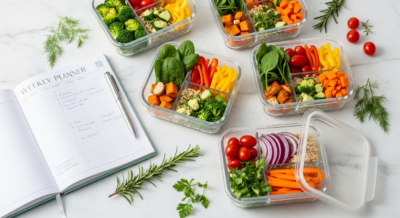
The food we eat is arguably the most direct and potent tool we have to influence our gut microbiome. Think of your gut as a garden, and the foods you consume are the soil and nutrients that determine what flourishes there. Prioritizing nutrient-dense, whole foods while reducing processed irritants is the bedrock of gut health.
Embrace a Fiber-Rich Diet: Feed Your Good Bacteria
Fiber isn’t just for regularity; it’s the primary fuel source for the beneficial bacteria in your gut. These bacteria ferment fiber, producing short-chain fatty acids (SCFAs) like butyrate, which are crucial for maintaining the integrity of your gut lining, reducing inflammation, and even influencing mood.
- Prebiotic Powerhouses: These specific types of fiber pass undigested into the large intestine, where they feed your good gut bacteria. Incorporate foods like garlic, onions, leeks, asparagus, bananas (especially slightly green ones), apples with skin, oats, and flaxseeds into your daily meals.
- Variety is Key: Don’t just stick to one type of fiber. Different fibers nourish different strains of bacteria, promoting a diverse and resilient microbiome. Aim for a wide array of colorful fruits, vegetables, legumes, and whole grains.
- Gradual Introduction: If you’re new to a high-fiber diet, introduce fiber slowly to avoid digestive discomfort like bloating or gas. Increase your intake gradually over several weeks, allowing your gut to adjust.
Fermented Foods: Your Gut’s Best Friends
- Yogurt and Kefir: Choose plain, unsweetened varieties with live and active cultures. Dairy-free options made from coconut, almond, or cashew milk are also excellent choices if you’re sensitive to dairy.
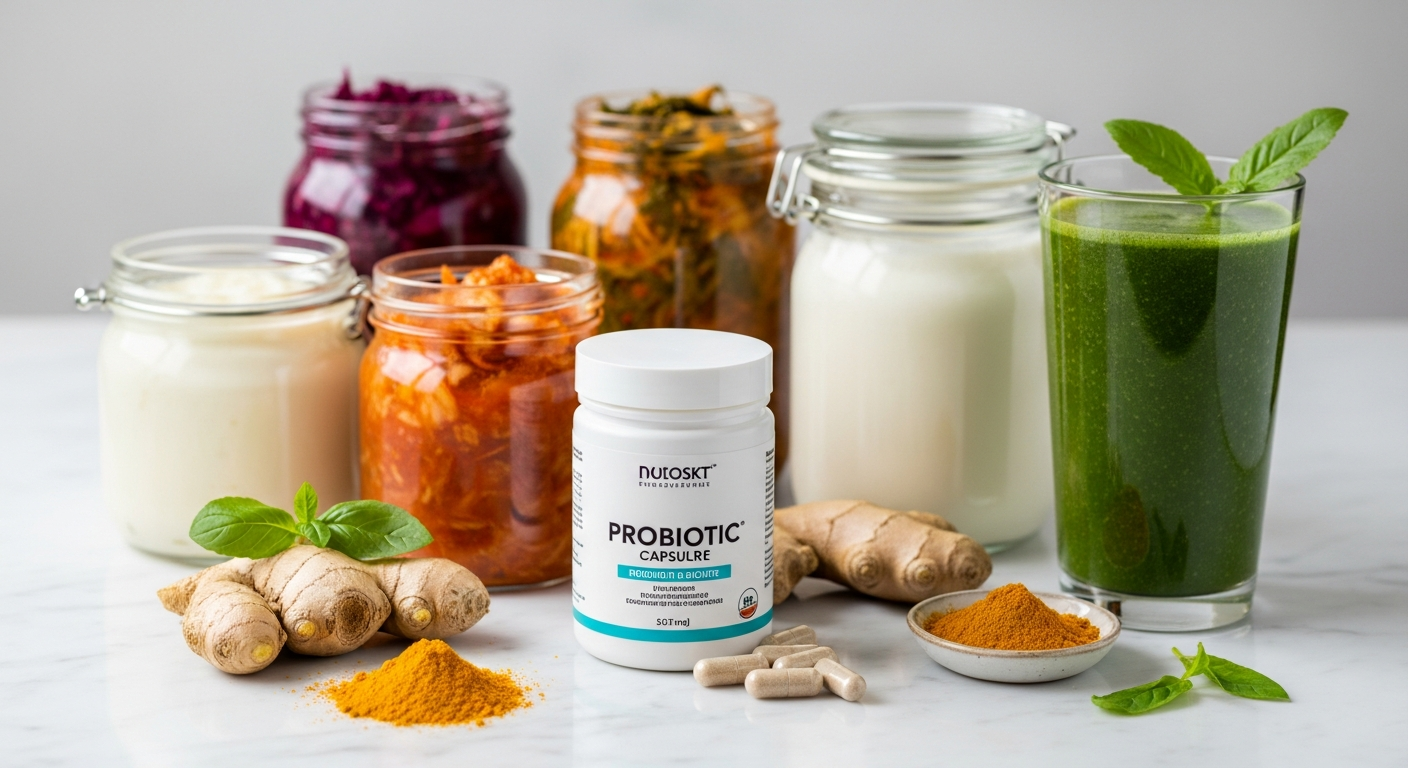
- Sauerkraut and Kimchi: These fermented cabbage dishes are not only delicious but packed with probiotics. Look for raw, unpasteurized versions in the refrigerated section of your grocery store, as heat processing can destroy beneficial bacteria.
- Kombucha: A fermented tea beverage, kombucha offers a refreshing way to boost your probiotic intake. Be mindful of sugar content in some brands; opt for lower-sugar varieties.
- Miso and Tempeh: Fermented soy products like miso (a savory paste used in soups) and tempeh (a firm, nutty cake) are great plant-based sources of probiotics and protein.
Actionable Tip: Start by incorporating one serving of a fermented food into your diet daily. For example, a dollop of plain yogurt with your breakfast, a side of sauerkraut with lunch, or a small glass of kombucha in the afternoon. Consistency is more important than quantity when you’re first starting.
The Anti-Inflammatory Approach: What to Include and Exclude
Chronic inflammation can severely damage the gut lining and disrupt the delicate balance of your microbiome. Focusing on an anti-inflammatory diet can significantly improve gut health.
- Load Up on Omega-3s: Found in fatty fish (salmon, mackerel, sardines), chia seeds, flaxseeds, and walnuts, omega-3 fatty acids are powerful anti-inflammatory agents.
- Spice it Up: Turmeric, ginger, and garlic possess potent anti-inflammatory properties. Incorporate them generously into your cooking.
- Say No to Processed Foods: Highly processed foods, refined sugars, artificial sweeteners, and unhealthy trans fats can fuel inflammation and feed undesirable gut bacteria. Minimize or eliminate these from your diet.
- Cook at Home: Taking control of your ingredients allows you to choose fresh, whole foods and avoid hidden inflammatory culprits often found in restaurant or pre-packaged meals.
Hydration & Thoughtful Eating: Essential Habits for Digestive Wellness
Beyond the specific foods you choose, how you eat and drink plays a monumental role in your digestive efficiency and overall gut health. These simple habits are often overlooked but are incredibly impactful.
The Power of Pure Water: The Unsung Hero of Digestion
Adequate hydration is absolutely critical for digestive health. Water helps break down food, allows nutrients to be absorbed, and keeps waste moving smoothly through your digestive tract, preventing constipation.
- Aim for Optimal Intake: A general guideline is to drink half your body weight in ounces of water daily. For example, if you weigh 140 lbs, aim for 70 ounces (about 8-9 glasses). Adjust based on activity level and climate.
- Don’t Chug: Sip water consistently throughout the day rather than drinking large amounts all at once, which can dilute digestive enzymes.
- Enhance Your Water: Add slices of cucumber, lemon, lime, or mint for a refreshing flavor boost and an extra dose of beneficial compounds.
Digestive Bitters & Apple Cider Vinegar: Kickstarting Your Digestion
Sometimes, our digestive systems need a little nudge to produce enough stomach acid and enzymes for optimal breakdown of food.
- Apple Cider Vinegar (ACV): Raw, unfiltered apple cider vinegar can help stimulate stomach acid production. Mix 1-2 tablespoons in a glass of water and drink about 15-20 minutes before meals. Be sure to dilute it significantly to protect your tooth enamel.
- Digestive Bitters: These herbal extracts contain bitter compounds that stimulate the production of digestive juices, including stomach acid, bile, and enzymes. A few drops on your tongue before meals can prepare your digestive system for food.
Mindful Eating Practices: Slow Down for Better Digestion
How you approach your meals is almost as important as what’s on your plate. Rushing through meals or eating while stressed can hinder digestion.
- Chew Thoroughly: Digestion begins in the mouth. Chewing your food until it’s nearly liquid significantly reduces the workload on your stomach and intestines, allowing for better nutrient absorption and preventing indigestion. Aim for 20-30 chews per bite.
- Eat in a Relaxed State: When you’re stressed, your body diverts energy away from digestion. Create a calm environment for meals, turn off distractions, and take a few deep breaths before eating.
- Listen to Your Body: Pay attention to hunger and fullness cues. Eating slowly allows your brain time to register satiety, preventing overeating and unnecessary digestive strain.
- Don’t Drink Too Much During Meals: While hydration is key, consuming large quantities of liquids during meals can dilute digestive enzymes. Sip water if needed, but save most of your fluid intake for between meals.
The Gut-Brain Axis: Managing Stress and Sleep for a Healthier Microbiome
The connection between your gut and your brain, known as the gut-brain axis, is profound. Stress and poor sleep don’t just affect your mood; they directly impact your digestive health and the composition of your gut microbiome.
Stress Management for a Happy Gut
Chronic stress can alter gut motility, increase gut permeability (“leaky gut”), and change the balance of gut bacteria, potentially leading to symptoms like IBS, indigestion, and heightened sensitivity to food.
- Practice Mindfulness and Meditation: Even 5-10 minutes a day can significantly reduce stress hormones. Apps like Calm or Headspace offer guided meditations.
- Deep Breathing Exercises: Engage your vagus nerve (a key component of the gut-brain axis) with diaphragmatic breathing. Inhale slowly through your nose, feeling your belly expand, and exhale slowly through your mouth.
- Engage in Hobbies You Love: Whether it’s reading, painting, gardening, or playing music, dedicating time to enjoyable activities helps shift your nervous system into a relaxed state.
- Spend Time in Nature: Research shows that spending time outdoors, especially in green spaces, can lower cortisol levels and improve mood, indirectly benefiting gut health.
- Journaling: Expressing your thoughts and feelings on paper can be a powerful way to process stress and gain perspective, reducing its physical impact on your body.
Actionable Tip: Integrate one stress-reduction practice into your daily routine. Even a 5-minute meditation before bed or a mindful walk during your lunch break can make a difference. Consistency builds resilience.
Prioritizing Quality Sleep for Gut Repair
Lack of sleep can impact the gut microbiome, increase inflammation, and disrupt the delicate hormonal balance that influences digestion.
- Maintain a Consistent Sleep Schedule: Go to bed and wake up at roughly the same time each day, even on weekends, to regulate your body’s natural circadian rhythm.
- Create a Relaxing Bedtime Routine: Wind down with a warm bath, herbal tea, reading a physical book, or gentle stretching.
- Optimize Your Sleep Environment: Ensure your bedroom is dark, quiet, and cool. Blackout curtains, earplugs, or a white noise machine can be helpful.
- Limit Screen Time Before Bed: The blue light emitted from phones, tablets, and computers can interfere with melatonin production, a hormone essential for sleep. Try to switch off screens at least an hour before bed.
Movement & Mindful Living: Supporting Your Gut from the Outside In
Our physical activity levels and broader lifestyle choices extend their influence deep into our digestive system. Moving your body and being conscious of environmental factors are integral components of a holistic approach to gut health.
Gentle Exercise for Gut Motility
Regular physical activity doesn’t just benefit your muscles and cardiovascular system; it’s a fantastic way to stimulate gut motility, reduce stress, and promote a healthy gut microbiome.
- Daily Movement: Aim for at least 30 minutes of moderate-intensity exercise most days of the week. This could be brisk walking, cycling, swimming, or dancing.
- Yoga and Pilates: These practices combine physical movement with breathing techniques, which can be particularly beneficial for engaging the vagus nerve and promoting relaxation, directly aiding digestion. Specific twists and stretches can also help stimulate the digestive organs.
- Avoid Over-Training: While exercise is good, excessive, high-intensity training without adequate recovery can actually stress the body and potentially negatively impact gut health. Listen to your body and find a balance.
Environmental Toxins and Your Gut
Our modern environment exposes us to various toxins that can negatively impact gut health, from pesticides in food to chemicals in household products.
- Choose Organic When Possible: Opt for organic fruits and vegetables, especially those on the “Dirty Dozen” list, to reduce exposure to pesticides that can disrupt the gut microbiome.
- Filter Your Water: Invest in a good quality water filter to remove chlorine and other contaminants that can harm beneficial gut bacteria.
- Mind Your Household Products: Opt for natural, non-toxic cleaning supplies and personal care products to minimize exposure to harsh chemicals.
Smart Supplementation: Boosting Your Gut Health When Needed
While a whole-foods diet and healthy lifestyle are paramount, strategic supplementation can offer targeted support, especially when you’re actively working to restore balance or have specific deficiencies. Always consult with a healthcare professional before starting any new supplement regimen.
Probiotics: The Good Guys in a Bottle
Probiotic supplements deliver live beneficial bacteria directly to your gut. They can be particularly helpful after antibiotic use, during periods of stress, or for managing specific digestive issues.
- Choose Wisely: Look for multi-strain probiotics with a high CFU (colony-forming unit) count (billions, not millions). Ensure the product is third-party tested and stored correctly (refrigerated if indicated).
- Specific Strains for Specific Needs: Different probiotic strains offer different benefits. For example, Lactobacillus and Bifidobacterium strains are common and well-researched for general gut health. Discuss your specific concerns with a doctor or nutritionist.
- Consistency is Key: Probiotics are most effective when taken consistently. Give them time to work; results may not be immediate.
Prebiotic Supplements: Feeding Your Existing Flora
Prebiotic supplements, often in the form of fiber powders, provide fuel for your native gut bacteria. They can be a good option if you struggle to get enough prebiotics through diet alone.
- Common Prebiotics: Inulin, FOS (fructooligosaccharides), and GOS (galactooligosaccharides) are common prebiotic fibers found in supplements.
- Start Low, Go Slow: As with dietary fiber, introduce prebiotic supplements gradually to avoid gas and bloating.
Digestive Enzymes: A Helping Hand for Breakdown
Digestive enzyme supplements can assist your body in breaking down food into smaller, more absorbable components, especially if you experience symptoms like bloating, gas, or indigestion after meals.
- Targeted Support: Enzymes can be particularly helpful for those with conditions like pancreatic insufficiency or specific food intolerances (e.g., lactase for lactose intolerance).
- Broad-Spectrum Options: Many supplements offer a blend of enzymes (amylase, lipase, protease) to help break down carbohydrates, fats, and proteins.
Avoid These Gut Disruptors: What to Ditch for Better Digestion
While focusing on what to include in your diet and lifestyle is crucial, understanding what to avoid is equally important for naturally improving your gut health. Some common elements in our modern diets and routines can actively harm your gut microbiome and integrity.
Processed Foods and Artificial Ingredients
These are perhaps the biggest culprits when it comes to gut disruption. They are often stripped of natural fibers and nutrients, loaded with inflammatory oils, and contain chemicals that your gut simply isn’t designed to process.
- Refined Grains: White bread, pastries, and white rice lack the beneficial fiber found in whole grains, often leading to rapid blood sugar spikes and providing less nourishment for gut bacteria.
- Artificial Sweeteners: Emerging research suggests that artificial sweeteners like aspartame, sucralose, and saccharin can negatively alter the gut microbiome and potentially lead to glucose intolerance.
- Emulsifiers and Thickeners: Found in many processed foods to improve texture and shelf life, ingredients like carrageenan and carboxymethylcellulose have been linked to gut inflammation and dysbiosis in some studies.
- Trans Fats and Hydrogenated Oils: Commonly found in fried foods, fast food, and many baked goods, these fats are highly inflammatory and detrimental to overall health, including gut integrity.
Excessive Sugar Intake
Beyond being a source of empty calories, excessive sugar consumption directly impacts your gut health.
- Feeds Harmful Bacteria: Sugar is a favorite food source for pathogenic bacteria and yeasts, like Candida, potentially leading to an overgrowth and an imbalanced microbiome (dysbiosis).
- Promotes Inflammation: High sugar intake can contribute to systemic inflammation, which can compromise the gut lining and lead to increased gut permeability.
- Impacts Gut Motility: Some studies suggest that high-sugar diets can slow down gut transit time, contributing to constipation.
Unnecessary Antibiotic Use
Antibiotics are life-saving medications when necessary, but their indiscriminate use can wreak havoc on your gut microbiome.
- Wipes Out Good and Bad Bacteria: While fighting off harmful infections, antibiotics also destroy beneficial gut bacteria, leading to a significant reduction in microbial diversity.
- Increased Susceptibility: A depleted microbiome leaves you more vulnerable to opportunistic infections and dysbiosis.
- Post-Antibiotic Recovery: If you must take antibiotics, prioritize replenishing your gut flora with probiotics and fermented foods during and after the course. Discuss timing with your doctor to ensure effectiveness.
By consciously reducing or eliminating these common gut disruptors, you create a more hospitable environment for your beneficial bacteria to thrive, naturally paving the way for improved digestion and overall health.
Conclusion: Your Journey to a Happier Gut Starts Now
Embarking on a journey to improve your gut health naturally at home is one of the most empowering steps you can take for your overall well-being. From nourishing your body with fiber-rich foods and embracing the magic of fermentation to mastering stress and sleep, every choice you make contributes to the intricate ecosystem within you. It’s not about perfection, but about consistent, mindful effort.
Remember, true wellness is a marathon, not a sprint. Start with small, manageable changes. Perhaps you’ll commit to adding one serving of fermented food daily, or dedicating ten minutes to mindful breathing. Listen to your body, be patient with yourself, and celebrate every step of progress. By nurturing your gut, you’re not just alleviating symptoms; you’re investing in boundless energy, clearer skin, a sharper mind, and a more resilient you. You have the power to transform your inner world and unlock a vibrant, contextual life.