

From Student to Teacher: The Transformative Journey of Kundalini Yoga Training
The ancient practice of Kundalini Yoga has long been celebrated for its profound impact on the body, mind, and spirit. As a dynamic blend of physical postures, breathwork, and meditation, this form of yoga is designed to awaken the energy at the base of the spine and encourage it to rise through the chakras. For those looking to deepen their spiritual practice and share it with others, Kundalini Yoga teacher training offers an invaluable opportunity for growth and transformation. This comprehensive journey, from foundational practices to becoming an inspiring instructor, cultivates not just technical expertise but also fosters personal growth, spiritual depth, and a heartfelt connection to a global community bound by the pursuit of higher consciousness. Continue reading to journey through the vital steps from embracing the basics to becoming an inspiring instructor.
By Anya Sharma, Certified Kundalini Yoga Instructor & Holistic Wellness Coach
Anya Sharma is a passionate advocate for intentional living and holistic well-being. With over a decade of personal practice and five years as a certified Kundalini Yoga instructor, Anya guides individuals on their journey to self-discovery and empowerment. Her teachings emphasize the integration of ancient wisdom with modern life, fostering balance and spiritual growth.
What are the Fundamentals of Kundalini Yoga?
Beginning the journey toward becoming a Kundalini Yoga instructor starts with a solid grasp of its foundational aspects. Students learn about the unique history of this yogic path, which is intertwined with the teachings of Yogi Bhajan and Sikh traditions. Understanding the importance of the Ten Bodies, which include the physical form and subtle energetic layers, sets the stage for a deeper exploration of the self.
History and Philosophy of Kundalini Yoga
Kundalini Yoga, as taught by Yogi Bhajan, is a science of the mind and body that elevates the spirit. Its roots trace back thousands of years, but it was brought to the West by Yogi Bhajan in 1969, who broke the tradition of secrecy to share these powerful teachings with everyone. The philosophy emphasizes the awakening of the Kundalini energy, often depicted as a coiled serpent at the base of the spine, through a systematic practice of Kriyas, breathwork, mantra, and meditation. This awakening is believed to lead to higher consciousness and a deeper connection to one’s true self.
Experiential Learning: Kriyas and Sadhana
The fundamentals extend beyond history and theory. As aspiring instructors immerse themselves in daily practice, they come to experience the transformative power of Kundalini Yoga firsthand. Central to this practice are Kriyas — specific sets of exercises, postures, breath patterns, and mantras designed to create certain energetic effects and psycho-spiritual growth. For example, the “Sat Kriya” is a fundamental practice for awakening Kundalini energy and strengthening the nervous system, while “Spinal Flex” Kriyas improve flexibility and energy flow along the spine. This experiential learning is critical for personal development and future teaching proficiency.
The Yogic Lifestyle and the Ten Bodies
Integrated into these teachings are the principles of the yogic lifestyle, which encompass diet, personal hygiene, and moral conduct. Newcomers to the discipline are encouraged to adopt these practices to support their own growth and to lead by example when they step into the role of teacher. Establishing a personal Sadhana, or daily spiritual practice, becomes a keystone habit that supports all aspects of their development. Furthermore, understanding the “Ten Bodies” is crucial: the Soul Body, Negative Mind, Positive Mind, Neutral Mind, Physical Body, Arcline, Aura, Pranic Body, Subtle Body, and Radiant Body. Each body represents a different aspect of human consciousness and potential, and Kundalini Yoga practices are designed to balance and strengthen all of them, leading to holistic well-being.
What Challenges and Triumphs Await in Advanced Kundalini Techniques?

Advancing in Kundalini Yoga involves diving into more complex techniques and meditations. Students begin to challenge themselves with longer Kriyas and meditations that may last anywhere from 31 to 62 minutes or longer. This step not only deepens their physical capability but also enhances mental resilience and spiritual connectivity. It’s a profound test of endurance that brings its own set of trials and victories.
Mastering Advanced Kriyas and Meditations
Those who persevere through these challenges often report breakthroughs in their practice. The purification process that unfolds can lead to the release of deep-seated emotional blockages and the experience of heightened states of consciousness. For many, these triumphs provide the first glimpses of their potential as teachers, as they start to embody the transformative power of the practices they’ve been learning. As a practitioner, I’ve personally experienced moments of profound clarity and emotional release during extended meditations, which solidified my understanding of their power and my commitment to the path.
The Role of Pranayama in Kundalini Awakening
Along with advanced Kriyas, the nuances of breathwork, or Pranayama, become more intricate. Mastery over the breath is crucial, as it directly affects the flow of Kundalini energy. Techniques like “Breath of Fire” or “Alternate Nostril Breathing” are practiced with greater precision and duration, allowing for deeper energetic shifts. Learning to guide others through these techniques requires a precise understanding and a high level of personal experience. Skilled instructors can use Pranayama to help their students overcome obstacles and advance in their practice, fostering a sense of calm and vitality.
How Does One Transition From a Kundalini Yoga Student to an Instructor?
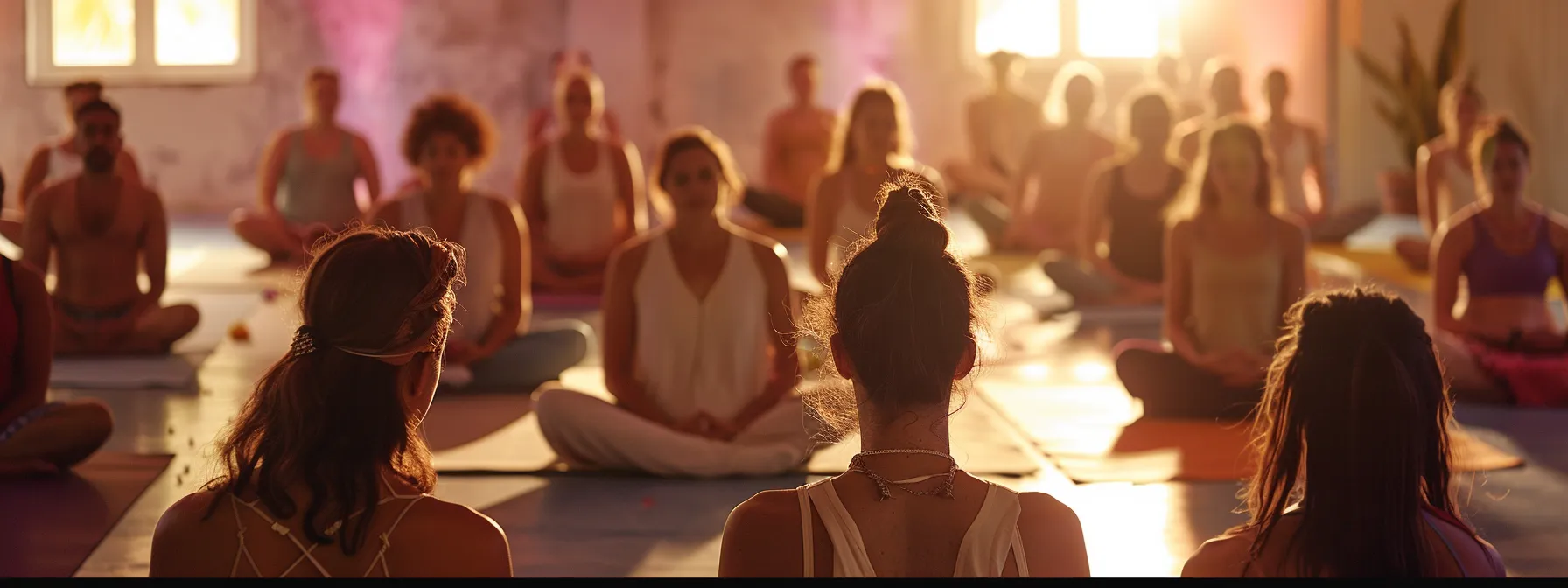
Moving from student to instructor requires a blend of knowledge, confidence, and humility. An effective Kundalini Yoga teacher must thoroughly understand the postures and Kriyas, but also know how to convey this knowledge compassionately to students of all levels. This transition involves learning how to structure classes, manage time, and address the diverse needs of individuals in their care.
Crafting Effective Lesson Plans
Aspiring teachers practice crafting lesson plans that are balanced and insightful, often beginning with teaching their peers as part of their training. These opportunities to teach in a controlled environment are invaluable, as they provide immediate feedback and a chance to refine one’s approach. This iterative learning process is central to developing one’s unique teaching style and voice. Practical advice for aspiring teachers includes starting with short, focused Kriyas, clearly explaining each posture, and always offering modifications to accommodate different body types and experience levels.
Holding Space and Empathic Connection
In addition to the physical aspects of teaching, instructors learn to hold space for their students’ emotional and spiritual experiences. Kundalini Yoga can evoke powerful responses, and a compassionate teacher must be prepared to offer support and guidance. Learning the art of deep listening and empathic connection is part of the curriculum, fortifying the teacher’s capability to foster a healing and empowering environment. This involves creating a safe and non-judgmental atmosphere where students feel comfortable exploring their inner landscape.
What are the Holistic Benefits of Kundalini Yoga Training?
Beyond the path to becoming a teacher, Kundalini Yoga training offers profound benefits for personal holistic well-being. The rigorous practice and deep self-exploration inherent in the training can lead to significant improvements in various aspects of life:
- Enhanced Mental Clarity and Focus: Regular meditation and Kriya practice sharpen the mind, improve concentration, and reduce mental fog.
- Increased Emotional Resilience: By processing deep-seated emotions and strengthening the nervous system, practitioners develop a greater capacity to navigate stress and emotional challenges.
- Improved Physical Health: The dynamic postures and breathwork enhance flexibility, strengthen the core, improve circulation, and boost overall vitality.
- Deeper Spiritual Connection: The training fosters a profound sense of purpose, inner peace, and connection to a higher consciousness, aligning individuals with their authentic self.
- Stress Reduction: Specific Kriyas and meditations are designed to calm the nervous system, reducing anxiety and promoting relaxation.
- Empowerment and Self-Confidence: Overcoming the challenges of advanced practices builds immense self-trust and confidence, both on and off the mat.
These benefits extend far beyond the yoga studio, impacting relationships, career, and overall life satisfaction, aligning perfectly with the principles of mindfulness and intentional living.
What are the Ethical Responsibilities of a Kundalini Yoga Teacher?
Becoming a Kundalini Yoga teacher is a sacred trust that comes with significant ethical responsibilities. Teachers are not just instructors of physical postures but guides on a spiritual journey. Key ethical considerations include:
- Maintaining Personal Practice: A teacher’s ability to guide others stems from their own consistent and dedicated Sadhana. This ensures authenticity and continued growth.
- Respecting Student Boundaries: Teachers must create a safe and respectful environment, honoring the physical, emotional, and spiritual boundaries of their students.
- Upholding the Teachings: Adhering to the integrity of Kundalini Yoga as taught by Yogi Bhajan, ensuring that practices are taught accurately and with respect for their lineage.
- Professional Conduct: Maintaining professionalism in all interactions, including clear communication, appropriate attire, and punctuality.
- Continuing Education: A commitment to ongoing learning and development, attending workshops, and deepening one’s understanding of the teachings.
- Non-Discrimination: Creating an inclusive environment that welcomes students from all backgrounds, regardless of age, gender, race, religion, or ability.
- Empowering, Not Enabling: Guiding students to find their own inner wisdom and strength, rather than fostering dependence on the teacher.
These responsibilities ensure that the transformative power of Kundalini Yoga is shared in a way that is beneficial, ethical, and empowering for all.
Reviewed by Olivia Sterling, Senior Content Editor — Last reviewed: April 06, 2026