
You’re not alone. Many of us dream of strong, healthy nails that not only look good but also feel robust. The good news is that cultivating beautiful, resilient nails doesn’t require endless salon visits or a professional nail technician on speed dial. It’s entirely achievable from the comfort of your own home, with a bit of knowledge, consistency, and the right approach. This isn’t just about aesthetics; healthy nails are often a reflection of overall well-being.
At The Contextual Life, we believe in empowering women with practical, research-backed advice that fits into their real lives. Today, we’re diving deep into the world of at-home nail care, providing you with the best nail care tips for healthy nails at home. We’ll uncover the secrets to strong cuticles, smooth surfaces, and lasting shine, all while demystifying common myths and offering actionable steps you can implement today. Think of this as your comprehensive guide to transforming your nails from fragile to fabulous, right where you are.
Building a Strong Foundation: The Essentials of Gentle Nail Care
Just like a beautiful house needs a strong foundation, healthy nails begin with proper, gentle care. Over-aggressive techniques and harsh chemicals are often the culprits behind damage. Establishing a mindful routine for cleansing and removal is paramount.
The Art of Polish Removal: Choose Wisely, Remove Gently
- Acetone vs. Non-Acetone Removers: This is a classic nail care debate. While acetone is highly effective at dissolving polish quickly, it can also be very drying to nails and cuticles, stripping away natural oils. If your nails are already prone to dryness or brittleness, opting for a non-acetone remover is a kinder choice. These typically contain ingredients like ethyl acetate or methyl ethyl ketone and are less harsh, though they might require a bit more effort and time to remove stubborn polishes, especially glitter.
- Technique Matters: Don’t scrub vigorously! Saturate a cotton pad with remover, press it onto your nail for 10-20 seconds to allow the polish to soften, then gently wipe away in one swipe, moving from cuticle to tip. For stubborn polishes, repeat the press-and-wipe motion, rather than scrubbing back and forth, which can be abrasive and spread pigment onto the skin.
- Post-Removal Hydration: Always, always wash your hands thoroughly with soap and water after removing polish to get rid of any residue. Follow up immediately with a rich hand cream or cuticle oil to replenish moisture.
Keeping Nails Clean Without Causing Damage
Cleanliness is key to preventing infections and maintaining nail health, but it doesn’t mean aggressive scrubbing.
- Soft Brush for Gentle Cleaning: Instead of using harsh tools to dig under your nails, opt for a soft nail brush (an old toothbrush works wonders!). Use it with mild soap and water to gently clean the underside of your nails and around the cuticles. This removes dirt and debris without scraping the delicate nail plate or pushing back cuticles improperly.
- Avoid Over-Soaking: While a quick soak can soften cuticles for pushing, prolonged exposure to water, especially hot water, can cause nails to swell and then contract as they dry. This expansion and contraction can lead to peeling and weakening. If you’re doing dishes or spending a lot of time with your hands in water, wear gloves (more on this later!).
Mastering the Manicure: Shaping, Buffing, and Cuticle Care at Home
Once your nails are clean, the real artistry begins. This section is all about the techniques that transform your nails from rough edges to refined elegance, focusing on proper shaping, the benefits of buffing, and the often-misunderstood art of cuticle care.
The Art of Filing and Shaping for Strength
Incorrect filing is a common cause of nail breakage and peeling. Think of your nails as layers; aggressive, back-and-forth sawing can separate these layers, leading to damage.
- File in One Direction: Always file from the side of your nail towards the center, in one smooth motion. Avoid the notorious “seesaw” motion, which frays the nail edge and contributes to splitting.
- Choose the Right Grit: Nail files come in various grits. A coarser grit (around 100-180) is good for shaping stronger nails, while a finer grit (240 and above) is ideal for finishing, smoothing, and for weaker nails. Glass files are an excellent investment as they are gentle, durable, and can be easily sanitized.
- Shape for Strength: While square nails are trendy, they can be more prone to snagging and breaking at the corners. For overall strength and fewer breaks, consider a “squoval” (a square with rounded corners) or oval shape. These shapes distribute stress more evenly across the nail plate. Your natural nail bed shape can also guide your ideal nail shape.
- Length Management: Keep nails at a manageable length. While long nails can be stunning, they are also more susceptible to breakage, especially if you lead an active lifestyle. Trim or file them regularly to maintain your desired length and prevent accidental damage.
The Truth About Cuticles: Push, Don’t Cut!
Your cuticles are your nails’ natural protective barrier, sealing the nail matrix from bacteria and infection. Cutting them can open the door to problems.
- Soften First: After showering or a brief hand soak (no more than 5 minutes!), your cuticles will be softer and more pliable.
- Gentle Pushing: Use a wooden orange stick or a specialized cuticle pusher to gently push back the cuticles. Do this carefully, just enough to reveal more of the nail plate. Don’t force them or push too far, which can damage the delicate growth area of your nail.
- Trim Only Hangnails: If you have actual hangnails (small pieces of skin tearing away from the side of the nail), carefully trim them with clean, sharp cuticle nippers. Never cut the cuticle itself.
- Hydrate Always: Cuticle oil is your best friend. Applying it daily keeps cuticles soft, prevents dryness, and promotes healthier nail growth. Look for oils with ingredients like jojoba, almond, or vitamin E.
Buffing for Shine and Circulation
Buffing is often misunderstood. When done correctly and sparingly, it can enhance your nail’s natural appearance and even stimulate blood flow.
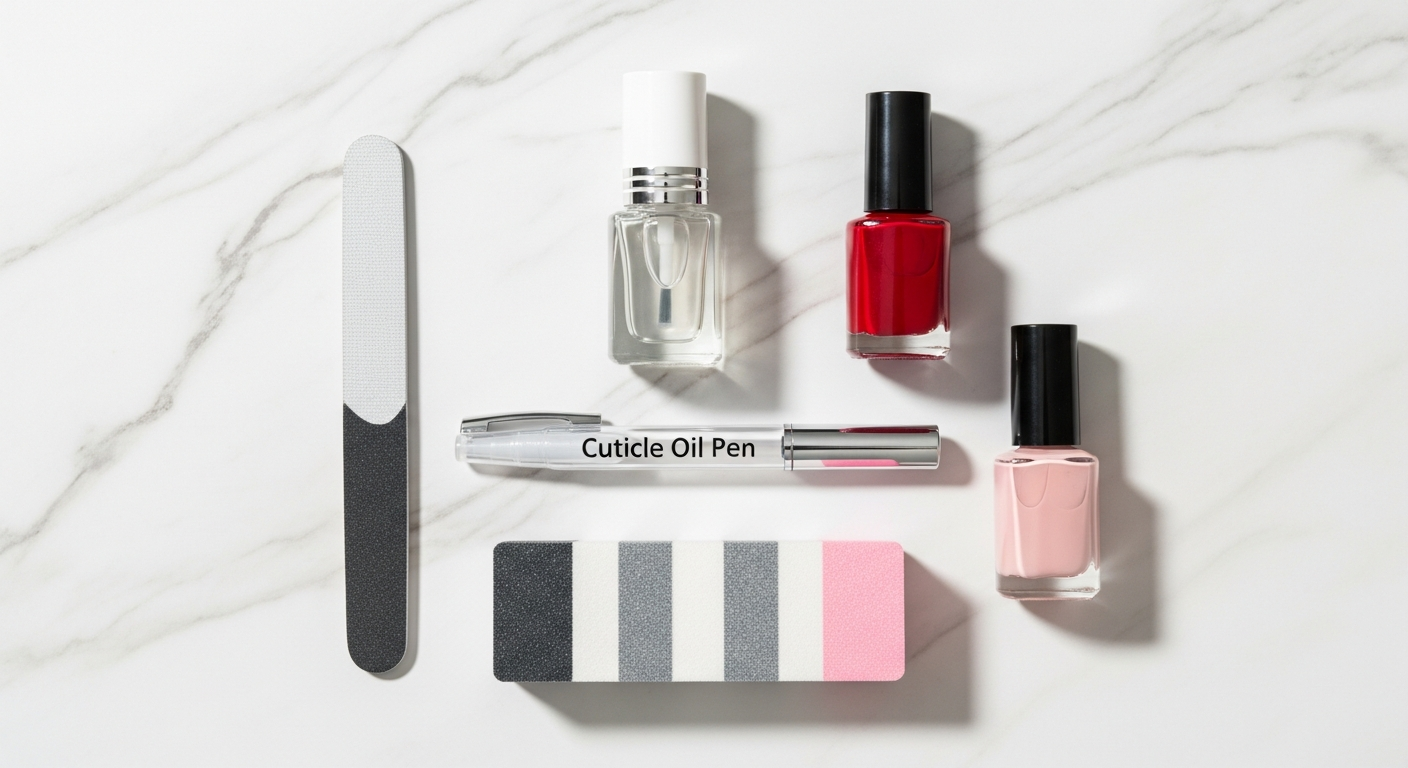
- Choose a Quality Buffer: A multi-sided buffer block is best. Follow the numbers/steps indicated on the buffer: coarser sides for smoothing ridges, finer sides for polishing and shine.
- Moderate Use: Buff your nails no more than once a week, or even less frequently if you notice your nails thinning. Over-buffing can thin the nail plate, making it weaker and more susceptible to damage.
- Benefits: Buffing removes minor ridges, creates a smooth surface for polish application, and stimulates blood circulation in the nail bed, which can support healthier growth. It also imparts a beautiful natural sheen, perfect for those days you want a polish-free look.
Incorporating these techniques into your routine will not only improve the appearance of your nails but also significantly boost their underlying health and resilience.
Hydration and Nourishment: The Secret to Supple Nails
Dryness is the arch-nemesis of healthy nails. Just like your skin, your nails and the surrounding cuticles thrive on moisture. Prioritizing hydration, both internally and externally, is one of the most effective best nail care tips for healthy nails at home you can adopt.
External Hydration: Moisturizing From the Outside In
- Hand Cream is Non-Negotiable: Make a habit of applying a good quality hand cream several times a day, especially after washing your hands. Look for creams with ingredients like shea butter, glycerin, hyaluronic acid, ceramides, and natural oils. Don’t just rub it into your hands; massage it into your nails and cuticles too.
- The Power of Cuticle Oil: This is a game-changer. Cuticle oil nourishes the nail matrix (where the nail grows from), keeps cuticles soft and pliable, and helps prevent hangnails and brittleness.
- Application: Apply a drop to each cuticle and gently massage it in. Do this daily, or even twice a day, especially before bed.
- Key Ingredients to Look For: Jojoba oil (mimics natural skin oils), almond oil, avocado oil, grapeseed oil, vitamin E. Many brands offer convenient brush-on pens for easy application throughout the day.
- Overnight Treatments: For an intensive boost, apply a generous layer of cuticle oil or a rich, thick hand balm to your nails and cuticles before bed. For an extra spa-like treatment, wear cotton gloves overnight to help the product penetrate deeper. This is particularly beneficial during colder, drier months or if your nails are severely dry.
- Petroleum Jelly Hack: A simple, inexpensive option is to use petroleum jelly (like Vaseline) on your cuticles and nails. It acts as an occlusive barrier, sealing in existing moisture and preventing further water loss. Apply a small amount and massage it in.
Internal Hydration: Drinking Your Way to Stronger Nails
What you put into your body has a direct impact on the health of your nails. Proper hydration is fundamental.
- Water, Water, Water: Dehydration can lead to dry, brittle nails that are prone to breaking and peeling. Ensure you’re drinking adequate amounts of water throughout the day. Aim for at least 8 glasses, but listen to your body and adjust based on your activity level and climate.
- Nourishing Foods: A diet rich in essential nutrients supports strong nail growth. We’ll delve deeper into this in a later section, but for now, remember that hydration is not just about water, but also about the water content in fruits and vegetables.
“Think of your nails like tiny sponges. When they’re dry, they’re stiff and brittle. When they’re hydrated, they become flexible and resilient. Consistent moisturizing is the key to unlocking that flexibility.”
By making hydration a cornerstone of your daily routine, you’ll notice a significant improvement in the strength, flexibility, and overall appearance of your nails. It’s a simple, yet profoundly effective step towards achieving those coveted healthy nails at home.
Choosing the Right Products: Smart Selections for Lasting Nail Health
The market is flooded with nail products, from polishes to strengtheners to treatments. Navigating this landscape can be overwhelming. Making informed choices about what you apply to your nails is crucial for maintaining their health and avoiding potential damage.
The Smart Approach to Polishes and Treatments
- “Free” Polishes are Your Friends: You’ve probably seen labels like “3-free,” “5-free,” “7-free,” or even “10-free.” These numbers refer to the common toxic chemicals often found in nail polishes that have been linked to health concerns and nail damage.
- 3-Free: Free of Formaldehyde, Toluene, and Dibutyl Phthalate (DBP).
- 5-Free: Adds Formaldehyde Resin and Camphor to the list.
- 7-Free and Beyond: Excludes even more potentially harmful ingredients like parabens, xylene, triphenyl phosphate (TPHP), and ethyl tosylamide.
Opting for higher “free” formulations reduces your exposure to harsh chemicals and is gentler on your nails and overall health.
- Quality Base Coats are Essential: A good base coat does more than just help your polish last longer. It creates a protective barrier between your natural nail and the polish pigment, preventing staining (especially with darker colors). It also provides a smooth surface for a flawless application and can offer additional benefits like strengthening or ridge-filling.
- Top Coats for Protection and Shine: A top coat seals your manicure, adds incredible shine, and protects your polish from chipping and fading. Reapplying a top coat every few days can significantly extend the life of your manicure and add an extra layer of protection to your nails.
- Nail Strengtheners – Use with Caution: While strengtheners can be beneficial for weak, peeling nails, they often contain formaldehyde or other hardening agents. Used excessively, these can actually make nails more brittle, leading to breakage.
- How to Use: If your nails are truly weak, use a strengthener for a limited period (e.g., 2-4 weeks), then take a break. Alternate with nourishing treatments and cuticle oil.
- Look for Alternatives: Consider strengtheners that focus on protein, biotin, or calcium for internal repair rather than just external hardening.
When to Embrace a Break from Polish
While wearing polish can offer a layer of protection, especially for weaker nails, it’s also wise to give your nails a “breather” periodically. Constant polish application, especially with darker shades or gel polishes, can sometimes lead to dryness, yellowing, or overall weakness.
- Scheduled Breaks: Aim for at least a few days, or even a week, without polish every month or two. This allows your nails to rehydrate naturally and “breathe.”
- During Breaks: Focus on intense hydration with cuticle oil and hand cream. Gently buff for natural shine.
“Think of your nail polish as makeup for your nails. Just like your skin needs to breathe, so do your nails. Intentional breaks allow them to reset and rejuvenate.”
By being a discerning consumer and understanding the purpose and ingredients of your nail products, you can make choices that actively contribute to the long-term health and vitality of your nails.
Protecting Your Nails: Daily Habits for Long-Term Strength
Even the healthiest nails can suffer if not protected from daily wear and tear. Our hands are constantly exposed to various elements and tasks, and without conscious effort, our nails often take the brunt of it. Incorporating protective habits into your routine is one of the most practical best nail care tips for healthy nails at home.
Gloves: Your Nails’ Unsung Heroes
This is arguably the simplest and most effective way to protect your nails from damage.
- For Household Chores: Whenever you’re washing dishes, cleaning with harsh chemicals (even “gentle” ones can be drying), gardening, or doing any task that involves prolonged water exposure or potential physical impact, wear gloves. Dishwashing gloves, cleaning gloves, and gardening gloves are all inexpensive investments that yield significant returns for your nail health. Water exposure can cause nails to expand and contract, leading to peeling, while chemicals are inherently damaging.
- For Cold Weather: In colder climates, wearing gloves outside can protect your hands and nails from drying out due to cold, dry air.
Treat Your Nails Like Jewels, Not Tools
This might sound obvious, but many of us are guilty of using our nails for tasks they weren’t designed for.
- Avoid Prying, Scraping, or Opening: Don’t use your nails to open soda cans, scrape off labels, pry open boxes, or as makeshift screwdrivers. These actions put immense stress on the nail plate and can cause tears, breaks, or even lift the nail from the nail bed.
- Use Proper Tools: Keep a multi-tool or a small knife handy for those everyday tasks that tempt you to use your nails. It’s a small change that makes a big difference.
Breaking Bad Habits: Nail Biting and Picking
Nail biting (onychophagy) and cuticle picking are incredibly common but highly detrimental habits.
- Understand the Damage: These habits don’t just make your nails look unsightly; they can introduce bacteria, lead to infections, damage the nail matrix (which affects future nail growth), and cause chronic pain.
- Strategies to Stop:
- Bitter-Tasting Polishes: Special polishes designed to taste unpleasant can deter biting.
- Keep Nails Manicured: When nails look good, you’re often less inclined to bite or pick. Regular filing and cuticle care can help.
- Identify Triggers: Are you biting when stressed, bored, or anxious? Finding alternative coping mechanisms (e.g., stress ball, fidget spinner, chewing gum, deep breathing) can help.
- Seek Support: If it’s a deeply ingrained habit, consider talking to a therapist or counselor.
Mindful Hand Care
- Sun Protection: Just like the rest of your skin, the skin on your hands and around your nails is susceptible to sun damage. Apply sunscreen to your hands daily, especially if you spend time outdoors or drive frequently (the sun’s rays can penetrate car windows).
- Gentle Typing and Gripping: Be mindful of how you type on keyboards or grip objects. Excessive pressure or repetitive tapping can put stress on your nails.
By adopting these protective habits, you create a shield around your precious nails, allowing them to grow stronger and healthier without constant interference from the rigors of daily life. It’s an investment in their longevity and beauty.
Nutrition and Lifestyle: Fueling Healthy Nails From Within
True beauty, and true nail health, emanates from within. What you eat, how you manage stress, and your overall lifestyle choices play a significant role in the strength, growth, and appearance of your nails. This is where holistic wellness truly intersects with beauty.
The Power Plate: Essential Nutrients for Nail Growth
Your nails are primarily made of keratin, a protein. Therefore, a diet rich in protein and other key nutrients is fundamental.
- Protein Power: Ensure adequate protein intake from sources like lean meats, poultry, fish, eggs, dairy, legumes, nuts, and seeds. Protein is the building block of keratin.
- Biotin (Vitamin B7): Often touted as the “hair and nail vitamin,” biotin is crucial for cell growth and the metabolism of protein-building amino acids.
- Food Sources: Eggs (cooked), almonds, peanuts, walnuts, sweet potatoes, spinach, broccoli, salmon, dairy products.
- Supplements: While biotin supplements are popular, always consult with your doctor before starting any new supplement, as excessive intake can sometimes interfere with medical tests. Most people can get enough biotin from a balanced diet.
- Iron: Iron deficiency (anemia) can lead to brittle nails, often with a concave or “spoon-shaped” appearance (koilonychia).
- Food Sources: Red meat, poultry, fish, spinach, kale, fortified cereals, beans, lentils. Pair iron-rich foods with vitamin C (citrus, bell peppers) to enhance absorption.
- Zinc: Essential for cell division and growth, zinc deficiency can manifest as white spots on nails (though often harmless, sometimes it indicates a deficiency).
- Food Sources: Oysters, red meat, poultry, beans, nuts, whole grains.
- Omega-3 Fatty Acids: These healthy fats help keep nails moisturized and can reduce inflammation.
- Food Sources: Fatty fish (salmon, mackerel, sardines), flaxseeds, chia seeds, walnuts.
- Vitamin C: Important for collagen production, which supports nail structure. It also aids in iron absorption.
- Food Sources: Citrus fruits, bell peppers, strawberries, kiwi, broccoli.
Hydration Revisited: Beyond Just Water
While we discussed external hydration, remember that proper internal hydration supports overall skin and nail health. Water helps transport nutrients to your nails and keeps them flexible.
The Impact of Stress and Sleep
Stress isn’t just a mental burden; it manifests physically, and your nails can be an indicator.
- Stress Management: Chronic stress can disrupt the body’s natural processes, affecting nail growth and leading to habits like nail biting or picking. Incorporate stress-reducing activities like meditation, yoga, deep breathing exercises, spending time in nature, or hobbies you enjoy.
- Adequate Sleep: Sleep is when your body repairs and regenerates. Sufficient, quality sleep is vital for overall health, including the health of your nails. Aim for 7-9 hours of uninterrupted sleep per night.
“Your nails are a silent storyteller of your inner health. Nurture your body with wholesome foods, manage stress effectively, and prioritize rest, and your nails will reflect that vibrant well-being.”
By embracing a holistic approach that prioritizes nutrition, hydration, and a balanced lifestyle, you’re not just treating your nails from the outside; you’re building their strength and beauty from their very core. This comprehensive approach is at the heart of the best nail care tips for healthy nails at home.
Recognizing and Addressing Common Nail Issues
Even with the best at-home care, our nails can sometimes present challenges. Understanding common nail issues and knowing when to seek professional advice is part of a comprehensive nail care strategy. Remember, your nails can offer clues about your overall health.
Brittle and Peeling Nails
This is one of the most common complaints and can be due to a variety of factors.
- Causes:
- Dehydration: Lack of moisture, both internal and external.
- Harsh Chemicals: Overexposure to nail polish removers (especially acetone), cleaning products, or detergents without gloves.
- Trauma: Using nails as tools, aggressive filing, or repetitive impact.
- Nutritional Deficiencies: Lack of biotin, iron, or protein.
- Medical Conditions: Hypothyroidism, Raynaud’s syndrome, or fungal infections.
- Solutions: Intensify hydration (cuticle oil, hand cream, water intake), wear gloves for chores, use gentler removers, avoid nail-as-tool habits, ensure a nutrient-rich diet. Consider a temporary nail strengthener (used carefully) if not caused by excessive hardening.
Yellow or Discolored Nails
Nail discoloration can range from harmless to indicative of an underlying issue.
- Causes:
- Staining from Dark Polish: Most common, especially without a base coat.
- Smoking: Nicotine can stain nails.
- Fungal Infection: Often accompanied by thickening, crumbling, or separation of the nail.
- Medical Conditions: Less commonly, conditions like diabetes, psoriasis, or certain lung diseases.
- Certain Medications: Some drugs can cause nail discoloration.
- Solutions: Always use a base coat. Take polish breaks. If you suspect a fungal infection (thickening, foul smell, crumbling), consult a doctor or dermatologist for diagnosis and treatment. Quit smoking.
Ridges and Grooves
Most nails have some vertical ridges, which are usually harmless and become more prominent with age.
- Causes:
- Aging: Normal part of the aging process.
- Dehydration: Can exacerbate their appearance.
- Nutritional Deficiencies: Rarely, severe deficiencies.
- Trauma: Damage to the nail matrix (e.g., impact near the cuticle) can cause horizontal ridges (Beau’s lines), which grow out with the nail. These can also be caused by severe illness or stress.
- Solutions: Keep nails well-hydrated. Gently buff to smooth appearance (don’t overdo it!). If new, deep horizontal ridges appear, consider if you’ve experienced significant stress or illness recently, and consult a doctor if concerned.
White Spots (Leukonychia)
These small white spots or lines are usually harmless.
- Causes:
- Minor Trauma: Bumping or hitting your nail. This is the most common cause.
- Allergic Reaction: To polish, hardener, or remover.
- Mild Zinc Deficiency: Less common, but possible.
- Solutions: Protect your nails from trauma. Ensure a balanced diet. If they persist or concern you, mention it to your doctor. They typically grow out with the nail.
When to See a Professional
While many nail issues can be addressed with diligent at-home care, some require medical attention. Consult a doctor or dermatologist if you notice:
- Persistent Pain or Swelling: Around the nail or cuticle.
- Severe Discoloration: Especially dark streaks under the nail (could be a sign of melanoma) or green discoloration (bacterial infection).
- Changes in Nail Shape or Thickness: That are severe or unexplained.
- Signs of Infection: Redness, pus, warmth, or increasing pain.
- Nail Separation: Where the nail lifts from the nail bed (onycholysis).
- If At-Home Treatments Fail: For issues like persistent fungal infections, your doctor can prescribe effective treatments.
Being attentive to your nails and understanding their signals empowers you to take prompt action, ensuring both their beauty and your overall health.
Conclusion: Your Journey to Confident, Healthy Nails Begins Now
We’ve journeyed through the world of at-home nail care, demystifying the process and equipping you with a wealth of knowledge. From choosing the right removers and mastering gentle filing techniques to understanding the profound impact of hydration and nutrition, you now have the tools and insights to cultivate the strong, beautiful nails you’ve always desired.
Remember, achieving healthy nails isn’t about perfection; it’s about consistency, mindfulness, and treating your nails with the same care and respect you give to the rest of your body. It’s a journey, not a destination, and every small, intentional step you take makes a difference. Embrace the routine, listen to what your nails are telling you, and revel in the satisfaction of nurturing them from within and without.
At The Contextual Life, we believe that self-care is a powerful act, and tending to your nails is a beautiful facet of that. These best nail care tips for healthy nails at home are designed to be integrated seamlessly into your busy life, offering practical elegance and lasting well-being. So, go ahead, try out a new cuticle oil, swap your harsh remover for a gentler alternative, or simply remember your gloves for dish duty. Your nails, and your confidence, will thank you.
Here’s to strong, vibrant, and healthy nails that truly reflect your inner glow. You’ve got this!