


At The Contextual Life, we understand this struggle intimately. We know you’re not looking for quick fixes or empty platitudes, but rather grounded, actionable strategies that fit into your real, busy life. This isn’t about ignoring your feelings or forcing a perpetual state of “high energy”; it’s about learning to navigate the ebbs and flows, building resilience, and equipping yourself with a toolkit to gently coax yourself back to a place of vitality and purpose. Consider this your comprehensive guide, designed to offer practical wisdom and a compassionate hand as you journey back to feeling like your most vibrant self.
Acknowledging the Dip: It’s Okay to Not Be Okay
Before we dive into solutions, let’s start with a crucial truth: it’s perfectly normal to feel low. In our fast-paced, often perfectionistic world, there’s an unspoken pressure to always be “on” – productive, happy, and thriving. But life simply doesn’t work that way. Experiencing periods of low motivation and decreased energy is a universal human experience, not a personal failing. Suppressing these feelings or chastising yourself for having them only makes the climb back harder.
Think of your emotional and energy reserves like a battery. Sometimes, they just run low. This could be due to:
- Chronic Stress or Burnout: The relentless demands of work, family, and personal life can deplete your reserves.
- Lack of Sleep: A consistent deficit in quality rest is a primary energy drain.
- Nutritional Imbalances: Poor diet, dehydration, or skipping meals can significantly impact mood and energy.
- Lack of Movement: Paradoxically, inactivity often exacerbates fatigue.
- Emotional or Mental Overload: Grief, anxiety, depression, or even significant life changes (positive or negative) can be mentally exhausting.
- Seasonal Affective Disorder (SAD): Shorter days and less sunlight can impact mood and energy for many.
- Hormonal Fluctuations: Menstrual cycles, perimenopause, or thyroid imbalances can all play a role.
The first step in learning how to stay motivated and energized when feeling low is simply to acknowledge where you are without judgment. Say to yourself, “I’m feeling low right now, and that’s okay. It’s a temporary state, and I have the tools to navigate it.” This act of self-compassion is foundational. It shifts you from a place of resistance and self-criticism to one of gentle curiosity and self-care. When you understand that these feelings are signals, not sentences, you open the door to finding meaningful solutions.
What to Do When You Feel the Dip:
- Pause and Reflect: Instead of pushing through, take a moment to ask yourself what might be contributing to the low feeling. Is it lack of sleep? Too much on your plate? An unaddressed emotion?
- Name the Emotion: Simply identifying what you’re feeling (e.g., “I feel overwhelmed,” “I feel exhausted,” “I feel sad”) can reduce its power.
- Resist the Urge to Blame: Avoid falling into the trap of self-criticism. This isn’t about what you “should” be doing; it’s about what you need now.
- Communicate (If Possible): Let a trusted friend, partner, or colleague know you’re having a tough time. Even a simple “I’m feeling a bit drained today” can lift a weight.
Rebuilding Your Foundational Pillars of Well-being
1. Prioritize Quality Sleep
Sleep is the ultimate reset button. Chronic sleep deprivation is a direct pathway to low energy, impaired cognitive function, and increased irritability. It’s difficult to feel motivated for anything when your body and mind are constantly fighting a deficit.
- Aim for 7-9 Hours: Figure out your personal sweet spot and try to stick to it, even on weekends.
- Establish a Routine: Go to bed and wake up around the same time each day, training your body’s circadian rhythm.
- Create a Wind-Down Ritual: An hour before bed, dim the lights, put away screens, and engage in calming activities like reading, gentle stretching, or a warm bath.
- Optimize Your Sleep Environment: Ensure your bedroom is dark, quiet, and cool.
- Limit Stimulants: Cut off caffeine and heavy meals several hours before bedtime.
2. Nourish Your Body with Intentional Fuel
What you eat directly impacts your energy levels and mood. Skipping meals, relying on sugary snacks, or consuming highly processed foods can lead to energy crashes and perpetuate feelings of sluggishness.
- Balanced Meals: Focus on whole, unprocessed foods. Include lean proteins, complex carbohydrates (like whole grains, fruits, and vegetables), and healthy fats in each meal. This stabilizes blood sugar and provides sustained energy.
- Hydration is Key: Dehydration is a common culprit for fatigue and brain fog. Keep a water bottle handy and aim for at least 8 glasses of water a day. Herbal teas also count!
- Mindful Snacking: If you need a snack, choose nutrient-dense options like nuts, seeds, fruit, or yogurt over empty calories.
- Don’t Skip Breakfast: Start your day with a nourishing meal to kickstart your metabolism and energy.
3. Incorporate Mindful Movement
When you’re feeling low, the idea of exercise can seem daunting. But even gentle movement can be incredibly powerful in boosting energy and motivation. Physical activity releases endorphins, reduces stress hormones, and improves blood flow to the brain.
- Start Small: Don’t feel pressured to hit the gym for an hour. A 10-15 minute walk around the block, some gentle stretching, or a short yoga flow can make a significant difference.
- Find What You Enjoy: If you dread your workout, you won’t stick with it. Experiment with dancing, gardening, hiking, or cycling.
- Move Throughout the Day: If you have a sedentary job, set a timer to stand up, stretch, or walk for a few minutes every hour.
- Connect with Nature: Taking your movement outdoors exposes you to natural light and fresh air, which can further enhance mood and energy.
Cultivating a Resilient Mindset and Emotional Toolkit
Our thoughts and emotions wield immense power over our energy and motivation. When feeling low, it’s easy to get caught in a spiral of negative self-talk and limiting beliefs. Developing a resilient mindset isn’t about ignoring negativity, but rather about equipping yourself with the tools to navigate it and shift your perspective. This is a critical component of how to stay motivated and energized when feeling low.
1. Practice Radical Self-Compassion
This is arguably the most important tool. Instead of criticizing yourself for feeling low, treat yourself with the same kindness and understanding you would offer a dear friend. Acknowledge your struggle and offer yourself comfort.
- Self-Compassion Break: When you notice yourself feeling low or struggling, try Kristen Neff’s three-part practice:
- Mindfulness: “This is a moment of suffering.” (Acknowledge your pain without judgment.)
- Common Humanity: “Suffering is a part of life.” (Remind yourself that all humans experience pain and struggle.)
- Self-Kindness: “May I be kind to myself in this moment.” (Offer yourself gentle words, a soothing touch, or a comforting action.)
- Talk to Yourself Like a Friend: What would you say to a friend who was feeling exactly what you’re feeling? Say that to yourself.
2. Challenge Negative Thought Patterns
Our minds are powerful storytellers, and when we’re feeling low, they often default to negative narratives. Learning to identify and gently challenge these thoughts can prevent them from derailing your motivation.
- Identify the Thought: What exactly is the negative thought? (e.g., “I’m not good enough,” “I’ll never get this done,” “I have no energy for anything.”)
- Question Its Validity: Is this thought 100% true? What evidence do I have to support it? What evidence contradicts it?
- Reframe It: Can you find a more balanced or compassionate way to look at the situation? Instead of “I have no energy,” try “I’m feeling low on energy today, but I’ve overcome this before.” Instead of “I’ll never get this done,” try “I can take one small step towards this task.”
3. Cultivate Gratitude (Even for the Smallest Things)
Gratitude shifts your focus from what’s lacking to what’s present and positive. It’s a powerful antidote to feelings of depletion and can subtly boost your mood and motivation.
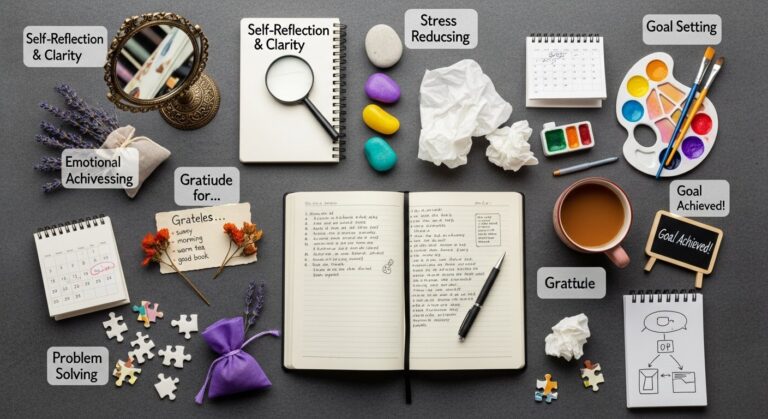
- Gratitude Journal: Dedicate a few minutes each day to write down 3-5 things you’re grateful for, no matter how small. A warm cup of coffee, a sunny window, a kind text.
- Gratitude Walk: As you go about your day, consciously notice things you appreciate in your environment.
- Thank You Notes: Expressing gratitude to others can also uplift your own spirits.
4. Practice Mindfulness and Presence
When energy is low, our minds often jump to future worries or past regrets, further draining us. Mindfulness brings you back to the present moment, where you can find a sense of calm and control.
- Short Meditations: Use guided meditation apps (like Calm or Headspace) for 5-10 minutes. Even just focusing on your breath for a few minutes can make a difference.
- Mindful Sensory Check-in: Take 60 seconds to notice 5 things you can see, 4 things you can hear, 3 things you can feel, 2 things you can smell, and 1 thing you can taste. This grounds you in the present.
- Mindful Activities: Engage in everyday tasks with full awareness – savoring your coffee, truly listening to music, feeling the water in the shower.
Strategic Energy Management: Working Smarter, Not Harder
When motivation and energy are scarce, sheer willpower often isn’t enough. Instead, we need to employ strategic approaches to manage our limited resources and make the most of what we have. This isn’t about doing less, necessarily, but about doing the right things in the right way. Mastering this is key for how to stay motivated and energized when feeling low.
1. Break Down Tasks into Micro-Steps
One of the biggest obstacles when feeling low is the overwhelming feeling of a large task. Our brains see the whole mountain and freeze. The solution? Break it down into tiny, almost ridiculously small, achievable steps.
- The “One Thing” Rule: Instead of “clean the house,” try “put away one item of clothing.” Instead of “write that report,” try “open the document.”
- The 5-Minute Rule: Commit to working on a dreaded task for just five minutes. Often, once you start, momentum builds, and you’ll continue. If not, you can stop, knowing you made progress.
- Visual Checklists: Seeing tangible progress on a checklist, even for small items, provides a sense of accomplishment that can fuel further motivation.
2. Prioritize Relentlessly (The “Must-Dos” vs. “Nice-to-Dos”)
When your energy is limited, everything can’t be a priority. Learn to distinguish between what absolutely needs to get done and what can wait, be delegated, or simply dropped.
- The Urgent/Important Matrix: Categorize tasks into:
- Urgent & Important: Do these first.
- Important, Not Urgent: Schedule these.
- Urgent, Not Important: Delegate or minimize.
- Not Urgent, Not Important: Eliminate.
- Identify Your Top 3: At the start of each day, choose the top 3 most important tasks. Focus on these before anything else. Even if you only accomplish these three, the day is a success.
- Say “No”: Politely decline requests that don’t align with your priorities or that you simply don’t have the energy for. Protecting your boundaries is protecting your energy.
3. Schedule Breaks and Intentional Rest
Rest is not a luxury; it’s a necessity, especially when you’re feeling depleted. Pushing through without breaks only leads to further exhaustion and decreased productivity.
- The Pomodoro Technique: Work for 25 minutes, then take a 5-minute break. After four “Pomodoros,” take a longer 15-30 minute break.
- Micro-Breaks: Step away from your screen, stretch, look out a window, or grab a glass of water every hour.
- Active vs. Passive Rest: Sometimes rest means doing nothing, but other times it means engaging in a restorative activity like reading, listening to music, or light gardening.
4. Leverage Your Peak Energy Times
Pay attention to your own natural energy rhythms. Are you a morning person or a night owl? Schedule your most demanding tasks during your peak energy hours.
- Track Your Energy: For a week, simply note your energy levels throughout the day. When do you feel most alert and productive? When do you typically experience a dip?
- Front-Load Your Day: If you’re a morning person, tackle your most challenging work first thing. If you know your energy dips in the afternoon, schedule lighter tasks or breaks for that time.
Reconnecting with Purpose and Finding Your Spark Again
When you’re feeling low, it’s easy to lose sight of what truly brings you joy, meaning, and motivation. Reconnecting with your deeper purpose and incorporating small moments of delight can be incredibly rejuvenating. This section delves into the more intrinsic ways to reignite your inner fire and is paramount for understanding how to stay motivated and energized when feeling low.
1. Rediscover Your “Why”
What truly drives you? What are your values? What legacy do you want to build? Reconnecting with your core purpose can provide a powerful surge of intrinsic motivation.
- Journaling Prompts: Ask yourself: “What truly matters to me?”, “What problems do I want to solve?”, “What impact do I want to have?”, “What activities make me feel most alive and authentic?”
- Vision Board: Create a visual representation of your goals, dreams, and desired future. Placing it where you see it daily can serve as a powerful reminder.
- Reflect on Past Accomplishments: Remember times when you felt incredibly motivated and energized. What was driving you then? What qualities did you draw upon?
2. Engage in Hobbies and Creative Expression
When we’re low, we often cut out the “non-essential” activities – which are often the very things that nourish our souls and provide a sense of flow and joy.
- Schedule “Play Time”: Block out time in your calendar for hobbies, even if it’s just 30 minutes. Whether it’s painting, playing an instrument, writing, cooking, or gardening, these activities stimulate different parts of your brain and can be incredibly restorative.
- Learn Something New: Engaging in a new skill, no matter how small, can ignite curiosity and a sense of accomplishment. Try a new language app, a drawing tutorial, or a simple craft.
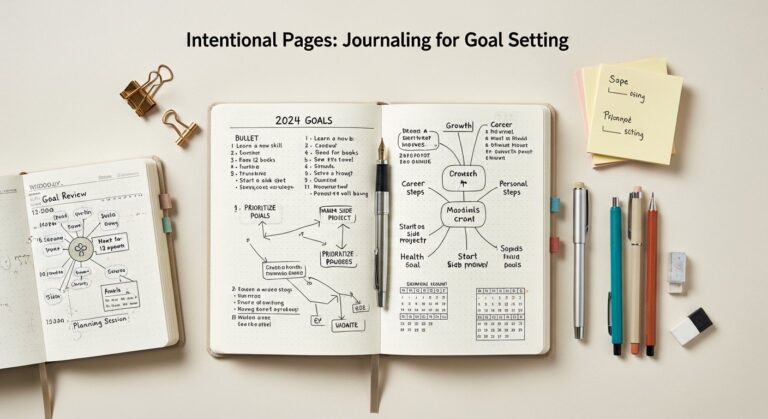
- Doodle or Journal: You don’t need to be an artist or writer to benefit from creative outlets. Simply putting pen to paper without judgment can be therapeutic.
3. Spend Time in Nature
The healing power of nature is well-documented. Exposure to green spaces, fresh air, and natural light can significantly reduce stress, improve mood, and boost energy.
- Take a Nature Walk: Even a short stroll in a local park or your backyard can make a difference. Pay attention to the sights, sounds, and smells.
- Bring Nature Indoors: Add plants to your living space or office. Open windows to let in fresh air and natural light.
- Mindful Observation: Sit outside for 10 minutes and simply observe the natural world around you – birds, trees, clouds.
4. Embrace Small Joys and Novelty
Sometimes, feeling motivated isn’t about grand gestures but about weaving small moments of delight and novelty into your everyday.
- Treat Yourself: A special cup of coffee, a new book, a luxurious bath. These small rewards can brighten your day.
- Listen to Uplifting Music: Create a playlist of songs that instantly boost your mood and energy.
- Try Something New (Small Scale): Visit a new coffee shop, take a different route to work, or try a new recipe. Novelty can shake up routine-induced boredom.
Leveraging Your Support System and Connection
Isolation can deepen feelings of being low and unmotivated. Humans are wired for connection, and reaching out to others can provide emotional support, new perspectives, and even practical help. It’s an often-underestimated aspect of how to stay motivated and energized when feeling low.
1. Reach Out to Your Inner Circle
Don’t suffer in silence. Talking to trusted friends, family members, or your partner can lighten your load. Sometimes, just articulating what you’re feeling can be incredibly cathartic.
- Be Honest: You don’t have to put on a brave face. A simple, “I’m feeling a bit low today and could use some company/a listening ear” is enough.
- Schedule Connection: If spontaneous meet-ups feel overwhelming, plan a specific time for a phone call, video chat, or a quick coffee with a friend.
- Share Your Needs: Clearly communicate what kind of support you need – whether it’s just someone to listen, advice, or practical help.
2. Ask for Help (It’s a Strength, Not a Weakness)
When energy is low, everyday tasks can pile up and feel insurmountable. Asking for help with practical chores or responsibilities isn’t a sign of failure; it’s a sign of self-awareness and strength.
- Identify Specific Needs: Instead of a general “I need help,” be specific: “Could you help me with childcare on Tuesday?” or “Would you mind picking up groceries?”
- Delegate When Possible: If you have a partner or children old enough, delegate household chores or tasks.
- Consider Professional Help for Specific Tasks: If it’s within your means, outsourcing things like cleaning, meal prep, or errands can free up significant mental and physical energy.
3. Limit Exposure to Energy Drainers
Just as some connections lift us, others can subtly (or overtly) drain our energy. Be mindful of relationships or environments that leave you feeling worse.
- Identify Toxic Relationships: If certain individuals consistently leave you feeling judged, drained, or negative, consider limiting your interactions with them.
- Manage Social Media: While social media can offer connection, it can also be a source of comparison and anxiety. Set boundaries around your usage.
- Protect Your Time: Learn to say “no” to commitments that don’t genuinely serve you or that you don’t have the energy for.
4. Seek Community and Belonging
Feeling connected to something larger than yourself can provide a powerful sense of purpose and belonging, which can combat feelings of isolation and low motivation.
- Join a Group: Look for local clubs, volunteer opportunities, book clubs, or fitness classes that align with your interests.
- Engage in Online Communities: If in-person interactions feel too much, find supportive online groups where you can share experiences and connect with like-minded individuals.
- Volunteer: Contributing to a cause you care about can provide a significant boost to your mood and sense of purpose.
When to Seek Professional Support: Recognizing Red Flags
While all the strategies above are incredibly powerful for navigating periods of low motivation and energy, it’s vital to recognize when your feelings might be indicative of something more profound that requires professional intervention. There’s immense strength in acknowledging when you need help from an expert. Understanding this distinction is a crucial part of holistic well-being.
If your low motivation and lack of energy persist for more than a few weeks, or if they are accompanied by any of the following symptoms, it’s time to reach out to a healthcare professional:
- Persistent Sadness or Hopelessness: A feeling that doesn’t lift, regardless of circumstances.
- Loss of Interest or Pleasure: No longer enjoying activities you once loved.
- Significant Changes in Appetite or Weight: Unexplained weight gain or loss, or a drastic change in eating habits.
- Sleep Disturbances: Insomnia, oversleeping, or restless sleep that isn’t improved by better sleep hygiene.
- Increased Irritability or Restlessness: Feeling agitated or on edge much of the time.
- Difficulty Concentrating or Making Decisions: Brain fog that significantly impacts your daily functioning.
- Feelings of Worthlessness or Guilt: Intense negative self-talk that becomes pervasive.
- Recurrent Thoughts of Death or Self-Harm: If you or someone you know is struggling with suicidal thoughts, please reach out for immediate help. In the U.S., you can call or text 988 to connect with the Suicide & Crisis Lifeline.
- Physical Symptoms Without a Clear Cause: Chronic fatigue, headaches, or digestive issues that don’t resolve with lifestyle changes.
These symptoms could be signs of depression, anxiety disorders, chronic fatigue syndrome, hormonal imbalances, or other medical conditions. A doctor or mental health professional can provide an accurate diagnosis and recommend appropriate treatment, which might include therapy, medication, lifestyle interventions, or a combination of approaches.
Seeking help is not a sign of weakness, but a courageous step towards taking control of your health and well-being. Just as you wouldn’t hesitate to see a doctor for a broken bone, don’t hesitate to seek support for your mental and emotional health. You deserve to feel your best, and sometimes, a little expert guidance is precisely what you need to get there.
Conclusion: Your Journey, Your Pace
Feeling low and unmotivated is an inherent part of the human experience, a gentle (or sometimes not-so-gentle) nudge from your mind and body to pay attention to your needs. Learning how to stay motivated and energized when feeling low isn’t about achieving a state of perpetual high energy, but rather about cultivating a deeper understanding of yourself, building resilience, and developing a comprehensive toolkit of strategies to navigate these inevitable dips.
Remember that this is a journey, not a destination. There will be days when these tools feel effortless to implement, and days when simply acknowledging your feelings is the greatest accomplishment. Be patient, be kind to yourself, and celebrate every small step forward. By prioritizing your foundational well-being, nurturing a resilient mindset, managing your energy strategically, reconnecting with your purpose, and leaning on your support system, you empower yourself to not just survive these low moments, but to truly thrive through them. You have the inner strength to rediscover your spark and live a life brimming with contextual vitality.