

When Your Heat Pump Needs Repair in Dallas, It Gets Loud About It
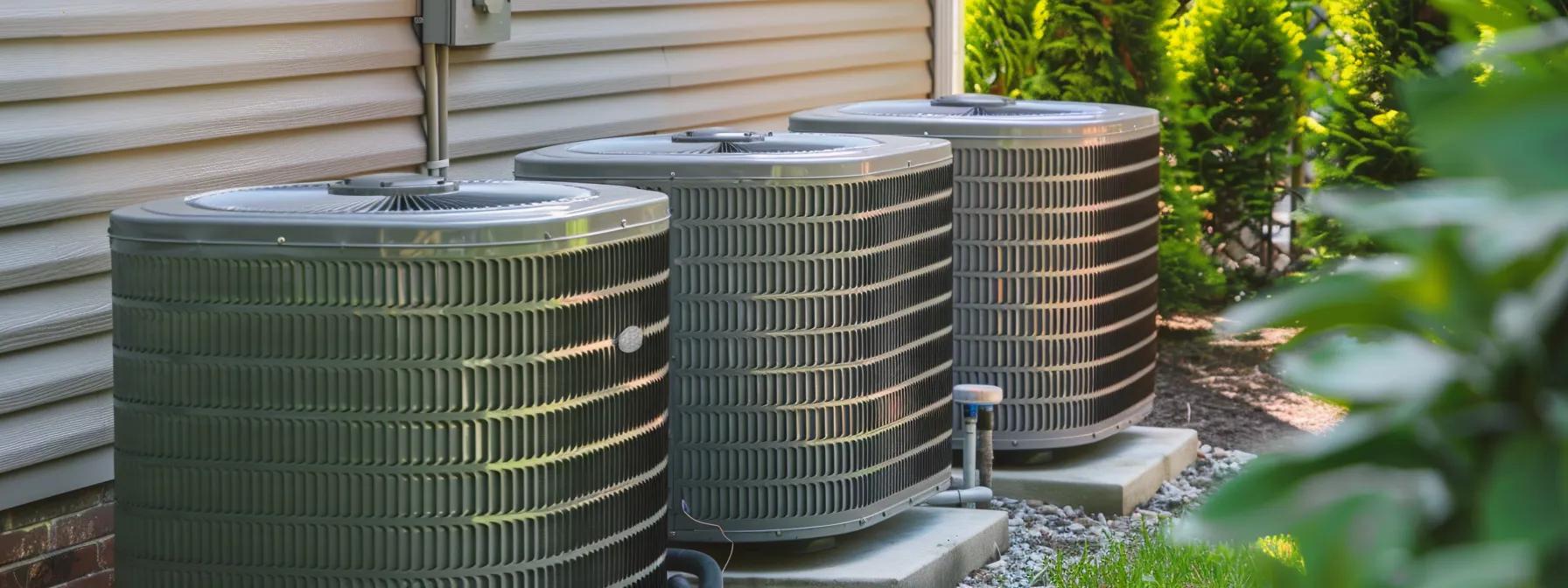
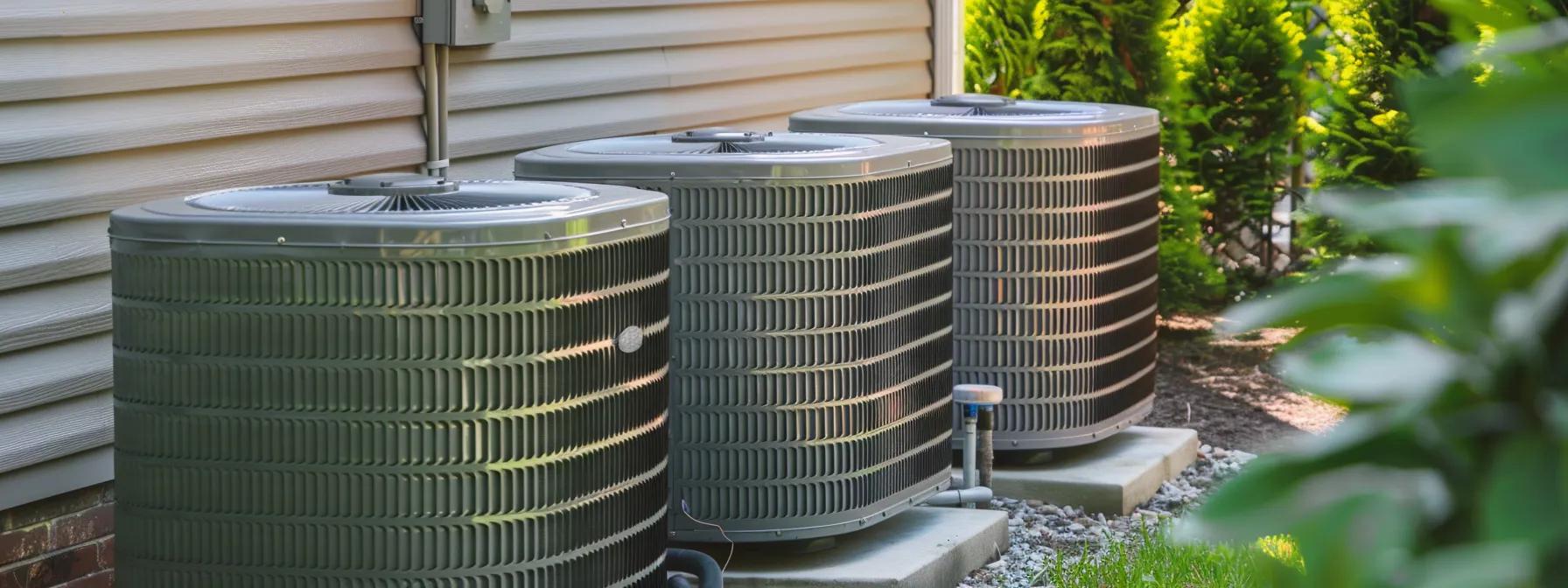
Dallas winters may be mild, but they still push heat pumps hard enough to reveal hidden problems, often through noise. A sudden buzz, rattle, or screech isn’t random; it’s your system signaling that something isn’t right, and that you might need expert heat pump repair service.
In a city known for fast temperature swings, those sounds tend to appear before comfort problems fully set in. Understanding what your heat pump noises mean can help Dallas homeowners act early, avoid surprise breakdowns, and protect their comfort when winter nights turn cold.
Why Heat Pump Noises Matter More During Dallas Winters
Unlike traditional furnaces, heat pumps in North Texas operate year-round, switching between heating and cooling as temperatures change. That constant workload creates wear that often shows up first during winter.
Even though Dallas doesn’t experience prolonged freezes, sudden cold fronts place immediate demand on systems that may already be under strain.
How Year-Round Operation Accelerates Wear
Because heat pumps handle both heating and cooling, their motors, fans, and reversing valves accumulate runtime faster than many homeowners expect. By winter, components that worked hard all summer are asked to perform under colder conditions.
That’s why unusual noises are often the first sign a system may need heat pump maintenance before winter demand increases further.
Why Temperature Swings Increase Mechanical Stress
Dallas weather can shift from warm afternoons to freezing nights in a matter of hours. These rapid changes force heat pumps to switch modes quickly, placing stress on compressors, electrical controls, and airflow components.
Buzzing, humming, or rattling during these transitions is often a sign that the system is struggling to keep up; an early warning that professional heating repair may soon be necessary.
Why Noise Is Usually the First Warning Sign
Most heat pump issues start quietly and gradually worsen. Early warning sounds may include:
- Light buzzing when switching modes
- Rattling from loose panels or hardware
- Whistling caused by airflow restrictions
- Humming from motors under strain
Catching these sounds early can prevent the need for heating repair during a sudden cold snap.
Common Heat Pump Sounds in Dallas Homes and What They Mean
Not all heat pump noises signal the same problem. Each sound points to a specific issue, and recognizing them helps homeowners respond before damage escalates.
Rattling from Loose Parts or Outdoor Debris
Rattling often means cabinet panels, fan blades, or nearby debris have come loose. In Dallas neighborhoods with landscaped yards, outdoor units commonly collect leaves or small branches.
While not always urgent, ignoring rattling can allow vibrations to damage internal components, eventually requiring professional heat pump repair.
Buzzing That Signals Electrical or Motor Stress
Buzzing usually indicates electrical strain, capacitor issues, or a motor working harder than it should. Winter run cycles tend to make these sounds more noticeable.
Electrical problems escalate quickly, so consistent buzzing is a strong sign that expert emergency heating service is needed before a system shutdown occurs.
Screeching or High-Pitched Whining
Screeching is one of the most serious warning sounds. It often points to failing motor bearings, misaligned fans, or overheating components.
Why screeching requires fast action:
- Bearings may be near failure
- Motors can overheat rapidly
- Continued operation risks permanent damage
- Shutdowns often follow
This is one situation where turning the system off and calling for emergency heating repair is the safest move.
Clicking That Indicates Control or Thermostat Problems
Occasional clicking during startup is normal. Repeated clicking, however, may signal thermostat issues, failing relays, or reversing valve problems.
Left unaddressed, clicking can lead to inconsistent heating or full system failure during colder nights.
How Dallas Weather Makes Heat Pump Noise More Noticeable
Dallas winters are unpredictable, and that inconsistency makes heat pump problems easier to hear. Systems constantly adjust to changing conditions, revealing weaknesses through sound.
Sudden Cold Fronts Expose Weak Components
Rapid temperature drops force heat pumps to ramp up quickly. Motors, valves, and electrical components already under stress often reveal themselves with noise during these moments.
If new sounds consistently appear when cold fronts arrive, it may be time for professional heating repair services.
Humidity-Related Wear from Summer Months
High summer humidity can leave lasting effects on electrical connections, coils, and fan assemblies. These issues often stay hidden until winter operation increases demand.
Moisture-related wear commonly leads to:
- Corrosion on electrical components
- Increased fan resistance
- Strain during heating mode
Winter is often when this hidden damage becomes audible.
Inconsistent Cycling Creates Repeated Stress
Mild winters cause frequent on-and-off cycling. This constant restarting increases wear on relays, sensors, and motors, leading to clicking, humming, or buzzing sounds.
Over time, this cycling accelerates system decline and raises the risk of needing heat pump replacement sooner than expected.
Stay Comfortable All Winter with Expert Heat Pump Care from Proactive Air Conditioning


Unusual heat pump noises are easy to ignore until they aren’t. What starts as a small sound can quickly turn into uneven heating, higher energy bills, or a system that quits on the coldest night of the year. Proactive Air Conditioning helps Dallas homeowners stay ahead of those problems with honest diagnostics, experienced heat pump service, and solutions that make sense for your home, not your sales pitch.
Request an Instant System Estimate | Book Your HVAC Heating Repair