

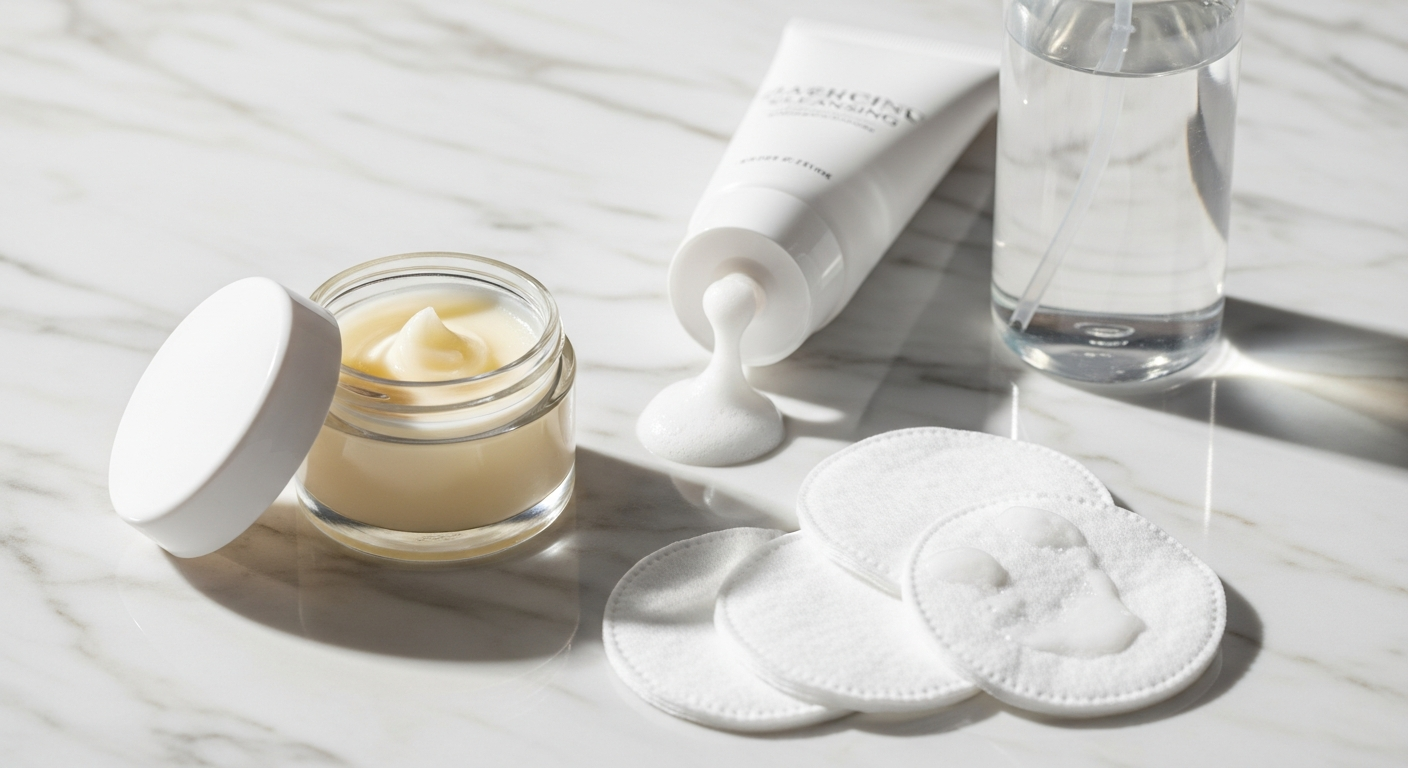
Enter a skincare philosophy that has garnered immense popularity and loyal followers: double cleansing. You might have heard whispers of it in beauty circles, seen it championed by K-beauty gurus, or perhaps even wondered if it’s just another fleeting trend. But for those seeking to elevate their skincare game and achieve a profoundly clean, radiant complexion, understanding what is double cleansing and does it really work is a crucial step.
As your trusted friend in wellness and beauty, I’ve dived deep into the world of double cleansing to bring you a comprehensive guide. We’ll explore its origins, dissect its mechanics, uncover its science-backed benefits, and equip you with the knowledge to decide if this ritual is the missing piece in your skincare puzzle. Get ready to transform your evening routine and unveil the truly clean canvas your skin deserves.
Unveiling the Secret to a Truly Clean Canvas: What Exactly is Double Cleansing?
At its core, double cleansing is precisely what it sounds like: washing your face twice, but not just with the same cleanser. It’s a two-step process, typically performed in the evening, that utilizes two different types of cleansers to achieve an unparalleled level of clean. This method originated in Asian skincare traditions, particularly in Japan and South Korea, where meticulous cleansing is considered the bedrock of a healthy, glowing complexion.
The philosophy behind double cleansing recognizes that not all impurities on our skin are created equal. Some are oil-soluble (like makeup, sunscreen, and the skin’s natural sebum), while others are water-soluble (like sweat, dirt, and environmental pollutants). A single cleanser, especially a water-based one, often struggles to effectively remove both types of impurities simultaneously, leaving behind a film that can clog pores, hinder product absorption, and contribute to a dull appearance.
The First Cleanse: Oil-Based Power
- Makeup: Especially waterproof mascara, long-wear foundation, and stubborn eyeliners.
- Sunscreen: Many modern sunscreens are formulated to be long-lasting and water-resistant, making them difficult to remove with just water.
- Excess Sebum: The natural oils produced by your skin, which can mix with impurities and clog pores.
- Environmental Pollutants: Many airborne particles and pollutants have an oily base.
By using an oil-based cleanser first, you gently emulsify and lift away these oil-soluble impurities without stripping your skin of its natural moisture. The process feels luxurious and provides a mini facial massage, promoting circulation and relaxation.
The Second Cleanse: Water-Based Refinement
Once the oil-based cleanser has done its job of dissolving the first layer of grime, it’s time for the second step: a water-based cleanser. This could be a foaming cleanser, a gel cleanser, a cream cleanser, or a milky lotion, chosen specifically for your skin type and concerns. The goal of this second cleanse is to:
- Remove Residual Impurities: Wash away any remaining oil cleanser, dissolved makeup, and pollutants that the first cleanse lifted.
- Address Water-Soluble Grime: Tackle sweat, dust, and other water-based impurities that sit on the skin’s surface.
- Deep Cleanse Pores: Ensure pores are thoroughly cleared of any lingering debris, preparing them to better absorb subsequent skincare products.
- Target Specific Skin Concerns: A well-chosen second cleanser can address issues like acne, sensitivity, or dryness with targeted ingredients.
Together, these two steps create a synergy that leaves your skin impeccably clean, balanced, and perfectly prepped for the rest of your skincare routine.
Does Double Cleansing Really Work? The Science-Backed Benefits for Your Skin
This is the million-dollar question, isn’t it? Is double cleansing just a trend, or is there genuine merit to this two-step approach? From the perspective of dermatologists and skincare experts, the answer is a resounding yes. The efficacy of double cleansing stems from its ability to address the complex nature of daily skin impurities in a comprehensive way that single cleansing often cannot. Let’s delve into the science-backed benefits that explain why double cleansing really works.
Superior Makeup & SPF Removal
Think about a typical day: foundation, concealer, blush, eye makeup, and crucially, sunscreen. Most sunscreens, especially broad-spectrum and water-resistant formulas, are designed to adhere to the skin to provide long-lasting protection. They form a film that a simple water-based cleanser can struggle to break through effectively. The same goes for long-wear and waterproof makeup. Oil-based cleansers, with their lipophilic (oil-loving) properties, are uniquely suited to dissolve these tenacious formulas. They gently lift away makeup and SPF without the harsh scrubbing that can irritate the skin or pull on delicate areas like the eyes. This thorough removal prevents product buildup that can lead to dullness and breakouts.
Deep Pore Cleansing & Preventing Breakouts
Our pores are constantly producing sebum, a natural oil that can trap dead skin cells, dirt, and bacteria. When these pores become clogged, it creates the perfect environment for blackheads, whiteheads, and acne breakouts. The first oil cleanse effectively breaks down the oily plugs within pores, while the second water-based cleanse washes them away. This dual action ensures that pores are much clearer than with a single cleanse, significantly reducing the likelihood of congestion and subsequent breakouts. For those struggling with acne, this deep cleansing can be a game-changer.
Enhanced Product Absorption
Imagine trying to paint a masterpiece on a dusty, grimy canvas. The colors wouldn’t adhere properly, and the final result would be lackluster. The same principle applies to your skincare. When your skin is thoroughly cleansed and free of residual makeup, sunscreen, and impurities, it creates a clean, receptive surface. Serums, treatments, moisturizers, and other active ingredients can then penetrate more effectively into the skin, allowing them to work harder and deliver their intended benefits. You’re not just buying expensive products; you’re ensuring they actually reach their target.
Brighter, More Radiant Complexion
Over time, the accumulation of dead skin cells and environmental debris can make your complexion appear dull, tired, and lacklustre. By consistently removing these superficial layers through double cleansing, you’re essentially performing a gentle, daily exfoliation. This encourages healthy cell turnover, revealing fresher, brighter skin underneath. Many users report a noticeable improvement in skin clarity and radiance after incorporating double cleansing into their routine.
Balancing Oil Production (Yes, Even for Oily Skin!)
It might seem counterintuitive to use an oil-based cleanser on oily skin, but it’s incredibly effective. Often, people with oily skin use harsh, stripping cleansers in an attempt to dry out their skin. This can backfire, causing the skin to overcompensate by producing even more oil. An oil-based cleanser, however, gently dissolves excess sebum without stripping the skin’s natural barrier. This helps to regulate oil production over time, leading to a more balanced complexion. The subsequent water-based cleanse then ensures all traces of the oil cleanser and dissolved impurities are removed, leaving the skin clean but not tight or dry.
“The beauty of double cleansing lies in its gentle yet highly effective approach. It respects the skin’s natural barrier while ensuring a level of cleanliness that sets the stage for optimal skin health.” – The Contextual Life Editorial Team
Who Should Double Cleanse? Tailoring Your Routine to Your Skin Type
While double cleansing offers significant benefits, it’s not necessarily a one-size-fits-all solution, though many skin types can benefit immensely. Understanding your skin’s needs is key to determining if and how you should incorporate this ritual.
Oily & Acne-Prone Skin
Absolutely! This skin type often benefits the most. The oil-based first cleanse efficiently breaks down excess sebum, waterproof sunscreen, and makeup that can clog pores and lead to breakouts. The second cleanse then thoroughly washes away all impurities. Choosing non-comedogenic oils (like jojoba, grapeseed, or sunflower) for the first step and a gentle foaming or gel cleanser with ingredients like salicylic acid or tea tree oil for the second can dramatically improve congestion and reduce breakouts without stripping the skin.
Dry & Sensitive Skin
Yes, with careful product selection. Many people with dry or sensitive skin fear that double cleansing will strip their skin, but the opposite can be true. A well-chosen oil-based cleanser can be incredibly gentle and nourishing, dissolving impurities without disturbing the skin’s delicate barrier. The key is to opt for fragrance-free, non-comedogenic cleansing oils (like squalane or oat-based oils) and a creamy, hydrating, or milky second cleanser that won’t foam excessively. Avoid harsh sulfates or strong active ingredients in your second cleanse. The gentle nature of oil cleansing means less rubbing and scrubbing, which is ideal for sensitive skin.
Combination Skin
A perfect fit. Combination skin types, with their oily T-zones and drier cheeks, can particularly benefit from the balanced approach of double cleansing. The oil cleanse effectively tackles the oilier areas, breaking down sebum and makeup, while the second cleanse refines and ensures a balanced clean across the entire face. Look for a balanced oil cleanser and a gentle, balancing gel or cream cleanser for the second step.
Mature Skin
Highly recommended. Mature skin often benefits from extra nourishment and gentle care. Double cleansing, especially with emollient oil cleansers, can provide hydration while effectively removing makeup and impurities without harsh pulling or tugging, which can contribute to fine lines. The enhanced absorption of subsequent anti-aging serums and treatments is also a major advantage.
In essence, almost anyone who wears makeup, sunscreen, or lives in an urban environment with exposure to pollution can benefit from double cleansing. The magic lies in selecting the right products tailored to your specific skin concerns to ensure a balanced and effective routine.
How to Double Cleanse Like a Pro: A Step-by-Step Guide
Once you understand the “why” behind double cleansing, mastering the “how” is simple and incredibly satisfying. This ritual should be a moment of self-care, not a chore. Here’s your step-by-step guide to achieving that coveted, deep clean:
Step 1: The Oil Cleanse (Your First & Most Gentle Cleanse)
- Start with Dry Hands and a Dry Face: This is crucial. Water can emulsify oil cleansers too quickly, reducing their ability to effectively break down oil-based impurities. Dispense 1-2 pumps of cleansing oil or a dime-sized amount of cleansing balm into your dry palm.
- Warm It Up: Gently rub your hands together to warm the product. This makes it more fluid and easier to spread.
- Apply to Face: Gently massage the oil/balm over your entire dry face and neck. Use light, circular motions. Focus on areas with makeup, especially eyes (gently dissolve mascara and eyeliner) and areas prone to congestion (forehead, nose, chin).
- Massage Thoroughly: Spend 60 seconds (or even two minutes!) gently massaging. This is where the magic happens – you’re dissolving makeup, sunscreen, and sebum. You’ll feel the texture of your skin changing as impurities lift.
- Emulsify: This is a vital step often overlooked. Wet your hands with a small amount of warm water (just a few drops) and continue massaging your face. The oil cleanser will transform into a milky, cloudy emulsion. This process helps lift the dissolved impurities off your skin.
- Rinse Off: Rinse your face thoroughly with lukewarm water until the milky residue is completely gone. You can use your hands or a soft, damp washcloth. Pat your skin gently with a clean towel – don’t rub aggressively. Your skin should feel soft, not tight or greasy.
Step 2: The Water Cleanse (Your Second & Refining Cleanse)
- Apply Water-Based Cleanser: Dispense a small amount of your chosen water-based cleanser (gel, foam, cream) into your palm.
- Lather (if applicable): If it’s a foaming cleanser, add a little water to your hands and gently work it into a lather.
- Cleanse Your Face: Apply the cleanser to your damp face and neck, massaging gently in circular motions for about 30-60 seconds. This step removes any remaining traces of the oil cleanser, dissolved impurities, and addresses water-soluble grime.
- Rinse Thoroughly: Rinse your face completely with lukewarm water until all traces of the cleanser are gone.
- Pat Dry: Gently pat your face dry with a clean, soft towel. Avoid harsh rubbing.
Important Considerations:
- Frequency: Double cleansing is typically recommended as part of your evening skincare routine, especially on days you wear makeup, SPF, or feel your skin is particularly exposed to pollution. In the morning, a single gentle cleanse (or even just a splash of water) is usually sufficient.
- Temperature: Always use lukewarm water. Hot water can strip your skin and exacerbate dryness or sensitivity, while cold water isn’t as effective at emulsifying and rinsing.
- Gentle Touch: Your hands are your best tools. Avoid harsh scrubbing or using abrasive cleansing brushes, especially with an oil cleanser, as this can irritate the skin.
After your double cleanse, your skin should feel incredibly clean, soft, and balanced – never tight, stripped, or squeaky. It’s now a perfectly prepared canvas, ready to soak up the benefits of your toners, serums, and moisturizers.
Choosing Your Double Cleansing Dream Team: Product Picks & Pointers
The success of your double cleansing journey hinges significantly on selecting the right products for your skin type and concerns. With a vast array of options available, it can feel overwhelming. Here’s a breakdown to help you curate your perfect double cleansing dream team.
First Cleanse Product Options: The Oil Dissolvers
The goal here is effective dissolution without stripping. Look for non-comedogenic formulas that rinse cleanly.
- Cleansing Oils: These are liquid oils that emulsify into a milky texture when mixed with water. They are typically lightweight and easy to use.
- For Oily/Acne-Prone Skin: Look for oils like grapeseed, sunflower, jojoba, or squalane. Avoid heavy mineral oils if you’re prone to breakouts.
- For Dry/Sensitive Skin: Olive oil, almond oil, camellia oil, or formulas with ceramides and soothing botanicals.
- For All Skin Types: Many formulations are designed to be universally beneficial, focusing on effective cleansing and gentle ingredients.
- Cleansing Balms: These are solid, buttery formulations that melt into an oil upon contact with warm skin. They often feel more luxurious and hydrating.
- For Dry/Sensitive Skin: Balms can be particularly nourishing. Look for those with shea butter, ceramides, or oatmeal extracts.
- For Oily/Combination Skin: Opt for lighter balms that melt easily and rinse clean, avoiding overly heavy, waxy textures.
- Micellar Waters (Oil-Based Bi-Phase): While many micellar waters are water-based, some contain an oil layer, making them suitable for the first cleanse, especially for eye makeup. Shake well to mix the phases.
- Ideal for quick makeup removal, but often requires a follow-up with a dedicated water-based cleanser for a truly deep second cleanse.
Ingredients to look for in first cleansers: Emulsifiers (like Polysorbate 80, PEG-20 Glyceryl Triisostearate), natural plant oils (jojoba, sunflower, grapeseed, squalane), Vitamin E.
Ingredients to potentially avoid (depending on sensitivity): Heavy fragrance, strong essential oils if you have reactive skin, mineral oil if you’re highly prone to breakouts (though many mineral oil cleansers are perfectly fine).
Second Cleanse Product Options: The Refiners
This cleanser should address specific skin concerns and remove any remaining residue without stripping.
- Foaming Cleansers: Create a rich lather. Good for oily and combination skin, but can be too drying for sensitive or very dry types if they contain harsh sulfates.
- For Oily/Acne-Prone Skin: Look for salicylic acid, benzoyl peroxide, tea tree oil, or niacinamide.
- Gel Cleansers: Clear and refreshing, they lather lightly or not at all. Versatile for most skin types, especially combination and normal.
- For Combination/Normal Skin: Hyaluronic acid, glycerin, gentle plant extracts.
- Cream Cleansers: Rich and non-foaming, designed to hydrate while cleansing. Excellent for dry, sensitive, and mature skin.
- For Dry/Sensitive/Mature Skin: Ceramides, hyaluronic acid, colloidal oatmeal, glycerin, soothing botanicals.
- Milky/Lotion Cleansers: Similar to cream cleansers but often lighter, providing a gentle cleanse without stripping. Good for sensitive and normal skin.
Ingredients to look for in second cleansers: Glycerin, hyaluronic acid, ceramides, niacinamide, gentle surfactants (like coco-glucoside, decyl glucoside), panthenol (Vitamin B5), green tea extract.
Ingredients to avoid (especially if sensitive): Harsh sulfates (SLS/SLES), strong fragrances, alcohol denat., abrasive exfoliants if you use other active treatments.
When selecting your products, remember that “gentle” is the operative word for both steps. You’re aiming for thorough cleansing without compromising your skin’s delicate barrier.
Common Double Cleansing Mistakes to Avoid
While double cleansing is a simple concept, there are a few pitfalls that can diminish its effectiveness or even lead to skin irritation. Being aware of these common mistakes will help you get the most out of your new routine.
Using the Wrong Products for Your Skin Type
This is perhaps the biggest mistake. Using a heavy, pore-clogging oil cleanser on very oily, breakout-prone skin, or a harsh, stripping foaming cleanser on dry, sensitive skin, will counteract the benefits. Always cross-reference product ingredients with your skin type and concerns. For example, if you have sensitive skin, avoid highly fragranced products or those with strong essential oils.
Over-Cleansing or Harsh Scrubbing
More is not always better. Excessive rubbing, scrubbing aggressively, or cleansing for too long can irritate your skin, damage its protective barrier, and even stimulate more oil production. Both steps of double cleansing should be gentle, with light, circular motions. The oil cleanse should last around 60 seconds, and the second cleanse 30-60 seconds. Let the products do the work, not brute force.
Not Emulsifying the Oil Cleanser
Emulsification is a crucial step that transforms the oil into a milky, rinseable solution. If you skip this step, or don’t do it thoroughly, you risk leaving an oily residue on your skin, which can lead to clogged pores and a greasy feeling. Always add a small amount of water to your face after massaging with the oil, continuing to massage until it turns milky before rinsing.
Skipping the Second Cleanse
Some people, especially those with dry skin, might be tempted to stop after the oil cleanse. However, the oil cleanse is designed to dissolve impurities, not necessarily to wash them all away completely. The second, water-based cleanse is essential for removing any residual oil cleanser and the dissolved impurities, ensuring your pores are truly clear and preventing a film from being left on the skin. Without it, you’re only doing half the job.
Using Water That’s Too Hot or Too Cold
Extreme water temperatures can stress your skin. Hot water can strip your skin’s natural oils, leading to dryness and irritation, while cold water isn’t as effective at emulsifying oil cleansers or rinsing away impurities. Lukewarm water is the optimal choice for both steps.
Not Being Consistent
Like any good skincare routine, consistency is key. You won’t see dramatic results overnight. Commit to double cleansing nightly for at least 2-4 weeks to allow your skin to adjust and to fully experience the benefits. On days you don’t wear makeup or heavy SPF, you might opt for a lighter oil cleanse or a single water-based cleanse, but for most evenings, sticking to the double cleanse will yield the best results.
Beyond the Cleanse: Integrating Double Cleansing into Your Skincare Ritual
Double cleansing isn’t just a standalone step; it’s the foundational pillar upon which a healthy, effective skincare routine is built. Think of it as preparing your canvas before you paint. Once your skin is impeccably clean and balanced from the double cleanse, it’s perfectly primed to receive and benefit from the subsequent steps in your evening ritual.
Here’s how to seamlessly integrate it:
- Double Cleanse: As outlined above, typically in the evening.
- Tone (Optional but Recommended): A toner helps to rebalance your skin’s pH, remove any final traces of tap water impurities, and prep your skin for better absorption.
- Treat (Serums & Treatments): This is when you apply your targeted serums (e.g., hyaluronic acid for hydration, vitamin C for brightening, retinol for anti-aging, niacinamide for calming). With a truly clean base, these powerful ingredients can penetrate more effectively.
- Moisturize: Lock in all the goodness with a nourishing moisturizer appropriate for your skin type. This seals in hydration and provides a protective barrier.
- Eye Cream (Optional): Gently pat an eye cream around the delicate eye area.
By consistently incorporating double cleansing, you’re not just adding another step; you’re fundamentally enhancing the efficacy of your entire skincare regimen. It sets the stage for a healthier skin barrier, fewer breakouts, improved texture, and a more radiant, youthful complexion over time.
Frequently Asked Questions
Is double cleansing necessary every day?▾
Can I use coconut oil for the first cleanse?▾
What if my skin feels tight or dry after double cleansing?▾
Can double cleansing cause breakouts?▾
How long until I see results from double cleansing?▾
Conclusion: Your Path to a Radiant, Healthy Complexion
In a world overflowing with skincare trends, double cleansing stands out not as a fleeting fad, but as a time-tested, science-backed technique that can genuinely transform your skin. It’s a testament to the power of a mindful, thorough approach to cleansing – the most fundamental step in any effective skincare regimen. By understanding what is double cleansing and does it really work, you’ve unlocked a secret weapon in your quest for a healthier, more radiant complexion.
This ritual is more than just washing your face twice; it’s an act of self-care, a moment to gently slough away the day’s stressors, makeup, and environmental grime, revealing the fresh, vibrant skin beneath. It’s about creating a truly clean canvas, allowing your serums, treatments, and moisturizers to perform at their peak. Whether you’re battling breakouts, seeking a brighter glow, or simply yearning for that deeply clean feeling, double cleansing offers a pathway to achieving your skin goals.
So, take a deep breath, choose your dream team of cleansers, and embark on this gentle yet powerful journey. Your skin will thank you, reflecting back a luminosity that speaks volumes of the thoughtful care you’ve given it. Here’s to a cleaner, clearer, and more contextualized approach to your beautiful life.