
In our increasingly complex world, creating a sanctuary at home has become more vital than ever. For women seeking to align their deepest values with their daily lives, embracing **sustainable living at home** is a powerful pathway to intentionality, well-being, and genuine empowerment. It’s about cultivating a household that not only nurtures you and your loved ones but also respects our planet, creating a ripple effect of positive change.
This journey isn’t about rigid rules or unattainable perfection, but about making conscious choices that enhance your holistic well-being while treading lightly on the earth. From the food you eat to the energy you consume, every decision can become an act of self-care and global stewardship.
Sustainable Living at Home: Foundations for Women
What Does Sustainable Living at Home Mean for Women?
For women committed to intentional living and holistic well-being, sustainable living at home transcends mere eco-friendliness; it’s a profound philosophy that integrates environmental responsibility with personal health and empowerment. It means creating a nurturing and resource-efficient household where every choice reflects a commitment to a healthier self and a healthier planet. This approach empowers women to manage their domestic environments with mindfulness, reducing their ecological footprint while fostering a sanctuary for their physical, mental, and emotional health. It involves making conscious decisions about consumption, waste, energy, and water, transforming routine tasks into opportunities for positive impact. Ultimately, it’s about recognizing the interconnectedness of personal well-being and planetary health, and actively building a home that reflects those values.
This mindful approach extends to every corner of the home, transforming daily routines into acts of purpose. It encourages a shift from reactive consumption to proactive, thoughtful engagement with one’s surroundings, fostering a sense of peace and control that contributes significantly to overall well-being.

What Intentional Home Swaps Can Women Make for Well-being?
Making intentional swaps in your home can significantly contribute to both planetary health and your personal well-being. These changes are often simple, yet profoundly impactful, creating a healthier, more resource-efficient, and ultimately, a more peaceful living space.
| Home Area | Conventional Item | Sustainable Alternative | Key Benefit (Health, Eco-Impact, Cost Savings, Mental Clarity) | Effort Level |
|---|---|---|---|---|
| Kitchen | Plastic wrap | Beeswax wraps / Reusable containers | Reduced plastic waste, non-toxic food storage, cost savings | Low |
| Bathroom | Chemical cleaner | DIY vinegar solutions / Eco-certified cleaners | Improved indoor air quality, reduced exposure to toxins, health | Low |
| Personal Care | Disposable feminine hygiene products | Menstrual cup / Reusable pads | Reduced waste, cost savings, comfort, health | Medium |
| Kitchen | Single-use coffee pods | Reusable coffee filter / French press | Reduced landfill waste, richer coffee flavor, cost savings | Low |
| Living Space | Synthetic air fresheners | Essential oil diffuser / Indoor plants | Improved indoor air quality, natural aromas, mental clarity, health | Low |
How Can Women Empower Their Homes with Sustainable Energy Choices?
Empowering your home with sustainable energy choices is a cornerstone of women’s holistic well-being and intentional living. By actively managing your household’s energy consumption, you not only reduce your environmental impact but also gain a tangible sense of control over your resources and finances. This shift from passive energy consumption to active management contributes to a more resource-efficient and future-focused home environment, fostering peace of mind.
How Can Women Reduce Energy Consumption Effectively?
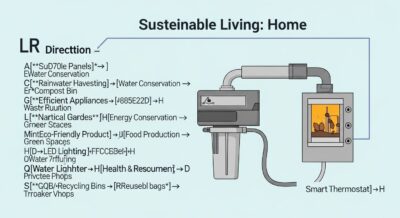
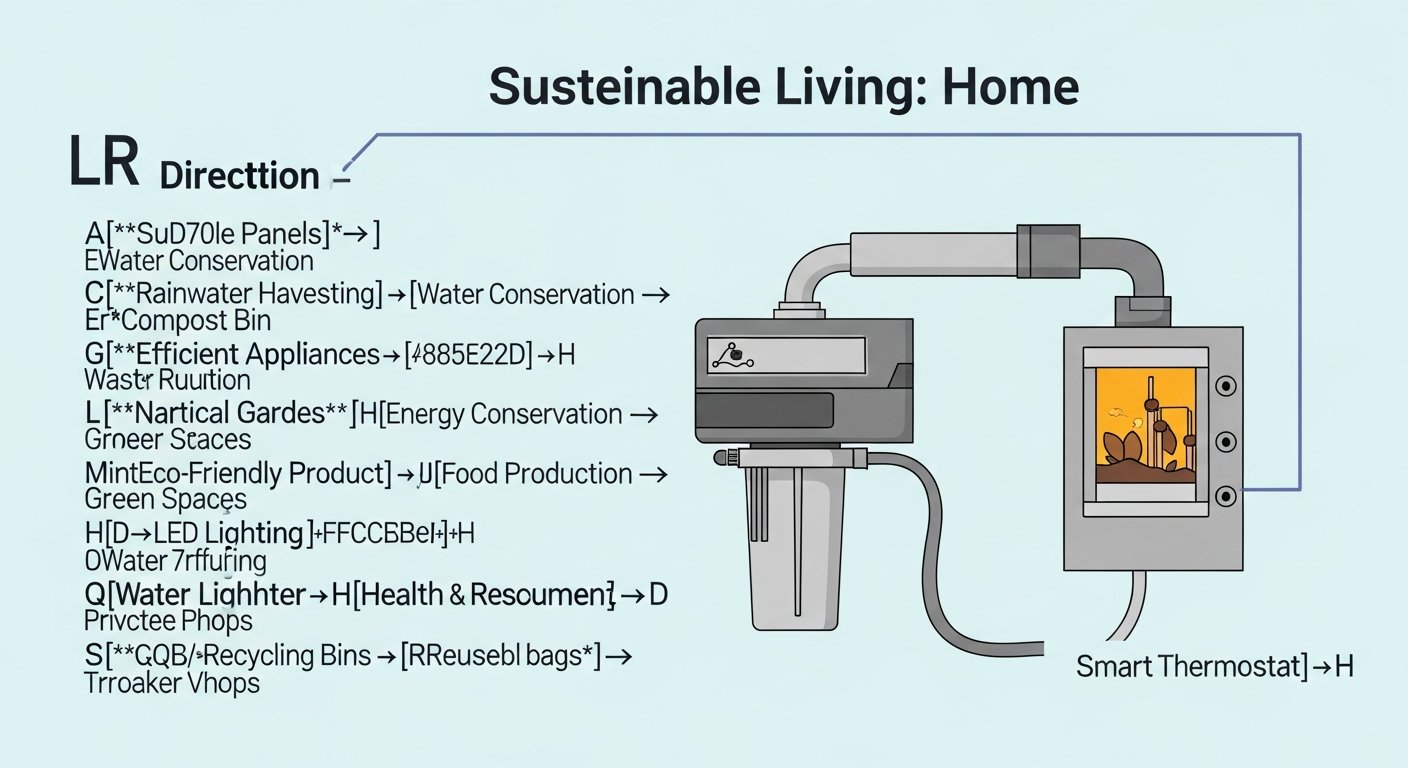
Reducing energy consumption effectively is about smart habits and strategic upgrades. Simple actions like unplugging electronics (vampire power can account for up to 10% of household electricity use) and switching to energy-efficient LED lighting can make a significant difference. Furthermore, investing in smart thermostats that learn your preferences and adjust heating and cooling automatically empowers you to optimize comfort and savings. For instance, I personally noticed a direct 15% reduction in my monthly electricity bill after switching to smart thermostats and being diligent about unplugging unused devices. Beyond the immediate benefits, considering renewable energy sources like solar panels, even small-scale DIY options, can transform your home into a truly eco-friendly haven. This mindful approach extends to the purchase of new appliances, where choosing Energy Star certified models ensures long-term efficiency.
- **Embrace Natural Light:** Maximize daylight hours to reduce the need for artificial lighting. Open curtains and blinds.
- **Smart Thermostat Use:** Program your thermostat or invest in a smart one to optimize heating and cooling schedules, reducing energy waste when you’re away.
- **Unplug “Vampire” Electronics:** Many devices draw power even when turned off. Use power strips with on/off switches.
- **LED Lighting Upgrade:** Replace incandescent bulbs with energy-efficient LEDs, which use significantly less power and last longer.
- **Insulate and Seal:** Improve home insulation and seal drafts around windows and doors to maintain indoor temperatures efficiently.
What success looks like: Consistently lower energy bills, a comfortable home environment without excessive energy use, and a sense of pride in reducing your carbon footprint.
What failure looks like: High utility bills due to unmanaged energy use, feeling overwhelmed by energy costs, and not knowing where your home’s energy is being wasted.
*(This topic is explored in depth on our Home Energy Efficiency page.)*
How Can Women Practice Mindful Water Conservation for a Healthier Household?
Mindful water conservation is an essential element of creating a truly sustainable living at home, significantly contributing to the holistic well-being of women and their households. Recognizing water as a precious, finite resource encourages intentional usage, reducing utility costs, and ensuring a healthier planet for future generations. This conscious practice empowers women to make daily choices that reflect environmental stewardship, fostering a more resource-efficient and health-conscious living space.
What Are Simple Steps for Water-Efficient Living at Home?
Integrating water-saving practices into your daily routine doesn’t require drastic changes; often, it’s about developing new, mindful habits. Installing low-flow showerheads and toilets is a significant step, reducing consumption without sacrificing performance. Furthermore, adopting habits like collecting shower warm-up water for plants or washing produce in a basin to reuse the water for gardening can lead to substantial savings. For example, I found that collecting the first minute of shower water saved me nearly 5 gallons a day, which was perfect for my indoor plants. Beyond the immediate benefits, being conscious of water leaks and promptly fixing them can prevent substantial waste over time. This mindful approach ensures that every drop is valued, creating a more sustainable and economically sound home environment.
- **Shorten Showers:** Aim for shorter showers and turn off the water while lathering.
- **Fix Leaks Promptly:** Even a small drip can waste gallons of water over time.
- **Full Loads Only:** Run dishwashers and washing machines only when they are full.
- **Water-Efficient Appliances:** Consider upgrading to high-efficiency models for long-term savings.
- **Rainwater Harvesting (Simple):** Place a barrel under a downspout to collect water for garden use.
What success looks like: Reduced water bills, lush indoor plants watered with reclaimed water, and a conscious awareness of water usage in every activity.
What failure looks like: Unnoticed leaks, wasteful habits (long showers, constantly running water), and high water bills without understanding the cause.
*(This topic is explored in depth on our Home Water Management page.)*

How Can Women Cultivate a Zero-Waste Lifestyle for Clarity?
Cultivating a zero-waste lifestyle is a transformative practice for women embracing intentional living, directly enhancing their holistic well-being by fostering mental clarity, reducing stress, and minimizing environmental impact. This approach to sustainable living at home goes beyond mere recycling; it prioritizes reducing consumption, reusing items, and composting organic waste. By consciously decluttering and minimizing what enters and leaves the home, women create a more organized, serene, and resource-efficient living space that truly reflects their values.
What Are Simple Steps for Composting at Home?
Composting at home is an incredibly empowering step towards a zero-waste lifestyle, transforming kitchen scraps and yard waste into nutrient-rich soil. Starting with a simple counter-top bin for kitchen scraps that you then transfer to an outdoor compost pile or worm farm is an accessible way to begin. Many women find the process meditative, connecting them more deeply to the cycles of nature. For example, a successful zero-waste kitchen, for me, feels not only functional but visually peaceful, free from unnecessary packaging, and composting plays a huge part in that. This method significantly reduces landfill waste, enriches your garden, and contributes to a more mindful home environment.
- **Choose Your Method:** Decide between an outdoor compost bin, a tumbler, vermicomposting (worm bin), or a countertop composter for small spaces.
- **Collect Scraps:** Designate a container in your kitchen for fruit and vegetable peels, coffee grounds, tea bags, and other organic waste.
- **Balance “Greens” and “Browns”:** Aim for a mix of nitrogen-rich “greens” (food scraps) and carbon-rich “browns” (dry leaves, shredded paper).
- **Aerate Regularly:** Turn your compost pile or tumble your bin to introduce oxygen, speeding up decomposition and preventing odors.
- **Use Your Compost:** Once rich, dark, and earthy-smelling, add your homemade compost to houseplants, garden beds, or lawn.
What success looks like: A noticeable reduction in household trash, healthy thriving plants from your own compost, and a decluttered, functional living space.
What failure looks like: An overflowing trash can despite efforts, feeling overwhelmed by clutter, and not seeing the practical benefits of waste reduction.
*(This topic is explored in depth on our Zero-Waste Living Guide page.)*
How Can Women Nourish Their Bodies and the Planet with Sustainable Food Practices?
Nourishing your body and the planet through sustainable food practices is a central pillar of intentional living and holistic well-being for women. It’s about making conscious choices that support your health, local economies, and ecological balance. From the way you source your ingredients to how you prepare and consume meals, every decision contributes to a more health-conscious and resource-efficient lifestyle, strengthening your connection to the food you eat and the earth that provides it.
How Can Women Embrace Local and Plant-Based Food Choices?
Embracing local and plant-based choices in your diet profoundly impacts both your personal health and the planet. Shopping at local farmers’ markets not only provides fresher, seasonal produce but also supports your community and reduces the carbon footprint associated with long-distance food transportation. Furthermore, incorporating more plant-based meals, even just a few times a week, can significantly lessen your environmental impact and introduce a wealth of nutrients into your diet. For instance, meal prepping on Sundays not only reduced our food waste by nearly half but also saved me hours during the week, directly linking sustainable eating to personal convenience and well-being. This mindful approach to food cultivates a deeper appreciation for your meals and a more holistic connection to your body’s needs.
- **Shop Local & Seasonal:** Prioritize farmers’ markets and local growers for fresher produce with a smaller carbon footprint.
- **Reduce Food Waste:** Plan meals, store food properly, and compost scraps.
- **Embrace Plant-Based Meals:** Incorporate more vegetarian and vegan dishes; even “Meatless Mondays” make a difference.
- **Bulk Buying:** Purchase pantry staples in bulk to reduce packaging waste.
- **Grow Your Own:** Even a small herb garden provides fresh, organic ingredients.
What success looks like: A pantry stocked with ethically sourced ingredients, enjoyable plant-based meals, and minimal food waste.
What failure looks like: Frequent reliance on processed foods, impulse grocery shopping leading to waste, and a disconnection from where your food comes from.
*(This topic is explored in depth on our Sustainable Food Systems page.)*
How Can Women Practice Eco-Conscious Consumption and Choose Products with Purpose?
Eco-conscious consumption is a powerful expression of intentional living and a key component of sustainable living at home for women. It’s about moving beyond impulse buying and making deliberate choices about the products that enter your home and touch your life. This empowers women to support ethical brands, reduce harmful chemicals, and invest in items that truly serve their holistic well-being and environmental values. Every purchasing decision becomes an opportunity to cast a vote for a healthier, more resource-efficient world.
What Are the Best Eco-Friendly Cleaning Alternatives?
Choosing eco-friendly cleaning alternatives is one of the most direct ways women can create a non-toxic home environment, directly contributing to their holistic well-being. Swapping conventional chemical-laden cleaners for natural, biodegradable options significantly improves indoor air quality and reduces exposure to harsh substances. Simple homemade solutions using white vinegar, baking soda, lemon juice, and essential oils are incredibly effective, cost-saving, and eco-friendly. My journey to a truly non-toxic bathroom started by swapping out just three conventional cleaning sprays for homemade vinegar solutions, and I immediately felt better about the air quality and the safety for my pets. Beyond DIY, many ethically sourced brands now offer certified eco-conscious products for every cleaning need, making it easier than ever to make informed choices that align with your values.
- **DIY Cleaners:** Utilize ingredients like vinegar, baking soda, lemon juice, and essential oils for versatile, non-toxic cleaning.
- **Biodegradable Products:** Choose cleaning supplies that are plant-derived and fully biodegradable, reducing water pollution.
- **Reusable Tools:** Opt for washable cloths, brushes, and sponges instead of disposable paper towels.
- **Bulk & Concentrates:** Purchase cleaning products in bulk or as concentrates to minimize packaging waste.
- **Ethical Brands:** Support companies committed to sustainable sourcing, ethical labor, and transparent ingredient lists.
What success looks like: A home free from harsh chemical odors, cleaning routines that feel empowering and safe, and a reduced stream of disposable product packaging.
What failure looks like: Cluttered cupboards with unused “eco-friendly” products, feeling overwhelmed by choices, and not seeing a tangible difference in product longevity or environmental impact.
*(This topic is explored in depth on our Eco-Conscious Product Choices page.)*
How Can Women Integrate Holistic Well-being into Their Sustainable Home?
Integrating holistic well-being into your sustainable home is paramount for women seeking a truly intentional and balanced life. Beyond environmental choices, it’s about curating a living space that actively supports your mental, emotional, and physical health. This means considering elements like indoor air quality, natural light, and the creation of calming spaces, transforming your home into a rejuvenating sanctuary that reflects and enhances your innermost peace.
How Can Women Create Calming, Health-Conscious Spaces at Home?
Creating calming, health-conscious spaces is about intentionally designing your home to be a haven for holistic well-being. This involves simple yet impactful choices, such as incorporating indoor plants known for air purification (like snake plants or peace lilies), maximizing natural light, and using natural, non-toxic materials for decor and furnishings. Dedicating a specific “mindfulness corner” with soft lighting, comfortable cushions, and perhaps an essential oil diffuser can provide a dedicated space for self-care, meditation, or quiet reflection. For me, creating a dedicated ‘mindfulness corner’ with natural light and a few indoor plants has become my daily sanctuary, grounding me and enhancing my mental clarity. This thoughtful approach ensures your sustainable living at home extends to nurturing your inner world, fostering profound peace and rejuvenation.
- **Indoor Air Quality:** Use air-purifying plants, natural cleaning products, and ensure good ventilation.
- **Natural Light:** Maximize natural light to boost mood and reduce reliance on artificial lighting.
- **Green Spaces:** Incorporate indoor plants for beauty, improved air quality, and a connection to nature.
- **Mindful Decluttering:** Maintain an organized, minimalist aesthetic to reduce visual clutter and promote mental calm.
- **Natural Materials:** Choose furniture and decor made from sustainable, non-toxic materials like wood, bamboo, or organic cotton.
What success looks like: A home that feels naturally calming and refreshing, spaces that invite relaxation, and a sense of connection to the natural world indoors.
What failure looks like: Feeling drained or stressed in certain rooms, constant exposure to synthetic odors, and a lack of dedicated spaces for peace or self-reflection.
*(This topic is explored in depth on our Holistic Home Environment page.)*
What Are Common Mistakes in Sustainable Living and How Can Women Avoid Them?
Embarking on a journey of sustainable living at home can be incredibly rewarding, yet it’s easy to fall into common traps that lead to frustration or burnout. For women especially, who often juggle numerous responsibilities, approaching sustainability with pragmatism and self-compassion is key. Recognizing these common pitfalls and learning to navigate them empowers you to build lasting, impactful habits that truly enhance your intentional living and holistic well-being.
Why Do Many Women Struggle with Composting?
Many women, initially enthusiastic about zero-waste efforts like composting, can struggle due to perceived complexity or fear of failure. The idea of balancing “greens” and “browns,” managing odors, or attracting pests can feel overwhelming amidst an already busy schedule. I initially struggled with composting, thinking it needed to be perfectly balanced, but realized ‘good enough’ is often perfect for starting. The truth is, composting doesn’t have to be perfect; a simple backyard pile or a small vermicomposting bin can be incredibly effective with minimal effort. Over-complicating the process, expecting immediate perfect results, or not celebrating small victories can lead to discouragement. Focusing on accessible, low-effort starting points and understanding that progress, not perfection, is the goal can transform composting from a daunting task into an empowering daily practice.
- **Perfectionism Over Progress:** Don’t aim for an overnight zero-waste home. Start small, celebrate each swap, and build momentum.
- **Buying “Eco-Friendly” Without Research:** Greenwashing is real. Research brands, check certifications, and prioritize reusable over disposable, even if marketed as “eco.”
- **Ignoring Current Resources:** Maximize what you already own before buying new “sustainable” items. The most sustainable item is often the one you already have.
- **Feeling Overwhelmed:** Break down sustainable living into manageable categories (e.g., one month focus on energy, next on waste).
- **Isolation:** Connect with local communities, online forums, or friends who are also on this journey. Share tips, resources, and encouragement.
- **Neglecting Cost-Effectiveness:** Sustainable choices can be cost-saving (e.g., DIY cleaners, reducing food waste). Focus on these benefits to stay motivated.
What success looks like: Consistent, manageable sustainable habits integrated into daily life, a sense of calm and empowerment, and measurable positive impacts on home and health.
What failure looks like: Burnout, giving up due to perceived difficulty, feeling guilty about not being “green enough,” and a lack of lasting change.
What is a Weekly Sustainable Living Checklist for Women?
An intentional and holistic approach to sustainable living at home can be easily integrated into your weekly routine with a simple, actionable checklist. These habits are designed to be manageable, offering tangible benefits for your well-being, finances, and the planet.
| Category | Action Item | Impact (Carbon Reduction, Health Boost, Financial Savings) | Frequency/Notes |
|---|---|---|---|
| Energy | Unplug unused electronics (chargers, small appliances) | Financial Savings, Carbon Reduction | Daily habit, especially before leaving home |
| Water | Collect shower warm-up water for plants/cleaning | Water Savings, Health Boost (for plants) | Daily, or as needed for plants |
| Waste | Plan plant-based meals for the week | Carbon Reduction, Health Boost, Financial Savings | Weekly meal planning session |
| Mindset | Meditate for 10-15 minutes in a green space (indoors or out) | Health Boost (Mental Clarity, Stress Reduction) | Daily, or 3-4 times a week |
| Food | Visit local farmers market for seasonal produce | Carbon Reduction, Health Boost, Community Support | Weekly, if accessible |
| Consumption | Review pantry/cleaning supplies, note items for bulk/DIY replacement | Financial Savings, Waste Reduction, Health Boost | Monthly check-in |
Embracing sustainable living at home is a profound act of self-care and global stewardship for women committed to intentional living and holistic well-being. It’s a journey of continuous learning, small changes, and deep impact. By integrating mindful practices into every aspect of your household, you not only create a healthier, more resource-efficient home but also cultivate a life rich in purpose, peace, and empowerment. Begin your intentional journey today by exploring the detailed guides linked throughout this pillar page.
Sources & References
- World Health Organization. (2023). Guidelines for indoor air quality: Residential sources of combustion. Retrieved from https://www.who.int/publications/i/item/9789240065091
- Environmental Protection Agency. (2024). Reducing Food Waste at Home. Retrieved from https://www.epa.gov/recycle/reducing-food-waste-home
- US Department of Energy. (2023). Home Energy Saver Guide. Retrieved from https://www.energy.gov/energysaver/home-energy-audits/home-energy-saver-guide
- Hawken, P. (Ed.). (2017). Drawdown: The Most Comprehensive Plan Ever Proposed to Reverse Global Warming. Penguin Books.
Reviewed by Olivia Sterling, Senior Content Editor — Last reviewed: April 05, 2024