


The Psychology of Intentionality: Crafting a Purposeful Life for Women
Affiliate disclosure: This article may contain affiliate links. Recommendations are independent and editorially driven.
In a world that constantly pulls us in a myriad of directions, the concept of living with purpose often feels like a luxurious ideal rather than an achievable reality. Yet, at the core of true personal growth and lasting fulfillment lies a profound principle: the psychology of intentionality. For women navigating the complexities of modern life – balancing careers, family, personal aspirations, and societal expectations – understanding and harnessing intentionality is not just a choice, but a powerful pathway to reclaiming agency and shaping a life that genuinely reflects their deepest values.
Intentionality is far more than simply setting goals or having a vague desire for a better future. It’s a deliberate, conscious commitment to living aligned with one’s authentic self, making choices that resonate with purpose, and actively directing one’s energy towards what truly matters. This isn’t about rigid control, but about thoughtful engagement with life. It’s about transcending autopilot mode and engaging in a mindful process of decision-making, habit formation, and continuous self-reflection. This comprehensive guide will delve into the scientific underpinnings, practical applications, and transformative power of intentionality, offering actionable strategies to help you cultivate a purpose-driven life.
What is Intentionality, Really? Defining it for Women’s Lives
At its heart, intentionality is the state of doing things with purpose and consciousness. It’s the opposite of drifting, reacting, or simply following external cues without internal alignment. For women, this often translates to a powerful shift from feeling overwhelmed by endless demands to actively choosing how to spend their precious time, energy, and emotional resources. It’s about being the author of your own story, rather than merely a character in someone else’s narrative.
Psychologically, intentionality involves several key components:
- Awareness: A deep understanding of one’s values, beliefs, desires, and current reality. This self-awareness is the bedrock upon which all intentional choices are built. Without knowing what truly matters to you, it’s impossible to be intentional about pursuing it.
- Choice: The active process of making decisions that align with these identified values and desires, even when faced with pressure or distraction. Intentionality implies agency – the belief in your capacity to make choices and influence outcomes.
- Action: Translating those choices into consistent behaviors and habits. Intentionality isn’t just a mental state; it’s manifested through consistent, deliberate action.
- Reflection: Regularly reviewing actions and their outcomes to ensure they remain aligned with core intentions and to adapt as needed. This feedback loop is crucial for growth and sustained intentional living.
In essence, intentionality empowers you to respond thoughtfully to life rather than simply reacting. It’s about building a life brick by brick, not letting it be built around you haphazardly. For many women, this means actively designing a lifestyle that honors their unique strengths, passions, and commitments, rather than passively accepting the default path laid out by societal norms or endless to-do lists.
[INLINE IMAGE 1: place after second H2 | alt=”psychology of intentionality concept illustration”]
The Neuroscience Behind Intentional Action and Mindset Shifts
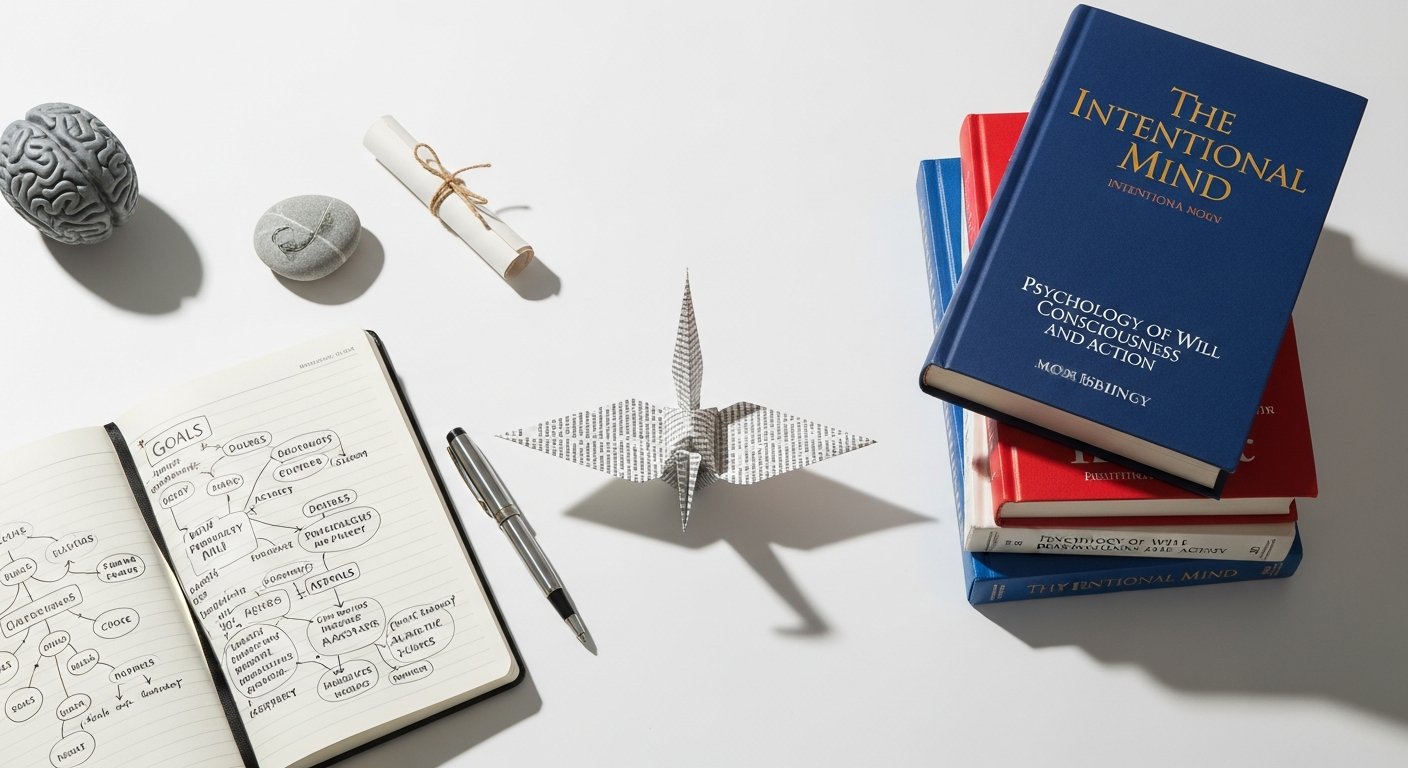
The concept of intentionality isn’t just a philosophical ideal; it’s deeply rooted in the architecture and function of the human brain. Modern neuroscience provides compelling evidence for how our brains enable and respond to intentional behavior, offering a scientific basis for why deliberate choice can be so transformative.
The Prefrontal Cortex and Executive Function
The prefrontal cortex (PFC), located at the very front of your brain, is the command center for intentionality. This region is responsible for what psychologists call “executive functions,” which include:
- Planning and Decision-Making: The ability to foresee consequences, evaluate options, and commit to a course of action.
- Goal-Oriented Behavior: Sustaining attention and effort towards desired outcomes, even in the face of distractions.
- Working Memory: Holding information in mind long enough to make informed decisions.
- Impulse Control: Inhibiting automatic or reactive behaviors in favor of deliberate, chosen responses.
- Self-Regulation: Managing emotions, thoughts, and actions to achieve specific goals.
When you set an intention – whether it’s to meditate daily, to respond with kindness, or to pursue a new career path – you are actively engaging your PFC. This part of the brain helps you override automatic impulses and direct your behavior towards a conscious aim. For instance, choosing to pause and breathe before responding angrily is an act of intentionality, engaging the PFC to inhibit an automatic reaction.
Neuroplasticity: Rewiring for Purpose
Perhaps one of the most exciting aspects of the neuroscience of intentionality is neuroplasticity – the brain’s remarkable ability to reorganize itself by forming new neural connections throughout life. Every thought, choice, and action you take strengthens specific neural pathways. When you consistently engage in intentional behaviors:
- You reinforce the neural circuits associated with those behaviors.
- You weaken the pathways linked to old, unintentional, or unhelpful habits.
- Your brain literally rewires itself to make intentional action more natural and effortless over time.
This means that with sustained effort, intentional living becomes easier. The more you practice being intentional – in your thoughts, words, and actions – the more your brain adapts, making purpose-driven choices feel less like a struggle and more like your default mode. This is why practices like mindfulness and meditation, which are inherently intentional, can lead to lasting changes in brain structure and function, fostering greater emotional regulation and cognitive flexibility. Studies in positive psychology consistently show that practices focused on gratitude, kindness, and self-compassion, when engaged with intentionally, can physically alter brain regions associated with well-being.
From Thought to Action: The Cognitive Loop of Intentionality
Intentionality isn’t a single event but a dynamic process – a cognitive loop that transforms abstract desires into concrete realities. Understanding this loop allows us to intervene at different points, strengthening our capacity for deliberate action. This process typically unfolds in several stages:
Awareness: The First Step
Before you can be intentional, you must first be aware. This stage involves deep self-inquiry and honest introspection. For many women, who are often conditioned to prioritize the needs of others, cultivating self-awareness can be a radical act of self-care. It means asking:
- What are my core values? (e.g., connection, creativity, security, growth)
- What truly matters to me in this season of my life?
- What emotions am I experiencing, and what are they telling me?
- What am I currently doing that is out of alignment with my desired life?
- What are my current energy levels and how do I replenish them?
Techniques like journaling, mindfulness meditation, and regular periods of quiet reflection are invaluable here. They help us cut through the noise of external expectations and reconnect with our inner compass. As research in self-determination theory suggests, aligning our actions with our intrinsic values is crucial for psychological well-being.
Decision: Choosing Your Path
Once awareness is established, the next step is to make a conscious decision to act intentionally. This isn’t just about identifying what you want, but explicitly choosing to pursue it. This stage requires courage, as it often means saying “no” to things that don’t serve your intentions, even if they are popular or expected. Decision-making involves:
- Clarifying the Intention: Making it specific and meaningful. Instead of “I want to be happier,” an intentional decision might be “I will practice gratitude for five minutes each morning to cultivate more joy.”
- Committing to the Intention: Mentally and emotionally investing in the chosen path. This commitment fuels motivation.
- Visualizing Success: Mentally rehearsing the desired outcome and the steps to get there, which can prime your brain for action.
This stage is where true agency is exercised. It’s the moment you consciously choose to step into your power and direct your life.
Action: Embodiment and Momentum
An intention without action is merely a wish. The action phase is where you translate your conscious choices into tangible behaviors. This requires discipline, consistency, and often, breaking down large intentions into smaller, manageable steps. Key aspects of the action phase include:
- Setting Micro-Intentions: Instead of tackling an overwhelming goal, focus on one small, actionable step you can take today.
- Creating Supportive Habits: Building routines that naturally lead you toward your larger intentions. (More on this later).
- Mindful Execution: Performing actions with full presence and awareness, rather than rushing through them.
- Seeking Accountability: Sharing your intentions with a trusted friend, mentor, or community can provide external motivation.
Each small, intentional action builds momentum, reinforcing your belief in your ability to shape your life and making the next intentional step easier. Psychologists refer to this as building self-efficacy, a belief in one’s capacity to succeed in specific situations.
Explore more on building powerful habits for lasting change.
Overcoming Obstacles to Intentional Living

While the prospect of intentional living is inspiring, the path is rarely without its challenges. For women, these obstacles can be particularly pronounced, often stemming from deeply ingrained societal expectations, personal conditioning, and the inherent demands of daily life. Recognizing and addressing these hurdles is crucial for sustaining your intentional journey.
Perfectionism and Fear of Failure
Many women are socialized to strive for perfection, leading to an ‘all or nothing’ mentality. If an intentional practice isn’t executed flawlessly, it’s often abandoned entirely. The fear of not doing it “right” can paralyze action, preventing even the smallest intentional steps. This often manifests as procrastination or an inability to even begin a new practice.
Overwhelm and Time Scarcity
Modern women often juggle multiple roles – professional, parental, spousal, caregiving – leading to chronic feelings of overwhelm and a genuine scarcity of time. The idea of adding “one more thing” to an already packed schedule, even if it’s for personal growth, can feel impossible. Intentionality is mistakenly perceived as a time-consuming luxury rather than an efficiency and clarity tool.
Societal Expectations vs. Personal Values
There’s immense pressure on women to conform to external definitions of success, beauty, and happiness. Pursuing intentions that deviate from these norms – whether it’s choosing a less conventional career, prioritizing self-care over constant productivity, or redefining family roles – can be met with resistance or judgment, making it harder to stay aligned with personal values.
Internal Resistance and Self-Doubt
Even when a woman knows what she wants, internal voices of self-doubt, impostor syndrome, or past conditioning (“I’m not good enough,” “I don’t deserve this”) can sabotage intentional efforts. This internal resistance is often more insidious than external obstacles, requiring deep inner work to overcome.
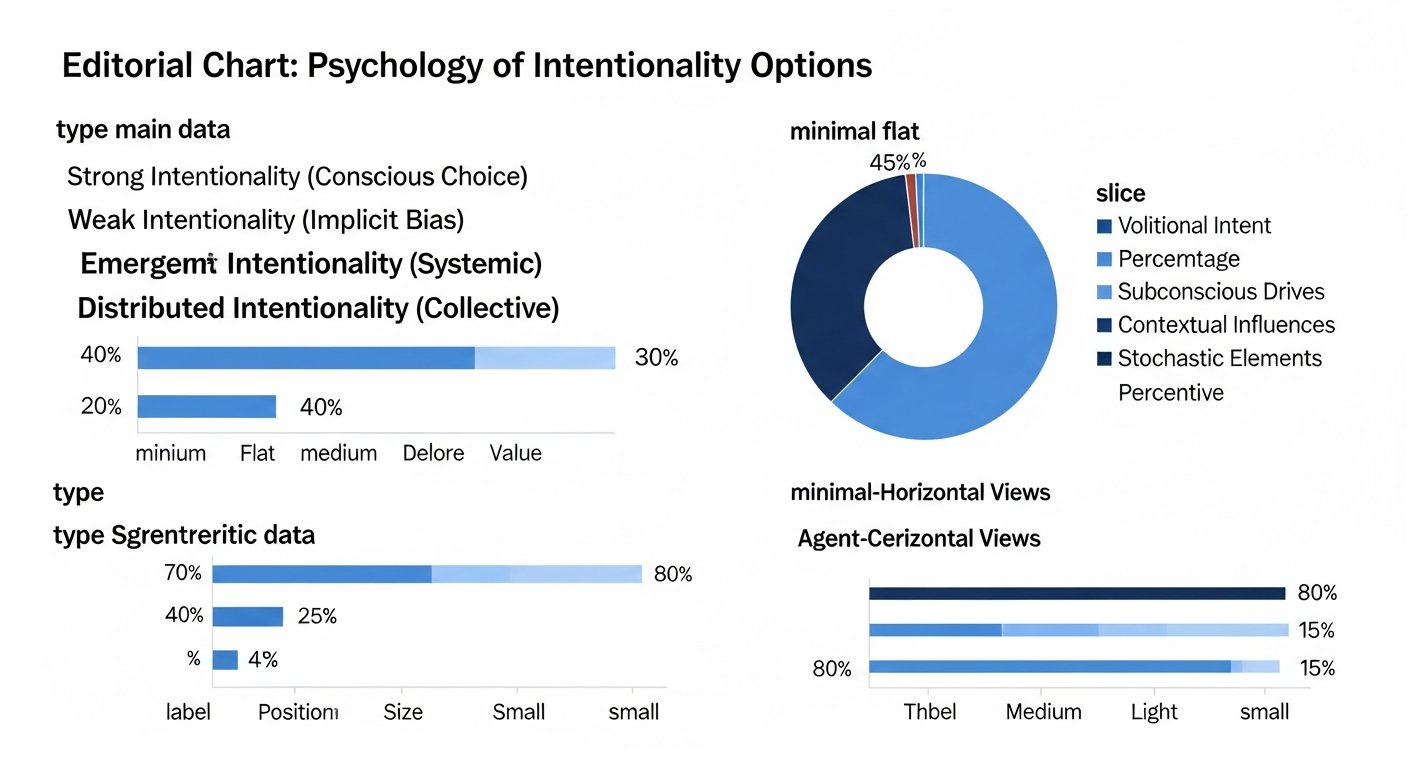
To provide a clear roadmap for addressing these common challenges, here’s a comparison table:
[INLINE IMAGE 2: place after fourth H2 | alt=”psychology of intentionality comparison illustration”]
| Common Obstacle | Impact on Intentionality | Intentional Solution/Strategy | Benefit |
|---|---|---|---|
| Perfectionism & Fear of Failure | Paralyzes action, leads to procrastination or abandonment of new habits. | Embrace “good enough” progress; focus on consistent small steps (e.g., 5 minutes of meditation vs. perfect 30). | Builds momentum, reduces pressure, fosters self-compassion. |
| Overwhelm & Time Scarcity | Prevents starting or sustaining intentional practices due to lack of perceived time/energy. | Time blocking for non-negotiable intentions; “micro-habits” (e.g., 2 deep breaths before email). | Integrates intentions seamlessly, reduces stress, creates capacity. |
| Societal Expectations | Leads to misalignment with true values, burnout, or feelings of inadequacy. | Regular value clarification; setting boundaries with people/commitments that drain energy; mindful media consumption. | Cultivates authenticity, boosts self-worth, protects energy. |
| Internal Resistance/Self-Doubt | Sabotages efforts, creates negative self-talk, undermines confidence. | Practice self-compassion; positive affirmations; cognitive reframing; journaling to challenge limiting beliefs. | Increases resilience, strengthens inner voice, builds self-efficacy. |
| Lack of Clarity/Purpose | Directionless efforts, feeling lost, inability to prioritize. | Vision boarding; guided meditation for purpose; regular “life audit” questions (e.g., “What brings me joy?”). | Provides clear direction, enhances motivation, reduces decision fatigue. |
Practical Pathways to Cultivating Intentionality
Now that we understand the ‘why’ and the ‘what,’ let’s explore the ‘how.’ Cultivating intentionality is a skill, and like any skill, it improves with practice and the right tools. Here are several practical strategies designed to help you integrate the psychology of intentionality into your daily life.
Mindfulness and Self-Awareness Practices
The foundation of intentionality is self-awareness. You cannot choose what you are not aware of. Mindfulness practices are powerful tools for building this essential awareness.
- Daily Mindfulness Meditation: Even 5-10 minutes a day can significantly enhance your ability to observe your thoughts, emotions, and physical sensations without judgment. This practice strengthens your prefrontal cortex, improving impulse control and focus.
- Mindful Check-ins: Throughout the day, take short pauses to ask yourself: “What am I feeling right now? What do I need? Is this action aligned with my values?” These micro-moments of reflection prevent autopilot mode.
- Journaling: Regular journaling (freewriting, gratitude prompts, reflection questions) provides a space to process thoughts, identify patterns, clarify values, and set intentions in a tangible way. It’s a powerful tool for self-discovery and planning.
Discover techniques for mindful living to enhance your self-awareness.
Goal Setting with an Intentional Lens
Traditional goal setting often focuses solely on outcomes. Intentional goal setting, however, emphasizes the process, the ‘why,’ and alignment with your deepest values. It’s about being intentional about the journey, not just the destination.
- Values-Based Goal Setting: Before setting a goal, identify which core values it serves. For example, a goal to launch a business might be rooted in values of creativity, independence, and contribution. This connection makes goals more meaningful and sustainable.
- Process-Oriented Goals: Alongside outcome goals (e.g., “Write a book”), set process goals (e.g., “Write for 30 minutes every morning”). This shifts focus to consistent, intentional action you can control.
- SMART (Specific, Measurable, Achievable, Relevant, Time-bound) + Heart: While SMART goals provide structure, adding “Heart” ensures they resonate with your deepest desires and intentions, making them genuinely motivating.
Habit Stacking for Purposeful Routines
Our lives are largely a collection of habits. By intentionally designing our habits, we can automate purposeful action. Habit stacking, a concept popularized by behavior psychology, involves attaching a new desired habit to an existing, established habit.
- Identify Existing Routines: What do you already do consistently each day? (e.g., brew coffee, brush teeth, check phone).
- Attach a New Intention: Pair a small, intentional action with an existing habit.
- “After I brew my coffee, I will read one page of a personal development book.”
- “After I finish dinner, I will spend 10 minutes tidying one area of my home.”
- “Before I open my email in the morning, I will write down three things I’m grateful for.”
- Start Small: The key is to make the new intentional habit so small and easy that you can’t say no. Consistency is more important than intensity in the beginning.
Environment Design: Shaping Your Surroundings
Our environment powerfully shapes our behavior, often subconsciously. Intentional living involves designing your physical and digital surroundings to support your desired actions and intentions.
- Physical Space:
- Declutter and Organize: A clear physical space often leads to a clearer mental space. Design your home to be a sanctuary that supports calm and focus.
- Visibility: Place items related to your intentions in plain sight. If you want to read more, have a book on your nightstand. If you want to exercise, lay out your workout clothes.
- Eliminate Distractions: Create dedicated zones for specific activities. A “work zone” free of personal items, or a “relaxation zone” without screens.
- Digital Space:
- Curate Your Feed: Unfollow accounts that promote comparison or negativity. Follow those that inspire, educate, or uplift your intentional journey.
- Notification Management: Turn off non-essential notifications to reduce interruptions and protect your focus.
- App Organization: Arrange your phone apps to prioritize tools that support your intentions (e.g., meditation apps, journaling apps) and make distracting apps harder to access.
By proactively shaping your environment, you make intentional choices easier and unintentional choices harder, essentially putting your intentions on autopilot.
Explore further mindset shifts for a more intentional existence.
The Transformative Power of Intentionality on Well-being
Beyond the practical applications, embracing the psychology of intentionality has profound and far-reaching effects on overall well-being. It’s not just about getting more done, but about living better, with deeper satisfaction and resilience.
Increased Agency and Empowerment
When you live intentionally, you move from a reactive stance to a proactive one. This shift cultivates a powerful sense of agency – the belief that you have control over your life and your choices. For women, who often feel pulled in many directions by external demands, regaining this sense of personal power is deeply empowering. It reduces feelings of helplessness and fosters a sense of self-mastery, reinforcing the notion that your life is a creation of your deliberate choices.
Reduced Stress and Anxiety
Much of our stress and anxiety stems from feeling out of control or overwhelmed by too many conflicting demands. Intentionality helps by:
- Prioritization: By clarifying what truly matters, you can say ‘no’ to non-essential tasks, reducing your mental load.
- Clarity: Knowing your intentions provides a clear filter for decisions, minimizing indecision and mental clutter.
- Focus: Intentional action often involves single-tasking and mindful presence, which is a natural antidote to the scattered, multi-tasking behaviors that fuel anxiety.
When your actions align with your values, there’s less internal conflict, leading to a calmer nervous system and greater peace of mind. Psychological studies on mindfulness-based stress reduction consistently show that intentional practices reduce perceived stress levels and improve emotional regulation.
Enhanced Self-Compassion and Authenticity
Intentional living is inherently an act of self-love. It involves honoring your true self, rather than trying to fit into molds created by others. This journey fosters self-compassion because it acknowledges that growth is a process, not a destination. When you act intentionally, you are making choices that nurture your authentic self, which naturally leads to:
- Greater Self-Acceptance: You become more comfortable with who you are and less reliant on external validation.
- Authentic Expression: You feel more comfortable expressing your true thoughts, feelings, and desires.
- Resilience: When faced with setbacks, you approach yourself with kindness and understanding, knowing that intention is about consistent effort, not perfection.
Deeper Relationships and Connections
Intentionality isn’t just an individual pursuit; it profoundly impacts our relationships. When you bring presence and purpose to your interactions:
- Active Listening: You intentionally listen more deeply, rather than just waiting to speak.
- Meaningful Engagement: You choose to spend time with people who uplift and align with your values.
- Clear Communication: You express your needs and boundaries more clearly, fostering healthier dynamics.
- Quality Time: You prioritize truly connecting with loved ones, rather than just being in the same room.
This deliberate approach cultivates more authentic, fulfilling, and supportive relationships, enriching your social fabric and combating feelings of isolation.
Intentionality in Different Life Domains
The beauty of intentionality is its universal applicability. It’s not confined to one area of life but can be woven into the fabric of every domain, transforming how we experience and contribute to the world. For women seeking holistic growth, applying intentionality across these domains is key.
Career and Professional Growth
An intentional approach to your career goes beyond merely climbing the ladder or chasing a paycheck. It’s about:
- Purpose-Driven Work: Choosing roles or projects that align with your core values and skills, allowing you to find deeper meaning in your work.
- Strategic Development: Intentionally seeking out learning opportunities, mentors, and challenges that support your long-term vision, rather than just reacting to immediate demands.
- Work-Life Harmony: Setting clear boundaries, managing your energy deliberately, and scheduling time for rest and recovery to prevent burnout. This means intentionally designing your work schedule to support your well-being, not just your productivity.
By bringing intention to your professional life, you not only achieve more but also experience greater satisfaction and less stress.
Relationships and Family Life
Perhaps nowhere is intentionality more impactful than in our personal relationships. Conscious connection fosters stronger bonds and greater harmony:
- Mindful Presence: Intentionally putting away distractions (phones, to-do lists) when interacting with family members or friends, giving them your full attention.
- Active Communication: Choosing to communicate openly, honestly, and empathetically, even when difficult. This includes intentionally listening to understand, not just to respond.
- Quality Time: Deliberately scheduling and protecting time for shared experiences, meaningful conversations, and creating lasting memories. This could mean a weekly family dinner with no screens, or a dedicated “date night” with a partner.
- Role Definition: For mothers and partners, intentionally defining roles and responsibilities to ensure equitable contribution and mutual respect, challenging traditional gender norms where necessary.
Intentional relationships are built on consistent, deliberate acts of love, respect, and understanding.
Health and Wellness
Our physical and mental well-being are fundamental to living a full life. Intentionality transforms health from a chore into a conscious act of self-care:
- Nourishment: Mindfully choosing foods that fuel your body and mind, rather than resorting to emotional eating or convenience. This involves intentional meal planning and preparation.
- Movement: Engaging in physical activity that you genuinely enjoy and that supports your body’s needs, rather than feeling obligated by external pressures. It’s about intentional movement, not just exercise.
- Rest and Recovery: Prioritizing sleep, relaxation, and downtime as non-negotiable components of your well-being, understanding that rest is productive. This means intentionally scheduling periods of rest.
- Mental Health Practices: Deliberately integrating practices like therapy, journaling, or spending time in nature to support emotional resilience and clarity.
Intentional health choices empower you to be a more vibrant and resilient version of yourself.
Personal Finance
Money is a tool, and intentionality can help you wield it to support your life vision rather than being controlled by it.
- Values-Aligned Spending: Consciously directing your money towards experiences, products, or investments that align with your core values and long-term goals.
- Budgeting with Purpose: Creating a budget that reflects your intentions for saving, investing, and giving, rather than just tracking expenses reactively.
- Financial Education: Intentionally seeking knowledge and advice to make informed financial decisions, building financial literacy and confidence.
By being intentional with your finances, you gain a sense of security, freedom, and the ability to fund your purposeful life.
Find more comprehensive tips for women’s overall well-being.
Sustaining Intentional Living: Long-Term Strategies
Starting an intentional journey is one thing; sustaining it over the long haul is another. Life is dynamic, and challenges will inevitably arise. To ensure intentionality remains a guiding force in your life, rather than a fleeting phase, consider these long-term strategies.
Regular Reflection and Evaluation
Just as a captain regularly checks their course, you need to periodically assess your intentionality. This isn’t about harsh judgment, but gentle course correction.
- Weekly Review: Set aside 15-30 minutes each week to review your week. Ask yourself: “Where was I intentional? Where did I drift? What did I learn? What intentions will I set for the coming week?”
- Quarterly / Annual Audit: Every few months or once a year, conduct a deeper audit of your life domains (career, relationships, health, finances). Are your current actions still aligned with your evolving values and long-term vision? What adjustments are needed? This deeper dive ensures your intentions grow with you.
- Journaling Prompts: Use prompts like “What brings me joy right now?”, “What drains my energy?”, “Am I honoring my boundaries?”, “What legacy do I want to build?” to guide your reflection.
This consistent reflection process helps prevent autopilot creep and keeps your intentions fresh and relevant.
Building a Supportive Community
Intentional living thrives in connection. Surrounding yourself with individuals who also value purpose and growth can be incredibly empowering.
- Find Your Tribe: Seek out friends, family members, or colleagues who inspire you, challenge you positively, and understand your commitment to intentionality.
- Accountability Partners: Partner with someone to share your intentions, celebrate successes, and gently hold each other accountable for consistent action.
- Join Communities: Participate in online forums, local workshops, or groups focused on personal growth, mindfulness, or specific passions. Hearing diverse perspectives and sharing experiences can provide invaluable support and motivation.
Remember, you don’t have to navigate this journey alone. A supportive network can amplify your efforts and provide solace during challenging times.
Embracing Flexibility and Iteration
Intentional living is not about rigid adherence to a plan; it’s about adaptive alignment. Life is unpredictable, and sometimes, even the most well-thought-out intentions need to shift. True intentionality recognizes this and allows for flexibility.
- Let Go of Perfection: Understand that there will be days you fall off track. Instead of self-criticism, practice self-compassion and simply recommit.
- Adapt and Adjust: When an intention isn’t working, or circumstances change, don’t abandon the goal; iterate on the approach. What can you learn? What small adjustment can make it more feasible?
- Embrace Seasons: Recognize that different seasons of life will call for different intentions. Your priorities as a new mother might differ from your priorities as an empty-nester. Be intentional about acknowledging and honoring these shifts.
This iterative mindset prevents burnout and fosters resilience, ensuring your intentional journey is sustainable and joyful.
Celebrating Small Wins and Progress
The journey of intentional living is often a marathon, not a sprint. It’s easy to get discouraged if you only focus on grand, distant goals. Intentionally celebrating small victories along the way is crucial for maintaining motivation and reinforcing positive behavior.
- Acknowledge Your Efforts: Take a moment to consciously recognize every small intentional choice you make, no matter how minor.
- Reward Progress: Implement small, healthy rewards for achieving micro-intentions or consistent effort. This could be enjoying a favorite cup of tea, taking a short walk in nature, or indulging in a creative hobby.
- Review Your “Wins” List: Keep a running list of your intentional successes. Periodically reviewing this list can boost your morale and remind you of your capacity for change.
By intentionally acknowledging and celebrating your progress, you create a positive feedback loop that reinforces your commitment to a purposeful life, making the entire journey more enjoyable and sustainable.
Conclusion: Living a Life by Design, Not by Default
The psychology of intentionality offers a profound framework for women seeking to live more purposeful, fulfilling, and authentic lives. It’s a call to move beyond the reactive rhythms of modern existence and to consciously engage with every choice, action, and interaction. From understanding the neuroscience of how our brains support deliberate action to implementing practical strategies like mindfulness, intentional goal setting, and
The Psychology of Intentionality: Crafting a Purposeful Life for Women
Affiliate disclosure: This article may contain affiliate links. Recommendations are independent and editorially driven.
In a world that constantly pulls us in a myriad of directions, the concept of living with purpose often feels like a luxurious ideal rather than an achievable reality. Yet, at the core of true personal growth and lasting fulfillment lies a profound principle: the psychology of intentionality. For women navigating the complexities of modern life – balancing careers, family, personal aspirations, and societal expectations – understanding and harnessing intentionality is not just a choice, but a powerful pathway to reclaiming agency and shaping a life that genuinely reflects their deepest values.
Intentionality is far more than simply setting goals or having a vague desire for a better future. It’s a deliberate, conscious commitment to living aligned with one’s authentic self, making choices that resonate with purpose, and actively directing one’s energy towards what truly matters. This isn’t about rigid control, but about thoughtful engagement with life. It’s about transcending autopilot mode and engaging in a mindful process of decision-making, habit formation, and continuous self-reflection. This comprehensive guide will delve into the scientific underpinnings, practical applications, and transformative power of intentionality, offering actionable strategies to help you cultivate a purpose-driven life.
What is Intentionality, Really? Defining it for Women’s Lives
At its heart, intentionality is the state of doing things with purpose and consciousness. It’s the opposite of drifting, reacting, or simply following external cues without internal alignment. For women, this often translates to a powerful shift from feeling overwhelmed by endless demands to actively choosing how to spend their precious time, energy, and emotional resources. It’s about being the author of your own story, rather than merely a character in someone else’s narrative.
Psychologically, intentionality involves several key components:
- Awareness: A deep understanding of one’s values, beliefs, desires, and current reality. This self-awareness is the bedrock upon which all intentional choices are built. Without knowing what truly matters to you, it’s impossible to be intentional about pursuing it.
- Choice: The active process of making decisions that align with these identified values and desires, even when faced with pressure or distraction. Intentionality implies agency – the belief in your capacity to make choices and influence outcomes.
- Action: Translating those choices into consistent behaviors and habits. Intentionality isn’t just a mental state; it’s manifested through consistent, deliberate action.
- Reflection: Regularly reviewing actions and their outcomes to ensure they remain aligned with core intentions and to adapt as needed. This feedback loop is crucial for growth and sustained intentional living.
In essence, intentionality empowers you to respond thoughtfully to life rather than simply reacting. It’s about building a life brick by brick, not letting it be built around you haphazardly. For many women, this means actively designing a lifestyle that honors their unique strengths, passions, and commitments, rather than passively accepting the default path laid out by societal norms or endless to-do lists.
[INLINE IMAGE 1: place after second H2 | alt=”psychology of intentionality concept illustration”]
The Neuroscience Behind Intentional Action and Mindset Shifts
The concept of intentionality isn’t just a philosophical ideal; it’s deeply rooted in the architecture and function of the human brain. Modern neuroscience provides compelling evidence for how our brains enable and respond to intentional behavior, offering a scientific basis for why deliberate choice can be so transformative.
The Prefrontal Cortex and Executive Function
The prefrontal cortex (PFC), located at the very front of your brain, is the command center for intentionality. This region is responsible for what psychologists call “executive functions,” which include:
- Planning and Decision-Making: The ability to foresee consequences, evaluate options, and commit to a course of action.
- Goal-Oriented Behavior: Sustaining attention and effort towards desired outcomes, even in the face of distractions.
- Working Memory: Holding information in mind long enough to make informed decisions.
- Impulse Control: Inhibiting automatic or reactive behaviors in favor of deliberate, chosen responses.
- Self-Regulation: Managing emotions, thoughts, and actions to achieve specific goals.
When you set an intention – whether it’s to meditate daily, to respond with kindness, or to pursue a new career path – you are actively engaging your PFC. This part of the brain helps you override automatic impulses and direct your behavior towards a conscious aim. For instance, choosing to pause and breathe before responding angrily is an act of intentionality, engaging the PFC to inhibit an automatic reaction.
Neuroplasticity: Rewiring for Purpose
Perhaps one of the most exciting aspects of the neuroscience of intentionality is neuroplasticity – the brain’s remarkable ability to reorganize itself by forming new neural connections throughout life. Every thought, choice, and action you take strengthens specific neural pathways. When you consistently engage in intentional behaviors:
- You reinforce the neural circuits associated with those behaviors.
- You weaken the pathways linked to old, unintentional, or unhelpful habits.
- Your brain literally rewires itself to make intentional action more natural and effortless over time.
This means that with sustained effort, intentional living becomes easier. The more you practice being intentional – in your thoughts, words, and actions – the more your brain adapts, making purpose-driven choices feel less like a struggle and more like your default mode. This is why practices like mindfulness and meditation, which are inherently intentional, can lead to lasting changes in brain structure and function, fostering greater emotional regulation and cognitive flexibility. Studies in positive psychology consistently show that practices focused on gratitude, kindness, and self-compassion, when engaged with intentionally, can physically alter brain regions associated with well-being.
From Thought to Action: The Cognitive Loop of Intentionality
Intentionality isn’t a single event but a dynamic process – a cognitive loop that transforms abstract desires into concrete realities. Understanding this loop allows us to intervene at different points, strengthening our capacity for deliberate action. This process typically unfolds in several stages:
Awareness: The First Step
Before you can be intentional, you must first be aware. This stage involves deep self-inquiry and honest introspection. For many women, who are often conditioned to prioritize the needs of others, cultivating self-awareness can be a radical act of self-care. It means asking:
- What are my core values? (e.g., connection, creativity, security, growth)
- What truly matters to me in this season of my life?
- What emotions am I experiencing, and what are they telling me?
- What am I currently doing that is out of alignment with my desired life?
- What are my current energy levels and how do I replenish them?
Techniques like journaling, mindfulness meditation, and regular periods of quiet reflection are invaluable here. They help us cut through the noise of external expectations and reconnect with our inner compass. As research in self-determination theory suggests, aligning our actions with our intrinsic values is crucial for psychological well-being.
Decision: Choosing Your Path
Once awareness is established, the next step is to make a conscious decision to act intentionally. This isn’t just about identifying what you want, but explicitly choosing to pursue it. This stage requires courage, as it often means saying “no” to things that don’t serve your intentions, even if they are popular or expected. Decision-making involves:
- Clarifying the Intention: Making it specific and meaningful. Instead of “I want to be happier,” an intentional decision might be “I will practice gratitude for five minutes each morning to cultivate more joy.”
- Committing to the Intention: Mentally and emotionally investing in the chosen path. This commitment fuels motivation.
- Visualizing Success: Mentally rehearsing the desired outcome and the steps to get there, which can prime your brain for action.
This stage is where true agency is exercised. It’s the moment you consciously choose to step into your power and direct your life.
Action: Embodiment and Momentum
An intention without action is merely a wish. The action phase is where you translate your conscious choices into tangible behaviors. This requires discipline, consistency, and often, breaking down large intentions into smaller, manageable steps. Key aspects of the action phase include:
- Setting Micro-Intentions: Instead of tackling an overwhelming goal, focus on one small, actionable step you can take today.
- Creating Supportive Habits: Building routines that naturally lead you toward your larger intentions. (More on this later).
- Mindful Execution: Performing actions with full presence and awareness, rather than rushing through them.
- Seeking Accountability: Sharing your intentions with a trusted friend, mentor, or community can provide external motivation.
Each small, intentional action builds momentum, reinforcing your belief in your ability to shape your life and making the next intentional step easier. Psychologists refer to this as building self-efficacy, a belief in one’s capacity to succeed in specific situations.
Explore more on building powerful habits for lasting change.
Overcoming Obstacles to Intentional Living
While the prospect of intentional living is inspiring, the path is rarely without its challenges. For women, these obstacles can be particularly pronounced, often stemming from deeply ingrained societal expectations, personal conditioning, and the inherent demands of daily life. Recognizing and addressing these hurdles is crucial for sustaining your intentional journey.
Perfectionism and Fear of Failure
Many women are socialized to strive for perfection, leading to an ‘all or nothing’ mentality. If an intentional practice isn’t executed flawlessly, it’s often abandoned entirely. The fear of not doing it “right” can paralyze action, preventing even the smallest intentional steps. This often manifests as procrastination or an inability to even begin a new practice.
Overwhelm and Time Scarcity
Modern women often juggle multiple roles – professional, parental, spousal, caregiving – leading to chronic feelings of overwhelm and a genuine scarcity of time. The idea of adding “one more thing” to an already packed schedule, even if it’s for personal growth, can feel impossible. Intentionality is mistakenly perceived as a time-consuming luxury rather than an efficiency and clarity tool.
Societal Expectations vs. Personal Values
There’s immense pressure on women to conform to external definitions of success, beauty, and happiness. Pursuing intentions that deviate from these norms – whether it’s choosing a less conventional career, prioritizing self-care over constant productivity, or redefining family roles – can be met with resistance or judgment, making it harder to stay aligned with personal values.
Internal Resistance and Self-Doubt
Even when a woman knows what she wants, internal voices of self-doubt, impostor syndrome, or past conditioning (“I’m not good enough,” “I don’t deserve this”) can sabotage intentional efforts. This internal resistance is often more insidious than external obstacles, requiring deep inner work to overcome.
To provide a clear roadmap for addressing these common challenges, here’s a comparison table:
[INLINE IMAGE 2: place after fourth H2 | alt=”psychology of intentionality comparison illustration”]
| Common Obstacle | Impact on Intentionality | Intentional Solution/Strategy | Benefit |
|---|---|---|---|
| Perfectionism & Fear of Failure | Paralyzes action, leads to procrastination or abandonment of new habits. | Embrace “good enough” progress; focus on consistent small steps (e.g., 5 minutes of meditation vs. perfect 30). | Builds momentum, reduces pressure, fosters self-compassion. |
| Overwhelm & Time Scarcity | Prevents starting or sustaining intentional practices due to lack of perceived time/energy. | Time blocking for non-negotiable intentions; “micro-habits” (e.g., 2 deep breaths before email). | Integrates intentions seamlessly, reduces stress, creates capacity. |
| Societal Expectations | Leads to misalignment with true values, burnout, or feelings of inadequacy. | Regular value clarification; setting boundaries with people/commitments that drain energy; mindful media consumption. | Cultivates authenticity, boosts self-worth, protects energy. |
| Internal Resistance/Self-Doubt | Sabotages efforts, creates negative self-talk, undermines confidence. | Practice self-compassion; positive affirmations; cognitive reframing; journaling to challenge limiting beliefs. | Increases resilience, strengthens inner voice, builds self-efficacy. |
| Lack of Clarity/Purpose | Directionless efforts, feeling lost, inability to prioritize. | Vision boarding; guided meditation for purpose; regular “life audit” questions (e.g., “What brings me joy?”). | Provides clear direction, enhances motivation, reduces decision fatigue. |
Practical Pathways to Cultivating Intentionality
Now that we understand the ‘why’ and the ‘what,’ let’s explore the ‘how.’ Cultivating intentionality is a skill, and like any skill, it improves with practice and the right tools. Here are several practical strategies designed to help you integrate the psychology of intentionality into your daily life.
Mindfulness and Self-Awareness Practices
The foundation of intentionality is self-awareness. You cannot choose what you are not aware of. Mindfulness practices are powerful tools for building this essential awareness.
- Daily Mindfulness Meditation: Even 5-10 minutes a day can significantly enhance your ability to observe your thoughts, emotions, and physical sensations without judgment. This practice strengthens your prefrontal cortex, improving impulse control and focus.
- Mindful Check-ins: Throughout the day, take short pauses to ask yourself: “What am I feeling right now? What do I need? Is this action aligned with my values?” These micro-moments of reflection prevent autopilot mode.
- Journaling: Regular journaling (freewriting, gratitude prompts, reflection questions) provides a space to process thoughts, identify patterns, clarify values, and set intentions in a tangible way. It’s a powerful tool for self-discovery and planning.
Discover techniques for mindful living to enhance your self-awareness.
Goal Setting with an Intentional Lens
Traditional goal setting often focuses solely on outcomes. Intentional goal setting, however, emphasizes the process, the ‘why,’ and alignment with your deepest values. It’s about being intentional about the journey, not just the destination.
- Values-Based Goal Setting: Before setting a goal, identify which core values it serves. For example, a goal to launch a business might be rooted in values of creativity, independence, and contribution. This connection makes goals more meaningful and sustainable.
- Process-Oriented Goals: Alongside outcome goals (e.g., “Write a book”), set process goals (e.g., “Write for 30 minutes every morning”). This shifts focus to consistent, intentional action you can control.
- SMART (Specific, Measurable, Achievable, Relevant, Time-bound) + Heart: While SMART goals provide structure, adding “Heart” ensures they resonate with your deepest desires and intentions, making them genuinely motivating.
Habit Stacking for Purposeful Routines
Our lives are largely a collection of habits. By intentionally designing our habits, we can automate purposeful action. Habit stacking, a concept popularized by behavior psychology, involves attaching a new desired habit to an existing, established habit.
- Identify Existing Routines: What do you already do consistently each day? (e.g., brew coffee, brush teeth, check phone).
- Attach a New Intention: Pair a small, intentional action with an existing habit.
- “After I brew my coffee, I will read one page of a personal development book.”
- “After I finish dinner, I will spend 10 minutes tidying one area of my home.”
- “Before I open my email in the morning, I will write down three things I’m grateful for.”
- Start Small: The key is to make the new intentional habit so small and easy that you can’t say no. Consistency is more important than intensity in the beginning.
Environment Design: Shaping Your Surroundings
Our environment powerfully shapes our behavior, often subconsciously. Intentional living involves designing your physical and digital surroundings to support your desired actions and intentions.
- Physical Space:
- Declutter and Organize: A clear physical space often leads to a clearer mental space. Design your home to be a sanctuary that supports calm and focus.
- Visibility: Place items related to your intentions in plain sight. If you want to read more, have a book on your nightstand. If you want to exercise, lay out your workout clothes.
- Eliminate Distractions: Create dedicated zones for specific activities. A “work zone” free of personal items, or a “relaxation zone” without screens.
- Digital Space:
- Curate Your Feed: Unfollow accounts that promote comparison or negativity. Follow those that inspire, educate, or uplift your intentional journey.
- Notification Management: Turn off non-essential notifications to reduce interruptions and protect your focus.
- App Organization: Arrange your phone apps to prioritize tools that support your intentions (e.g., meditation apps, journaling apps) and make distracting apps harder to access.
By proactively shaping your environment, you make intentional choices easier and unintentional choices harder, essentially putting your intentions on autopilot.
Explore further mindset shifts for a more intentional existence.
The Transformative Power of Intentionality on Well-being
Beyond the practical applications, embracing the psychology of intentionality has profound and far-reaching effects on overall well-being. It’s not just about getting more done, but about living better, with deeper satisfaction and resilience.
Increased Agency and Empowerment
When you live intentionally, you move from a reactive stance to a proactive one. This shift cultivates a powerful sense of agency – the belief that you have control over your life and your choices. For women, who often feel pulled in many directions by external demands, regaining this sense of personal power is deeply empowering. It reduces feelings of helplessness and fosters a sense of self-mastery, reinforcing the notion that your life is a creation of your deliberate choices.
Reduced Stress and Anxiety
Much of our stress and anxiety stems from feeling out of control or overwhelmed by too many conflicting demands. Intentionality helps by:
- Prioritization: By clarifying what truly matters, you can say ‘no’ to non-essential tasks, reducing your mental load.
- Clarity: Knowing your intentions provides a clear filter for decisions, minimizing indecision and mental clutter.
- Focus: Intentional action often involves single-tasking and mindful presence, which is a natural antidote to the scattered, multi-tasking behaviors that fuel anxiety.
When your actions align with your values, there’s less internal conflict, leading to a calmer nervous system and greater peace of mind. Psychological studies on mindfulness-based stress reduction consistently show that intentional practices reduce perceived stress levels and improve emotional regulation.
Enhanced Self-Compassion and Authenticity
Intentional living is inherently an act of self-love. It involves honoring your true self, rather than trying to fit into molds created by others. This journey fosters self-compassion because it acknowledges that growth is a process, not a destination. When you act intentionally, you are making choices that nurture your authentic self, which naturally leads to:
- Greater Self-Acceptance: You become more comfortable with who you are and less reliant on external validation.
- Authentic Expression: You feel more comfortable expressing your true thoughts, feelings, and desires.
- Resilience: When faced with setbacks, you approach yourself with kindness and understanding, knowing that intention is about consistent effort, not perfection.
Deeper Relationships and Connections
Intentionality isn’t just an individual pursuit; it profoundly impacts our relationships. When you bring presence and purpose to your interactions:
- Active Listening: You intentionally listen more deeply, rather than just waiting to speak.
- Meaningful Engagement: You choose to spend time with people who uplift and align with your values.
- Clear Communication: You express your needs and boundaries more clearly, fostering healthier dynamics.
- Quality Time: You prioritize truly connecting with loved ones, rather than just being in the same room.
This deliberate approach cultivates more authentic, fulfilling, and supportive relationships, enriching your social fabric and combating feelings of isolation.
Intentionality in Different Life Domains
The beauty of intentionality is its universal applicability. It’s not confined to one area of life but can be woven into the fabric of every domain, transforming how we experience and contribute to the world. For women seeking holistic growth, applying intentionality across these domains is key.
Career and Professional Growth
An intentional approach to your career goes beyond merely climbing the ladder or chasing a paycheck. It’s about:
- Purpose-Driven Work: Choosing roles or projects that align with your core values and skills, allowing you to find deeper meaning in your work.
- Strategic Development: Intentionally seeking out learning opportunities, mentors, and challenges that support your long-term vision, rather than just reacting to immediate demands.
- Work-Life Harmony: Setting clear boundaries, managing your energy deliberately, and scheduling time for rest and recovery to prevent burnout. This means intentionally designing your work schedule to support your well-being, not just your productivity.
By bringing intention to your professional life, you not only achieve more but also experience greater satisfaction and less stress.
Relationships and Family Life
Perhaps nowhere is intentionality more impactful than in our personal relationships. Conscious connection fosters stronger bonds and greater harmony:
- Mindful Presence: Intentionally putting away distractions (phones, to-do lists) when interacting with family members or friends, giving them your full attention.
- Active Communication: Choosing to communicate openly, honestly, and empathetically, even when difficult. This includes intentionally listening to understand, not just to respond.
- Quality Time: Deliberately scheduling and protecting time for shared experiences, meaningful conversations, and creating lasting memories. This could mean a weekly family dinner with no screens, or a dedicated “date night” with a partner.
- Role Definition: For mothers and partners, intentionally defining roles and responsibilities to ensure equitable contribution and mutual respect, challenging traditional gender norms where necessary.
Intentional relationships are built on consistent, deliberate acts of love, respect, and understanding.
Health and Wellness
Our physical and mental well-being are fundamental to living a full life. Intentionality transforms health from a chore into a conscious act of self-care:
- Nourishment: Mindfully choosing foods that fuel your body and mind, rather than resorting to emotional eating or convenience. This involves intentional meal planning and preparation.
- Movement: Engaging in physical activity that you genuinely enjoy and that supports your body’s needs, rather than feeling obligated by external pressures. It’s about intentional movement, not just exercise.
- Rest and Recovery: Prioritizing sleep, relaxation, and downtime as non-negotiable components of your well-being, understanding that rest is productive. This means intentionally scheduling periods of rest.
- Mental Health Practices: Deliberately integrating practices like therapy, journaling, or spending time in nature to support emotional resilience and clarity.
Intentional health choices empower you to be a more vibrant and resilient version of yourself.
Personal Finance
Money is a tool, and intentionality can help you wield it to support your life vision rather than being controlled by it.
- Values-Aligned Spending: Consciously directing your money towards experiences, products, or investments that align with your core values and long-term goals.
- Budgeting with Purpose: Creating a budget that reflects your intentions for saving, investing, and giving, rather than just tracking expenses reactively.
- Financial Education: Intentionally seeking knowledge and advice to make informed financial decisions, building financial literacy and confidence.
By being intentional with your finances, you gain a sense of security, freedom, and the ability to fund your purposeful life.
Find more comprehensive tips for women’s overall well-being.
Sustaining Intentional Living: Long-Term Strategies
Starting an intentional journey is one thing; sustaining it over the long haul is another. Life is dynamic, and challenges will inevitably arise. To ensure intentionality remains a guiding force in your life, rather than a fleeting phase, consider these long-term strategies.
Regular Reflection and Evaluation
Just as a captain regularly checks their course, you need to periodically assess your intentionality. This isn’t about harsh judgment, but gentle course correction.
- Weekly Review: Set aside 15-30 minutes each week to review your week. Ask yourself: “Where was I intentional? Where did I drift? What did I learn? What intentions will I set for the coming week?”
- Quarterly / Annual Audit: Every few months or once a year, conduct a deeper audit of your life domains (career, relationships, health, finances). Are your current actions still aligned with your evolving values and long-term vision? What adjustments are needed? This deeper dive ensures your intentions grow with you.
- Journaling Prompts: Use prompts like “What brings me joy right now?”, “What drains my energy?”, “Am I honoring my boundaries?”, “What legacy do I want to build?” to guide your reflection.
This consistent reflection process helps prevent autopilot creep and keeps your intentions fresh and relevant.
Building a Supportive Community
Intentional living thrives in connection. Surrounding yourself with individuals who also value purpose and growth can be incredibly empowering.
- Find Your Tribe: Seek out friends, family members, or colleagues who inspire you, challenge you positively, and understand your commitment to intentionality.
- Accountability Partners: Partner with someone to share your intentions, celebrate successes, and gently hold each other accountable for consistent action.
- Join Communities: Participate in online forums, local workshops, or groups focused on personal growth, mindfulness, or specific passions. Hearing diverse perspectives and sharing experiences can provide invaluable support and motivation.
Remember, you don’t have to navigate this journey alone. A supportive network can amplify your efforts and provide solace during challenging times.
Embracing Flexibility and Iteration
Intentional living is not about rigid adherence to a plan; it’s about adaptive alignment. Life is unpredictable, and sometimes, even the most well-thought-out intentions need to shift. True intentionality recognizes this and allows for flexibility.
- Let Go of Perfection: Understand that there will be days you fall off track. Instead of self-criticism, practice self-compassion and simply recommit.
- Adapt and Adjust: When an intention isn’t working, or circumstances change, don’t abandon the goal; iterate on the approach. What can you learn? What small adjustment can make it more feasible?
- Embrace Seasons: Recognize that different seasons of life will call for different intentions. Your priorities as a new mother might differ from your priorities as an empty-nester. Be intentional about acknowledging and honoring these shifts.
This iterative mindset prevents burnout and fosters resilience, ensuring your intentional journey is sustainable and joyful.
Celebrating Small Wins and Progress
The journey of intentional living is often a marathon, not a sprint. It’s easy to get discouraged if you only focus on grand, distant goals. Intentionally celebrating small victories along the way is crucial for maintaining motivation and reinforcing positive behavior.
- Acknowledge Your Efforts: Take a moment to consciously recognize every small intentional choice you make, no matter how minor.
- Reward Progress: Implement small, healthy rewards for achieving micro-intentions or consistent effort. This could be enjoying a favorite cup of tea, taking a short walk in nature, or indulging in a creative hobby.
- Review Your “Wins” List: Keep a running list of your intentional successes. Periodically reviewing this list can boost your morale and remind you of your capacity for change.
By intentionally acknowledging and celebrating your progress, you create a positive feedback loop that reinforces your commitment to a purposeful life, making the entire journey more enjoyable and sustainable.
Conclusion: Living a Life by Design, Not by Default
The psychology of intentionality offers a profound framework for women seeking to live more purposeful, fulfilling, and authentic lives. It’s a call to move beyond the reactive rhythms of modern existence and to consciously engage with every choice, action, and interaction. From understanding the neuroscience of how our brains support deliberate action to implementing practical strategies like mindfulness, intentional goal setting, and