

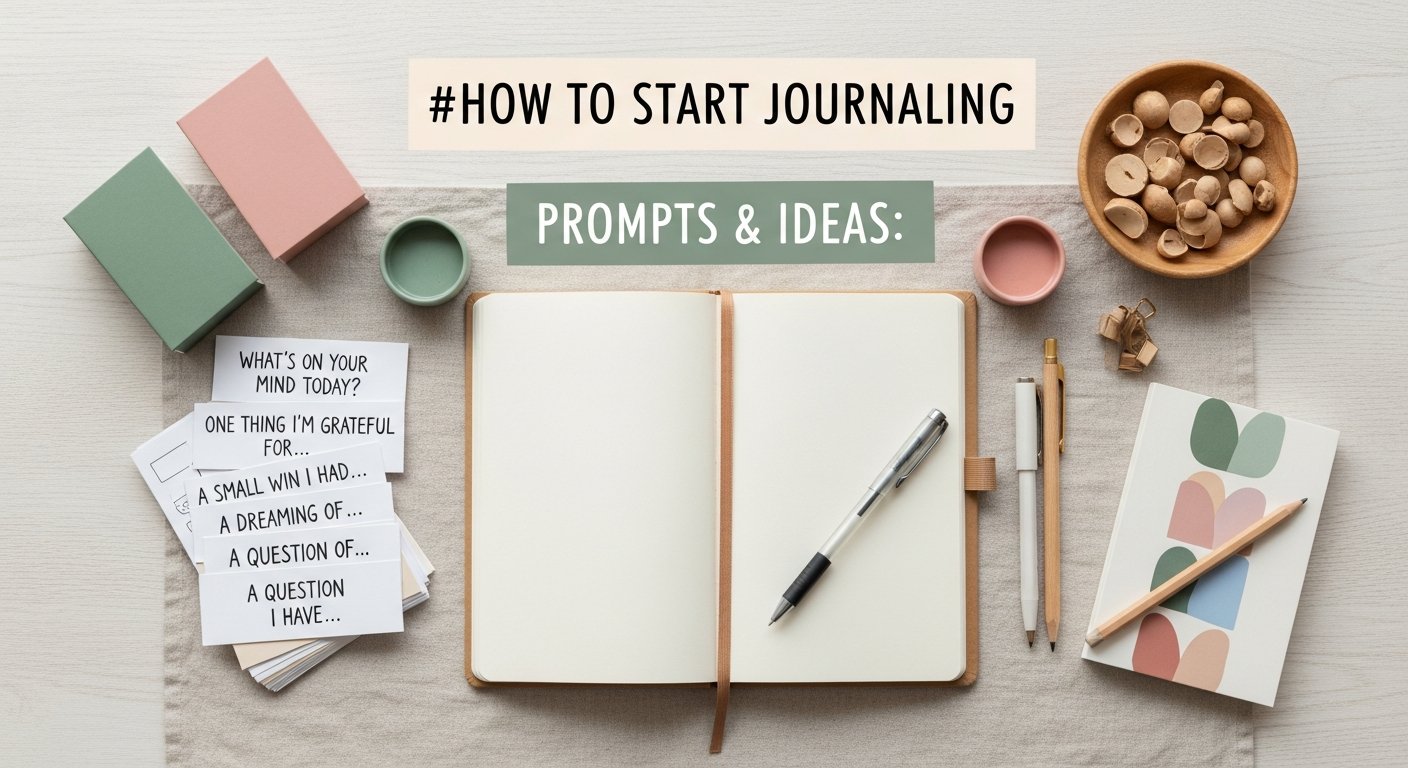
How to Start Journaling: Your Definitive Guide to Intentional Reflection for a Richer Life
Affiliate disclosure: This article may contain affiliate links. Recommendations are independent and editorially driven.
In the whirlwind of modern life, where demands pull us in countless directions and distractions vie for our attention, finding a sanctuary for self-reflection can feel like an elusive dream. Yet, for women seeking to cultivate an intentional, slow lifestyle, to navigate mindset shifts, and to truly embrace personal growth, one practice stands out as both accessible and profoundly powerful: journaling. Far more than just keeping a diary, journaling is a dynamic tool for self-discovery, emotional regulation, and intentional living. It’s a personal conversation with your deepest self, a space to unpack thoughts, dreams, fears, and aspirations without judgment.
Perhaps you’ve heard the whispers about the benefits of journaling – increased clarity, reduced stress, enhanced creativity – and found yourself intrigued. Or maybe you’ve tried to start before, only to be met with a blank page and a feeling of inadequacy. You might be asking, “How do I even begin? What should I write? Is there a ‘right’ way to do this?”
This comprehensive guide from thecontextuallife is designed to demystify the process and empower you to confidently embark on your journaling journey. We believe that journaling is not a rigid discipline, but a fluid, personal practice that adapts to your unique needs and evolving life. Whether you dream of capturing fleeting thoughts, processing complex emotions, setting ambitious goals, or simply creating a sacred space for your authentic voice, we will walk you through every step.
From choosing the perfect journal and understanding various styles to discovering powerful prompts and integrating this practice into your daily rhythm, we’ll provide you with the insights and encouragement you need. Get ready to unlock a profound connection with yourself, foster deeper intentionality, and embrace a path of continuous personal growth. Your richer inner life begins here.
The Transformative Power of Journaling: Why Start Your Journey Today?
Before we dive into the practicalities of how to start journaling, let’s explore the profound reasons why this practice has stood the test of time and continues to be a cornerstone of personal development for countless individuals, particularly women committed to intentional living. Journaling isn’t merely a pastime; it’s an investment in your mental, emotional, and spiritual well-being, offering a sanctuary for introspection in a world that rarely slows down.
Unlocking Self-Discovery and Clarity
In the daily grind, it’s easy to lose touch with our true selves. We react, we respond, we perform roles, often without pausing to understand the underlying currents of our thoughts and emotions. Journaling offers a dedicated space to peel back these layers. By committing your thoughts to paper (or screen), you create distance from them, allowing you to observe, analyze, and understand without immediate pressure.
- Identifying Patterns: Over time, you’ll begin to notice recurring themes in your thoughts, behaviors, and emotions. This awareness is the first step toward conscious change and growth.
- Gaining Perspective: A problem that feels insurmountable in your head often becomes more manageable when laid out on a page. Journaling helps you externalize challenges, allowing you to see them from different angles and find potential solutions.
- Clarifying Values and Desires: Through consistent reflection, you can articulate what truly matters to you. What are your core values? What kind of life do you genuinely want to build? Journaling helps you connect with these deeper truths, guiding your decisions and actions.
Cultivating Emotional Intelligence and Well-being
Emotional intelligence – the ability to understand and manage one’s own emotions, and to recognize and influence the emotions of others – is a critical skill for a fulfilling life. Journaling is a direct pathway to enhancing this intelligence, particularly self-awareness and self-regulation.
- Processing Emotions: Life throws curveballs. Journaling provides a safe, non-judgmental outlet to process anger, sadness, joy, fear, and frustration. Instead of suppressing emotions, you can acknowledge and explore them, preventing them from festering or exploding.
- Reducing Stress and Anxiety: The act of writing can be incredibly cathartic. It offloads mental clutter, acting as a natural de-stressor. Regularly expressing worries can reduce their intensity and prevent rumination, leading to a calmer mind.
- Building Resilience: By reflecting on past challenges and how you navigated them, journaling helps you recognize your inner strength and build resilience for future adversities. You see your own growth trajectory, affirming your capacity to overcome.
Fueling Personal Growth and Intentional Living
For the intentional woman, personal growth isn’t a passive aspiration; it’s an active pursuit. Journaling serves as a powerful engine for this journey, helping you to consciously shape your life rather than passively letting it unfold.
- Setting and Tracking Goals: Journaling is an excellent companion for goal setting. You can articulate your dreams, break them down into actionable steps, track your progress, and reflect on what’s working and what needs adjustment.
- Cultivating Gratitude: Dedicated gratitude journaling shifts your focus from what’s lacking to what’s abundant. This simple practice can profoundly impact your overall happiness and outlook.
- Making Intentional Choices: When you understand yourself better – your motivations, fears, and desires – you’re better equipped to make choices that align with your true self and your vision for a meaningful life. It moves you from reactive living to proactive creation.
The Contextual Life Approach to Journaling
At thecontextuallife, we believe journaling is an essential pillar of intentional living and a slow lifestyle. It’s not about achieving perfection or adhering to rigid rules, but about creating a personal sanctuary for reflection, growth, and self-compassion. Our approach emphasizes:
- Authenticity: Write what feels true to you, without filters or self-censorship.
- Flexibility: Your practice should evolve with you. There’s no single “right” way.
- Integration: See journaling not as a separate task, but as an integral part of your well-being routine, supporting all other areas of your intentional life.
- Empowerment: Use journaling to empower yourself to make conscious choices, embrace mindset shifts, and sculpt the life you truly desire.
With these compelling benefits in mind, let’s move on to how you can practically begin to harness this incredible tool.
Laying the Groundwork: Overcoming Initial Hurdles and Mindset Shifts
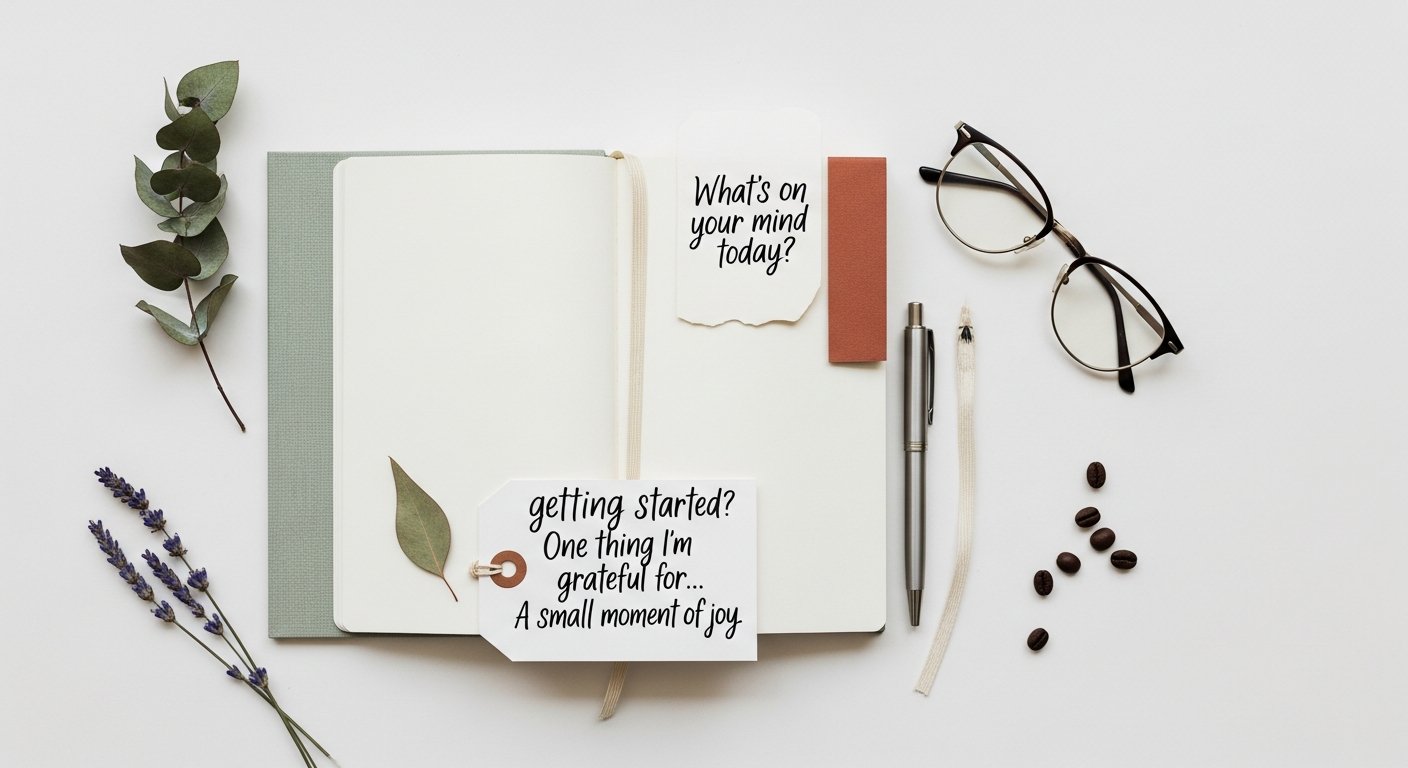
The desire to start journaling is a wonderful first step, but often, the path from intention to consistent practice is paved with invisible obstacles. Many women eager to embrace this habit find themselves confronted by internal resistance, fears, and misconceptions that can derail their efforts before they even truly begin. Here, we address these common hurdles and offer mindset shifts to help you lay a solid, sustainable foundation for your journaling journey.
Dispelling Common Journaling Myths
Let’s debunk some popular myths that might be holding you back:
- Myth 1: You need to be a “good writer.” Fact: Journaling is not about grammar, spelling, or eloquent prose. It’s about raw, unfiltered expression. No one else needs to read it (unless you choose to share parts of it). Embrace messy sentences, incomplete thoughts, and shorthand.
- Myth 2: You need to write every day. Fact: While consistency is beneficial, forcing yourself to write daily can lead to burnout or resentment. Life happens. Aim for regularity, but be kind to yourself if you miss a day, a week, or even longer. Your journal will be there when you’re ready to return.
- Myth 3: You need profound insights every time. Fact: Some entries will be deep and revelatory; others might be mundane lists or simple observations about your day. Both are valuable. The act of engaging with your thoughts, whatever their depth, is the true purpose.
- Myth 4: Your journal needs to be beautiful/aesthetic. Fact: While some people enjoy creating artistic journals, it’s not a prerequisite. A spiral notebook and a cheap pen are perfectly adequate. Don’t let the pressure of “journal aesthetics” paralyze you.
- Myth 5: Journaling is only for people with “big problems.” Fact: Journaling is for everyone. It’s not just for crisis management; it’s for celebrating small joys, planning for the future, exploring creativity, or simply checking in with yourself.
Embracing Imperfection and Authenticity
One of the most liberating aspects of journaling is its inherent privacy. This is your space, free from external judgment. To truly benefit, you must commit to being authentically yourself on the page, even if that self feels chaotic, contradictory, or less than “perfect.”
- Drop the Performance: Forget about writing for an audience. This isn’t a social media post or an essay. Let your guard down.
- Allow for Ugliness: Sometimes, our thoughts and feelings aren’t pretty. Journaling is a safe container for anger, jealousy, fear, or insecurity. Expressing these emotions on paper can be a powerful release and a step towards understanding them.
- Permission to Be Messy: Don’t edit yourself as you write. Let the words flow. Crossing out, doodling, or writing things you immediately regret are all part of the process.
Setting Realistic Expectations for Your Practice
Just like any new habit, journaling requires patience and a gentle approach. Manage your expectations to avoid frustration and ensure longevity.
- Start Small: Don’t aim for an hour-long session every day from the outset. Begin with 5-10 minutes. Even just a few sentences can be incredibly impactful.
- Focus on the Process, Not Just the Outcome: The true benefit of journaling often lies in the act itself – the slowing down, the reflection, the connection with your inner world. Don’t constantly look for immediate, profound revelations.
- Understand It’s a Journey: Your journaling practice will evolve. What you write about, how often you write, and the methods you use may change over time. Embrace this evolution.
- Be Patient with Yourself: There will be days when you feel inspired, and days when the page feels daunting. Treat yourself with the same compassion you would offer a friend.
By shedding these myths and adopting a compassionate, authentic mindset, you create fertile ground for a truly transformative journaling practice. Now, let’s explore the tools you’ll use to bring your thoughts to life.
Choosing Your Canvas: Navigating Journal Types and Tools
One of the most exciting, and sometimes overwhelming, aspects of starting a journaling practice is selecting the right tools. From elegant bound books to minimalist digital apps, the options are vast. The “best” choice is ultimately the one that feels most inviting and sustainable for you. There’s no one-size-fits-all, so let’s explore the landscape of physical and digital journaling to help you find your perfect canvas.
Physical Journals: The Tangible Experience
For many, the tactile sensation of pen on paper is an irreplaceable part of the journaling experience. It engages multiple senses, creates a deliberate separation from screens, and offers a unique connection to your thoughts.
- Bound Notebooks: These are the classic choice. They come in a myriad of sizes, paper types (lined, dotted, blank), and cover designs.
- Pros: Sense of permanence, no distractions, satisfying to fill, often aesthetically pleasing, can be a cherished keepsake.
- Cons: Not easily searchable, less portable for some, requires carrying a pen, not ideal for extensive editing.
- Consider: Moleskine, Leuchtturm1917, Midori MD, or simply a beautiful, affordable notebook that sparks joy.
- Spiral-Bound Notebooks: More practical and often less expensive than bound journals, with the advantage of lying flat when open.
- Pros: Easy to write in, durable, can handle more wear and tear, often comes with perforated pages.
- Cons: Spines can get bent, less “elegant” for some.
- Consider: A simple school notebook, or higher-quality brands like Rhodia or Blackwing.
- Loose-Leaf & Binders: Allows for ultimate flexibility in organizing, adding, and removing pages.
- Pros: Can integrate other documents, easy to reorder thoughts, limitless expansion.
- Cons: Can feel less cohesive, pages might get lost.
- Consider: Disc-bound systems like Happy Planner or ARC, or standard three-ring binders.
- Specialty Journals: Designed for specific purposes, such as gratitude journals, five-year journals, or guided prompt journals.
- Pros: Offers structure and direction, great for beginners, focuses on particular areas of growth.
- Cons: Can feel restrictive if you prefer freeform, might not cater to all your needs.
Digital Journaling: Modern Convenience and Accessibility
In our increasingly digital world, journaling on devices offers unparalleled convenience, searchability, and portability. It’s an excellent option for those who prefer typing, are often on the go, or want to integrate multimedia into their entries.
- Notes Apps (e.g., Apple Notes, Google Keep, Evernote): Simple, often free, and readily available on most devices.
- Pros: Always with you, quick capture, easily searchable, can sync across devices.
- Cons: Can be prone to distractions, less tactile, may lack advanced journaling features.
- Dedicated Journaling Apps (e.g., Day One, Journey, Penzu, Reflectly): Designed specifically for journaling, often with features like tagging, photo integration, location data, mood tracking, and prompts.
- Pros: Rich features, secure and private, intuitive interfaces, often cross-platform.
- Cons: Can involve subscription costs, reliance on technology, potential for app fatigue.
- Word Processors (e.g., Google Docs, Microsoft Word): Familiar tools for many, offering basic text editing and cloud storage.
- Pros: Free (often), versatile for long-form writing, cloud backup.
- Cons: Not designed for journaling specifically, less structured.
- Voice Memos: For those who prefer to speak their thoughts rather than type or write.
- Pros: Fastest capture, bypasses writing block, captures tone and emotion.
- Cons: Less searchable, can be time-consuming to review, no written record.
Hybrid Approaches: Blending the Best of Both Worlds
Many journalers find a blend of physical and digital tools to be the most effective. You might keep a physical journal for deep, reflective entries at home, and use a digital app for quick notes or capturing ideas on the go. Or you might use a bullet journal (physical) to track tasks and habits, while using a digital app for emotional processing.
The key is to experiment. Start with what feels most intuitive and accessible, and don’t be afraid to switch it up if something isn’t working for you. Your journaling tools should serve you, not the other way around.
Essential Accessories to Enhance Your Practice
While a journal and a pen are truly all you need, a few additional items can enhance your journaling experience and make it more inviting.
- Pens: A good pen can make all the difference. Experiment with different types (gel, rollerball, fountain, ballpoint) and colors to find what feels comfortable and pleasurable to write with.
- Highlighters/Markers: Useful for color-coding, emphasizing key insights, or adding visual interest if you enjoy that style.
- Stickers/Washi Tape: For those who enjoy a more creative or decorative approach, these can add personality and structure to your pages.
- A Cozy Space: While not a physical accessory, creating a dedicated, comfortable space for journaling (a favorite armchair, a quiet corner, a tidy desk) can signal to your brain that it’s time for reflection.
[INLINE IMAGE 1: place after second H2 | alt=”how to start journaling concept illustration”]
Exploring the Rich Tapestry of Journaling Styles
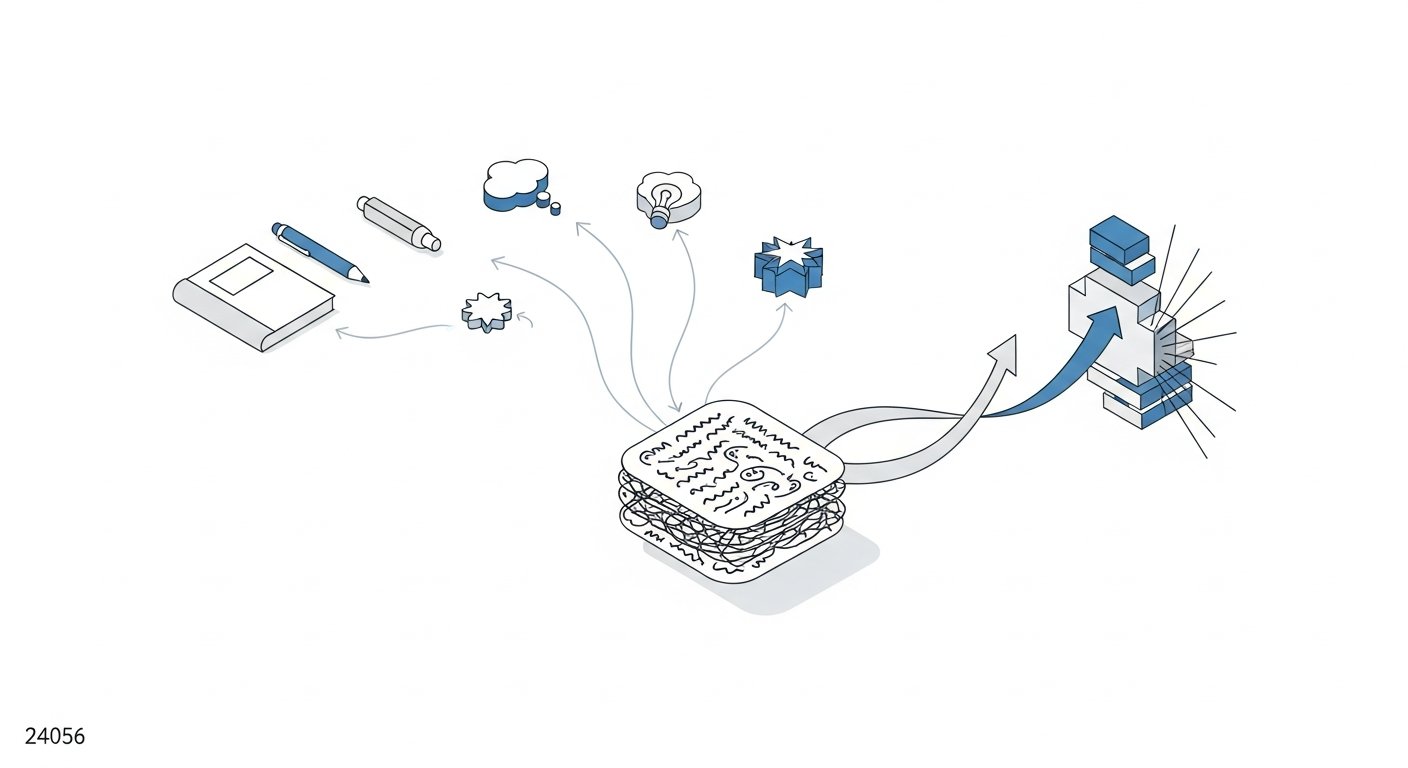
Once you’ve chosen your tools, the next question often arises: “What do I actually write about?” This is where the diverse world of journaling styles comes into play. There’s no single correct way to journal, and discovering the style (or combination of styles) that resonates with you is part of the journey. Each approach offers a unique lens through which to explore your inner world, process experiences, and foster growth. Don’t feel pressured to stick to just one; many intentional journalers fluidly move between styles depending on their needs and mood.
Freeform Journaling: Unfiltered Thoughts
Also known as stream-of-consciousness writing, freeform journaling is perhaps the most fundamental and liberating style. The goal is simply to write whatever comes to mind, without editing, censoring, or worrying about structure, grammar, or coherence.
- How to Practice: Set a timer for 5-15 minutes and just let your pen (or fingers) move. Write about your day, your worries, your dreams, a random thought about what you had for breakfast – anything and everything. The key is to keep writing, even if you write “I don’t know what to write” repeatedly.
- Benefits: Excellent for clearing mental clutter, uncovering subconscious thoughts, processing emotions, and developing a stronger, more authentic writing voice.
Gratitude Journaling: Cultivating Abundance
This powerful practice involves regularly noting things you are grateful for. It’s a simple yet profound way to shift your perspective towards positivity and appreciation.
- How to Practice: Each day (or a few times a week), list 3-5 things you are genuinely grateful for. These can be grand gestures or tiny, everyday blessings – the warmth of your coffee, a kind word from a stranger, the sunshine.
- Benefits: Boosts mood, reduces stress, improves sleep, fosters optimism, enhances overall well-being. It actively trains your brain to notice the good.
Bullet Journaling: Structure Meets Creativity
Developed by Ryder Carroll, the Bullet Journal (BuJo) is a customizable organization system that combines a planner, to-do list, notebook, and diary into one. It uses symbols (bullets) to quickly categorize tasks, events, and notes.
- How to Practice: Start with an index, future log, monthly log, and daily logs. Use specific symbols for tasks, events, and notes. Customize with trackers, collections, and creative layouts as desired.
- Benefits: Excellent for productivity, organization, habit tracking, goal setting, and visual thinkers. It allows for both structure and creative expression.
Shadow Work Journaling: Embracing Your Whole Self
Based on Carl Jung’s concept of the “shadow” (the unconscious aspects of the self that we tend to repress or deny), shadow work journaling involves exploring these hidden parts – our fears, insecurities, unmet needs, and perceived flaws.
- How to Practice: Use prompts that encourage deep self-inquiry into uncomfortable areas: “What qualities in others irritate me most? What does that say about me?” “What part of myself do I hide from the world?” “Where do I feel shame or guilt?” This often requires courage and self-compassion.
- Benefits: Leads to greater self-acceptance, emotional integration, healing past wounds, and a more authentic sense of self. It’s a powerful tool for profound personal growth.
Vision and Goal Journaling: Manifesting Your Desires
This style focuses on articulating your dreams, setting clear goals, and creating a roadmap to achieve them. It’s an active practice of manifestation and strategic planning.
- How to Practice: Write down your short-term and long-term goals. Describe them in vivid detail as if they’ve already happened. Break down large goals into smaller, actionable steps. Use affirmations and visualize your success.
- Benefits: Provides clarity and direction, increases motivation, reinforces positive beliefs, and helps you stay accountable to your aspirations.
Dream Journaling: Decoding Your Subconscious
Our dreams are a rich source of subconscious insights. Dream journaling involves recording your dreams as soon as you wake up to capture their fleeting details.
- How to Practice: Keep your journal and pen by your bedside. Upon waking, immediately write down everything you remember – images, feelings, narratives, even fragmented thoughts. Don’t worry about making sense of it at first.
- Benefits: Enhances dream recall, provides insights into your subconscious mind, helps process waking experiences, and can spark creativity.
Thematic or Prompt-Based Journaling: Focused Reflection
This style involves focusing on a specific theme, question, or prompt for each entry or a period of time. It’s excellent for beginners or when you feel stuck about what to write.
- How to Practice: Choose a prompt (e.g., “What does intentional living mean to me today?”, “What am I learning about myself right now?”, “If I could change one thing about my routine, what would it be?”). Write freely in response.
- Benefits: Overcomes writer’s block, provides structure, encourages focused self-inquiry, and helps explore specific areas of your life.
To help you compare and contrast some popular journaling styles, here’s a quick overview:
| Journaling Style | Primary Purpose | Best For | Typical Format | Learning Curve |
|---|---|---|---|---|
| Freeform/Stream-of-Consciousness | Unfiltered thought dump, emotional release | Mental decluttering, self-discovery, emotional processing | Continuous prose, no specific structure | Very Low |
| Gratitude Journaling | Cultivating appreciation, shifting mindset | Boosting mood, reducing negativity, fostering optimism | Lists of grateful items (3-5 daily) | Very Low |
| Bullet Journaling | Productivity, organization, habit tracking, flexible planning | Organized thinkers, goal setters, visual planners | Indexed logs (daily, monthly, future), symbols, trackers | Moderate (initial setup) |
| Shadow Work Journaling | Exploring repressed aspects of self, healing | Deep self-acceptance, emotional integration, personal healing | Prompt-based deep reflection, often uncomfortable | High (requires courage) |
| Vision/Goal Journaling | Manifestation, strategic planning, aspiration setting | Goal setters, dreamers, those seeking direction | Detailed descriptions of goals, action steps, affirmations | Low-Moderate |
[INLINE IMAGE 2: place after fourth H2 | alt=”how to start journaling comparison illustration”]
Your First Entries: Practical Prompts and Exercises to Get Started
You have your journal, your pen, and a basic understanding of journaling styles. Now comes the moment of truth: facing that blank page. For many, this can be the most intimidating part of how to start journaling. The good news is, you don’t need profound insights or a perfectly crafted opening line. What you need are starting points – gentle nudges that invite your thoughts to flow. This section provides practical prompts and exercises designed to ease you into the practice, whether you’re looking for simple reflection, problem-solving, or creative sparks.
Kickstarting with Simple Reflection Prompts
These prompts are designed to be low-pressure and accessible, perfect for your initial entries or for days when you feel a bit stuck. They encourage gentle introspection without demanding deep dives.
- “What’s on my mind right now?”
This is the ultimate opener. Simply dump whatever thoughts are swirling in your head. It could be your to-do list, a recent conversation, a worry, or something you’re looking forward to. Don’t filter, just write.
- “How am I feeling today, and why?”
A basic emotional check-in. Name your dominant emotion (or emotions) and then try to explore what might be contributing to it. There’s no right or wrong answer.
- “Three things I’m grateful for today (and why they matter).”
As discussed, gratitude is powerful. Adding the “why they matter” component deepens the practice beyond a simple list.
- “One small thing I did for myself today, and how it felt.”
Encourages self-care awareness and acknowledges the importance of small acts of kindness towards yourself.
- “What is one positive intention I want to set for tomorrow?”
A forward-looking prompt that encourages mindfulness and proactive goal-setting, even on a micro-level.
Engaging with Guided Journaling Exercises
Sometimes, a more structured exercise can help you explore specific areas of your life or personality. These go a bit deeper than simple prompts.
- The “Brain Dump” Challenge:
Dedicate 10-15 minutes to writing down *everything* you feel you need to remember, do, or worry about. Don’t stop until the timer rings. Once done, you can review, prioritize, or simply appreciate the mental space you’ve cleared.
- The “Letter to My Future Self”:
Write a letter to yourself one, five, or ten years from now. What hopes do you have? What advice would you give? What do you want your future self to remember about this moment? Seal it and perhaps include a date to open it.
- The “Rose, Bud, Thorn” Reflection:
Reflect on your day (or week) by identifying:
- Rose: Something positive or a success.
- Bud: Something you’re looking forward to, a new idea, or something growing.
- Thorn: A challenge, something difficult, or a disappointment.
- The “My Ideal Day” Visualization:
Describe your perfect, ideal day in vivid detail. What time do you wake up? What do you do? Who are you with? How do you feel? This helps clarify your desires and values.
Journaling for Problem-Solving and Decision-Making
Journaling isn’t just for introspection; it’s a powerful tool for navigating challenges and making informed choices aligned with your intentional life.
- “The Pro/Con/Solution Analysis”:
When faced with a decision or problem:
- Clearly state the problem or decision at the top of the page.
- List all the “pros” or positive aspects/outcomes.
- List all the “cons” or negative aspects/outcomes.
- Brainstorm at least three potential solutions or courses of action, along with their potential first steps.
- “Exploring a Conflict”:
If you’re grappling with a disagreement or difficult relationship, use your journal to:
- Write down your perspective clearly.
- Try to write from the other person’s perspective (empathy building).
- What are your core needs in this situation? What are theirs?
- What is the ideal outcome, and what steps can you take to move towards it?
Creative Prompts to Spark Inspiration
Journaling can also be a wonderful outlet for creativity, allowing you to explore ideas, practice descriptive writing, or simply play with words.
- “Describe a Place in Detail”:
Choose a real or imagined place (your favorite coffee shop, a forest, a dream city) and describe it using all five senses. Focus on sensory details rather than narrative.
- “If I Were a…”:
Complete the sentence: “If I were a tree, I would be…” or “If I were a color, I would be…” and then explore the characteristics and feelings associated with that choice. This can reveal unexpected insights about your personality.
- “Write a Short Story/Poem Starter”:
Begin with a captivating first line (e.g., “The old woman knew the secret of the moon,” or “It wasn’t the sound that woke her, but the silence.”) and just keep writing for 5-10 minutes, seeing where the story or poem takes you.
Remember, the goal is not to fill every page with profound thoughts, but to create a consistent dialogue with yourself. Pick one prompt that calls to you, set a timer for a short duration, and just start writing. The magic of journaling truly begins when you allow yourself the freedom to explore, without judgment.
Building a Lasting Practice: Consistency and Routine
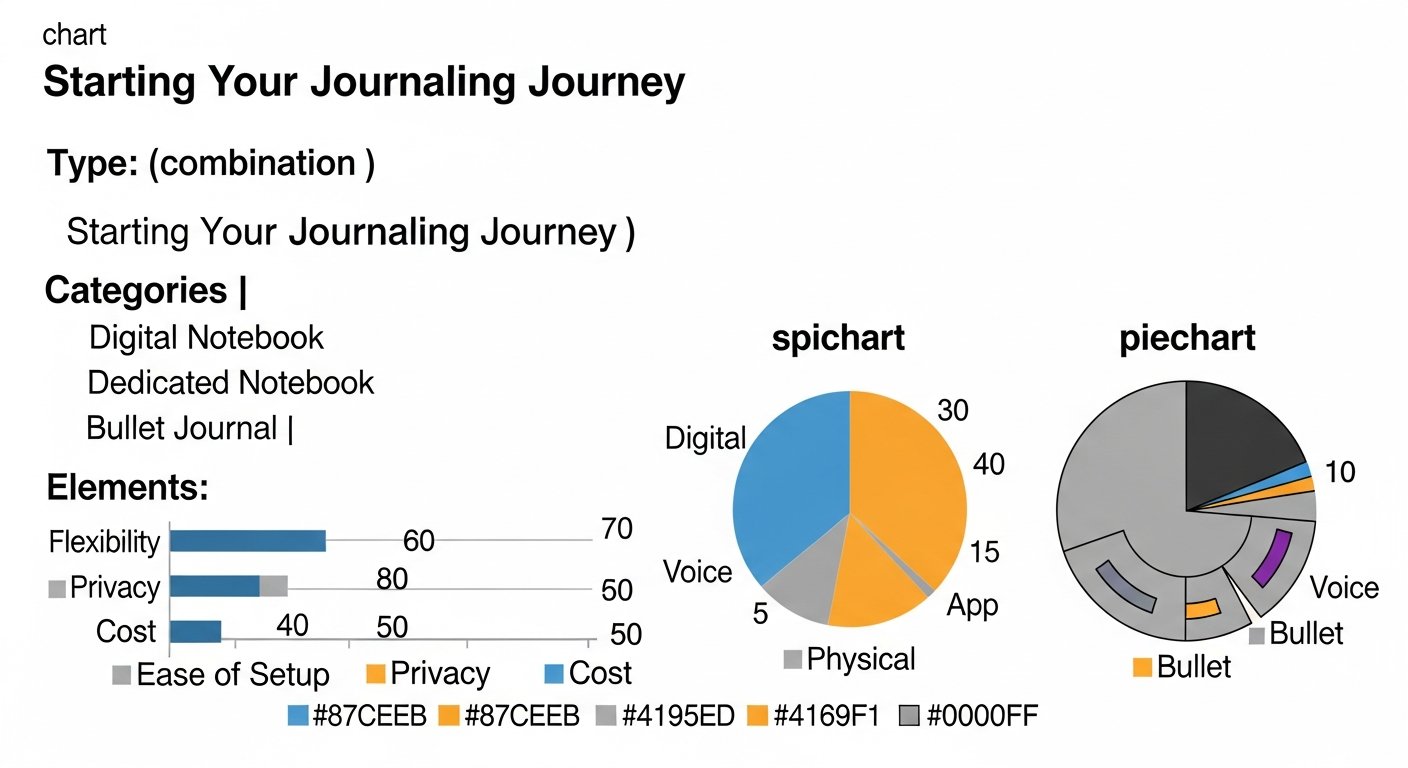
The initial excitement of how to start journaling can be a powerful motivator, but sustaining the practice over time requires intentionality and a thoughtful approach to routine. For women embracing a slow lifestyle and personal growth, integrating journaling seamlessly into daily life is key. It’s less about rigid adherence and more about creating a gentle, inviting habit that supports your well-being. Let’s explore strategies for building a consistent and enduring journaling practice.
Finding Your Ideal Journaling Time
There’s no single “best” time to journal; what works for one person might not work for another. The most effective time is the one you can commit to most consistently without feeling rushed or forced.
- Morning Journaling (Morning Pages):
Often championed by Julia Cameron in “The Artist’s Way,” morning pages involve writing three pages of freeform stream-of-consciousness first thing in the morning.
- Benefits: Clears mental clutter before the day begins, taps into fresh thoughts, sets a reflective tone for the day, boosts creativity.
- Considerations: Requires waking up earlier, might be challenging for early risers already pressed for time.
- Evening Journaling:
Taking time before bed to reflect on your day.
- Benefits: Processes daily events, releases worries, helps with emotional closure, can improve sleep quality by calming the mind.
- Considerations: Might be difficult to maintain if you’re often tired by evening, could bring up stressful thoughts right before bed (though processing can help).
- Midday Check-in / Lunch Break:
A brief pause during your workday or around midday to reset and re-focus.
- Benefits: Breaks up the day, helps process immediate events, re-centers you, provides a mental break.
- Considerations: Might be challenging to find a quiet, uninterrupted space, can feel rushed.
- “As Needed” Journaling:
Some prefer to journal only when they feel called to it – during moments of heightened emotion, decision-making, or inspiration.
- Benefits: Purely organic, always feels authentic, avoids pressure.
- Considerations: May not provide the cumulative benefits of consistent reflection, can be harder to establish as a true habit.
Experiment with different times. Try morning journaling for a week, then evening for a week. See what feels most natural and sustainable for your current lifestyle.
Creating a Sacred Space for Reflection
Your environment can significantly impact your ability to focus and enter a reflective state. Creating a dedicated “journaling nook” or simply ensuring a calm atmosphere can make a huge difference.
- Choose Your Spot: Identify a place where you feel comfortable and relatively undisturbed. This could be a specific chair, a quiet corner of a room, or even just your bed.
- Minimize Distractions: Turn off your phone, close unnecessary tabs on your computer, and let family members know you need a few minutes of quiet time.
- Set the Mood (Optional): If it enhances your experience, consider lighting a candle, brewing a cup of tea, playing calming instrumental music, or diffusing essential oils. These sensory cues can signal to your brain that it’s time to slow down and reflect.
- Keep Supplies Ready: Have your journal, a favorite pen, and perhaps a prompt list easily accessible. Removing friction makes it easier to start.
Incorporating Journaling into Your Daily Flow
The goal is to weave journaling into the fabric of your existing routine, rather than viewing it as an extra chore. This is where habit stacking becomes invaluable.
- Anchor to an Existing Habit: Identify a habit you already do consistently every day, and “stack” your journaling practice onto it.
- *Examples:* After your first cup of coffee, before you check your phone, right after brushing your teeth, while your tea brews, or immediately after putting the kids to bed.
- Use Reminders: Set a gentle alarm on your phone or use a visual cue (like leaving your journal open on your pillow) to remind you.
- Start Small, Stay Consistent: Don’t try to go from zero to an hour overnight. Begin with 5-10 minutes. Consistency in duration is less important than consistency in showing up. Even one sentence counts.
The Power of Small Steps and Habit Stacking
The concept of “atomic habits” is highly relevant here. Small, consistent actions lead to significant results over time. Instead of thinking “I need to journal for 30 minutes,” think “I
How to Start Journaling: Your Definitive Guide to Intentional Reflection for a Richer Life
Affiliate disclosure: This article may contain affiliate links. Recommendations are independent and editorially driven.
In the whirlwind of modern life, where demands pull us in countless directions and distractions vie for our attention, finding a sanctuary for self-reflection can feel like an elusive dream. Yet, for women seeking to cultivate an intentional, slow lifestyle, to navigate mindset shifts, and to truly embrace personal growth, one practice stands out as both accessible and profoundly powerful: journaling. Far more than just keeping a diary, journaling is a dynamic tool for self-discovery, emotional regulation, and intentional living. It’s a personal conversation with your deepest self, a space to unpack thoughts, dreams, fears, and aspirations without judgment.
Perhaps you’ve heard the whispers about the benefits of journaling – increased clarity, reduced stress, enhanced creativity – and found yourself intrigued. Or maybe you’ve tried to start before, only to be met with a blank page and a feeling of inadequacy. You might be asking, “How do I even begin? What should I write? Is there a ‘right’ way to do this?”
This comprehensive guide from thecontextuallife is designed to demystify the process and empower you to confidently embark on your journaling journey. We believe that journaling is not a rigid discipline, but a fluid, personal practice that adapts to your unique needs and evolving life. Whether you dream of capturing fleeting thoughts, processing complex emotions, setting ambitious goals, or simply creating a sacred space for your authentic voice, we will walk you through every step.
From choosing the perfect journal and understanding various styles to discovering powerful prompts and integrating this practice into your daily rhythm, we’ll provide you with the insights and encouragement you need. Get ready to unlock a profound connection with yourself, foster deeper intentionality, and embrace a path of continuous personal growth. Your richer inner life begins here.
The Transformative Power of Journaling: Why Start Your Journey Today?
Before we dive into the practicalities of how to start journaling, let’s explore the profound reasons why this practice has stood the test of time and continues to be a cornerstone of personal development for countless individuals, particularly women committed to intentional living. Journaling isn’t merely a pastime; it’s an investment in your mental, emotional, and spiritual well-being, offering a sanctuary for introspection in a world that rarely slows down.
Unlocking Self-Discovery and Clarity
In the daily grind, it’s easy to lose touch with our true selves. We react, we respond, we perform roles, often without pausing to understand the underlying currents of our thoughts and emotions. Journaling offers a dedicated space to peel back these layers. By committing your thoughts to paper (or screen), you create distance from them, allowing you to observe, analyze, and understand without immediate pressure.
- Identifying Patterns: Over time, you’ll begin to notice recurring themes in your thoughts, behaviors, and emotions. This awareness is the first step toward conscious change and growth.
- Gaining Perspective: A problem that feels insurmountable in your head often becomes more manageable when laid out on a page. Journaling helps you externalize challenges, allowing you to see them from different angles and find potential solutions.
- Clarifying Values and Desires: Through consistent reflection, you can articulate what truly matters to you. What are your core values? What kind of life do you genuinely want to build? Journaling helps you connect with these deeper truths, guiding your decisions and actions.
Cultivating Emotional Intelligence and Well-being
Emotional intelligence – the ability to understand and manage one’s own emotions, and to recognize and influence the emotions of others – is a critical skill for a fulfilling life. Journaling is a direct pathway to enhancing this intelligence, particularly self-awareness and self-regulation.
- Processing Emotions: Life throws curveballs. Journaling provides a safe, non-judgmental outlet to process anger, sadness, joy, fear, and frustration. Instead of suppressing emotions, you can acknowledge and explore them, preventing them from festering or exploding.
- Reducing Stress and Anxiety: The act of writing can be incredibly cathartic. It offloads mental clutter, acting as a natural de-stressor. Regularly expressing worries can reduce their intensity and prevent rumination, leading to a calmer mind.
- Building Resilience: By reflecting on past challenges and how you navigated them, journaling helps you recognize your inner strength and build resilience for future adversities. You see your own growth trajectory, affirming your capacity to overcome.
Fueling Personal Growth and Intentional Living
For the intentional woman, personal growth isn’t a passive aspiration; it’s an active pursuit. Journaling serves as a powerful engine for this journey, helping you to consciously shape your life rather than passively letting it unfold.
- Setting and Tracking Goals: Journaling is an excellent companion for goal setting. You can articulate your dreams, break them down into actionable steps, track your progress, and reflect on what’s working and what needs adjustment.
- Cultivating Gratitude: Dedicated gratitude journaling shifts your focus from what’s lacking to what’s abundant. This simple practice can profoundly impact your overall happiness and outlook.
- Making Intentional Choices: When you understand yourself better – your motivations, fears, and desires – you’re better equipped to make choices that align with your true self and your vision for a meaningful life. It moves you from reactive living to proactive creation.
The Contextual Life Approach to Journaling
At thecontextuallife, we believe journaling is an essential pillar of intentional living and a slow lifestyle. It’s not about achieving perfection or adhering to rigid rules, but about creating a personal sanctuary for reflection, growth, and self-compassion. Our approach emphasizes:
- Authenticity: Write what feels true to you, without filters or self-censorship.
- Flexibility: Your practice should evolve with you. There’s no single “right” way.
- Integration: See journaling not as a separate task, but as an integral part of your well-being routine, supporting all other areas of your intentional life.
- Empowerment: Use journaling to empower yourself to make conscious choices, embrace mindset shifts, and sculpt the life you truly desire.
With these compelling benefits in mind, let’s move on to how you can practically begin to harness this incredible tool.
Laying the Groundwork: Overcoming Initial Hurdles and Mindset Shifts
The desire to start journaling is a wonderful first step, but often, the path from intention to consistent practice is paved with invisible obstacles. Many women eager to embrace this habit find themselves confronted by internal resistance, fears, and misconceptions that can derail their efforts before they even truly begin. Here, we address these common hurdles and offer mindset shifts to help you lay a solid, sustainable foundation for your journaling journey.
Dispelling Common Journaling Myths
Let’s debunk some popular myths that might be holding you back:
- Myth 1: You need to be a “good writer.” Fact: Journaling is not about grammar, spelling, or eloquent prose. It’s about raw, unfiltered expression. No one else needs to read it (unless you choose to share parts of it). Embrace messy sentences, incomplete thoughts, and shorthand.
- Myth 2: You need to write every day. Fact: While consistency is beneficial, forcing yourself to write daily can lead to burnout or resentment. Life happens. Aim for regularity, but be kind to yourself if you miss a day, a week, or even longer. Your journal will be there when you’re ready to return.
- Myth 3: You need profound insights every time. Fact: Some entries will be deep and revelatory; others might be mundane lists or simple observations about your day. Both are valuable. The act of engaging with your thoughts, whatever their depth, is the true purpose.
- Myth 4: Your journal needs to be beautiful/aesthetic. Fact: While some people enjoy creating artistic journals, it’s not a prerequisite. A spiral notebook and a cheap pen are perfectly adequate. Don’t let the pressure of “journal aesthetics” paralyze you.
- Myth 5: Journaling is only for people with “big problems.” Fact: Journaling is for everyone. It’s not just for crisis management; it’s for celebrating small joys, planning for the future, exploring creativity, or simply checking in with yourself.
Embracing Imperfection and Authenticity
One of the most liberating aspects of journaling is its inherent privacy. This is your space, free from external judgment. To truly benefit, you must commit to being authentically yourself on the page, even if that self feels chaotic, contradictory, or less than “perfect.”
- Drop the Performance: Forget about writing for an audience. This isn’t a social media post or an essay. Let your guard down.
- Allow for Ugliness: Sometimes, our thoughts and feelings aren’t pretty. Journaling is a safe container for anger, jealousy, fear, or insecurity. Expressing these emotions on paper can be a powerful release and a step towards understanding them.
- Permission to Be Messy: Don’t edit yourself as you write. Let the words flow. Crossing out, doodling, or writing things you immediately regret are all part of the process.
Setting Realistic Expectations for Your Practice
Just like any new habit, journaling requires patience and a gentle approach. Manage your expectations to avoid frustration and ensure longevity.
- Start Small: Don’t aim for an hour-long session every day from the outset. Begin with 5-10 minutes. Even just a few sentences can be incredibly impactful.
- Focus on the Process, Not Just the Outcome: The true benefit of journaling often lies in the act itself – the slowing down, the reflection, the connection with your inner world. Don’t constantly look for immediate, profound revelations.
- Understand It’s a Journey: Your journaling practice will evolve. What you write about, how often you write, and the methods you use may change over time. Embrace this evolution.
- Be Patient with Yourself: There will be days when you feel inspired, and days when the page feels daunting. Treat yourself with the same compassion you would offer a friend.
By shedding these myths and adopting a compassionate, authentic mindset, you create fertile ground for a truly transformative journaling practice. Now, let’s explore the tools you’ll use to bring your thoughts to life.
Choosing Your Canvas: Navigating Journal Types and Tools
One of the most exciting, and sometimes overwhelming, aspects of starting a journaling practice is selecting the right tools. From elegant bound books to minimalist digital apps, the options are vast. The “best” choice is ultimately the one that feels most inviting and sustainable for you. There’s no one-size-fits-all, so let’s explore the landscape of physical and digital journaling to help you find your perfect canvas.
Physical Journals: The Tangible Experience
For many, the tactile sensation of pen on paper is an irreplaceable part of the journaling experience. It engages multiple senses, creates a deliberate separation from screens, and offers a unique connection to your thoughts.
- Bound Notebooks: These are the classic choice. They come in a myriad of sizes, paper types (lined, dotted, blank), and cover designs.
- Pros: Sense of permanence, no distractions, satisfying to fill, often aesthetically pleasing, can be a cherished keepsake.
- Cons: Not easily searchable, less portable for some, requires carrying a pen, not ideal for extensive editing.
- Consider: Moleskine, Leuchtturm1917, Midori MD, or simply a beautiful, affordable notebook that sparks joy.
- Spiral-Bound Notebooks: More practical and often less expensive than bound journals, with the advantage of lying flat when open.
- Pros: Easy to write in, durable, can handle more wear and tear, often comes with perforated pages.
- Cons: Spines can get bent, less “elegant” for some.
- Consider: A simple school notebook, or higher-quality brands like Rhodia or Blackwing.
- Loose-Leaf & Binders: Allows for ultimate flexibility in organizing, adding, and removing pages.
- Pros: Can integrate other documents, easy to reorder thoughts, limitless expansion.
- Cons: Can feel less cohesive, pages might get lost.
- Consider: Disc-bound systems like Happy Planner or ARC, or standard three-ring binders.
- Specialty Journals: Designed for specific purposes, such as gratitude journals, five-year journals, or guided prompt journals.
- Pros: Offers structure and direction, great for beginners, focuses on particular areas of growth.
- Cons: Can feel restrictive if you prefer freeform, might not cater to all your needs.
Digital Journaling: Modern Convenience and Accessibility
In our increasingly digital world, journaling on devices offers unparalleled convenience, searchability, and portability. It’s an excellent option for those who prefer typing, are often on the go, or want to integrate multimedia into their entries.
- Notes Apps (e.g., Apple Notes, Google Keep, Evernote): Simple, often free, and readily available on most devices.
- Pros: Always with you, quick capture, easily searchable, can sync across devices.
- Cons: Can be prone to distractions, less tactile, may lack advanced journaling features.
- Dedicated Journaling Apps (e.g., Day One, Journey, Penzu, Reflectly): Designed specifically for journaling, often with features like tagging, photo integration, location data, mood tracking, and prompts.
- Pros: Rich features, secure and private, intuitive interfaces, often cross-platform.
- Cons: Can involve subscription costs, reliance on technology, potential for app fatigue.
- Word Processors (e.g., Google Docs, Microsoft Word): Familiar tools for many, offering basic text editing and cloud storage.
- Pros: Free (often), versatile for long-form writing, cloud backup.
- Cons: Not designed for journaling specifically, less structured.
- Voice Memos: For those who prefer to speak their thoughts rather than type or write.
- Pros: Fastest capture, bypasses writing block, captures tone and emotion.
- Cons: Less searchable, can be time-consuming to review, no written record.
Hybrid Approaches: Blending the Best of Both Worlds
Many journalers find a blend of physical and digital tools to be the most effective. You might keep a physical journal for deep, reflective entries at home, and use a digital app for quick notes or capturing ideas on the go. Or you might use a bullet journal (physical) to track tasks and habits, while using a digital app for emotional processing.
The key is to experiment. Start with what feels most intuitive and accessible, and don’t be afraid to switch it up if something isn’t working for you. Your journaling tools should serve you, not the other way around.
Essential Accessories to Enhance Your Practice
While a journal and a pen are truly all you need, a few additional items can enhance your journaling experience and make it more inviting.
- Pens: A good pen can make all the difference. Experiment with different types (gel, rollerball, fountain, ballpoint) and colors to find what feels comfortable and pleasurable to write with.
- Highlighters/Markers: Useful for color-coding, emphasizing key insights, or adding visual interest if you enjoy that style.
- Stickers/Washi Tape: For those who enjoy a more creative or decorative approach, these can add personality and structure to your pages.
- A Cozy Space: While not a physical accessory, creating a dedicated, comfortable space for journaling (a favorite armchair, a quiet corner, a tidy desk) can signal to your brain that it’s time for reflection.
[INLINE IMAGE 1: place after second H2 | alt=”how to start journaling concept illustration”]
Exploring the Rich Tapestry of Journaling Styles
Once you’ve chosen your tools, the next question often arises: “What do I actually write about?” This is where the diverse world of journaling styles comes into play. There’s no single correct way to journal, and discovering the style (or combination of styles) that resonates with you is part of the journey. Each approach offers a unique lens through which to explore your inner world, process experiences, and foster growth. Don’t feel pressured to stick to just one; many intentional journalers fluidly move between styles depending on their needs and mood.
Freeform Journaling: Unfiltered Thoughts
Also known as stream-of-consciousness writing, freeform journaling is perhaps the most fundamental and liberating style. The goal is simply to write whatever comes to mind, without editing, censoring, or worrying about structure, grammar, or coherence.
- How to Practice: Set a timer for 5-15 minutes and just let your pen (or fingers) move. Write about your day, your worries, your dreams, a random thought about what you had for breakfast – anything and everything. The key is to keep writing, even if you write “I don’t know what to write” repeatedly.
- Benefits: Excellent for clearing mental clutter, uncovering subconscious thoughts, processing emotions, and developing a stronger, more authentic writing voice.
Gratitude Journaling: Cultivating Abundance
This powerful practice involves regularly noting things you are grateful for. It’s a simple yet profound way to shift your perspective towards positivity and appreciation.
- How to Practice: Each day (or a few times a week), list 3-5 things you are genuinely grateful for. These can be grand gestures or tiny, everyday blessings – the warmth of your coffee, a kind word from a stranger, the sunshine.
- Benefits: Boosts mood, reduces stress, improves sleep, fosters optimism, enhances overall well-being. It actively trains your brain to notice the good.
Bullet Journaling: Structure Meets Creativity
Developed by Ryder Carroll, the Bullet Journal (BuJo) is a customizable organization system that combines a planner, to-do list, notebook, and diary into one. It uses symbols (bullets) to quickly categorize tasks, events, and notes.
- How to Practice: Start with an index, future log, monthly log, and daily logs. Use specific symbols for tasks, events, and notes. Customize with trackers, collections, and creative layouts as desired.
- Benefits: Excellent for productivity, organization, habit tracking, goal setting, and visual thinkers. It allows for both structure and creative expression.
Shadow Work Journaling: Embracing Your Whole Self
Based on Carl Jung’s concept of the “shadow” (the unconscious aspects of the self that we tend to repress or deny), shadow work journaling involves exploring these hidden parts – our fears, insecurities, unmet needs, and perceived flaws.
- How to Practice: Use prompts that encourage deep self-inquiry into uncomfortable areas: “What qualities in others irritate me most? What does that say about me?” “What part of myself do I hide from the world?” “Where do I feel shame or guilt?” This often requires courage and self-compassion.
- Benefits: Leads to greater self-acceptance, emotional integration, healing past wounds, and a more authentic sense of self. It’s a powerful tool for profound personal growth.
Vision and Goal Journaling: Manifesting Your Desires
This style focuses on articulating your dreams, setting clear goals, and creating a roadmap to achieve them. It’s an active practice of manifestation and strategic planning.
- How to Practice: Write down your short-term and long-term goals. Describe them in vivid detail as if they’ve already happened. Break down large goals into smaller, actionable steps. Use affirmations and visualize your success.
- Benefits: Provides clarity and direction, increases motivation, reinforces positive beliefs, and helps you stay accountable to your aspirations.
Dream Journaling: Decoding Your Subconscious
Our dreams are a rich source of subconscious insights. Dream journaling involves recording your dreams as soon as you wake up to capture their fleeting details.
- How to Practice: Keep your journal and pen by your bedside. Upon waking, immediately write down everything you remember – images, feelings, narratives, even fragmented thoughts. Don’t worry about making sense of it at first.
- Benefits: Enhances dream recall, provides insights into your subconscious mind, helps process waking experiences, and can spark creativity.
Thematic or Prompt-Based Journaling: Focused Reflection
This style involves focusing on a specific theme, question, or prompt for each entry or a period of time. It’s excellent for beginners or when you feel stuck about what to write.
- How to Practice: Choose a prompt (e.g., “What does intentional living mean to me today?”, “What am I learning about myself right now?”, “If I could change one thing about my routine, what would it be?”). Write freely in response.
- Benefits: Overcomes writer’s block, provides structure, encourages focused self-inquiry, and helps explore specific areas of your life.
To help you compare and contrast some popular journaling styles, here’s a quick overview:
| Journaling Style | Primary Purpose | Best For | Typical Format | Learning Curve |
|---|---|---|---|---|
| Freeform/Stream-of-Consciousness | Unfiltered thought dump, emotional release | Mental decluttering, self-discovery, emotional processing | Continuous prose, no specific structure | Very Low |
| Gratitude Journaling | Cultivating appreciation, shifting mindset | Boosting mood, reducing negativity, fostering optimism | Lists of grateful items (3-5 daily) | Very Low |
| Bullet Journaling | Productivity, organization, habit tracking, flexible planning | Organized thinkers, goal setters, visual planners | Indexed logs (daily, monthly, future), symbols, trackers | Moderate (initial setup) |
| Shadow Work Journaling | Exploring repressed aspects of self, healing | Deep self-acceptance, emotional integration, personal healing | Prompt-based deep reflection, often uncomfortable | High (requires courage) |
| Vision/Goal Journaling | Manifestation, strategic planning, aspiration setting | Goal setters, dreamers, those seeking direction | Detailed descriptions of goals, action steps, affirmations | Low-Moderate |
[INLINE IMAGE 2: place after fourth H2 | alt=”how to start journaling comparison illustration”]
Your First Entries: Practical Prompts and Exercises to Get Started
You have your journal, your pen, and a basic understanding of journaling styles. Now comes the moment of truth: facing that blank page. For many, this can be the most intimidating part of how to start journaling. The good news is, you don’t need profound insights or a perfectly crafted opening line. What you need are starting points – gentle nudges that invite your thoughts to flow. This section provides practical prompts and exercises designed to ease you into the practice, whether you’re looking for simple reflection, problem-solving, or creative sparks.
Kickstarting with Simple Reflection Prompts
These prompts are designed to be low-pressure and accessible, perfect for your initial entries or for days when you feel a bit stuck. They encourage gentle introspection without demanding deep dives.
- “What’s on my mind right now?”
This is the ultimate opener. Simply dump whatever thoughts are swirling in your head. It could be your to-do list, a recent conversation, a worry, or something you’re looking forward to. Don’t filter, just write.
- “How am I feeling today, and why?”
A basic emotional check-in. Name your dominant emotion (or emotions) and then try to explore what might be contributing to it. There’s no right or wrong answer.
- “Three things I’m grateful for today (and why they matter).”
As discussed, gratitude is powerful. Adding the “why they matter” component deepens the practice beyond a simple list.
- “One small thing I did for myself today, and how it felt.”
Encourages self-care awareness and acknowledges the importance of small acts of kindness towards yourself.
- “What is one positive intention I want to set for tomorrow?”
A forward-looking prompt that encourages mindfulness and proactive goal-setting, even on a micro-level.
Engaging with Guided Journaling Exercises
Sometimes, a more structured exercise can help you explore specific areas of your life or personality. These go a bit deeper than simple prompts.
- The “Brain Dump” Challenge:
Dedicate 10-15 minutes to writing down *everything* you feel you need to remember, do, or worry about. Don’t stop until the timer rings. Once done, you can review, prioritize, or simply appreciate the mental space you’ve cleared.
- The “Letter to My Future Self”:
Write a letter to yourself one, five, or ten years from now. What hopes do you have? What advice would you give? What do you want your future self to remember about this moment? Seal it and perhaps include a date to open it.
- The “Rose, Bud, Thorn” Reflection:
Reflect on your day (or week) by identifying:
- Rose: Something positive or a success.
- Bud: Something you’re looking forward to, a new idea, or something growing.
- Thorn: A challenge, something difficult, or a disappointment.
- The “My Ideal Day” Visualization:
Describe your perfect, ideal day in vivid detail. What time do you wake up? What do you do? Who are you with? How do you feel? This helps clarify your desires and values.
Journaling for Problem-Solving and Decision-Making
Journaling isn’t just for introspection; it’s a powerful tool for navigating challenges and making informed choices aligned with your intentional life.
- “The Pro/Con/Solution Analysis”:
When faced with a decision or problem:
- Clearly state the problem or decision at the top of the page.
- List all the “pros” or positive aspects/outcomes.
- List all the “cons” or negative aspects/outcomes.
- Brainstorm at least three potential solutions or courses of action, along with their potential first steps.
- “Exploring a Conflict”:
If you’re grappling with a disagreement or difficult relationship, use your journal to:
- Write down your perspective clearly.
- Try to write from the other person’s perspective (empathy building).
- What are your core needs in this situation? What are theirs?
- What is the ideal outcome, and what steps can you take to move towards it?
Creative Prompts to Spark Inspiration
Journaling can also be a wonderful outlet for creativity, allowing you to explore ideas, practice descriptive writing, or simply play with words.
- “Describe a Place in Detail”:
Choose a real or imagined place (your favorite coffee shop, a forest, a dream city) and describe it using all five senses. Focus on sensory details rather than narrative.
- “If I Were a…”:
Complete the sentence: “If I were a tree, I would be…” or “If I were a color, I would be…” and then explore the characteristics and feelings associated with that choice. This can reveal unexpected insights about your personality.
- “Write a Short Story/Poem Starter”:
Begin with a captivating first line (e.g., “The old woman knew the secret of the moon,” or “It wasn’t the sound that woke her, but the silence.”) and just keep writing for 5-10 minutes, seeing where the story or poem takes you.
Remember, the goal is not to fill every page with profound thoughts, but to create a consistent dialogue with yourself. Pick one prompt that calls to you, set a timer for a short duration, and just start writing. The magic of journaling truly begins when you allow yourself the freedom to explore, without judgment.
Building a Lasting Practice: Consistency and Routine
The initial excitement of how to start journaling can be a powerful motivator, but sustaining the practice over time requires intentionality and a thoughtful approach to routine. For women embracing a slow lifestyle and personal growth, integrating journaling seamlessly into daily life is key. It’s less about rigid adherence and more about creating a gentle, inviting habit that supports your well-being. Let’s explore strategies for building a consistent and enduring journaling practice.
Finding Your Ideal Journaling Time
There’s no single “best” time to journal; what works for one person might not work for another. The most effective time is the one you can commit to most consistently without feeling rushed or forced.
- Morning Journaling (Morning Pages):
Often championed by Julia Cameron in “The Artist’s Way,” morning pages involve writing three pages of freeform stream-of-consciousness first thing in the morning.
- Benefits: Clears mental clutter before the day begins, taps into fresh thoughts, sets a reflective tone for the day, boosts creativity.
- Considerations: Requires waking up earlier, might be challenging for early risers already pressed for time.
- Evening Journaling:
Taking time before bed to reflect on your day.
- Benefits: Processes daily events, releases worries, helps with emotional closure, can improve sleep quality by calming the mind.
- Considerations: Might be difficult to maintain if you’re often tired by evening, could bring up stressful thoughts right before bed (though processing can help).
- Midday Check-in / Lunch Break:
A brief pause during your workday or around midday to reset and re-focus.
- Benefits: Breaks up the day, helps process immediate events, re-centers you, provides a mental break.
- Considerations: Might be challenging to find a quiet, uninterrupted space, can feel rushed.
- “As Needed” Journaling:
Some prefer to journal only when they feel called to it – during moments of heightened emotion, decision-making, or inspiration.
- Benefits: Purely organic, always feels authentic, avoids pressure.
- Considerations: May not provide the cumulative benefits of consistent reflection, can be harder to establish as a true habit.
Experiment with different times. Try morning journaling for a week, then evening for a week. See what feels most natural and sustainable for your current lifestyle.
Creating a Sacred Space for Reflection
Your environment can significantly impact your ability to focus and enter a reflective state. Creating a dedicated “journaling nook” or simply ensuring a calm atmosphere can make a huge difference.
- Choose Your Spot: Identify a place where you feel comfortable and relatively undisturbed. This could be a specific chair, a quiet corner of a room, or even just your bed.
- Minimize Distractions: Turn off your phone, close unnecessary tabs on your computer, and let family members know you need a few minutes of quiet time.
- Set the Mood (Optional): If it enhances your experience, consider lighting a candle, brewing a cup of tea, playing calming instrumental music, or diffusing essential oils. These sensory cues can signal to your brain that it’s time to slow down and reflect.
- Keep Supplies Ready: Have your journal, a favorite pen, and perhaps a prompt list easily accessible. Removing friction makes it easier to start.
Incorporating Journaling into Your Daily Flow
The goal is to weave journaling into the fabric of your existing routine, rather than viewing it as an extra chore. This is where habit stacking becomes invaluable.
- Anchor to an Existing Habit: Identify a habit you already do consistently every day, and “stack” your journaling practice onto it.
- *Examples:* After your first cup of coffee, before you check your phone, right after brushing your teeth, while your tea brews, or immediately after putting the kids to bed.
- Use Reminders: Set a gentle alarm on your phone or use a visual cue (like leaving your journal open on your pillow) to remind you.
- Start Small, Stay Consistent: Don’t try to go from zero to an hour overnight. Begin with 5-10 minutes. Consistency in duration is less important than consistency in showing up. Even one sentence counts.
The Power of Small Steps and Habit Stacking
The concept of “atomic habits” is highly relevant here. Small, consistent actions lead to significant results over time. Instead of thinking “I need to journal for 30 minutes,” think “I