

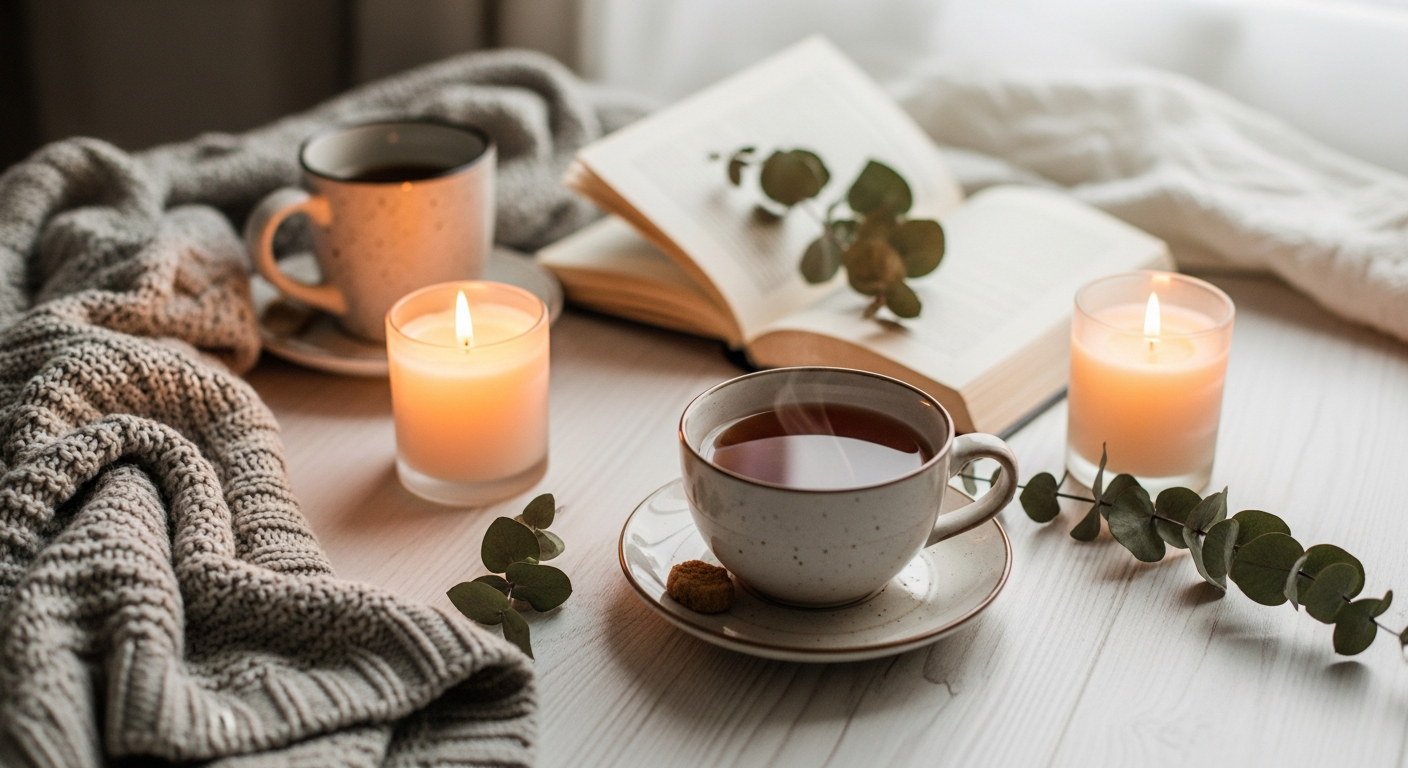
Crafting Your Haven: How to Make Your Home Feel Cozy and Welcoming
If you’ve ever walked into your own space and felt a pang of longing for more ease, more warmth, or a clearer reflection of your truest self, you’re not alone. Our homes should be more than just functional — they should be a source of solace, a comforting embrace after a long day, and a place where both you and your loved ones immediately feel at ease. The good news? Creating such a haven isn’t about expensive renovations or chasing fleeting trends. It’s about intentional choices, engaging the senses, and infusing your space with genuine personality and heart.
In this comprehensive guide, we’ll explore practical, actionable strategies to transform your living environment into a space that truly feels like home. We’ll delve into everything from the foundational acts of decluttering and organizing, to the art of sensory engagement, personal storytelling through decor, the magic of lighting, and even the subtle rituals that sustain a truly welcoming atmosphere. Get ready to rediscover your home, not just as a structure, but as a living, breathing extension of your well-being.
The Foundation: Decluttering and Intentional Organization
Before you can layer on softness, curate beautiful objects, or even think about inviting guests, a truly cozy and welcoming home needs a clear canvas. Clutter, both visible and hidden, creates mental noise and physical barriers, making a space feel stressful rather than serene. The first, and often most impactful, step in learning how to make your home feel cozy and welcoming is to embrace the art of thoughtful decluttering and intentional organization. This isn’t about minimalism for minimalism’s sake, but about making space for what truly matters and creating an environment where everything has a purpose and a place.
Clear Surfaces, Clear Mind
One of the quickest ways to elevate the feeling of calm and order in any room is to clear horizontal surfaces. Think about your kitchen counters, coffee table, nightstands, and bathroom vanity. When these areas are free of excess items, the room instantly feels more spacious, more intentional, and inherently more welcoming. It signals a sense of calm and control. Start small: devote 10-15 minutes each day to tidying one surface. Remove anything that doesn’t belong, put away items that have designated homes, and only leave out a few decorative elements that genuinely bring you joy or serve a specific function.
- Actionable Tip: The “Landing Strip” Audit: Pay special attention to entryways and common drop zones. Are keys, mail, and bags creating visual chaos? Implement a system with a small tray for keys, a mail sorter, and designated hooks for bags and coats.
- Actionable Tip: The “Three-Item Rule”: For most surfaces, aim to have no more than three items displayed. This could be a plant, a candle, and a stack of books, or a vase, a photo frame, and a coaster. This creates visual breathing room.
Designated Homes for Everything
- Actionable Tip: Zone Your Spaces: Think about the activities that happen in each room and organize accordingly. In the living room, have a dedicated basket for blankets and remotes. In the kitchen, group cooking utensils near the stove and serving ware near the dining area.
- Actionable Tip: Label, Label, Label: Especially for opaque bins or drawers, clear labels save time and keep everyone informed. This is particularly helpful in shared spaces or for items that aren’t used daily.
Edit Your Belongings Ruthlessly, But Kindly
Creating a cozy and welcoming home also means being honest about what you truly need, use, and love. Clutter isn’t just about items out of place; it’s about having too many items in the first place. Go through your belongings with a critical eye, asking yourself: “Does this serve a purpose? Does it bring me joy? Do I truly need it?” Be kind to yourself through this process – it’s okay to let go of items that no longer serve you, even if they were gifts or once held sentimental value. The goal is to surround yourself with objects that contribute positively to your daily life and the atmosphere of your home.
- Actionable Tip: The “One Year Rule”: If you haven’t used an item in a year, consider donating, selling, or discarding it. (Exceptions for seasonal items or true sentimental heirlooms.)
- Actionable Tip: Categorical Decluttering: Instead of tackling an entire room, choose a category (e.g., all books, all clothes, all kitchen gadgets) and gather them from around the house. This helps you see the true volume of what you own and make more informed decisions.
Engaging the Senses: Sight, Sound, Smell, and Touch
Once your space is clear and organized, the real magic of making your home feel cozy and welcoming begins by intentionally engaging all five senses. Our perception of comfort and invitation is deeply intertwined with how a space looks, feels, smells, and sounds. By thoughtfully curating these sensory experiences, you can transform a sterile house into a vibrant, living home that truly envelops you and your guests in warmth. This is where the intangible essence of coziness comes to life, creating an atmosphere that is not just seen, but deeply felt.
Sight: Soft Lighting and Warm Hues
The visual impact of your home is paramount. Harsh overhead lighting and stark color palettes can make a space feel cold and uninviting. Instead, cultivate softness. Opt for warm light temperatures (around 2700K-3000K) from multiple sources rather than a single bright overhead fixture. Incorporate colors that evoke calm and comfort: earthy tones, muted pastels, or rich jewel tones can all contribute to a sense of warmth. Think about how colors make you feel, and choose a palette that resonates with tranquility and joy. Visual warmth also comes from texture and pattern, which we’ll delve into in “Touch.”
- Actionable Tip: Embrace the “Layered Lighting” Approach: Use a combination of ambient (general), task (for specific activities), and accent (to highlight features) lighting. Floor lamps, table lamps, sconces, and dimmer switches are your best friends here.
- Actionable Tip: Introduce Warm Metals and Woods: Gold, brass, copper, and natural wood tones instantly add a touch of warmth and richness to a space, even in small accents like picture frames or decorative bowls.
Sound: Curating Your Auditory Landscape
The sounds within your home, or lack thereof, significantly contribute to its atmosphere. A silent, echoing house can feel empty, while constant noise can be jarring. The goal is to create a soothing auditory backdrop. This might mean investing in sound-absorbing elements or simply being mindful of the sounds you introduce. Consider music as a powerful tool for setting the mood – gentle jazz, classical, or ambient soundscapes can transform a space. Even the quiet hum of a humidifier or a soft fountain can create a serene environment.
- Actionable Tip: Music as Mood Setter: Create playlists for different moods or times of day – a lively morning playlist, a calming evening one, or an inviting background for guests. Keep the volume subtle.
- Actionable Tip: Soft Furnishings Absorb Sound: Rugs, heavy curtains, upholstered furniture, and throw pillows aren’t just for comfort; they also absorb sound, reducing echoes and making a room feel quieter and more intimate.
Smell: The Scent of Sanctuary
Our sense of smell is incredibly powerful, directly linked to memory and emotion. A pleasant, subtle scent can instantly make a home feel more inviting and cozy. Conversely, stale or unpleasant odors can detract from any efforts to create warmth. Choose scents that evoke comfort and cleanliness, avoiding anything overpowering. Natural scents like citrus, vanilla, sandalwood, cinnamon, or fresh linen are often universally appealing. Be mindful of individual sensitivities and aim for subtlety rather than intensity.
- Actionable Tip: Natural Scent Sources: Diffusers with essential oils, soy or beeswax candles, stovetop potpourri (simmering citrus peels, cinnamon sticks, cloves), or fresh flowers are excellent choices.
- Actionable Tip: Address Odor Sources First: Before adding pleasant scents, ensure your home is free from unpleasant odors. Regularly empty trash, clean pet areas, and open windows for fresh air circulation.
Touch: Layers of Comfort
Coziness is profoundly tactile. The feeling of soft textures underfoot, against your skin, or in your hands contributes immensely to the inviting nature of your home. Think about layering different materials to create depth and warmth. Incorporate plush rugs, soft throw blankets, an abundance of decorative pillows in varying textures, and rich fabrics for upholstery or curtains. Even the feel of a smooth wooden surface or a cool ceramic mug can add to the overall sensory experience. The more diverse and pleasing the textures, the more inviting your home will feel.
- Actionable Tip: Embrace Textiles: Don’t shy away from textures! Think chunky knit blankets, faux fur throws, velvet pillows, linen curtains, and natural fiber rugs (jute, wool).
- Actionable Tip: Personal Comfort Zones: Create specific spots designed for ultimate comfort – a reading nook with an armchair piled with pillows, a window seat with a soft cushion, or a bed layered with luxurious linens.
Infusing Personality: Telling Your Home’s Story
Beyond the fundamental elements of cleanliness and sensory engagement, a truly cozy and welcoming home tells a story – your story. It reflects who you are, what you love, and the journey you’ve taken. Without this personal touch, even the most beautifully designed space can feel generic or cold. Infusing your personality is key to creating a home that not only looks good but feels deeply authentic and inviting, both for you and for anyone who crosses your threshold. It’s about creating a space where memories are made and cherished, rather than just stored.
Display What You Love
Your home is the ultimate gallery for your passions and interests. Whether it’s a collection of vintage books, pottery, travel souvenirs, or framed concert tickets, displaying items that genuinely resonate with you adds immediate character and warmth. These objects spark conversation, evoke memories, and make your space uniquely yours. Arrange them thoughtfully rather than haphazardly – grouping similar items or creating vignettes can make a bigger impact.
- Actionable Tip: Create Thoughtful Vignettes: On a bookshelf, console table, or mantelpiece, arrange a few beloved objects together. Vary heights, textures, and materials for visual interest. For example, a favorite ceramic vase, a stack of beautiful books, and a small plant.
- Actionable Tip: The “Why I Love This” Exercise: For every decorative item you own, consider why it’s in your home. If it doesn’t evoke a positive feeling or memory, reconsider its place.
Integrate Personal Photos and Art
Nothing says “this is a home, not a showroom” quite like personal photographs and art that speaks to your soul. Family photos, snapshots from memorable trips, or pieces of art that you genuinely connect with instantly infuse a space with warmth, history, and emotion. Don’t feel pressured to only display professional portraits; candid moments often convey the most genuine warmth. Art doesn’t have to be expensive either; consider prints, local artists, or even pieces you’ve created yourself. A gallery wall can be a fantastic way to tell a visual story.
- Actionable Tip: Curate a Gallery Wall: Mix and match personal photos, art prints, and even small mementos (like a pressed flower or a child’s drawing) in a variety of frames. This creates a focal point that is rich with meaning.
- Actionable Tip: Rotate Photos Seasonally: Keep your photo displays fresh by occasionally swapping out photos for more recent ones or those that align with the current season or holiday.
Create Zones for Connection and Retreat
A welcoming home accommodates various needs – moments of quiet solitude, lively conversation, and everything in between. Think about how you and your family use your home and design specific “zones” accordingly. A cozy armchair by a window for reading, a comfortable sofa arranged for conversation, or a dedicated dining area for shared meals all contribute to a functional and inviting atmosphere. These intentional spaces encourage different activities and make the home feel more adaptable and considerate of its inhabitants.
- Actionable Tip: Define Spaces with Rugs: Even in open-concept layouts, area rugs can visually define separate zones – a living area rug, a dining area rug – making each space feel more intimate and purposeful.
- Actionable Tip: Seating Arrangements Matter: Arrange furniture to encourage interaction. Sofas and chairs facing each other (rather than all facing a TV) invite conversation and connection, making guests feel more comfortable and engaged.
Bringing Nature In: The Breath of Life
One of the most profound ways to make your home feel cozy and welcoming is to bridge the gap between indoors and out. Incorporating elements of nature not only adds visual beauty but also brings a sense of calm, freshness, and vitality to your living spaces. From vibrant houseplants to natural materials, introducing organic elements reminds us of the natural world’s soothing rhythms and makes a home feel more alive and grounded. This connection to nature has been scientifically proven to reduce stress and enhance well-being, directly contributing to a more comfortable and inviting atmosphere.
Potted Plants and Greenery
There’s an undeniable magic that houseplants bring to a home. They purify the air, add vibrant splashes of color and texture, and literally breathe life into a room. Even a few well-placed plants can transform a sterile space into a thriving oasis. Choose plants that suit your lifestyle and light conditions – low-maintenance options like snake plants, ZZ plants, or pothos are great for beginners. Grouping plants together can create a lush, natural vignette, while a single, striking plant can serve as a beautiful focal point.
- Actionable Tip: Vary Plant Sizes and Heights: Mix large floor plants with smaller tabletop varieties and hanging plants to create visual interest and depth.
- Actionable Tip: Choose Attractive Planters: The pots themselves can be decorative elements. Opt for ceramic, terracotta, or woven baskets that complement your home’s aesthetic.
Natural Materials and Textures
Beyond live plants, bring in the essence of nature through your choice of materials and textures. Wood, stone, linen, cotton, wool, jute, and wicker all evoke a sense of authenticity and organic beauty. These materials are inherently warm and tactile, adding depth and richness to your decor. Think about wooden furniture, a jute rug, linen curtains, or wool throw blankets. These natural elements soften harsh lines and create a more grounded, inviting feel.
- Actionable Tip: Layer Natural Textiles: Combine a linen sofa with wool pillows and a cotton throw for a rich, textured look that is both visually appealing and comfortable to touch.
- Actionable Tip: Incorporate Raw Wood Elements: A reclaimed wood coffee table, a natural wood cutting board displayed in the kitchen, or even simple branches arranged in a vase can bring an organic, rustic charm.
Seasonal Decor Swaps
Just as nature changes with the seasons, allowing your home decor to subtly shift throughout the year keeps your space feeling fresh, alive, and connected to the world outside. This doesn’t require a complete overhaul, but rather thoughtful swaps that reflect the current season. In autumn, think about pumpkins, rich jewel tones, and cozy blankets. In spring, embrace fresh flowers, lighter fabrics, and brighter colors. This seasonal rhythm makes your home feel dynamic and responsive, enhancing its welcoming appeal.
- Actionable Tip: Seasonal Scents: Beyond visual changes, incorporate seasonal scents (e.g., pumpkin spice in fall, pine in winter, citrus in spring/summer) through candles or diffusers.
- Actionable Tip: Foraged Elements: Bring in pinecones, branches, leaves, or even wildflowers found on a nature walk. These free and natural elements instantly add a seasonal touch and a story.
The Art of Lighting: Crafting Ambiance
Lighting is arguably the single most powerful tool you have in creating a cozy and welcoming home. It dictates mood, highlights features, and can instantly transform a stark room into an inviting sanctuary. Forget the days of relying solely on harsh overhead fixtures; true ambiance comes from a thoughtful, layered approach to light. Mastering the art of lighting is essential for anyone wanting to truly understand how to make your home feel cozy and welcoming, because it literally casts your home in its best light.
Layer Your Light Sources
The secret to perfect home lighting is layering. This involves using a combination of three types of lighting to create depth, interest, and functionality:
- Ambient Lighting: The general illumination of a room, often from ceiling fixtures, recessed lights, or large floor lamps. This provides the overall brightness.
- Task Lighting: Focused light for specific activities, such as reading lamps by an armchair, under-cabinet lighting in the kitchen, or desk lamps.
- Accent Lighting: Used to highlight specific features like artwork, architectural details, or plants. This can include picture lights, sconces, or small spotlights.
By using a mix of these, you create a dynamic and versatile lighting scheme that can be adjusted for different moods and times of day. Avoid relying on a single overhead light; it often casts harsh shadows and flattens a room.
- Actionable Tip: Embrace Dimmers: Install dimmer switches on as many light fixtures as possible. This allows you to effortlessly adjust the intensity of light to match any mood or occasion.
- Actionable Tip: Rule of Three: In most rooms, aim for at least three different light sources (e.g., a ceiling light, a floor lamp, and a table lamp) to provide a good balance of light and shadow.
Embrace Warm Light Temperatures
The “color” of light, measured in Kelvin (K), has a huge impact on how cozy a space feels. High Kelvin numbers (5000K+) produce cool, bluish light (like daylight), which is great for task-oriented environments but can feel clinical in a home. For warmth and coziness, opt for bulbs with a lower Kelvin temperature, typically between 2200K and 3000K. This range produces a soft, warm white or golden glow that mimics incandescent bulbs and creates an instantly inviting atmosphere.
- Actionable Tip: Check the Packaging: When buying light bulbs, look for “Soft White” or “Warm White” on the packaging, and check the Kelvin rating to ensure it’s in the 2200K-3000K range.
- Actionable Tip: Experiment with Decorative Bulbs: Edison bulbs or frosted bulbs can add an extra layer of visual warmth, even when turned off, and emit a beautiful, soft glow when on.
Candles and Fireplaces: The Ultimate Cozy Makers
Few things rival the primal allure and instant coziness of a flickering flame. Candles and fireplaces are not just light sources; they are atmospheric elements that invite relaxation, introspection, and connection. The soft, dancing light creates moving shadows, adding depth and romance to any room. If you don’t have a working fireplace, consider an electric fireplace insert, or simply strategically place groups of candles. Always prioritize safety when using open flames, but don’t underestimate their power to transform your home into a truly welcoming haven.
- Actionable Tip: Group Candles: Instead of scattering single candles, group varying heights and sizes together on a tray or non-combustible surface for a more dramatic and effective glow.
- Actionable Tip: Battery-Operated Candles: For areas where real flames aren’t safe or practical, high-quality battery-operated candles with a realistic flicker can provide a similar warm effect without the hazard.
Cultivating a Welcoming Vibe: Beyond Decor
While decor, organization, and sensory elements are crucial, true coziness and a welcoming atmosphere extend beyond what you can see or touch. It’s about the feeling your home evokes, the unspoken invitation it offers, and the care you put into not just the space, but the experiences within it. This section delves into the less tangible, but equally vital, aspects of creating a home that genuinely embraces all who enter, elevating the concept of how to make your home feel cozy and welcoming to a deeper, more relational level.
The Power of a Tidy Entryway
Your entryway is your home’s first impression, both for you returning home and for any guests. A cluttered, chaotic entryway can instantly create a feeling of stress and disorganization, no matter how lovely the rest of your home is. Conversely, a clean, well-organized, and aesthetically pleasing entryway sets a tone of calm and invitation. It signals that your home is a place of order and thoughtfulness, a gentle transition from the outside world. This small space punches above its weight in making a home feel truly welcoming.
- Actionable Tip: Create a Drop Zone: Have a designated spot for keys, mail, and bags – a console table with a tray, a wall-mounted organizer, or a stylish basket.
- Actionable Tip: Add Comfort Elements: A small rug, a plant, a mirror (to check your appearance before leaving), and soft lighting can make an entryway feel more inviting. Ensure there’s a clear path and space to remove shoes.
Thoughtful Guest Preparations
A truly welcoming home anticipates the needs of its inhabitants and guests. This doesn’t mean you need to operate a five-star hotel, but rather thinking through the small touches that make someone feel truly cared for. This thoughtfulness extends beyond just having a clean guest room; it’s about making sure your guests feel comfortable, informed, and truly at ease in your shared spaces. These gestures communicate warmth and generosity, making your home a place people genuinely want to be.
- Actionable Tip: Guest Amenities Basket: In a guest bedroom or bathroom, provide a small basket with travel-sized toiletries, a fresh towel, and maybe a bottle of water.
- Actionable Tip: Wi-Fi Access: Have your Wi-Fi password readily available, perhaps written on a small, framed card in the guest room or living area. It’s a small convenience that makes a big difference.
- Actionable Tip: Clear Pathways and Inviting Seating: Ensure common areas have clear paths to seating, and that seating itself is arranged to encourage conversation and relaxation.
Your Presence: The Most Welcoming Element
Ultimately, the most powerful element in making your home feel cozy and welcoming is your own presence and attitude. A home filled with genuine warmth, laughter, kindness, and connection will always feel more inviting than a perfectly styled but emotionally sterile space. Be present when people are visiting, engage in conversation, and offer genuine hospitality. For your own well-being, cultivate a mindset of appreciation and mindfulness within your home. When you feel at peace and joyful in your space, that energy naturally extends outward, enveloping everyone who enters.
- Actionable Tip: Practice Mindful Home-Coming: When you arrive home, take a moment to breathe, shed the day’s stresses, and intentionally transition into your sanctuary. This sets a positive tone for your time at home.
- Actionable Tip: Embrace Imperfection: A truly welcoming home isn’t perfect; it’s lived-in. Don’t let the pursuit of perfection prevent you from opening your doors or enjoying your space. Authenticity is far more welcoming than flawlessness.
Rituals and Routines: Sustaining the Feeling
Creating a cozy and welcoming home isn’t a one-time project; it’s an ongoing practice, a dance between intentional design and mindful living. The true longevity of that warm, inviting atmosphere lies in the rituals and routines you establish, both for maintaining the physical space and for nurturing your own well-being within it. These small, consistent actions are the threads that weave together the tapestry of a truly beloved home, ensuring that the comfort and welcome you’ve cultivated remain a constant in your daily life. They transform your space from merely decorated to truly lived-in and loved, solidifying how to make your home feel cozy and welcoming as a sustainable lifestyle.
The Daily Reset
Just as you reset your mind and body each morning, your home benefits from a daily reset. This isn’t about deep cleaning every day, but rather about performing small, consistent tasks that keep clutter at bay and maintain a baseline of order. A quick daily tidying routine prevents overwhelming messes from accumulating and allows you to wake up or return home to a relatively calm environment. These moments of resetting also provide a tangible sense of accomplishment and control, reinforcing your connection to your space.
- Actionable Tip: The “10-Minute Tidy” Rule: Dedicate 10 minutes each evening (or morning) to putting things back in their place, wiping down surfaces, and fluffing pillows. This prevents small messes from snowballing.
- Actionable Tip: Make Your Bed: This simple act instantly makes a bedroom look more pulled-together and sets a positive tone for the day or signals a calm wind-down for the evening.
Intentional Wind-Downs
Your home should be a haven that supports your transition from the day’s activities to restful relaxation. Establishing intentional wind-down routines can significantly enhance the cozy and welcoming feel of your evenings. This might involve dimming the lights, lighting a candle, brewing a calming tea, or playing soft music. These small rituals signal to your brain and body that it’s time to unwind, allowing you to fully inhabit and appreciate the comfort of your space before sleep. It’s about creating a sacred transition.
- Actionable Tip: Create a “Nighttime Nook”: Designate a specific spot (an armchair, a window seat) where you can engage in a calming activity like reading, journaling, or simply sitting quietly with a warm drink.
- Actionable Tip: Digital Detox Zone: Designate certain areas or times where digital devices are put away. This encourages more present engagement with your physical surroundings and companions.
Making Space for Joy
A truly cozy and welcoming home is one where joy is actively cultivated. This means carving out time and space for activities that nourish your soul. Whether it’s pursuing a creative hobby, enjoying a quiet cup of coffee in your favorite armchair, hosting friends for a casual dinner, or simply basking in the sunlight filtering through your window, your home should facilitate these moments. Intentionally designing your space to support these joys ensures it remains a vibrant, positive force in your life, extending its warmth to all who share it.
- Actionable Tip: Schedule “Home Joy” Time: Block out time in your calendar for simply enjoying your home – whether it’s an hour of reading, a crafting session, or just listening to music.
- Actionable Tip: Seasonal Refresh: Periodically refresh a small area of your home (e.g., your mantel, a bookshelf) with items that reflect current joys, seasons, or recent experiences. This keeps the space feeling alive and reflective of your present self.
Conclusion
Your home is more than just walls and furniture; it’s a living entity, an extension of your spirit, and a profound source of well-being. The journey of learning how to make your home feel cozy and welcoming is ultimately a journey of self-discovery and intentional living. It’s about creating a space that not only looks beautiful but deeply nurtures you, your relationships, and your personal growth.
From the foundational act of decluttering to the subtle magic of layered lighting and the powerful impact of personal rituals, every choice you make contributes to the overall feeling of your sanctuary. Remember, this isn’t about achieving perfection or chasing someone else’s aesthetic. It’s about cultivating an environment that truly reflects who you are, what you love, and how you want to feel when you step through your front door.
Begin with one small change today. Light a candle, fluff a pillow, clear a single surface, or simply take a moment to appreciate the warmth you’ve already created. Your home is waiting to embrace you, and by infusing it with intention, care, and your unique personality, you’ll unlock its profound power to comfort, inspire, and truly welcome you home, every single day.