
Decoding Your Glow: How to Find Your Skin Undertone for Makeup (And Unlock Your Most Radiant Self)
At The Contextual Life, we believe in empowering you with actionable knowledge that elevates your everyday. Today, we’re diving deep into the fascinating world of skin undertones. We’ll explore what they are, why they’re so crucial, and arm you with simple, reliable tests you can perform right at home. By the end of this comprehensive guide, you’ll not only confidently identify your unique undertone but also understand how to leverage this knowledge to choose makeup, clothing, and even hair colors that truly make you shine. Get ready to bid farewell to beauty blunders and embrace a world where every shade enhances your natural beauty.
What Exactly Is Skin Undertone (And Why It Matters So Much)?
Before we jump into the practical tests, let’s demystify skin undertone itself. Many people confuse undertone with surface skin tone. Your surface skin tone is what you see on the top – fair, light, medium, tan, dark, deep. This can change with sun exposure, seasonal shifts, or even certain skin conditions. Your undertone, however, is the subtle hue beneath the surface of your skin, a permanent characteristic that doesn’t change regardless of how tan or pale you are. Think of it as the base color that peeks through, influencing how other colors appear against your skin.
There are three primary categories of skin undertones:
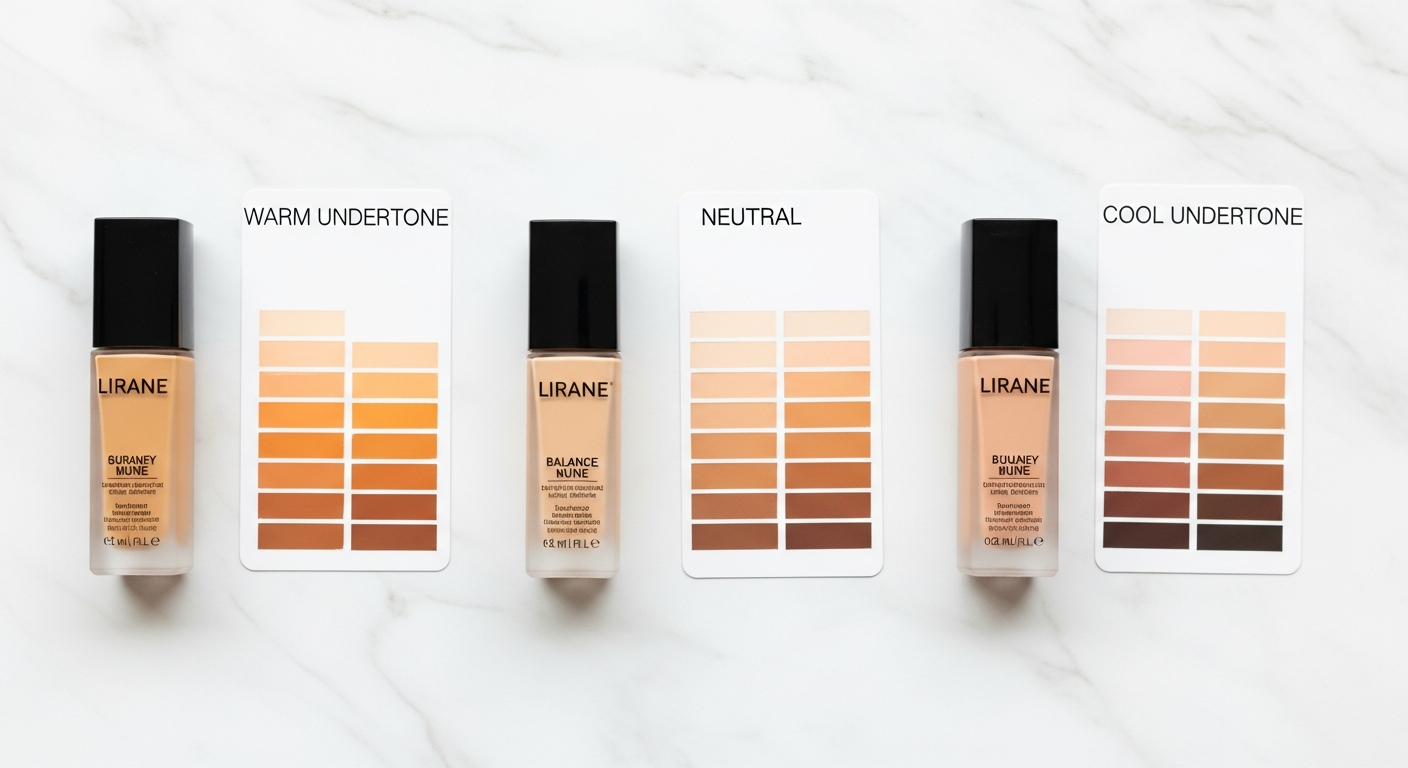
- Cool Undertones: Your skin has hints of pink, red, or blue.
- Warm Undertones: Your skin has hints of yellow, gold, or peach.
- Neutral Undertones: Your skin has a mix of both cool and warm tones, or it’s hard to distinguish one over the other. There’s no dominant color.
There’s also a common sub-category, Olive Undertones, which technically falls under neutral or cool but has a distinct greenish-grey cast. We’ll delve into that a bit more later, as it often causes confusion.
Prep for Success: Setting the Stage for Accurate Undertone Testing
Before you embark on your undertone discovery journey, it’s essential to create the right environment for accurate results. Think of it as preparing your canvas for a masterpiece. Rushing these steps can lead to skewed observations and ultimately, misidentifying your undertone.
- Natural Light is Your Best Friend: Artificial lighting, especially yellow-toned indoor lights, can dramatically alter how your skin’s true colors appear. The best place to perform these tests is near a window with plenty of natural daylight. If possible, avoid direct sunlight, as it can be too harsh and create shadows. Overcast days often provide the most balanced light.
- Clean Skin, No Makeup: To see your true undertone, your skin needs to be free of any interference. Wash your face and ensure it’s completely free of foundation, concealer, blush, or even heavily tinted moisturizers. Give your skin a few minutes to settle after washing to ensure any temporary redness subsides.
- Neutral Background & Clothing: Brightly colored clothing can reflect onto your skin, influencing your perception. Opt for a white or off-white shirt, or drape a white towel around your shoulders. Similarly, stand in front of a plain, neutral-colored wall if possible.
- Patience and Objectivity: Take your time with each test. Don’t rush to conclusions. Sometimes, your desired undertone might be different from your actual one. Be honest with your observations, even if they surprise you. It can also be helpful to have a trusted friend or family member offer a second opinion, as they might spot nuances you overlook.
- Focus on Untanned Areas: While your undertone is permanent, surface tan can obscure it. If possible, examine areas of your skin that receive less sun exposure, such as the underside of your wrist, your inner forearm, or behind your ear. These areas often give a clearer indication of your true undertone.
With these preparations in place, you’re ready to dive into the classic, tried-and-true methods for how to find your skin undertone for makeup with confidence and clarity.
The Classic Tests: Tried-and-True Methods to Find Your Undertone
Now for the fun part! These practical tests are simple, free, and can be done right at home. We recommend trying all of them, as combining results from multiple tests will give you the most accurate picture of your unique undertone. This is the core of understanding how to find your skin undertone for makeup.
The Vein Test: A Glimpse Beneath the Surface
This is arguably the most popular and often the quickest way to get an initial read on your undertone. It relies on the subtle color of your veins peeking through your skin.
- How to do it: In natural light, look closely at the veins on the inside of your wrist.
- What to look for:
- If your veins appear blue or purple: You likely have Cool Undertones.
- If your veins appear green: You likely have Warm Undertones.
- If you can’t tell if they’re blue or green, or they appear a mix of both: You likely have Neutral Undertones.
- Why it works: The color you perceive isn’t the actual color of your blood (which is always red); it’s how the color of your blood vessels is filtered through your skin’s undertones. Cool undertones tend to filter out yellow light, making blue more prominent, while warm undertones filter out blue light, making green more visible.
The Jewelry Test: Silver vs. Gold
Your undertone has a direct impact on which metals flatter your skin most. This test is a simple way to observe that effect.
- How to do it: Hold a piece of silver jewelry (a necklace, earring, or bracelet) against your skin, then do the same with a piece of gold jewelry. You can also drape a piece of silver foil and a piece of gold foil if you don’t have jewelry. Look at your bare skin with no makeup.
- What to look for:
- If silver jewelry makes your skin look more radiant, vibrant, and healthy: You likely have Cool Undertones.
- If gold jewelry makes your skin look more radiant, vibrant, and healthy: You likely have Warm Undertones.
- If both silver and gold look equally flattering on you, or you can wear either without one looking “off”: You likely have Neutral Undertones.
- Why it works: Cool undertones naturally harmonize with the cool tones of silver, making your complexion pop. Warm undertones are complemented by the richness of gold, enhancing your natural warmth.
The Sun Reaction Test: Burn or Tan?
How your skin reacts to sun exposure can offer another strong clue about your undertone, reflecting your skin’s inherent pigments.
- How to do it: Think about your history with sun exposure.
- What to look for:
- If you tend to burn easily and rarely tan, or your tan has a reddish tint: You likely have Cool Undertones.
- If you tan easily and deeply, and rarely burn: You likely have Warm Undertones.
- If you burn initially but then tan, or your reaction isn’t clearly one or the other: You likely have Neutral Undertones.
- Important Note: This test is about observation, not encouraging sun exposure! Protect your skin always.
The White Paper/Towel Test: A Pure Contrast
Using a stark white background helps to reveal the subtle colors within your skin by creating a clear contrast.
- How to do it: In natural light, hold a plain white sheet of paper or a white towel next to your bare face or neck.
- What to look for:
- If your skin appears rosy, pink, reddish, or even bluish-red in comparison to the white: You likely have Cool Undertones.
- If your skin appears yellowish, golden, peachy, or sallow in comparison to the white: You likely have Warm Undertones.
- If your skin appears grayish, greenish (often indicative of olive), or a balanced blend without a dominant hue: You likely have Neutral Undertones.
- Why it works: The absence of color in the white paper allows your skin’s natural undertones to become more apparent, as there’s no other color influencing your perception.
The Fabric/Color Test: The Power of Reflection
Similar to the jewelry test, certain colors will naturally enhance or clash with your undertone. This test uses clothing or fabric swatches to highlight this effect.
- How to do it: Gather some fabric swatches or articles of clothing in different colors. Specifically, look for cool colors (bright blue, emerald green, deep purple, true black, crisp white) and warm colors (orange, olive green, golden yellow, terracotta, ivory). Hold each color up to your bare face in natural light.
- What to look for:
- If cool colors make your skin look brighter, healthier, and more vibrant, while warm colors wash you out or make you look sickly: You likely have Cool Undertones.
- If warm colors make your skin look brighter, healthier, and more vibrant, while cool colors make you look pale or tired: You likely have Warm Undertones.
- If both warm and cool colors seem to flatter you equally, or you can pull off a wide range of shades: You likely have Neutral Undertones.
- Why it works: The reflection of the fabric’s color interacts with your skin’s undertone. Harmonious colors will amplify your natural radiance, while clashing colors will create an undesirable contrast.
After trying these tests, you should have a strong indication of your predominant undertone. If a majority of tests point to cool, you’re cool. If most point to warm, you’re warm. If it’s a mix, or you’re consistently on the fence, you’re very likely neutral!
Beyond the Basics: Understanding the Nuances of Olive & Other Complex Undertones
While the cool, warm, and neutral framework covers the vast majority, there are subtleties that deserve attention. One of the most common and often misunderstood is the olive undertone.
The Enigma of Olive Undertone
Olive undertones are distinct because they have a greenish-grey cast that can make them hard to categorize within the standard cool/warm/neutral spectrum. People with olive undertones often:
- Struggle with foundations that look too pink (if they try cool tones) or too orange/yellow (if they try warm tones).
- May have veins that appear a mix of green and blue, making the vein test less conclusive.
- Might appear sallow or dull in certain lighting without the right makeup.
- Can sometimes be mistakenly identified as neutral or even cool, but cool-toned products still don’t look quite right.
How to identify olive undertones: If you’ve tried the white paper test and your skin has a subtle greenish or grayish tinge compared to the stark white, or if you consistently feel foundations are either too pink or too yellow, you might be olive. Olive undertones are common across many skin depths, from fair to deep, and are often seen in people of Mediterranean, Asian, Latin, or Middle Eastern descent, but can appear in any ethnicity.
Makeup tips for olive undertones: Look for foundations specifically labeled “olive” or those with a slight golden-green or yellow-beige base. Avoid anything too pink or orange. Experiment with peach or muted coral blushes, and greens, bronzes, and deep plums for eyes. Many neutral-toned products work well.
True Neutral vs. Slightly Warm/Cool Neutral
It’s important to remember that undertones are a spectrum, not just three rigid boxes. Some people are “true neutral,” meaning they have a perfect balance of cool and warm pigments. Others might lean slightly warm-neutral or slightly cool-neutral. If you find yourself in the neutral camp, pay attention to whether cool or warm colors look slightly better on you, as this can guide your choices when a truly neutral shade isn’t available.
- Warm-Neutral: You’re neutral but can lean into warmer shades a bit more successfully.
- Cool-Neutral: You’re neutral but can lean into cooler shades a bit more successfully.
Embracing these nuances allows for a more refined and accurate approach to choosing shades that truly enhance your individual glow.
Applying Your Knowledge: Choosing Makeup Shades Like a Pro
Now that you’ve confidently identified your skin undertone, it’s time to put that knowledge into action! This is where you master how to find your skin undertone for makeup in a tangible way, transforming your entire beauty routine. No more guesswork, just gorgeous, harmonious choices.
Foundation & Concealer: The Canvas of Your Complexion
This is arguably the most critical area where undertone matters. The wrong foundation undertone can throw off your entire look.
- Cool Undertones: Look for foundations with pink, red, or blue descriptions. Many brands use “C” for cool, “R” for rosy, or describe them as “porcelain,” “rose,” or “almond.” These will neutralize any yellowness and prevent an ashy appearance.
- Warm Undertones: Seek out foundations with yellow, golden, or peach descriptions. Brands often use “W” for warm, “Y” for yellow, or terms like “beige,” “golden,” or “honey.” These will enhance your natural warmth without looking orange.
- Neutral Undertones: You’re lucky! Look for foundations explicitly labeled “neutral” or “N.” These have a balanced mix of pink and yellow pigments. If a true neutral isn’t available, try a slightly warm neutral if you lean that way, or a slightly cool neutral if that’s more your vibe.
- Olive Undertones: As discussed, look for specific “olive” shades or foundations with a slight green or yellow-beige cast. Often, a neutral foundation with a drop of green color corrector can work wonders.
Pro Tip for Foundation Shopping: Always swatch foundation on your jawline, blending down onto your neck. The goal is for the shade to disappear seamlessly into your skin in natural light. Don’t test on your hand or inner arm, as these areas often have a different undertone or depth than your face and neck.
Blush & Bronzer: Adding Dimension and Glow
Blush and bronzer bring life to your face, and choosing the right undertone ensures they look natural and radiant, not jarring.
- Cool Undertones:
- Blush: Think rosy pinks, berry shades, mauves, and cool plums. These will mimic a natural flush.
- Bronzer: Opt for cool-toned bronzers with a greyish or taupe undertone. Avoid anything too orange or shimmery, which can look muddy.
- Warm Undertones:
- Blush: Embrace peachy, coral, terracotta, and warm apricot hues. These will bring out your natural warmth.
- Bronzer: Go for golden, honey, or slightly reddish-brown bronzers. These will enhance your tan and create a sun-kissed look.
- Neutral Undertones:
- Blush: Rosy browns, soft peaches, and true pinks will work beautifully. You have a lot of flexibility.
- Bronzer: A neutral-toned bronzer with a balance of golden and brown will be perfect.
Eyeshadow & Eyeliner: Defining Your Gaze
While personal preference plays a huge role here, certain eyeshadow undertones will make your eyes pop more harmoniously with your skin.
- Cool Undertones:
- Eyeshadows: Silvers, grays, cool blues, purples (lavender, plum), emerald green, cool browns (taupe, mushroom), and deep charcoals.
- Eyeliners: Black, charcoal gray, navy, deep plum, cool brown.
- Warm Undertones:
- Eyeshadows: Golds, bronzes, coppers, warm browns (caramel, chocolate), olive green, peach, terracotta, and warm oranges.
- Eyeliners: Black, warm brown, bronze, deep green.
- Neutral Undertones:
- Eyeshadows: You can wear almost anything! Taupes, champagne, medium browns, and rose golds are particularly flattering, acting as versatile staples.
- Eyeliners: Black, brown, gray, and even some jewel tones.
Lipstick: The Perfect Pout
The right lipstick shade can brighten your entire face, while the wrong one can make your teeth look yellow or your skin sallow. It’s all about the undertone!
- Cool Undertones: Look for blue-based reds (like ruby or cherry), fuchsias, plums, berries, cool pinks, and mauves.
- Warm Undertones: Embrace orange-based reds (like coral or brick red), warm nudes, peaches, corals, and golden browns.
- Neutral Undertones: True reds, rose shades, berry tones, and “your lips but better” nudes with a balanced undertone will be your best friends. You can often venture into both warm and cool shades successfully.
Remember, these are guidelines, not rigid rules. Confidence and personal preference always play a part. But by understanding your undertone, you’ll have a powerful tool to navigate the vast world of beauty products with intention and skill, ensuring every choice enhances your natural beauty.
Don’t Stop There: How Undertone Influences Your Entire Wardrobe & Hair Color
The power of knowing your skin undertone extends far beyond your makeup bag. It’s a fundamental aspect of your overall aesthetic, subtly influencing everything from the clothes you wear to the color of your hair. Embracing your undertone in these areas can lead to a more cohesive, harmonious, and effortlessly stylish personal presentation.
Styling Your Wardrobe: Colors That Speak to You
Just like with makeup, certain clothing colors will make your skin look more vibrant and alive, while others might wash you out or make you look tired. This is directly tied to your undertone.
- Cool Undertones:
- Best Colors: Jewel tones like emerald green, sapphire blue, royal purple, ruby red. Also, cool blues (sky blue, navy), crisp white, charcoal grey, and true black.
- Colors to be cautious with: Orange, golden yellow, warm browns, and earthy tones that can make you appear sallow.
- Warm Undertones:
- Best Colors: Earthy tones like olive green, forest green, terracotta, mustard yellow, coral, and burnt orange. Also, golden yellows, cream, ivory, and warm browns.
- Colors to be cautious with: Icy blues, true black, stark white, and very cool purples, which can sometimes drain warmth from your complexion.
- Neutral Undertones:
- Best Colors: You have the most versatility! You can wear most colors with ease. Muted versions of both cool and warm shades often look fantastic. Think rosy browns, soft peaches, teal, and medium blues.
- Colors to be cautious with: Very stark, saturated versions of either cool or warm tones can sometimes overpower a neutral undertone, but generally, you’re free to experiment.
When your clothing colors complement your undertone, you’ll find that your skin looks clearer, your eyes sparkle more, and you generally appear more put-together, even in the simplest outfits.
Choosing Your Hair Color: A Harmonious Crown
Hair color can be tricky, and choosing a shade that clashes with your undertone can be surprisingly unflattering, leading to a dull complexion or an artificial look. Your undertone is your guide to finding your most flattering hair hue.
- Cool Undertones:
- Best Hair Colors: Ashy browns, platinum blondes, champagne blondes, cool reds (burgundy, auburn), and true black. These colors have blue, violet, or green bases.
- Colors to be cautious with: Golden blondes, coppery reds, and very warm browns, which can bring out unwanted yellowness in your skin.
- Warm Undertones:
- Best Hair Colors: Golden blondes, caramel highlights, honey tones, rich chocolate browns, warm auburns, and coppery reds. These colors have yellow, orange, or red bases.
- Colors to be cautious with: Ashy blondes or cool browns, which can make your skin look sallow or washed out.
- Neutral Undertones:
- Best Hair Colors: Most hair colors will be flattering! You can pull off a wide range of shades. Opt for balanced colors like natural beige blondes, medium browns, or soft, balanced reds.
- Colors to be cautious with: You have fewer restrictions, but excessively warm or cool tones might require a touch more makeup to balance.
By aligning your hair color with your undertone, you create a seamless flow from head to toe, enhancing your natural beauty in a way that feels effortless and authentic. It’s truly a holistic approach to self-expression.
Embrace Your Unique Radiance: The Power of Undertone Knowledge
Congratulations! You’ve navigated the fascinating world of skin undertones, armed yourself with practical tests, and discovered the profound impact this knowledge has on your beauty and style choices. Understanding how to find your skin undertone for makeup is far more than just a beauty hack; it’s a journey of self-discovery that empowers you to see your unique complexion with new eyes and appreciate its inherent beauty.
No longer will you stand bewildered in the makeup aisle, relying on guesswork or fleeting trends. Instead, you’ll approach your beauty routine with confidence and intention, selecting shades that truly harmonize with your natural glow. This isn’t about fitting into a box; it’s about identifying your inherent characteristics so you can enhance them, rather than trying to mask or contradict them.
The beauty of this discovery is that it’s permanent. Your undertone will always be yours, a guiding light for every cosmetic, clothing, and even hair color decision you make from here on out. So, go forth and experiment! Play with colors you now know will flatter you, explore new palettes, and confidently build a makeup collection and wardrobe that truly reflects your radiant, authentic self. At The Contextual Life, we believe that when you understand yourself better, you live better, and that journey often begins with the simplest, yet most profound, insights into your unique beauty.