

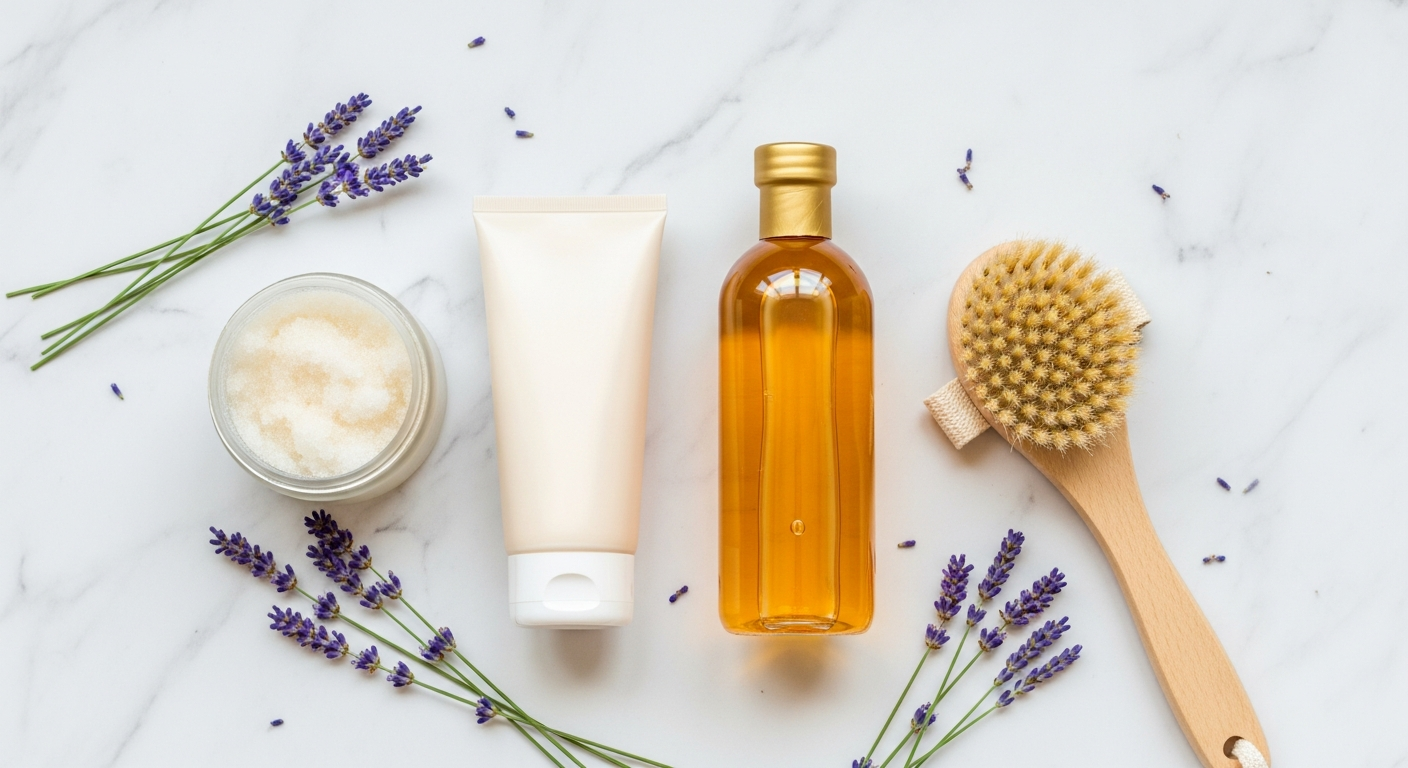
At The Contextual Life, we believe that true beauty and wellness stem from a holistic approach, intertwining external care with internal nourishment and mindful living. This comprehensive guide will walk you through every step of crafting a luxurious, effective body care routine designed to transform your skin from head to toe. We’ll delve into the science behind cleansing, exfoliation, and hydration, explore the power of targeted treatments, and even touch upon the crucial role of lifestyle in achieving that lit-from-within radiance. Think of this as your personal blueprint to unveiling the most beautiful, healthy skin you’ve ever had – a journey not just to beauty, but to a deeper connection with your body. Are you ready to embrace a routine that not only nurtures your skin but also elevates your self-care ritual? Let’s dive in.
The Foundation: Cleansing Consciously for Your Best Body Care Routine
Every great skincare routine, whether for your face or body, begins with a clean slate. But “clean” doesn’t mean stripped or squeaky. The first step in establishing the best body care routine for soft and glowing skin is to approach cleansing with intention. Your body wash isn’t just about removing dirt and sweat; it’s about preparing your skin for the nourishing steps to come, all while respecting its delicate barrier.
Choose Your Cleanser Wisely
- Hydrating Body Washes: Opt for formulas that are sulfate-free and rich in moisturizing ingredients like glycerin, hyaluronic acid, or natural oils (jojoba, argan, sunflower). These cleansers effectively remove impurities without stripping your skin of its natural moisture, leaving it soft, not tight. Look for terms like “creamy,” “milk,” “oil-based,” or “moisturizing” on the label.
- pH-Balanced Formulas: Our skin has a natural slightly acidic pH (around 4.5-5.5). Using cleansers that are too alkaline can disrupt this balance, leading to dryness, irritation, and a compromised skin barrier. Many gentle, hydrating body washes are formulated to be pH-balanced, helping to maintain your skin’s natural protective layer.
- Avoid Harsh Soaps: Traditional bar soaps, particularly those not specifically formulated for sensitive skin or moisturizing, often have a high pH and can be incredibly drying. While convenient, they can undermine your efforts to achieve soft, glowing skin.
- Fragrance-Free Options: If you have sensitive skin or are prone to irritation, consider fragrance-free body washes. While a lovely scent can enhance the shower experience, synthetic fragrances can be a common irritant.
The Art of the Shower
- Temperature Matters: While a scorching hot shower might feel heavenly after a long day, it’s actually detrimental to your skin. Hot water strips away natural oils, leading to dryness and irritation. Aim for lukewarm water – warm enough to feel comfortable, but not so hot that your skin turns red.
- Gentle Application: Use your hands or a soft washcloth to apply your body wash, lathering gently. Avoid aggressive scrubbing with abrasive poufs or loofahs every day, as these can create micro-tears and irritate the skin. If you do use a loofah or sponge, ensure it’s cleaned thoroughly and replaced regularly to prevent bacterial growth.
- Keep it Brief: Long showers, even with lukewarm water, can still dehydrate your skin. Aim for a 5-10 minute shower to cleanse effectively without over-exposing your skin to water, which can paradoxically dry it out.
By starting with a mindful cleansing ritual, you’re not just getting clean; you’re nurturing your skin and setting the stage for deep hydration and radiance.
Exfoliation: Unveiling Your Natural Radiance
One of the most transformative steps in achieving truly soft and glowing skin is regular exfoliation. Our skin naturally sheds dead skin cells, but sometimes it needs a little help to slough them off efficiently. When dead cells accumulate, they can make your skin look dull, feel rough, and even impede the absorption of your precious moisturizers. Exfoliation is the key to revealing the fresh, vibrant skin underneath and boosting its natural luminosity.
Why Exfoliate?
- Removes Dead Skin Cells: This is the primary benefit, revealing brighter, smoother skin.
- Enhances Product Absorption: By clearing the path, your lotions and oils can penetrate more effectively, delivering their hydrating and nourishing ingredients deeper into the skin.
- Stimulates Cell Turnover: Regular exfoliation encourages the production of new skin cells, contributing to a more youthful and radiant appearance over time.
- Prevents Ingrown Hairs: For those who shave or wax, exfoliation can help prevent ingrown hairs by keeping hair follicles clear.
Types of Body Exfoliation
1. Physical Exfoliation
- Body Scrubs: Look for scrubs with fine, rounded particles like sugar, salt (if not too sensitive), finely ground oats, or jojoba beads. Avoid scrubs with large, jagged particles (like crushed nut shells) as these can cause micro-tears and irritation.
- How to Use: In the shower, after cleansing, apply a generous amount of scrub to damp skin. Gently massage in circular motions, paying extra attention to rough areas like elbows, knees, and heels. Rinse thoroughly.
- Frequency: 1-3 times a week, depending on your skin type and sensitivity. Less often for sensitive skin, more often for rougher areas.
- Exfoliating Mitts or Brushes: A simple yet effective tool.
- How to Use: Use a damp mitt or brush with your body wash, or after cleansing, gently buff your skin in circular motions.
- Frequency: Can be used 2-4 times a week, ensuring gentle pressure.
- Dry Brushing: A fantastic ritual for both skin health and lymphatic drainage.
- How to Use: Before showering, on dry skin, use a natural bristle brush. Start at your feet and brush upwards towards your heart in long, sweeping strokes. Avoid broken or irritated skin.
- Frequency: 3-5 times a week, followed by a shower and immediate moisturizing.
2. Chemical Exfoliation
These products use acids to dissolve the bonds between dead skin cells, allowing them to slough off gently. Don’t let the word “chemical” intimidate you; these are often very gentle and highly effective.
- AHAs (Alpha Hydroxy Acids): Glycolic acid and lactic acid are common AHAs that work on the skin’s surface to improve texture and brightness. Lactic acid is particularly hydrating.
- BHAs (Beta Hydroxy Acids): Salicylic acid is a BHA that penetrates oil, making it excellent for congested skin, body acne, and ingrown hairs.
- PHAs (Polyhydroxy Acids): Gluconolactone and lactobionic acid are gentler alternatives to AHAs, suitable for sensitive skin, offering exfoliation with added hydration.
- Products: Look for body lotions, serums, or washes containing these acids.
- How to Use: Apply as directed, often after cleansing. Many chemical exfoliants for the body are formulated as lotions or creams, making them a two-in-one exfoliant and moisturizer.
- Frequency: Typically 2-3 times a week, but always follow product instructions. Start slowly to see how your skin reacts.
A Word of Caution: Always be gentle with exfoliation. Over-exfoliating can damage your skin barrier, leading to irritation, redness, and increased sensitivity. Listen to your skin and adjust frequency as needed. Always apply SPF daily, especially when using chemical exfoliants, as they can make your skin more sensitive to the sun.
Hydration is Key: Locking in Moisture for Soft and Glowing Skin
Once you’ve cleansed and exfoliated, the most crucial step in achieving truly soft and glowing skin is hydration. Think of hydration as the vital drink your skin craves. Without adequate moisture, your skin barrier can become compromised, leading to dryness, flakiness, irritation, and a dull appearance. This step is where you truly lock in the goodness and cultivate that supple, luminous finish.
The Golden Rule: Moisturize on Damp Skin
This is perhaps the most important tip for maximizing the effectiveness of your body moisturizer. After showering or bathing, gently pat your skin partially dry with a towel, leaving it slightly damp. Applying your chosen moisturizer to damp skin helps to trap that residual water, allowing the humectants and emollients in your product to seal in the hydration more effectively. Waiting until your skin is completely dry means the moisturizer has less water to bind to, making it less potent.
Choosing the Right Moisturizer for Your Skin
Not all moisturizers are created equal, and what works for one person might not work for another. Consider your skin type, climate, and desired texture.
- Lotions: Lighter in consistency, lotions are great for normal skin types or warmer climates. They absorb quickly and provide daily hydration without feeling heavy. Look for ingredients like glycerin, hyaluronic acid, and light oils.
- Creams: Thicker and richer than lotions, creams offer more intense hydration, ideal for dry or mature skin, or during colder months. They often contain a higher concentration of emollients and occlusives like shea butter, cocoa butter, ceramides, and petrolatum.
- Balms & Body Butters: The richest and most intensive options, balms and body butters are perfect for very dry, rough, or compromised skin. They create a protective barrier that seals in moisture for extended periods. Excellent for areas like elbows, knees, and heels.
- Body Oils: While oils don’t add water to the skin, they are excellent occlusives, meaning they create a protective layer to prevent moisture loss. They’re fantastic for layering over a light lotion or on their own for a dewy finish. Look for nourishing oils like jojoba, argan, squalane, almond, or grapeseed. Apply them to damp skin for the best results.
Key Hydrating Ingredients to Look For:
- Humectants: Attract water from the air and deeper skin layers. Examples: Hyaluronic Acid, Glycerin, Urea, Sodium PCA.
- Emollients: Fill in gaps between skin cells, making skin feel smooth and soft. Examples: Ceramides, Fatty Acids (e.g., Linoleic Acid), Cholesterol, Squalane, Shea Butter, Cocoa Butter, Jojoba Oil.
- Occlusives: Form a protective barrier on the skin’s surface to prevent moisture loss. Examples: Petrolatum, Mineral Oil, Dimethicone, Lanolin, Beeswax.
Application Techniques for Maximum Softness and Glow:
- Generous Application: Don’t be shy! Apply a liberal amount of moisturizer, ensuring full coverage.
- Upward Strokes: Gently massage the product into your skin using upward, circular motions. This not only aids absorption but can also boost circulation.
- Target Dry Areas: Pay extra attention to commonly dry areas like shins, elbows, knees, and heels. These areas often require a thicker, more occlusive product.
- Overnight Boost: For exceptionally dry hands or feet, apply a thick layer of cream or balm before bed and cover with cotton gloves or socks to create an intensive overnight treatment.
Consistency is paramount here. Making body hydration a non-negotiable part of your daily routine – ideally after every shower or bath – is the most effective way to maintain soft, supple, and gloriously glowing skin.
Nourishing and Protecting: Beyond Basic Hydration for a Healthy Body Care Routine
While cleansing, exfoliation, and hydration form the bedrock of the best body care routine for soft and glowing skin, truly radiant skin thrives on targeted nourishment and diligent protection. These additional steps elevate your routine from basic maintenance to a comprehensive regimen that addresses specific concerns and safeguards your skin’s long-term health and luminosity.
Targeted Treatments: Body Serums and Oils
Just as you use serums for your face to address specific concerns, the skin on your body can benefit from concentrated treatments.
- Body Serums: These lightweight, potent formulas can target issues like uneven skin tone, loss of firmness, or texture irregularities.
- Vitamin C Serums: Excellent for brightening, reducing hyperpigmentation (sun spots, post-inflammatory marks), and providing antioxidant protection.
- Retinol/Retinoid Body Lotions/Serums: Can help with skin texture, firmness, reducing the appearance of fine lines, and treating body acne. Start slowly and use sparingly, especially if you’re new to retinoids.
- Niacinamide (Vitamin B3): Great for barrier support, reducing redness, and evening out skin tone.
How to Use: Apply a body serum after cleansing and before your main moisturizer to allow for maximum penetration.
- Body Oils: While some oils are hydrating, their primary role here is often to seal in moisture and impart an instant, beautiful glow.
- Dry Oils: Formulated to absorb quickly without a greasy residue, providing a silky feel and radiant sheen.
- Shimmer Oils: Contain finely milled particles to give a subtle, luminous glow, perfect for special occasions or when you want an extra boost of radiance.
- Nourishing Oils: Rich in vitamins and fatty acids, like rosehip oil (for scars/stretch marks), almond oil, or marula oil.
How to Use: Apply body oil as the last step in your routine, over your moisturizer, to seal everything in and provide a gorgeous finish. Can also be mixed with your body lotion for an added boost.
Sun Protection: The Non-Negotiable Step
You can invest in the most elaborate body care routine, but without daily sun protection, your efforts for soft and glowing skin will be undermined. UV radiation is the primary cause of premature aging, dark spots, uneven skin tone, and a host of skin health issues.
- Daily Broad-Spectrum SPF: Choose a sunscreen with an SPF of 30 or higher that protects against both UVA (aging) and UVB (burning) rays.
- Application: Apply generously to all exposed skin every morning, even on cloudy days or when indoors near windows. Don’t forget often-missed areas like the back of your neck, décolletage, hands, and tops of your feet.
- Reapplication: Reapply every two hours when outdoors, or more frequently after sweating or swimming.
- Types:
- Mineral Sunscreens: Contain zinc oxide and/or titanium dioxide, sitting on top of the skin to block rays. Often preferred for sensitive skin.
- Chemical Sunscreens: Absorb UV rays and convert them into heat. Offer a lighter texture.
Incorporating SPF into your daily body care isn’t just about preventing sunburn; it’s about preserving the even tone, elasticity, and luminosity you’ve worked so hard to achieve. It’s the ultimate anti-aging and glow-enhancing step.
Antioxidant Power: Fighting Environmental Stressors
Beyond SPF, ingredients rich in antioxidants can further protect your skin from environmental damage (like pollution) that contributes to dullness and premature aging.
- Look for body care products containing ingredients like Vitamin C, Vitamin E, Green Tea Extract, Ferulic Acid, or CoQ10. These ingredients help to neutralize free radicals, keeping your skin healthier and more resilient, thereby supporting its natural glow.
By thoughtfully integrating targeted treatments and, most importantly, consistent sun protection, you’re not just caring for your skin today, but investing in its radiant future. These steps are crucial for maintaining the integrity, health, and undeniable glow of your skin from head to toe.
Internal Wellness: The Glow from Within
While external products and routines are undeniably powerful, the secret to truly soft and glowing skin extends far beyond what you apply topically. Your internal health, lifestyle choices, and daily habits play a profound role in your skin’s overall vitality, influencing its texture, hydration levels, and luminosity. At The Contextual Life, we believe in a holistic approach to wellness, understanding that true radiance blossoms from within.
Hydration is Paramount: Drink Up!
It sounds simple, but sufficient water intake is fundamental for every bodily function, including healthy skin. When you’re dehydrated, your skin can appear dull, tighter, and less supple. Think of your skin cells as tiny sponges – they need water to plump up and function optimally.
- Recommendation: Aim for at least 8 glasses (about 2 liters) of water daily, more if you’re active or in a hot climate.
- Beyond Water: Herbal teas, water-rich fruits and vegetables (cucumber, watermelon, berries) also contribute to your daily fluid intake.
Nourish Your Skin from Your Plate
The saying “you are what you eat” holds significant truth for your skin. A diet rich in essential nutrients provides the building blocks for healthy skin cells and protects against damage.
- Omega-3 Fatty Acids: Found in fatty fish (salmon, mackerel), flaxseeds, chia seeds, and walnuts, these healthy fats are crucial for maintaining skin barrier function, reducing inflammation, and keeping skin supple.
- Antioxidants: Berries, leafy greens, colorful vegetables, and green tea are packed with antioxidants that combat free radical damage from environmental stressors, helping to maintain youthful, glowing skin.
- Vitamins A, C, and E:
- Vitamin A: Essential for cell turnover (found in sweet potatoes, carrots, spinach).
- Vitamin C: A powerful antioxidant vital for collagen production, which gives skin its firmness and elasticity (found in citrus fruits, bell peppers, broccoli).
- Vitamin E: Another antioxidant that protects skin from damage and aids in moisture retention (found in nuts, seeds, avocado).
- Protein: Adequate protein intake is necessary for collagen and elastin production, contributing to skin’s strength and resilience.
The Power of Rest: Beauty Sleep
It’s called “beauty sleep” for a reason! While you sleep, your body goes into repair mode. This is when your skin’s regeneration processes are most active, repairing daily damage, producing new cells, and boosting blood flow, which gives you a healthy glow. Lack of sleep can lead to dull, tired-looking skin, increased inflammation, and a slower recovery process.
- Aim for 7-9 hours of quality sleep per night. Establish a consistent sleep schedule and a relaxing bedtime routine.
Stress Management: A Calmer You, A Calmer Skin
Chronic stress triggers the release of hormones like cortisol, which can lead to inflammation, disrupt the skin barrier, and exacerbate conditions like acne, eczema, and psoriasis. Stress can also dull your complexion and impair your skin’s ability to repair itself.
- Incorporate Stress-Reducing Practices:
- Mindfulness & Meditation: Even a few minutes a day can make a difference.
- Yoga or Gentle Exercise: Releases endorphins and improves circulation.
- Spending Time in Nature: Connects you to the present and reduces mental load.
- Prioritize Self-Care: Make time for activities you genuinely enjoy and that help you unwind.
By tending to your internal landscape – what you eat, how much you drink, how well you sleep, and how you manage stress – you create the optimal environment for your skin to thrive. These foundational elements are not just additions to your routine; they are integral to unlocking your skin’s natural, vibrant glow from the inside out.
Lifestyle Habits & Self-Care Rituals for a Radiant You
Beyond the daily lotions and potions, our everyday habits and the way we approach self-care can significantly amplify the results of our body care routine. These are the subtle, yet powerful, rituals that contribute to not just soft and glowing skin, but an overall sense of well-being and confidence. Embracing these practices is about more than just aesthetics; it’s about honoring your body and mind.
Regular Exercise: Boost That Circulation
Physical activity isn’t just good for your heart and muscles; it’s fantastic for your skin. Exercise increases blood flow, which helps to deliver oxygen and nutrients to skin cells and carry away waste products. This improved circulation contributes to a healthy, vibrant complexion and a natural flush.
- Any movement helps: Whether it’s a brisk walk, yoga, dancing, or hitting the gym, consistent exercise will benefit your skin.
- Post-workout care: Always shower promptly after sweating to prevent clogged pores and body acne.
Mindful Bathing Rituals
While quick showers are practical, carving out time for a luxurious bath can be a deeply restorative self-care ritual that benefits your skin and soul.
- Epsom Salts: Add a cup or two of Epsom salts to your bathwater. Rich in magnesium, they can help soothe tired muscles and draw out toxins, promoting relaxation.
- Oils and Botanicals: A few drops of nourishing bath oil (like jojoba, almond, or coconut oil) or essential oils (lavender for relaxation, eucalyptus for invigoration) can deeply moisturize your skin while you soak. Dried rose petals or chamomile can add to the sensory experience.
- Temperature: Again, opt for warm, not scalding hot, water to prevent skin dehydration.
Choosing Skin-Friendly Fabrics
What you wear directly impacts your skin. Certain fabrics can cause friction, irritation, or trap sweat, leading to discomfort or breakouts.
- Breathable Fabrics: Opt for natural, breathable materials like cotton, silk, and linen, especially for clothing that sits directly against your skin. These fabrics allow air circulation and help prevent moisture buildup.
- Smooth Textures: If you have sensitive skin, avoid rough textures like coarse wool that can irritate.
- Detergents: Be mindful of your laundry detergent. Choose hypoallergenic, fragrance-free options if you experience unexplained skin irritation.
Protective Measures for Specific Areas
- Hands and Feet: These areas are often neglected despite constant exposure and use.
- Hand Cream: Keep a rich hand cream by your sink and apply after every wash.
- Foot Cream: Use a dedicated foot cream (often thicker and containing exfoliating acids like urea or lactic acid) nightly, especially on heels. Wear cotton socks after application for an intensive treatment.
- Gloves: Wear gloves when doing dishes, gardening, or using harsh cleaning agents to protect your hands.
- Neck and Décolletage: Often forgotten, these delicate areas show signs of aging quickly. Extend your facial skincare (cleanser, serum, moisturizer, SPF) down to your neck and chest.
Consistency is Your Best Friend
Perhaps the most vital “lifestyle habit” for achieving soft and glowing skin is consistency. A sporadic routine, no matter how potent the products, will yield sporadic results. Committing to your body care routine daily, even when you’re tired, is what truly makes a difference over time.
- Build a Habit: Integrate your body care into existing routines – right after your shower, before bed, while watching TV.
- Listen to Your Body: Adjust your routine based on seasonal changes, your skin’s needs, and how you feel. Some days you might need more exfoliation, others more hydration.
By weaving these simple yet impactful habits and self-care rituals into your daily life, you’re not just enhancing your skin’s appearance; you’re nurturing a deeper connection with yourself. This holistic approach ensures that your radiant skin is a true reflection of a well-cared-for body and a peaceful mind.
Conclusion: Embrace Your Radiance, Inside and Out
Embarking on the journey to cultivate the best body care routine for soft and glowing skin is more than just a quest for external beauty; it’s an act of profound self-love and mindfulness. We’ve explored how a conscious approach to cleansing, the transformative power of exfoliation, and the non-negotiable step of deep hydration lay the groundwork for a luminous complexion. We’ve delved into targeted treatments that address specific concerns, underscored the critical importance of sun protection, and revealed how nurturing your body from within—through proper nutrition, hydration, quality sleep, and stress management—is truly the secret sauce for that enviable inner glow.
Remember, true radiance isn’t achieved overnight. It’s a journey of consistent effort, gentle care, and a willingness to listen to what your body and skin truly need. There will be days when life gets in the way, and your routine might not be perfectly executed, and that’s okay. The key is to return to these nourishing practices with kindness and commitment. Each step, from the refreshing cleanse to the luxurious application of moisturizer, becomes a small ritual of connection with yourself, a moment to pause and appreciate the incredible vessel that carries you through life.
Your skin is your largest organ, a living canvas that tells your story. By providing it with the comprehensive care it deserves, you’re not just aiming for softness and glow; you’re fostering its health, resilience, and vitality. So, step into your bathroom, breathe deeply, and allow these rituals to transform not just your skin, but your entire sense of well-being. Embrace the journey, trust the process, and let your soft, glowing skin be a testament to the beautiful, contextual life you are creating, every single day.