

icon

Creating a life you love

Search
Share

How To Build Resilience

Illustration of a woman practicing resilience and self-care for a women's lifestyle article


How to Build Resilience: An Intentional Woman’s Guide to Unshakeable Inner Strength

Affiliate disclosure: This article may contain affiliate links. Recommendations are independent and editorially driven.

In the intricate tapestry of a woman’s life, threads of ambition, caregiving, creativity, and self-discovery weave together to form a unique and vibrant pattern. Yet, within this beauty, challenges are an inevitable part of the design. From the quiet anxieties of daily life to the monumental shifts that test our very core, the ability to navigate these currents with grace and fortitude is not merely a desirable trait—it is an essential skill for intentional living. This skill is resilience: the profound capacity to adapt, recover, and even thrive in the face of adversity. For the women who visit thecontextuallife, who aspire to a slow lifestyle, embrace mindset shifts, and commit to personal growth, understanding how to build resilience is not just about “bouncing back.” It’s about cultivating a deep, internal strength that allows you to move forward, learn, and grow, even when the path ahead seems uncertain.

Our modern world often celebrates speed and constant achievement, pushing many women to the brink of burnout. Intentional living, however, offers an antidote: a deliberate choice to live with purpose, mindfulness, and a deep connection to one’s values. It’s within this framework that true resilience blossoms. It’s not about avoiding hardship, which is impossible, but about equipping yourself with the tools, perspective, and internal resources to meet it head-on, to learn from it, and to emerge not just intact, but often stronger and more deeply rooted in who you are. This comprehensive guide will explore the multifaceted nature of resilience, offering actionable strategies, profound mindset shifts, and practical habits designed to empower you to build an unshakeable inner strength, fostering a life of greater peace, purpose, and enduring well-being.

Understanding Resilience: More Than Just Bouncing Back

When we talk about resilience, the common metaphor that often springs to mind is “bouncing back.” While this image captures a part of the truth—the ability to recover from setbacks—it doesn’t fully encompass the richness and depth of what true resilience entails, especially for women striving for an intentional life. Resilience isn’t just a reaction; it’s a dynamic process of adaptation, growth, and transformation. It’s about more than returning to a previous state; it’s about evolving through experience, integrating lessons learned, and developing new capacities. For the conscious woman, resilience is an active, ongoing endeavor, a cornerstone of personal growth that allows her to navigate life’s complex terrain with a robust and adaptable spirit.

Defining Resilience in a Modern Context

In the landscape of modern life, where information overload, societal pressures, and the constant hum of digital connection can be both exhilarating and exhausting, resilience takes on a multifaceted meaning. It’s the ability to maintain your well-being and sense of self amidst external pressures. It’s the strength to pivot when plans crumble, to find clarity amidst chaos, and to sustain hope when faced with disappointment. For women, this often includes navigating career demands, family responsibilities, societal expectations, and the persistent internal narrative that can sometimes undermine our confidence. Resilience, then, isn’t just about endurance; it’s about intelligent adaptation, emotional flexibility, and the wisdom to know when to push forward and when to rest and recalibrate.

The modern definition of resilience extends beyond individual fortitude to include the capacity for collective support and community building. In an increasingly interconnected world, our ability to draw strength from others and offer it in return is a powerful component of our personal resilience. It means recognizing that you don’t have to face every challenge alone, and that true strength often lies in vulnerability and connection. This holistic view acknowledges that while internal resources are paramount, external support systems play a vital role in sustaining our capacity to thrive.

The Pillars of True Inner Strength

Building genuine resilience requires more than a single strategy; it’s constructed upon several interconnected pillars that support a robust inner framework. Understanding these foundations is the first step toward intentionally strengthening your own resilience.

  • Self-Awareness: The ability to accurately perceive your own emotions, thoughts, and behaviors, and to understand how they impact your reactions to stress. This involves honest self-reflection and a willingness to acknowledge both strengths and vulnerabilities.
  • Emotional Regulation: Not the suppression of emotions, but the skillful management of them. It’s learning to experience difficult feelings without being overwhelmed by them, and choosing how to respond rather than react impulsively. This includes practices like mindfulness and deep breathing.
  • Optimism and Hope: A realistic yet positive outlook on life, believing in your ability to overcome challenges and seeing difficulties as temporary. This isn’t about ignoring problems but maintaining a belief in a positive outcome or the capacity to create one.
  • Problem-Solving Skills: The practical ability to analyze challenging situations, brainstorm solutions, make decisions, and take effective action. This often involves creativity, critical thinking, and a willingness to adapt strategies when initial attempts don’t work.
  • Strong Support Networks: Cultivating meaningful relationships with family, friends, mentors, or community groups who can offer emotional support, practical assistance, and different perspectives when needed. Knowing you are not alone is a powerful buffer against adversity.
  • Purpose and Meaning: Having a clear sense of what matters most to you, your values, and your goals. A strong sense of purpose provides direction and motivation, helping you persevere even when faced with significant obstacles. It gives meaning to your struggles.
  • Adaptability and Flexibility: The capacity to adjust to new conditions, embrace change, and modify your expectations or approaches when circumstances shift. This is crucial in a rapidly evolving world where rigidity can be a significant impediment to progress.

By consciously nourishing these pillars, women can build a form of resilience that is not just about enduring hardship, but about growing through it, emerging more insightful, compassionate, and equipped for whatever life brings.

The Intentional Path to Resilience: Mindset Shifts for Women

how to build resilience - photo 2 illustration

Resilience isn’t an innate trait possessed by a select few; it’s a cultivated skill, profoundly shaped by our mindset. For women committed to intentional living and personal growth, shifting our internal narrative and embracing new perspectives is perhaps the most powerful lever we have in building enduring resilience. It’s about consciously choosing how we interpret events, how we speak to ourselves, and how we approach challenges. These aren’t just minor adjustments; they are fundamental changes in the way we engage with the world and ourselves, laying the groundwork for a life lived with greater strength and grace.

[INLINE IMAGE 1: how to build resilience concept illustration]

Cultivating a Growth Mindset

One of the most transformative mindset shifts for building resilience is embracing a growth mindset. Coined by psychologist Carol Dweck, a growth mindset is the belief that your abilities and intelligence can be developed through dedication and hard work. In contrast, a fixed mindset assumes these qualities are inherent and unchangeable. For women, particularly, who may face societal pressures to be “perfect” or fear judgment for mistakes, adopting a growth mindset is liberating.

  • Viewing Challenges as Opportunities: Instead of seeing a difficult situation as a roadblock, a growth mindset allows you to view it as an opportunity to learn, develop new skills, and expand your capabilities. This reframing turns potential setbacks into valuable lessons.
  • Embracing Effort and Process: Understanding that effort is what makes you smarter and stronger, not a sign of lacking ability. It shifts the focus from the outcome to the journey, appreciating the learning and development that happen along the way.
  • Learning from Feedback and Criticism: Rather than taking criticism personally or as a blow to self-worth, a growth mindset enables you to see feedback as valuable information that can help you improve. It’s a tool for refinement, not judgment.
  • Persisting Through Setbacks: When something doesn’t go as planned, a growth mindset fosters perseverance. It encourages you to analyze what went wrong, adjust your approach, and try again, rather than giving up. This is the very essence of resilience.

By intentionally practicing a growth mindset, women can dismantle limiting beliefs, foster a deeper sense of self-efficacy, and develop the mental fortitude needed to navigate the inevitable ups and downs of life with greater confidence and adaptability.

Embracing Imperfection and Self-Compassion

In a world saturated with curated social media feeds and external benchmarks of success, women often grapple with the pervasive pressure to be perfect. This pursuit of an unattainable ideal is a significant drain on our emotional and mental resources, directly hindering our ability to build resilience. Resilience thrives not in flawlessness, but in the acceptance of our human fallibility and the practice of self-compassion.

  • Releasing the Burden of Perfectionism: Understand that perfectionism is often a fear of failure or judgment disguised as a high standard. True resilience allows for mistakes, viewing them as integral to the learning process rather than catastrophic failures. Giving yourself permission to be imperfect liberates immense energy for growth.
  • Practicing Self-Compassion: This means treating yourself with the same kindness, understanding, and care you would offer a dear friend in distress. When facing a setback or feeling inadequate, instead of self-criticism, practice acknowledging your pain, reminding yourself that imperfection is part of the shared human experience, and offering yourself comfort. Dr. Kristin Neff’s work on self-compassion emphasizes three core components: self-kindness, common humanity, and mindfulness.
  • Challenging the Inner Critic: We all have an inner voice that can be harsh and judgmental. Learning to identify this voice and gently challenge its pronouncements is crucial. Ask yourself: “Would I say this to someone I love?” If not, reframe the thought with kindness and realism.
  • Setting Realistic Expectations: An intentional life recognizes the limits of time and energy. Setting achievable goals and understanding that progress is often incremental helps prevent burnout and fosters a sense of accomplishment, even in small victories.

By actively embracing imperfection and cultivating self-compassion, women can build a foundation of inner kindness that acts as a powerful buffer against adversity. This shift transforms resilience from a grueling battle against external forces into a journey of self-acceptance and gentle, yet persistent, growth.

Practical Strategies for Strengthening Your Resilience Muscles

While mindset shifts are foundational, resilience is also built through concrete actions and deliberate practices. Just as physical muscles are strengthened through consistent exercise, our “resilience muscles” grow stronger with intentional application of practical strategies. These strategies move beyond abstract concepts into tangible steps you can integrate into your daily life, empowering you to actively participate in your own personal growth journey and navigate challenges with greater efficacy. For women seeking an intentional and slow lifestyle, these strategies are not about adding more to an already busy schedule, but about integrating meaningful practices that genuinely enhance well-being and inner strength.

Developing Emotional Regulation Skills

Emotional regulation is the ability to understand and manage your emotional responses in a healthy and constructive way. It doesn’t mean suppressing feelings, but rather allowing yourself to experience them without being overwhelmed, and choosing how to respond rather than reacting impulsively. This is a cornerstone of resilience, as it enables you to maintain equilibrium during stressful times.

  • Mindful Breathing: When you feel overwhelmed, anxious, or angry, take a moment to focus on your breath. Deep, slow breaths can calm the nervous system. Practice techniques like box breathing (inhale for 4, hold for 4, exhale for 4, hold for 4) to reset your physiological state.
  • Emotional Check-ins: Regularly pause and ask yourself, “What am I feeling right now?” and “Why might I be feeling this way?” Simply labeling an emotion can reduce its intensity and give you more control over your response. Keep an emotional journal to track patterns.
  • Creating Space Before Responding: Before reacting to a challenging situation or upsetting comment, consciously create a pause. This brief moment allows you to choose a thoughtful response instead of an automatic one. The “STOP” method (Stop, Take a breath, Observe, Proceed) can be very useful here.
  • Distraction and Redirection (Healthy Ones): Sometimes, it’s beneficial to temporarily shift your focus from an intense emotion if it’s unproductive. Engage in a hobby, listen to music, go for a walk, or connect with a friend. This isn’t avoidance but a strategic break to regain composure before returning to the issue.
  • Cognitive Reappraisal: Learn to reframe your thoughts. Instead of “This is a disaster,” try “This is challenging, but I can find a way through it.” Shifting your internal dialogue can significantly alter your emotional experience.

Mastering emotional regulation gives you a powerful internal compass, guiding you through stormy emotional seas without losing your way.

Building a Robust Support System

No one is an island, and attempting to face all of life’s challenges alone is a recipe for burnout and diminished resilience. A strong, diverse support system is a vital external resource that bolsters your inner strength. For women, who often carry significant emotional labor, intentionally cultivating these connections is not a luxury, but a necessity.

  • Nurture Existing Relationships: Invest time and energy in your connections with family, friends, and trusted colleagues. Schedule regular check-ins, offer help, and be present when others need you. Reciprocity is key to strong relationships.
  • Seek Out New Connections: Join clubs, volunteer organizations, or online communities that align with your interests and values. Meeting like-minded individuals can expand your perspective and introduce you to new forms of support. Consider joining a book club, a hiking group, or a women’s networking circle.
  • Identify Different Types of Support: Understand that you need various kinds of support:
    • Emotional Support: Friends or family who listen without judgment.
    • Informational Support: Mentors or experts who offer advice and guidance.
    • Practical Support: Individuals who can offer tangible help (e.g., childcare, errands).
    • Affirmational Support: People who believe in you and your abilities.

    Ensure your network provides a balanced mix.

  • Be Willing to Ask for Help: This is perhaps the hardest step for many women. Recognizing when you need help and bravely asking for it is a sign of strength, not weakness. Practice articulating your needs clearly and directly.
  • Set Healthy Boundaries: While building a support system, it’s equally important to establish boundaries to protect your energy and prevent your support system from becoming a source of drain. Understand who truly nourishes you and where you need to limit engagement.

A well-maintained support system acts as a safety net, a sounding board, and a source of shared joy, making the journey of life—and the development of resilience—far more manageable and enriching. When considering how to cultivate meaningful friendships, remember that depth often trumps quantity.

The Power of Purpose and Values

When faced with significant adversity, it’s often our deepest values and sense of purpose that anchor us and provide the motivation to persevere. Understanding what truly matters to you gives meaning to your struggles and direction to your efforts. This is particularly resonant for women embracing intentional living, where aligning actions with values is paramount.

  • Identify Your Core Values: Take time to reflect on what principles guide your life. Are they kindness, creativity, integrity, contribution, freedom, family, growth, or something else? List 3-5 values that are non-negotiable for you. Resources like values worksheets or guided meditations can aid this process.
  • Connect Actions to Values: Once you know your values, consciously evaluate how your daily decisions and larger life choices align with them. When faced with a difficult choice, ask: “Does this align with my value of X?” This provides a powerful filter and decision-making framework.
  • Define Your Purpose (Big or Small): Purpose doesn’t have to be a grand, world-changing mission. It can be found in your role as a parent, a creator, a community member, or in the pursuit of personal mastery. What gives your life meaning and drives you forward? It could be as simple as “to live with grace” or “to empower other women.”
  • Use Purpose as a Compass: During challenging times, reconnecting with your purpose can provide immense strength and clarity. When doubt creeps in, remind yourself of *why* you are striving, *why* this matters. This can reignite motivation and provide a sense of direction when you feel lost.

A clear sense of purpose and deeply held values act as an internal compass, guiding you through life’s storms and ensuring that even when the path is difficult, you are moving in a direction that is authentic and meaningful to you.

Habits and Routines: Your Daily Dose of Resilience Building

how to build resilience - infographic 4 illustration

Resilience isn’t built in a single grand gesture but through the consistent, often small, habits and routines we integrate into our daily lives. These practices act as micro-investments in our well-being, accumulating over time to form a robust foundation of inner strength. For women seeking a slow and intentional lifestyle, these are not additional burdens but essential components of a life lived with greater presence and equanimity. They are the conscious choices we make to nourish our minds, bodies, and spirits, directly impacting our capacity to adapt and thrive amidst life’s inevitable fluctuations.

[INLINE IMAGE 2: how to build resilience comparison illustration]

Mindfulness and Meditation Practices

In our constantly stimulating world, finding moments of stillness and presence is a powerful act of self-care and a potent builder of resilience. Mindfulness is the practice of being fully present and aware of the current moment without judgment, while meditation is a formal practice to cultivate this awareness. These practices help women to create mental space, reduce reactivity, and enhance emotional regulation.

  • Daily Mindfulness Moments: You don’t need hours to practice mindfulness. Integrate it into everyday activities:
    • Mindful Eating: Pay attention to the taste, texture, and aroma of your food.
    • Mindful Walking: Notice the sensation of your feet on the ground, the sights, and sounds around you.
    • Mindful Breathing Breaks: Take 3-5 conscious breaths throughout your day, noticing the inhale and exhale.

    These small practices train your attention muscle and bring you into the present.

  • Formal Meditation: Dedicate 5-20 minutes daily to a guided or unguided meditation. Apps like Calm, Headspace, or Insight Timer offer structured programs for beginners and experienced practitioners. Regular meditation has been shown to reduce stress, improve focus, and increase emotional resilience by literally changing brain structure over time.
  • Body Scans: A gentle practice of bringing attention to different parts of your body, noticing any sensations without judgment. This helps to connect mind and body, release tension, and foster self-awareness.
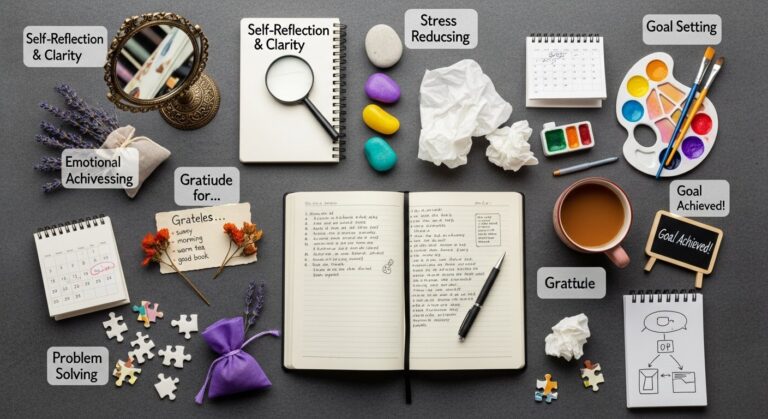
  • Gratitude Practice: Regularly reflect on things you are grateful for. This simple act can shift your perspective, foster positive emotions, and enhance your overall sense of well-being, acting as a powerful antidote to negativity and fostering a resilient outlook. Keep a gratitude journal or simply list three things you’re grateful for each morning or evening.

By making mindfulness and meditation a consistent part of your routine, you develop an inner sanctuary, a place of calm and clarity you can access even amidst external chaos, making it easier to navigate life’s challenges with composure.

Prioritizing Self-Care and Rest

Self-care is often mistakenly viewed as a luxury, particularly for women who are conditioned to prioritize the needs of others. However, intentional self-care and adequate rest are non-negotiable components of resilience. You cannot pour from an empty cup, and neglecting your own needs will inevitably deplete your capacity to handle stress and adversity.

  • Defining Your Personal Self-Care: Self-care is highly individual. It’s not just bubble baths (though it can be!). It’s anything that genuinely replenishes your energy. This could include reading, gardening, creative pursuits, spending time in nature, listening to music, or simply enjoying quiet solitude. Identify what truly recharges *you*.
  • Scheduling Non-Negotiable Rest: Adequate sleep is foundational. Aim for 7-9 hours of quality sleep per night. Establish a consistent sleep schedule and create a relaxing bedtime routine. Beyond sleep, schedule intentional periods of rest and downtime throughout your week, even if it’s just an hour to simply exist without agenda.
  • Saying “No” Decisively: Protecting your time and energy often requires setting boundaries. Learning to politely but firmly decline requests that overextend you is a powerful act of self-care. This ensures you have the capacity for what truly matters and prevents burnout.
  • Nutritious Eating: Fueling your body with whole, unprocessed foods directly impacts your energy levels, mood, and cognitive function. A balanced diet supports your physical resilience, which in turn supports your mental and emotional resilience. Focus on nutrient-dense meals and stay hydrated.

Prioritizing self-care and rest isn’t selfish; it’s a strategic investment in your long-term well-being and your ability to show up fully for yourself and those you care about. It builds the reserve needed to endure challenges.

Movement and Nature Connection

Our physical well-being is deeply intertwined with our mental and emotional resilience. Regular movement and connection with the natural world offer profound benefits for stress reduction, mood enhancement, and overall vitality. For a slow lifestyle, these are integrated seamlessly into the rhythm of life, rather than forced activities.

  • Movement as Medicine: Engage in regular physical activity that you enjoy. It doesn’t have to be intense gym workouts; walking, yoga, dancing, cycling, or gardening are all fantastic ways to move your body. Exercise releases endorphins, reduces stress hormones, improves sleep, and boosts cognitive function, all contributing to a stronger, more resilient self. Aim for at least 30 minutes of moderate activity most days of the week.
  • Connecting with Nature: Spend time outdoors. Whether it’s a walk in a local park, tending to a small garden, sitting by a window observing the sky, or taking a hike, exposure to nature has been proven to reduce stress, improve mood, and enhance feelings of well-being. This is often referred to as “forest bathing” or nature therapy.
  • Mindful Movement: Combine movement with mindfulness. Practices like yoga, tai chi, or simply walking with attention to your breath and bodily sensations can amplify the benefits, fostering a deeper connection between your physical and mental states.
  • Incorporating Play: Reintroduce elements of play into your life. Whether it’s playing a sport, dancing freely, or engaging in a creative hobby, playful activities reduce stress, stimulate creativity, and remind us of the joy of pure, unadulterated engagement, replenishing our emotional reserves.

By prioritizing movement and fostering a consistent connection with nature, women can harness powerful, natural tools to reduce stress, boost mood, and build a physical and mental foundation that enhances their capacity for resilience and their enjoyment of an intentional life. This synergy is key for women looking for holistic well-being strategies.

Navigating Adversity: Turning Challenges into Catalysts for Growth

Life, by its very nature, is unpredictable. Adversity isn’t a question of “if,” but “when.” The true measure of resilience lies not in avoiding challenges, but in how we navigate them. For women dedicated to intentional living and personal growth, every setback holds the potential to be a profound catalyst for growth, a forge in which stronger versions of ourselves are shaped. This requires a shift in perspective and the active application of strategies that transform moments of difficulty into opportunities for deeper learning and self-discovery. It’s about cultivating the wisdom to extract value from struggle, turning stumbling blocks into stepping stones.

Reframing Setbacks: The Art of Perspective

Our perception of an event often has a greater impact on our well-being than the event itself. The ability to reframe setbacks—to consciously choose a different, more empowering interpretation—is a critical component of resilience. This isn’t about denying reality or toxic positivity, but about finding meaning and opportunity even in difficult circumstances.

  • Identify Cognitive Distortions: Become aware of common unhelpful thinking patterns, such as catastrophizing (“This is the worst thing ever”), overgeneralization (“Nothing ever goes right for me”), or personalization (“It’s all my fault”). Recognizing these patterns is the first step to challenging them.
  • Look for the Lesson: In every setback, there is usually a lesson to be learned. Ask yourself: “What can I learn from this experience?” “What new skills or insights can I gain?” “How might this challenge prepare me for something else?” This shifts focus from blame or despair to growth and future readiness.
  • Find the Opportunity: Adversity often forces us to innovate, adapt, and rethink our approaches. What new doors might this closed one reveal? What creative solutions can emerge from this constraint? Sometimes, a perceived failure can redirect us toward a more fulfilling or appropriate path.
  • Practice Gratitude (Even for Small Things): Even in the midst of difficulty, cultivating an awareness of what is still good or going well can provide a powerful counterbalance to negative emotions. This doesn’t diminish the pain but broadens your perspective.
  • Consider the Bigger Picture: Will this matter in a year? Five years? Sometimes, zooming out can help us realize that many present difficulties are temporary and part of a larger, evolving journey. This helps to reduce the immediate intensity of the problem.

Reframing is not about ignoring pain but about actively seeking a more constructive and empowering narrative for your experiences. It’s a deliberate choice to find agency and meaning in circumstances that might otherwise feel overwhelming.

Problem-Solving and Adaptability

Resilience is not merely passive endurance; it’s an active process of engaging with problems and finding creative solutions. Developing robust problem-solving skills and cultivating adaptability allows women to move beyond feeling stuck and to proactively shape their responses to challenges.

  • Break Down the Problem: Large, overwhelming problems can feel insurmountable. Break them down into smaller, manageable components. This makes the task less daunting and allows you to tackle one piece at a time.
  • Brainstorm Solutions: Dedicate time to creative brainstorming without judgment. List all possible solutions, no matter how outlandish they may seem initially. This opens up your thinking and encourages innovative approaches.
  • Evaluate Pros and Cons: For each potential solution, consider its advantages and disadvantages. What are the potential risks? What resources would it require? This helps in making informed decisions.
  • Take Action and Iterate: Choose the most viable solution and take the first step. Be prepared to adapt. Rarely does the first attempt at a solution work perfectly. Resilience involves a willingness to adjust your approach based on new information or unforeseen obstacles. This iterative process of “test, learn, adjust” is crucial.
  • Cultivate Flexibility: The world is constantly changing. Holding rigidly to original plans can lead to frustration. Practice being flexible in your expectations, methods, and even your goals when circumstances demand it. This allows you to bend without breaking.

Effective problem-solving and adaptability are not just practical skills; they foster a sense of control and self-efficacy, reinforcing the belief that you have the capacity to navigate complexity and shape your own path, even when external factors are beyond your control.

Learning from Experience

One of the most profound ways to build resilience is by deliberately extracting lessons from every experience, particularly the challenging ones. If adversity is a teacher, then intentional reflection is how we absorb its wisdom. This process transforms hardship from a mere event into a valuable opportunity for personal and intellectual growth.

  • Post-Adversity Reflection: Once a difficult period has passed, or even during a prolonged challenge, take time to reflect. Ask yourself:
    • What happened? (Describe objectively)
    • How did I feel? (Acknowledge emotions)
    • What did I do well? (Identify strengths used)
    • What could I have done differently? (Identify areas for improvement)
    • What did I learn about myself?
    • What did I learn about others or the situation?
    • How can I apply this learning in the future?

    Journaling is an excellent tool for this deep introspection.

  • Integrate Lessons Learned: It’s not enough to simply identify lessons; you must integrate them into your future behavior and mindset. If you learned the importance of setting boundaries, make a conscious effort to practice them. If you discovered a new strength, look for opportunities to utilize it.
  • Recognize Your Growth: Make a conscious effort to acknowledge how you have grown stronger, wiser, or more compassionate as a result of overcoming challenges. This self-affirmation reinforces your belief in your resilient capabilities and strengthens your self-concept.
  • Share Your Story (When Ready): Sharing your experiences and the lessons you’ve learned with trusted friends, family, or a community can be incredibly therapeutic and empowering. It can also help others who are going through similar struggles, turning your personal growth into collective resilience. Understanding vulnerability and its strength is key here.

By making learning from experience a conscious practice, women can transform every challenge into an asset, building a robust reservoir of wisdom and strength that serves as a powerful resource for future adversities, truly embedding resilience into their journey of personal growth.

The Slow Lifestyle Connection: Resilience Through Simplicity

how to build resilience - chart 6 illustration

For women embracing an intentional and slow lifestyle, the connection between simplicity and resilience is profound. In a world that often glorifies busyness and accumulation, slowing down and decluttering—both physically and mentally—creates vital space. This space allows for deeper reflection, more mindful decision-making, and a greater capacity to adapt to stress. Resilience is not merely about enduring external pressures; it’s also about cultivating an internal environment that minimizes unnecessary strain. A slow lifestyle, by its very nature, fosters this environment, empowering women to build resilience not through constant struggle, but through deliberate calm and purpose.

Decluttering Your Life for Clarity

Clutter, whether physical or mental, can be a significant drain on our energy and focus, directly impacting our ability to think clearly and respond resiliently to challenges. An intentional slow lifestyle encourages us to shed the excess, creating space for what truly matters.

  • Physical Decluttering: Start with your physical environment. Marie Kondo’s philosophy of keeping only what “sparks joy” is a powerful guide. A tidy, minimalist home reduces visual noise and creates a sense of calm. Less to manage physically means more mental bandwidth for significant challenges.
  • Digital Decluttering: Our digital lives can be just as cluttered as our physical ones. Unsubscribe from unnecessary emails, unfollow social media accounts that don’t inspire or inform, organize your digital files, and limit screen time. A less noisy digital world fosters greater mental clarity and reduces comparisonitis.
  • Calendar Decluttering: Say “no” to commitments that don’t align with your values or purpose. Protect your free time. An overscheduled calendar leads to stress and limits your ability to respond flexibly when unexpected events arise.
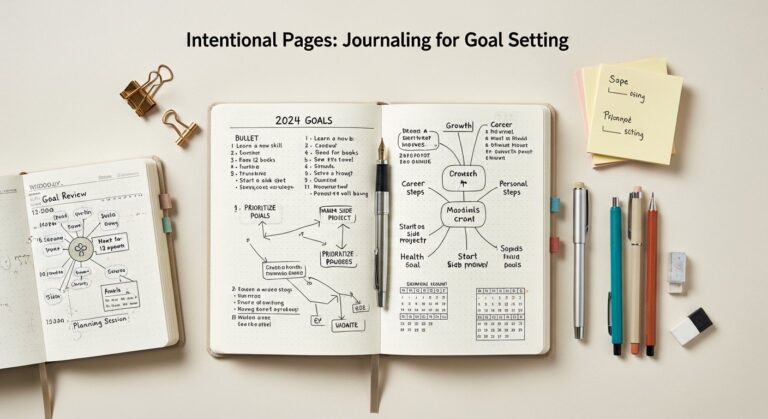
  • Mental Decluttering: This is perhaps the most challenging. Practice mindfulness to observe and release unproductive thoughts. Journaling can help process worries and clarify priorities, effectively decluttering your mind and making space for creative problem-solving and calm reflection.

By intentionally decluttering these various aspects of your life, you reduce overall stress, enhance mental clarity, and free up valuable energy that can be directed towards building and maintaining resilience. A simpler life provides a clearer pathway to inner strength.

Intentional Time Management

In the pursuit of resilience, how we manage our time is as crucial as how we manage our thoughts. Intentional time management, a hallmark of the slow lifestyle, is not about cramming more into your day, but about consciously allocating your most precious resource—time—to activities that align with your values, replenish your energy, and contribute to your well-being.

  • Prioritize Deep Work: Identify your most important tasks—the ones that contribute significantly to your goals or sense of purpose—and schedule dedicated, uninterrupted blocks of time for them. This focused work prevents scattered energy and fosters a sense of accomplishment.
  • Batch Similar Tasks: Group similar activities together (e.g., answering emails, making phone calls, running errands). This reduces context-switching, which can be mentally draining, and increases efficiency, freeing up more time for rest and self-care.
  • Incorporate Buffer Time: Life is unpredictable. Build in buffer time between appointments and tasks to account for unexpected delays or to simply breathe. This reduces the stress of feeling constantly rushed and allows for greater flexibility.
  • Schedule Downtime: Just as important as scheduling work is scheduling intentional downtime. This isn’t wasted time; it’s essential for rest, creative thinking, and allowing your brain to process information. Treat downtime with the same respect as a work meeting.
  • Regular Review and Adjustment: Periodically review how you’re spending your time. Is it aligned with your values? Are you feeling energized or drained? Be willing to adjust your schedule and commitments as needed to maintain balance and prevent burnout.

Through intentional time management, women can create a rhythm of life that supports rather than depletes their resilience, ensuring they have the energy and mental space to meet challenges with a calm and prepared mind.

Finding Joy in the Small Moments

Resilience isn’t solely forged in the crucible of grand challenges; it’s also nurtured in the quiet, often overlooked, moments of everyday joy. The slow lifestyle emphasizes appreciating the present and finding beauty in simplicity. This practice acts as a constant wellspring of positive emotion, bolstering our emotional reserves and enhancing our capacity to cope with stress.

  • Cultivate a Sense of Wonder: Actively look for beauty and wonder in your daily environment. A vibrant sunset, the intricate pattern of a leaf, the sound of rain, the warmth of a cup of tea – consciously notice and appreciate these sensory experiences.
  • Practice Daily Gratitude: As mentioned before, a daily gratitude practice helps to shift your focus towards the positive aspects of life. Even on difficult days, there are always small mercies or comforts to acknowledge. Keep a journal or simply reflect for a few minutes.
  • Engage Your Senses: Intentionally activate your senses to experience joy. Listen to uplifting music, savor a delicious meal, light a calming candle, feel the texture of a soft blanket, or enjoy the scent of fresh flowers. These sensory inputs can instantly boost mood.
  • Savor Positive Experiences: When something good happens, don’t rush past it. Linger in the feeling. Actively savor the moment, allowing the positive emotions to fully register and embed themselves in your memory. This can be as simple as appreciating a moment of laughter with a loved one or a quiet morning coffee.
  • Embrace Imperfection and the Unplanned: A slow lifestyle encourages us to let go of the need for everything to be perfect. Sometimes the most joyful moments are the unplanned, messy, or unexpected ones. Be open to these delightful surprises.

By intentionally seeking and savoring joy in the small moments, women can build a powerful emotional bank account. This reservoir of positive experiences and emotions provides comfort and strength when facing adversity, reminding us of the goodness that persists, and enhancing our overall resilience and zest for life.

Overcoming Common Barriers to Resilience

Building resilience is a journey, not a destination, and along the way, we inevitably encounter internal and external barriers that can derail our progress. For women, these obstacles often manifest as societal conditioning, deeply ingrained patterns of thought, or a reluctance to seek help. Recognizing and actively addressing these common barriers is as crucial as implementing resilience-building strategies. It involves shining a light on the hidden hurdles and developing specific techniques to navigate around or dismantle them, ensuring a smoother, more sustainable path to unshakeable inner strength.

The Trap of Perfectionism

Perfectionism, though often lauded as a desirable trait, is a significant inhibitor of resilience, especially for women. The relentless pursuit of an impossible ideal creates constant stress, fear of failure, and an inability to adapt when things inevitably don’t go according to plan. It can lead to procrastination, burnout, and a harsh inner critic.

  • Recognize Perfectionism’s Roots: Often, perfectionism stems from a fear of judgment, a need for control, or a belief that your worth is tied to your achievements. Understanding its origins can help you decouple your self-worth from flawlessness.
  • Set “Good Enough” Standards: Consciously practice aiming for “good enough” rather than “perfect.” Identify tasks where perfection isn’t necessary and allow yourself to complete them to a satisfactory, rather than flawless, standard. This frees up mental and emotional energy.
  • Embrace “Done is Better Than Perfect”: When starting a new project or facing a daunting task, remind yourself that completing something, even if imperfect, is more valuable than endlessly striving for perfection and never finishing. This encourages action over paralysis.
  • Challenge All-or-Nothing Thinking


    How to Build Resilience: An Intentional Woman’s Guide to Unshakeable Inner Strength

    Affiliate disclosure: This article may contain affiliate links. Recommendations are independent and editorially driven.

    In the intricate tapestry of a woman’s life, threads of ambition, caregiving, creativity, and self-discovery weave together to form a unique and vibrant pattern. Yet, within this beauty, challenges are an inevitable part of the design. From the quiet anxieties of daily life to the monumental shifts that test our very core, the ability to navigate these currents with grace and fortitude is not merely a desirable trait—it is an essential skill for intentional living. This skill is resilience: the profound capacity to adapt, recover, and even thrive in the face of adversity. For the women who visit thecontextuallife, who aspire to a slow lifestyle, embrace mindset shifts, and commit to personal growth, understanding how to build resilience is not just about “bouncing back.” It’s about cultivating a deep, internal strength that allows you to move forward, learn, and grow, even when the path ahead seems uncertain.

    Our modern world often celebrates speed and constant achievement, pushing many women to the brink of burnout. Intentional living, however, offers an antidote: a deliberate choice to live with purpose, mindfulness, and a deep connection to one’s values. It’s within this framework that true resilience blossoms. It’s not about avoiding hardship, which is impossible, but about equipping yourself with the tools, perspective, and internal resources to meet it head-on, to learn from it, and to emerge not just intact, but often stronger and more deeply rooted in who you are. This comprehensive guide will explore the multifaceted nature of resilience, offering actionable strategies, profound mindset shifts, and practical habits designed to empower you to build an unshakeable inner strength, fostering a life of greater peace, purpose, and enduring well-being.

    Understanding Resilience: More Than Just Bouncing Back

    When we talk about resilience, the common metaphor that often springs to mind is “bouncing back.” While this image captures a part of the truth—the ability to recover from setbacks—it doesn’t fully encompass the richness and depth of what true resilience entails, especially for women striving for an intentional life. Resilience isn’t just a reaction; it’s a dynamic process of adaptation, growth, and transformation. It’s about more than returning to a previous state; it’s about evolving through experience, integrating lessons learned, and developing new capacities. For the conscious woman, resilience is an active, ongoing endeavor, a cornerstone of personal growth that allows her to navigate life’s complex terrain with a robust and adaptable spirit.

    Defining Resilience in a Modern Context

    In the landscape of modern life, where information overload, societal pressures, and the constant hum of digital connection can be both exhilarating and exhausting, resilience takes on a multifaceted meaning. It’s the ability to maintain your well-being and sense of self amidst external pressures. It’s the strength to pivot when plans crumble, to find clarity amidst chaos, and to sustain hope when faced with disappointment. For women, this often includes navigating career demands, family responsibilities, societal expectations, and the persistent internal narrative that can sometimes undermine our confidence. Resilience, then, isn’t just about endurance; it’s about intelligent adaptation, emotional flexibility, and the wisdom to know when to push forward and when to rest and recalibrate.

    The modern definition of resilience extends beyond individual fortitude to include the capacity for collective support and community building. In an increasingly interconnected world, our ability to draw strength from others and offer it in return is a powerful component of our personal resilience. It means recognizing that you don’t have to face every challenge alone, and that true strength often lies in vulnerability and connection. This holistic view acknowledges that while internal resources are paramount, external support systems play a vital role in sustaining our capacity to thrive.

    The Pillars of True Inner Strength

    Building genuine resilience requires more than a single strategy; it’s constructed upon several interconnected pillars that support a robust inner framework. Understanding these foundations is the first step toward intentionally strengthening your own resilience.

    • Self-Awareness: The ability to accurately perceive your own emotions, thoughts, and behaviors, and to understand how they impact your reactions to stress. This involves honest self-reflection and a willingness to acknowledge both strengths and vulnerabilities.
    • Emotional Regulation: Not the suppression of emotions, but the skillful management of them. It’s learning to experience difficult feelings without being overwhelmed by them, and choosing how to respond rather than react impulsively. This includes practices like mindfulness and deep breathing.
    • Optimism and Hope: A realistic yet positive outlook on life, believing in your ability to overcome challenges and seeing difficulties as temporary. This isn’t about ignoring problems but maintaining a belief in a positive outcome or the capacity to create one.
    • Problem-Solving Skills: The practical ability to analyze challenging situations, brainstorm solutions, make decisions, and take effective action. This often involves creativity, critical thinking, and a willingness to adapt strategies when initial attempts don’t work.
    • Strong Support Networks: Cultivating meaningful relationships with family, friends, mentors, or community groups who can offer emotional support, practical assistance, and different perspectives when needed. Knowing you are not alone is a powerful buffer against adversity.
    • Purpose and Meaning: Having a clear sense of what matters most to you, your values, and your goals. A strong sense of purpose provides direction and motivation, helping you persevere even when faced with significant obstacles. It gives meaning to your struggles.
    • Adaptability and Flexibility: The capacity to adjust to new conditions, embrace change, and modify your expectations or approaches when circumstances shift. This is crucial in a rapidly evolving world where rigidity can be a significant impediment to progress.

    By consciously nourishing these pillars, women can build a form of resilience that is not just about enduring hardship, but about growing through it, emerging more insightful, compassionate, and equipped for whatever life brings.

    The Intentional Path to Resilience: Mindset Shifts for Women

    Resilience isn’t an innate trait possessed by a select few; it’s a cultivated skill, profoundly shaped by our mindset. For women committed to intentional living and personal growth, shifting our internal narrative and embracing new perspectives is perhaps the most powerful lever we have in building enduring resilience. It’s about consciously choosing how we interpret events, how we speak to ourselves, and how we approach challenges. These aren’t just minor adjustments; they are fundamental changes in the way we engage with the world and ourselves, laying the groundwork for a life lived with greater strength and grace.

    [INLINE IMAGE 1: how to build resilience concept illustration]

    Cultivating a Growth Mindset

    One of the most transformative mindset shifts for building resilience is embracing a growth mindset. Coined by psychologist Carol Dweck, a growth mindset is the belief that your abilities and intelligence can be developed through dedication and hard work. In contrast, a fixed mindset assumes these qualities are inherent and unchangeable. For women, particularly, who may face societal pressures to be “perfect” or fear judgment for mistakes, adopting a growth mindset is liberating.

    • Viewing Challenges as Opportunities: Instead of seeing a difficult situation as a roadblock, a growth mindset allows you to view it as an opportunity to learn, develop new skills, and expand your capabilities. This reframing turns potential setbacks into valuable lessons.
    • Embracing Effort and Process: Understanding that effort is what makes you smarter and stronger, not a sign of lacking ability. It shifts the focus from the outcome to the journey, appreciating the learning and development that happen along the way.
    • Learning from Feedback and Criticism: Rather than taking criticism personally or as a blow to self-worth, a growth mindset enables you to see feedback as valuable information that can help you improve. It’s a tool for refinement, not judgment.
    • Persisting Through Setbacks: When something doesn’t go as planned, a growth mindset fosters perseverance. It encourages you to analyze what went wrong, adjust your approach, and try again, rather than giving up. This is the very essence of resilience.

    By intentionally practicing a growth mindset, women can dismantle limiting beliefs, foster a deeper sense of self-efficacy, and develop the mental fortitude needed to navigate the inevitable ups and downs of life with greater confidence and adaptability.

    Embracing Imperfection and Self-Compassion

    In a world saturated with curated social media feeds and external benchmarks of success, women often grapple with the pervasive pressure to be perfect. This pursuit of an unattainable ideal is a significant drain on our emotional and mental resources, directly hindering our ability to build resilience. Resilience thrives not in flawlessness, but in the acceptance of our human fallibility and the practice of self-compassion.

    • Releasing the Burden of Perfectionism: Understand that perfectionism is often a fear of failure or judgment disguised as a high standard. True resilience allows for mistakes, viewing them as integral to the learning process rather than catastrophic failures. Giving yourself permission to be imperfect liberates immense energy for growth.
    • Practicing Self-Compassion: This means treating yourself with the same kindness, understanding, and care you would offer a dear friend in distress. When facing a setback or feeling inadequate, instead of self-criticism, practice acknowledging your pain, reminding yourself that imperfection is part of the shared human experience, and offering yourself comfort. Dr. Kristin Neff’s work on self-compassion emphasizes three core components: self-kindness, common humanity, and mindfulness.
    • Challenging the Inner Critic: We all have an inner voice that can be harsh and judgmental. Learning to identify this voice and gently challenge its pronouncements is crucial. Ask yourself: “Would I say this to someone I love?” If not, reframe the thought with kindness and realism.
    • Setting Realistic Expectations: An intentional life recognizes the limits of time and energy. Setting achievable goals and understanding that progress is often incremental helps prevent burnout and fosters a sense of accomplishment, even in small victories.

    By actively embracing imperfection and cultivating self-compassion, women can build a foundation of inner kindness that acts as a powerful buffer against adversity. This shift transforms resilience from a grueling battle against external forces into a journey of self-acceptance and gentle, yet persistent, growth.

    Practical Strategies for Strengthening Your Resilience Muscles

    While mindset shifts are foundational, resilience is also built through concrete actions and deliberate practices. Just as physical muscles are strengthened through consistent exercise, our “resilience muscles” grow stronger with intentional application of practical strategies. These strategies move beyond abstract concepts into tangible steps you can integrate into your daily life, empowering you to actively participate in your own personal growth journey and navigate challenges with greater efficacy. For women seeking an intentional and slow lifestyle, these strategies are not about adding more to an already busy schedule, but about integrating meaningful practices that genuinely enhance well-being and inner strength.

    Developing Emotional Regulation Skills

    Emotional regulation is the ability to understand and manage your emotional responses in a healthy and constructive way. It doesn’t mean suppressing feelings, but rather allowing yourself to experience them without being overwhelmed, and choosing how to respond rather than reacting impulsively. This is a cornerstone of resilience, as it enables you to maintain equilibrium during stressful times.

    • Mindful Breathing: When you feel overwhelmed, anxious, or angry, take a moment to focus on your breath. Deep, slow breaths can calm the nervous system. Practice techniques like box breathing (inhale for 4, hold for 4, exhale for 4, hold for 4) to reset your physiological state.
    • Emotional Check-ins: Regularly pause and ask yourself, “What am I feeling right now?” and “Why might I be feeling this way?” Simply labeling an emotion can reduce its intensity and give you more control over your response. Keep an emotional journal to track patterns.
    • Creating Space Before Responding: Before reacting to a challenging situation or upsetting comment, consciously create a pause. This brief moment allows you to choose a thoughtful response instead of an automatic one. The “STOP” method (Stop, Take a breath, Observe, Proceed) can be very useful here.
    • Distraction and Redirection (Healthy Ones): Sometimes, it’s beneficial to temporarily shift your focus from an intense emotion if it’s unproductive. Engage in a hobby, listen to music, go for a walk, or connect with a friend. This isn’t avoidance but a strategic break to regain composure before returning to the issue.
    • Cognitive Reappraisal: Learn to reframe your thoughts. Instead of “This is a disaster,” try “This is challenging, but I can find a way through it.” Shifting your internal dialogue can significantly alter your emotional experience.

    Mastering emotional regulation gives you a powerful internal compass, guiding you through stormy emotional seas without losing your way.

    Building a Robust Support System

    No one is an island, and attempting to face all of life’s challenges alone is a recipe for burnout and diminished resilience. A strong, diverse support system is a vital external resource that bolsters your inner strength. For women, who often carry significant emotional labor, intentionally cultivating these connections is not a luxury, but a necessity.

    • Nurture Existing Relationships: Invest time and energy in your connections with family, friends, and trusted colleagues. Schedule regular check-ins, offer help, and be present when others need you. Reciprocity is key to strong relationships.
    • Seek Out New Connections: Join clubs, volunteer organizations, or online communities that align with your interests and values. Meeting like-minded individuals can expand your perspective and introduce you to new forms of support. Consider joining a book club, a hiking group, or a women’s networking circle.
    • Identify Different Types of Support: Understand that you need various kinds of support:
      • Emotional Support: Friends or family who listen without judgment.
      • Informational Support: Mentors or experts who offer advice and guidance.
      • Practical Support: Individuals who can offer tangible help (e.g., childcare, errands).
      • Affirmational Support: People who believe in you and your abilities.

      Ensure your network provides a balanced mix.

    • Be Willing to Ask for Help: This is perhaps the hardest step for many women. Recognizing when you need help and bravely asking for it is a sign of strength, not weakness. Practice articulating your needs clearly and directly.
    • Set Healthy Boundaries: While building a support system, it’s equally important to establish boundaries to protect your energy and prevent your support system from becoming a source of drain. Understand who truly nourishes you and where you need to limit engagement.

    A well-maintained support system acts as a safety net, a sounding board, and a source of shared joy, making the journey of life—and the development of resilience—far more manageable and enriching. When considering how to cultivate meaningful friendships, remember that depth often trumps quantity.

    The Power of Purpose and Values

    When faced with significant adversity, it’s often our deepest values and sense of purpose that anchor us and provide the motivation to persevere. Understanding what truly matters to you gives meaning to your struggles and direction to your efforts. This is particularly resonant for women embracing intentional living, where aligning actions with values is paramount.

    • Identify Your Core Values: Take time to reflect on what principles guide your life. Are they kindness, creativity, integrity, contribution, freedom, family, growth, or something else? List 3-5 values that are non-negotiable for you. Resources like values worksheets or guided meditations can aid this process.
    • Connect Actions to Values: Once you know your values, consciously evaluate how your daily decisions and larger life choices align with them. When faced with a difficult choice, ask: “Does this align with my value of X?” This provides a powerful filter and decision-making framework.
    • Define Your Purpose (Big or Small): Purpose doesn’t have to be a grand, world-changing mission. It can be found in your role as a parent, a creator, a community member, or in the pursuit of personal mastery. What gives your life meaning and drives you forward? It could be as simple as “to live with grace” or “to empower other women.”
    • Use Purpose as a Compass: During challenging times, reconnecting with your purpose can provide immense strength and clarity. When doubt creeps in, remind yourself of *why* you are striving, *why* this matters. This can reignite motivation and provide a sense of direction when you feel lost.

    A clear sense of purpose and deeply held values act as an internal compass, guiding you through life’s storms and ensuring that even when the path is difficult, you are moving in a direction that is authentic and meaningful to you.

    Habits and Routines: Your Daily Dose of Resilience Building

    Resilience isn’t built in a single grand gesture but through the consistent, often small, habits and routines we integrate into our daily lives. These practices act as micro-investments in our well-being, accumulating over time to form a robust foundation of inner strength. For women seeking a slow and intentional lifestyle, these are not additional burdens but essential components of a life lived with greater presence and equanimity. They are the conscious choices we make to nourish our minds, bodies, and spirits, directly impacting our capacity to adapt and thrive amidst life’s inevitable fluctuations.

    [INLINE IMAGE 2: how to build resilience comparison illustration]

    Mindfulness and Meditation Practices

    In our constantly stimulating world, finding moments of stillness and presence is a powerful act of self-care and a potent builder of resilience. Mindfulness is the practice of being fully present and aware of the current moment without judgment, while meditation is a formal practice to cultivate this awareness. These practices help women to create mental space, reduce reactivity, and enhance emotional regulation.

    • Daily Mindfulness Moments: You don’t need hours to practice mindfulness. Integrate it into everyday activities:
      • Mindful Eating: Pay attention to the taste, texture, and aroma of your food.
      • Mindful Walking: Notice the sensation of your feet on the ground, the sights, and sounds around you.
      • Mindful Breathing Breaks: Take 3-5 conscious breaths throughout your day, noticing the inhale and exhale.

      These small practices train your attention muscle and bring you into the present.

    • Formal Meditation: Dedicate 5-20 minutes daily to a guided or unguided meditation. Apps like Calm, Headspace, or Insight Timer offer structured programs for beginners and experienced practitioners. Regular meditation has been shown to reduce stress, improve focus, and increase emotional resilience by literally changing brain structure over time.
    • Body Scans: A gentle practice of bringing attention to different parts of your body, noticing any sensations without judgment. This helps to connect mind and body, release tension, and foster self-awareness.
    • Gratitude Practice: Regularly reflect on things you are grateful for. This simple act can shift your perspective, foster positive emotions, and enhance your overall sense of well-being, acting as a powerful antidote to negativity and fostering a resilient outlook. Keep a gratitude journal or simply list three things you’re grateful for each morning or evening.

    By making mindfulness and meditation a consistent part of your routine, you develop an inner sanctuary, a place of calm and clarity you can access even amidst external chaos, making it easier to navigate life’s challenges with composure.

    Prioritizing Self-Care and Rest

    Self-care is often mistakenly viewed as a luxury, particularly for women who are conditioned to prioritize the needs of others. However, intentional self-care and adequate rest are non-negotiable components of resilience. You cannot pour from an empty cup, and neglecting your own needs will inevitably deplete your capacity to handle stress and adversity.

    • Defining Your Personal Self-Care: Self-care is highly individual. It’s not just bubble baths (though it can be!). It’s anything that genuinely replenishes your energy. This could include reading, gardening, creative pursuits, spending time in nature, listening to music, or simply enjoying quiet solitude. Identify what truly recharges *you*.
    • Scheduling Non-Negotiable Rest: Adequate sleep is foundational. Aim for 7-9 hours of quality sleep per night. Establish a consistent sleep schedule and create a relaxing bedtime routine. Beyond sleep, schedule intentional periods of rest and downtime throughout your week, even if it’s just an hour to simply exist without agenda.
    • Saying “No” Decisively: Protecting your time and energy often requires setting boundaries. Learning to politely but firmly decline requests that overextend you is a powerful act of self-care. This ensures you have the capacity for what truly matters and prevents burnout.
    • Nutritious Eating: Fueling your body with whole, unprocessed foods directly impacts your energy levels, mood, and cognitive function. A balanced diet supports your physical resilience, which in turn supports your mental and emotional resilience. Focus on nutrient-dense meals and stay hydrated.

    Prioritizing self-care and rest isn’t selfish; it’s a strategic investment in your long-term well-being and your ability to show up fully for yourself and those you care about. It builds the reserve needed to endure challenges.

    Movement and Nature Connection

    Our physical well-being is deeply intertwined with our mental and emotional resilience. Regular movement and connection with the natural world offer profound benefits for stress reduction, mood enhancement, and overall vitality. For a slow lifestyle, these are integrated seamlessly into the rhythm of life, rather than forced activities.

    • Movement as Medicine: Engage in regular physical activity that you enjoy. It doesn’t have to be intense gym workouts; walking, yoga, dancing, cycling, or gardening are all fantastic ways to move your body. Exercise releases endorphins, reduces stress hormones, improves sleep, and boosts cognitive function, all contributing to a stronger, more resilient self. Aim for at least 30 minutes of moderate activity most days of the week.
    • Connecting with Nature: Spend time outdoors. Whether it’s a walk in a local park, tending to a small garden, sitting by a window observing the sky, or taking a hike, exposure to nature has been proven to reduce stress, improve mood, and enhance feelings of well-being. This is often referred to as “forest bathing” or nature therapy.
    • Mindful Movement: Combine movement with mindfulness. Practices like yoga, tai chi, or simply walking with attention to your breath and bodily sensations can amplify the benefits, fostering a deeper connection between your physical and mental states.
    • Incorporating Play: Reintroduce elements of play into your life. Whether it’s playing a sport, dancing freely, or engaging in a creative hobby, playful activities reduce stress, stimulate creativity, and remind us of the joy of pure, unadulterated engagement, replenishing our emotional reserves.

    By prioritizing movement and fostering a consistent connection with nature, women can harness powerful, natural tools to reduce stress, boost mood, and build a physical and mental foundation that enhances their capacity for resilience and their enjoyment of an intentional life. This synergy is key for women looking for holistic well-being strategies.

    Navigating Adversity: Turning Challenges into Catalysts for Growth

    Life, by its very nature, is unpredictable. Adversity isn’t a question of “if,” but “when.” The true measure of resilience lies not in avoiding challenges, but in how we navigate them. For women dedicated to intentional living and personal growth, every setback holds the potential to be a profound catalyst for growth, a forge in which stronger versions of ourselves are shaped. This requires a shift in perspective and the active application of strategies that transform moments of difficulty into opportunities for deeper learning and self-discovery. It’s about cultivating the wisdom to extract value from struggle, turning stumbling blocks into stepping stones.

    Reframing Setbacks: The Art of Perspective

    Our perception of an event often has a greater impact on our well-being than the event itself. The ability to reframe setbacks—to consciously choose a different, more empowering interpretation—is a critical component of resilience. This isn’t about denying reality or toxic positivity, but about finding meaning and opportunity even in difficult circumstances.

    • Identify Cognitive Distortions: Become aware of common unhelpful thinking patterns, such as catastrophizing (“This is the worst thing ever”), overgeneralization (“Nothing ever goes right for me”), or personalization (“It’s all my fault”). Recognizing these patterns is the first step to challenging them.
    • Look for the Lesson: In every setback, there is usually a lesson to be learned. Ask yourself: “What can I learn from this experience?” “What new skills or insights can I gain?” “How might this challenge prepare me for something else?” This shifts focus from blame or despair to growth and future readiness.
    • Find the Opportunity: Adversity often forces us to innovate, adapt, and rethink our approaches. What new doors might this closed one reveal? What creative solutions can emerge from this constraint? Sometimes, a perceived failure can redirect us toward a more fulfilling or appropriate path.
    • Practice Gratitude (Even for Small Things): Even in the midst of difficulty, cultivating an awareness of what is still good or going well can provide a powerful counterbalance to negative emotions. This doesn’t diminish the pain but broadens your perspective.
    • Consider the Bigger Picture: Will this matter in a year? Five years? Sometimes, zooming out can help us realize that many present difficulties are temporary and part of a larger, evolving journey. This helps to reduce the immediate intensity of the problem.

    Reframing is not about ignoring pain but about actively seeking a more constructive and empowering narrative for your experiences. It’s a deliberate choice to find agency and meaning in circumstances that might otherwise feel overwhelming.

    Problem-Solving and Adaptability

    Resilience is not merely passive endurance; it’s an active process of engaging with problems and finding creative solutions. Developing robust problem-solving skills and cultivating adaptability allows women to move beyond feeling stuck and to proactively shape their responses to challenges.

    • Break Down the Problem: Large, overwhelming problems can feel insurmountable. Break them down into smaller, manageable components. This makes the task less daunting and allows you to tackle one piece at a time.
    • Brainstorm Solutions: Dedicate time to creative brainstorming without judgment. List all possible solutions, no matter how outlandish they may seem initially. This opens up your thinking and encourages innovative approaches.
    • Evaluate Pros and Cons: For each potential solution, consider its advantages and disadvantages. What are the potential risks? What resources would it require? This helps in making informed decisions.
    • Take Action and Iterate: Choose the most viable solution and take the first step. Be prepared to adapt. Rarely does the first attempt at a solution work perfectly. Resilience involves a willingness to adjust your approach based on new information or unforeseen obstacles. This iterative process of “test, learn, adjust” is crucial.
    • Cultivate Flexibility: The world is constantly changing. Holding rigidly to original plans can lead to frustration. Practice being flexible in your expectations, methods, and even your goals when circumstances demand it. This allows you to bend without breaking.

    Effective problem-solving and adaptability are not just practical skills; they foster a sense of control and self-efficacy, reinforcing the belief that you have the capacity to navigate complexity and shape your own path, even when external factors are beyond your control.

    Learning from Experience

    One of the most profound ways to build resilience is by deliberately extracting lessons from every experience, particularly the challenging ones. If adversity is a teacher, then intentional reflection is how we absorb its wisdom. This process transforms hardship from a mere event into a valuable opportunity for personal and intellectual growth.

    • Post-Adversity Reflection: Once a difficult period has passed, or even during a prolonged challenge, take time to reflect. Ask yourself:
      • What happened? (Describe objectively)
      • How did I feel? (Acknowledge emotions)
      • What did I do well? (Identify strengths used)
      • What could I have done differently? (Identify areas for improvement)
      • What did I learn about myself?
      • What did I learn about others or the situation?
      • How can I apply this learning in the future?

      Journaling is an excellent tool for this deep introspection.

    • Integrate Lessons Learned: It’s not enough to simply identify lessons; you must integrate them into your future behavior and mindset. If you learned the importance of setting boundaries, make a conscious effort to practice them. If you discovered a new strength, look for opportunities to utilize it.
    • Recognize Your Growth: Make a conscious effort to acknowledge how you have grown stronger, wiser, or more compassionate as a result of overcoming challenges. This self-affirmation reinforces your belief in your resilient capabilities and strengthens your self-concept.
    • Share Your Story (When Ready): Sharing your experiences and the lessons you’ve learned with trusted friends, family, or a community can be incredibly therapeutic and empowering. It can also help others who are going through similar struggles, turning your personal growth into collective resilience. Understanding vulnerability and its strength is key here.

    By making learning from experience a conscious practice, women can transform every challenge into an asset, building a robust reservoir of wisdom and strength that serves as a powerful resource for future adversities, truly embedding resilience into their journey of personal growth.

    The Slow Lifestyle Connection: Resilience Through Simplicity

    For women embracing an intentional and slow lifestyle, the connection between simplicity and resilience is profound. In a world that often glorifies busyness and accumulation, slowing down and decluttering—both physically and mentally—creates vital space. This space allows for deeper reflection, more mindful decision-making, and a greater capacity to adapt to stress. Resilience is not merely about enduring external pressures; it’s also about cultivating an internal environment that minimizes unnecessary strain. A slow lifestyle, by its very nature, fosters this environment, empowering women to build resilience not through constant struggle, but through deliberate calm and purpose.

    Decluttering Your Life for Clarity

    Clutter, whether physical or mental, can be a significant drain on our energy and focus, directly impacting our ability to think clearly and respond resiliently to challenges. An intentional slow lifestyle encourages us to shed the excess, creating space for what truly matters.

    • Physical Decluttering: Start with your physical environment. Marie Kondo’s philosophy of keeping only what “sparks joy” is a powerful guide. A tidy, minimalist home reduces visual noise and creates a sense of calm. Less to manage physically means more mental bandwidth for significant challenges.
    • Digital Decluttering: Our digital lives can be just as cluttered as our physical ones. Unsubscribe from unnecessary emails, unfollow social media accounts that don’t inspire or inform, organize your digital files, and limit screen time. A less noisy digital world fosters greater mental clarity and reduces comparisonitis.
    • Calendar Decluttering: Say “no” to commitments that don’t align with your values or purpose. Protect your free time. An overscheduled calendar leads to stress and limits your ability to respond flexibly when unexpected events arise.
    • Mental Decluttering: This is perhaps the most challenging. Practice mindfulness to observe and release unproductive thoughts. Journaling can help process worries and clarify priorities, effectively decluttering your mind and making space for creative problem-solving and calm reflection.

    By intentionally decluttering these various aspects of your life, you reduce overall stress, enhance mental clarity, and free up valuable energy that can be directed towards building and maintaining resilience. A simpler life provides a clearer pathway to inner strength.

    Intentional Time Management

    In the pursuit of resilience, how we manage our time is as crucial as how we manage our thoughts. Intentional time management, a hallmark of the slow lifestyle, is not about cramming more into your day, but about consciously allocating your most precious resource—time—to activities that align with your values, replenish your energy, and contribute to your well-being.

    • Prioritize Deep Work: Identify your most important tasks—the ones that contribute significantly to your goals or sense of purpose—and schedule dedicated, uninterrupted blocks of time for them. This focused work prevents scattered energy and fosters a sense of accomplishment.
    • Batch Similar Tasks: Group similar activities together (e.g., answering emails, making phone calls, running errands). This reduces context-switching, which can be mentally draining, and increases efficiency, freeing up more time for rest and self-care.
    • Incorporate Buffer Time: Life is unpredictable. Build in buffer time between appointments and tasks to account for unexpected delays or to simply breathe. This reduces the stress of feeling constantly rushed and allows for greater flexibility.
    • Schedule Downtime: Just as important as scheduling work is scheduling intentional downtime. This isn’t wasted time; it’s essential for rest, creative thinking, and allowing your brain to process information. Treat downtime with the same respect as a work meeting.
    • Regular Review and Adjustment: Periodically review how you’re spending your time. Is it aligned with your values? Are you feeling energized or drained? Be willing to adjust your schedule and commitments as needed to maintain balance and prevent burnout.

    Through intentional time management, women can create a rhythm of life that supports rather than depletes their resilience, ensuring they have the energy and mental space to meet challenges with a calm and prepared mind.

    Finding Joy in the Small Moments

    Resilience isn’t solely forged in the crucible of grand challenges; it’s also nurtured in the quiet, often overlooked, moments of everyday joy. The slow lifestyle emphasizes appreciating the present and finding beauty in simplicity. This practice acts as a constant wellspring of positive emotion, bolstering our emotional reserves and enhancing our capacity to cope with stress.

    • Cultivate a Sense of Wonder: Actively look for beauty and wonder in your daily environment. A vibrant sunset, the intricate pattern of a leaf, the sound of rain, the warmth of a cup of tea – consciously notice and appreciate these sensory experiences.
    • Practice Daily Gratitude: As mentioned before, a daily gratitude practice helps to shift your focus towards the positive aspects of life. Even on difficult days, there are always small mercies or comforts to acknowledge. Keep a journal or simply reflect for a few minutes.
    • Engage Your Senses: Intentionally activate your senses to experience joy. Listen to uplifting music, savor a delicious meal, light a calming candle, feel the texture of a soft blanket, or enjoy the scent of fresh flowers. These sensory inputs can instantly boost mood.
    • Savor Positive Experiences: When something good happens, don’t rush past it. Linger in the feeling. Actively savor the moment, allowing the positive emotions to fully register and embed themselves in your memory. This can be as simple as appreciating a moment of laughter with a loved one or a quiet morning coffee.
    • Embrace Imperfection and the Unplanned: A slow lifestyle encourages us to let go of the need for everything to be perfect. Sometimes the most joyful moments are the unplanned, messy, or unexpected ones. Be open to these delightful surprises.

    By intentionally seeking and savoring joy in the small moments, women can build a powerful emotional bank account. This reservoir of positive experiences and emotions provides comfort and strength when facing adversity, reminding us of the goodness that persists, and enhancing our overall resilience and zest for life.

    Overcoming Common Barriers to Resilience

    Building resilience is a journey, not a destination, and along the way, we inevitably encounter internal and external barriers that can derail our progress. For women, these obstacles often manifest as societal conditioning, deeply ingrained patterns of thought, or a reluctance to seek help. Recognizing and actively addressing these common barriers is as crucial as implementing resilience-building strategies. It involves shining a light on the hidden hurdles and developing specific techniques to navigate around or dismantle them, ensuring a smoother, more sustainable path to unshakeable inner strength.

    The Trap of Perfectionism

    Perfectionism, though often lauded as a desirable trait, is a significant inhibitor of resilience, especially for women. The relentless pursuit of an impossible ideal creates constant stress, fear of failure, and an inability to adapt when things inevitably don’t go according to plan. It can lead to procrastination, burnout, and a harsh inner critic.

    • Recognize Perfectionism’s Roots: Often, perfectionism stems from a fear of judgment, a need for control, or a belief that your worth is tied to your achievements. Understanding its origins can help you decouple your self-worth from flawlessness.
    • Set “Good Enough” Standards: Consciously practice aiming for “good enough” rather than “perfect.” Identify tasks where perfection isn’t necessary and allow yourself to complete them to a satisfactory, rather than flawless, standard. This frees up mental and emotional energy.
    • Embrace “Done is Better Than Perfect”: When starting a new project or facing a daunting task, remind yourself that completing something, even if imperfect, is more valuable than endlessly striving for perfection and never finishing. This encourages action over paralysis.
    • Challenge All-or-Nothing Thinking

THE LATEST

Illustration of a woman writing in a journal at a cozy desk — women's lifestyle journaling guide

How To Start Journaling

How to Start Journaling: Your Definitive Guide to Intentional Reflection for a Richer Life By thecontextuallife Editorial Team — Senior

Featured illustration of a woman practicing cognitive reframing for mental wellness (women's lifestyle)

Cognitive Reframing Techniques

Mastering Cognitive Reframing Techniques: A Woman’s Guide to Transforming Thoughts for Intentional Living By thecontextuallife Editorial Team — Senior editors

Hi, I’m Thea.

I started this brand as a personal online publication after graduating from Boston University with a degree in Marketing and Design. Originally from San Francisco, I was thousands of miles from family and friends, and needed an outlet for exploring my passions and connecting with others. My goal has always been to show others the beauty in enjoying life’s simple pleasures and to encourage others to look inward for self fulfillment.

Thousands of readers later, The Contextual Life has become a resource for anyone wanting a sense of community and a source of inspiration throughout their journey of life. It’s a place where readers can find suggestions on where to travel, what to eat, what to wear, and what to shop for, from experts who are almost like personal friends.

The Contextual Life brings our mission to life through news, products, experiences, and design. We are dedicated to providing the latest information to help you live a lifestyle that you love. Thank you for being here. Stay awhile.

thea-signature
Im-thea