


Fixed vs Growth Mindset: The Transformative Power of Your Beliefs for Intentional Living
By thecontextuallife Editorial Team — Senior editors with 10+ years of subject-matter experience.
Published 2026-05-26 · Last Updated 2026-05-26
Affiliate disclosure: This article may contain affiliate links. Recommendations are independent and editorially driven.
In the journey of intentional living and personal growth, few concepts hold as much transformative power as understanding the difference between a fixed vs growth mindset. This foundational insight, championed by renowned Stanford psychologist Dr. Carol Dweck, reveals how our core beliefs about our abilities and intelligence profoundly shape our resilience, learning capacity, and overall success. For women navigating the complexities of modern life – balancing career aspirations, family responsibilities, and the pursuit of personal fulfillment – embracing a growth mindset isn’t merely a philosophical exercise; it’s a practical toolkit for building a life of purpose, adaptability, and continuous self-improvement.
TL;DR Summary: A fixed mindset believes abilities are static, leading to avoidance of challenges and fear of failure. A growth mindset sees abilities as developable through effort and learning, fostering resilience and a love for growth. Shifting to a growth mindset empowers women to embrace challenges, learn continuously, and achieve their full potential in all areas of life.
This comprehensive guide will delve deep into the nuances of both mindsets, exploring their origins, characteristics, and the profound impact they have on our daily lives. We will uncover actionable strategies, real-world examples, and evidence-backed insights to help you identify your current mindset patterns and cultivate a more expansive, growth-oriented perspective. By the end, you’ll be equipped to harness the power of your beliefs to navigate challenges, embrace learning, and design a truly intentional and fulfilling life.
Table of Contents
- Understanding the Core Concepts: Fixed vs. Growth Mindset
- The Origins and Science Behind Mindsets
- Characteristics of a Fixed Mindset: Recognizing the Patterns
- Embracing a Growth Mindset: Traits and Benefits
- The Profound Impact of Mindset on Women’s Lives
- How to Identify Your Current Mindset: A Self-Assessment
- Practical Strategies for Cultivating a Growth Mindset
- Growth Mindset in Action: Real-World Applications for Women
- Overcoming Obstacles on Your Mindset Journey
- Integrating a Growth Mindset into Your Intentional Life
Understanding the Core Concepts: Fixed vs. Growth Mindset

At its heart, the distinction between a fixed and growth mindset lies in one fundamental belief: whether your basic qualities, like intelligence or talent, are unchangeable traits or qualities that can be developed through effort. This seemingly simple belief system acts as a hidden operating system for our thoughts, feelings, and actions, particularly when faced with challenges or learning opportunities.
What is a Fixed Mindset?
Individuals with a fixed mindset believe their intelligence, talents, and abilities are static. They are innate, inherent gifts (or lack thereof) that cannot be significantly altered. From this perspective, success is about proving how smart or talented you are, while failure is a direct indictment of your inherent worth. This leads to a strong desire to look intelligent and avoid situations that might reveal perceived deficiencies.
- Belief: Abilities are fixed, innate traits.
- Focus: Proving existing intelligence or talent.
- View of Effort: Effort is seen as evidence of low ability. If you’re truly smart, you shouldn’t have to try hard.
- Response to Challenges: Avoidance, giving up easily.
- Response to Feedback/Criticism: Defensive, takes it personally, sees it as an attack on their intelligence.
- View of Others’ Success: Threatening, highlights their own perceived shortcomings.
What is a Growth Mindset?
In contrast, a growth mindset is rooted in the belief that your basic qualities can be cultivated and strengthened through dedication and hard work. While people may differ in their initial talents and aptitudes, they understand that these can be developed through learning, persistence, and effective strategies. For someone with a growth mindset, challenges are opportunities to learn, and effort is the pathway to mastery.
- Belief: Abilities can be developed through effort, good strategies, and mentorship.
- Focus: Learning, growing, and developing new skills.
- View of Effort: Essential for mastery, a path to growth.
- Response to Challenges: Embrace them, persist through setbacks, see them as opportunities.
- Response to Feedback/Criticism: Seeks it out, uses it as a valuable source of information for improvement.
- View of Others’ Success: Inspiring, a source of learning and motivation.
The distinction between fixed vs growth mindset isn’t about whether you’re inherently optimistic or pessimistic, but about the underlying framework through which you interpret experiences, especially those involving effort and potential failure. Understanding this framework is the first step towards intentional change.
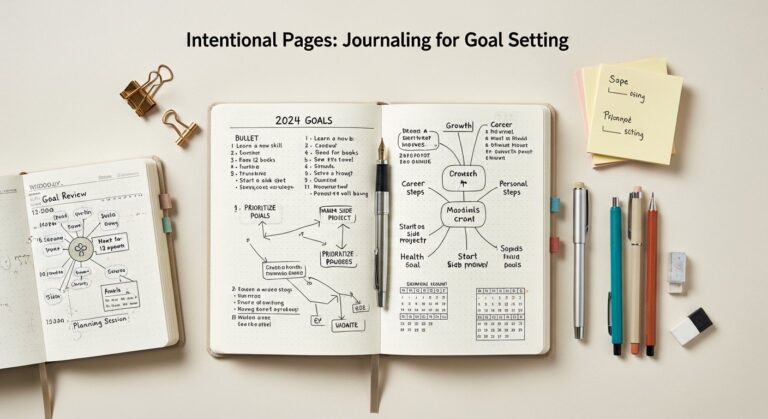
[INLINE IMAGE 1: place after second H2 | alt=”fixed vs growth mindset concept illustration”]
The Origins and Science Behind Mindsets
The concepts of fixed and growth mindsets were popularized by Dr. Carol Dweck, a leading researcher in the field of motivation and developmental psychology. Her groundbreaking work, most notably articulated in her seminal book “Mindset: The New Psychology of Success” (published in 2006, though her research spans decades), introduced these ideas to a broad audience and transformed how educators, parents, and leaders approach potential and learning.
Dr. Dweck’s Research and Key Findings
Dr. Dweck’s research began by observing how children responded to challenges and setbacks. She noticed a stark contrast: some children were paralyzed by failure, fearing it confirmed their inadequacy, while others were energized by it, seeing it as a puzzle to solve or a lesson to learn. This observation led her to hypothesize that these differing responses stemmed from their implicit theories about intelligence.
- Implicit Theories: Dweck’s work highlights that these mindsets are “implicit theories” about where abilities come from. They are not explicit beliefs we consciously articulate, but rather unconscious frameworks that guide our interpretations.
- Brain Plasticity (Neuroplasticity): Modern neuroscience provides compelling evidence supporting the growth mindset. Research into neuroplasticity demonstrates that the brain is not a fixed organ; it is constantly changing, adapting, and growing throughout our lives. New neural pathways can be formed, and existing ones strengthened, through learning and experience. This scientific understanding directly aligns with the growth mindset’s premise that intelligence and abilities are malleable. When we learn new things, practice new skills, or engage in challenging activities, our brains physically change and adapt.
- Impact on Effort and Learning: Studies consistently show that individuals with a growth mindset engage in more effortful learning, persist longer on difficult tasks, and recover more effectively from setbacks. They are also more likely to seek out learning opportunities and embrace mastery-oriented goals rather than performance-oriented goals.
Beyond Intelligence: Applying Mindset to All Abilities
While often discussed in the context of intelligence, Dweck’s research and the broader scientific community confirm that mindsets apply to a vast array of human abilities: creativity, athletic prowess, emotional intelligence, leadership skills, and even personal relationships. Believing that these qualities can be developed, rather than being fixed endowments, fundamentally alters how we approach self-improvement and interaction with the world. This understanding is particularly empowering for women who often face societal pressures or internal narratives that might limit their perceived potential in certain domains.
For further reading and a deeper dive into the foundational research, explore summaries of Dr. Dweck’s work or consider reading her book directly. Her insights provide a robust scientific basis for understanding how profoundly our beliefs shape our reality.
Characteristics of a Fixed Mindset: Recognizing the Patterns

Identifying whether you lean towards a fixed or growth mindset is the first step toward intentional change. While no one is purely one or the other in all aspects of life, recognizing the patterns of a fixed mindset can bring clarity to areas where you might be unknowingly limiting your potential. These characteristics often manifest as specific thought patterns, emotional responses, and behavioral tendencies.
Fear of Failure and Perfectionism
A hallmark of the fixed mindset is an intense fear of failure. Since abilities are seen as fixed, any mistake or setback can be interpreted as proof of inadequacy. This often leads to perfectionism – an obsessive desire to avoid errors at all costs – or, paradoxically, to procrastination and avoidance of challenges where success isn’t guaranteed. For many women, this manifests in avoiding new career challenges, not pursuing creative hobbies, or hesitating to speak up in meetings for fear of being wrong.
- Hesitancy to try new things: Why try if you might fail and expose your “lack” of talent?
- Taking criticism personally: Feedback is seen as a judgment on inherent ability, not an opportunity to improve.
- Setting easily achievable goals: Sticking to what you know you’re good at, rather than pushing boundaries.
Resistance to Effort and Challenges
In a fixed mindset, effort is often viewed with suspicion. If you’re genuinely smart or talented, things should come easily. Having to work hard implies you’re not good enough. This can lead to a reluctance to put in the necessary effort for mastery, or to give up quickly when tasks become difficult. Challenges are often perceived as threats rather than opportunities.
- Giving up easily: When faced with obstacles, the thought is “I’m not good at this,” rather than “How can I approach this differently?”
- Blaming external factors: Attributing failures to bad luck, unfair systems, or other people, rather than examining one’s own approach or effort.
- Avoiding situations that require significant learning: Sticking to comfort zones where skills are already mastered.
Comparisons, Envy, and a Zero-Sum View of Success
A fixed mindset often fosters a competitive, almost adversarial view of others’ success. If someone else succeeds, it can feel like your own worth is diminished, as if success is a finite pie. This can lead to envy, resentment, or a tendency to focus on comparing yourself to others rather than celebrating their achievements or learning from their journey.
- Feeling threatened by others’ achievements: Seeing a colleague’s promotion or friend’s success as a personal slight.
- Focusing on external validation: A strong need for praise and approval to confirm their worth, rather than internal satisfaction from learning.
- Reluctance to collaborate: Guarding knowledge or skills, fearing that sharing will diminish their own standing.
Understanding these patterns is not about self-judgment, but about self-awareness. It’s about recognizing the internal dialogue and behavioral triggers that signal a fixed mindset is at play, allowing you to consciously begin to shift towards a more expansive perspective.
[INLINE IMAGE 2: place after fourth H2 | alt=”fixed vs growth mindset comparison illustration”]
Embracing a Growth Mindset: Traits and Benefits
The beauty of the growth mindset lies in its liberating potential. It frees us from the tyranny of needing to be perfect and instead invites us into a lifelong journey of learning and becoming. Embracing this perspective isn’t about ignoring talent or initial aptitude, but about recognizing that these are merely starting points, and true potential unfolds through consistent effort and strategic action.
Key Traits of a Growth Mindset Individual
Someone operating from a growth mindset exhibits distinct characteristics that propel them forward, even in the face of adversity:
- Love of Learning: They genuinely enjoy the process of acquiring new knowledge and skills, seeing it as an inherent reward.
- Resilience in the Face of Setbacks: Failures are reframed as valuable feedback, opportunities to adjust strategies, and stepping stones toward mastery.
- Valuing Effort and Process: They understand that dedication and persistence are crucial for achieving goals, seeing effort not as a sign of weakness but as a catalyst for growth.
- Seeking Feedback and Criticism: Rather than avoiding it, they actively solicit constructive criticism, viewing it as a roadmap for improvement.
- Inspiration from Others’ Success: They celebrate the achievements of others, using them as motivation and a source of learning.
- Embracing Challenges: New and difficult tasks are not shied away from but approached with curiosity and determination.
Transformative Benefits for Intentional Living
The adoption of a growth mindset extends far beyond academic or professional success. It permeates every aspect of intentional living, offering profound benefits:
- Increased Resilience: Life inevitably throws curveballs. A growth mindset equips you with the mental fortitude to bounce back from adversity, viewing obstacles as temporary and surmountable.
- Greater Motivation and Persistence: When you believe your efforts matter, you’re more likely to stay motivated, even when results aren’t immediately apparent. This fuels long-term goal achievement.
- Enhanced Learning and Skill Acquisition: The belief that you can improve naturally leads to more effective learning strategies and a willingness to acquire new skills, crucial for adapting in a rapidly changing world.
- Richer Relationships: A growth mindset can improve interpersonal dynamics by fostering empathy, encouraging open communication, and allowing for mutual growth within relationships.
- Reduced Stress and Anxiety: By shifting focus from proving yourself to improving yourself, the pressure to be perfect diminishes, leading to greater mental well-being.
- Unlocking Full Potential: Perhaps the most significant benefit is the realization that your potential is not fixed. It expands with every effort, every lesson learned, and every challenge overcome, allowing you to live a life truly aligned with your deepest aspirations.
Embracing a growth mindset isn’t about magically becoming brilliant overnight; it’s about adopting a perspective that allows you to become better every single day. It’s an essential tool for any woman committed to intentional living and continuous self-actualization.
The Profound Impact of Mindset on Women’s Lives

For women, the concepts of fixed vs growth mindset carry particular resonance, influencing everything from career trajectory and leadership aspirations to personal relationships and self-worth. Societal expectations, historical biases, and internal narratives can often push women towards fixed mindset traps, making the embrace of a growth mindset even more liberating and powerful.
Navigating Career and Leadership
In professional spheres, women often face unique challenges. A fixed mindset can exacerbate these, leading to:
- Imposter Syndrome: A persistent fear of being exposed as a “fraud,” despite evidence of competence. A fixed mindset can feed this by suggesting one’s abilities are innate and any success is merely luck, rather than earned growth.
- Hesitancy in Seeking Promotions or New Roles: A fixed mindset might cause a woman to avoid applying for a challenging leadership role, fearing she lacks the “inherent” qualities, rather than seeing it as an opportunity to develop new skills.
- Avoiding Feedback: In environments where women’s assertiveness can be misconstrued, a fixed mindset might make critical feedback feel like a personal attack, leading to defensiveness instead of using it for growth.
- Less Negotiation for Salary/Benefits: Believing their worth is fixed, women might be less likely to negotiate, fearing rejection confirms their low value.
Conversely, a growth mindset empowers women to:
- Embrace New Challenges: Take on stretch assignments, volunteer for leadership roles, and view complex problems as opportunities for skill development.
- Proactively Seek Mentorship and Feedback: Understand that learning from others and incorporating feedback is crucial for advancement.
- Persist Through Setbacks: See career plateaus or rejections not as personal failings, but as information to refine strategies and continue moving forward.
- Advocate for Themselves: Believe in their capacity to grow and develop, leading to greater confidence in asking for what they deserve and negotiating for their value.
Personal Relationships and Self-Worth
Beyond career, mindset profoundly shapes women’s personal lives:
- Perfectionism in Personal Roles: The fixed mindset can contribute to the pressure to be the “perfect” mother, partner, or friend, leading to burnout and self-criticism when imperfections inevitably arise.
- Body Image and Self-Acceptance: Fixed beliefs about beauty or body type can lead to persistent dissatisfaction. A growth mindset, however, encourages focusing on health, strength, and self-care, embracing the body’s capacity for change and adaptation.
- Navigating Conflict: In relationships, a fixed mindset might lead to believing personality traits are unchangeable, making conflict resolution difficult. A growth mindset encourages seeing challenges in relationships as opportunities for mutual understanding, communication skill development, and relational growth.
- Resilience in Motherhood: Motherhood is a journey of constant learning. A fixed mindset can lead to immense guilt over mistakes, while a growth mindset allows mothers to embrace imperfection, learn from experience, and adapt their parenting style as children grow.
Fostering Intentional Living and Personal Growth
For women dedicated to intentional living, a growth mindset is an indispensable tool. It underpins the philosophy that life is a process of creation, not just consumption. It encourages continuous self-reflection, learning from experiences, and actively shaping one’s life rather than passively reacting to circumstances. It’s the belief that you have the power to grow into the person you aspire to be, making every step of your intentional life journey an act of empowered choice.
How to Identify Your Current Mindset: A Self-Assessment
While the definitions of fixed vs growth mindset are clear, identifying your own predominant mindset in various areas of your life can be nuanced. Most people aren’t 100% one or the other; our mindset can be a blend, or situation-specific. The key is self-awareness – noticing your thoughts and reactions, particularly when faced with challenges, learning, or feedback.
Reflecting on Your Responses to Key Situations
Consider the following scenarios and honestly assess your typical thoughts, feelings, and actions. This isn’t a test; it’s an opportunity for introspection.
- When faced with a significant challenge (e.g., a new project at work, learning a new skill, a difficult personal conversation):
- Fixed Mindset: “This is too hard for me. I’m not good at this kind of thing.” “What if I fail? Everyone will see I’m not capable.” “I should just stick to what I know.”
- Growth Mindset: “This will be tough, but I can learn what I need to.” “What strategies can I try? Who can I ask for help?” “This is a great opportunity to expand my skills.”
- When receiving constructive criticism or negative feedback:
- Fixed Mindset: “They think I’m incompetent.” “I shouldn’t have even tried.” “This proves I’m not good enough.” (Feeling defensive, hurt, or invalidated).
- Growth Mindset: “That’s useful information. How can I use this to improve?” “What specific areas can I focus on?” (Feeling curious, appreciative of the input, focused on action).
- When someone else succeeds (e.g., a colleague gets promoted, a friend achieves a goal):
- Fixed Mindset: “Why not me? They’re just luckier/more talented.” “This means there’s less for me.” (Feeling envious, insecure, competitive).
- Growth Mindset: “That’s inspiring! What can I learn from their journey?” “How did they achieve that? Could I apply some of their strategies?” (Feeling motivated, happy for them, seeking inspiration).
- When you encounter an obstacle or make a mistake:
- Fixed Mindset: “I’m so stupid/clumsy/bad at this.” “I knew I couldn’t do it.” (Self-criticism, shame, giving up).
- Growth Mindset: “Okay, that didn’t work. What went wrong?” “What can I do differently next time?” “Mistakes are how I learn.” (Problem-solving, persistence, self-compassion).
Mindset Continuum: It’s Not All or Nothing
It’s important to remember that mindsets exist on a continuum and can be domain-specific. You might have a strong growth mindset when it comes to learning a new language but a fixed mindset when it comes to your artistic abilities. You might operate with a growth mindset at work but slip into a fixed mindset with your children. The goal isn’t to declare yourself one or the other but to identify where your fixed mindset tendencies emerge so you can consciously challenge and reshape them. This self-assessment is a crucial first step in any personal growth journey, especially for women seeking intentional shifts in their lives.
Practical Strategies for Cultivating a Growth Mindset
Shifting from a fixed to a growth mindset is an ongoing process, not a one-time event. It requires deliberate practice, self-awareness, and a commitment to reframing your internal dialogue. Here are practical strategies you can integrate into your daily life, designed for women seeking intentional personal growth.
1. Recognize and Challenge Your Fixed Mindset Voice
The first step is to become aware of your internal monologue. When you face a challenge or make a mistake, what does that little voice in your head say? Does it say, “I can’t do this,” “I’m not smart enough,” or “I’ll never get it right”?
- Strategy: Name your fixed mindset voice (e.g., “The Critic,” “The Doubter”). When it speaks up, acknowledge it (“Oh, there’s The Critic again!”) but then consciously choose to argue back with a growth mindset perspective.
- Example: Instead of “I’m terrible at public speaking,” counter with “Public speaking is a skill I can improve with practice and preparation.”
2. Embrace the Power of “Yet”
One of Dr. Dweck’s most powerful insights is the transformative power of adding the word “yet” to your vocabulary. It reframes a statement of limitation into one of potential.
- Strategy: Whenever you hear yourself (or others) say “I can’t do X,” append “yet.”
- Example: “I can’t understand this complex algorithm… yet.” “I haven’t mastered meditation… yet.” This subtle linguistic shift opens the door to future learning.
3. Focus on Process, Not Just Outcome
A growth mindset celebrates the journey and the effort invested, not just the final result. Shifting your focus helps reduce the pressure of perfectionism and increases the joy of learning.
- Strategy: Set process goals in addition to outcome goals. Reward yourself for consistent effort, trying new strategies, and learning, regardless of immediate success.
- Example: Instead of just “I want to run a marathon” (outcome), set process goals like “I will stick to my training schedule four days a week” and “I will research new running techniques.”
4. Seek Out and Learn from Feedback (and Mistakes)
Feedback and mistakes are not indictments; they are invaluable data points for growth. Actively soliciting them and integrating their lessons is crucial.
- Strategy: Reframe mistakes as “learning opportunities.” After a setback, ask yourself: “What did I learn? What can I do differently next time?” Actively ask for constructive criticism from trusted mentors or peers.
- Example: After a failed presentation, instead of dwelling on embarrassment, ask a trusted colleague, “What’s one thing I could improve for next time?”
5. Cultivate a Sense of Purpose
When you connect your efforts to a larger purpose or value, it fuels persistence. This is especially relevant for women integrating mindset shifts into intentional living.
- Strategy: Reflect on your core values. How does pushing through this challenge or learning this new skill align with your deeper purpose?
- Example: Learning a new skill for your business might be challenging, but connecting it to your purpose of creating a sustainable, impactful legacy can fuel your growth mindset.
6. Practice Self-Compassion
Shifting mindsets is hard work. There will be times when you revert to fixed mindset thinking. Be kind to yourself through the process.
- Strategy: Treat yourself with the same kindness and understanding you would offer a friend. Recognize that growth is messy and non-linear.
- Example: If you snap at your child out of frustration, instead of condemning yourself, acknowledge the moment, forgive yourself, and resolve to try a new parenting strategy next time.
How to Practice: A Growth Mindset Checklist
- Acknowledge your inner critic, then reframe the thought.
- Add “yet” to statements of perceived inability.
- Celebrate effort, progress, and new strategies, not just outcomes.
- Actively seek feedback and view mistakes as learning opportunities.
- Connect your challenges to your deeper purpose and values.
- Practice self-compassion and embrace the messy journey of growth.
- Regularly reflect on how you approach challenges and learning.
- Surround yourself with people who inspire and encourage growth.
Growth Mindset in Action: Real-World Applications for Women
Understanding the fixed vs growth mindset is one thing; applying it daily in the myriad roles and challenges women face is another. Here, we explore specific scenarios where a growth mindset can make a tangible difference.
In Your Career and Entrepreneurship
Whether you’re climbing the corporate ladder or building your own empire, a growth mindset is your secret weapon.
- Learning New Technologies: Instead of feeling overwhelmed by new software or digital marketing trends (“I’m not tech-savvy enough”), a growth mindset prompts you to say, “This is a new skill I can acquire. I’ll take an online course, watch tutorials, and practice.”
- Responding to Rejection: If a business proposal fails or a job application is denied, a fixed mindset leads to discouragement (“I’m not good enough”). A growth mindset prompts inquiry: “What feedback can I get? How can I refine my approach for the next opportunity?”
- Leadership Development: When leading a team, challenges are inevitable. A fixed mindset might lead to feeling inadequate (“I’m not a natural leader”). A growth mindset encourages seeking leadership training, observing effective leaders, and learning from management mistakes.
In
Fixed vs Growth Mindset: The Transformative Power of Your Beliefs for Intentional Living
By thecontextuallife Editorial Team — Senior editors with 10+ years of subject-matter experience.
Published 2026-05-26 · Last Updated 2026-05-26
Affiliate disclosure: This article may contain affiliate links. Recommendations are independent and editorially driven.
In the journey of intentional living and personal growth, few concepts hold as much transformative power as understanding the difference between a fixed vs growth mindset. This foundational insight, championed by renowned Stanford psychologist Dr. Carol Dweck, reveals how our core beliefs about our abilities and intelligence profoundly shape our resilience, learning capacity, and overall success. For women navigating the complexities of modern life – balancing career aspirations, family responsibilities, and the pursuit of personal fulfillment – embracing a growth mindset isn’t merely a philosophical exercise; it’s a practical toolkit for building a life of purpose, adaptability, and continuous self-improvement.
TL;DR Summary: A fixed mindset believes abilities are static, leading to avoidance of challenges and fear of failure. A growth mindset sees abilities as developable through effort and learning, fostering resilience and a love for growth. Shifting to a growth mindset empowers women to embrace challenges, learn continuously, and achieve their full potential in all areas of life.
This comprehensive guide will delve deep into the nuances of both mindsets, exploring their origins, characteristics, and the profound impact they have on our daily lives. We will uncover actionable strategies, real-world examples, and evidence-backed insights to help you identify your current mindset patterns and cultivate a more expansive, growth-oriented perspective. By the end, you’ll be equipped to harness the power of your beliefs to navigate challenges, embrace learning, and design a truly intentional and fulfilling life.
Table of Contents
- Understanding the Core Concepts: Fixed vs. Growth Mindset
- The Origins and Science Behind Mindsets
- Characteristics of a Fixed Mindset: Recognizing the Patterns
- Embracing a Growth Mindset: Traits and Benefits
- The Profound Impact of Mindset on Women’s Lives
- How to Identify Your Current Mindset: A Self-Assessment
- Practical Strategies for Cultivating a Growth Mindset
- Growth Mindset in Action: Real-World Applications for Women
- Overcoming Obstacles on Your Mindset Journey
- Integrating a Growth Mindset into Your Intentional Life
Understanding the Core Concepts: Fixed vs. Growth Mindset
At its heart, the distinction between a fixed and growth mindset lies in one fundamental belief: whether your basic qualities, like intelligence or talent, are unchangeable traits or qualities that can be developed through effort. This seemingly simple belief system acts as a hidden operating system for our thoughts, feelings, and actions, particularly when faced with challenges or learning opportunities.
What is a Fixed Mindset?
Individuals with a fixed mindset believe their intelligence, talents, and abilities are static. They are innate, inherent gifts (or lack thereof) that cannot be significantly altered. From this perspective, success is about proving how smart or talented you are, while failure is a direct indictment of your inherent worth. This leads to a strong desire to look intelligent and avoid situations that might reveal perceived deficiencies.
- Belief: Abilities are fixed, innate traits.
- Focus: Proving existing intelligence or talent.
- View of Effort: Effort is seen as evidence of low ability. If you’re truly smart, you shouldn’t have to try hard.
- Response to Challenges: Avoidance, giving up easily.
- Response to Feedback/Criticism: Defensive, takes it personally, sees it as an attack on their intelligence.
- View of Others’ Success: Threatening, highlights their own perceived shortcomings.
What is a Growth Mindset?
In contrast, a growth mindset is rooted in the belief that your basic qualities can be cultivated and strengthened through dedication and hard work. While people may differ in their initial talents and aptitudes, they understand that these can be developed through learning, persistence, and effective strategies. For someone with a growth mindset, challenges are opportunities to learn, and effort is the pathway to mastery.
- Belief: Abilities can be developed through effort, good strategies, and mentorship.
- Focus: Learning, growing, and developing new skills.
- View of Effort: Essential for mastery, a path to growth.
- Response to Challenges: Embrace them, persist through setbacks, see them as opportunities.
- Response to Feedback/Criticism: Seeks it out, uses it as a valuable source of information for improvement.
- View of Others’ Success: Inspiring, a source of learning and motivation.
The distinction between fixed vs growth mindset isn’t about whether you’re inherently optimistic or pessimistic, but about the underlying framework through which you interpret experiences, especially those involving effort and potential failure. Understanding this framework is the first step towards intentional change.
[INLINE IMAGE 1: place after second H2 | alt=”fixed vs growth mindset concept illustration”]
The Origins and Science Behind Mindsets
The concepts of fixed and growth mindsets were popularized by Dr. Carol Dweck, a leading researcher in the field of motivation and developmental psychology. Her groundbreaking work, most notably articulated in her seminal book “Mindset: The New Psychology of Success” (published in 2006, though her research spans decades), introduced these ideas to a broad audience and transformed how educators, parents, and leaders approach potential and learning.
Dr. Dweck’s Research and Key Findings
Dr. Dweck’s research began by observing how children responded to challenges and setbacks. She noticed a stark contrast: some children were paralyzed by failure, fearing it confirmed their inadequacy, while others were energized by it, seeing it as a puzzle to solve or a lesson to learn. This observation led her to hypothesize that these differing responses stemmed from their implicit theories about intelligence.
- Implicit Theories: Dweck’s work highlights that these mindsets are “implicit theories” about where abilities come from. They are not explicit beliefs we consciously articulate, but rather unconscious frameworks that guide our interpretations.
- Brain Plasticity (Neuroplasticity): Modern neuroscience provides compelling evidence supporting the growth mindset. Research into neuroplasticity demonstrates that the brain is not a fixed organ; it is constantly changing, adapting, and growing throughout our lives. New neural pathways can be formed, and existing ones strengthened, through learning and experience. This scientific understanding directly aligns with the growth mindset’s premise that intelligence and abilities are malleable. When we learn new things, practice new skills, or engage in challenging activities, our brains physically change and adapt.
- Impact on Effort and Learning: Studies consistently show that individuals with a growth mindset engage in more effortful learning, persist longer on difficult tasks, and recover more effectively from setbacks. They are also more likely to seek out learning opportunities and embrace mastery-oriented goals rather than performance-oriented goals.
Beyond Intelligence: Applying Mindset to All Abilities
While often discussed in the context of intelligence, Dweck’s research and the broader scientific community confirm that mindsets apply to a vast array of human abilities: creativity, athletic prowess, emotional intelligence, leadership skills, and even personal relationships. Believing that these qualities can be developed, rather than being fixed endowments, fundamentally alters how we approach self-improvement and interaction with the world. This understanding is particularly empowering for women who often face societal pressures or internal narratives that might limit their perceived potential in certain domains.
For further reading and a deeper dive into the foundational research, explore summaries of Dr. Dweck’s work or consider reading her book directly. Her insights provide a robust scientific basis for understanding how profoundly our beliefs shape our reality.
Characteristics of a Fixed Mindset: Recognizing the Patterns
Identifying whether you lean towards a fixed or growth mindset is the first step toward intentional change. While no one is purely one or the other in all aspects of life, recognizing the patterns of a fixed mindset can bring clarity to areas where you might be unknowingly limiting your potential. These characteristics often manifest as specific thought patterns, emotional responses, and behavioral tendencies.
Fear of Failure and Perfectionism
A hallmark of the fixed mindset is an intense fear of failure. Since abilities are seen as fixed, any mistake or setback can be interpreted as proof of inadequacy. This often leads to perfectionism – an obsessive desire to avoid errors at all costs – or, paradoxically, to procrastination and avoidance of challenges where success isn’t guaranteed. For many women, this manifests in avoiding new career challenges, not pursuing creative hobbies, or hesitating to speak up in meetings for fear of being wrong.
- Hesitancy to try new things: Why try if you might fail and expose your “lack” of talent?
- Taking criticism personally: Feedback is seen as a judgment on inherent ability, not an opportunity to improve.
- Setting easily achievable goals: Sticking to what you know you’re good at, rather than pushing boundaries.
Resistance to Effort and Challenges
In a fixed mindset, effort is often viewed with suspicion. If you’re genuinely smart or talented, things should come easily. Having to work hard implies you’re not good enough. This can lead to a reluctance to put in the necessary effort for mastery, or to give up quickly when tasks become difficult. Challenges are often perceived as threats rather than opportunities.
- Giving up easily: When faced with obstacles, the thought is “I’m not good at this,” rather than “How can I approach this differently?”
- Blaming external factors: Attributing failures to bad luck, unfair systems, or other people, rather than examining one’s own approach or effort.
- Avoiding situations that require significant learning: Sticking to comfort zones where skills are already mastered.
Comparisons, Envy, and a Zero-Sum View of Success
A fixed mindset often fosters a competitive, almost adversarial view of others’ success. If someone else succeeds, it can feel like your own worth is diminished, as if success is a finite pie. This can lead to envy, resentment, or a tendency to focus on comparing yourself to others rather than celebrating their achievements or learning from their journey.
- Feeling threatened by others’ achievements: Seeing a colleague’s promotion or friend’s success as a personal slight.
- Focusing on external validation: A strong need for praise and approval to confirm their worth, rather than internal satisfaction from learning.
- Reluctance to collaborate: Guarding knowledge or skills, fearing that sharing will diminish their own standing.
Understanding these patterns is not about self-judgment, but about self-awareness. It’s about recognizing the internal dialogue and behavioral triggers that signal a fixed mindset is at play, allowing you to consciously begin to shift towards a more expansive perspective.
[INLINE IMAGE 2: place after fourth H2 | alt=”fixed vs growth mindset comparison illustration”]
Embracing a Growth Mindset: Traits and Benefits
The beauty of the growth mindset lies in its liberating potential. It frees us from the tyranny of needing to be perfect and instead invites us into a lifelong journey of learning and becoming. Embracing this perspective isn’t about ignoring talent or initial aptitude, but about recognizing that these are merely starting points, and true potential unfolds through consistent effort and strategic action.
Key Traits of a Growth Mindset Individual
Someone operating from a growth mindset exhibits distinct characteristics that propel them forward, even in the face of adversity:
- Love of Learning: They genuinely enjoy the process of acquiring new knowledge and skills, seeing it as an inherent reward.
- Resilience in the Face of Setbacks: Failures are reframed as valuable feedback, opportunities to adjust strategies, and stepping stones toward mastery.
- Valuing Effort and Process: They understand that dedication and persistence are crucial for achieving goals, seeing effort not as a sign of weakness but as a catalyst for growth.
- Seeking Feedback and Criticism: Rather than avoiding it, they actively solicit constructive criticism, viewing it as a roadmap for improvement.
- Inspiration from Others’ Success: They celebrate the achievements of others, using them as motivation and a source of learning.
- Embracing Challenges: New and difficult tasks are not shied away from but approached with curiosity and determination.
Transformative Benefits for Intentional Living
The adoption of a growth mindset extends far beyond academic or professional success. It permeates every aspect of intentional living, offering profound benefits:
- Increased Resilience: Life inevitably throws curveballs. A growth mindset equips you with the mental fortitude to bounce back from adversity, viewing obstacles as temporary and surmountable.
- Greater Motivation and Persistence: When you believe your efforts matter, you’re more likely to stay motivated, even when results aren’t immediately apparent. This fuels long-term goal achievement.
- Enhanced Learning and Skill Acquisition: The belief that you can improve naturally leads to more effective learning strategies and a willingness to acquire new skills, crucial for adapting in a rapidly changing world.
- Richer Relationships: A growth mindset can improve interpersonal dynamics by fostering empathy, encouraging open communication, and allowing for mutual growth within relationships.
- Reduced Stress and Anxiety: By shifting focus from proving yourself to improving yourself, the pressure to be perfect diminishes, leading to greater mental well-being.
- Unlocking Full Potential: Perhaps the most significant benefit is the realization that your potential is not fixed. It expands with every effort, every lesson learned, and every challenge overcome, allowing you to live a life truly aligned with your deepest aspirations.
Embracing a growth mindset isn’t about magically becoming brilliant overnight; it’s about adopting a perspective that allows you to become better every single day. It’s an essential tool for any woman committed to intentional living and continuous self-actualization.
The Profound Impact of Mindset on Women’s Lives
For women, the concepts of fixed vs growth mindset carry particular resonance, influencing everything from career trajectory and leadership aspirations to personal relationships and self-worth. Societal expectations, historical biases, and internal narratives can often push women towards fixed mindset traps, making the embrace of a growth mindset even more liberating and powerful.
Navigating Career and Leadership
In professional spheres, women often face unique challenges. A fixed mindset can exacerbate these, leading to:
- Imposter Syndrome: A persistent fear of being exposed as a “fraud,” despite evidence of competence. A fixed mindset can feed this by suggesting one’s abilities are innate and any success is merely luck, rather than earned growth.
- Hesitancy in Seeking Promotions or New Roles: A fixed mindset might cause a woman to avoid applying for a challenging leadership role, fearing she lacks the “inherent” qualities, rather than seeing it as an opportunity to develop new skills.
- Avoiding Feedback: In environments where women’s assertiveness can be misconstrued, a fixed mindset might make critical feedback feel like a personal attack, leading to defensiveness instead of using it for growth.
- Less Negotiation for Salary/Benefits: Believing their worth is fixed, women might be less likely to negotiate, fearing rejection confirms their low value.
Conversely, a growth mindset empowers women to:
- Embrace New Challenges: Take on stretch assignments, volunteer for leadership roles, and view complex problems as opportunities for skill development.
- Proactively Seek Mentorship and Feedback: Understand that learning from others and incorporating feedback is crucial for advancement.
- Persist Through Setbacks: See career plateaus or rejections not as personal failings, but as information to refine strategies and continue moving forward.
- Advocate for Themselves: Believe in their capacity to grow and develop, leading to greater confidence in asking for what they deserve and negotiating for their value.
Personal Relationships and Self-Worth
Beyond career, mindset profoundly shapes women’s personal lives:
- Perfectionism in Personal Roles: The fixed mindset can contribute to the pressure to be the “perfect” mother, partner, or friend, leading to burnout and self-criticism when imperfections inevitably arise.
- Body Image and Self-Acceptance: Fixed beliefs about beauty or body type can lead to persistent dissatisfaction. A growth mindset, however, encourages focusing on health, strength, and self-care, embracing the body’s capacity for change and adaptation.
- Navigating Conflict: In relationships, a fixed mindset might lead to believing personality traits are unchangeable, making conflict resolution difficult. A growth mindset encourages seeing challenges in relationships as opportunities for mutual understanding, communication skill development, and relational growth.
- Resilience in Motherhood: Motherhood is a journey of constant learning. A fixed mindset can lead to immense guilt over mistakes, while a growth mindset allows mothers to embrace imperfection, learn from experience, and adapt their parenting style as children grow.
Fostering Intentional Living and Personal Growth
For women dedicated to intentional living, a growth mindset is an indispensable tool. It underpins the philosophy that life is a process of creation, not just consumption. It encourages continuous self-reflection, learning from experiences, and actively shaping one’s life rather than passively reacting to circumstances. It’s the belief that you have the power to grow into the person you aspire to be, making every step of your intentional life journey an act of empowered choice.
How to Identify Your Current Mindset: A Self-Assessment
While the definitions of fixed vs growth mindset are clear, identifying your own predominant mindset in various areas of your life can be nuanced. Most people aren’t 100% one or the other; our mindset can be a blend, or situation-specific. The key is self-awareness – noticing your thoughts and reactions, particularly when faced with challenges, learning, or feedback.
Reflecting on Your Responses to Key Situations
Consider the following scenarios and honestly assess your typical thoughts, feelings, and actions. This isn’t a test; it’s an opportunity for introspection.
- When faced with a significant challenge (e.g., a new project at work, learning a new skill, a difficult personal conversation):
- Fixed Mindset: “This is too hard for me. I’m not good at this kind of thing.” “What if I fail? Everyone will see I’m not capable.” “I should just stick to what I know.”
- Growth Mindset: “This will be tough, but I can learn what I need to.” “What strategies can I try? Who can I ask for help?” “This is a great opportunity to expand my skills.”
- When receiving constructive criticism or negative feedback:
- Fixed Mindset: “They think I’m incompetent.” “I shouldn’t have even tried.” “This proves I’m not good enough.” (Feeling defensive, hurt, or invalidated).
- Growth Mindset: “That’s useful information. How can I use this to improve?” “What specific areas can I focus on?” (Feeling curious, appreciative of the input, focused on action).
- When someone else succeeds (e.g., a colleague gets promoted, a friend achieves a goal):
- Fixed Mindset: “Why not me? They’re just luckier/more talented.” “This means there’s less for me.” (Feeling envious, insecure, competitive).
- Growth Mindset: “That’s inspiring! What can I learn from their journey?” “How did they achieve that? Could I apply some of their strategies?” (Feeling motivated, happy for them, seeking inspiration).
- When you encounter an obstacle or make a mistake:
- Fixed Mindset: “I’m so stupid/clumsy/bad at this.” “I knew I couldn’t do it.” (Self-criticism, shame, giving up).
- Growth Mindset: “Okay, that didn’t work. What went wrong?” “What can I do differently next time?” “Mistakes are how I learn.” (Problem-solving, persistence, self-compassion).
Mindset Continuum: It’s Not All or Nothing
It’s important to remember that mindsets exist on a continuum and can be domain-specific. You might have a strong growth mindset when it comes to learning a new language but a fixed mindset when it comes to your artistic abilities. You might operate with a growth mindset at work but slip into a fixed mindset with your children. The goal isn’t to declare yourself one or the other but to identify where your fixed mindset tendencies emerge so you can consciously challenge and reshape them. This self-assessment is a crucial first step in any personal growth journey, especially for women seeking intentional shifts in their lives.
Practical Strategies for Cultivating a Growth Mindset
Shifting from a fixed to a growth mindset is an ongoing process, not a one-time event. It requires deliberate practice, self-awareness, and a commitment to reframing your internal dialogue. Here are practical strategies you can integrate into your daily life, designed for women seeking intentional personal growth.
1. Recognize and Challenge Your Fixed Mindset Voice
The first step is to become aware of your internal monologue. When you face a challenge or make a mistake, what does that little voice in your head say? Does it say, “I can’t do this,” “I’m not smart enough,” or “I’ll never get it right”?
- Strategy: Name your fixed mindset voice (e.g., “The Critic,” “The Doubter”). When it speaks up, acknowledge it (“Oh, there’s The Critic again!”) but then consciously choose to argue back with a growth mindset perspective.
- Example: Instead of “I’m terrible at public speaking,” counter with “Public speaking is a skill I can improve with practice and preparation.”
2. Embrace the Power of “Yet”
One of Dr. Dweck’s most powerful insights is the transformative power of adding the word “yet” to your vocabulary. It reframes a statement of limitation into one of potential.
- Strategy: Whenever you hear yourself (or others) say “I can’t do X,” append “yet.”
- Example: “I can’t understand this complex algorithm… yet.” “I haven’t mastered meditation… yet.” This subtle linguistic shift opens the door to future learning.
3. Focus on Process, Not Just Outcome
A growth mindset celebrates the journey and the effort invested, not just the final result. Shifting your focus helps reduce the pressure of perfectionism and increases the joy of learning.
- Strategy: Set process goals in addition to outcome goals. Reward yourself for consistent effort, trying new strategies, and learning, regardless of immediate success.
- Example: Instead of just “I want to run a marathon” (outcome), set process goals like “I will stick to my training schedule four days a week” and “I will research new running techniques.”
4. Seek Out and Learn from Feedback (and Mistakes)
Feedback and mistakes are not indictments; they are invaluable data points for growth. Actively soliciting them and integrating their lessons is crucial.
- Strategy: Reframe mistakes as “learning opportunities.” After a setback, ask yourself: “What did I learn? What can I do differently next time?” Actively ask for constructive criticism from trusted mentors or peers.
- Example: After a failed presentation, instead of dwelling on embarrassment, ask a trusted colleague, “What’s one thing I could improve for next time?”
5. Cultivate a Sense of Purpose
When you connect your efforts to a larger purpose or value, it fuels persistence. This is especially relevant for women integrating mindset shifts into intentional living.
- Strategy: Reflect on your core values. How does pushing through this challenge or learning this new skill align with your deeper purpose?
- Example: Learning a new skill for your business might be challenging, but connecting it to your purpose of creating a sustainable, impactful legacy can fuel your growth mindset.
6. Practice Self-Compassion
Shifting mindsets is hard work. There will be times when you revert to fixed mindset thinking. Be kind to yourself through the process.
- Strategy: Treat yourself with the same kindness and understanding you would offer a friend. Recognize that growth is messy and non-linear.
- Example: If you snap at your child out of frustration, instead of condemning yourself, acknowledge the moment, forgive yourself, and resolve to try a new parenting strategy next time.
How to Practice: A Growth Mindset Checklist
- Acknowledge your inner critic, then reframe the thought.
- Add “yet” to statements of perceived inability.
- Celebrate effort, progress, and new strategies, not just outcomes.
- Actively seek feedback and view mistakes as learning opportunities.
- Connect your challenges to your deeper purpose and values.
- Practice self-compassion and embrace the messy journey of growth.
- Regularly reflect on how you approach challenges and learning.
- Surround yourself with people who inspire and encourage growth.
Growth Mindset in Action: Real-World Applications for Women
Understanding the fixed vs growth mindset is one thing; applying it daily in the myriad roles and challenges women face is another. Here, we explore specific scenarios where a growth mindset can make a tangible difference.
In Your Career and Entrepreneurship
Whether you’re climbing the corporate ladder or building your own empire, a growth mindset is your secret weapon.
- Learning New Technologies: Instead of feeling overwhelmed by new software or digital marketing trends (“I’m not tech-savvy enough”), a growth mindset prompts you to say, “This is a new skill I can acquire. I’ll take an online course, watch tutorials, and practice.”
- Responding to Rejection: If a business proposal fails or a job application is denied, a fixed mindset leads to discouragement (“I’m not good enough”). A growth mindset prompts inquiry: “What feedback can I get? How can I refine my approach for the next opportunity?”
- Leadership Development: When leading a team, challenges are inevitable. A fixed mindset might lead to feeling inadequate (“I’m not a natural leader”). A growth mindset encourages seeking leadership training, observing effective leaders, and learning from management mistakes.