

Unleash Your True Potential: A Woman’s Guide to Overcoming Limiting Beliefs for Intentional Living
Affiliate disclosure: This article may contain affiliate links. Recommendations are independent and editorially driven.
Embracing Freedom: Why Overcoming Limiting Beliefs is Crucial for Modern Women
In the vibrant tapestry of a woman’s life, every thread contributes to the masterpiece she creates. Yet, often, unseen threads of doubt, fear, and self-restriction can subtly bind her, preventing the full expression of her magnificent potential. These are what we call limiting beliefs – deeply ingrained convictions about ourselves, others, or the world, which, though often subconscious, dictate our choices, reactions, and ultimately, our trajectory. For women navigating the complexities of modern life, striving for intentional living, and committed to personal growth, recognizing and actively overcoming limiting beliefs is not merely a self-help exercise; it is a profound act of liberation.
The journey towards an intentional life is paved with conscious choices – choices about how we spend our time, what we consume, who we connect with, and crucially, what we believe about ourselves. A slow lifestyle isn’t just about reducing external clutter; it’s about creating space within for clarity, purpose, and self-acceptance. But how can we truly embrace this space if our internal landscape is dominated by narratives of “I’m not good enough,” “I’m not capable,” or “I don’t deserve it”? These insidious beliefs act as invisible ceilings, preventing us from reaching for the promotions we desire, nurturing the relationships we crave, pursuing the passions that ignite our souls, or simply finding peace in our own skin.
This comprehensive guide from thecontextuallife is designed to empower you – the thoughtful, striving woman – to identify, challenge, and ultimately transcend these self-imposed limitations. We will explore the origins of these beliefs, understand their profound impact, and equip you with practical strategies and transformative tools to rewrite your inner narrative. By shedding the weight of limiting beliefs, you don’t just achieve individual goals; you unlock a deeper sense of self-worth, cultivate unshakeable confidence, and step fully into the powerful, purposeful life you are meant to live. This is not about becoming someone else; it’s about remembering who you truly are, unburdened by the stories that no longer serve you.
Unmasking the Shadows: Identifying Your Limiting Beliefs
The first and most critical step in overcoming limiting beliefs is to become acutely aware of their presence. Unlike physical obstacles, limiting beliefs are invisible, often operating in the background of our minds, shaping our decisions without our conscious permission. They manifest as persistent doubts, anxieties, or a pervasive sense of inadequacy. Learning to identify them requires introspection, honest self-assessment, and a willingness to look beyond surface-level emotions to uncover their deeper roots.
[INLINE IMAGE 1: place after second H2 | alt=”overcoming limiting beliefs concept illustration”]
Recognizing the Whispers: Common Manifestations
- Negative Self-Talk: Pay attention to the constant internal monologue. Phrases like “I always mess things up,” “I’m not smart enough,” “No one listens to me,” or “I’ll never achieve that” are tell-tale signs. This self-talk often sabotages your efforts before you even begin.
- Procrastination and Avoidance: If you consistently put off tasks or avoid situations that could lead to growth, it might be due to a limiting belief. For example, delaying a job application because “I probably won’t get it anyway,” or avoiding a social event because “I’ll just feel awkward and out of place.”
- Fear of Failure and Success: While fear of failure is common, an excessive, paralyzing fear often stems from beliefs about your capability or worth. Similarly, fear of success can arise from beliefs like “I don’t deserve good things” or “Success will isolate me.”
- Perfectionism: The relentless pursuit of flawlessness can be a cover for the belief “If I’m not perfect, I’m worthless.” This can lead to paralysis, where tasks are never completed because they can’t meet an impossibly high standard.
- Stagnation and Settling: Are you staying in a job, relationship, or situation that no longer serves you? A belief like “This is as good as it gets” or “I’m not capable of finding something better” can keep you stuck.
The Mirror of Your Life: Where to Look for Clues
Your life circumstances often reflect your dominant beliefs. Consider these areas:
- Career and Ambition: What promotions have you shied away from? What ideas have you kept to yourself? Do you believe you’re worthy of leadership, higher pay, or creative fulfillment? A common limiting belief for women is “I can’t balance career and family,” or “I need to be liked by everyone at work, even if it means sacrificing my own needs.”
- Relationships (Personal and Professional): Do you struggle with setting boundaries? Do you find yourself in patterns of unhealthy relationships? Beliefs like “I need to put others first,” “I’m not lovable unless I’m pleasing someone,” or “My needs are secondary” can dictate relationship dynamics.
- Health and Well-being: Your approach to self-care, exercise, and nutrition can be influenced by beliefs such as “I don’t have time for myself,” or “It’s selfish to prioritize my own needs.”
- Financial Prosperity: Limiting beliefs about money (“Money is the root of all evil,” “I’m bad with money,” “I’ll never be wealthy”) can unconsciously push away opportunities for financial growth and stability.
- Personal Creativity and Expression: Have you abandoned hobbies or artistic pursuits? Beliefs like “I’m not creative” or “My art isn’t good enough” can stifle genuine self-expression.
A powerful technique for identification is journaling. Dedicate time each day to free-write about your fears, doubts, and persistent negative thoughts. When you encounter resistance or feel stuck, ask yourself: “What am I believing right now that is making this difficult?” Or, “What story am I telling myself about this situation/person/myself?” The answers can be incredibly revealing, pulling these subtle, limiting beliefs out of the subconscious shadows and into the light of your awareness.
The Origins and Roots of Limiting Beliefs: Understanding Their Formation
Once identified, the next crucial step in overcoming limiting beliefs is to understand where they came from. These beliefs don’t appear out of thin air; they are typically formed through a complex interplay of experiences, societal messages, and interpretations of our past. Tracing their origins can provide invaluable context, allowing us to approach them with empathy and insight, rather than self-judgment.
Childhood and Upbringing: The Foundation of Our Belief System
Our earliest experiences play a significant role in shaping our worldview and self-perception. As children, our minds are incredibly impressionable, absorbing information and forming conclusions about ourselves and the world around us. These conclusions, often formed before we have the cognitive ability to critically evaluate them, become foundational beliefs.
- Parental and Authority Figures: Words, actions, and even unsaid expectations from parents, teachers, and other caregivers leave a lasting imprint. A child repeatedly told “Don’t be so sensitive” might develop a belief that expressing emotions is wrong or that their feelings are invalid. Someone told “You’re not good at math” might internalize a belief in their own intellectual inadequacy.
- Early Life Experiences: Traumatic events, significant losses, or even minor setbacks (like failing a test or being excluded from a game) can be misinterpreted by a child’s developing mind, leading to beliefs such as “I’m not safe,” “I’m not loved,” or “I’m not capable.”
- Comparison with Siblings or Peers: Being constantly compared to a “more successful” sibling or feeling less capable than friends can foster beliefs of inadequacy, unworthiness, or being “second best.”
Societal and Cultural Conditioning: The Collective Narrative
Beyond our immediate family, the broader societal and cultural landscape heavily influences the beliefs we adopt, particularly for women. From media portrayals to traditional gender roles, these messages often subtly (or overtly) dictate what is expected, acceptable, or achievable for women.
- Gender Stereotypes: Societal expectations often push women into specific roles, leading to beliefs like “Women aren’t good leaders,” “My primary role is caretaker,” “I must always be agreeable,” or “My worth is tied to my appearance.” These beliefs can limit career choices, suppress authentic self-expression, and create immense pressure.
- Media and Advertising: The constant bombardment of “perfect” images in media can foster beliefs of physical inadequacy, leading to issues with body image and self-worth. Similarly, portrayals of women in subordinate roles can reinforce patriarchal beliefs.
- Cultural Norms and Expectations: Depending on cultural background, women might internalize beliefs about modesty, obedience, sacrifice, or the importance of family over individual ambition, which, while sometimes positive, can also become limiting if not critically examined.
Past Experiences and Personal Interpretations: The Lessons We Learn
Throughout adulthood, significant experiences continue to shape our beliefs. It’s not just the event itself, but our interpretation of it, that cements a belief.
- Failed Relationships or Projects: A breakup might lead to the belief “I’m unlovable” or “I always choose the wrong partners.” A business venture that didn’t succeed might solidify the belief “I’m not good at business” or “I’m destined to fail.”
- Feedback and Criticism: Negative feedback, especially if delivered harshly or unfairly, can be internalized as a belief about one’s competence or value, even if the feedback was subjective or poorly given.
- Repetitive Patterns: If you repeatedly find yourself in similar challenging situations (e.g., always feeling overlooked at work, always struggling with money), it’s worth exploring what underlying belief might be attracting or perpetuating that pattern.
Understanding these origins isn’t about blaming anyone or dwelling on the past. It’s about recognizing that these beliefs were often formed in specific contexts, under certain influences, and that they may no longer serve you. You didn’t choose to adopt them consciously, but you can consciously choose to release them now. This awareness empowers you to disentangle your current identity from the narratives of your past, paving the way for intentional choice and authentic self-creation.
The Profound Impact of Limiting Beliefs on a Woman’s Life
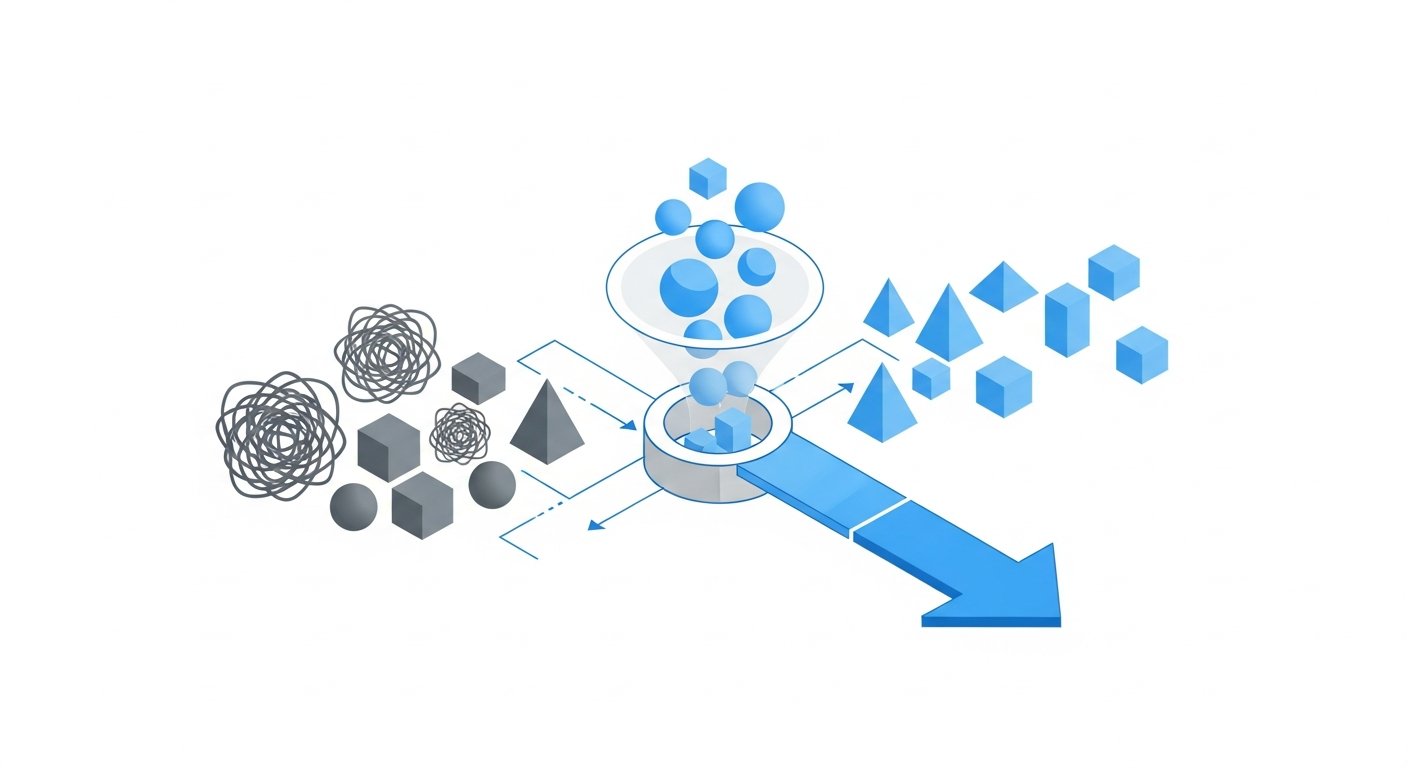
Limiting beliefs are more than just negative thoughts; they are deeply entrenched mental frameworks that profoundly influence every aspect of a woman’s existence. From her career trajectory to her personal relationships, her physical health, and her mental well-being, these insidious beliefs can create invisible barriers, preventing her from reaching her full potential and living a truly intentional, fulfilling life. The cumulative effect of these beliefs can lead to a pervasive sense of unfulfillment, even when external circumstances appear favorable.
[INLINE IMAGE 2: place after fourth H2 | alt=”overcoming limiting beliefs comparison illustration”]
Hindering Personal Growth and Self-Actualization
- Stifled Potential: Perhaps the most damaging impact is the suppression of innate talents and aspirations. If a woman believes she’s “not creative enough,” she might never pick up a paintbrush or write the story that’s burning within her. If she believes she’s “not a leader,” she’ll likely shy away from opportunities to step up, even if she has exceptional leadership qualities. This leads to a life lived beneath one’s capabilities, fostering regret and a sense of “what if.”
- Lack of Confidence and Self-Worth: Limiting beliefs chip away at a woman’s self-esteem. Constantly telling herself “I’m not good enough” or “I don’t deserve success” erodes her internal sense of value, making her hesitant to take risks, advocate for herself, or even accept compliments. This can manifest as imposter syndrome, where even accomplished women feel like frauds.
- Resistance to Change and New Experiences: Beliefs like “It’s too late for me” or “I can’t learn new things” create a rigid mindset that resists growth. This prevents women from embracing new challenges, exploring different paths, or adapting to life’s inevitable changes, trapping them in comfort zones that eventually become stagnation zones.
Sabotaging Relationships and Connection
- Poor Boundary Setting: A woman who believes “I must always please others” or “My needs are secondary” will struggle to set healthy boundaries. This can lead to exhaustion, resentment, and relationships where her voice and desires are consistently unheard or overridden.
- Insecurity and Trust Issues: Beliefs such as “I’m unlovable” or “Everyone eventually leaves me” can lead to self-sabotaging behaviors in relationships. She might push away intimacy, become overly clingy, or constantly seek validation, inadvertently creating the very outcomes she fears.
- Difficulty in Receiving: For many women, societal conditioning has instilled the belief that giving is virtuous and receiving is selfish. This can create a struggle in accepting help, compliments, or even love, leading to an imbalance in relationships and a feeling of perpetual self-sacrifice.
Impairing Career Advancement and Financial Stability
- Underearning and Underemployment: Beliefs like “I’m not worth a high salary” or “I’m not qualified for that senior role” can lead women to accept lower pay, stay in unfulfilling jobs, or avoid negotiating for what they deserve. This has a direct impact on financial independence and security.
- Lack of Visibility and Voice: If a woman believes “My ideas aren’t valuable” or “I shouldn’t speak up in meetings,” she will remain unseen and unheard, missing out on opportunities for recognition, influence, and leadership. This often contributes to the gender pay gap and glass ceilings.
- Fear of Entrepreneurship and Risk-Taking: Starting a business or taking calculated career risks often requires challenging beliefs about financial security, personal capability, and societal expectations. Limiting beliefs can keep innovative ideas and entrepreneurial dreams firmly in the realm of “someday.”
The insidious nature of limiting beliefs lies in their self-perpetuating cycle. They dictate our actions, which then produce results that “confirm” the belief, reinforcing its hold. For example, if a woman believes “I’m bad at public speaking,” she avoids opportunities to speak, never develops the skill, and thus confirms her initial belief. Breaking this cycle is the essence of intentional living and personal growth, allowing women to write new narratives and create lives that truly reflect their desires and capabilities.
Discover strategies for cultivating a confident mindset.
Foundational Strategies for Challenging and Shifting Beliefs
Overcoming limiting beliefs requires a multi-faceted approach, combining self-awareness, cognitive restructuring, and emotional intelligence. It’s not about simply wishing them away, but actively engaging in a process of questioning, reframing, and replacing. These foundational strategies lay the groundwork for profound and lasting change, empowering you to dismantle old narratives and construct new, more supportive ones.
Cognitive Restructuring: Questioning the Narrative
At its core, cognitive restructuring involves challenging the validity and truthfulness of your limiting beliefs. It’s about becoming a detective of your own thoughts, scrutinizing each belief as if it were a hypothesis rather than an undeniable fact.
- Evidence Gathering: For every limiting belief, ask yourself: “What evidence do I have that this is true?” Then, equally important, “What evidence do I have that this is NOT true, or that the opposite might be true?” Often, you’ll find the “evidence” for a limiting belief is anecdotal, circumstantial, or based on a single past event, while counter-evidence from other areas of your life is abundant but overlooked.
- Reframing Thoughts: Once you’ve identified a limiting belief and its associated negative thoughts, practice reframing them. Instead of “I always mess things up,” try “I’ve made mistakes in the past, and I’ve also learned and grown from them. I am capable of learning and improving.” This shifts from a fixed, negative mindset to a growth-oriented, solution-focused one.
- The “Is It True?” Test: Inspired by Byron Katie’s “The Work,” ask yourself four questions about a limiting belief:
- Is it true? (Yes/No, and if No, move on)
- Can you absolutely know that it’s true?
- How do you react, what happens, when you believe that thought?
- Who would you be without the thought?
This powerful inquiry can help you detach from the belief and see its impact clearly.
- Challenging Absolutes: Words like “always,” “never,” “everyone,” and “no one” are often red flags for limiting beliefs. Challenge them: “Is it *always* true?” “Is there *never* an exception?” This opens up possibilities that absolute statements close off.
Mindfulness and Awareness: Cultivating Presence
Mindfulness is the practice of being present in the moment, observing your thoughts and feelings without judgment. This practice is vital for overcoming limiting beliefs because it creates a space between you and your thoughts, allowing you to recognize that you *have* thoughts, but you are not *your* thoughts.
- Observing Thoughts without Attachment: Through meditation or simple mindful breathing, practice observing your limiting beliefs as they arise. Don’t engage with them, don’t judge them, just notice them. Imagine them as clouds passing in the sky. This detachment weakens their hold.
- Anchoring in the Present: Limiting beliefs often pull us into the past (“I failed before, so I’ll fail again”) or the future (“I’ll never achieve X”). Mindfulness brings you back to the present moment, where you have agency and choice, rather than being dictated by past fears or future anxieties.
- Body Scan Meditation: Pay attention to how limiting beliefs manifest in your body. Do you feel tension in your shoulders, a knot in your stomach, or a racing heart? Becoming aware of these physical sensations can be an early warning system that a limiting belief has been triggered, prompting you to apply cognitive restructuring techniques.
Emotional Intelligence: Processing Underlying Feelings
Limiting beliefs are often intertwined with deeper emotions like fear, shame, guilt, or sadness. Addressing these underlying feelings is crucial for genuine belief transformation.
- Acknowledging and Validating Emotions: Instead of suppressing uncomfortable feelings that arise when you confront a limiting belief, allow yourself to feel them. Acknowledge their presence without judgment. “I’m feeling scared because this belief has kept me safe in its own way,” or “I’m feeling sad that I’ve believed this about myself for so long.”
- Self-Compassion: Be kind to yourself throughout this process. It’s not your fault that you developed these beliefs; you were simply trying to make sense of your world. Treat yourself with the same understanding and patience you would offer a dear friend. This involves practicing self-talk that is gentle and supportive, especially when you encounter setbacks.
- Journaling for Emotional Release: Use journaling not just to identify beliefs, but to explore the emotions attached to them. Write about how the belief makes you feel, what it costs you, and what fears it protects you from. This emotional processing can release the energetic charge associated with the belief, making it easier to let go.
These foundational strategies provide the internal scaffolding necessary for sustainable change. By learning to critically examine your thoughts, cultivate present-moment awareness, and compassionately process your emotions, you begin to reclaim agency over your inner world, paving the way for more empowering beliefs to take root.
Practical Tools and Techniques for Belief Transformation
Building upon the foundational strategies, several practical tools and techniques can actively support you in overcoming limiting beliefs. These methods offer tangible ways to reprogram your subconscious mind, reinforce new neural pathways, and accelerate your journey towards a more empowered self. Integrating these practices into your intentional living routine can yield profound results.
Affirmations and Visualizations: Reprogramming the Mind
Affirmations and visualizations are powerful tools for consciously directing your thoughts and beliefs towards positive, empowering outcomes. They work by repeatedly exposing your subconscious to the new reality you wish to create, gradually replacing old patterns.
- Crafting Effective Affirmations:
- Positive and Present Tense: State what you want, as if it’s already true. (e.g., “I am confident and capable” instead of “I will be confident”).
- Personal and Specific: Make them relevant to your specific goals and beliefs. (e.g., “I am worthy of financial abundance” if dealing with money blocks).
- Emotional Resonance: Choose affirmations that genuinely resonate and make you feel good. If an affirmation feels like a lie, rephrase it until it feels more believable, even if it’s a stepping stone (e.g., “I am open to believing I am capable”).
Repeat affirmations daily, preferably in front of a mirror, with conviction and feeling.
- Powerful Visualization Practices:
- Sensory Immersion: Close your eyes and vividly imagine yourself already living with your new, empowering belief. See what you’re doing, hear what you’re saying, feel the emotions, even smell and taste elements of this future reality.
- Process-Oriented Visualization: Instead of just seeing the end goal, visualize the *process* of achieving it, complete with any challenges and how you confidently overcome them. This builds resilience and makes the journey feel more achievable.
- Consistency: Dedicate 5-10 minutes each day to visualization. The more consistently you practice, the more deeply these images and feelings embed themselves into your subconscious.
Therapy and Coaching: Guided Transformation
For deeply ingrained or trauma-related limiting beliefs, professional support can be invaluable. Therapists and coaches offer structured guidance, specialized techniques, and objective perspectives to help you navigate complex inner landscapes.
- Cognitive Behavioral Therapy (CBT): A highly effective therapeutic approach that helps identify and challenge distorted thinking patterns that underpin limiting beliefs. CBT equips you with practical tools to change negative thought cycles.
- Neuro-Linguistic Programming (NLP): Focuses on understanding how language (linguistic) and nonverbal communication (neuro) influence our perception (programming). NLP offers techniques to quickly identify and reframe limiting beliefs at a deeper neurological level.
- Life Coaching: A coach can help you articulate your goals, identify beliefs holding you back, and develop actionable plans to move forward. They provide accountability, motivation, and a supportive framework for personal growth.
- EMDR (Eye Movement Desensitization and Reprocessing): Particularly helpful for beliefs rooted in past trauma, EMDR helps process distressing memories and reduce their emotional impact, thereby transforming associated negative beliefs about oneself.
Embodied Practices: Connecting Mind and Body
Limiting beliefs aren’t just in our heads; they often manifest as tension, posture, or physical habits in our bodies. Embodied practices help release these physical manifestations and integrate new beliefs on a somatic level.
- Yoga and Movement: Practices like yoga, dance, or even mindful walking can help release stored tension, increase body awareness, and foster a sense of strength and fluidity. Moving your body in new ways can symbolically and literally help you break free from old patterns.
- Breathwork: Conscious breathing techniques can regulate the nervous system, reduce anxiety, and create a state of calm conducive to deep inner work. Specific breathwork practices can also facilitate emotional release and help you connect with a deeper sense of self beyond your limiting thoughts.
- Power Posing: Adopting confident body postures (like standing tall with hands on hips) can actually shift your physiology and mindset. Research suggests power posing can increase testosterone (associated with confidence) and decrease cortisol (stress hormone), influencing how you feel about yourself.
The Power of Community and Support
- Support Groups: Connecting with others who share similar struggles can provide validation, reduce feelings of isolation, and offer diverse perspectives and strategies for overcoming limiting beliefs.
- Mentorship: Seeking out mentors who embody the qualities or achievements you aspire to can provide invaluable guidance, inspiration, and belief in your potential. Seeing someone else succeed can dismantle your own beliefs about what’s possible.
Explore effective journaling prompts for self-discovery.
Here’s a comparison of common belief transformation techniques:
| Technique | Description | Best For | Time Commitment | Cost/Resources |
|---|---|---|---|---|
| Affirmations & Visualization | Daily repetition of positive statements and mental imagery of desired outcomes. | Self-empowerment, mindset shifting, habit formation. | 5-15 mins daily | Free (personal practice), Apps (optional). |
| Cognitive Behavioral Therapy (CBT) | Structured therapy to identify and challenge distorted thought patterns and behaviors. | Anxiety, depression, deep-seated cognitive distortions, trauma. | Weekly sessions for several months. | Therapist fees (insurance often covers). |
| Life Coaching | Goal-oriented guidance and accountability to overcome blocks and achieve personal/professional aims. | Goal setting, career development, personal growth, accountability. | Weekly/bi-weekly sessions over a few months. | Coach fees (varies widely). |
| Journaling & Shadow Work | Writing to explore thoughts, feelings, and subconscious patterns; confronting unacknowledged aspects of self. | Self-reflection, emotional processing, identifying root causes, trauma integration. | 15-30 mins daily/weekly. | Free (notebook/pen), Guided journals (optional). |
| Mindfulness & Meditation | Practices to cultivate present-moment awareness, observe thoughts non-judgmentally, and reduce stress. | Stress reduction, emotional regulation, detachment from thoughts, self-awareness. | 10-30 mins daily. | Free (personal practice), Apps, workshops (optional). |
| EMDR Therapy | Eye Movement Desensitization and Reprocessing: Helps process distressing memories and reduce their emotional impact. | Trauma, PTSD, phobias, deeply rooted negative self-beliefs. | Weekly sessions for several months. | Therapist fees (often specialized). |
Cultivating Empowering Beliefs: Building a New Internal Narrative
Overcoming limiting beliefs isn’t just about dismantling the old; it’s equally about actively constructing new, empowering beliefs that support your highest vision for yourself. This proactive phase of belief transformation involves conscious cultivation, consistent reinforcement, and a commitment to speaking a new, positive language about who you are and what you’re capable of. It’s about building an internal narrative that serves your intentional life and personal growth.
Defining Your New Reality: What Do You Want to Believe?
Before you can cultivate new beliefs, you need to clearly articulate what those beliefs are. This requires introspection and a vision for your future self.
- Identify the Opposite: For each limiting belief you’ve identified, consider its empowering opposite. If “I’m not good enough” is your limiting belief, its opposite might be “I am inherently worthy and capable.” If “I don’t deserve success,” then “I am deserving of abundant success and joy.”
- Vision Boarding and Goal Setting: Create visual representations of your desired life, including the feelings, achievements, and qualities you want to embody. Link these aspirations to specific empowering beliefs. For example, if your vision board includes a thriving career, connect it to beliefs like “I am a skilled and valuable professional” or “I attract opportunities that align with my purpose.”
- Focus on “I Am” Statements: Empowering beliefs are best framed as “I am” statements, reinforcing your identity. Examples: “I am resilient,” “I am creative,” “I am a powerful force for good,” “I am loved and lovable.”
Embedding New Beliefs Through Consistent Practice
Just as limiting beliefs were formed through repetition and reinforcement, empowering beliefs require consistent practice to become deeply ingrained.
- Daily Affirmation and Visualization Rituals: As discussed, make these non-negotiable parts of your day. The morning is particularly powerful, as it sets the tone for your thoughts and actions. Pair them with mindful breathing or a short meditation to enhance their impact.
- Curating Your Environment: Surround yourself with influences that support your new beliefs. This includes books, podcasts, music, and people who uplift and inspire you. Minimize exposure to negativity, gossip, or self-deprecating humor that can reinforce old patterns.
- Positive Self-Talk and Internal Dialogue: Consciously monitor and redirect your internal monologue. When you catch yourself reverting to an old, limiting thought, gently but firmly replace it with your chosen empowering belief. This is a mental muscle that strengthens with consistent exercise.
- Seeking and Celebrating Wins: Actively look for evidence in your daily life that supports your new beliefs. Did you speak up in a meeting? Did you try something new? Did you feel a moment of self-compassion? Acknowledge and celebrate these “wins,” no matter how small, as they reinforce the new neural pathways.
Embracing Identity-Based Habits
James Clear, author of *Atomic Habits*, suggests that true change comes from changing your identity. Instead of focusing on what you want to achieve, focus on who you want to become.
- Ask “What Would She Do?”: When faced with a decision or challenge, ask yourself, “What would a woman who believes X (your empowering belief) do in this situation?” Then, act from that identity. If your new belief is “I am a confident leader,” ask “What would a confident leader do here?”
- Small, Consistent Actions: Take tiny, daily actions that align with your new identity and beliefs. If you want to believe “I am disciplined,” start with a small, consistent discipline like waking up 15 minutes earlier or meditating for 5 minutes. These micro-actions build momentum and solidify the new belief through experience.
- Review and Reflect: Regularly review your progress. What new beliefs have taken hold? How have your actions changed? What challenges remain? This reflection process allows you to fine-tune your approach and deepen your commitment to your evolving identity.
Cultivating empowering beliefs is an ongoing journey, not a destination. It requires patience, persistence, and a deep well of self-compassion. By intentionally choosing what you believe, and consistently acting from that new truth, you gradually reshape your internal landscape, paving the way for a life of greater freedom, purpose, and joy. This is the heart of intentional living – consciously crafting the internal context for an extraordinary life.
Learn more about crafting an intentional daily routine.
Taking Intentional Action and Sustaining Change
Identifying and reframing limiting beliefs is a powerful first step, but true transformation happens when you translate these internal shifts into external action. Overcoming limiting beliefs requires not just thinking differently, but also *acting* differently. This phase is about deliberately stepping outside your comfort zone, embracing discomfort, and building a track record of success that reinforces your new, empowering beliefs. Sustaining this change means embedding these new ways of thinking and acting into the very fabric of your intentional life.
The Power of Small Steps: Incremental Action
Large, overwhelming goals can often trigger limiting beliefs. Breaking down your objectives into small, manageable steps makes them less intimidating and more achievable.
- Baby Steps to Breakthroughs: If you have a belief like “I’m not good at networking,” don’t immediately aim to speak at a conference. Instead, start with a tiny step: “Today, I will introduce myself to one new person at a casual gathering,” or “I will send one polite email to an industry contact.” Each small success builds confidence.
- Embrace the “Minimum Viable Action”: What is the absolute smallest thing you can do right now that aligns with your new belief? Even if it feels insignificant, doing *something* sends a powerful message to your subconscious that you are capable and committed to change.
- Celebrate Every Win: Acknowledge and celebrate these small victories. They are proof that your new beliefs are taking hold and that you are capable of action. This positive reinforcement creates a feedback loop that encourages further action.
Stepping Outside Your Comfort Zone: Deliberate Discomfort
Growth rarely happens within the confines of our comfort zones. Intentionally seeking out situations that push your boundaries is crucial for dismantling limiting beliefs that thrive on fear and avoidance.
- The “Fear Ladder”: Create a hierarchy of fears related to a specific limiting belief. Start with something mildly uncomfortable and gradually work your way up to more challenging situations. For instance, if you believe “I’m not good at public speaking,” your ladder might go from speaking up in a small team meeting, to leading a presentation, to speaking at a larger event.
- Mindful Exposure: As you engage in these uncomfortable situations, practice mindfulness. Notice your anxiety, acknowledge it, but don’t let it paralyze you. Focus on the task at hand and the present moment. Observe how the anticipated fear is often worse than the actual experience.
- Learning from “Failures”: Reframe setbacks not as failures, but as learning opportunities. Every misstep provides valuable information about what works, what doesn’t, and where you can adjust your approach. This perspective directly counters beliefs about inadequacy and perfectionism.
Building a Track Record of Success: Evidence for New Beliefs
The most compelling evidence against a limiting belief is your own experience of success. As you consistently take action, you build a personal history that directly contradicts the old narrative.
- Keep a “Success Journal”: Dedicate a section of your journal to documenting your achievements, big and small, especially those that challenge a limiting belief. Refer back to this journal whenever doubt creeps in. This serves as undeniable proof of your capabilities.
- Seek Feedback and Mentorship: Actively seek constructive feedback from trusted mentors or peers. External validation, when balanced with internal conviction, can reinforce your new beliefs and provide a more objective perspective on your progress.
- Review Your Progress Regularly: Set aside time weekly or monthly to review how far you’ve come. What beliefs have you successfully challenged? What new skills have you acquired? How has your sense of self evolved? This meta-awareness is crucial for maintaining momentum.
Cultivating Resilience and Persistence
The journey of overcoming limiting beliefs is not linear. There will be moments of doubt, setbacks, and times when old beliefs resurface. Resilience is the ability to bounce back, learn, and continue forward.
- Self-Compassion in Setbacks: When you falter, avoid self-criticism. Instead, practice self-compassion. Remind yourself that change is a process, and it’s okay to not be perfect. Ask, “What can I learn from this?” rather than “What’s wrong with me?”
- Connect with Your “Why”: Remind yourself *why* you are undertaking this journey. What is the intentional life you are striving for? What personal growth matters most to you? Connecting to your deeper purpose provides fuel for persistence.
- Build a Support System: Lean on friends, family, or a coach who believes in your potential. Having people who can remind you of your strength when you forget it yourself is invaluable.
By taking intentional action, embracing discomfort, and fostering resilience, you don’t just overcome limiting beliefs; you fundamentally transform your relationship with yourself and the world. You move from a place of being dictated by past narratives to consciously authoring a future defined by possibility and purpose. This is active, empowered personal growth in its truest form.
Integrating Belief Work into an Intentional & Slow Lifestyle
Unleash Your True Potential: A Woman’s Guide to Overcoming Limiting Beliefs for Intentional Living
Affiliate disclosure: This article may contain affiliate links. Recommendations are independent and editorially driven.
Embracing Freedom: Why Overcoming Limiting Beliefs is Crucial for Modern Women
In the vibrant tapestry of a woman’s life, every thread contributes to the masterpiece she creates. Yet, often, unseen threads of doubt, fear, and self-restriction can subtly bind her, preventing the full expression of her magnificent potential. These are what we call limiting beliefs – deeply ingrained convictions about ourselves, others, or the world, which, though often subconscious, dictate our choices, reactions, and ultimately, our trajectory. For women navigating the complexities of modern life, striving for intentional living, and committed to personal growth, recognizing and actively overcoming limiting beliefs is not merely a self-help exercise; it is a profound act of liberation.
The journey towards an intentional life is paved with conscious choices – choices about how we spend our time, what we consume, who we connect with, and crucially, what we believe about ourselves. A slow lifestyle isn’t just about reducing external clutter; it’s about creating space within for clarity, purpose, and self-acceptance. But how can we truly embrace this space if our internal landscape is dominated by narratives of “I’m not good enough,” “I’m not capable,” or “I don’t deserve it”? These insidious beliefs act as invisible ceilings, preventing us from reaching for the promotions we desire, nurturing the relationships we crave, pursuing the passions that ignite our souls, or simply finding peace in our own skin.
This comprehensive guide from thecontextuallife is designed to empower you – the thoughtful, striving woman – to identify, challenge, and ultimately transcend these self-imposed limitations. We will explore the origins of these beliefs, understand their profound impact, and equip you with practical strategies and transformative tools to rewrite your inner narrative. By shedding the weight of limiting beliefs, you don’t just achieve individual goals; you unlock a deeper sense of self-worth, cultivate unshakeable confidence, and step fully into the powerful, purposeful life you are meant to live. This is not about becoming someone else; it’s about remembering who you truly are, unburdened by the stories that no longer serve you.
Unmasking the Shadows: Identifying Your Limiting Beliefs
The first and most critical step in overcoming limiting beliefs is to become acutely aware of their presence. Unlike physical obstacles, limiting beliefs are invisible, often operating in the background of our minds, shaping our decisions without our conscious permission. They manifest as persistent doubts, anxieties, or a pervasive sense of inadequacy. Learning to identify them requires introspection, honest self-assessment, and a willingness to look beyond surface-level emotions to uncover their deeper roots.
[INLINE IMAGE 1: place after second H2 | alt=”overcoming limiting beliefs concept illustration”]
Recognizing the Whispers: Common Manifestations
- Negative Self-Talk: Pay attention to the constant internal monologue. Phrases like “I always mess things up,” “I’m not smart enough,” “No one listens to me,” or “I’ll never achieve that” are tell-tale signs. This self-talk often sabotages your efforts before you even begin.
- Procrastination and Avoidance: If you consistently put off tasks or avoid situations that could lead to growth, it might be due to a limiting belief. For example, delaying a job application because “I probably won’t get it anyway,” or avoiding a social event because “I’ll just feel awkward and out of place.”
- Fear of Failure and Success: While fear of failure is common, an excessive, paralyzing fear often stems from beliefs about your capability or worth. Similarly, fear of success can arise from beliefs like “I don’t deserve good things” or “Success will isolate me.”
- Perfectionism: The relentless pursuit of flawlessness can be a cover for the belief “If I’m not perfect, I’m worthless.” This can lead to paralysis, where tasks are never completed because they can’t meet an impossibly high standard.
- Stagnation and Settling: Are you staying in a job, relationship, or situation that no longer serves you? A belief like “This is as good as it gets” or “I’m not capable of finding something better” can keep you stuck.
The Mirror of Your Life: Where to Look for Clues
Your life circumstances often reflect your dominant beliefs. Consider these areas:
- Career and Ambition: What promotions have you shied away from? What ideas have you kept to yourself? Do you believe you’re worthy of leadership, higher pay, or creative fulfillment? A common limiting belief for women is “I can’t balance career and family,” or “I need to be liked by everyone at work, even if it means sacrificing my own needs.”
- Relationships (Personal and Professional): Do you struggle with setting boundaries? Do you find yourself in patterns of unhealthy relationships? Beliefs like “I need to put others first,” “I’m not lovable unless I’m pleasing someone,” or “My needs are secondary” can dictate relationship dynamics.
- Health and Well-being: Your approach to self-care, exercise, and nutrition can be influenced by beliefs such as “I don’t have time for myself,” or “It’s selfish to prioritize my own needs.”
- Financial Prosperity: Limiting beliefs about money (“Money is the root of all evil,” “I’m bad with money,” “I’ll never be wealthy”) can unconsciously push away opportunities for financial growth and stability.
- Personal Creativity and Expression: Have you abandoned hobbies or artistic pursuits? Beliefs like “I’m not creative” or “My art isn’t good enough” can stifle genuine self-expression.
A powerful technique for identification is journaling. Dedicate time each day to free-write about your fears, doubts, and persistent negative thoughts. When you encounter resistance or feel stuck, ask yourself: “What am I believing right now that is making this difficult?” Or, “What story am I telling myself about this situation/person/myself?” The answers can be incredibly revealing, pulling these subtle, limiting beliefs out of the subconscious shadows and into the light of your awareness.
The Origins and Roots of Limiting Beliefs: Understanding Their Formation
Once identified, the next crucial step in overcoming limiting beliefs is to understand where they came from. These beliefs don’t appear out of thin air; they are typically formed through a complex interplay of experiences, societal messages, and interpretations of our past. Tracing their origins can provide invaluable context, allowing us to approach them with empathy and insight, rather than self-judgment.
Childhood and Upbringing: The Foundation of Our Belief System
Our earliest experiences play a significant role in shaping our worldview and self-perception. As children, our minds are incredibly impressionable, absorbing information and forming conclusions about ourselves and the world around us. These conclusions, often formed before we have the cognitive ability to critically evaluate them, become foundational beliefs.
- Parental and Authority Figures: Words, actions, and even unsaid expectations from parents, teachers, and other caregivers leave a lasting imprint. A child repeatedly told “Don’t be so sensitive” might develop a belief that expressing emotions is wrong or that their feelings are invalid. Someone told “You’re not good at math” might internalize a belief in their own intellectual inadequacy.
- Early Life Experiences: Traumatic events, significant losses, or even minor setbacks (like failing a test or being excluded from a game) can be misinterpreted by a child’s developing mind, leading to beliefs such as “I’m not safe,” “I’m not loved,” or “I’m not capable.”
- Comparison with Siblings or Peers: Being constantly compared to a “more successful” sibling or feeling less capable than friends can foster beliefs of inadequacy, unworthiness, or being “second best.”
Societal and Cultural Conditioning: The Collective Narrative
Beyond our immediate family, the broader societal and cultural landscape heavily influences the beliefs we adopt, particularly for women. From media portrayals to traditional gender roles, these messages often subtly (or overtly) dictate what is expected, acceptable, or achievable for women.
- Gender Stereotypes: Societal expectations often push women into specific roles, leading to beliefs like “Women aren’t good leaders,” “My primary role is caretaker,” “I must always be agreeable,” or “My worth is tied to my appearance.” These beliefs can limit career choices, suppress authentic self-expression, and create immense pressure.
- Media and Advertising: The constant bombardment of “perfect” images in media can foster beliefs of physical inadequacy, leading to issues with body image and self-worth. Similarly, portrayals of women in subordinate roles can reinforce patriarchal beliefs.
- Cultural Norms and Expectations: Depending on cultural background, women might internalize beliefs about modesty, obedience, sacrifice, or the importance of family over individual ambition, which, while sometimes positive, can also become limiting if not critically examined.
Past Experiences and Personal Interpretations: The Lessons We Learn
Throughout adulthood, significant experiences continue to shape our beliefs. It’s not just the event itself, but our interpretation of it, that cements a belief.
- Failed Relationships or Projects: A breakup might lead to the belief “I’m unlovable” or “I always choose the wrong partners.” A business venture that didn’t succeed might solidify the belief “I’m not good at business” or “I’m destined to fail.”
- Feedback and Criticism: Negative feedback, especially if delivered harshly or unfairly, can be internalized as a belief about one’s competence or value, even if the feedback was subjective or poorly given.
- Repetitive Patterns: If you repeatedly find yourself in similar challenging situations (e.g., always feeling overlooked at work, always struggling with money), it’s worth exploring what underlying belief might be attracting or perpetuating that pattern.
Understanding these origins isn’t about blaming anyone or dwelling on the past. It’s about recognizing that these beliefs were often formed in specific contexts, under certain influences, and that they may no longer serve you. You didn’t choose to adopt them consciously, but you can consciously choose to release them now. This awareness empowers you to disentangle your current identity from the narratives of your past, paving the way for intentional choice and authentic self-creation.
The Profound Impact of Limiting Beliefs on a Woman’s Life
Limiting beliefs are more than just negative thoughts; they are deeply entrenched mental frameworks that profoundly influence every aspect of a woman’s existence. From her career trajectory to her personal relationships, her physical health, and her mental well-being, these insidious beliefs can create invisible barriers, preventing her from reaching her full potential and living a truly intentional, fulfilling life. The cumulative effect of these beliefs can lead to a pervasive sense of unfulfillment, even when external circumstances appear favorable.
[INLINE IMAGE 2: place after fourth H2 | alt=”overcoming limiting beliefs comparison illustration”]
Hindering Personal Growth and Self-Actualization
- Stifled Potential: Perhaps the most damaging impact is the suppression of innate talents and aspirations. If a woman believes she’s “not creative enough,” she might never pick up a paintbrush or write the story that’s burning within her. If she believes she’s “not a leader,” she’ll likely shy away from opportunities to step up, even if she has exceptional leadership qualities. This leads to a life lived beneath one’s capabilities, fostering regret and a sense of “what if.”
- Lack of Confidence and Self-Worth: Limiting beliefs chip away at a woman’s self-esteem. Constantly telling herself “I’m not good enough” or “I don’t deserve success” erodes her internal sense of value, making her hesitant to take risks, advocate for herself, or even accept compliments. This can manifest as imposter syndrome, where even accomplished women feel like frauds.
- Resistance to Change and New Experiences: Beliefs like “It’s too late for me” or “I can’t learn new things” create a rigid mindset that resists growth. This prevents women from embracing new challenges, exploring different paths, or adapting to life’s inevitable changes, trapping them in comfort zones that eventually become stagnation zones.
Sabotaging Relationships and Connection
- Poor Boundary Setting: A woman who believes “I must always please others” or “My needs are secondary” will struggle to set healthy boundaries. This can lead to exhaustion, resentment, and relationships where her voice and desires are consistently unheard or overridden.
- Insecurity and Trust Issues: Beliefs such as “I’m unlovable” or “Everyone eventually leaves me” can lead to self-sabotaging behaviors in relationships. She might push away intimacy, become overly clingy, or constantly seek validation, inadvertently creating the very outcomes she fears.
- Difficulty in Receiving: For many women, societal conditioning has instilled the belief that giving is virtuous and receiving is selfish. This can create a struggle in accepting help, compliments, or even love, leading to an imbalance in relationships and a feeling of perpetual self-sacrifice.
Impairing Career Advancement and Financial Stability
- Underearning and Underemployment: Beliefs like “I’m not worth a high salary” or “I’m not qualified for that senior role” can lead women to accept lower pay, stay in unfulfilling jobs, or avoid negotiating for what they deserve. This has a direct impact on financial independence and security.
- Lack of Visibility and Voice: If a woman believes “My ideas aren’t valuable” or “I shouldn’t speak up in meetings,” she will remain unseen and unheard, missing out on opportunities for recognition, influence, and leadership. This often contributes to the gender pay gap and glass ceilings.
- Fear of Entrepreneurship and Risk-Taking: Starting a business or taking calculated career risks often requires challenging beliefs about financial security, personal capability, and societal expectations. Limiting beliefs can keep innovative ideas and entrepreneurial dreams firmly in the realm of “someday.”
The insidious nature of limiting beliefs lies in their self-perpetuating cycle. They dictate our actions, which then produce results that “confirm” the belief, reinforcing its hold. For example, if a woman believes “I’m bad at public speaking,” she avoids opportunities to speak, never develops the skill, and thus confirms her initial belief. Breaking this cycle is the essence of intentional living and personal growth, allowing women to write new narratives and create lives that truly reflect their desires and capabilities.
Discover strategies for cultivating a confident mindset.
Foundational Strategies for Challenging and Shifting Beliefs
Overcoming limiting beliefs requires a multi-faceted approach, combining self-awareness, cognitive restructuring, and emotional intelligence. It’s not about simply wishing them away, but actively engaging in a process of questioning, reframing, and replacing. These foundational strategies lay the groundwork for profound and lasting change, empowering you to dismantle old narratives and construct new, more supportive ones.
Cognitive Restructuring: Questioning the Narrative
At its core, cognitive restructuring involves challenging the validity and truthfulness of your limiting beliefs. It’s about becoming a detective of your own thoughts, scrutinizing each belief as if it were a hypothesis rather than an undeniable fact.
- Evidence Gathering: For every limiting belief, ask yourself: “What evidence do I have that this is true?” Then, equally important, “What evidence do I have that this is NOT true, or that the opposite might be true?” Often, you’ll find the “evidence” for a limiting belief is anecdotal, circumstantial, or based on a single past event, while counter-evidence from other areas of your life is abundant but overlooked.
- Reframing Thoughts: Once you’ve identified a limiting belief and its associated negative thoughts, practice reframing them. Instead of “I always mess things up,” try “I’ve made mistakes in the past, and I’ve also learned and grown from them. I am capable of learning and improving.” This shifts from a fixed, negative mindset to a growth-oriented, solution-focused one.
- The “Is It True?” Test: Inspired by Byron Katie’s “The Work,” ask yourself four questions about a limiting belief:
- Is it true? (Yes/No, and if No, move on)
- Can you absolutely know that it’s true?
- How do you react, what happens, when you believe that thought?
- Who would you be without the thought?
This powerful inquiry can help you detach from the belief and see its impact clearly.
- Challenging Absolutes: Words like “always,” “never,” “everyone,” and “no one” are often red flags for limiting beliefs. Challenge them: “Is it *always* true?” “Is there *never* an exception?” This opens up possibilities that absolute statements close off.
Mindfulness and Awareness: Cultivating Presence
Mindfulness is the practice of being present in the moment, observing your thoughts and feelings without judgment. This practice is vital for overcoming limiting beliefs because it creates a space between you and your thoughts, allowing you to recognize that you *have* thoughts, but you are not *your* thoughts.
- Observing Thoughts without Attachment: Through meditation or simple mindful breathing, practice observing your limiting beliefs as they arise. Don’t engage with them, don’t judge them, just notice them. Imagine them as clouds passing in the sky. This detachment weakens their hold.
- Anchoring in the Present: Limiting beliefs often pull us into the past (“I failed before, so I’ll fail again”) or the future (“I’ll never achieve X”). Mindfulness brings you back to the present moment, where you have agency and choice, rather than being dictated by past fears or future anxieties.
- Body Scan Meditation: Pay attention to how limiting beliefs manifest in your body. Do you feel tension in your shoulders, a knot in your stomach, or a racing heart? Becoming aware of these physical sensations can be an early warning system that a limiting belief has been triggered, prompting you to apply cognitive restructuring techniques.
Emotional Intelligence: Processing Underlying Feelings
Limiting beliefs are often intertwined with deeper emotions like fear, shame, guilt, or sadness. Addressing these underlying feelings is crucial for genuine belief transformation.
- Acknowledging and Validating Emotions: Instead of suppressing uncomfortable feelings that arise when you confront a limiting belief, allow yourself to feel them. Acknowledge their presence without judgment. “I’m feeling scared because this belief has kept me safe in its own way,” or “I’m feeling sad that I’ve believed this about myself for so long.”
- Self-Compassion: Be kind to yourself throughout this process. It’s not your fault that you developed these beliefs; you were simply trying to make sense of your world. Treat yourself with the same understanding and patience you would offer a dear friend. This involves practicing self-talk that is gentle and supportive, especially when you encounter setbacks.
- Journaling for Emotional Release: Use journaling not just to identify beliefs, but to explore the emotions attached to them. Write about how the belief makes you feel, what it costs you, and what fears it protects you from. This emotional processing can release the energetic charge associated with the belief, making it easier to let go.
These foundational strategies provide the internal scaffolding necessary for sustainable change. By learning to critically examine your thoughts, cultivate present-moment awareness, and compassionately process your emotions, you begin to reclaim agency over your inner world, paving the way for more empowering beliefs to take root.
Practical Tools and Techniques for Belief Transformation
Building upon the foundational strategies, several practical tools and techniques can actively support you in overcoming limiting beliefs. These methods offer tangible ways to reprogram your subconscious mind, reinforce new neural pathways, and accelerate your journey towards a more empowered self. Integrating these practices into your intentional living routine can yield profound results.
Affirmations and Visualizations: Reprogramming the Mind
Affirmations and visualizations are powerful tools for consciously directing your thoughts and beliefs towards positive, empowering outcomes. They work by repeatedly exposing your subconscious to the new reality you wish to create, gradually replacing old patterns.
- Crafting Effective Affirmations:
- Positive and Present Tense: State what you want, as if it’s already true. (e.g., “I am confident and capable” instead of “I will be confident”).
- Personal and Specific: Make them relevant to your specific goals and beliefs. (e.g., “I am worthy of financial abundance” if dealing with money blocks).
- Emotional Resonance: Choose affirmations that genuinely resonate and make you feel good. If an affirmation feels like a lie, rephrase it until it feels more believable, even if it’s a stepping stone (e.g., “I am open to believing I am capable”).
Repeat affirmations daily, preferably in front of a mirror, with conviction and feeling.
- Powerful Visualization Practices:
- Sensory Immersion: Close your eyes and vividly imagine yourself already living with your new, empowering belief. See what you’re doing, hear what you’re saying, feel the emotions, even smell and taste elements of this future reality.
- Process-Oriented Visualization: Instead of just seeing the end goal, visualize the *process* of achieving it, complete with any challenges and how you confidently overcome them. This builds resilience and makes the journey feel more achievable.
- Consistency: Dedicate 5-10 minutes each day to visualization. The more consistently you practice, the more deeply these images and feelings embed themselves into your subconscious.
Therapy and Coaching: Guided Transformation
For deeply ingrained or trauma-related limiting beliefs, professional support can be invaluable. Therapists and coaches offer structured guidance, specialized techniques, and objective perspectives to help you navigate complex inner landscapes.
- Cognitive Behavioral Therapy (CBT): A highly effective therapeutic approach that helps identify and challenge distorted thinking patterns that underpin limiting beliefs. CBT equips you with practical tools to change negative thought cycles.
- Neuro-Linguistic Programming (NLP): Focuses on understanding how language (linguistic) and nonverbal communication (neuro) influence our perception (programming). NLP offers techniques to quickly identify and reframe limiting beliefs at a deeper neurological level.
- Life Coaching: A coach can help you articulate your goals, identify beliefs holding you back, and develop actionable plans to move forward. They provide accountability, motivation, and a supportive framework for personal growth.
- EMDR (Eye Movement Desensitization and Reprocessing): Particularly helpful for beliefs rooted in past trauma, EMDR helps process distressing memories and reduce their emotional impact, thereby transforming associated negative beliefs about oneself.
Embodied Practices: Connecting Mind and Body
Limiting beliefs aren’t just in our heads; they often manifest as tension, posture, or physical habits in our bodies. Embodied practices help release these physical manifestations and integrate new beliefs on a somatic level.
- Yoga and Movement: Practices like yoga, dance, or even mindful walking can help release stored tension, increase body awareness, and foster a sense of strength and fluidity. Moving your body in new ways can symbolically and literally help you break free from old patterns.
- Breathwork: Conscious breathing techniques can regulate the nervous system, reduce anxiety, and create a state of calm conducive to deep inner work. Specific breathwork practices can also facilitate emotional release and help you connect with a deeper sense of self beyond your limiting thoughts.
- Power Posing: Adopting confident body postures (like standing tall with hands on hips) can actually shift your physiology and mindset. Research suggests power posing can increase testosterone (associated with confidence) and decrease cortisol (stress hormone), influencing how you feel about yourself.
The Power of Community and Support
- Support Groups: Connecting with others who share similar struggles can provide validation, reduce feelings of isolation, and offer diverse perspectives and strategies for overcoming limiting beliefs.
- Mentorship: Seeking out mentors who embody the qualities or achievements you aspire to can provide invaluable guidance, inspiration, and belief in your potential. Seeing someone else succeed can dismantle your own beliefs about what’s possible.
Explore effective journaling prompts for self-discovery.
Here’s a comparison of common belief transformation techniques:
| Technique | Description | Best For | Time Commitment | Cost/Resources |
|---|---|---|---|---|
| Affirmations & Visualization | Daily repetition of positive statements and mental imagery of desired outcomes. | Self-empowerment, mindset shifting, habit formation. | 5-15 mins daily | Free (personal practice), Apps (optional). |
| Cognitive Behavioral Therapy (CBT) | Structured therapy to identify and challenge distorted thought patterns and behaviors. | Anxiety, depression, deep-seated cognitive distortions, trauma. | Weekly sessions for several months. | Therapist fees (insurance often covers). |
| Life Coaching | Goal-oriented guidance and accountability to overcome blocks and achieve personal/professional aims. | Goal setting, career development, personal growth, accountability. | Weekly/bi-weekly sessions over a few months. | Coach fees (varies widely). |
| Journaling & Shadow Work | Writing to explore thoughts, feelings, and subconscious patterns; confronting unacknowledged aspects of self. | Self-reflection, emotional processing, identifying root causes, trauma integration. | 15-30 mins daily/weekly. | Free (notebook/pen), Guided journals (optional). |
| Mindfulness & Meditation | Practices to cultivate present-moment awareness, observe thoughts non-judgmentally, and reduce stress. | Stress reduction, emotional regulation, detachment from thoughts, self-awareness. | 10-30 mins daily. | Free (personal practice), Apps, workshops (optional). |
| EMDR Therapy | Eye Movement Desensitization and Reprocessing: Helps process distressing memories and reduce their emotional impact. | Trauma, PTSD, phobias, deeply rooted negative self-beliefs. | Weekly sessions for several months. | Therapist fees (often specialized). |
Cultivating Empowering Beliefs: Building a New Internal Narrative
Overcoming limiting beliefs isn’t just about dismantling the old; it’s equally about actively constructing new, empowering beliefs that support your highest vision for yourself. This proactive phase of belief transformation involves conscious cultivation, consistent reinforcement, and a commitment to speaking a new, positive language about who you are and what you’re capable of. It’s about building an internal narrative that serves your intentional life and personal growth.
Defining Your New Reality: What Do You Want to Believe?
Before you can cultivate new beliefs, you need to clearly articulate what those beliefs are. This requires introspection and a vision for your future self.
- Identify the Opposite: For each limiting belief you’ve identified, consider its empowering opposite. If “I’m not good enough” is your limiting belief, its opposite might be “I am inherently worthy and capable.” If “I don’t deserve success,” then “I am deserving of abundant success and joy.”
- Vision Boarding and Goal Setting: Create visual representations of your desired life, including the feelings, achievements, and qualities you want to embody. Link these aspirations to specific empowering beliefs. For example, if your vision board includes a thriving career, connect it to beliefs like “I am a skilled and valuable professional” or “I attract opportunities that align with my purpose.”
- Focus on “I Am” Statements: Empowering beliefs are best framed as “I am” statements, reinforcing your identity. Examples: “I am resilient,” “I am creative,” “I am a powerful force for good,” “I am loved and lovable.”
Embedding New Beliefs Through Consistent Practice
Just as limiting beliefs were formed through repetition and reinforcement, empowering beliefs require consistent practice to become deeply ingrained.
- Daily Affirmation and Visualization Rituals: As discussed, make these non-negotiable parts of your day. The morning is particularly powerful, as it sets the tone for your thoughts and actions. Pair them with mindful breathing or a short meditation to enhance their impact.
- Curating Your Environment: Surround yourself with influences that support your new beliefs. This includes books, podcasts, music, and people who uplift and inspire you. Minimize exposure to negativity, gossip, or self-deprecating humor that can reinforce old patterns.
- Positive Self-Talk and Internal Dialogue: Consciously monitor and redirect your internal monologue. When you catch yourself reverting to an old, limiting thought, gently but firmly replace it with your chosen empowering belief. This is a mental muscle that strengthens with consistent exercise.
- Seeking and Celebrating Wins: Actively look for evidence in your daily life that supports your new beliefs. Did you speak up in a meeting? Did you try something new? Did you feel a moment of self-compassion? Acknowledge and celebrate these “wins,” no matter how small, as they reinforce the new neural pathways.
Embracing Identity-Based Habits
James Clear, author of *Atomic Habits*, suggests that true change comes from changing your identity. Instead of focusing on what you want to achieve, focus on who you want to become.
- Ask “What Would She Do?”: When faced with a decision or challenge, ask yourself, “What would a woman who believes X (your empowering belief) do in this situation?” Then, act from that identity. If your new belief is “I am a confident leader,” ask “What would a confident leader do here?”
- Small, Consistent Actions: Take tiny, daily actions that align with your new identity and beliefs. If you want to believe “I am disciplined,” start with a small, consistent discipline like waking up 15 minutes earlier or meditating for 5 minutes. These micro-actions build momentum and solidify the new belief through experience.
- Review and Reflect: Regularly review your progress. What new beliefs have taken hold? How have your actions changed? What challenges remain? This reflection process allows you to fine-tune your approach and deepen your commitment to your evolving identity.
Cultivating empowering beliefs is an ongoing journey, not a destination. It requires patience, persistence, and a deep well of self-compassion. By intentionally choosing what you believe, and consistently acting from that new truth, you gradually reshape your internal landscape, paving the way for a life of greater freedom, purpose, and joy. This is the heart of intentional living – consciously crafting the internal context for an extraordinary life.
Learn more about crafting an intentional daily routine.
Taking Intentional Action and Sustaining Change
Identifying and reframing limiting beliefs is a powerful first step, but true transformation happens when you translate these internal shifts into external action. Overcoming limiting beliefs requires not just thinking differently, but also *acting* differently. This phase is about deliberately stepping outside your comfort zone, embracing discomfort, and building a track record of success that reinforces your new, empowering beliefs. Sustaining this change means embedding these new ways of thinking and acting into the very fabric of your intentional life.
The Power of Small Steps: Incremental Action
Large, overwhelming goals can often trigger limiting beliefs. Breaking down your objectives into small, manageable steps makes them less intimidating and more achievable.
- Baby Steps to Breakthroughs: If you have a belief like “I’m not good at networking,” don’t immediately aim to speak at a conference. Instead, start with a tiny step: “Today, I will introduce myself to one new person at a casual gathering,” or “I will send one polite email to an industry contact.” Each small success builds confidence.
- Embrace the “Minimum Viable Action”: What is the absolute smallest thing you can do right now that aligns with your new belief? Even if it feels insignificant, doing *something* sends a powerful message to your subconscious that you are capable and committed to change.
- Celebrate Every Win: Acknowledge and celebrate these small victories. They are proof that your new beliefs are taking hold and that you are capable of action. This positive reinforcement creates a feedback loop that encourages further action.
Stepping Outside Your Comfort Zone: Deliberate Discomfort
Growth rarely happens within the confines of our comfort zones. Intentionally seeking out situations that push your boundaries is crucial for dismantling limiting beliefs that thrive on fear and avoidance.
- The “Fear Ladder”: Create a hierarchy of fears related to a specific limiting belief. Start with something mildly uncomfortable and gradually work your way up to more challenging situations. For instance, if you believe “I’m not good at public speaking,” your ladder might go from speaking up in a small team meeting, to leading a presentation, to speaking at a larger event.
- Mindful Exposure: As you engage in these uncomfortable situations, practice mindfulness. Notice your anxiety, acknowledge it, but don’t let it paralyze you. Focus on the task at hand and the present moment. Observe how the anticipated fear is often worse than the actual experience.
- Learning from “Failures”: Reframe setbacks not as failures, but as learning opportunities. Every misstep provides valuable information about what works, what doesn’t, and where you can adjust your approach. This perspective directly counters beliefs about inadequacy and perfectionism.
Building a Track Record of Success: Evidence for New Beliefs
The most compelling evidence against a limiting belief is your own experience of success. As you consistently take action, you build a personal history that directly contradicts the old narrative.
- Keep a “Success Journal”: Dedicate a section of your journal to documenting your achievements, big and small, especially those that challenge a limiting belief. Refer back to this journal whenever doubt creeps in. This serves as undeniable proof of your capabilities.
- Seek Feedback and Mentorship: Actively seek constructive feedback from trusted mentors or peers. External validation, when balanced with internal conviction, can reinforce your new beliefs and provide a more objective perspective on your progress.
- Review Your Progress Regularly: Set aside time weekly or monthly to review how far you’ve come. What beliefs have you successfully challenged? What new skills have you acquired? How has your sense of self evolved? This meta-awareness is crucial for maintaining momentum.
Cultivating Resilience and Persistence
The journey of overcoming limiting beliefs is not linear. There will be moments of doubt, setbacks, and times when old beliefs resurface. Resilience is the ability to bounce back, learn, and continue forward.
- Self-Compassion in Setbacks: When you falter, avoid self-criticism. Instead, practice self-compassion. Remind yourself that change is a process, and it’s okay to not be perfect. Ask, “What can I learn from this?” rather than “What’s wrong with me?”
- Connect with Your “Why”: Remind yourself *why* you are undertaking this journey. What is the intentional life you are striving for? What personal growth matters most to you? Connecting to your deeper purpose provides fuel for persistence.
- Build a Support System: Lean on friends, family, or a coach who believes in your potential. Having people who can remind you of your strength when you forget it yourself is invaluable.
By taking intentional action, embracing discomfort, and fostering resilience, you don’t just overcome limiting beliefs; you fundamentally transform your relationship with yourself and the world. You move from a place of being dictated by past narratives to consciously authoring a future defined by possibility and purpose. This is active, empowered personal growth in its truest form.