


Slow Living vs. Minimalism: Unpacking Two Paths to a More Intentional Life
By thecontextuallife Editorial Team — Senior editors with 10+ years of subject-matter experience.
Published 2026-05-26 · Last Updated 2026-05-26
Affiliate disclosure: This article may contain affiliate links. Recommendations are independent and editorially driven.
In a world that constantly bombards us with demands for more, faster, and bigger, the desire for a life rooted in intention and purpose has never been stronger. Many women, feeling the weight of societal expectations, relentless schedules, and the sheer volume of possessions, are seeking a different path. This yearning often leads them to explore philosophies like slow living and minimalism – two powerful movements that promise a richer, more meaningful existence. But while they share common ground, their core tenets and practical applications diverge in fascinating ways. Understanding these distinctions is crucial for anyone looking to intentionally craft a life that truly resonates with their deepest values.
Introduction: Defining the Pursuit of Purposeful Living
The modern landscape is one of endless options, instant gratification, and constant connectivity. While these advancements offer undeniable conveniences, they often come at the cost of our peace of mind, our ability to connect authentically, and our sense of personal fulfillment. It’s no wonder that a counter-cultural wave has emerged, advocating for a more deliberate approach to life. Both slow living and minimalism represent a conscious rejection of the unchecked consumerism and relentless pace that define much of contemporary society, offering frameworks for reclaiming our time, energy, and attention.
The Allure of Intentionality in a Hectic World
For many women, the journey towards intentional living begins with a feeling of overwhelm. The juggle of career, family, personal aspirations, and social obligations can leave little room for self-care or genuine connection. We find ourselves living on autopilot, reacting to external stimuli rather than proactively shaping our days. Intentionality, in this context, is the act of choosing. It’s about consciously deciding what to invite into our lives and what to release, ensuring that our actions align with our deepest values and long-term goals. Both slow living and minimalism offer robust toolkits for cultivating this kind of purposeful existence, empowering us to move from a reactive state to a proactive one.
What is Slow Living? A Philosophy of Presence and Pacing
At its heart, slow living is an ethos that encourages a more deliberate and mindful approach to all aspects of life. It’s not about doing everything at a snail’s pace, but rather about choosing quality over quantity, presence over distraction, and depth over superficiality. Originating from the Slow Food movement in Italy, which resisted fast food culture, slow living has expanded to encompass everything from slow travel and slow fashion to slow parenting and slow work. It advocates for savouring moments, engaging deeply with experiences, nurturing relationships, and appreciating the small joys of everyday existence. It’s a philosophy that champions sustainability, craftsmanship, and a return to practices that foster connection – with ourselves, with others, and with the natural world.
- Key Themes: Mindfulness, presence, quality, connection, community, sustainability, appreciation of process.
- Core Question: How can I live more fully and deeply, aligning my pace with my natural rhythms?
What is Minimalism? A Practice of Essentialism and Clarity
Minimalism, conversely, is primarily focused on identifying and living with only what is truly essential, removing everything else that doesn’t add value to one’s life. While it often begins with physical decluttering – paring down possessions to create a more functional and aesthetically pleasing environment – it quickly extends to other areas: commitments, digital distractions, relationships, and even thoughts. The goal is to free oneself from the burden of excess, thereby creating space for what truly matters. By stripping away the superfluous, minimalists aim to gain clarity, reduce stress, save resources, and focus their energy on experiences, personal growth, and purposeful contributions. It’s a powerful antidote to consumer culture, offering a path to liberation from the endless pursuit of “more.”
- Key Themes: Intentionality, decluttering, essentialism, freedom, clarity, focus, resourcefulness, anti-consumerism.
- Core Question: What is truly essential for me to live a rich, meaningful life, and what can I let go of?
Core Philosophies: Beyond the Buzzwords

To truly understand slow living and minimalism, we must delve beyond their superficial definitions and grasp the underlying mindsets that drive them. While both offer practical strategies for a more intentional life, their foundational beliefs inform different approaches and emphasize distinct aspects of human experience.
The Heart of Slow Living: Connection, Quality, and Mindfulness
Slow living is less about what you *remove* and more about what you *cultivate*. Its philosophy is deeply rooted in the idea of reconnecting with ourselves, our communities, and the natural world. It challenges the prevailing notion that productivity equals worth, instead advocating for a recalibration of values where presence and meaning take precedence. It encourages us to engage with life with all our senses, to appreciate the craftsmanship behind the items we own, the flavour in the food we eat, and the depth in the conversations we have. This means:
- Prioritizing Experiences over Acquisitions: Investing in travel, learning, and time with loved ones rather than accumulating material goods.
- Mindful Consumption: Choosing ethically sourced, high-quality items that last, rather than disposable, trend-driven purchases.
- Nurturing Relationships: Dedicating undistracted time to foster deep connections with family and friends.
- Embracing Natural Rhythms: Aligning personal and work schedules with the body’s natural needs for rest and activity, rather than fighting against them.
The slow living philosophy acknowledges that life is finite and precious, and encourages us to savour each moment rather than rushing through it to get to the next. It’s about being present in the “now” and finding joy in the ordinary.
The Essence of Minimalism: Freedom from Excess, Focus on Value
Minimalism, in contrast, is fundamentally about making space – physically, mentally, and emotionally – by systematically reducing clutter and distractions. Its philosophy is built on the premise that owning less leads to greater freedom and clarity. The act of decluttering is not an end in itself, but a means to an end: to reveal what truly matters and to eliminate anything that detracts from that focus. This often involves a rigorous process of questioning:
- “Does this add value to my life?” Every possession, commitment, or activity is scrutinized through this lens.
- “Does this serve my purpose?” If not, it’s a candidate for removal.
- “What kind of life do I want to create?” And what possessions or activities align with that vision?
The essence of minimalism is not deprivation, but liberation. It seeks to free us from the financial burdens of overconsumption, the mental fatigue of constant decision-making, and the emotional attachment to things that don’t truly serve us. By owning less, minimalists aim to have more time, energy, and resources for what they deem essential: experiences, personal development, creativity, and contribution.
Shared Roots: A Desire for More Meaning, Less Distraction
Despite their distinct approaches, slow living and minimalism share a crucial common ground: a profound desire to live more intentionally. Both movements are a direct response to the perceived emptiness and exhaustion of modern life, characterized by consumerism, busyness, and digital overload. They both champion a shift in values away from external validation (e.g., status symbols, keeping up with trends) towards internal fulfillment (e.g., peace, purpose, genuine connection). Ultimately, both philosophies seek to empower individuals to reclaim agency over their lives, allowing them to define success and happiness on their own terms, rather than succumbing to societal pressures. They are pathways to asking deeper questions about what truly matters and then actively shaping one’s life to reflect those answers.
Everyday Manifestations: How They Shape Your Life
Philosophies, however profound, are only truly impactful when they translate into tangible daily practices. Both slow living and minimalism offer distinct, yet sometimes overlapping, ways to reorganize and re-prioritize your everyday existence. Understanding these manifestations helps clarify how each philosophy might practically influence your choices and routines.
Slow Living in Action: Mindful Consumption, Unhurried Experiences, Deep Relationships
Embracing slow living means actively choosing a pace that allows for deeper engagement and appreciation. It’s about transforming the mundane into the meaningful by infusing everyday activities with presence and intention. Here’s how it typically unfolds:
- Food & Eating: Rather than quick meals or processed foods, slow living encourages cooking from scratch, sourcing local ingredients, savouring each bite, and sharing meals with loved ones. It’s about the ritual, not just the sustenance.
- Work & Productivity: While not advocating for less work, it promotes working smarter, not harder. This means focusing on one task at a time, taking intentional breaks, avoiding burnout, and defining success by impact and fulfillment rather than sheer hours logged.
- Fashion & Home: A slow fashion approach emphasizes quality, durability, ethical sourcing, and timeless style over fleeting trends. Homes are designed to be sanctuaries, filled with items that tell a story, evoke comfort, and reflect personal values, rather than just filling space.
- Relationships & Community: Prioritizing face-to-face interactions, listening actively, engaging in meaningful conversations, and investing time in building strong community ties. It’s about depth over breadth in your social circle.
- Leisure & Travel: Opting for immersive travel experiences over hurried sightseeing. Choosing hobbies that require presence and patience, like gardening, reading, or creative arts. Embracing periods of rest and stillness without guilt.
Slow living is less about rigid rules and more about cultivating an inner awareness that guides your choices towards greater connection and joy. It’s an invitation to pause, observe, and truly live.
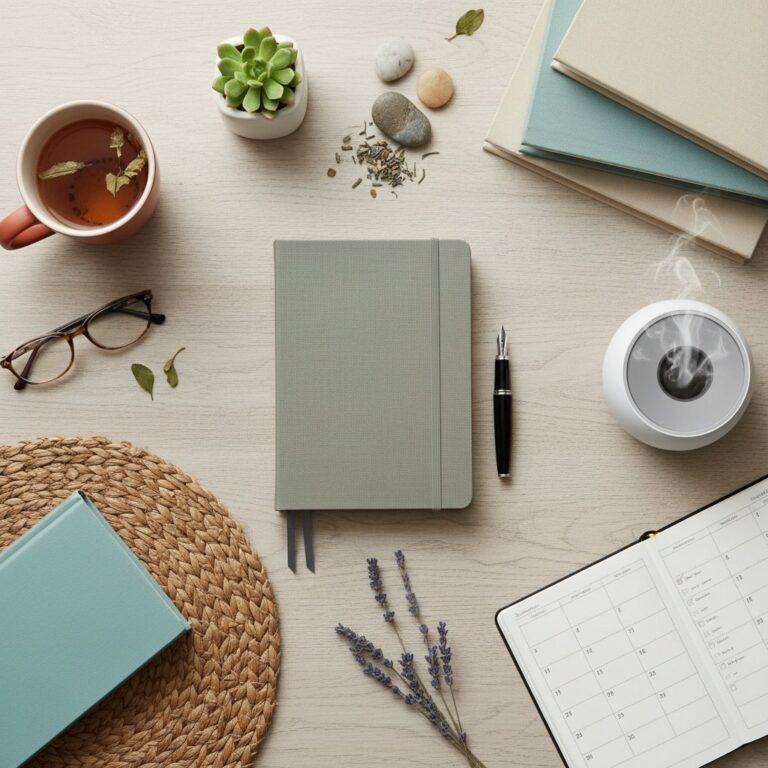
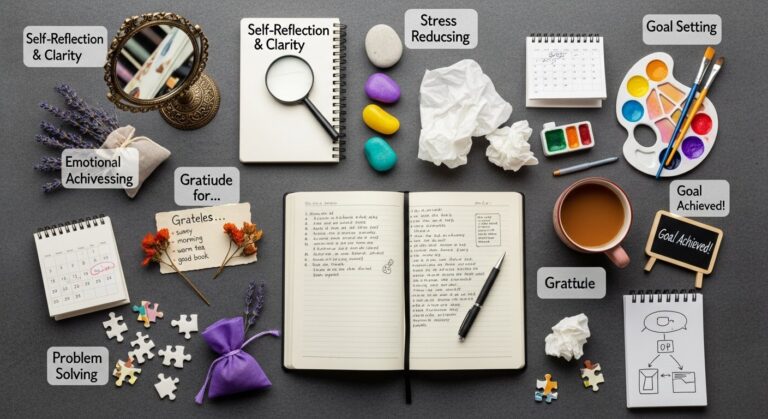
[INLINE IMAGE 1: place after second H2 | alt=”slow living vs minimalism concept illustration”]
Minimalism in Practice: Decluttering, Intentional Spending, Purposeful Possessions
Minimalism, while deeply intentional, often begins with a very tangible act: removing excess. This initial physical decluttering serves as a powerful catalyst for a deeper shift in mindset, impacting how we acquire, use, and value resources. Here are its common manifestations:
- Possessions & Home: The most visible aspect. This involves going through every item you own and asking if it truly serves a purpose or brings joy. The goal is to create a functional, aesthetically clear, and easy-to-maintain living space. Storage solutions are minimized, and items are often multi-functional.
- Spending Habits: A critical shift from impulse buying to highly intentional purchasing. Before buying, a minimalist asks: “Do I truly need this? Does it align with my values? Will it add significant value to my life?” This often leads to significant savings and financial freedom.
- Time & Commitments: Extending the decluttering principle to one’s schedule. Saying “no” to non-essential commitments, reducing digital distractions, and creating more white space in the calendar for activities that truly matter, like personal development or creative pursuits.
- Digital Minimalism: Curating social media feeds, unsubscribing from unnecessary emails, deleting unused apps, and reducing screen time to protect mental clarity and focus.
- Wardrobe: Embracing a capsule wardrobe, where a limited number of versatile, high-quality garments can be mixed and matched to create numerous outfits. This reduces decision fatigue and promotes a more sustainable approach to fashion.
Minimalism isn’t about living in an empty white box; it’s about making deliberate choices to surround yourself only with what supports your best life, creating clarity and freedom from the noise of stuff.
From Wardrobe to Workspace: Practical Examples
Let’s consider how these philosophies might look in specific areas:
- Your Wardrobe:
- Slow Living: You might have a smaller wardrobe of ethically sourced, well-made garments. You enjoy the process of mending clothes, perhaps even learning to sew. You appreciate the story behind your pieces and wear them for many years, focusing on comfort and personal expression over trends.
- Minimalism: You have a carefully curated capsule wardrobe, perhaps 30-50 versatile items. Each piece serves a specific purpose, is easy to mix and match, and reflects a clean aesthetic. You spend minimal time deciding what to wear and rarely shop, investing in high-quality basics.
- Your Workspace:
- Slow Living: Your desk might have a few meaningful items – a plant, a cherished photograph, a beautifully crafted pen. You take mindful breaks, perhaps step outside for a few minutes. You focus on deep work for focused periods, valuing the process and quality of your output.
- Minimalism: Your desk is clear, with only the essentials: laptop, monitor, perhaps a single notepad. Digital files are meticulously organized. The lack of visual clutter helps you maintain focus and reduce distractions, allowing for efficient, streamlined work.
- Your Evening Routine:
- Slow Living: An evening might involve a leisurely home-cooked meal, reading a physical book, enjoying a cup of herbal tea, or having an unplugged conversation with a partner. The focus is on unwinding, connecting, and preparing for restful sleep.
- Minimalism: The routine is streamlined to maximize rest and readiness for the next day. This could mean a simple, healthy meal, a quick tidy-up, and engaging in activities that require minimal effort or mental stimulation, aiming for efficiency and peace.
These examples highlight how both philosophies, while distinct, can lead to a more peaceful and purposeful daily existence, albeit through different lenses.
Discover more about cultivating a mindful morning routine.
The Spectrum of Benefits and Challenges

Adopting any significant lifestyle shift comes with its unique set of advantages and potential hurdles. Both slow living and minimalism offer profound rewards for those willing to embrace their principles, but they also present certain challenges in a world that often operates counter to their ideals. Understanding this spectrum allows for a more realistic and sustainable approach to integration.
Advantages of Embracing Slow Living: Reduced Stress, Enhanced Well-being, Richer Experiences
The benefits of deliberately slowing down can be transformative, impacting mental, emotional, and even physical health:
- Reduced Stress and Burnout: By rejecting the constant pressure to rush, slow living allows the nervous system to settle, mitigating the chronic stress that leads to burnout and anxiety. It encourages intentional pauses and rest.
- Enhanced Mental Clarity and Creativity: When the mind isn’t constantly racing, there’s more space for deep thought, reflection, and creative insights. This can lead to innovative problem-solving and a stronger sense of purpose.
- Deeper Connections and Relationships: Dedicating undivided attention to loved ones fosters stronger, more meaningful bonds. The quality of interactions improves dramatically when distractions are minimized.
- Greater Appreciation for the Present Moment: Slow living trains us to savor the small joys – a delicious meal, a beautiful sunset, a quiet conversation. This cultivation of gratitude significantly enhances overall happiness and contentment.
- Improved Physical Health: Practices like mindful eating, sufficient sleep, and engaging in less hurried physical activities (like walking or gardening) contribute to better overall health and vitality.
- Increased Sustainability: By emphasizing local, handmade, and durable goods, and by reducing the need for constant novelty, slow living naturally encourages environmentally friendly practices.
- Authenticity and Self-Awareness: The slower pace provides time for introspection, helping us better understand our true desires, values, and needs, leading to a more authentic way of living.
Potential Hurdles in Slow Living: Societal Pressures, The Myth of “Doing Nothing”
While appealing, fully embracing slow living isn’t always straightforward:
- Societal Resistance and Misunderstanding: In a culture that glorifies busyness and productivity, slowing down can be seen as laziness or a lack of ambition. This can lead to external pressure from employers, friends, or family.
- The Myth of “Doing Nothing”: It’s often mistakenly equated with idleness. The challenge is to articulate that slow living is about *intentional* action and quality engagement, not inaction.
- Financial Implications: Sometimes, quality goods (e.g., ethically sourced food, artisan crafts) can be more expensive upfront, though they often save money in the long run due to durability.
- Patience and Practice: Shifting ingrained habits of rushing and multitasking requires significant patience and consistent effort. It’s an ongoing practice, not a one-time fix.
- Accessibility: For those in demanding jobs or with extensive caregiving responsibilities, finding the space and time to truly slow down can be a significant logistical challenge.
Advantages of Adopting Minimalism: Financial Freedom, Mental Clarity, Reduced Environmental Impact
The practice of minimalism yields powerful, tangible benefits that extend far beyond a tidy home:
- Financial Freedom: Less spending on non-essentials translates into more savings, reduced debt, and the ability to invest in experiences or future goals. This significantly lowers financial stress.
- Mental Clarity and Reduced Decision Fatigue: With fewer possessions and commitments, there are fewer choices to make, freeing up mental energy for more important tasks and creative pursuits.
- Increased Focus and Productivity: A clutter-free environment and a streamlined schedule reduce distractions, allowing for greater concentration on tasks that truly matter.
- Less Stress and Anxiety: The burden of managing, organizing, and cleaning numerous possessions is lifted, leading to a calmer, more peaceful state of mind.
- More Time and Energy: Less time spent shopping, cleaning, organizing, and maintaining possessions means more time for personal growth, hobbies, relationships, or rest.
- Environmental Benefits: Buying less and using what you have contributes to a smaller carbon footprint, reduced waste, and a more sustainable lifestyle.
- Increased Gratitude: When you own fewer things, you tend to appreciate what you do have more deeply and make conscious choices about what you invite into your life.
Explore strategies for cultivating a gratitude practice in your daily life.
Common Criticisms of Minimalism: Austerity, Lack of Personal Expression
Minimalism, despite its widespread appeal, also faces common critiques:
- Perception of Austerity or Deprivation: Critics sometimes view minimalism as a harsh, joyless stripping away of possessions, leading to a sterile or uninviting living space. The idea that “less is more” can be misconstrued as “less is nothing.”
- Lack of Personal Expression: Some argue that extreme minimalism can stifle creativity and personal expression, leading to uniform, uninspired environments. The fear is that individuality is lost in the pursuit of simplicity.
- Unrealistic for Families or Hobbies: For those with children, specific hobbies (e.g., art supplies, musical instruments), or professional needs, maintaining a truly minimal inventory of possessions can seem impractical or impossible.
- Elitism: There’s a critique that minimalism, particularly its aestheticized forms, can be perceived as an elite pursuit, accessible mainly to those who already have the financial means to be selective or to replace items with “better” ones.
- The “Buy Better, Not More” Trap: While often a good principle, some argue it can lead to justifying expensive purchases that might still be unnecessary, or simply replacing old clutter with new, “curated” clutter.
Navigating these criticisms often involves clarifying that true minimalism is about intentionality and value, not arbitrary numbers or strict aesthetic rules.
Overlap, Differences, and Complementarity
While slow living and minimalism are often discussed together, it’s crucial to understand their unique focal points. They are not interchangeable terms, but rather distinct philosophies that can, and often do, intersect and complement each other beautifully. Think of them as two different lenses through which to view and shape an intentional life.
Where the Paths Converge: A Shared Rejection of Consumerism
The most significant point of convergence lies in their shared critique of modern consumer culture. Both movements encourage a deliberate move away from mindless acquisition, fast trends, and the constant pursuit of more. They both advocate for:
- Intentional Consumption: Both philosophies encourage us to think before we buy, choosing items for their quality, utility, and ability to bring genuine value or joy, rather than succumbing to impulse purchases or societal pressure.
- Focus on Value over Volume: Whether it’s possessions, experiences, or commitments, both prioritize quality and depth over sheer quantity.
- Reduced Waste: By consuming less and choosing durable items, both contribute to a more sustainable lifestyle and a smaller environmental footprint.
- Mindfulness: While slow living explicitly prioritizes presence, minimalism’s process of decluttering requires a deep level of mindfulness – consciously assessing what truly serves you.
- Reclaiming Time and Energy: Both ultimately aim to free up personal resources (time, money, mental energy) that would otherwise be spent on managing or acquiring unnecessary things or experiences.
In essence, both are tools for living a life aligned with one’s values, rather than one dictated by external forces. They are about creating space – whether it’s space in your home or space in your schedule – for what truly matters.
Key Distinctions: Focus on Time vs. Focus on Things
Despite their common ground, their primary emphasis sets them apart:
- Slow Living: The Primacy of Time and Experience
- Core Focus: How you *spend your time* and *experience life*. It’s about pacing, presence, and intentional engagement with moments.
- Outcome Sought: Deeper connection, fulfillment, peace, and a rich, meaningful life characterized by quality experiences.
- Methodology: Cultivating mindfulness, embracing natural rhythms, prioritizing relationships, savouring moments, choosing depth over speed.
- Relationship to Possessions: Values quality, craftsmanship, and longevity. You might own many things if they serve a purpose, are beautiful, and enhance your lived experience, but you will use them mindfully and care for them.
- Minimalism: The Primacy of Things and Space
- Core Focus: What you *own* and the *physical/mental space* it occupies. It’s about efficiency, clarity, and essentialism.
- Outcome Sought: Freedom from clutter, mental clarity, financial liberation, and focus on what is truly essential.
- Methodology: Systematically decluttering, intentional purchasing, reducing digital noise, simplifying commitments.
- Relationship to Possessions: Values utility, purpose, and impact. You aim to own only what is necessary, useful, or deeply meaningful, and you are prepared to part with anything that doesn’t meet those criteria.
Can They Coexist? Blending the Best of Both Worlds
Absolutely. In fact, many people find that the two philosophies naturally complement and enhance each other. Minimalism can provide the foundational framework – by decluttering your physical space and your schedule, you create the literal and figurative “white space” that slow living thrives on. Once you’ve removed the non-essentials, you have more time, energy, and mental bandwidth to engage deeply with the remaining essential aspects of your life. The clarity gained from minimalism can pave the way for the presence and richness sought by slow living.
Consider a woman who declutters her home (minimalism) and then uses the newfound time and peace to cultivate a mindful gardening practice (slow living). Or one who minimizes her digital distractions to be more present during family meals (a blend of both). It’s not about choosing one or the other, but rather understanding how their principles can be interwoven to create a holistic, intentional lifestyle tailored to your unique needs and desires.
Here’s a comparison table to help visualize the distinctions and overlaps:
| Feature | Slow Living | Minimalism | Shared Aspect / Overlap |
|---|---|---|---|
| Primary Focus | Pacing, presence, depth of experience, mindful engagement. | Eliminating excess, intentionality of possessions, clarity, essentialism. | Intentionality, purposeful living, rejection of consumerism. |
| Core Question | “How can I live more fully and deeply?” | “What is truly essential for me?” | “How can I align my life with my values?” |
| Relationship to Time | Slowing down, savoring, enjoying the process, creating space for rest. | Freeing up time by reducing maintenance, decisions, and distractions. | Reclaiming time from busyness and distraction. |
| Relationship to Possessions | Quality over quantity, valuing craftsmanship, caring for what you own, sustainability. | Only owning what is essential, useful, or deeply meaningful; decluttering. | Mindful consumption, focus on value, anti-waste. |
| Aesthetic Tendency | Cozy, inviting, natural textures, rich with stories and meaning, unique. | Clean, uncluttered, functional, simple lines, intentional spaces. | Harmony, order, beauty derived from thoughtful choices. |
| Main Benefit | Reduced stress, deeper connections, enhanced well-being, joy in the present. | Mental clarity, financial freedom, less stress from managing things, increased focus. | More authentic, peaceful, and purposeful life. |
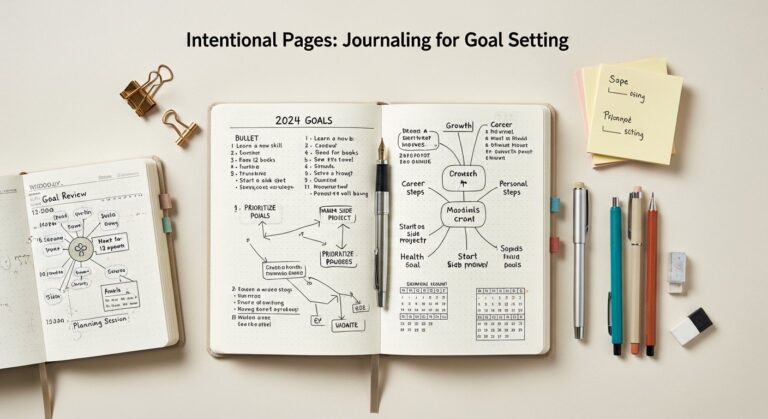
[INLINE IMAGE 2: place after fourth H2 | alt=”slow living vs minimalism comparison illustration”]
Finding Your Personal Sweet Spot: Navigating Your Journey

The beauty of intentional living philosophies is that they are not one-size-fits-all prescriptions. There’s no single “right” way to be a slow liver or a minimalist. Your journey is deeply personal, shaped by your unique values, circumstances, and aspirations. The key is to approach these concepts with curiosity and an experimental spirit, rather than rigid rules, allowing yourself to discover what truly resonates and brings you greater fulfillment.
Assessing Your Priorities: What Drives Your Desire for Change?
Before diving headfirst into decluttering your entire home or drastically altering your schedule, take time for self-reflection. What aspects of your current life feel out of alignment? What problems are you hoping to solve? Your answers will guide you towards the philosophy, or blend of philosophies, that will serve you best.
- Are you constantly feeling rushed, overwhelmed by your schedule, or disconnected from loved ones? If so, the emphasis on pacing, presence, and relationships in slow living might be your primary draw.
- Are you burdened by too many possessions, feeling financially stressed by consumerism, or constantly distracted by digital noise? Then the clarity, freedom, and essentialism of minimalism might offer the most immediate relief.
- Do you desire a deeper connection with your environment, more meaningful experiences, and a lifestyle that supports sustainability? Both offer pathways, but slow living might emphasize the experiential aspect more.
- Do you crave mental peace, reduced decision fatigue, and the ability to focus your energy on a few core passions? Minimalism’s systematic approach to stripping away the superfluous could be highly effective.
Don’t be afraid to list your top 3-5 pain points and aspirations. This clarity will act as your compass as you explore and implement new practices.
Starting Small: Incremental Steps for Lasting Impact
Overhauling your entire life overnight is rarely sustainable. Both slow living and minimalism are journeys, not destinations. The most effective way to integrate these philosophies is through small, consistent, incremental steps. This allows you to build momentum, observe what works, and make adjustments along the way without feeling overwhelmed.
- For Slow Living:
- Start with one “slow” meal a week where you cook from scratch, eat without distractions, and truly savour the experience.
- Designate 15-30 minutes each day for an “unplugged” activity – reading, journaling, a mindful walk, or simply sitting in silence.
- Choose one recurring activity (e.g., your morning coffee, doing dishes) and practice doing it with complete presence for a week.
- Say “no” to one non-essential social invitation or commitment to reclaim some white space in your schedule.
- For Minimalism:
- Begin by decluttering one small, high-traffic area, like your junk drawer, bathroom cabinet, or nightstand.
- Implement the “one-in, one-out” rule for a specific category (e.g., clothes, books) for a month.
- Take a digital detox for a day or even a few hours – turn off notifications, delete unused apps.
- Practice intentional purchasing: for one month, make a conscious list of everything you intend to buy, and stick to it.
These small victories build confidence and demonstrate the tangible benefits of these shifts, making it easier to commit to larger changes over time.
The Role of Self-Compassion and Flexibility
The journey towards an intentional life is rarely linear. There will be days when you feel overwhelmed, revert to old habits, or question your choices. This is completely normal. It’s crucial to approach yourself with self-compassion, rather than self-criticism.
- Avoid Perfectionism: Neither slow living nor minimalism is about achieving a perfect state. They are about continuous practice and mindful choices. Don’t let the “ideal” become the enemy of the “good.”
- Embrace Imperfection: Your home doesn’t need to look like a magazine spread, and your schedule won’t always be perfectly unhurried. Life happens. The goal is progress, not perfection.
- Be Flexible: What works for you today might need adjusting tomorrow. Life circumstances change, and your philosophies should evolve with you. Be open to adapting your practices to suit your current needs.
- Listen to Yourself: Pay attention to how different practices make you feel. If something feels genuinely draining or restrictive, it might not be the right approach for you. Adjust and pivot.
Remember, the ultimate goal is to create a life that feels authentic, fulfilling, and aligned with who you are. These philosophies are tools to help you get there, not rigid masters to serve.
Practical Strategies for Integrating Principles
Once you’ve reflected on your priorities and committed to taking incremental steps, the next phase is about actively integrating these principles into your daily life. This section offers concrete strategies that draw from both slow living and minimalism, demonstrating how they can reinforce each other to create a deeply intentional and enriching lifestyle.
Mindful Consumption: A Bridge Between Both Lifestyles
Mindful consumption is perhaps the strongest common thread between slow living and minimalism. It’s about being acutely aware of what you bring into your life, why you bring it in, and the impact it has. This goes beyond just buying less; it’s about buying better and valuing what you have.
- Ask Before You Buy: Before any purchase, pause and ask:
- “Do I truly need this, or is it an impulse?”
- “Will this item add significant value or joy to my life, or solve a genuine problem?”
- “Do I already own something similar that could serve the same purpose?”
- “Where did this item come from? What is its quality and durability?”
- Invest in Quality: Both philosophies advocate for choosing high-quality, durable items over cheap, disposable ones. This means fewer replacements, less waste, and often, more appreciation for the item itself.
- Support Local and Ethical: Whenever possible, choose to buy from local businesses, artisans, and brands that align with your ethical values. This supports communities, reduces environmental impact, and often results in unique, well-made products.
- Borrow, Don’t Buy: For items you’ll use infrequently (e.g., power tools, special occasion outfits), consider borrowing from friends, family, or community libraries instead of purchasing.
- Appreciate What You Have: Regularly take inventory of your possessions and practice gratitude for them. Caring for what you own extends its lifespan and reduces the urge to acquire more.
Digital Detox: Reclaiming Your Attention
Our digital lives are often the biggest culprits of distraction and mental clutter. A digital detox, inspired by both the minimalist desire for clarity and the slow living emphasis on presence, can be incredibly liberating.
- Curate Your Digital Environment:
- Unfollow & Unsubscribe: Mute or unfollow social media accounts that don’t uplift or inspire you. Unsubscribe from email newsletters you no longer read.
- Delete Apps: Remove apps from your phone that are time-wasters or don’t serve a clear purpose.
- Organize Files: Declutter your digital documents, photos, and desktop. A clear digital space mirrors a clear mind.
- Set Boundaries:
- Scheduled Checks: Designate specific times of day to check emails and social media, rather than being constantly tethered.
- No-Phone Zones/Times: Implement “no phone” rules during meals, in the bedroom, or for the first and last hour of your day.
- Turn Off Notifications: Drastically reduce interruptions by turning off non-essential notifications on your devices.
- Engage with Intent: When you do go online, do so with a clear purpose. Focus on meaningful connections or specific information gathering, rather than endless scrolling.
Cultivating Intentional Relationships and Community
Slow living places a high value on deep, authentic connections, while minimalism frees up the time and energy to nurture them by reducing
Slow Living vs. Minimalism: Unpacking Two Paths to a More Intentional Life
By thecontextuallife Editorial Team — Senior editors with 10+ years of subject-matter experience.
Published 2026-05-26 · Last Updated 2026-05-26
Affiliate disclosure: This article may contain affiliate links. Recommendations are independent and editorially driven.
In a world that constantly bombards us with demands for more, faster, and bigger, the desire for a life rooted in intention and purpose has never been stronger. Many women, feeling the weight of societal expectations, relentless schedules, and the sheer volume of possessions, are seeking a different path. This yearning often leads them to explore philosophies like slow living and minimalism – two powerful movements that promise a richer, more meaningful existence. But while they share common ground, their core tenets and practical applications diverge in fascinating ways. Understanding these distinctions is crucial for anyone looking to intentionally craft a life that truly resonates with their deepest values.
Introduction: Defining the Pursuit of Purposeful Living
The modern landscape is one of endless options, instant gratification, and constant connectivity. While these advancements offer undeniable conveniences, they often come at the cost of our peace of mind, our ability to connect authentically, and our sense of personal fulfillment. It’s no wonder that a counter-cultural wave has emerged, advocating for a more deliberate approach to life. Both slow living and minimalism represent a conscious rejection of the unchecked consumerism and relentless pace that define much of contemporary society, offering frameworks for reclaiming our time, energy, and attention.
The Allure of Intentionality in a Hectic World
For many women, the journey towards intentional living begins with a feeling of overwhelm. The juggle of career, family, personal aspirations, and social obligations can leave little room for self-care or genuine connection. We find ourselves living on autopilot, reacting to external stimuli rather than proactively shaping our days. Intentionality, in this context, is the act of choosing. It’s about consciously deciding what to invite into our lives and what to release, ensuring that our actions align with our deepest values and long-term goals. Both slow living and minimalism offer robust toolkits for cultivating this kind of purposeful existence, empowering us to move from a reactive state to a proactive one.
What is Slow Living? A Philosophy of Presence and Pacing
At its heart, slow living is an ethos that encourages a more deliberate and mindful approach to all aspects of life. It’s not about doing everything at a snail’s pace, but rather about choosing quality over quantity, presence over distraction, and depth over superficiality. Originating from the Slow Food movement in Italy, which resisted fast food culture, slow living has expanded to encompass everything from slow travel and slow fashion to slow parenting and slow work. It advocates for savouring moments, engaging deeply with experiences, nurturing relationships, and appreciating the small joys of everyday existence. It’s a philosophy that champions sustainability, craftsmanship, and a return to practices that foster connection – with ourselves, with others, and with the natural world.
- Key Themes: Mindfulness, presence, quality, connection, community, sustainability, appreciation of process.
- Core Question: How can I live more fully and deeply, aligning my pace with my natural rhythms?
What is Minimalism? A Practice of Essentialism and Clarity
Minimalism, conversely, is primarily focused on identifying and living with only what is truly essential, removing everything else that doesn’t add value to one’s life. While it often begins with physical decluttering – paring down possessions to create a more functional and aesthetically pleasing environment – it quickly extends to other areas: commitments, digital distractions, relationships, and even thoughts. The goal is to free oneself from the burden of excess, thereby creating space for what truly matters. By stripping away the superfluous, minimalists aim to gain clarity, reduce stress, save resources, and focus their energy on experiences, personal growth, and purposeful contributions. It’s a powerful antidote to consumer culture, offering a path to liberation from the endless pursuit of “more.”
- Key Themes: Intentionality, decluttering, essentialism, freedom, clarity, focus, resourcefulness, anti-consumerism.
- Core Question: What is truly essential for me to live a rich, meaningful life, and what can I let go of?
Core Philosophies: Beyond the Buzzwords
To truly understand slow living and minimalism, we must delve beyond their superficial definitions and grasp the underlying mindsets that drive them. While both offer practical strategies for a more intentional life, their foundational beliefs inform different approaches and emphasize distinct aspects of human experience.
The Heart of Slow Living: Connection, Quality, and Mindfulness
Slow living is less about what you *remove* and more about what you *cultivate*. Its philosophy is deeply rooted in the idea of reconnecting with ourselves, our communities, and the natural world. It challenges the prevailing notion that productivity equals worth, instead advocating for a recalibration of values where presence and meaning take precedence. It encourages us to engage with life with all our senses, to appreciate the craftsmanship behind the items we own, the flavour in the food we eat, and the depth in the conversations we have. This means:
- Prioritizing Experiences over Acquisitions: Investing in travel, learning, and time with loved ones rather than accumulating material goods.
- Mindful Consumption: Choosing ethically sourced, high-quality items that last, rather than disposable, trend-driven purchases.
- Nurturing Relationships: Dedicating undistracted time to foster deep connections with family and friends.
- Embracing Natural Rhythms: Aligning personal and work schedules with the body’s natural needs for rest and activity, rather than fighting against them.
The slow living philosophy acknowledges that life is finite and precious, and encourages us to savour each moment rather than rushing through it to get to the next. It’s about being present in the “now” and finding joy in the ordinary.
The Essence of Minimalism: Freedom from Excess, Focus on Value
Minimalism, in contrast, is fundamentally about making space – physically, mentally, and emotionally – by systematically reducing clutter and distractions. Its philosophy is built on the premise that owning less leads to greater freedom and clarity. The act of decluttering is not an end in itself, but a means to an end: to reveal what truly matters and to eliminate anything that detracts from that focus. This often involves a rigorous process of questioning:
- “Does this add value to my life?” Every possession, commitment, or activity is scrutinized through this lens.
- “Does this serve my purpose?” If not, it’s a candidate for removal.
- “What kind of life do I want to create?” And what possessions or activities align with that vision?
The essence of minimalism is not deprivation, but liberation. It seeks to free us from the financial burdens of overconsumption, the mental fatigue of constant decision-making, and the emotional attachment to things that don’t truly serve us. By owning less, minimalists aim to have more time, energy, and resources for what they deem essential: experiences, personal development, creativity, and contribution.
Shared Roots: A Desire for More Meaning, Less Distraction
Despite their distinct approaches, slow living and minimalism share a crucial common ground: a profound desire to live more intentionally. Both movements are a direct response to the perceived emptiness and exhaustion of modern life, characterized by consumerism, busyness, and digital overload. They both champion a shift in values away from external validation (e.g., status symbols, keeping up with trends) towards internal fulfillment (e.g., peace, purpose, genuine connection). Ultimately, both philosophies seek to empower individuals to reclaim agency over their lives, allowing them to define success and happiness on their own terms, rather than succumbing to societal pressures. They are pathways to asking deeper questions about what truly matters and then actively shaping one’s life to reflect those answers.
Everyday Manifestations: How They Shape Your Life
Philosophies, however profound, are only truly impactful when they translate into tangible daily practices. Both slow living and minimalism offer distinct, yet sometimes overlapping, ways to reorganize and re-prioritize your everyday existence. Understanding these manifestations helps clarify how each philosophy might practically influence your choices and routines.
Slow Living in Action: Mindful Consumption, Unhurried Experiences, Deep Relationships
Embracing slow living means actively choosing a pace that allows for deeper engagement and appreciation. It’s about transforming the mundane into the meaningful by infusing everyday activities with presence and intention. Here’s how it typically unfolds:
- Food & Eating: Rather than quick meals or processed foods, slow living encourages cooking from scratch, sourcing local ingredients, savouring each bite, and sharing meals with loved ones. It’s about the ritual, not just the sustenance.
- Work & Productivity: While not advocating for less work, it promotes working smarter, not harder. This means focusing on one task at a time, taking intentional breaks, avoiding burnout, and defining success by impact and fulfillment rather than sheer hours logged.
- Fashion & Home: A slow fashion approach emphasizes quality, durability, ethical sourcing, and timeless style over fleeting trends. Homes are designed to be sanctuaries, filled with items that tell a story, evoke comfort, and reflect personal values, rather than just filling space.
- Relationships & Community: Prioritizing face-to-face interactions, listening actively, engaging in meaningful conversations, and investing time in building strong community ties. It’s about depth over breadth in your social circle.
- Leisure & Travel: Opting for immersive travel experiences over hurried sightseeing. Choosing hobbies that require presence and patience, like gardening, reading, or creative arts. Embracing periods of rest and stillness without guilt.
Slow living is less about rigid rules and more about cultivating an inner awareness that guides your choices towards greater connection and joy. It’s an invitation to pause, observe, and truly live.
[INLINE IMAGE 1: place after second H2 | alt=”slow living vs minimalism concept illustration”]
Minimalism in Practice: Decluttering, Intentional Spending, Purposeful Possessions
Minimalism, while deeply intentional, often begins with a very tangible act: removing excess. This initial physical decluttering serves as a powerful catalyst for a deeper shift in mindset, impacting how we acquire, use, and value resources. Here are its common manifestations:
- Possessions & Home: The most visible aspect. This involves going through every item you own and asking if it truly serves a purpose or brings joy. The goal is to create a functional, aesthetically clear, and easy-to-maintain living space. Storage solutions are minimized, and items are often multi-functional.
- Spending Habits: A critical shift from impulse buying to highly intentional purchasing. Before buying, a minimalist asks: “Do I truly need this? Does it align with my values? Will it add significant value to my life?” This often leads to significant savings and financial freedom.
- Time & Commitments: Extending the decluttering principle to one’s schedule. Saying “no” to non-essential commitments, reducing digital distractions, and creating more white space in the calendar for activities that truly matter, like personal development or creative pursuits.
- Digital Minimalism: Curating social media feeds, unsubscribing from unnecessary emails, deleting unused apps, and reducing screen time to protect mental clarity and focus.
- Wardrobe: Embracing a capsule wardrobe, where a limited number of versatile, high-quality garments can be mixed and matched to create numerous outfits. This reduces decision fatigue and promotes a more sustainable approach to fashion.
Minimalism isn’t about living in an empty white box; it’s about making deliberate choices to surround yourself only with what supports your best life, creating clarity and freedom from the noise of stuff.
From Wardrobe to Workspace: Practical Examples
Let’s consider how these philosophies might look in specific areas:
- Your Wardrobe:
- Slow Living: You might have a smaller wardrobe of ethically sourced, well-made garments. You enjoy the process of mending clothes, perhaps even learning to sew. You appreciate the story behind your pieces and wear them for many years, focusing on comfort and personal expression over trends.
- Minimalism: You have a carefully curated capsule wardrobe, perhaps 30-50 versatile items. Each piece serves a specific purpose, is easy to mix and match, and reflects a clean aesthetic. You spend minimal time deciding what to wear and rarely shop, investing in high-quality basics.
- Your Workspace:
- Slow Living: Your desk might have a few meaningful items – a plant, a cherished photograph, a beautifully crafted pen. You take mindful breaks, perhaps step outside for a few minutes. You focus on deep work for focused periods, valuing the process and quality of your output.
- Minimalism: Your desk is clear, with only the essentials: laptop, monitor, perhaps a single notepad. Digital files are meticulously organized. The lack of visual clutter helps you maintain focus and reduce distractions, allowing for efficient, streamlined work.
- Your Evening Routine:
- Slow Living: An evening might involve a leisurely home-cooked meal, reading a physical book, enjoying a cup of herbal tea, or having an unplugged conversation with a partner. The focus is on unwinding, connecting, and preparing for restful sleep.
- Minimalism: The routine is streamlined to maximize rest and readiness for the next day. This could mean a simple, healthy meal, a quick tidy-up, and engaging in activities that require minimal effort or mental stimulation, aiming for efficiency and peace.
These examples highlight how both philosophies, while distinct, can lead to a more peaceful and purposeful daily existence, albeit through different lenses.
Discover more about cultivating a mindful morning routine.
The Spectrum of Benefits and Challenges
Adopting any significant lifestyle shift comes with its unique set of advantages and potential hurdles. Both slow living and minimalism offer profound rewards for those willing to embrace their principles, but they also present certain challenges in a world that often operates counter to their ideals. Understanding this spectrum allows for a more realistic and sustainable approach to integration.
Advantages of Embracing Slow Living: Reduced Stress, Enhanced Well-being, Richer Experiences
The benefits of deliberately slowing down can be transformative, impacting mental, emotional, and even physical health:
- Reduced Stress and Burnout: By rejecting the constant pressure to rush, slow living allows the nervous system to settle, mitigating the chronic stress that leads to burnout and anxiety. It encourages intentional pauses and rest.
- Enhanced Mental Clarity and Creativity: When the mind isn’t constantly racing, there’s more space for deep thought, reflection, and creative insights. This can lead to innovative problem-solving and a stronger sense of purpose.
- Deeper Connections and Relationships: Dedicating undivided attention to loved ones fosters stronger, more meaningful bonds. The quality of interactions improves dramatically when distractions are minimized.
- Greater Appreciation for the Present Moment: Slow living trains us to savor the small joys – a delicious meal, a beautiful sunset, a quiet conversation. This cultivation of gratitude significantly enhances overall happiness and contentment.
- Improved Physical Health: Practices like mindful eating, sufficient sleep, and engaging in less hurried physical activities (like walking or gardening) contribute to better overall health and vitality.
- Increased Sustainability: By emphasizing local, handmade, and durable goods, and by reducing the need for constant novelty, slow living naturally encourages environmentally friendly practices.
- Authenticity and Self-Awareness: The slower pace provides time for introspection, helping us better understand our true desires, values, and needs, leading to a more authentic way of living.
Potential Hurdles in Slow Living: Societal Pressures, The Myth of “Doing Nothing”
While appealing, fully embracing slow living isn’t always straightforward:
- Societal Resistance and Misunderstanding: In a culture that glorifies busyness and productivity, slowing down can be seen as laziness or a lack of ambition. This can lead to external pressure from employers, friends, or family.
- The Myth of “Doing Nothing”: It’s often mistakenly equated with idleness. The challenge is to articulate that slow living is about *intentional* action and quality engagement, not inaction.
- Financial Implications: Sometimes, quality goods (e.g., ethically sourced food, artisan crafts) can be more expensive upfront, though they often save money in the long run due to durability.
- Patience and Practice: Shifting ingrained habits of rushing and multitasking requires significant patience and consistent effort. It’s an ongoing practice, not a one-time fix.
- Accessibility: For those in demanding jobs or with extensive caregiving responsibilities, finding the space and time to truly slow down can be a significant logistical challenge.
Advantages of Adopting Minimalism: Financial Freedom, Mental Clarity, Reduced Environmental Impact
The practice of minimalism yields powerful, tangible benefits that extend far beyond a tidy home:
- Financial Freedom: Less spending on non-essentials translates into more savings, reduced debt, and the ability to invest in experiences or future goals. This significantly lowers financial stress.
- Mental Clarity and Reduced Decision Fatigue: With fewer possessions and commitments, there are fewer choices to make, freeing up mental energy for more important tasks and creative pursuits.
- Increased Focus and Productivity: A clutter-free environment and a streamlined schedule reduce distractions, allowing for greater concentration on tasks that truly matter.
- Less Stress and Anxiety: The burden of managing, organizing, and cleaning numerous possessions is lifted, leading to a calmer, more peaceful state of mind.
- More Time and Energy: Less time spent shopping, cleaning, organizing, and maintaining possessions means more time for personal growth, hobbies, relationships, or rest.
- Environmental Benefits: Buying less and using what you have contributes to a smaller carbon footprint, reduced waste, and a more sustainable lifestyle.
- Increased Gratitude: When you own fewer things, you tend to appreciate what you do have more deeply and make conscious choices about what you invite into your life.
Explore strategies for cultivating a gratitude practice in your daily life.
Common Criticisms of Minimalism: Austerity, Lack of Personal Expression
Minimalism, despite its widespread appeal, also faces common critiques:
- Perception of Austerity or Deprivation: Critics sometimes view minimalism as a harsh, joyless stripping away of possessions, leading to a sterile or uninviting living space. The idea that “less is more” can be misconstrued as “less is nothing.”
- Lack of Personal Expression: Some argue that extreme minimalism can stifle creativity and personal expression, leading to uniform, uninspired environments. The fear is that individuality is lost in the pursuit of simplicity.
- Unrealistic for Families or Hobbies: For those with children, specific hobbies (e.g., art supplies, musical instruments), or professional needs, maintaining a truly minimal inventory of possessions can seem impractical or impossible.
- Elitism: There’s a critique that minimalism, particularly its aestheticized forms, can be perceived as an elite pursuit, accessible mainly to those who already have the financial means to be selective or to replace items with “better” ones.
- The “Buy Better, Not More” Trap: While often a good principle, some argue it can lead to justifying expensive purchases that might still be unnecessary, or simply replacing old clutter with new, “curated” clutter.
Navigating these criticisms often involves clarifying that true minimalism is about intentionality and value, not arbitrary numbers or strict aesthetic rules.
Overlap, Differences, and Complementarity
While slow living and minimalism are often discussed together, it’s crucial to understand their unique focal points. They are not interchangeable terms, but rather distinct philosophies that can, and often do, intersect and complement each other beautifully. Think of them as two different lenses through which to view and shape an intentional life.
Where the Paths Converge: A Shared Rejection of Consumerism
The most significant point of convergence lies in their shared critique of modern consumer culture. Both movements encourage a deliberate move away from mindless acquisition, fast trends, and the constant pursuit of more. They both advocate for:
- Intentional Consumption: Both philosophies encourage us to think before we buy, choosing items for their quality, utility, and ability to bring genuine value or joy, rather than succumbing to impulse purchases or societal pressure.
- Focus on Value over Volume: Whether it’s possessions, experiences, or commitments, both prioritize quality and depth over sheer quantity.
- Reduced Waste: By consuming less and choosing durable items, both contribute to a more sustainable lifestyle and a smaller environmental footprint.
- Mindfulness: While slow living explicitly prioritizes presence, minimalism’s process of decluttering requires a deep level of mindfulness – consciously assessing what truly serves you.
- Reclaiming Time and Energy: Both ultimately aim to free up personal resources (time, money, mental energy) that would otherwise be spent on managing or acquiring unnecessary things or experiences.
In essence, both are tools for living a life aligned with one’s values, rather than one dictated by external forces. They are about creating space – whether it’s space in your home or space in your schedule – for what truly matters.
Key Distinctions: Focus on Time vs. Focus on Things
Despite their common ground, their primary emphasis sets them apart:
- Slow Living: The Primacy of Time and Experience
- Core Focus: How you *spend your time* and *experience life*. It’s about pacing, presence, and intentional engagement with moments.
- Outcome Sought: Deeper connection, fulfillment, peace, and a rich, meaningful life characterized by quality experiences.
- Methodology: Cultivating mindfulness, embracing natural rhythms, prioritizing relationships, savouring moments, choosing depth over speed.
- Relationship to Possessions: Values quality, craftsmanship, and longevity. You might own many things if they serve a purpose, are beautiful, and enhance your lived experience, but you will use them mindfully and care for them.
- Minimalism: The Primacy of Things and Space
- Core Focus: What you *own* and the *physical/mental space* it occupies. It’s about efficiency, clarity, and essentialism.
- Outcome Sought: Freedom from clutter, mental clarity, financial liberation, and focus on what is truly essential.
- Methodology: Systematically decluttering, intentional purchasing, reducing digital noise, simplifying commitments.
- Relationship to Possessions: Values utility, purpose, and impact. You aim to own only what is necessary, useful, or deeply meaningful, and you are prepared to part with anything that doesn’t meet those criteria.
Can They Coexist? Blending the Best of Both Worlds
Absolutely. In fact, many people find that the two philosophies naturally complement and enhance each other. Minimalism can provide the foundational framework – by decluttering your physical space and your schedule, you create the literal and figurative “white space” that slow living thrives on. Once you’ve removed the non-essentials, you have more time, energy, and mental bandwidth to engage deeply with the remaining essential aspects of your life. The clarity gained from minimalism can pave the way for the presence and richness sought by slow living.
Consider a woman who declutters her home (minimalism) and then uses the newfound time and peace to cultivate a mindful gardening practice (slow living). Or one who minimizes her digital distractions to be more present during family meals (a blend of both). It’s not about choosing one or the other, but rather understanding how their principles can be interwoven to create a holistic, intentional lifestyle tailored to your unique needs and desires.
Here’s a comparison table to help visualize the distinctions and overlaps:
| Feature | Slow Living | Minimalism | Shared Aspect / Overlap |
|---|---|---|---|
| Primary Focus | Pacing, presence, depth of experience, mindful engagement. | Eliminating excess, intentionality of possessions, clarity, essentialism. | Intentionality, purposeful living, rejection of consumerism. |
| Core Question | “How can I live more fully and deeply?” | “What is truly essential for me?” | “How can I align my life with my values?” |
| Relationship to Time | Slowing down, savoring, enjoying the process, creating space for rest. | Freeing up time by reducing maintenance, decisions, and distractions. | Reclaiming time from busyness and distraction. |
| Relationship to Possessions | Quality over quantity, valuing craftsmanship, caring for what you own, sustainability. | Only owning what is essential, useful, or deeply meaningful; decluttering. | Mindful consumption, focus on value, anti-waste. |
| Aesthetic Tendency | Cozy, inviting, natural textures, rich with stories and meaning, unique. | Clean, uncluttered, functional, simple lines, intentional spaces. | Harmony, order, beauty derived from thoughtful choices. |
| Main Benefit | Reduced stress, deeper connections, enhanced well-being, joy in the present. | Mental clarity, financial freedom, less stress from managing things, increased focus. | More authentic, peaceful, and purposeful life. |
[INLINE IMAGE 2: place after fourth H2 | alt=”slow living vs minimalism comparison illustration”]
Finding Your Personal Sweet Spot: Navigating Your Journey
The beauty of intentional living philosophies is that they are not one-size-fits-all prescriptions. There’s no single “right” way to be a slow liver or a minimalist. Your journey is deeply personal, shaped by your unique values, circumstances, and aspirations. The key is to approach these concepts with curiosity and an experimental spirit, rather than rigid rules, allowing yourself to discover what truly resonates and brings you greater fulfillment.
Assessing Your Priorities: What Drives Your Desire for Change?
Before diving headfirst into decluttering your entire home or drastically altering your schedule, take time for self-reflection. What aspects of your current life feel out of alignment? What problems are you hoping to solve? Your answers will guide you towards the philosophy, or blend of philosophies, that will serve you best.
- Are you constantly feeling rushed, overwhelmed by your schedule, or disconnected from loved ones? If so, the emphasis on pacing, presence, and relationships in slow living might be your primary draw.
- Are you burdened by too many possessions, feeling financially stressed by consumerism, or constantly distracted by digital noise? Then the clarity, freedom, and essentialism of minimalism might offer the most immediate relief.
- Do you desire a deeper connection with your environment, more meaningful experiences, and a lifestyle that supports sustainability? Both offer pathways, but slow living might emphasize the experiential aspect more.
- Do you crave mental peace, reduced decision fatigue, and the ability to focus your energy on a few core passions? Minimalism’s systematic approach to stripping away the superfluous could be highly effective.
Don’t be afraid to list your top 3-5 pain points and aspirations. This clarity will act as your compass as you explore and implement new practices.
Starting Small: Incremental Steps for Lasting Impact
Overhauling your entire life overnight is rarely sustainable. Both slow living and minimalism are journeys, not destinations. The most effective way to integrate these philosophies is through small, consistent, incremental steps. This allows you to build momentum, observe what works, and make adjustments along the way without feeling overwhelmed.
- For Slow Living:
- Start with one “slow” meal a week where you cook from scratch, eat without distractions, and truly savour the experience.
- Designate 15-30 minutes each day for an “unplugged” activity – reading, journaling, a mindful walk, or simply sitting in silence.
- Choose one recurring activity (e.g., your morning coffee, doing dishes) and practice doing it with complete presence for a week.
- Say “no” to one non-essential social invitation or commitment to reclaim some white space in your schedule.
- For Minimalism:
- Begin by decluttering one small, high-traffic area, like your junk drawer, bathroom cabinet, or nightstand.
- Implement the “one-in, one-out” rule for a specific category (e.g., clothes, books) for a month.
- Take a digital detox for a day or even a few hours – turn off notifications, delete unused apps.
- Practice intentional purchasing: for one month, make a conscious list of everything you intend to buy, and stick to it.
These small victories build confidence and demonstrate the tangible benefits of these shifts, making it easier to commit to larger changes over time.
The Role of Self-Compassion and Flexibility
The journey towards an intentional life is rarely linear. There will be days when you feel overwhelmed, revert to old habits, or question your choices. This is completely normal. It’s crucial to approach yourself with self-compassion, rather than self-criticism.
- Avoid Perfectionism: Neither slow living nor minimalism is about achieving a perfect state. They are about continuous practice and mindful choices. Don’t let the “ideal” become the enemy of the “good.”
- Embrace Imperfection: Your home doesn’t need to look like a magazine spread, and your schedule won’t always be perfectly unhurried. Life happens. The goal is progress, not perfection.
- Be Flexible: What works for you today might need adjusting tomorrow. Life circumstances change, and your philosophies should evolve with you. Be open to adapting your practices to suit your current needs.
- Listen to Yourself: Pay attention to how different practices make you feel. If something feels genuinely draining or restrictive, it might not be the right approach for you. Adjust and pivot.
Remember, the ultimate goal is to create a life that feels authentic, fulfilling, and aligned with who you are. These philosophies are tools to help you get there, not rigid masters to serve.
Practical Strategies for Integrating Principles
Once you’ve reflected on your priorities and committed to taking incremental steps, the next phase is about actively integrating these principles into your daily life. This section offers concrete strategies that draw from both slow living and minimalism, demonstrating how they can reinforce each other to create a deeply intentional and enriching lifestyle.
Mindful Consumption: A Bridge Between Both Lifestyles
Mindful consumption is perhaps the strongest common thread between slow living and minimalism. It’s about being acutely aware of what you bring into your life, why you bring it in, and the impact it has. This goes beyond just buying less; it’s about buying better and valuing what you have.
- Ask Before You Buy: Before any purchase, pause and ask:
- “Do I truly need this, or is it an impulse?”
- “Will this item add significant value or joy to my life, or solve a genuine problem?”
- “Do I already own something similar that could serve the same purpose?”
- “Where did this item come from? What is its quality and durability?”
- Invest in Quality: Both philosophies advocate for choosing high-quality, durable items over cheap, disposable ones. This means fewer replacements, less waste, and often, more appreciation for the item itself.
- Support Local and Ethical: Whenever possible, choose to buy from local businesses, artisans, and brands that align with your ethical values. This supports communities, reduces environmental impact, and often results in unique, well-made products.
- Borrow, Don’t Buy: For items you’ll use infrequently (e.g., power tools, special occasion outfits), consider borrowing from friends, family, or community libraries instead of purchasing.
- Appreciate What You Have: Regularly take inventory of your possessions and practice gratitude for them. Caring for what you own extends its lifespan and reduces the urge to acquire more.
Digital Detox: Reclaiming Your Attention
Our digital lives are often the biggest culprits of distraction and mental clutter. A digital detox, inspired by both the minimalist desire for clarity and the slow living emphasis on presence, can be incredibly liberating.
- Curate Your Digital Environment:
- Unfollow & Unsubscribe: Mute or unfollow social media accounts that don’t uplift or inspire you. Unsubscribe from email newsletters you no longer read.
- Delete Apps: Remove apps from your phone that are time-wasters or don’t serve a clear purpose.
- Organize Files: Declutter your digital documents, photos, and desktop. A clear digital space mirrors a clear mind.
- Set Boundaries:
- Scheduled Checks: Designate specific times of day to check emails and social media, rather than being constantly tethered.
- No-Phone Zones/Times: Implement “no phone” rules during meals, in the bedroom, or for the first and last hour of your day.
- Turn Off Notifications: Drastically reduce interruptions by turning off non-essential notifications on your devices.
- Engage with Intent: When you do go online, do so with a clear purpose. Focus on meaningful connections or specific information gathering, rather than endless scrolling.
Cultivating Intentional Relationships and Community
Slow living places a high value on deep, authentic connections, while minimalism frees up the time and energy to nurture them by reducing