


Embrace the Slow Work Movement: A Woman’s Guide to Intentional Living and Thriving
Affiliate disclosure: This article may contain affiliate links. Recommendations are independent and editorially driven.
In a world that constantly demands more, faster, and louder, the concept of slowing down can feel almost revolutionary. For women navigating the complexities of careers, relationships, personal aspirations, and the silent societal pressure to “do it all,” the relentless pace can lead to exhaustion, disillusionment, and a profound sense of burnout. This is where the slow work movement emerges not just as an alternative, but as a vital philosophy for intentional living and personal growth.
The slow work movement isn’t about laziness or opting out; it’s about opting in—to a life and career that are deeply aligned with your values, well-being, and long-term fulfillment. It’s an invitation to step off the hamster wheel of endless productivity and reclaim your time, energy, and creative spirit. For the women of thecontextuallife, who are committed to cultivating a slow lifestyle and embracing mindset shifts, understanding and implementing the principles of slow work can be a powerful catalyst for a more meaningful existence.
This comprehensive guide delves into the heart of the slow work movement, exploring its origins, core tenets, practical applications, and the profound benefits it offers for mental health, creativity, and overall life satisfaction. We’ll uncover how to challenge the ingrained hustle culture, establish healthier boundaries, and craft a work life that serves your holistic well-being, rather than depleting it. If you’re ready to redefine success on your own terms and move towards a more sustainable, joyful, and purposeful way of working, join us as we explore the liberating path of slow work.
Understanding the Slow Work Movement: A Philosophy for Modern Women
At its core, the slow work movement is a conscious rebellion against the prevailing culture of hyper-productivity, constant connectivity, and the glorification of busy. It’s a philosophy that champions intentionality, presence, and sustainability in our professional lives, recognizing that true success and fulfillment stem from a deeper connection to our work and ourselves, rather than mere output metrics.
What Slow Work Is (and Isn’t)
Often misunderstood, the slow work movement is not about doing less work or being inefficient. It’s a strategic approach to working smarter, more effectively, and with greater purpose. It’s a mindful recalibration, distinguishing between frantic activity and meaningful progress. It doesn’t advocate for slacking off or rejecting ambition; instead, it reframes ambition to include personal well-being, sustainable energy, and a high quality of output.
For women, who frequently shoulder a disproportionate share of emotional labor, domestic responsibilities, and professional expectations, slow work offers a liberating framework. It empowers us to shed the societal pressure to endlessly strive, perfect, and accommodate, allowing us to cultivate a professional life that truly supports our physical, mental, and emotional health.
Roots in the Slow Living Movement
The slow work movement is an offshoot of the broader slow living movement, which originated in Italy with the concept of “slow food” as a protest against fast food and globalization. This philosophy expanded to encompass various aspects of life, advocating for a deliberate approach to everything from consumption and travel to parenting and personal relationships. Slow work applies these core tenets – quality over quantity, mindfulness, connection, and sustainability – directly to the professional sphere.
It’s a recognition that just as we can choose to eat mindfully, spend our leisure time intentionally, and connect deeply with loved ones, we can also choose to work in a way that respects our natural rhythms, creative cycles, and inherent human need for rest and reflection. For women, this integration of work with the broader slow living ethos offers a powerful pathway to a truly holistic and harmonious life.
The Roots of Burnout: Why the Fast-Paced Culture Fails Us
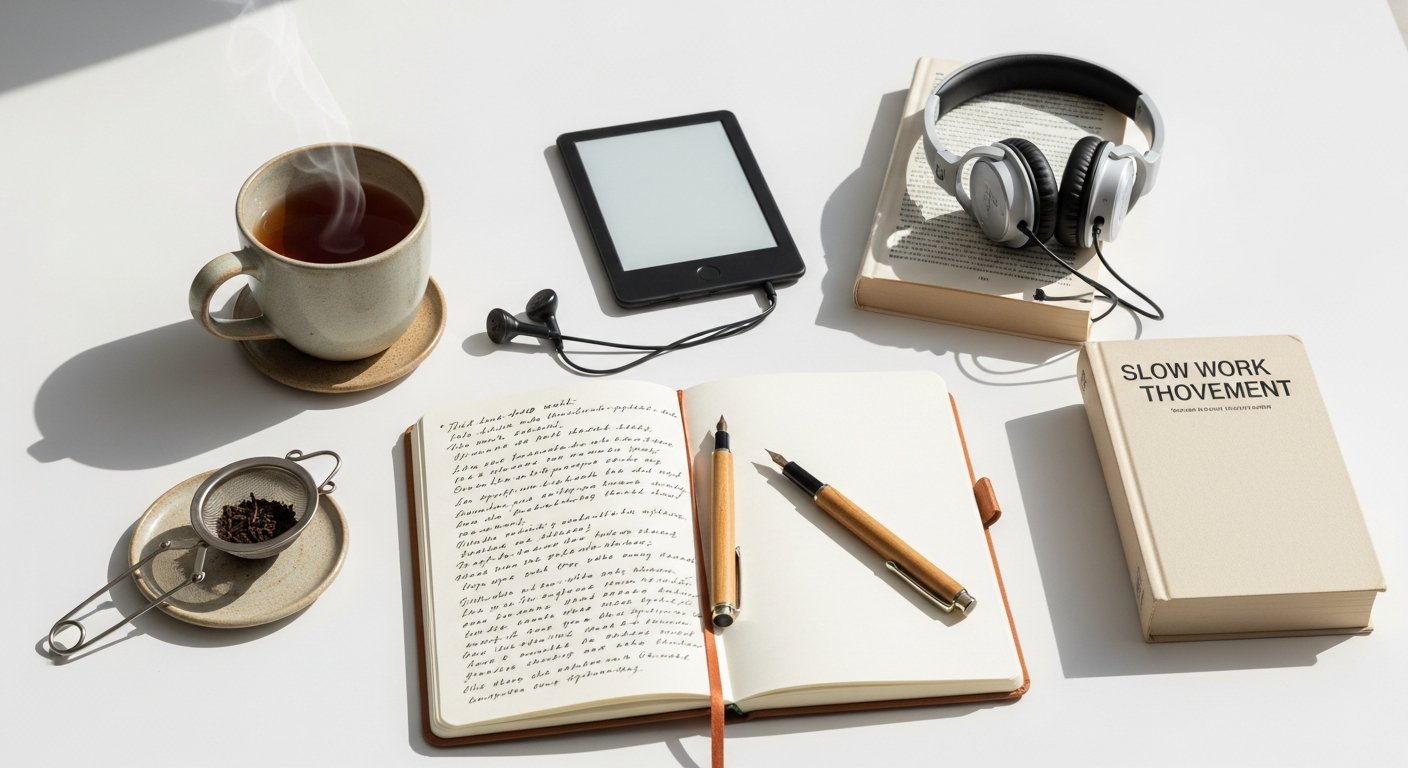
Before we can fully embrace the slow work movement, it’s crucial to understand the landscape we’re pushing back against: a culture of relentless speed and unsustainable demands that often leads to pervasive burnout, particularly among women. The constant pressure to be “always on,” highly productive, and eternally available has created a toxic environment that erodes our well-being and stifles our potential.
The Glorification of Busy
In many modern societies, busyness has become a badge of honor, a symbol of importance and success. We’re taught that our worth is directly tied to our productivity and the sheer volume of tasks we can juggle. This societal narrative permeates our professional lives, leading to overflowing inboxes, back-to-back meetings, and the expectation of instant responses. For women, this is often compounded by the “invisible workload” of emotional labor, caregiving, and home management, creating a relentless cycle of striving.
This glorification of busy leaves little room for rest, reflection, or creative incubation. It fosters a sense of inadequacy if we’re not constantly doing, perpetually moving. The fast-paced culture tells us that stopping is failing, that slowing down is falling behind. But what if this narrative is fundamentally flawed and actively detrimental to our long-term health and genuine achievement?
Impact on Mental, Physical, and Creative Health
The consequences of this unsustainable pace are profound and far-reaching. Burnout is no longer an isolated incident but a widespread epidemic, characterized by emotional exhaustion, cynicism, and a reduced sense of personal accomplishment. For women, this can manifest as:
- Mental Health Struggles: Increased anxiety, chronic stress, depression, difficulty concentrating, and impaired decision-making.
- Physical Health Deterioration: Sleep disturbances, fatigue, headaches, weakened immune systems, and other stress-related ailments.
- Stifled Creativity and Innovation: The constant pressure to produce leaves no mental space for original thought, problem-solving, or deep focus, which are essential for true innovation.
- Damaged Relationships: The inability to be fully present with loved ones due to preoccupation with work, leading to disconnection and strain.
- Loss of Purpose and Meaning: When work becomes a relentless grind, it’s easy to lose sight of why we started and what truly matters, leading to a sense of emptiness.
The fast-paced culture promises efficiency and achievement, but often delivers the opposite: fragmented attention, superficial output, and a workforce teetering on the brink of exhaustion. It fails us because it fundamentally ignores our human limits and the essential role of rest, reflection, and connection in a truly fulfilling and productive life.
[INLINE IMAGE 1:  ]
]
Core Principles of Slow Work: Intentionality, Presence, and Purpose
The slow work movement is built upon a foundation of powerful principles that stand in stark contrast to the prevailing fast-paced ethos. These are not merely suggestions but fundamental shifts in mindset and approach that enable a more sustainable, fulfilling, and ultimately more effective professional life. For women seeking to integrate intentional living into every facet of their existence, these principles offer a guiding light.
Intentionality Over Automation: Choosing Your Tasks Mindfully
In a world of endless notifications and to-do lists, it’s easy to fall into the trap of reacting rather than acting with purpose. Intentionality in slow work means taking a step back to consciously decide what tasks truly matter, what aligns with your goals, and what will yield the most meaningful results. It’s about being the architect of your day, not just a passive participant.
- Deep Work Prioritization: Focus on tasks that require deep concentration and creative problem-solving, allocating dedicated, uninterrupted blocks of time for them.
- Ruthless Prioritization: Differentiating between urgent and important. Learning to say “no” to tasks that don’t align with your core objectives or values.
- Strategic Planning: Taking time to plan your week or day, rather than jumping straight into reactive work. This allows for thoughtful allocation of energy and resources.
Presence Over Multitasking: Focusing on One Thing at a Time
Multitasking, once hailed as a superpower, is now widely recognized as a myth that diminishes focus, increases errors, and depletes cognitive resources. The slow work movement champions singular presence—the art of giving your full attention to one task at a time. This isn’t just about efficiency; it’s about quality, engagement, and reducing mental fatigue.
- Single-Tasking: Dedicating your complete focus to a single task until it’s completed or a natural break is reached.
- Minimizing Distractions: Turning off notifications, closing unnecessary tabs, and creating an environment conducive to concentration.
- Mindful Transitions: Taking a moment between tasks to clear your mind and prepare for the next, rather than rushing from one to another.
Purpose Over Production for Production’s Sake: Aligning Work with Values
Why are you doing what you’re doing? The slow work movement encourages a constant reflection on this fundamental question. It pushes back against the notion that productivity is an end in itself, instead emphasizing that work should be a vehicle for purpose, value creation, and personal meaning. For women, aligning work with personal values is often a powerful driver of satisfaction and resilience.
- Value Alignment: Regularly assessing how your work aligns with your personal values and long-term goals.
- Impact-Driven: Focusing on the quality and impact of your contributions rather than just the quantity of hours logged or tasks checked off.
- Meaningful Engagement: Seeking out or creating opportunities to connect with the deeper purpose of your work, whether it’s solving a problem, serving a community, or expressing creativity.
Sustainability Over Sprinting: Long-Term Energy Management
The hustle culture often promotes an unsustainable cycle of intense sprints followed by exhaustion. Slow work, conversely, is built on the principle of sustainability—managing your energy like a precious resource. It recognizes that consistent, steady effort over the long term yields better results than sporadic bursts that lead to burnout.
- Regular Breaks: Integrating short, frequent breaks into your workday to rest your mind and body.
- Respecting Rhythms: Tuning into your natural energy cycles and scheduling demanding tasks for your peak productive times, allowing for lighter work during lower energy periods.
- Adequate Rest: Prioritizing sleep, nutrition, and leisure activities outside of work to ensure holistic regeneration.
Quality Over Quantity: Delivering Excellent, Thoughtful Work
In the rush to produce more, quality often suffers. Slow work is an antidote to this, advocating for a focus on craftsmanship, attention to detail, and delivering work that truly stands out. When you allow yourself the time and mental space, the quality of your output naturally improves, leading to greater satisfaction and recognition.
- Refined Output: Taking the time to review, refine, and polish your work, ensuring it meets a high standard.
- Thoughtful Contribution: Prioritizing well-researched, deeply considered contributions over quick, superficial responses.
- Learning and Growth: Allowing space for continuous learning and skill development, which inherently improves the quality of your work over time.
Embracing these core principles allows women to redefine their relationship with work, moving away from a model of depletion towards one of enrichment and sustained effectiveness. It’s a profound shift that not only enhances professional outcomes but also significantly improves overall quality of life.
Reclaiming Your Time: Practical Strategies for Slowing Down at Work
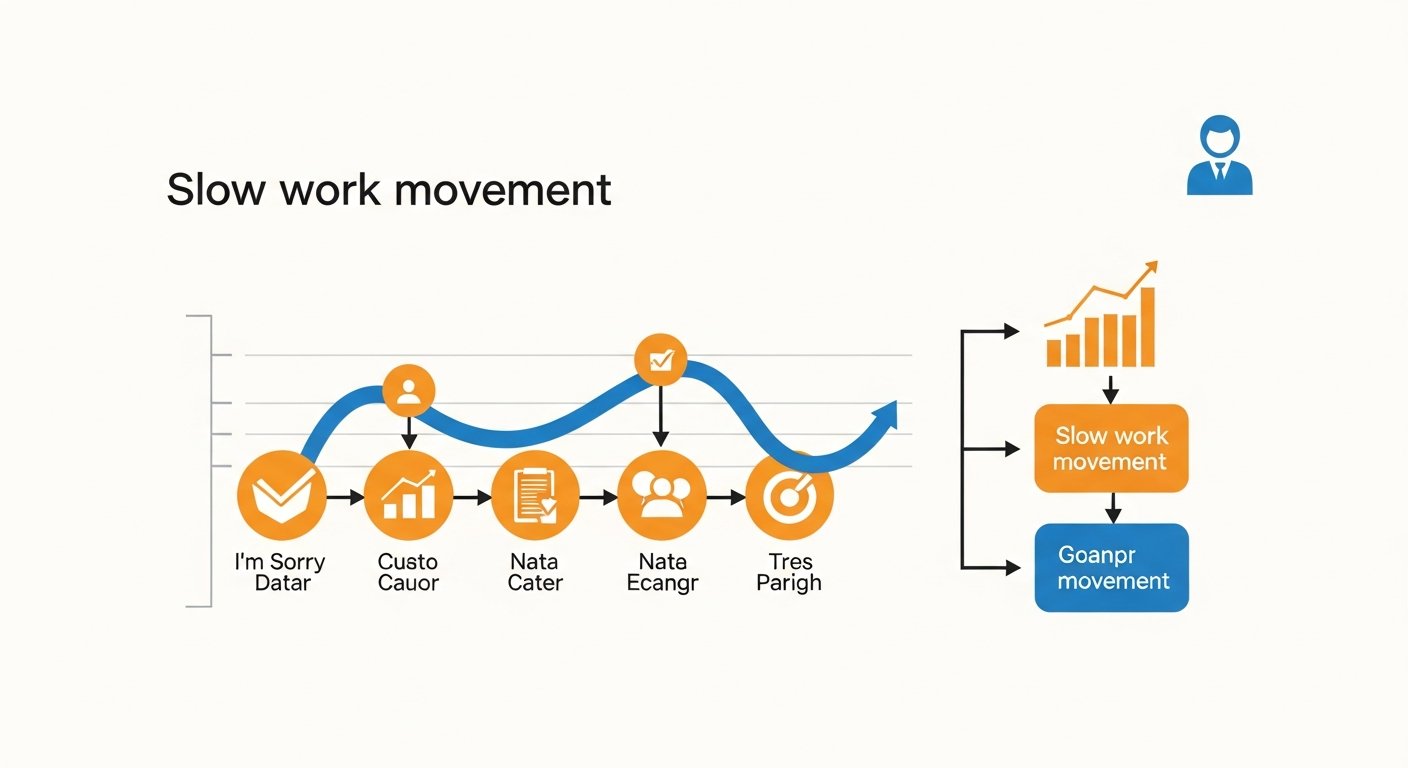
Understanding the principles of slow work is one thing; implementing them in a demanding professional environment is another. This section provides concrete, actionable strategies that women can adopt to reclaim their time, reduce overwhelm, and cultivate a more intentional and sustainable workday. These tactics require practice and consistency, but the rewards are significant.
Time Audits & Prioritization: Identifying Energy Drains and Important Tasks
You can’t manage what you don’t measure. A time audit is a powerful first step to understanding where your hours (and energy) truly go. For women, who often wear many hats, this can be particularly revealing.
- Track Your Time: For a week, meticulously record how you spend your time – every meeting, email, task, and break. Use a simple spreadsheet or a time-tracking app.
- Analyze & Identify: Review your audit. Where are your biggest time sinks? Are there tasks you spend too much time on that yield little value? What activities align with your core goals, and which are distractions?
- Eisenhower Matrix: Categorize tasks into four quadrants: Urgent/Important, Not Urgent/Important, Urgent/Not Important, Not Urgent/Not Important. Focus your energy on “Not Urgent/Important” tasks (planning, strategy, personal development) to prevent them from becoming urgent crises.
- One Big Thing (OBT): Each day, identify the single most important task that, if completed, would make the day feel successful. Prioritize that above all else, often tackling it first.
Setting Boundaries: Saying No, Protecting Focus Time
Boundaries are the bedrock of slow work and intentional living. Without them, your time and energy will constantly be siphoned away by external demands. This can be particularly challenging for women, who are often socialized to be helpful and accommodating.
- Define Your “No”: Understand your limits and what you are genuinely unable or unwilling to take on. Practice saying “no” politely but firmly, offering alternatives if appropriate, but without guilt.
- Schedule Focus Blocks: Dedicate specific, uninterrupted blocks of time (e.g., 90 minutes) for deep work. During these times, turn off notifications, close email, and communicate your unavailability to colleagues if necessary.
- Email and Messaging Protocols: Don’t feel obligated to respond immediately. Set specific times to check emails (e.g., 2-3 times a day) and communicate these expectations. Use auto-responders for longer absences.
- Meeting Discipline: Question every meeting. Does it have a clear agenda? Is your presence essential? Can it be an email instead? Schedule meetings purposefully, ensuring they start and end on time.
Mindful Scheduling: Batching Tasks, Incorporating Breaks
Mindful scheduling moves beyond simply filling a calendar; it’s about thoughtfully designing your day to maximize focus and minimize cognitive load.
- Task Batching: Group similar tasks together (e.g., all emails, all phone calls, all administrative work) and dedicate a specific time block to complete them. This reduces “context switching” costs.
- The Pomodoro Technique: Work in focused 25-minute intervals, followed by a 5-minute break. After four “Pomodoros,” take a longer 15-30 minute break. This technique trains your focus and builds in essential rest.
- Transition Rituals: Create small rituals to transition between different types of work or between work and non-work life. This could be a short walk, a few deep breaths, or tidying your desk.
- Schedule Downtime: Actively schedule breaks, lunch, and even “thinking time” into your calendar. Treat these non-negotiable slots with the same importance as a client meeting.
Delegation & Automation: Smart Use of Resources
You don’t have to do everything yourself. Learning to effectively delegate and leverage technology can free up significant time and mental energy, allowing you to focus on your highest-value contributions.
- Identify Delegable Tasks: Make a list of everything you do. Which tasks could someone else do? This might include administrative tasks, research, data entry, or even certain aspects of project management.
- Empower Others: When delegating, provide clear instructions, set expectations, and trust your team members to deliver. Resist the urge to micromanage.
- Leverage Technology: Automate repetitive tasks wherever possible using tools for scheduling, email management, social media posting, or data analysis. Explore templates and macros to streamline workflows.
- Outsourcing: For non-core business activities or personal tasks, consider outsourcing to virtual assistants, freelance specialists, or local services.
[INLINE IMAGE 2:  ]
]
The Benefits Beyond Productivity: Mental Health, Creativity, and Well-being
While the slow work movement undoubtedly improves the quality and efficiency of output, its most profound benefits extend far beyond traditional productivity metrics. Embracing slow work is a holistic commitment to personal well-being, fostering a richer, more vibrant internal landscape for women dedicated to intentional living.
Enhanced Mental Clarity & Reduced Stress: The Psychological Impact
The constant pressure of fast-paced work creates a perpetual state of alert, flooding our systems with stress hormones. Slow work actively counters this by creating space for calm and focused attention, leading to significant mental health improvements.
- Decreased Anxiety and Overwhelm: By consciously reducing the volume of tasks and prioritizing deep work, the mental load lightens. This translates to fewer feelings of anxiety and a greater sense of control over your day.
- Improved Decision-Making: When your mind isn’t constantly racing, you have the capacity for clearer thought and more deliberate, well-reasoned decisions, reducing decision fatigue.
- Greater Emotional Regulation: The space created by slow work allows for better self-awareness and the ability to process emotions rather than being overwhelmed by them. This leads to increased resilience in the face of challenges.
- Prevention of Burnout: By prioritizing sustainable rhythms, breaks, and rest, slow work acts as a powerful preventative measure against the debilitating effects of chronic work stress.
Boosted Creativity & Innovation: Space for Ideas to Bloom
Creativity is not something that can be rushed or forced. It thrives in environments of openness, reflection, and even boredom. The fast-paced culture, with its emphasis on constant production, starves the creative process. Slow work provides the fertile ground for new ideas to emerge.
- Incubation Time: Giving problems and ideas space to marinate in your subconscious allows for “aha!” moments and unexpected connections to form. This is often where true innovation lies.
- Reduced Cognitive Load: A less cluttered mind has more capacity for divergent thinking, pattern recognition, and imaginative exploration – all hallmarks of creativity.
- Playfulness and Exploration: Slow work encourages experimentation and the freedom to pursue curiosity without the immediate pressure of an outcome, which is crucial for creative breakthroughs.
- Deeper Focus: When you’re not constantly context-switching, you can delve deeper into a problem, exploring nuances and uncovering insights that superficial work would miss.
Deeper Engagement & Job Satisfaction: Finding Joy in Work Again
When work feels like a never-ending to-do list, it’s easy to lose connection to its purpose and joy. Slow work helps reconnect you to the meaning behind your efforts, fostering a more profound sense of engagement and satisfaction.
- Enhanced Sense of Accomplishment: By focusing on high-quality, impactful work, you experience genuine satisfaction from a job well done, rather than just checking off items.
- Increased Ownership and Autonomy: Taking control of your schedule and priorities empowers you, fostering a sense of ownership over your contributions and career path.
- Authentic Connection: When you’re less stressed and rushed, you can engage more authentically with colleagues, clients, and collaborators, enriching your professional relationships.
- Reignited Passion: By aligning work with your values and creating space for meaningful tasks, you can rediscover the passion and purpose that initially drew you to your field.
Improved Work-Life Integration: Harmonizing Different Life Areas
The concept of “work-life balance” often implies a constant tug-of-war. Slow work advocates for integration, recognizing that work is one component of a rich life, not its sole definition. This approach is particularly beneficial for women seeking to blend their professional ambitions with their personal priorities.
- Clearer Boundaries Between Work and Life: By intentionally concluding your workday and resisting the urge to check emails after hours, you create distinct mental and physical spaces for personal life.
- More Time for Personal Growth: The reclaimed time and energy can be channeled into hobbies, learning, relationships, self-care, and other aspects of intentional living.
- Reduced Guilt and Conflict: When your work life is sustainable, the tension between professional demands and personal needs diminishes, leading to less guilt and internal conflict.
- Greater Overall Life Satisfaction: A balanced and integrated approach to work and life contributes significantly to a sense of contentment and well-being across all domains.
Greater Resilience & Preventing Burnout: Building Long-Term Capacity
Burnout is not a sign of weakness but a result of unsustainable systems. Slow work builds resilience by addressing these systemic flaws, creating a buffer against stress and promoting long-term thriving.
- Sustainable Energy Management: By recognizing the finite nature of energy and prioritizing rest, you prevent chronic depletion and maintain a consistent level of vitality.
- Proactive Self-Care: Slow work inherently integrates self-care practices like breaks, mindfulness, and disconnecting, making them non-negotiable parts of your routine.
- Adaptive Capacity: When you’re not constantly operating at your limit, you have greater reserves to draw upon during unexpected challenges or periods of increased demand.
- Long-Term Career Viability: A sustainable approach ensures you can pursue your career ambitions for the long haul, avoiding the career interruptions and health crises that burnout often precipitates.
Embracing the slow work movement is not a sacrifice of ambition; it is an investment in a more profound, sustainable, and joyful way of being. It’s about working smarter, living fuller, and ultimately, thriving on your own terms.
Navigating the Challenges: Implementing Slow Work in a Fast World
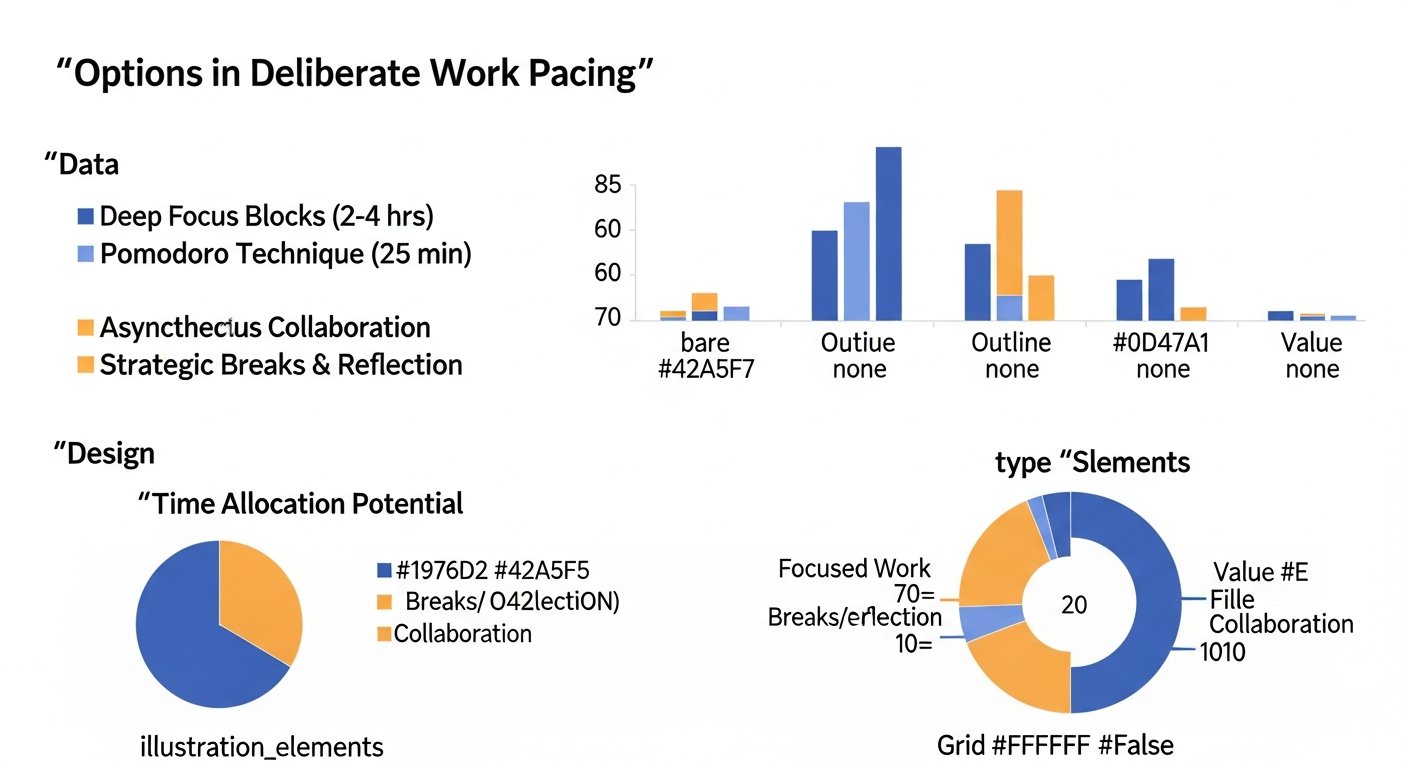
While the benefits of the slow work movement are compelling, integrating its principles into a world that largely operates on a fast-paced model presents unique challenges. For women, these challenges can be magnified by societal expectations and deeply ingrained habits. However, with awareness, strategic planning, and consistent effort, these obstacles can be overcome.
Overcoming Societal Pressure & Imposter Syndrome
One of the biggest hurdles to adopting slow work is the ingrained societal narrative that glorifies busyness and equates self-worth with constant productivity. This pressure can trigger imposter syndrome, especially in women who may already feel the need to overperform to prove their competence.
- Challenge the “Busy” Myth: Consciously question the idea that being busy equals being important or successful. Recognize that meaningful contribution often comes from focused, deliberate effort, not frantic activity.
- Internal Validation: Shift your focus from external validation (e.g., praise for long hours) to internal validation (e.g., satisfaction from high-quality work, a sense of well-being). Celebrate your deliberate choices.
- Mindset Shift: Reframe “slowing down” not as falling behind, but as a strategic advantage that allows for deeper thinking, greater creativity, and sustainable energy.
- Connect with Like Minds: Seek out communities (like thecontextuallife!) or individuals who also embrace slow living and intentional work. Their support and shared experiences can counteract external pressures.
Communicating Your Approach to Employers/Clients
Implementing slow work often requires clear and confident communication with those who hold expectations about your availability and output. This can feel daunting, especially in environments unaccustomed to these principles.
- Focus on Outcomes, Not Hours: Frame your slow work approach in terms of its benefits to the company or client – higher quality work, fewer errors, greater innovation, sustained performance.
- Set Clear Expectations Proactively: Communicate your availability (e.g., “I check emails twice a day, at 10 AM and 3 PM”) and response times. Use out-of-office messages or polite disclaimers.
- Propose Solutions, Not Just Problems: If you need to adjust a deadline or decline a meeting, suggest alternatives or solutions (e.g., “I can deliver this by Friday if I can focus solely on it tomorrow”).
- Lead by Example: Demonstrate through your high-quality, thoughtful work that a slower, more deliberate approach yields superior results. Your work becomes your best advocate.
Adapting Slow Work to Different Professions
The applicability of slow work might seem more straightforward in creative or freelance roles, but its principles can be adapted to almost any profession, from corporate environments to highly structured industries. It’s about finding the “slow” within the system.
- Corporate Environments: Focus on micro-changes: scheduling deep work blocks, saying no to unnecessary meetings, batching communication, taking mindful breaks. Advocate for cultural shifts where possible (e.g., “no meeting Wednesdays”).
- Client-Facing Roles: Set clear boundaries with clients regarding response times and availability. Educate them on the benefits of focused, strategic work for their projects.
- Creative & Entrepreneurial Roles: Prioritize creative incubation periods, resist the pressure to constantly launch, and build in time for reflection and learning. Delegate administrative tasks.
- Healthcare & Service Industries: While direct patient/client care often demands immediate attention, slow work can be applied to administrative tasks, team communication, and personal energy management to prevent burnout. Focus on quality of interaction over speed.
The Gradual Shift: Small Steps, Big Impact
Embracing slow work is rarely an overnight transformation. It’s a journey of consistent, iterative changes. Overwhelming yourself with too many new habits at once can lead to discouragement.
- Start Small: Pick one or two strategies from this guide (e.g., a 30-minute deep work block, checking email only twice a day) and implement them consistently for a week.
- Observe & Adjust: Pay attention to how these changes impact your well-being, productivity, and interactions. What’s working? What needs tweaking?
- Be Patient & Kind to Yourself: There will be days you fall back into old habits. Don’t see this as a failure, but as an opportunity to learn and recommit. Progress, not perfection, is the goal.
- Build Momentum: As you experience the positive effects of small changes, you’ll naturally feel more motivated to implement further slow work principles.
Navigating the challenges of implementing slow work requires courage, self-awareness, and a firm commitment to your well-being. But by understanding these hurdles and equipping yourself with strategies to overcome them, you empower yourself to forge a professional path that is both highly effective and deeply fulfilling.
| Aspect | Traditional/Fast Work Mindset | Slow Work Principles |
|---|---|---|
| Pace & Rhythm | Constant urgency, back-to-back tasks, feeling rushed. | Deliberate, intentional pace, scheduled breaks, respecting natural energy cycles. |
| Focus Approach | Multitasking, constant context-switching, reactive. | Single-tasking, deep work blocks, proactive planning. |
| Prioritization | Driven by external demands, urgent but not important tasks, “fires.” | Driven by values & impact, important tasks, strategic planning. |
| Outcome Measure | Quantity of output, hours worked, speed of completion. | Quality of output, meaningful impact, sustainable results. |
| Energy Management | Pushing through exhaustion, relying on stimulants, burnout as an inevitability. | Prioritizing rest & rejuvenation, mindful breaks, sustained energy, preventing burnout. |
| Relationship with Time | Time is a scarce resource to be filled, fear of “wasted” time. | Time is a canvas for intentional choice, valuing reflection & incubation. |
| Work-Life Boundary | Blurred lines, constant availability, work seeping into personal life. | Clear boundaries, distinct work periods, robust personal life. |
| Motivation Source | External pressures, fear of failure, societal expectations. | Internal purpose, personal values, intrinsic satisfaction. |
Slow Work and Intentional Living: A Holistic Approach
For the women of thecontextuallife, slow work is not an isolated strategy but an integral component of a broader commitment to intentional living. It’s about creating a cohesive, values-driven existence where your professional life harmonizes with your personal aspirations, well-being, and overall lifestyle choices. When work becomes an extension of your intentional life, rather than a separate, often conflicting, entity, true flourishing begins.
Integrating Professional Life with Personal Values
Intentional living is fundamentally about making conscious choices that align with your deepest values. The slow work movement extends this same principle to your professional sphere. Instead of allowing external demands to dictate your work life, you become the active designer, ensuring that your career contributes to, rather than detracts from, your core beliefs about what constitutes a good life.
- Value Audit: Regularly reflect on your core values (e.g., creativity, family, health, community, integrity). How does your current work support or contradict these values?
- Purpose-Driven Work: Seek to connect your daily tasks to a larger purpose. Even in seemingly mundane jobs, finding the “why” can transform drudgery into meaningful contribution.
- Conscious Career Choices: Use slow work principles to guide career decisions – not just for promotions or salary, but for roles that offer flexibility, autonomy, and alignment with your life’s vision.
The Synergy with Mindful Consumption and Conscious Relationships
The principles that underpin slow work – intentionality, presence, and quality over quantity – seamlessly extend to other areas of intentional living, creating a powerful synergy.
- Mindful Consumption: Just as slow work encourages thoughtful production, mindful consumption advocates for conscious choices about what we buy, use, and discard. This holistic approach reduces clutter, stress, and environmental impact in both our professional and personal spaces. A decluttered workspace, for instance, supports focused slow work, while mindful spending reduces financial stress that can otherwise drive overworking.
- Conscious Relationships: Slow work frees up time and mental energy for deeper, more meaningful connections with loved ones. When you’re not constantly preoccupied with work, you can be fully present with your family and friends, cultivating richer, more supportive relationships – a cornerstone of a well-lived life. The ability to set boundaries in work also strengthens your ability to foster healthy relationships in your personal life.
- Self-Care as a Priority: Intentional living places a high value on self-care, not as a luxury, but as a necessity. Slow work inherently integrates self-care by prioritizing breaks, rest, and sustainable energy, ensuring you have the vitality to nurture all aspects of your life.
Creating a Cohesive, Values-Driven Life
The ultimate goal of combining slow work with intentional living is to create a life that feels whole, authentic, and deeply satisfying. It’s about dismantling the artificial divisions between “work life” and “real life” and instead weaving a coherent tapestry where all threads contribute to your overall well-being and purpose.
- Reduced Internal Conflict: When your work aligns with your values and supports your desired lifestyle, the internal conflict and guilt often experienced by women trying to “balance it all” significantly diminish.
- Authentic Self-Expression: Slow work allows you the space to bring your authentic self to your professional endeavors, fostering a sense of integrity and genuine expression rather than performing a role.
- Sustainable Growth: A holistic approach ensures that personal growth is not sacrificed at the altar of professional ambition. Instead, both evolve symbiotically, leading to a more robust and resilient you.
Embracing the slow work movement within the framework of intentional living transforms your professional journey from a relentless race into a purposeful walk. It empowers you to build a life where every choice, every action, contributes to your vision of a meaningful and fulfilling existence.
Designing Your Slow Work Life: Tools, Habits, and Mindset Shifts
Actively designing your slow work life requires more than just understanding the philosophy; it demands deliberate implementation of specific tools, cultivation of supportive habits, and continuous refinement of your mindset. This process is deeply personal and evolves over time, but certain strategies can accelerate your journey towards a more intentional and sustainable professional existence.
Tools & Technologies that Support Slow Work
While technology can be a source of distraction, it can also be a powerful ally in creating a slow work environment when used mindfully. The key is to leverage tools that enhance focus and streamline tasks, rather than those that encourage constant connectivity and overwhelm.
- Focus-Enhancing Apps: Apps like Forest, Freedom, or Cold Turkey can block distracting websites and applications for set periods, helping you maintain deep work blocks.
- Project Management Software (Used Mindfully): Tools like Trello, Asana, or ClickUp can help organize tasks, set clear priorities, and track progress without constant email chains. The “slow” approach here is to use them for planning and overview, not for real-time micro-management.
- Note-Taking & Idea Capture: Digital or physical notebooks (Evernote, Notion, or a simple journal) allow you to capture ideas and to-dos as they arise, freeing your mind to return to the task at hand without fear of forgetting.
Embrace the Slow Work Movement: A Woman’s Guide to Intentional Living and Thriving
Affiliate disclosure: This article may contain affiliate links. Recommendations are independent and editorially driven.
In a world that constantly demands more, faster, and louder, the concept of slowing down can feel almost revolutionary. For women navigating the complexities of careers, relationships, personal aspirations, and the silent societal pressure to “do it all,” the relentless pace can lead to exhaustion, disillusionment, and a profound sense of burnout. This is where the slow work movement emerges not just as an alternative, but as a vital philosophy for intentional living and personal growth.
The slow work movement isn’t about laziness or opting out; it’s about opting in—to a life and career that are deeply aligned with your values, well-being, and long-term fulfillment. It’s an invitation to step off the hamster wheel of endless productivity and reclaim your time, energy, and creative spirit. For the women of thecontextuallife, who are committed to cultivating a slow lifestyle and embracing mindset shifts, understanding and implementing the principles of slow work can be a powerful catalyst for a more meaningful existence.
This comprehensive guide delves into the heart of the slow work movement, exploring its origins, core tenets, practical applications, and the profound benefits it offers for mental health, creativity, and overall life satisfaction. We’ll uncover how to challenge the ingrained hustle culture, establish healthier boundaries, and craft a work life that serves your holistic well-being, rather than depleting it. If you’re ready to redefine success on your own terms and move towards a more sustainable, joyful, and purposeful way of working, join us as we explore the liberating path of slow work.
Understanding the Slow Work Movement: A Philosophy for Modern Women
At its core, the slow work movement is a conscious rebellion against the prevailing culture of hyper-productivity, constant connectivity, and the glorification of busy. It’s a philosophy that champions intentionality, presence, and sustainability in our professional lives, recognizing that true success and fulfillment stem from a deeper connection to our work and ourselves, rather than mere output metrics.
What Slow Work Is (and Isn’t)
Often misunderstood, the slow work movement is not about doing less work or being inefficient. It’s a strategic approach to working smarter, more effectively, and with greater purpose. It’s a mindful recalibration, distinguishing between frantic activity and meaningful progress. It doesn’t advocate for slacking off or rejecting ambition; instead, it reframes ambition to include personal well-being, sustainable energy, and a high quality of output.
For women, who frequently shoulder a disproportionate share of emotional labor, domestic responsibilities, and professional expectations, slow work offers a liberating framework. It empowers us to shed the societal pressure to endlessly strive, perfect, and accommodate, allowing us to cultivate a professional life that truly supports our physical, mental, and emotional health.
Roots in the Slow Living Movement
The slow work movement is an offshoot of the broader slow living movement, which originated in Italy with the concept of “slow food” as a protest against fast food and globalization. This philosophy expanded to encompass various aspects of life, advocating for a deliberate approach to everything from consumption and travel to parenting and personal relationships. Slow work applies these core tenets – quality over quantity, mindfulness, connection, and sustainability – directly to the professional sphere.
It’s a recognition that just as we can choose to eat mindfully, spend our leisure time intentionally, and connect deeply with loved ones, we can also choose to work in a way that respects our natural rhythms, creative cycles, and inherent human need for rest and reflection. For women, this integration of work with the broader slow living ethos offers a powerful pathway to a truly holistic and harmonious life.
The Roots of Burnout: Why the Fast-Paced Culture Fails Us
Before we can fully embrace the slow work movement, it’s crucial to understand the landscape we’re pushing back against: a culture of relentless speed and unsustainable demands that often leads to pervasive burnout, particularly among women. The constant pressure to be “always on,” highly productive, and eternally available has created a toxic environment that erodes our well-being and stifles our potential.
The Glorification of Busy
In many modern societies, busyness has become a badge of honor, a symbol of importance and success. We’re taught that our worth is directly tied to our productivity and the sheer volume of tasks we can juggle. This societal narrative permeates our professional lives, leading to overflowing inboxes, back-to-back meetings, and the expectation of instant responses. For women, this is often compounded by the “invisible workload” of emotional labor, caregiving, and home management, creating a relentless cycle of striving.
This glorification of busy leaves little room for rest, reflection, or creative incubation. It fosters a sense of inadequacy if we’re not constantly doing, perpetually moving. The fast-paced culture tells us that stopping is failing, that slowing down is falling behind. But what if this narrative is fundamentally flawed and actively detrimental to our long-term health and genuine achievement?
Impact on Mental, Physical, and Creative Health
The consequences of this unsustainable pace are profound and far-reaching. Burnout is no longer an isolated incident but a widespread epidemic, characterized by emotional exhaustion, cynicism, and a reduced sense of personal accomplishment. For women, this can manifest as:
- Mental Health Struggles: Increased anxiety, chronic stress, depression, difficulty concentrating, and impaired decision-making.
- Physical Health Deterioration: Sleep disturbances, fatigue, headaches, weakened immune systems, and other stress-related ailments.
- Stifled Creativity and Innovation: The constant pressure to produce leaves no mental space for original thought, problem-solving, or deep focus, which are essential for true innovation.
- Damaged Relationships: The inability to be fully present with loved ones due to preoccupation with work, leading to disconnection and strain.
- Loss of Purpose and Meaning: When work becomes a relentless grind, it’s easy to lose sight of why we started and what truly matters, leading to a sense of emptiness.
The fast-paced culture promises efficiency and achievement, but often delivers the opposite: fragmented attention, superficial output, and a workforce teetering on the brink of exhaustion. It fails us because it fundamentally ignores our human limits and the essential role of rest, reflection, and connection in a truly fulfilling and productive life.
[INLINE IMAGE 1:
 ]
]Core Principles of Slow Work: Intentionality, Presence, and Purpose
The slow work movement is built upon a foundation of powerful principles that stand in stark contrast to the prevailing fast-paced ethos. These are not merely suggestions but fundamental shifts in mindset and approach that enable a more sustainable, fulfilling, and ultimately more effective professional life. For women seeking to integrate intentional living into every facet of their existence, these principles offer a guiding light.
Intentionality Over Automation: Choosing Your Tasks Mindfully
In a world of endless notifications and to-do lists, it’s easy to fall into the trap of reacting rather than acting with purpose. Intentionality in slow work means taking a step back to consciously decide what tasks truly matter, what aligns with your goals, and what will yield the most meaningful results. It’s about being the architect of your day, not just a passive participant.
- Deep Work Prioritization: Focus on tasks that require deep concentration and creative problem-solving, allocating dedicated, uninterrupted blocks of time for them.
- Ruthless Prioritization: Differentiating between urgent and important. Learning to say “no” to tasks that don’t align with your core objectives or values.
- Strategic Planning: Taking time to plan your week or day, rather than jumping straight into reactive work. This allows for thoughtful allocation of energy and resources.
Presence Over Multitasking: Focusing on One Thing at a Time
Multitasking, once hailed as a superpower, is now widely recognized as a myth that diminishes focus, increases errors, and depletes cognitive resources. The slow work movement champions singular presence—the art of giving your full attention to one task at a time. This isn’t just about efficiency; it’s about quality, engagement, and reducing mental fatigue.
- Single-Tasking: Dedicating your complete focus to a single task until it’s completed or a natural break is reached.
- Minimizing Distractions: Turning off notifications, closing unnecessary tabs, and creating an environment conducive to concentration.
- Mindful Transitions: Taking a moment between tasks to clear your mind and prepare for the next, rather than rushing from one to another.
Purpose Over Production for Production’s Sake: Aligning Work with Values
Why are you doing what you’re doing? The slow work movement encourages a constant reflection on this fundamental question. It pushes back against the notion that productivity is an end in itself, instead emphasizing that work should be a vehicle for purpose, value creation, and personal meaning. For women, aligning work with personal values is often a powerful driver of satisfaction and resilience.
- Value Alignment: Regularly assessing how your work aligns with your personal values and long-term goals.
- Impact-Driven: Focusing on the quality and impact of your contributions rather than just the quantity of hours logged or tasks checked off.
- Meaningful Engagement: Seeking out or creating opportunities to connect with the deeper purpose of your work, whether it’s solving a problem, serving a community, or expressing creativity.
Sustainability Over Sprinting: Long-Term Energy Management
The hustle culture often promotes an unsustainable cycle of intense sprints followed by exhaustion. Slow work, conversely, is built on the principle of sustainability—managing your energy like a precious resource. It recognizes that consistent, steady effort over the long term yields better results than sporadic bursts that lead to burnout.
- Regular Breaks: Integrating short, frequent breaks into your workday to rest your mind and body.
- Respecting Rhythms: Tuning into your natural energy cycles and scheduling demanding tasks for your peak productive times, allowing for lighter work during lower energy periods.
- Adequate Rest: Prioritizing sleep, nutrition, and leisure activities outside of work to ensure holistic regeneration.
Quality Over Quantity: Delivering Excellent, Thoughtful Work
In the rush to produce more, quality often suffers. Slow work is an antidote to this, advocating for a focus on craftsmanship, attention to detail, and delivering work that truly stands out. When you allow yourself the time and mental space, the quality of your output naturally improves, leading to greater satisfaction and recognition.
- Refined Output: Taking the time to review, refine, and polish your work, ensuring it meets a high standard.
- Thoughtful Contribution: Prioritizing well-researched, deeply considered contributions over quick, superficial responses.
- Learning and Growth: Allowing space for continuous learning and skill development, which inherently improves the quality of your work over time.
Embracing these core principles allows women to redefine their relationship with work, moving away from a model of depletion towards one of enrichment and sustained effectiveness. It’s a profound shift that not only enhances professional outcomes but also significantly improves overall quality of life.
Reclaiming Your Time: Practical Strategies for Slowing Down at Work
Understanding the principles of slow work is one thing; implementing them in a demanding professional environment is another. This section provides concrete, actionable strategies that women can adopt to reclaim their time, reduce overwhelm, and cultivate a more intentional and sustainable workday. These tactics require practice and consistency, but the rewards are significant.
Time Audits & Prioritization: Identifying Energy Drains and Important Tasks
You can’t manage what you don’t measure. A time audit is a powerful first step to understanding where your hours (and energy) truly go. For women, who often wear many hats, this can be particularly revealing.
- Track Your Time: For a week, meticulously record how you spend your time – every meeting, email, task, and break. Use a simple spreadsheet or a time-tracking app.
- Analyze & Identify: Review your audit. Where are your biggest time sinks? Are there tasks you spend too much time on that yield little value? What activities align with your core goals, and which are distractions?
- Eisenhower Matrix: Categorize tasks into four quadrants: Urgent/Important, Not Urgent/Important, Urgent/Not Important, Not Urgent/Not Important. Focus your energy on “Not Urgent/Important” tasks (planning, strategy, personal development) to prevent them from becoming urgent crises.
- One Big Thing (OBT): Each day, identify the single most important task that, if completed, would make the day feel successful. Prioritize that above all else, often tackling it first.
Setting Boundaries: Saying No, Protecting Focus Time
Boundaries are the bedrock of slow work and intentional living. Without them, your time and energy will constantly be siphoned away by external demands. This can be particularly challenging for women, who are often socialized to be helpful and accommodating.
- Define Your “No”: Understand your limits and what you are genuinely unable or unwilling to take on. Practice saying “no” politely but firmly, offering alternatives if appropriate, but without guilt.
- Schedule Focus Blocks: Dedicate specific, uninterrupted blocks of time (e.g., 90 minutes) for deep work. During these times, turn off notifications, close email, and communicate your unavailability to colleagues if necessary.
- Email and Messaging Protocols: Don’t feel obligated to respond immediately. Set specific times to check emails (e.g., 2-3 times a day) and communicate these expectations. Use auto-responders for longer absences.
- Meeting Discipline: Question every meeting. Does it have a clear agenda? Is your presence essential? Can it be an email instead? Schedule meetings purposefully, ensuring they start and end on time.
Mindful Scheduling: Batching Tasks, Incorporating Breaks
Mindful scheduling moves beyond simply filling a calendar; it’s about thoughtfully designing your day to maximize focus and minimize cognitive load.
- Task Batching: Group similar tasks together (e.g., all emails, all phone calls, all administrative work) and dedicate a specific time block to complete them. This reduces “context switching” costs.
- The Pomodoro Technique: Work in focused 25-minute intervals, followed by a 5-minute break. After four “Pomodoros,” take a longer 15-30 minute break. This technique trains your focus and builds in essential rest.
- Transition Rituals: Create small rituals to transition between different types of work or between work and non-work life. This could be a short walk, a few deep breaths, or tidying your desk.
- Schedule Downtime: Actively schedule breaks, lunch, and even “thinking time” into your calendar. Treat these non-negotiable slots with the same importance as a client meeting.
Delegation & Automation: Smart Use of Resources
You don’t have to do everything yourself. Learning to effectively delegate and leverage technology can free up significant time and mental energy, allowing you to focus on your highest-value contributions.
- Identify Delegable Tasks: Make a list of everything you do. Which tasks could someone else do? This might include administrative tasks, research, data entry, or even certain aspects of project management.
- Empower Others: When delegating, provide clear instructions, set expectations, and trust your team members to deliver. Resist the urge to micromanage.
- Leverage Technology: Automate repetitive tasks wherever possible using tools for scheduling, email management, social media posting, or data analysis. Explore templates and macros to streamline workflows.
- Outsourcing: For non-core business activities or personal tasks, consider outsourcing to virtual assistants, freelance specialists, or local services.
[INLINE IMAGE 2:
]The Benefits Beyond Productivity: Mental Health, Creativity, and Well-being
While the slow work movement undoubtedly improves the quality and efficiency of output, its most profound benefits extend far beyond traditional productivity metrics. Embracing slow work is a holistic commitment to personal well-being, fostering a richer, more vibrant internal landscape for women dedicated to intentional living.
Enhanced Mental Clarity & Reduced Stress: The Psychological Impact
The constant pressure of fast-paced work creates a perpetual state of alert, flooding our systems with stress hormones. Slow work actively counters this by creating space for calm and focused attention, leading to significant mental health improvements.
- Decreased Anxiety and Overwhelm: By consciously reducing the volume of tasks and prioritizing deep work, the mental load lightens. This translates to fewer feelings of anxiety and a greater sense of control over your day.
- Improved Decision-Making: When your mind isn’t constantly racing, you have the capacity for clearer thought and more deliberate, well-reasoned decisions, reducing decision fatigue.
- Greater Emotional Regulation: The space created by slow work allows for better self-awareness and the ability to process emotions rather than being overwhelmed by them. This leads to increased resilience in the face of challenges.
- Prevention of Burnout: By prioritizing sustainable rhythms, breaks, and rest, slow work acts as a powerful preventative measure against the debilitating effects of chronic work stress.
Boosted Creativity & Innovation: Space for Ideas to Bloom
Creativity is not something that can be rushed or forced. It thrives in environments of openness, reflection, and even boredom. The fast-paced culture, with its emphasis on constant production, starves the creative process. Slow work provides the fertile ground for new ideas to emerge.
- Incubation Time: Giving problems and ideas space to marinate in your subconscious allows for “aha!” moments and unexpected connections to form. This is often where true innovation lies.
- Reduced Cognitive Load: A less cluttered mind has more capacity for divergent thinking, pattern recognition, and imaginative exploration – all hallmarks of creativity.
- Playfulness and Exploration: Slow work encourages experimentation and the freedom to pursue curiosity without the immediate pressure of an outcome, which is crucial for creative breakthroughs.
- Deeper Focus: When you’re not constantly context-switching, you can delve deeper into a problem, exploring nuances and uncovering insights that superficial work would miss.
Deeper Engagement & Job Satisfaction: Finding Joy in Work Again
When work feels like a never-ending to-do list, it’s easy to lose connection to its purpose and joy. Slow work helps reconnect you to the meaning behind your efforts, fostering a more profound sense of engagement and satisfaction.
- Enhanced Sense of Accomplishment: By focusing on high-quality, impactful work, you experience genuine satisfaction from a job well done, rather than just checking off items.
- Increased Ownership and Autonomy: Taking control of your schedule and priorities empowers you, fostering a sense of ownership over your contributions and career path.
- Authentic Connection: When you’re less stressed and rushed, you can engage more authentically with colleagues, clients, and collaborators, enriching your professional relationships.
- Reignited Passion: By aligning work with your values and creating space for meaningful tasks, you can rediscover the passion and purpose that initially drew you to your field.
Improved Work-Life Integration: Harmonizing Different Life Areas
The concept of “work-life balance” often implies a constant tug-of-war. Slow work advocates for integration, recognizing that work is one component of a rich life, not its sole definition. This approach is particularly beneficial for women seeking to blend their professional ambitions with their personal priorities.
- Clearer Boundaries Between Work and Life: By intentionally concluding your workday and resisting the urge to check emails after hours, you create distinct mental and physical spaces for personal life.
- More Time for Personal Growth: The reclaimed time and energy can be channeled into hobbies, learning, relationships, self-care, and other aspects of intentional living.
- Reduced Guilt and Conflict: When your work life is sustainable, the tension between professional demands and personal needs diminishes, leading to less guilt and internal conflict.
- Greater Overall Life Satisfaction: A balanced and integrated approach to work and life contributes significantly to a sense of contentment and well-being across all domains.
Greater Resilience & Preventing Burnout: Building Long-Term Capacity
Burnout is not a sign of weakness but a result of unsustainable systems. Slow work builds resilience by addressing these systemic flaws, creating a buffer against stress and promoting long-term thriving.
- Sustainable Energy Management: By recognizing the finite nature of energy and prioritizing rest, you prevent chronic depletion and maintain a consistent level of vitality.
- Proactive Self-Care: Slow work inherently integrates self-care practices like breaks, mindfulness, and disconnecting, making them non-negotiable parts of your routine.
- Adaptive Capacity: When you’re not constantly operating at your limit, you have greater reserves to draw upon during unexpected challenges or periods of increased demand.
- Long-Term Career Viability: A sustainable approach ensures you can pursue your career ambitions for the long haul, avoiding the career interruptions and health crises that burnout often precipitates.
Embracing the slow work movement is not a sacrifice of ambition; it is an investment in a more profound, sustainable, and joyful way of being. It’s about working smarter, living fuller, and ultimately, thriving on your own terms.
Navigating the Challenges: Implementing Slow Work in a Fast World
While the benefits of the slow work movement are compelling, integrating its principles into a world that largely operates on a fast-paced model presents unique challenges. For women, these challenges can be magnified by societal expectations and deeply ingrained habits. However, with awareness, strategic planning, and consistent effort, these obstacles can be overcome.
Overcoming Societal Pressure & Imposter Syndrome
One of the biggest hurdles to adopting slow work is the ingrained societal narrative that glorifies busyness and equates self-worth with constant productivity. This pressure can trigger imposter syndrome, especially in women who may already feel the need to overperform to prove their competence.
- Challenge the “Busy” Myth: Consciously question the idea that being busy equals being important or successful. Recognize that meaningful contribution often comes from focused, deliberate effort, not frantic activity.
- Internal Validation: Shift your focus from external validation (e.g., praise for long hours) to internal validation (e.g., satisfaction from high-quality work, a sense of well-being). Celebrate your deliberate choices.
- Mindset Shift: Reframe “slowing down” not as falling behind, but as a strategic advantage that allows for deeper thinking, greater creativity, and sustainable energy.
- Connect with Like Minds: Seek out communities (like thecontextuallife!) or individuals who also embrace slow living and intentional work. Their support and shared experiences can counteract external pressures.
Communicating Your Approach to Employers/Clients
Implementing slow work often requires clear and confident communication with those who hold expectations about your availability and output. This can feel daunting, especially in environments unaccustomed to these principles.
- Focus on Outcomes, Not Hours: Frame your slow work approach in terms of its benefits to the company or client – higher quality work, fewer errors, greater innovation, sustained performance.
- Set Clear Expectations Proactively: Communicate your availability (e.g., “I check emails twice a day, at 10 AM and 3 PM”) and response times. Use out-of-office messages or polite disclaimers.
- Propose Solutions, Not Just Problems: If you need to adjust a deadline or decline a meeting, suggest alternatives or solutions (e.g., “I can deliver this by Friday if I can focus solely on it tomorrow”).
- Lead by Example: Demonstrate through your high-quality, thoughtful work that a slower, more deliberate approach yields superior results. Your work becomes your best advocate.
Adapting Slow Work to Different Professions
The applicability of slow work might seem more straightforward in creative or freelance roles, but its principles can be adapted to almost any profession, from corporate environments to highly structured industries. It’s about finding the “slow” within the system.
- Corporate Environments: Focus on micro-changes: scheduling deep work blocks, saying no to unnecessary meetings, batching communication, taking mindful breaks. Advocate for cultural shifts where possible (e.g., “no meeting Wednesdays”).
- Client-Facing Roles: Set clear boundaries with clients regarding response times and availability. Educate them on the benefits of focused, strategic work for their projects.
- Creative & Entrepreneurial Roles: Prioritize creative incubation periods, resist the pressure to constantly launch, and build in time for reflection and learning. Delegate administrative tasks.
- Healthcare & Service Industries: While direct patient/client care often demands immediate attention, slow work can be applied to administrative tasks, team communication, and personal energy management to prevent burnout. Focus on quality of interaction over speed.
The Gradual Shift: Small Steps, Big Impact
Embracing slow work is rarely an overnight transformation. It’s a journey of consistent, iterative changes. Overwhelming yourself with too many new habits at once can lead to discouragement.
- Start Small: Pick one or two strategies from this guide (e.g., a 30-minute deep work block, checking email only twice a day) and implement them consistently for a week.
- Observe & Adjust: Pay attention to how these changes impact your well-being, productivity, and interactions. What’s working? What needs tweaking?
- Be Patient & Kind to Yourself: There will be days you fall back into old habits. Don’t see this as a failure, but as an opportunity to learn and recommit. Progress, not perfection, is the goal.
- Build Momentum: As you experience the positive effects of small changes, you’ll naturally feel more motivated to implement further slow work principles.
Navigating the challenges of implementing slow work requires courage, self-awareness, and a firm commitment to your well-being. But by understanding these hurdles and equipping yourself with strategies to overcome them, you empower yourself to forge a professional path that is both highly effective and deeply fulfilling.
Fast Work Mindset vs. Slow Work Principles Aspect Traditional/Fast Work Mindset Slow Work Principles Pace & Rhythm Constant urgency, back-to-back tasks, feeling rushed. Deliberate, intentional pace, scheduled breaks, respecting natural energy cycles. Focus Approach Multitasking, constant context-switching, reactive. Single-tasking, deep work blocks, proactive planning. Prioritization Driven by external demands, urgent but not important tasks, “fires.” Driven by values & impact, important tasks, strategic planning. Outcome Measure Quantity of output, hours worked, speed of completion. Quality of output, meaningful impact, sustainable results. Energy Management Pushing through exhaustion, relying on stimulants, burnout as an inevitability. Prioritizing rest & rejuvenation, mindful breaks, sustained energy, preventing burnout. Relationship with Time Time is a scarce resource to be filled, fear of “wasted” time. Time is a canvas for intentional choice, valuing reflection & incubation. Work-Life Boundary Blurred lines, constant availability, work seeping into personal life. Clear boundaries, distinct work periods, robust personal life. Motivation Source External pressures, fear of failure, societal expectations. Internal purpose, personal values, intrinsic satisfaction. Slow Work and Intentional Living: A Holistic Approach
For the women of thecontextuallife, slow work is not an isolated strategy but an integral component of a broader commitment to intentional living. It’s about creating a cohesive, values-driven existence where your professional life harmonizes with your personal aspirations, well-being, and overall lifestyle choices. When work becomes an extension of your intentional life, rather than a separate, often conflicting, entity, true flourishing begins.
Integrating Professional Life with Personal Values
Intentional living is fundamentally about making conscious choices that align with your deepest values. The slow work movement extends this same principle to your professional sphere. Instead of allowing external demands to dictate your work life, you become the active designer, ensuring that your career contributes to, rather than detracts from, your core beliefs about what constitutes a good life.
- Value Audit: Regularly reflect on your core values (e.g., creativity, family, health, community, integrity). How does your current work support or contradict these values?
- Purpose-Driven Work: Seek to connect your daily tasks to a larger purpose. Even in seemingly mundane jobs, finding the “why” can transform drudgery into meaningful contribution.
- Conscious Career Choices: Use slow work principles to guide career decisions – not just for promotions or salary, but for roles that offer flexibility, autonomy, and alignment with your life’s vision.
The Synergy with Mindful Consumption and Conscious Relationships
The principles that underpin slow work – intentionality, presence, and quality over quantity – seamlessly extend to other areas of intentional living, creating a powerful synergy.
- Mindful Consumption: Just as slow work encourages thoughtful production, mindful consumption advocates for conscious choices about what we buy, use, and discard. This holistic approach reduces clutter, stress, and environmental impact in both our professional and personal spaces. A decluttered workspace, for instance, supports focused slow work, while mindful spending reduces financial stress that can otherwise drive overworking.
- Conscious Relationships: Slow work frees up time and mental energy for deeper, more meaningful connections with loved ones. When you’re not constantly preoccupied with work, you can be fully present with your family and friends, cultivating richer, more supportive relationships – a cornerstone of a well-lived life. The ability to set boundaries in work also strengthens your ability to foster healthy relationships in your personal life.
- Self-Care as a Priority: Intentional living places a high value on self-care, not as a luxury, but as a necessity. Slow work inherently integrates self-care by prioritizing breaks, rest, and sustainable energy, ensuring you have the vitality to nurture all aspects of your life.
Creating a Cohesive, Values-Driven Life
The ultimate goal of combining slow work with intentional living is to create a life that feels whole, authentic, and deeply satisfying. It’s about dismantling the artificial divisions between “work life” and “real life” and instead weaving a coherent tapestry where all threads contribute to your overall well-being and purpose.
- Reduced Internal Conflict: When your work aligns with your values and supports your desired lifestyle, the internal conflict and guilt often experienced by women trying to “balance it all” significantly diminish.
- Authentic Self-Expression: Slow work allows you the space to bring your authentic self to your professional endeavors, fostering a sense of integrity and genuine expression rather than performing a role.
- Sustainable Growth: A holistic approach ensures that personal growth is not sacrificed at the altar of professional ambition. Instead, both evolve symbiotically, leading to a more robust and resilient you.
Embracing the slow work movement within the framework of intentional living transforms your professional journey from a relentless race into a purposeful walk. It empowers you to build a life where every choice, every action, contributes to your vision of a meaningful and fulfilling existence.
Designing Your Slow Work Life: Tools, Habits, and Mindset Shifts
Actively designing your slow work life requires more than just understanding the philosophy; it demands deliberate implementation of specific tools, cultivation of supportive habits, and continuous refinement of your mindset. This process is deeply personal and evolves over time, but certain strategies can accelerate your journey towards a more intentional and sustainable professional existence.
Tools & Technologies that Support Slow Work
While technology can be a source of distraction, it can also be a powerful ally in creating a slow work environment when used mindfully. The key is to leverage tools that enhance focus and streamline tasks, rather than those that encourage constant connectivity and overwhelm.
- Focus-Enhancing Apps: Apps like Forest, Freedom, or Cold Turkey can block distracting websites and applications for set periods, helping you maintain deep work blocks.
- Project Management Software (Used Mindfully): Tools like Trello, Asana, or ClickUp can help organize tasks, set clear priorities, and track progress without constant email chains. The “slow” approach here is to use them for planning and overview, not for real-time micro-management.
- Note-Taking & Idea Capture: Digital or physical notebooks (Evernote, Notion, or a simple journal) allow you to capture ideas and to-dos as they arise, freeing your mind to return to the task at hand without fear of forgetting.