


Embrace Serenity: Your Essential Guide to a Slow Morning Routine for Intentional Living
By thecontextuallife Editorial Team — Senior editors with 10+ years of subject-matter experience.
Published 2026-05-26 · Last Updated 2026-05-26
Affiliate disclosure: This article may contain affiliate links. Recommendations are independent and editorially driven.
In a world that constantly demands more, faster, sooner, the concept of a slow morning routine stands as a quiet rebellion. It’s an invitation to reclaim the most sacred hours of your day, transforming them from a chaotic dash into a deliberate, nurturing ritual. For women navigating the complexities of modern life – careers, family, personal aspirations, and the ever-present hum of digital demands – the morning can often feel like an uphill battle, a race against the clock before the day has even truly begun. But what if it didn’t have to be this way?
Here at thecontextuallife, we believe in the profound power of intentional living, of slowing down to truly speed up where it matters most. A slow morning isn’t about laziness or an indulgence; it’s a strategic investment in your mental health, emotional well-being, and overall productivity. It’s about setting a foundation of calm, clarity, and purpose that reverberates throughout your entire day, influencing your interactions, your decisions, and your capacity for joy. This comprehensive guide will delve deep into the philosophy, practicalities, and transformative benefits of cultivating a slow morning routine, empowering you to design a start to your day that truly serves your most authentic self.
The Urgency of Slowness: Why a Slow Morning Routine Matters More Than Ever
In our hyper-connected, always-on society, the default setting is often speed. We wake up to an alarm, immediately check our phones, rush through a perfunctory breakfast, and sprint out the door, already feeling behind. This frantic pace, especially at the start of our day, has insidious consequences, silently eroding our well-being and diminishing our capacity for intentional living.
The Detrimental Impact of Rushed Mornings
Consider the typical hurried morning. The jarring alarm, the immediate flood of notifications from social media or work emails, the quick gulp of coffee, the stress of getting ready, the anxiety of traffic or a packed commute. This sequence primes your body for fight-or-flight, releasing cortisol and adrenaline before you’ve even had a chance to fully awaken. Over time, this chronic low-level stress can lead to:
- Increased Anxiety and Stress: Starting the day in a reactive state can perpetuate feelings of overwhelm and unease throughout the remaining hours.
- Reduced Mental Clarity: A mind jumping from one urgent task to another has little space for creative thought, problem-solving, or focused attention.
- Lower Productivity: Counterintuitively, rushing often leads to more mistakes, missed details, and a feeling of “busy” without being truly productive.
- Emotional Volatility: When we are stressed and reactive, our patience wears thin, making us more susceptible to irritability and negative emotional responses.
- Physical Health Issues: Chronic stress is linked to a myriad of physical ailments, from digestive problems and headaches to weakened immune systems and sleep disturbances.
- Disconnection from Self: A hurried morning leaves no room for self-reflection, mindfulness, or connecting with your inner world, leading to a sense of being perpetually “out of sync.”
The Transformative Power of a Deliberate Start
A slow morning routine isn’t just the absence of rush; it’s the intentional presence of practices that nourish your mind, body, and spirit. It’s about choosing to be proactive rather than reactive, to cultivate inner peace before engaging with external demands. When you commit to a slow morning, you are making a powerful statement to yourself and the world:
- Cultivating Calm and Presence: You create a buffer zone between sleep and the demands of the day, allowing your mind and body to transition gently.
- Enhancing Mental Clarity and Focus: By engaging in practices like meditation, journaling, or quiet contemplation, you clear mental clutter and sharpen your focus.
- Boosting Productivity and Effectiveness: Paradoxically, slowing down allows you to approach your tasks with greater intention, leading to more meaningful and impactful work.
- Strengthening Emotional Resilience: A stable morning foundation equips you to better handle daily stressors and maintain emotional balance.
- Fostering Self-Care and Well-being: You prioritize your own needs, reinforcing the message that you are worthy of care and attention.
- Aligning with Intentional Living: A slow morning is a microcosm of an intentional life, where every action is chosen with purpose and awareness.
This deliberate shift from frantic to peaceful sets a powerful precedent for the rest of your day, allowing you to move through your hours with greater grace, purpose, and genuine engagement. It’s not just a routine; it’s a foundational pillar for a more harmonious and fulfilling existence.
[INLINE IMAGE 1: place after second H2 | alt=”slow morning routine concept illustration”]
Core Principles of an Intentional Slow Morning

While the specifics of a slow morning routine will vary greatly from person to person, certain universal principles underpin its effectiveness. These are the philosophical pillars that elevate a simple set of actions into a transformative daily ritual, deeply aligned with the values of intentional living and personal growth.
Mindfulness: The Art of Present Awareness
At the heart of any slow morning is mindfulness – the practice of being fully present and aware of the current moment, without judgment. This means consciously engaging with whatever you are doing, whether it’s sipping your tea, stretching your body, or simply observing your breath. It’s about:
- Sensory Engagement: Really noticing the warmth of your coffee cup, the scent of your breakfast, the sounds outside your window.
- Non-Judgmental Observation: Acknowledging thoughts and feelings as they arise, without getting carried away by them or labeling them as “good” or “bad.”
- Slowing Down Actions: Moving deliberately, rather than rushing through tasks. For instance, instead of chugging your water, savor each sip.
Mindfulness allows you to break free from autopilot, connecting you more deeply with your own experience and creating a sense of calm and groundedness.
Intention: Guiding Your Day with Purpose
An intentional slow morning is not just about what you do, but why you do it. Before your feet even hit the floor, you have an opportunity to set an intention for your day. This could be a single word (e.g., “patience,” “creativity,” “gratitude”), a short phrase (e.g., “to listen more,” “to be present in my work”), or a clear mental picture of how you want to feel or what you want to achieve.
- Defining Your “Why”: Understanding the purpose behind your morning practices.
- Setting Daily Direction: Consciously choosing how you want to show up in the world.
- Aligning Actions with Values: Ensuring your morning activities support your overarching life goals and values.
Setting an intention acts as a compass, guiding your actions and reactions throughout the day and helping you stay anchored amidst distractions.
Self-Care: Nurturing Your Whole Self
A slow morning is fundamentally an act of radical self-care. It’s dedicating time, however brief, solely to your own well-being before the demands of others take precedence. This isn’t selfish; it’s essential for your capacity to give back to others from a place of abundance, rather than depletion.
- Prioritizing Your Needs: Making sure your physical, mental, and emotional needs are met.
- Creating a Sanctuary: Designing your morning environment and activities to be soothing and supportive.
- Replenishment, Not Depletion: Engaging in activities that energize and restore you, rather than drain you.
From hydrating your body to feeding your mind with positive input, self-care practices in the morning build your resilience and inner strength.
Flexibility and Self-Compassion: Embracing Imperfection
Crucially, a slow morning routine is not a rigid dogma but a flexible framework. Life happens – children wake up early, appointments shift, unexpected challenges arise. The goal is not perfection, but consistent effort and self-compassion when things don’t go according to plan.
- Adapting, Not Abandoning: Knowing when to scale down your routine rather than skipping it entirely.
- Releasing Guilt: Understanding that some days will be different, and that’s okay.
- Listening to Your Body: Being attuned to your energy levels and adjusting your activities accordingly.
The essence of a slow morning is about creating a supportive ritual, not an additional source of stress. Approach it with an open heart and a willingness to adjust, and you’ll find it becomes a sustainable source of peace.
Discover the transformative power of daily mindfulness practices for sustained well-being.
Deconstructing the Rush: Understanding What Steals Our Mornings
Before we can effectively build a new, intentional morning routine, it’s vital to understand the common pitfalls and habits that contribute to a chaotic start to the day. Identifying these “time thieves” and “energy drains” is the first step toward consciously dismantling them and reclaiming your mornings.
The Siren Song of the Smartphone
Perhaps the biggest culprit in stealing our mornings is the smartphone. For many, the first action upon waking is to reach for the device, immediately plunging into a cascade of notifications, emails, social media feeds, and news headlines. This instant digital immersion has several detrimental effects:
- Information Overload: Your brain is immediately overwhelmed with external stimuli, pulling you away from your internal world before you’ve had a moment to center yourself.
- Comparison & Anxiety: Social media often triggers comparison, FOMO (fear of missing out), and a sense of inadequacy. News can induce anxiety and stress.
- Reactive Mindset: Checking emails or messages instantly shifts you into a reactive mode, responding to others’ agendas rather than setting your own.
- Distraction from Self: The immediate access to external information prevents introspection, quiet thought, or connecting with your inner state.
Breaking the immediate-phone-check habit is a cornerstone of cultivating a slow morning.
The Trap of the Snooze Button
While hitting the snooze button might feel like a comforting extension of sleep, it actually disrupts your sleep cycle and leaves you feeling more groggy and disoriented. The fragmented sleep you get during snooze cycles is not restorative sleep, but rather a superficial doze that confuses your brain. This leads to:
- Sleep Inertia: The heavy feeling of grogginess and disorientation that can linger for hours.
- Reduced Alertness: Your brain struggles to fully wake up and achieve peak cognitive function.
- Loss of Precious Time: Those extra 5-10 minute increments add up, often cutting into the very time you could be using for a slow morning practice.
Waking up at the first alarm, even if it feels difficult initially, helps your body establish a healthier circadian rhythm.
Lack of Preparation and Planning
A rushed morning is often a symptom of an unprepared previous evening. When you leave everything to be done in the morning, you inevitably create a bottleneck of tasks that must be completed under pressure. This includes:
- Outfit Chaos: Indecision about what to wear, leading to wasted time and stress.
- Meal Prep Scramble: Rushing to pack lunches or prepare breakfast from scratch.
- Disorganized Environment: Searching for keys, wallets, or documents amidst clutter.
- Unclear Daily Agenda: Not knowing what the day holds, leading to a feeling of being adrift.
Effective evening routines are the unsung heroes of successful slow mornings, setting the stage for peace and efficiency.
Overcommitment and External Demands
Sometimes, the rush isn’t entirely our fault. External demands – an early work start, children needing attention, commuting logistics – can genuinely limit the time available. However, even within these constraints, there are often opportunities to inject moments of slowness and intentionality. The challenge lies in:
- Not Setting Boundaries: Allowing work or family demands to completely dictate your personal time.
- Over-scheduling: Packing too much into your day, leaving no buffer for unforeseen events or self-care.
- Failing to Communicate Needs: Not advocating for your need for personal space or quiet time.
Understanding these contributing factors is empowering. It moves us from feeling like victims of our mornings to becoming active architects of a more deliberate and peaceful start to our day.
Learn effective strategies for a digital detox to reclaim your focus and peace.
Crafting Your Personalized Slow Morning Routine: Step-by-Step Guide

Building a slow morning routine is not a one-size-fits-all endeavor. It’s a deeply personal journey of self-discovery, where you experiment, adapt, and refine practices that resonate with your unique needs, lifestyle, and aspirations. The goal is not to adopt someone else’s perfect routine, but to create one that feels authentic and sustainable for you.
Phase 1: Preparation – The Evening Before
The foundation of a successful slow morning is laid the night before. Strategic evening preparation minimizes decision fatigue and reduces morning stress, freeing up valuable time and mental space for your intentional practices.
- Set the Scene for Sleep:
- Digital Sunset: Power down screens (phone, tablet, TV) at least an hour before bed. The blue light emitted can disrupt melatonin production, impacting sleep quality.
- Relaxing Ritual: Engage in calming activities like reading a physical book, taking a warm bath, listening to soothing music, or gentle stretching.
- Optimize Your Bedroom: Ensure your room is dark, cool, and quiet. Use blackout curtains, an eye mask, or earplugs if necessary.
- Pre-Pave Your Morning:
- Lay Out Clothes: Decide on and lay out your outfit for the next day, including accessories. This eliminates a significant decision point.
- Prepare Breakfast/Lunch: Chop vegetables, mix overnight oats, or pack your lunch. Anything that saves time in the morning is a win.
- Tidy Up Common Areas: A clean and organized space can have a profound impact on your mental state. A quick tidy of the kitchen or living room can prevent morning clutter anxiety.
- Charge Devices Away from Bed: Place your phone in another room or across the room to prevent immediate morning access and encourage a more conscious wake-up.
- Set Your Intention: Before falling asleep, briefly consider what intention you want to set for your next morning or day.
Phase 2: The Gentle Awakening
How you wake up sets the tone for your entire day. Shift from a jarring alarm to a more harmonious transition from sleep to wakefulness.
- Ditch the Snooze: Commit to getting up with your first alarm. Place your alarm clock out of arm’s reach to force you to physically get out of bed.
- Embrace Natural Light: If possible, use a sunrise alarm clock that gradually brightens your room, mimicking natural dawn. Otherwise, open curtains or blinds as soon as you’re up to expose yourself to natural light, which helps regulate your circadian rhythm.
- Hydrate Immediately: Keep a glass of water by your bedside and drink it upon waking. This rehydrates your body after hours of sleep and gently kick-starts your metabolism.
Phase 3: Mind, Body, and Soul Nourishment
This is where the “slow” truly comes into play. Dedicate the first 30-90 minutes (or whatever timeframe you can realistically commit to) to activities that nourish your inner world.
- Mindful Movement (10-20 minutes):
- Gentle Stretching: A few minutes of stretching in bed or on a mat can release tension and increase circulation. Think cat-cow, child’s pose, or gentle twists.
- Yoga: A short sun salutation series or a beginner-friendly yoga flow can awaken your body and mind.
- Walking: If time and environment allow, a short, brisk walk outside can be incredibly invigorating and connect you with nature.
- Quiet Contemplation & Reflection (10-20 minutes):
- Meditation: Even 5-10 minutes of silent meditation or guided meditation can significantly reduce stress and enhance mental clarity. Focus on your breath, a mantra, or bodily sensations.
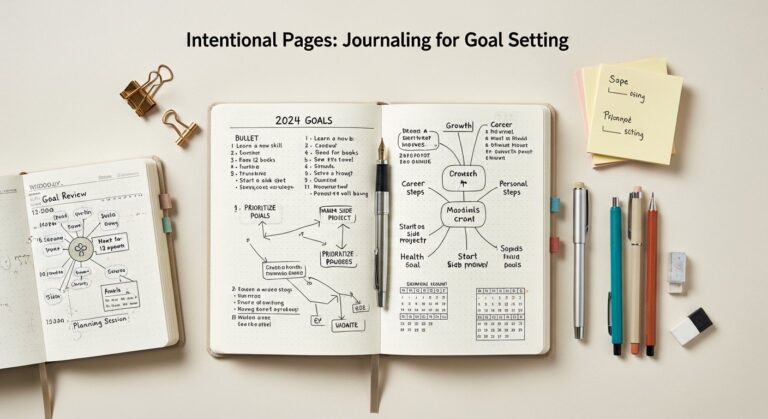
- Journaling: Free-writing your thoughts, practicing gratitude, or planning your day on paper can help process emotions, clarify ideas, and set intentions.
- Gratitude Practice: Simply listing 3-5 things you are grateful for can shift your perspective towards positivity.
- Nourishing Your Body (15-30 minutes):
- Mindful Breakfast: Prepare a healthy, wholesome breakfast and eat it without distraction (no phone, no TV). Savor the flavors, textures, and nourishment.
- Warm Beverage Ritual: Take your time to enjoy a cup of coffee, tea, or warm lemon water. Hold the cup, feel the warmth, inhale the aroma. This is a moment of pure presence.
- Creative or Learning Time (10-30 minutes):
- Reading: Dive into a physical book (non-fiction for personal growth, or fiction for creative inspiration) instead of news feeds.
- Creative Pursuits: Spend a few minutes on a hobby – drawing, writing, playing an instrument, or anything that sparks joy and creativity.
[INLINE IMAGE 2: place after fourth H2 | alt=”slow morning routine comparison illustration”]
Phase 4: Intentional Transition to Your Day
Once your self-care practices are complete, transition deliberately into your day, minimizing distractions and maximizing focus.
- Review Your Day’s Intentions/Priorities: Briefly look at your calendar or to-do list, not to get overwhelmed, but to bring conscious awareness to your main goals.
- Digital On-Ramp (Optional): If you must check emails or news, do so mindfully and within a defined time limit. Avoid getting sucked into endless scrolling.
- Affirm Your Day: End your routine with a positive affirmation or a powerful intention for the day ahead.
Remember, consistency over intensity. Start with just 15-20 minutes of dedicated slow morning time and gradually expand as it feels comfortable. It’s about progress, not perfection.
Explore our curated list of journaling prompts to deepen your self-reflection.
Overcoming Obstacles: Making Your Slow Morning Routine Sustainable
While the allure of a peaceful morning is strong, integrating and sustaining such a routine isn’t always straightforward. Life, with its unpredictable demands, often throws curveballs. The key is to anticipate these challenges and equip yourself with strategies to navigate them with grace and resilience.
The Early Riser’s Dilemma: When Your Day Starts Before Dawn
For some, work or family obligations necessitate waking up incredibly early, sometimes before sunrise. This doesn’t mean a slow morning is impossible; it means you might need to redefine what “slow” looks like.
- Micro-Moments of Mindfulness: Even 5-10 minutes can make a difference. Focus on one activity, like a mindful cup of tea, a few stretches, or a short meditation.
- Shift Evening Prep: Double down on evening preparation. The more you can do the night before (clothes, lunch, bag packed), the more time you free up in the morning.
- Prioritize Sleep: An early wake-up necessitates an even earlier bedtime. Protect your sleep fiercely to ensure you have the energy to rise with intention.
- Weekend Recharge: If weekdays are truly impossible for a longer routine, dedicate weekend mornings to more expansive slow practices to replenish your reserves.
Navigating Family Life: Kids and Partners
Children, partners, and shared living spaces present unique challenges to a quiet morning. Flexibility and communication are paramount.
- Waking Before Them: If possible, aim to wake up 30-60 minutes before the rest of your household. This quiet window can be your sacred time.
- Involve or Distract: For older children, you might involve them in a quiet activity (reading, drawing) or set up a distraction (a favorite quiet toy, an educational show for a short period) while you engage in your routine.
- Communicate Your Needs: Talk to your partner about your desire for a slow morning. Explain the benefits and ask for their support in creating space for it. Perhaps you can alternate “on-duty” mornings.
- “Slow” Together: Could parts of your routine be done together? A quiet breakfast, reading side-by-side, or a short family stretch could be an option.
Battling Lack of Motivation and Consistency
The honeymoon phase of a new routine can wear off, and motivation can wane. This is where discipline and strategic reinforcement come in.
- Start Small: Don’t try to overhaul everything at once. Begin with one or two manageable practices (e.g., wake up 15 minutes earlier, drink water, 5 minutes of journaling). Build from there.
- Track Your Progress: Use a journal or a simple habit tracker to log your successful mornings. Seeing your consistency can be incredibly motivating.
- Reminders and Cues: Set gentle reminders. Lay out your meditation cushion, open your journal to a fresh page, or set your coffee maker to brew automatically.
- Revisit Your “Why”: On days you feel unmotivated, remind yourself of the deep, personal benefits you gain from your slow morning. Connect back to your core values.
- Be Kind to Yourself: Missed a day? Don’t let it derail your entire effort. Acknowledge it, release any guilt, and commit to starting fresh the next morning. Self-compassion is key to long-term sustainability.
Overcoming Digital Distractions
The pull of the phone can be irresistible. Conscious strategies are needed to break this habit.
- Physical Distance: Charge your phone outside your bedroom, or at least across the room.
- Designated “No-Phone” Zone/Time: Declare the first hour of your day a “no-phone” zone.
- Alternative Alarms: Use a dedicated alarm clock instead of your phone’s alarm.
- Purposeful Usage: If you absolutely must use your phone (e.g., for guided meditation), open only the necessary app and then put it away. Avoid opening social media or email until later.
The Perfectionism Trap
Sometimes, we fall into the trap of thinking a slow morning has to be perfect, or it’s not worth doing. This mindset is a significant barrier.
- Focus on Progress, Not Perfection: A 50% slow morning is better than a 0% slow morning. Some days will be smoother than others.
- Adaptability is Key: Learn to modify your routine based on your energy levels and the day’s demands. A “mini-routine” for busy days is a powerful tool.
- Embrace the Messiness of Life: Life is rarely linear. Your routine should be a source of support, not another source of stress.
By anticipating and strategically addressing these common obstacles, you can build a slow morning routine that is not only transformative but also resilient and sustainable for the long haul.
Tools and Resources for Enhancing Your Slow Morning

While the essence of a slow morning routine lies in intentionality and presence, certain tools and resources can act as supportive allies, enhancing your experience and helping you maintain consistency. From technology that aids mindfulness to physical items that create a calming ambiance, these aids can enrich your journey.
Mindfulness & Meditation Apps
For beginners and experienced meditators alike, apps can provide structure and guidance, especially when you’re just starting to cultivate quiet time.
- Calm: Offers guided meditations, sleep stories, breathing programs, and masterclasses. Excellent for stress reduction and sleep improvement.
- Headspace: Features a wide library of guided meditations focusing on various topics like stress, sleep, focus, and anxiety.
- Insight Timer: A free app with thousands of guided meditations, talks, and courses from various teachers. Also includes a customizable meditation timer.
- Waking Up by Sam Harris: For those interested in a deeper philosophical dive into mindfulness and consciousness, this app offers profound lessons and guided meditations.
Journaling & Reflection Aids
Putting thoughts to paper can be incredibly therapeutic and clarifying. The right tools can make this practice more inviting.
- Physical Journals:
- Moleskine or Leuchtturm1917: High-quality notebooks that make journaling feel like a luxurious ritual.
- The Five Minute Journal: A structured journal designed to promote gratitude and intentionality with minimal time commitment.
- Prompt-Based Journals: Many journals offer specific prompts to guide self-reflection, perfect if you’re unsure where to start.
- Pens: A smooth-writing pen can make a surprising difference in the enjoyment of journaling. Experiment with gel pens, fountain pens, or fine-liners.
- Digital Tools (Use Mindfully): Apps like Day One or Evernote can be used for digital journaling, but be cautious of the screen time impact during your slow morning.
Sensory Enhancements
Engaging your senses can deepen the experience of your slow morning, creating a more immersive and calming environment.
- Aromatherapy Diffusers & Essential Oils:
- Lavender: Calming and promotes relaxation.
- Lemon/Peppermint: Uplifting and energizing.
- Frankincense: Grounding and good for meditation.
- Candles: A beautifully scented candle can create a tranquil ambiance. Choose natural waxes like soy or beeswax for a cleaner burn.
- Teas & Quality Coffee: Elevate your warm beverage ritual. Invest in high-quality loose-leaf teas or gourmet coffee beans to savor the experience.
- Comfortable Apparel: Soft pajamas, a cozy robe, or comfortable loungewear can enhance the feeling of ease and self-care.
Movement & Wellness Tools
Small investments in physical wellness can significantly impact your morning comfort and flexibility.
- Yoga Mat: A good quality yoga mat makes stretching or yoga more comfortable and inviting.
- Resistance Bands: For gentle strength training or assisted stretching.
- Foam Roller: To release muscle tension and aid in recovery.
- Sunrise Alarm Clock: Gradually brightens your room, mimicking natural dawn and promoting a gentler wake-up than a jarring alarm.
Books & Audio Resources
Beyond guided apps, enriching your mind with inspiring content can be a powerful part of your slow morning.
- Books on Mindfulness/Intentional Living:
- “Atomic Habits” by James Clear (for habit building)
- “The Power of Now” by Eckhart Tolle (for presence)
- “Mindfulness in Plain English” by Bhante Gunaratana (for meditation basics)
- “The Miracle Morning” by Hal Elrod (a popular framework for morning routines)
- Podcasts/Audiobooks: Listen to an inspiring podcast or an educational audiobook while you’re getting ready or enjoying your breakfast (again, mindfully, trying not to rush).
When selecting tools, remember the principle of intentionality. Choose items that genuinely enhance your well-being and support your specific slow morning practices, rather than simply accumulating more possessions. The most powerful tools are often the simplest ones – your breath, a pen and paper, and a quiet moment.
| Tool Category | Examples | Primary Benefit for Slow Mornings | Considerations |
|---|---|---|---|
| Meditation Apps | Calm, Headspace, Insight Timer | Guided practice, structure, stress reduction, improved focus. | Requires device (potential for distraction), subscription costs may apply. |
| Physical Journals | Moleskine, The Five Minute Journal | Tactile experience, digital detox, self-reflection, clarity of thought. | Requires physical space, commitment to writing, can feel intimidating initially. |
| Sunrise Alarm Clocks | Philips SmartSleep, Hatch Restore | Gentle wake-up, better sleep cycle regulation, natural light exposure. | Initial investment, may need an outlet near the bed. |
| Aromatherapy Diffusers | doTERRA, Young Living, generic brands | Mood enhancement, relaxation, focus, pleasant sensory experience. | Requires essential oils, cleaning, may not be suitable for all environments (e.g., shared rooms). |
| Quality Teas/Coffee | Loose-leaf herbal teas, specialty coffee beans | Elevated ritual, sensory pleasure, mindful consumption, warmth. | Higher cost, requires brewing time, caffeine sensitivity for some. |
| Yoga Mat & Props | Manduka, Lululemon, Gaiam mats, blocks | Comfort for movement, improved flexibility, physical well-being. | Requires space for practice and storage, initial investment. |
Integrating Your Slow Morning into a Slow Lifestyle
A slow morning routine is more than just an isolated set of habits; it is a microcosm of a larger philosophy – the intentional slow lifestyle. Here at thecontextuallife, we recognize that true personal growth and sustainable well-being come from integrating conscious choices across all areas of life. Your morning ritual can serve as the most powerful entry point and a consistent anchor for this broader transformation.
The Morning as a Microcosm of Your Values
Think of your slow morning as a daily practice ground for your core values. If you value peace, creativity, health, or connection, your morning routine is where you get to actively embody those values. It’s where you practice:
- Conscious Choice: Choosing what to focus on, rather than letting external forces dictate your attention.
- Self-Prioritization: Putting your well-being first, acknowledging that you cannot pour from an empty cup.
- Presence: Training your mind to be fully engaged in the moment, a skill that translates directly into more meaningful interactions and experiences throughout your day.
- Deliberate Action: Moving through your morning with intention, mirroring how you aspire to move through your life.
By consistently showing up for yourself in the morning, you reinforce these values, making them stronger and more likely to manifest in other areas of your life.
From Morning to Midday: Extending the Calm
The benefits of your slow morning don’t have to end when you walk out the door or log into your computer. You can strategically weave elements of intentionality throughout your day:
- Mindful Transitions: Take a few deep breaths before starting a new task, moving between meetings, or shifting from work to home life.
- Short Breaks: Instead of mindlessly scrolling during a break, take a 5-minute walk outside, do a quick stretch, or simply close your eyes and reset.
- Intentional Eating: Practice mindful eating during lunch – truly savor your food, pay attention to hunger and fullness cues, and avoid distractions.
- Digital Boundaries: Maintain the “no-phone” rule for specific periods, even during the day, to protect your focus and presence.
These small, deliberate acts act as mini-resets, helping to carry the sense of calm and clarity from your morning forward.
Cultivating a Slow Evening Routine
Just as your evening prep sets the stage for your morning, a slow evening routine helps you wind down, process the day, and prepare for restorative sleep. This creates a virtuous cycle:
- Digital Downtime: Disconnect from screens an hour or two before bed.
- Evening Review: Briefly reflect on your day – what went well, what could be improved, what you’re grateful for. This can be a short journaling practice.
- Relaxing Activities: Read, listen to calming music, take a warm bath, or engage in quiet conversation.
- Prepare for Tomorrow: Lay out clothes, pack lunches, tidy up – reinforcing the commitment to an intentional morning.
A harmonious evening routine directly supports deeper sleep, which is fundamental to having the energy and mental space for a slow morning. It’s a complete circle of intentional self-care.
The Ripple Effect on Personal Growth and Mindset Shifts
Consistent engagement with a slow morning routine naturally leads to profound shifts in mindset and accelerates personal growth:
- Increased Self-Awareness: Regular reflection and mindfulness help you understand your patterns, triggers, and desires more deeply.
- Enhanced Resilience: By starting each day grounded and centered, you build a greater capacity to handle challenges and bounce back from setbacks.
- Greater Sense of Control: While you can’t control everything, you can control your response and your internal state, beginning with your morning. This fosters a sense of agency.
- Cultivation of Patience: Slowing down teaches patience, both with yourself and with the pace of life.
- Deepened Connection to Self: This dedicated time for self-care fosters a stronger, more loving relationship with yourself, which is the foundation of all healthy relationships.
Your slow morning routine isn’t just about how you start your day; it’s about fundamentally reshaping how you experience your life – one intentional, peaceful morning at a time.
Craft the perfect evening ritual for restful sleep and inspired mornings.
Measuring Progress and Adapting Your Slow Morning Journey
Adopting a slow morning routine is not a destination but an ongoing journey. Like any aspect of intentional living, it requires self-awareness, reflection, and a willingness to adapt. The beauty of this process lies in its dynamic nature – it evolves as you do. Learning to measure your progress and make necessary adjustments is crucial for long-term success and continued personal growth.
Defining “Success” in Your Slow Morning
It’s important to clarify what “success” means for you. It’s rarely about rigid adherence to every single step, every single day. Instead, it might look like:
- Feeling More Grounded: Do you feel less rushed and more centered as you begin your day?
- Reduced Stress: Is your morning stress level lower than it used to be?
- Increased Clarity: Do you have a clearer sense of your intentions for the day?
- Improved Mood: Do you generally start your day feeling more positive and less irritable?
- Greater Consistency (not perfection): Are you able to stick to your core practices more often than not?
- Better Self-Care: Do you feel like you’ve nurtured yourself before engaging with external demands?
Focus on these qualitative metrics rather than simply ticking boxes off a list. Your feelings and internal state are the most important indicators.
Tools for Tracking and Reflection
While the emphasis is on feeling, some simple tracking can provide valuable insights and keep you motivated.
- Habit Trackers: A simple grid in your journal or a dedicated app (like Habitica, Streaks, or a simple bullet journal dot system) can visually show your consistency. Don’t beat yourself up for missed days; just note them and move on.
- Journaling: Dedicate a few lines in your journal each morning or evening to reflect on how your morning went.
- Prompts: “How did my morning feel today?” “What was one highlight of my slow morning?” “What challenged me this morning?” “What could I adjust tomorrow?”
- Morning Check-in: Before fully diving into your day
Embrace Serenity: Your Essential Guide to a Slow Morning Routine for Intentional Living
By thecontextuallife Editorial Team — Senior editors with 10+ years of subject-matter experience.
Published 2026-05-26 · Last Updated 2026-05-26Affiliate disclosure: This article may contain affiliate links. Recommendations are independent and editorially driven.
In a world that constantly demands more, faster, sooner, the concept of a slow morning routine stands as a quiet rebellion. It’s an invitation to reclaim the most sacred hours of your day, transforming them from a chaotic dash into a deliberate, nurturing ritual. For women navigating the complexities of modern life – careers, family, personal aspirations, and the ever-present hum of digital demands – the morning can often feel like an uphill battle, a race against the clock before the day has even truly begun. But what if it didn’t have to be this way?
Here at thecontextuallife, we believe in the profound power of intentional living, of slowing down to truly speed up where it matters most. A slow morning isn’t about laziness or an indulgence; it’s a strategic investment in your mental health, emotional well-being, and overall productivity. It’s about setting a foundation of calm, clarity, and purpose that reverberates throughout your entire day, influencing your interactions, your decisions, and your capacity for joy. This comprehensive guide will delve deep into the philosophy, practicalities, and transformative benefits of cultivating a slow morning routine, empowering you to design a start to your day that truly serves your most authentic self.
The Urgency of Slowness: Why a Slow Morning Routine Matters More Than Ever
In our hyper-connected, always-on society, the default setting is often speed. We wake up to an alarm, immediately check our phones, rush through a perfunctory breakfast, and sprint out the door, already feeling behind. This frantic pace, especially at the start of our day, has insidious consequences, silently eroding our well-being and diminishing our capacity for intentional living.
The Detrimental Impact of Rushed Mornings
Consider the typical hurried morning. The jarring alarm, the immediate flood of notifications from social media or work emails, the quick gulp of coffee, the stress of getting ready, the anxiety of traffic or a packed commute. This sequence primes your body for fight-or-flight, releasing cortisol and adrenaline before you’ve even had a chance to fully awaken. Over time, this chronic low-level stress can lead to:
- Increased Anxiety and Stress: Starting the day in a reactive state can perpetuate feelings of overwhelm and unease throughout the remaining hours.
- Reduced Mental Clarity: A mind jumping from one urgent task to another has little space for creative thought, problem-solving, or focused attention.
- Lower Productivity: Counterintuitively, rushing often leads to more mistakes, missed details, and a feeling of “busy” without being truly productive.
- Emotional Volatility: When we are stressed and reactive, our patience wears thin, making us more susceptible to irritability and negative emotional responses.
- Physical Health Issues: Chronic stress is linked to a myriad of physical ailments, from digestive problems and headaches to weakened immune systems and sleep disturbances.
- Disconnection from Self: A hurried morning leaves no room for self-reflection, mindfulness, or connecting with your inner world, leading to a sense of being perpetually “out of sync.”
The Transformative Power of a Deliberate Start
A slow morning routine isn’t just the absence of rush; it’s the intentional presence of practices that nourish your mind, body, and spirit. It’s about choosing to be proactive rather than reactive, to cultivate inner peace before engaging with external demands. When you commit to a slow morning, you are making a powerful statement to yourself and the world:
- Cultivating Calm and Presence: You create a buffer zone between sleep and the demands of the day, allowing your mind and body to transition gently.
- Enhancing Mental Clarity and Focus: By engaging in practices like meditation, journaling, or quiet contemplation, you clear mental clutter and sharpen your focus.
- Boosting Productivity and Effectiveness: Paradoxically, slowing down allows you to approach your tasks with greater intention, leading to more meaningful and impactful work.
- Strengthening Emotional Resilience: A stable morning foundation equips you to better handle daily stressors and maintain emotional balance.
- Fostering Self-Care and Well-being: You prioritize your own needs, reinforcing the message that you are worthy of care and attention.
- Aligning with Intentional Living: A slow morning is a microcosm of an intentional life, where every action is chosen with purpose and awareness.
This deliberate shift from frantic to peaceful sets a powerful precedent for the rest of your day, allowing you to move through your hours with greater grace, purpose, and genuine engagement. It’s not just a routine; it’s a foundational pillar for a more harmonious and fulfilling existence.
[INLINE IMAGE 1: place after second H2 | alt=”slow morning routine concept illustration”]
Core Principles of an Intentional Slow Morning
While the specifics of a slow morning routine will vary greatly from person to person, certain universal principles underpin its effectiveness. These are the philosophical pillars that elevate a simple set of actions into a transformative daily ritual, deeply aligned with the values of intentional living and personal growth.
Mindfulness: The Art of Present Awareness
At the heart of any slow morning is mindfulness – the practice of being fully present and aware of the current moment, without judgment. This means consciously engaging with whatever you are doing, whether it’s sipping your tea, stretching your body, or simply observing your breath. It’s about:
- Sensory Engagement: Really noticing the warmth of your coffee cup, the scent of your breakfast, the sounds outside your window.
- Non-Judgmental Observation: Acknowledging thoughts and feelings as they arise, without getting carried away by them or labeling them as “good” or “bad.”
- Slowing Down Actions: Moving deliberately, rather than rushing through tasks. For instance, instead of chugging your water, savor each sip.
Mindfulness allows you to break free from autopilot, connecting you more deeply with your own experience and creating a sense of calm and groundedness.
Intention: Guiding Your Day with Purpose
An intentional slow morning is not just about what you do, but why you do it. Before your feet even hit the floor, you have an opportunity to set an intention for your day. This could be a single word (e.g., “patience,” “creativity,” “gratitude”), a short phrase (e.g., “to listen more,” “to be present in my work”), or a clear mental picture of how you want to feel or what you want to achieve.
- Defining Your “Why”: Understanding the purpose behind your morning practices.
- Setting Daily Direction: Consciously choosing how you want to show up in the world.
- Aligning Actions with Values: Ensuring your morning activities support your overarching life goals and values.
Setting an intention acts as a compass, guiding your actions and reactions throughout the day and helping you stay anchored amidst distractions.
Self-Care: Nurturing Your Whole Self
A slow morning is fundamentally an act of radical self-care. It’s dedicating time, however brief, solely to your own well-being before the demands of others take precedence. This isn’t selfish; it’s essential for your capacity to give back to others from a place of abundance, rather than depletion.
- Prioritizing Your Needs: Making sure your physical, mental, and emotional needs are met.
- Creating a Sanctuary: Designing your morning environment and activities to be soothing and supportive.
- Replenishment, Not Depletion: Engaging in activities that energize and restore you, rather than drain you.
From hydrating your body to feeding your mind with positive input, self-care practices in the morning build your resilience and inner strength.
Flexibility and Self-Compassion: Embracing Imperfection
Crucially, a slow morning routine is not a rigid dogma but a flexible framework. Life happens – children wake up early, appointments shift, unexpected challenges arise. The goal is not perfection, but consistent effort and self-compassion when things don’t go according to plan.
- Adapting, Not Abandoning: Knowing when to scale down your routine rather than skipping it entirely.
- Releasing Guilt: Understanding that some days will be different, and that’s okay.
- Listening to Your Body: Being attuned to your energy levels and adjusting your activities accordingly.
The essence of a slow morning is about creating a supportive ritual, not an additional source of stress. Approach it with an open heart and a willingness to adjust, and you’ll find it becomes a sustainable source of peace.
Discover the transformative power of daily mindfulness practices for sustained well-being.
Deconstructing the Rush: Understanding What Steals Our Mornings
Before we can effectively build a new, intentional morning routine, it’s vital to understand the common pitfalls and habits that contribute to a chaotic start to the day. Identifying these “time thieves” and “energy drains” is the first step toward consciously dismantling them and reclaiming your mornings.
The Siren Song of the Smartphone
Perhaps the biggest culprit in stealing our mornings is the smartphone. For many, the first action upon waking is to reach for the device, immediately plunging into a cascade of notifications, emails, social media feeds, and news headlines. This instant digital immersion has several detrimental effects:
- Information Overload: Your brain is immediately overwhelmed with external stimuli, pulling you away from your internal world before you’ve had a moment to center yourself.
- Comparison & Anxiety: Social media often triggers comparison, FOMO (fear of missing out), and a sense of inadequacy. News can induce anxiety and stress.
- Reactive Mindset: Checking emails or messages instantly shifts you into a reactive mode, responding to others’ agendas rather than setting your own.
- Distraction from Self: The immediate access to external information prevents introspection, quiet thought, or connecting with your inner state.
Breaking the immediate-phone-check habit is a cornerstone of cultivating a slow morning.
The Trap of the Snooze Button
While hitting the snooze button might feel like a comforting extension of sleep, it actually disrupts your sleep cycle and leaves you feeling more groggy and disoriented. The fragmented sleep you get during snooze cycles is not restorative sleep, but rather a superficial doze that confuses your brain. This leads to:
- Sleep Inertia: The heavy feeling of grogginess and disorientation that can linger for hours.
- Reduced Alertness: Your brain struggles to fully wake up and achieve peak cognitive function.
- Loss of Precious Time: Those extra 5-10 minute increments add up, often cutting into the very time you could be using for a slow morning practice.
Waking up at the first alarm, even if it feels difficult initially, helps your body establish a healthier circadian rhythm.
Lack of Preparation and Planning
A rushed morning is often a symptom of an unprepared previous evening. When you leave everything to be done in the morning, you inevitably create a bottleneck of tasks that must be completed under pressure. This includes:
- Outfit Chaos: Indecision about what to wear, leading to wasted time and stress.
- Meal Prep Scramble: Rushing to pack lunches or prepare breakfast from scratch.
- Disorganized Environment: Searching for keys, wallets, or documents amidst clutter.
- Unclear Daily Agenda: Not knowing what the day holds, leading to a feeling of being adrift.
Effective evening routines are the unsung heroes of successful slow mornings, setting the stage for peace and efficiency.
Overcommitment and External Demands
Sometimes, the rush isn’t entirely our fault. External demands – an early work start, children needing attention, commuting logistics – can genuinely limit the time available. However, even within these constraints, there are often opportunities to inject moments of slowness and intentionality. The challenge lies in:
- Not Setting Boundaries: Allowing work or family demands to completely dictate your personal time.
- Over-scheduling: Packing too much into your day, leaving no buffer for unforeseen events or self-care.
- Failing to Communicate Needs: Not advocating for your need for personal space or quiet time.
Understanding these contributing factors is empowering. It moves us from feeling like victims of our mornings to becoming active architects of a more deliberate and peaceful start to our day.
Learn effective strategies for a digital detox to reclaim your focus and peace.
Crafting Your Personalized Slow Morning Routine: Step-by-Step Guide
Building a slow morning routine is not a one-size-fits-all endeavor. It’s a deeply personal journey of self-discovery, where you experiment, adapt, and refine practices that resonate with your unique needs, lifestyle, and aspirations. The goal is not to adopt someone else’s perfect routine, but to create one that feels authentic and sustainable for you.
Phase 1: Preparation – The Evening Before
The foundation of a successful slow morning is laid the night before. Strategic evening preparation minimizes decision fatigue and reduces morning stress, freeing up valuable time and mental space for your intentional practices.
- Set the Scene for Sleep:
- Digital Sunset: Power down screens (phone, tablet, TV) at least an hour before bed. The blue light emitted can disrupt melatonin production, impacting sleep quality.
- Relaxing Ritual: Engage in calming activities like reading a physical book, taking a warm bath, listening to soothing music, or gentle stretching.
- Optimize Your Bedroom: Ensure your room is dark, cool, and quiet. Use blackout curtains, an eye mask, or earplugs if necessary.
- Pre-Pave Your Morning:
- Lay Out Clothes: Decide on and lay out your outfit for the next day, including accessories. This eliminates a significant decision point.
- Prepare Breakfast/Lunch: Chop vegetables, mix overnight oats, or pack your lunch. Anything that saves time in the morning is a win.
- Tidy Up Common Areas: A clean and organized space can have a profound impact on your mental state. A quick tidy of the kitchen or living room can prevent morning clutter anxiety.
- Charge Devices Away from Bed: Place your phone in another room or across the room to prevent immediate morning access and encourage a more conscious wake-up.
- Set Your Intention: Before falling asleep, briefly consider what intention you want to set for your next morning or day.
Phase 2: The Gentle Awakening
How you wake up sets the tone for your entire day. Shift from a jarring alarm to a more harmonious transition from sleep to wakefulness.
- Ditch the Snooze: Commit to getting up with your first alarm. Place your alarm clock out of arm’s reach to force you to physically get out of bed.
- Embrace Natural Light: If possible, use a sunrise alarm clock that gradually brightens your room, mimicking natural dawn. Otherwise, open curtains or blinds as soon as you’re up to expose yourself to natural light, which helps regulate your circadian rhythm.
- Hydrate Immediately: Keep a glass of water by your bedside and drink it upon waking. This rehydrates your body after hours of sleep and gently kick-starts your metabolism.
Phase 3: Mind, Body, and Soul Nourishment
This is where the “slow” truly comes into play. Dedicate the first 30-90 minutes (or whatever timeframe you can realistically commit to) to activities that nourish your inner world.
- Mindful Movement (10-20 minutes):
- Gentle Stretching: A few minutes of stretching in bed or on a mat can release tension and increase circulation. Think cat-cow, child’s pose, or gentle twists.
- Yoga: A short sun salutation series or a beginner-friendly yoga flow can awaken your body and mind.
- Walking: If time and environment allow, a short, brisk walk outside can be incredibly invigorating and connect you with nature.
- Quiet Contemplation & Reflection (10-20 minutes):
- Meditation: Even 5-10 minutes of silent meditation or guided meditation can significantly reduce stress and enhance mental clarity. Focus on your breath, a mantra, or bodily sensations.
- Journaling: Free-writing your thoughts, practicing gratitude, or planning your day on paper can help process emotions, clarify ideas, and set intentions.
- Gratitude Practice: Simply listing 3-5 things you are grateful for can shift your perspective towards positivity.
- Nourishing Your Body (15-30 minutes):
- Mindful Breakfast: Prepare a healthy, wholesome breakfast and eat it without distraction (no phone, no TV). Savor the flavors, textures, and nourishment.
- Warm Beverage Ritual: Take your time to enjoy a cup of coffee, tea, or warm lemon water. Hold the cup, feel the warmth, inhale the aroma. This is a moment of pure presence.
- Creative or Learning Time (10-30 minutes):
- Reading: Dive into a physical book (non-fiction for personal growth, or fiction for creative inspiration) instead of news feeds.
- Creative Pursuits: Spend a few minutes on a hobby – drawing, writing, playing an instrument, or anything that sparks joy and creativity.
[INLINE IMAGE 2: place after fourth H2 | alt=”slow morning routine comparison illustration”]
Phase 4: Intentional Transition to Your Day
Once your self-care practices are complete, transition deliberately into your day, minimizing distractions and maximizing focus.
- Review Your Day’s Intentions/Priorities: Briefly look at your calendar or to-do list, not to get overwhelmed, but to bring conscious awareness to your main goals.
- Digital On-Ramp (Optional): If you must check emails or news, do so mindfully and within a defined time limit. Avoid getting sucked into endless scrolling.
- Affirm Your Day: End your routine with a positive affirmation or a powerful intention for the day ahead.
Remember, consistency over intensity. Start with just 15-20 minutes of dedicated slow morning time and gradually expand as it feels comfortable. It’s about progress, not perfection.
Explore our curated list of journaling prompts to deepen your self-reflection.
Overcoming Obstacles: Making Your Slow Morning Routine Sustainable
While the allure of a peaceful morning is strong, integrating and sustaining such a routine isn’t always straightforward. Life, with its unpredictable demands, often throws curveballs. The key is to anticipate these challenges and equip yourself with strategies to navigate them with grace and resilience.
The Early Riser’s Dilemma: When Your Day Starts Before Dawn
For some, work or family obligations necessitate waking up incredibly early, sometimes before sunrise. This doesn’t mean a slow morning is impossible; it means you might need to redefine what “slow” looks like.
- Micro-Moments of Mindfulness: Even 5-10 minutes can make a difference. Focus on one activity, like a mindful cup of tea, a few stretches, or a short meditation.
- Shift Evening Prep: Double down on evening preparation. The more you can do the night before (clothes, lunch, bag packed), the more time you free up in the morning.
- Prioritize Sleep: An early wake-up necessitates an even earlier bedtime. Protect your sleep fiercely to ensure you have the energy to rise with intention.
- Weekend Recharge: If weekdays are truly impossible for a longer routine, dedicate weekend mornings to more expansive slow practices to replenish your reserves.
Navigating Family Life: Kids and Partners
Children, partners, and shared living spaces present unique challenges to a quiet morning. Flexibility and communication are paramount.
- Waking Before Them: If possible, aim to wake up 30-60 minutes before the rest of your household. This quiet window can be your sacred time.
- Involve or Distract: For older children, you might involve them in a quiet activity (reading, drawing) or set up a distraction (a favorite quiet toy, an educational show for a short period) while you engage in your routine.
- Communicate Your Needs: Talk to your partner about your desire for a slow morning. Explain the benefits and ask for their support in creating space for it. Perhaps you can alternate “on-duty” mornings.
- “Slow” Together: Could parts of your routine be done together? A quiet breakfast, reading side-by-side, or a short family stretch could be an option.
Battling Lack of Motivation and Consistency
The honeymoon phase of a new routine can wear off, and motivation can wane. This is where discipline and strategic reinforcement come in.
- Start Small: Don’t try to overhaul everything at once. Begin with one or two manageable practices (e.g., wake up 15 minutes earlier, drink water, 5 minutes of journaling). Build from there.
- Track Your Progress: Use a journal or a simple habit tracker to log your successful mornings. Seeing your consistency can be incredibly motivating.
- Reminders and Cues: Set gentle reminders. Lay out your meditation cushion, open your journal to a fresh page, or set your coffee maker to brew automatically.
- Revisit Your “Why”: On days you feel unmotivated, remind yourself of the deep, personal benefits you gain from your slow morning. Connect back to your core values.
- Be Kind to Yourself: Missed a day? Don’t let it derail your entire effort. Acknowledge it, release any guilt, and commit to starting fresh the next morning. Self-compassion is key to long-term sustainability.
Overcoming Digital Distractions
The pull of the phone can be irresistible. Conscious strategies are needed to break this habit.
- Physical Distance: Charge your phone outside your bedroom, or at least across the room.
- Designated “No-Phone” Zone/Time: Declare the first hour of your day a “no-phone” zone.
- Alternative Alarms: Use a dedicated alarm clock instead of your phone’s alarm.
- Purposeful Usage: If you absolutely must use your phone (e.g., for guided meditation), open only the necessary app and then put it away. Avoid opening social media or email until later.
The Perfectionism Trap
Sometimes, we fall into the trap of thinking a slow morning has to be perfect, or it’s not worth doing. This mindset is a significant barrier.
- Focus on Progress, Not Perfection: A 50% slow morning is better than a 0% slow morning. Some days will be smoother than others.
- Adaptability is Key: Learn to modify your routine based on your energy levels and the day’s demands. A “mini-routine” for busy days is a powerful tool.
- Embrace the Messiness of Life: Life is rarely linear. Your routine should be a source of support, not another source of stress.
By anticipating and strategically addressing these common obstacles, you can build a slow morning routine that is not only transformative but also resilient and sustainable for the long haul.
Tools and Resources for Enhancing Your Slow Morning
While the essence of a slow morning routine lies in intentionality and presence, certain tools and resources can act as supportive allies, enhancing your experience and helping you maintain consistency. From technology that aids mindfulness to physical items that create a calming ambiance, these aids can enrich your journey.
Mindfulness & Meditation Apps
For beginners and experienced meditators alike, apps can provide structure and guidance, especially when you’re just starting to cultivate quiet time.
- Calm: Offers guided meditations, sleep stories, breathing programs, and masterclasses. Excellent for stress reduction and sleep improvement.
- Headspace: Features a wide library of guided meditations focusing on various topics like stress, sleep, focus, and anxiety.
- Insight Timer: A free app with thousands of guided meditations, talks, and courses from various teachers. Also includes a customizable meditation timer.
- Waking Up by Sam Harris: For those interested in a deeper philosophical dive into mindfulness and consciousness, this app offers profound lessons and guided meditations.
Journaling & Reflection Aids
Putting thoughts to paper can be incredibly therapeutic and clarifying. The right tools can make this practice more inviting.
- Physical Journals:
- Moleskine or Leuchtturm1917: High-quality notebooks that make journaling feel like a luxurious ritual.
- The Five Minute Journal: A structured journal designed to promote gratitude and intentionality with minimal time commitment.
- Prompt-Based Journals: Many journals offer specific prompts to guide self-reflection, perfect if you’re unsure where to start.
- Pens: A smooth-writing pen can make a surprising difference in the enjoyment of journaling. Experiment with gel pens, fountain pens, or fine-liners.
- Digital Tools (Use Mindfully): Apps like Day One or Evernote can be used for digital journaling, but be cautious of the screen time impact during your slow morning.
Sensory Enhancements
Engaging your senses can deepen the experience of your slow morning, creating a more immersive and calming environment.
- Aromatherapy Diffusers & Essential Oils:
- Lavender: Calming and promotes relaxation.
- Lemon/Peppermint: Uplifting and energizing.
- Frankincense: Grounding and good for meditation.
- Candles: A beautifully scented candle can create a tranquil ambiance. Choose natural waxes like soy or beeswax for a cleaner burn.
- Teas & Quality Coffee: Elevate your warm beverage ritual. Invest in high-quality loose-leaf teas or gourmet coffee beans to savor the experience.
- Comfortable Apparel: Soft pajamas, a cozy robe, or comfortable loungewear can enhance the feeling of ease and self-care.
Movement & Wellness Tools
Small investments in physical wellness can significantly impact your morning comfort and flexibility.
- Yoga Mat: A good quality yoga mat makes stretching or yoga more comfortable and inviting.
- Resistance Bands: For gentle strength training or assisted stretching.
- Foam Roller: To release muscle tension and aid in recovery.
- Sunrise Alarm Clock: Gradually brightens your room, mimicking natural dawn and promoting a gentler wake-up than a jarring alarm.
Books & Audio Resources
Beyond guided apps, enriching your mind with inspiring content can be a powerful part of your slow morning.
- Books on Mindfulness/Intentional Living:
- “Atomic Habits” by James Clear (for habit building)
- “The Power of Now” by Eckhart Tolle (for presence)
- “Mindfulness in Plain English” by Bhante Gunaratana (for meditation basics)
- “The Miracle Morning” by Hal Elrod (a popular framework for morning routines)
- Podcasts/Audiobooks: Listen to an inspiring podcast or an educational audiobook while you’re getting ready or enjoying your breakfast (again, mindfully, trying not to rush).
When selecting tools, remember the principle of intentionality. Choose items that genuinely enhance your well-being and support your specific slow morning practices, rather than simply accumulating more possessions. The most powerful tools are often the simplest ones – your breath, a pen and paper, and a quiet moment.
Comparison of Popular Mindfulness & Journaling Tools Tool Category Examples Primary Benefit for Slow Mornings Considerations Meditation Apps Calm, Headspace, Insight Timer Guided practice, structure, stress reduction, improved focus. Requires device (potential for distraction), subscription costs may apply. Physical Journals Moleskine, The Five Minute Journal Tactile experience, digital detox, self-reflection, clarity of thought. Requires physical space, commitment to writing, can feel intimidating initially. Sunrise Alarm Clocks Philips SmartSleep, Hatch Restore Gentle wake-up, better sleep cycle regulation, natural light exposure. Initial investment, may need an outlet near the bed. Aromatherapy Diffusers doTERRA, Young Living, generic brands Mood enhancement, relaxation, focus, pleasant sensory experience. Requires essential oils, cleaning, may not be suitable for all environments (e.g., shared rooms). Quality Teas/Coffee Loose-leaf herbal teas, specialty coffee beans Elevated ritual, sensory pleasure, mindful consumption, warmth. Higher cost, requires brewing time, caffeine sensitivity for some. Yoga Mat & Props Manduka, Lululemon, Gaiam mats, blocks Comfort for movement, improved flexibility, physical well-being. Requires space for practice and storage, initial investment. Integrating Your Slow Morning into a Slow Lifestyle
A slow morning routine is more than just an isolated set of habits; it is a microcosm of a larger philosophy – the intentional slow lifestyle. Here at thecontextuallife, we recognize that true personal growth and sustainable well-being come from integrating conscious choices across all areas of life. Your morning ritual can serve as the most powerful entry point and a consistent anchor for this broader transformation.
The Morning as a Microcosm of Your Values
Think of your slow morning as a daily practice ground for your core values. If you value peace, creativity, health, or connection, your morning routine is where you get to actively embody those values. It’s where you practice:
- Conscious Choice: Choosing what to focus on, rather than letting external forces dictate your attention.
- Self-Prioritization: Putting your well-being first, acknowledging that you cannot pour from an empty cup.
- Presence: Training your mind to be fully engaged in the moment, a skill that translates directly into more meaningful interactions and experiences throughout your day.
- Deliberate Action: Moving through your morning with intention, mirroring how you aspire to move through your life.
By consistently showing up for yourself in the morning, you reinforce these values, making them stronger and more likely to manifest in other areas of your life.
From Morning to Midday: Extending the Calm
The benefits of your slow morning don’t have to end when you walk out the door or log into your computer. You can strategically weave elements of intentionality throughout your day:
- Mindful Transitions: Take a few deep breaths before starting a new task, moving between meetings, or shifting from work to home life.
- Short Breaks: Instead of mindlessly scrolling during a break, take a 5-minute walk outside, do a quick stretch, or simply close your eyes and reset.
- Intentional Eating: Practice mindful eating during lunch – truly savor your food, pay attention to hunger and fullness cues, and avoid distractions.
- Digital Boundaries: Maintain the “no-phone” rule for specific periods, even during the day, to protect your focus and presence.
These small, deliberate acts act as mini-resets, helping to carry the sense of calm and clarity from your morning forward.
Cultivating a Slow Evening Routine
Just as your evening prep sets the stage for your morning, a slow evening routine helps you wind down, process the day, and prepare for restorative sleep. This creates a virtuous cycle:
- Digital Downtime: Disconnect from screens an hour or two before bed.
- Evening Review: Briefly reflect on your day – what went well, what could be improved, what you’re grateful for. This can be a short journaling practice.
- Relaxing Activities: Read, listen to calming music, take a warm bath, or engage in quiet conversation.
- Prepare for Tomorrow: Lay out clothes, pack lunches, tidy up – reinforcing the commitment to an intentional morning.
A harmonious evening routine directly supports deeper sleep, which is fundamental to having the energy and mental space for a slow morning. It’s a complete circle of intentional self-care.
The Ripple Effect on Personal Growth and Mindset Shifts
Consistent engagement with a slow morning routine naturally leads to profound shifts in mindset and accelerates personal growth:
- Increased Self-Awareness: Regular reflection and mindfulness help you understand your patterns, triggers, and desires more deeply.
- Enhanced Resilience: By starting each day grounded and centered, you build a greater capacity to handle challenges and bounce back from setbacks.
- Greater Sense of Control: While you can’t control everything, you can control your response and your internal state, beginning with your morning. This fosters a sense of agency.
- Cultivation of Patience: Slowing down teaches patience, both with yourself and with the pace of life.
- Deepened Connection to Self: This dedicated time for self-care fosters a stronger, more loving relationship with yourself, which is the foundation of all healthy relationships.
Your slow morning routine isn’t just about how you start your day; it’s about fundamentally reshaping how you experience your life – one intentional, peaceful morning at a time.
Craft the perfect evening ritual for restful sleep and inspired mornings.
Measuring Progress and Adapting Your Slow Morning Journey
Adopting a slow morning routine is not a destination but an ongoing journey. Like any aspect of intentional living, it requires self-awareness, reflection, and a willingness to adapt. The beauty of this process lies in its dynamic nature – it evolves as you do. Learning to measure your progress and make necessary adjustments is crucial for long-term success and continued personal growth.
Defining “Success” in Your Slow Morning
It’s important to clarify what “success” means for you. It’s rarely about rigid adherence to every single step, every single day. Instead, it might look like:
- Feeling More Grounded: Do you feel less rushed and more centered as you begin your day?
- Reduced Stress: Is your morning stress level lower than it used to be?
- Increased Clarity: Do you have a clearer sense of your intentions for the day?
- Improved Mood: Do you generally start your day feeling more positive and less irritable?
- Greater Consistency (not perfection): Are you able to stick to your core practices more often than not?
- Better Self-Care: Do you feel like you’ve nurtured yourself before engaging with external demands?
Focus on these qualitative metrics rather than simply ticking boxes off a list. Your feelings and internal state are the most important indicators.
Tools for Tracking and Reflection
While the emphasis is on feeling, some simple tracking can provide valuable insights and keep you motivated.
- Habit Trackers: A simple grid in your journal or a dedicated app (like Habitica, Streaks, or a simple bullet journal dot system) can visually show your consistency. Don’t beat yourself up for missed days; just note them and move on.
- Journaling: Dedicate a few lines in your journal each morning or evening to reflect on how your morning went.
- Prompts: “How did my morning feel today?” “What was one highlight of my slow morning?” “What challenged me this morning?” “What could I adjust tomorrow?”
- Morning Check-in: Before fully diving into your day