


Embrace Slow Living: Reclaiming Your Time, Energy, and Joy in a Fast-Paced World
By thecontextuallife Editorial Team — Senior editors with 10+ years of subject-matter experience.
Published 2026-05-26 · Last Updated 2026-05-26
Affiliate disclosure: This article may contain affiliate links. Recommendations are independent and editorially driven.
In a world that constantly demands more, faster, and bigger, the concept of slow living often feels revolutionary. For many women navigating the complexities of modern life – juggling careers, family, personal aspirations, and societal expectations – the relentless pace can lead to burnout, overwhelm, and a nagging sense of unfulfillment. We find ourselves trapped in a cycle of doing, rather than being, constantly chasing an elusive finish line that always seems to recede into the distance.
But what if there was another way? What if you could consciously choose to step off the hamster wheel, to savor life’s moments, and to infuse every aspect of your existence with intentionality and presence? This is the essence of slow living: a powerful philosophy and a practical approach that invites you to redefine your relationship with time, prioritize what truly matters, and cultivate a deeper connection to yourself, your loved ones, and the world around you.
This comprehensive guide from thecontextuallife is your invitation to explore the profound impact of choosing a slower, more deliberate path. We’ll delve into the core principles of slow living, unpack its myriad benefits for your mental, physical, and emotional well-being, and provide you with actionable strategies to begin integrating this transformative lifestyle into your everyday reality. Whether you’re feeling overwhelmed by the relentless demands of modern life or simply yearning for a deeper sense of purpose and peace, embarking on a journey to embrace slow living can be the most empowering decision you make for your personal growth and overall happiness.
Understanding the Essence of Slow Living: More Than Just Slowing Down
The term “slow living” can sometimes evoke images of idyllic countryside retreats, endless leisure, or a complete rejection of modern conveniences. While these elements might be part of some individuals’ slow living journey, the core philosophy is far more nuanced and adaptable. At its heart, slow living is not about doing everything at a snail’s pace, but about doing things at the *right* pace – one that allows for intentionality, mindfulness, and a deep appreciation for the present moment.
What Slow Living Truly Means: A Holistic Approach
Slow living is a conscious choice to live a more meaningful and purposeful life. It’s an antidote to the prevalent culture of speed, instant gratification, and constant busyness. It’s about being present and engaged in whatever you’re doing, rather than rushing through tasks to get to the next one. This lifestyle encourages you to:
- Prioritize Connection: Cultivating deeper relationships with yourself, others, and nature.
- Embrace Intentionality: Making deliberate choices about how you spend your time, energy, and resources.
- Cultivate Mindfulness: Paying attention to the present moment without judgment.
- Simplify and Declutter: Reducing physical, mental, and digital clutter to make space for what truly matters.
- Seek Quality Over Quantity: Valuing depth, craftsmanship, and lasting experiences over superficial abundance.
- Live in Harmony: With your values, your environment, and your natural rhythms.
It’s not about being unproductive or idle; it’s about being productively *present* and intentionally *purposeful*. For women, this often means reclaiming agency over their schedules and choices, rather than passively reacting to external demands.
Debunking Common Misconceptions
To truly embrace slow living, it’s essential to shed some common misunderstandings:
- Misconception 1: Slow living means being lazy or unproductive. Reality: Slow living encourages efficiency and focus. By single-tasking and being present, you often accomplish more with less stress and higher quality. It’s about working smarter, not necessarily less, but with intention.
- Misconception 2: You have to quit your job and move to a farm. Reality: Slow living is highly adaptable. You can integrate its principles into any lifestyle, urban or rural, professional or domestic. It’s about internal shifts, not just external circumstances.
- Misconception 3: It’s only for privileged people with endless time. Reality: While certain privileges can make the transition easier, slow living is a mindset accessible to everyone. It’s about making conscious choices within your existing constraints, optimizing what you have, and finding moments of slowness regardless of your schedule.
- Misconception 4: It’s about doing everything slowly. Reality: It’s about discerning when to speed up and when to slow down. Some tasks require quick action, but many others benefit from deliberate attention. It’s about conscious pace, not universal slowness.
By understanding what slow living truly entails, we can see it not as a restrictive set of rules, but as an empowering framework for a more fulfilling life.
Why Embrace Slow Living? The Modern Predicament and Its Toll

Our contemporary society often glorifies busyness, equating a packed schedule with success, importance, and worth. We’re constantly bombarded with information, expectations, and the pressure to perform, optimize, and achieve. This relentless pace, while seemingly productive on the surface, exacts a heavy toll on our well-being, our relationships, and our ability to truly enjoy life.
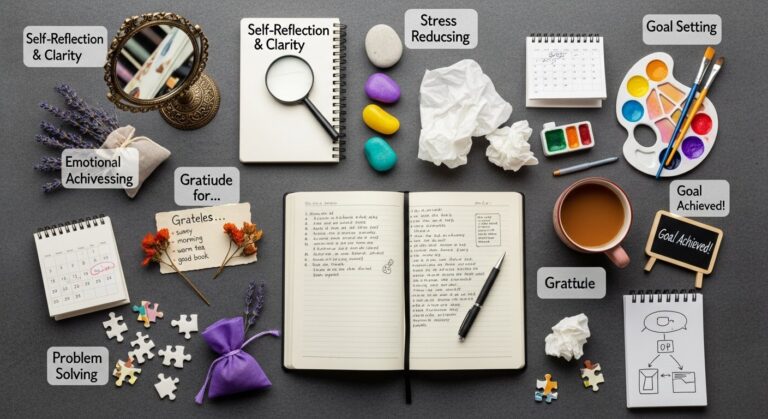
[INLINE IMAGE 1: place after second H2 | alt=”embrace slow living concept illustration”]
The Invisible Burdens of the Always-On Culture
For women, the “always-on” culture is particularly insidious. Often shouldering a disproportionate share of emotional labor, household management, and caregiving responsibilities alongside professional careers, many find themselves caught in a perpetual state of exhaustion and overwhelm. This constant striving leads to:
- Chronic Stress and Burnout: The body and mind are not designed for sustained high-stress levels. Constant pressure leads to adrenal fatigue, anxiety, and a feeling of being perpetually drained.
- Loss of Connection: When we’re rushing, we have less time and mental space for deep conversations, meaningful interactions, or even self-reflection. Relationships become superficial, and loneliness can set in.
- Diminished Creativity and Clarity: A cluttered, overstimulated mind struggles to think clearly, innovate, or access its creative potential. Insights often emerge in moments of quiet and reflection, which are scarce in a fast-paced life.
- Physical Health Issues: Lack of sleep, poor nutrition due to rushed eating, sedentary lifestyles, and chronic stress contribute to a host of physical ailments, from digestive issues to cardiovascular problems.
- Environmental Impact: The culture of fast consumption and disposability, driven by a need for instant gratification, contributes significantly to environmental degradation.
Recognizing these burdens is the first step towards seeking an alternative. Embracing slow living offers a powerful counter-narrative, allowing us to reclaim agency and redefine what a rich, meaningful life looks like on our own terms.
Reclaiming Time, Energy, and Agency
The greatest gift of slow living is the opportunity to reclaim what is rightfully yours: your time, your energy, and your autonomy. By deliberately choosing to slow down, you empower yourself to:
- Make Deliberate Choices: Instead of reacting to external pressures, you choose how to spend your precious resources. This fosters a sense of control and purpose.
- Deepen Self-Awareness: Slower moments create space for introspection, allowing you to understand your needs, desires, and values more clearly. This self-knowledge is foundational for personal growth.
- Enhance Well-being: Reduced stress, improved sleep, more mindful eating, and greater connection contribute significantly to overall physical and mental health.
- Cultivate Presence: Learning to be fully present in each moment transforms mundane tasks into opportunities for joy and connection. A simple meal becomes a feast, a walk becomes an exploration.
- Foster Creativity: A rested, unhurried mind is fertile ground for new ideas, problem-solving, and imaginative pursuits.
Ultimately, embracing slow living is an act of profound self-care and an investment in a more fulfilling, sustainable way of life. It’s about choosing quality over quantity, depth over breadth, and presence over perpetual striving.
Core Principles and Pillars of a Slow Lifestyle
To truly embrace slow living, it’s helpful to understand the foundational principles that guide this approach. These aren’t rigid rules but rather guiding philosophies that can be applied to various aspects of your life, providing a framework for intentionality and peace.
1. Mindfulness and Presence: The Foundation of Slow Living
At the very heart of slow living is mindfulness – the practice of bringing your full attention to the present moment, without judgment. This means consciously engaging with your senses, thoughts, and feelings as they arise. When you practice mindfulness, you stop living on autopilot and start experiencing life fully.
- Actionable Tip: Integrate short mindfulness breaks throughout your day. This could be a 5-minute meditation, mindfully drinking your tea, or a guided breathing exercise. Practice single-tasking – devote your full attention to one activity at a time, whether it’s eating, working, or talking to a friend.
2. Intentionality: Making Conscious Choices
Intentionality is about making deliberate decisions rather than simply reacting to circumstances or following societal norms. It involves understanding your values and aligning your actions with them. Every choice, from what you buy to how you spend your free time, becomes an opportunity to express your intentions.
- Actionable Tip: Before committing to an activity, purchasing an item, or making a decision, pause and ask yourself: “Does this align with my values? Does it bring me joy or serve a meaningful purpose?” Say “no” to things that don’t align, creating space for what truly matters.
3. Prioritization and Decluttering: Making Space for What Matters
Slow living champions the idea that less is often more. This applies not only to physical possessions but also to commitments, digital distractions, and mental clutter. By simplifying, you create space – mental, emotional, and physical – for clarity, creativity, and calm.
- Actionable Tip: Regularly declutter your physical space using methods like the KonMari method or a minimalist approach. Extend this to your digital life by unsubscribing from unnecessary emails, streamlining your social media feeds, and organizing your digital files. Evaluate your schedule and commitments, letting go of obligations that no longer serve you.
4. Sustainability and Conscious Consumption: Living in Harmony
A slow lifestyle often naturally intertwines with principles of sustainability. It encourages a thoughtful approach to consumption, valuing quality over quantity, durability over disposability, and ethical production over fast fashion or mass-produced goods. This perspective extends to food, encouraging local, seasonal, and home-cooked meals.
- Actionable Tip: Adopt a “buy less, choose well” philosophy. Support local businesses, farmers’ markets, and brands committed to ethical and sustainable practices. Reduce waste by practicing the “reduce, reuse, recycle, rot” principles.
5. Connection: Deepening Relationships
Slow living emphasizes the importance of genuine connection – with yourself, with others, and with the natural world. This means carving out time for meaningful conversations, shared experiences, and uninterrupted moments with loved ones. It also involves spending time in nature, fostering a sense of belonging and peace.
- Actionable Tip: Schedule regular, screen-free time with loved ones. Engage in active listening during conversations. Spend time outdoors daily, even if it’s just a walk in a local park, and consciously observe your surroundings. Dedicate time for self-reflection through journaling or quiet contemplation.
By integrating these pillars into your daily life, you begin to build a robust foundation for a slow and intentional existence, leading to profound personal growth and a greater sense of inner peace.
Practical Steps to Begin Your Slow Living Journey

Embarking on a slow living journey doesn’t require a radical overhaul of your entire life overnight. It’s a gradual process of adopting new habits and shifting perspectives. Here are actionable steps you can take to begin weaving the principles of slow living into your everyday reality.
Digital Detox and Mindful Tech Use
Our devices are often the biggest culprits in stealing our attention and accelerating our pace. A mindful approach to technology is crucial for reclaiming your time and mental space.
- Schedule Screen-Free Time: Designate specific hours each day (e.g., first hour after waking, last hour before bed) as completely screen-free zones.
- Notifications Control: Turn off unnecessary notifications for apps. You’ll be surprised how much less urgent everything feels.
- Curate Your Feed: Unfollow accounts that trigger comparison or negativity. Follow those that inspire, educate, or bring joy.
- Digital Declutter: Delete unused apps, organize your photos, and clean up your email inbox regularly.
- One-Device Rule: When you’re with people, put your phone away. When you’re eating, don’t scroll. Be present with one experience at a time.
Rethinking Your Relationship with Time: Single-Tasking and Pacing
In a world that glorifies multitasking, slow living invites you to embrace single-tasking – focusing on one thing at a time, completely and without distraction.
- The Power of Single-Tasking: When working, choose one task and dedicate a set period (e.g., 30-60 minutes) to it without interruption. You’ll often find you complete it faster and with higher quality.
- Time Blocking for Intentionality: Instead of a long to-do list, block out specific times for specific activities, including leisure, creative pursuits, and rest. This helps visualize how you’re truly spending your hours.
- Embrace Margins: Build buffer time into your schedule between appointments or tasks. This reduces rushing and allows for unexpected delays or spontaneous moments.
- Slow Mornings & Evenings: Design a peaceful morning routine that isn’t rushed. This could include quiet contemplation, a mindful cup of tea, or a leisurely breakfast. Similarly, wind down with a technology-free evening routine to prepare for restful sleep.
Simplifying Your Home and Wardrobe
Physical clutter often translates into mental clutter. Simplifying your environment can have a profound impact on your sense of calm and clarity.
- One Room at a Time: Don’t try to declutter your whole house at once. Choose one small area (a drawer, a shelf) and focus on it.
- The “KonMari” Method: Ask if an item “sparks joy.” If not, thank it and let it go. This applies to clothes, books, kitchenware, and more.
- Capsule Wardrobe: Curate a wardrobe of versatile, high-quality pieces that you love and that mix and match easily. This reduces decision fatigue and promotes conscious consumption.
- “One In, One Out” Rule: When you bring a new item into your home, commit to donating or getting rid of an existing similar item.
Embracing a minimalist mindset can be a powerful tool for enhancing clarity and intentionality in your home and life.
[INLINE IMAGE 2: place after fourth H2 | alt=”embrace slow living comparison illustration”]
Mindset Shifts for a Slower Pace of Life
While practical steps are essential, truly embracing slow living requires profound internal shifts. It’s about retraining your brain, challenging deeply ingrained beliefs, and cultivating new perspectives that support a more deliberate and peaceful existence.
From Scarcity to Abundance Mentality
Many of us operate from a scarcity mindset, fearing we don’t have enough time, resources, or opportunities. This drives frantic striving and a feeling of always being behind. Slow living encourages a shift to an abundance mentality.
- Challenge “Lack” Thinking: Instead of focusing on what you don’t have time for, appreciate the time you *do* have. Instead of feeling overwhelmed by tasks, recognize your capacity to choose and prioritize.
- Cultivate Gratitude: Regularly practice gratitude for the simple things in life. This reframes your perspective, helping you see the richness and abundance that already exists. A gratitude journal or daily reflection can be incredibly powerful.
- Trust the Process: Believe that there is enough, and that by focusing on quality and intentionality, the right opportunities and experiences will emerge.
Letting Go of Perfectionism and Comparison
Social media and societal pressures often foster a culture of comparison and an elusive pursuit of perfection. This is antithetical to slow living, which celebrates authenticity and progress over flawless outcomes.
- Embrace “Good Enough”: Recognize that perfection is often the enemy of good. Many tasks don’t require 100% effort to be effective. Learn to discern when “good enough” is truly sufficient.
- Focus on Your Own Journey: Stop comparing your behind-the-scenes reality to others’ highlight reels. Your path is unique, and your definition of “slow” will differ.
- Celebrate Imperfection: Understand that mistakes are opportunities for learning, and imperfections are part of being human. Release the pressure to present a flawless facade.
Cultivating Joy in the Mundane
One of the most beautiful aspects of slow living is its ability to transform everyday activities into sources of joy and presence. When you approach tasks with mindfulness, even routine chores can become meditative.
- Engage Your Senses: When washing dishes, feel the warm water, smell the soap, listen to the gentle clinking. When walking, notice the sounds, smells, and textures around you.
- Reframe Chores as Rituals: View cooking, cleaning, or gardening not as burdens, but as opportunities for grounding and care. Turn on music, light a candle, and bring intention to these acts.
- Find the Beauty in the Small: A perfectly brewed cup of coffee, the warmth of a sunny window, the sound of rain – these tiny moments of beauty are abundant when you’re present enough to notice them.
Embracing Discomfort and the Unknown
Slowing down can sometimes bring up discomfort – fears of falling behind, anxieties about productivity, or the challenge of facing emotions we’ve been too busy to acknowledge. Embracing this discomfort is part of the growth process.
- Lean into the Quiet: When you first slow down, you might feel restless or even bored. Resist the urge to fill every moment. Allow yourself to just be.
- Practice Self-Compassion: There will be days you fall back into old patterns. Don’t judge yourself harshly. Acknowledge it, learn from it, and gently redirect.
- Welcome Uncertainty: Slow living doesn’t mean having all the answers. It’s about trusting your intuition and embracing the unfolding journey, even when the path isn’t perfectly clear.
| Aspect | Fast Living Mindset | Slow Living Mindset |
|---|---|---|
| Time Perception | Time is scarce, a resource to be optimized and constantly filled. Rushing is a norm. | Time is abundant, a canvas for intentional experiences. Pacing is a choice. |
| Productivity | Measured by quantity of tasks completed, multitasking, busyness. | Measured by quality of focus, depth of engagement, intentional output. |
| Consumption | Driven by trends, instant gratification, accumulation, disposability. | Driven by values, sustainability, quality, durability, conscious choices. |
| Relationships | Often superficial, rushed interactions, difficulty being fully present. | Deep, meaningful connections, active listening, quality time prioritized. |
| Self-Worth | Tied to achievements, external validation, comparison with others. | Derived from internal peace, authenticity, alignment with personal values. |
| Stress Response | Constant state of overwhelm, anxiety, burnout, feeling reactive. | Mindful awareness, proactive choices, resilience, ability to find calm. |
| Focus | Future-oriented (what’s next?), constant planning, rarely fully present. | Present-focused (what’s now?), savoring moments, intentional living. |
Integrating Slow Living into Specific Life Areas

Slow living isn’t just a philosophy; it’s a practical framework that can be applied to virtually every aspect of your daily existence. By bringing intentionality to specific areas, you can create a truly holistic slow lifestyle.
Slow Work: Redefining Productivity and Purpose
For many women, work is a significant part of life, and the idea of “slowing down” at work can seem counterintuitive in a demanding professional environment. However, slow work isn’t about doing less; it’s about working more intelligently, mindfully, and effectively.
- Deep Work Sessions: Dedicate blocks of uninterrupted time (e.g., 90 minutes) to focus on your most important tasks, free from distractions.
- Prioritize Ruthlessly: Use frameworks like the Eisenhower Matrix (urgent/important) to identify what truly needs your attention and what can be delegated, deferred, or eliminated.
- Mindful Breaks: Step away from your desk regularly. Take a short walk, stretch, or simply close your eyes for a few minutes. This boosts focus and prevents burnout.
- Boundary Setting: Clearly define your working hours and communicate them. Avoid checking emails or working late into the evening unless absolutely necessary.
- Say No Gracefully: Learn to decline requests that don’t align with your priorities or capacity, protecting your time and energy.
Slow Food: Conscious Eating and Cooking
Our relationship with food is deeply connected to our well-being. Fast food and rushed meals contribute to poor digestion, lack of pleasure, and disconnection from our bodies. Slow food encourages a more mindful approach.
- Mindful Eating: Pay attention to your food – its colors, textures, smells, and flavors. Chew slowly, put your fork down between bites, and listen to your body’s hunger and fullness cues.
- Home Cooking: Prepare meals from scratch more often. This connects you to your food, allows for healthier ingredients, and can be a meditative, creative process.
- Local and Seasonal: Source ingredients from local farmers’ markets or grow your own. Eating seasonally connects you to nature’s rhythm and often provides fresher, more nutritious food.
- Share Meals: Make meals an occasion for connection. Gather with loved ones, put away devices, and engage in conversation.
- Reduce Food Waste: Plan meals, use leftovers creatively, and compost food scraps.
Slow Parenting: Nurturing Presence and Connection
Modern parenting often feels like a race, filled with scheduled activities and academic pressures. Slow parenting advocates for a focus on presence, connection, and allowing children to develop at their own pace.
- Unscheduled Play: Provide ample opportunities for unstructured play, both indoors and outdoors. Allow children to lead and explore without constant intervention.
- Be Present: Put your phone away when interacting with your children. Get down to their level, make eye contact, and truly listen to them.
- Simplify Routines: Create calm, predictable routines, but avoid over-scheduling. Leave room for spontaneity and rest.
- Teach Life Skills Slowly: Involve children in everyday tasks like cooking, cleaning, and gardening. Allow them to learn at their own pace, valuing the process over speed or perfection.
- Model Slow Living: Children learn by observing. When you prioritize presence, rest, and intentionality, you’re teaching them invaluable life lessons.
Slow Travel: Experiencing Rather Than Rushing
Traditional tourism often involves rushing from one famous landmark to the next, ticking off sights without truly experiencing a place. Slow travel is about immersing yourself in the local culture, savoring experiences, and traveling with a lighter footprint.
- Stay Longer: Instead of visiting many places briefly, choose one or two destinations and stay for an extended period.
- Live Like a Local: Opt for local accommodations, eat at neighborhood eateries, and use public transport.
- Engage with the Community: Learn a few phrases of the local language, talk to residents, and participate in local activities or classes.
- Travel Mindfully: Be present in your surroundings, observe details, and allow for serendipitous discoveries. Avoid over-scheduling your itinerary.
- Sustainable Choices: Choose eco-friendly transport options, support local businesses, and minimize your environmental impact.
Discovering the joys of mindful travel can transform your vacations into truly rejuvenating and enriching experiences.
Building Resilience and Community in a Slow Life
Embracing a slow lifestyle isn’t just about individual choices; it’s also about building a supportive framework that fosters resilience and connection. Humans are inherently social beings, and a truly fulfilling slow life often involves nurturing meaningful relationships and finding your place within a conscious community.
The Power of Routines and Rituals
While slow living is about flexibility and presence, intentional routines and rituals provide a stabilizing anchor, especially when life feels chaotic. They create predictability, reduce decision fatigue, and offer opportunities for mindfulness.
- Morning Rituals: Start your day with intentionality. This could involve meditation, journaling, a slow cup of tea, or a quiet walk, setting a calm tone for the hours ahead.
- Evening Wind-Down: Create a consistent routine to signal to your body and mind that it’s time to rest. This might include reading, a warm bath, gentle stretching, or reflecting on your day.
- Weekly or Monthly Rituals: Plan regular activities that bring you joy and grounding, such as a Sunday hike, a weekly meal prep session, or a monthly creative workshop.
- Family Rituals: For women with families, shared rituals like family dinner, bedtime stories, or weekend adventures can strengthen bonds and create cherished memories.
Connecting with Nature for Inner Peace
Spending time in nature is one of the most accessible and powerful ways to slow down, reduce stress, and reconnect with yourself. It offers a sensory rich environment that naturally encourages mindfulness and presence.
- Daily Dose of Green: Make an effort to get outdoors every day, even for a short period. A walk in a park, sitting in your garden, or simply opening a window and observing the sky.
- “Forest Bathing” (Shinrin-Yoku): Consciously immerse yourself in the atmosphere of the forest. Engage all your senses – listen to the birds, feel the breeze, smell the earth, observe the light.
- Bring Nature Indoors: Incorporate plants into your home and workspace. Natural elements have a calming effect and purify the air.
- Gardening: Tending to plants, whether in a small container or a larger garden, offers a deeply grounding and meditative practice, connecting you directly to cycles of growth and nature.
Fostering Meaningful Relationships and Community
Isolation can contribute to feelings of anxiety and overwhelm. A slow life thrives on genuine connection, both with close loved ones and with a broader community that shares similar values.
- Prioritize Quality Time: Schedule regular, dedicated time with friends and family. Make these interactions screen-free and fully present.
- Practice Active Listening: When conversing, truly listen to understand, rather than waiting for your turn to speak.
- Join or Create a Community: Seek out groups or communities that align with your slow living values – a book club, a hiking group, a crafting circle, or a local volunteer organization.
- Support Local: Engage with your local community by supporting small businesses, attending local events, and participating in civic activities. This fosters a sense of belonging and contributes to a vibrant local ecosystem.
- Be Vulnerable: Genuine connection often requires vulnerability. Share your authentic self and allow others to do the same.
Building these networks of support and connection creates a powerful buffer against the pressures of the fast-paced world, making your slow living journey more sustainable and deeply enriching.
Overcoming Obstacles and Sustaining Your Slow Life Journey
The path to embracing slow living isn’t always smooth. You’ll encounter internal and external obstacles that challenge your commitment. Sustaining a slow life requires resilience, adaptation, and a deep understanding that it’s an ongoing journey, not a destination.
Dealing with Societal Pressures and External Expectations
One of the biggest hurdles for women embracing slow living is navigating the expectations of a society that often doesn’t understand or value a slower pace. You might face:
- “Why aren’t you busier?” Syndrome: Friends, family, or colleagues might question your choices, implying you’re not ambitious or productive enough.
- FOMO (Fear Of Missing Out): The constant barrage of social media highlights can make you feel like you’re missing out on exciting events or opportunities if you choose to slow down.
- Workplace Demands: The pressure to always be available and responsive can make boundary-setting challenging.
Strategies:
- Communicate Your Values: Gently explain your reasons for choosing a slower pace to those who matter. Focus on the positive benefits you’re experiencing.
- Set Firm Boundaries: Learn to say “no” graciously but firmly to commitments that don’t align with your new priorities.
- Curate Your Circle: Seek out and spend more time with individuals who understand and support your slow living journey.
- Focus Inward: Remind yourself that your worth isn’t tied to your busyness or external validation. Your peace and well-being are paramount.
Managing Expectations and Setbacks
You won’t always be perfectly “slow.” There will be days when you feel rushed, overwhelmed, or fall back into old habits. This is normal and part of the learning process.
- Practice Self-Compassion: Don’t beat yourself up for not being perfect. Acknowledge the setback, learn from it, and gently recommit to your intentions.
- Reflect and Adjust: When things go awry, take time to reflect on what happened. Was your schedule too ambitious? Did you not set clear boundaries? Use these insights to adjust your approach for next time.
- Start Small, Build Gradually: If you try to change everything at once, you’re more likely to feel overwhelmed. Pick one or two areas to focus on first, solidify those habits, then gradually add more.
- Revisit Your “Why”: Regularly remind yourself of the core reasons you chose to embrace slow living. This reinforces your motivation and helps you stay aligned with your values.
Making Slow Living Accessible and Inclusive
Slow living should not be an exclusive club. While some aspects might require resources, the core tenets of intentionality and presence are available to everyone. It’s important to remember that slow living looks different for different people.
- Adapt to Your Circumstances: Your version of slow living will be unique. Don’t compare your journey to others. Focus on what is feasible and meaningful for your life, your budget, and your responsibilities.
- Focus on Inner Shifts: The most impactful changes often come from within – mindset shifts, gratitude, and mindfulness – which are free and accessible.
- Leverage Existing Resources: Utilize local parks, libraries, free community events, and nature to find moments of slowness without financial burden.
- Advocate for Change: For women in leadership roles, consider how you can foster a more humane and sustainable pace within your workplaces and communities.
Strategies for overcoming common hurdles are crucial for maintaining momentum and ensuring your slow living journey is sustainable and deeply fulfilling.
The Transformative Power of Slow Living: A Life Reimagined
Embracing slow living is not merely a trend; it is a profound paradigm shift that has the power to transform every facet of your life. For women seeking a deeper sense of purpose, peace, and personal growth, the long-term benefits extend far beyond simply “slowing down.” It’s about building a life that truly resonates with your soul, allowing you to thrive rather than merely survive.
Increased Well-being and Inner Peace
Perhaps the most immediate and impactful outcome of slow living is a significant improvement in overall well-being. By reducing external pressures and cultivating internal calm, you pave the way for:
- Reduced Stress and Anxiety: Intentional choices and mindful presence act as powerful antidotes to the constant overwhelm that characterizes fast living.
- Improved Mental Clarity: A less cluttered mind has more space for focused thought, decision-making, and emotional regulation.
- Better Physical Health: Prioritizing sleep, nourishing food, mindful movement, and reduced stress contributes directly to a healthier body and stronger immune system.
- Enhanced Emotional Resilience: By creating space for self-reflection and processing emotions, you develop a greater capacity to navigate life’s challenges with grace and strength.
- A Deeper Sense of Joy: Learning to savor small moments and appreciate the present allows for a consistent undercurrent of contentment and happiness.
Enhanced Creativity and Clarity of Purpose
When you create space in your life, you create space for new ideas to emerge. A mind that isn’t constantly racing is a mind fertile for creativity and innovation.
- Unleashed Creativity: Boredom, often feared, is actually a breeding ground for creativity. When external stimuli are reduced, your inner world has a chance to express itself.
- Greater Problem-Solving Ability: Stepping back from a problem and allowing your mind to rest can lead to surprising insights and solutions.
- Rediscovery of Passions: Slow living provides the time and mental bandwidth to explore old hobbies or discover new interests that bring you profound satisfaction.
- Clarified Life Vision: Through intentional reflection and introspection, you gain a clearer understanding of your values, priorities, and what truly makes you feel alive. This clarity is essential for understanding your true purpose and aligning your actions with it.
Embrace Slow Living: Reclaiming Your Time, Energy, and Joy in a Fast-Paced World
By thecontextuallife Editorial Team — Senior editors with 10+ years of subject-matter experience.
Published 2026-05-26 · Last Updated 2026-05-26
Affiliate disclosure: This article may contain affiliate links. Recommendations are independent and editorially driven.
In a world that constantly demands more, faster, and bigger, the concept of slow living often feels revolutionary. For many women navigating the complexities of modern life – juggling careers, family, personal aspirations, and societal expectations – the relentless pace can lead to burnout, overwhelm, and a nagging sense of unfulfillment. We find ourselves trapped in a cycle of doing, rather than being, constantly chasing an elusive finish line that always seems to recede into the distance.
But what if there was another way? What if you could consciously choose to step off the hamster wheel, to savor life’s moments, and to infuse every aspect of your existence with intentionality and presence? This is the essence of slow living: a powerful philosophy and a practical approach that invites you to redefine your relationship with time, prioritize what truly matters, and cultivate a deeper connection to yourself, your loved ones, and the world around you.
This comprehensive guide from thecontextuallife is your invitation to explore the profound impact of choosing a slower, more deliberate path. We’ll delve into the core principles of slow living, unpack its myriad benefits for your mental, physical, and emotional well-being, and provide you with actionable strategies to begin integrating this transformative lifestyle into your everyday reality. Whether you’re feeling overwhelmed by the relentless demands of modern life or simply yearning for a deeper sense of purpose and peace, embarking on a journey to embrace slow living can be the most empowering decision you make for your personal growth and overall happiness.
Understanding the Essence of Slow Living: More Than Just Slowing Down
The term “slow living” can sometimes evoke images of idyllic countryside retreats, endless leisure, or a complete rejection of modern conveniences. While these elements might be part of some individuals’ slow living journey, the core philosophy is far more nuanced and adaptable. At its heart, slow living is not about doing everything at a snail’s pace, but about doing things at the *right* pace – one that allows for intentionality, mindfulness, and a deep appreciation for the present moment.
What Slow Living Truly Means: A Holistic Approach
Slow living is a conscious choice to live a more meaningful and purposeful life. It’s an antidote to the prevalent culture of speed, instant gratification, and constant busyness. It’s about being present and engaged in whatever you’re doing, rather than rushing through tasks to get to the next one. This lifestyle encourages you to:
- Prioritize Connection: Cultivating deeper relationships with yourself, others, and nature.
- Embrace Intentionality: Making deliberate choices about how you spend your time, energy, and resources.
- Cultivate Mindfulness: Paying attention to the present moment without judgment.
- Simplify and Declutter: Reducing physical, mental, and digital clutter to make space for what truly matters.
- Seek Quality Over Quantity: Valuing depth, craftsmanship, and lasting experiences over superficial abundance.
- Live in Harmony: With your values, your environment, and your natural rhythms.
It’s not about being unproductive or idle; it’s about being productively *present* and intentionally *purposeful*. For women, this often means reclaiming agency over their schedules and choices, rather than passively reacting to external demands.
Debunking Common Misconceptions
To truly embrace slow living, it’s essential to shed some common misunderstandings:
- Misconception 1: Slow living means being lazy or unproductive. Reality: Slow living encourages efficiency and focus. By single-tasking and being present, you often accomplish more with less stress and higher quality. It’s about working smarter, not necessarily less, but with intention.
- Misconception 2: You have to quit your job and move to a farm. Reality: Slow living is highly adaptable. You can integrate its principles into any lifestyle, urban or rural, professional or domestic. It’s about internal shifts, not just external circumstances.
- Misconception 3: It’s only for privileged people with endless time. Reality: While certain privileges can make the transition easier, slow living is a mindset accessible to everyone. It’s about making conscious choices within your existing constraints, optimizing what you have, and finding moments of slowness regardless of your schedule.
- Misconception 4: It’s about doing everything slowly. Reality: It’s about discerning when to speed up and when to slow down. Some tasks require quick action, but many others benefit from deliberate attention. It’s about conscious pace, not universal slowness.
By understanding what slow living truly entails, we can see it not as a restrictive set of rules, but as an empowering framework for a more fulfilling life.
Why Embrace Slow Living? The Modern Predicament and Its Toll
Our contemporary society often glorifies busyness, equating a packed schedule with success, importance, and worth. We’re constantly bombarded with information, expectations, and the pressure to perform, optimize, and achieve. This relentless pace, while seemingly productive on the surface, exacts a heavy toll on our well-being, our relationships, and our ability to truly enjoy life.
[INLINE IMAGE 1: place after second H2 | alt=”embrace slow living concept illustration”]
The Invisible Burdens of the Always-On Culture
For women, the “always-on” culture is particularly insidious. Often shouldering a disproportionate share of emotional labor, household management, and caregiving responsibilities alongside professional careers, many find themselves caught in a perpetual state of exhaustion and overwhelm. This constant striving leads to:
- Chronic Stress and Burnout: The body and mind are not designed for sustained high-stress levels. Constant pressure leads to adrenal fatigue, anxiety, and a feeling of being perpetually drained.
- Loss of Connection: When we’re rushing, we have less time and mental space for deep conversations, meaningful interactions, or even self-reflection. Relationships become superficial, and loneliness can set in.
- Diminished Creativity and Clarity: A cluttered, overstimulated mind struggles to think clearly, innovate, or access its creative potential. Insights often emerge in moments of quiet and reflection, which are scarce in a fast-paced life.
- Physical Health Issues: Lack of sleep, poor nutrition due to rushed eating, sedentary lifestyles, and chronic stress contribute to a host of physical ailments, from digestive issues to cardiovascular problems.
- Environmental Impact: The culture of fast consumption and disposability, driven by a need for instant gratification, contributes significantly to environmental degradation.
Recognizing these burdens is the first step towards seeking an alternative. Embracing slow living offers a powerful counter-narrative, allowing us to reclaim agency and redefine what a rich, meaningful life looks like on our own terms.
Reclaiming Time, Energy, and Agency
The greatest gift of slow living is the opportunity to reclaim what is rightfully yours: your time, your energy, and your autonomy. By deliberately choosing to slow down, you empower yourself to:
- Make Deliberate Choices: Instead of reacting to external pressures, you choose how to spend your precious resources. This fosters a sense of control and purpose.
- Deepen Self-Awareness: Slower moments create space for introspection, allowing you to understand your needs, desires, and values more clearly. This self-knowledge is foundational for personal growth.
- Enhance Well-being: Reduced stress, improved sleep, more mindful eating, and greater connection contribute significantly to overall physical and mental health.
- Cultivate Presence: Learning to be fully present in each moment transforms mundane tasks into opportunities for joy and connection. A simple meal becomes a feast, a walk becomes an exploration.
- Foster Creativity: A rested, unhurried mind is fertile ground for new ideas, problem-solving, and imaginative pursuits.
Ultimately, embracing slow living is an act of profound self-care and an investment in a more fulfilling, sustainable way of life. It’s about choosing quality over quantity, depth over breadth, and presence over perpetual striving.
Core Principles and Pillars of a Slow Lifestyle
To truly embrace slow living, it’s helpful to understand the foundational principles that guide this approach. These aren’t rigid rules but rather guiding philosophies that can be applied to various aspects of your life, providing a framework for intentionality and peace.
1. Mindfulness and Presence: The Foundation of Slow Living
At the very heart of slow living is mindfulness – the practice of bringing your full attention to the present moment, without judgment. This means consciously engaging with your senses, thoughts, and feelings as they arise. When you practice mindfulness, you stop living on autopilot and start experiencing life fully.
- Actionable Tip: Integrate short mindfulness breaks throughout your day. This could be a 5-minute meditation, mindfully drinking your tea, or a guided breathing exercise. Practice single-tasking – devote your full attention to one activity at a time, whether it’s eating, working, or talking to a friend.
2. Intentionality: Making Conscious Choices
Intentionality is about making deliberate decisions rather than simply reacting to circumstances or following societal norms. It involves understanding your values and aligning your actions with them. Every choice, from what you buy to how you spend your free time, becomes an opportunity to express your intentions.
- Actionable Tip: Before committing to an activity, purchasing an item, or making a decision, pause and ask yourself: “Does this align with my values? Does it bring me joy or serve a meaningful purpose?” Say “no” to things that don’t align, creating space for what truly matters.
3. Prioritization and Decluttering: Making Space for What Matters
Slow living champions the idea that less is often more. This applies not only to physical possessions but also to commitments, digital distractions, and mental clutter. By simplifying, you create space – mental, emotional, and physical – for clarity, creativity, and calm.
- Actionable Tip: Regularly declutter your physical space using methods like the KonMari method or a minimalist approach. Extend this to your digital life by unsubscribing from unnecessary emails, streamlining your social media feeds, and organizing your digital files. Evaluate your schedule and commitments, letting go of obligations that no longer serve you.
4. Sustainability and Conscious Consumption: Living in Harmony
A slow lifestyle often naturally intertwines with principles of sustainability. It encourages a thoughtful approach to consumption, valuing quality over quantity, durability over disposability, and ethical production over fast fashion or mass-produced goods. This perspective extends to food, encouraging local, seasonal, and home-cooked meals.
- Actionable Tip: Adopt a “buy less, choose well” philosophy. Support local businesses, farmers’ markets, and brands committed to ethical and sustainable practices. Reduce waste by practicing the “reduce, reuse, recycle, rot” principles.
5. Connection: Deepening Relationships
Slow living emphasizes the importance of genuine connection – with yourself, with others, and with the natural world. This means carving out time for meaningful conversations, shared experiences, and uninterrupted moments with loved ones. It also involves spending time in nature, fostering a sense of belonging and peace.
- Actionable Tip: Schedule regular, screen-free time with loved ones. Engage in active listening during conversations. Spend time outdoors daily, even if it’s just a walk in a local park, and consciously observe your surroundings. Dedicate time for self-reflection through journaling or quiet contemplation.
By integrating these pillars into your daily life, you begin to build a robust foundation for a slow and intentional existence, leading to profound personal growth and a greater sense of inner peace.
Practical Steps to Begin Your Slow Living Journey
Embarking on a slow living journey doesn’t require a radical overhaul of your entire life overnight. It’s a gradual process of adopting new habits and shifting perspectives. Here are actionable steps you can take to begin weaving the principles of slow living into your everyday reality.
Digital Detox and Mindful Tech Use
Our devices are often the biggest culprits in stealing our attention and accelerating our pace. A mindful approach to technology is crucial for reclaiming your time and mental space.
- Schedule Screen-Free Time: Designate specific hours each day (e.g., first hour after waking, last hour before bed) as completely screen-free zones.
- Notifications Control: Turn off unnecessary notifications for apps. You’ll be surprised how much less urgent everything feels.
- Curate Your Feed: Unfollow accounts that trigger comparison or negativity. Follow those that inspire, educate, or bring joy.
- Digital Declutter: Delete unused apps, organize your photos, and clean up your email inbox regularly.
- One-Device Rule: When you’re with people, put your phone away. When you’re eating, don’t scroll. Be present with one experience at a time.
Rethinking Your Relationship with Time: Single-Tasking and Pacing
In a world that glorifies multitasking, slow living invites you to embrace single-tasking – focusing on one thing at a time, completely and without distraction.
- The Power of Single-Tasking: When working, choose one task and dedicate a set period (e.g., 30-60 minutes) to it without interruption. You’ll often find you complete it faster and with higher quality.
- Time Blocking for Intentionality: Instead of a long to-do list, block out specific times for specific activities, including leisure, creative pursuits, and rest. This helps visualize how you’re truly spending your hours.
- Embrace Margins: Build buffer time into your schedule between appointments or tasks. This reduces rushing and allows for unexpected delays or spontaneous moments.
- Slow Mornings & Evenings: Design a peaceful morning routine that isn’t rushed. This could include quiet contemplation, a mindful cup of tea, or a leisurely breakfast. Similarly, wind down with a technology-free evening routine to prepare for restful sleep.
Simplifying Your Home and Wardrobe
Physical clutter often translates into mental clutter. Simplifying your environment can have a profound impact on your sense of calm and clarity.
- One Room at a Time: Don’t try to declutter your whole house at once. Choose one small area (a drawer, a shelf) and focus on it.
- The “KonMari” Method: Ask if an item “sparks joy.” If not, thank it and let it go. This applies to clothes, books, kitchenware, and more.
- Capsule Wardrobe: Curate a wardrobe of versatile, high-quality pieces that you love and that mix and match easily. This reduces decision fatigue and promotes conscious consumption.
- “One In, One Out” Rule: When you bring a new item into your home, commit to donating or getting rid of an existing similar item.
Embracing a minimalist mindset can be a powerful tool for enhancing clarity and intentionality in your home and life.
[INLINE IMAGE 2: place after fourth H2 | alt=”embrace slow living comparison illustration”]
Mindset Shifts for a Slower Pace of Life
While practical steps are essential, truly embracing slow living requires profound internal shifts. It’s about retraining your brain, challenging deeply ingrained beliefs, and cultivating new perspectives that support a more deliberate and peaceful existence.
From Scarcity to Abundance Mentality
Many of us operate from a scarcity mindset, fearing we don’t have enough time, resources, or opportunities. This drives frantic striving and a feeling of always being behind. Slow living encourages a shift to an abundance mentality.
- Challenge “Lack” Thinking: Instead of focusing on what you don’t have time for, appreciate the time you *do* have. Instead of feeling overwhelmed by tasks, recognize your capacity to choose and prioritize.
- Cultivate Gratitude: Regularly practice gratitude for the simple things in life. This reframes your perspective, helping you see the richness and abundance that already exists. A gratitude journal or daily reflection can be incredibly powerful.
- Trust the Process: Believe that there is enough, and that by focusing on quality and intentionality, the right opportunities and experiences will emerge.
Letting Go of Perfectionism and Comparison
Social media and societal pressures often foster a culture of comparison and an elusive pursuit of perfection. This is antithetical to slow living, which celebrates authenticity and progress over flawless outcomes.
- Embrace “Good Enough”: Recognize that perfection is often the enemy of good. Many tasks don’t require 100% effort to be effective. Learn to discern when “good enough” is truly sufficient.
- Focus on Your Own Journey: Stop comparing your behind-the-scenes reality to others’ highlight reels. Your path is unique, and your definition of “slow” will differ.
- Celebrate Imperfection: Understand that mistakes are opportunities for learning, and imperfections are part of being human. Release the pressure to present a flawless facade.
Cultivating Joy in the Mundane
One of the most beautiful aspects of slow living is its ability to transform everyday activities into sources of joy and presence. When you approach tasks with mindfulness, even routine chores can become meditative.
- Engage Your Senses: When washing dishes, feel the warm water, smell the soap, listen to the gentle clinking. When walking, notice the sounds, smells, and textures around you.
- Reframe Chores as Rituals: View cooking, cleaning, or gardening not as burdens, but as opportunities for grounding and care. Turn on music, light a candle, and bring intention to these acts.
- Find the Beauty in the Small: A perfectly brewed cup of coffee, the warmth of a sunny window, the sound of rain – these tiny moments of beauty are abundant when you’re present enough to notice them.
Embracing Discomfort and the Unknown
Slowing down can sometimes bring up discomfort – fears of falling behind, anxieties about productivity, or the challenge of facing emotions we’ve been too busy to acknowledge. Embracing this discomfort is part of the growth process.
- Lean into the Quiet: When you first slow down, you might feel restless or even bored. Resist the urge to fill every moment. Allow yourself to just be.
- Practice Self-Compassion: There will be days you fall back into old patterns. Don’t judge yourself harshly. Acknowledge it, learn from it, and gently redirect.
- Welcome Uncertainty: Slow living doesn’t mean having all the answers. It’s about trusting your intuition and embracing the unfolding journey, even when the path isn’t perfectly clear.
| Aspect | Fast Living Mindset | Slow Living Mindset |
|---|---|---|
| Time Perception | Time is scarce, a resource to be optimized and constantly filled. Rushing is a norm. | Time is abundant, a canvas for intentional experiences. Pacing is a choice. |
| Productivity | Measured by quantity of tasks completed, multitasking, busyness. | Measured by quality of focus, depth of engagement, intentional output. |
| Consumption | Driven by trends, instant gratification, accumulation, disposability. | Driven by values, sustainability, quality, durability, conscious choices. |
| Relationships | Often superficial, rushed interactions, difficulty being fully present. | Deep, meaningful connections, active listening, quality time prioritized. |
| Self-Worth | Tied to achievements, external validation, comparison with others. | Derived from internal peace, authenticity, alignment with personal values. |
| Stress Response | Constant state of overwhelm, anxiety, burnout, feeling reactive. | Mindful awareness, proactive choices, resilience, ability to find calm. |
| Focus | Future-oriented (what’s next?), constant planning, rarely fully present. | Present-focused (what’s now?), savoring moments, intentional living. |
Integrating Slow Living into Specific Life Areas
Slow living isn’t just a philosophy; it’s a practical framework that can be applied to virtually every aspect of your daily existence. By bringing intentionality to specific areas, you can create a truly holistic slow lifestyle.
Slow Work: Redefining Productivity and Purpose
For many women, work is a significant part of life, and the idea of “slowing down” at work can seem counterintuitive in a demanding professional environment. However, slow work isn’t about doing less; it’s about working more intelligently, mindfully, and effectively.
- Deep Work Sessions: Dedicate blocks of uninterrupted time (e.g., 90 minutes) to focus on your most important tasks, free from distractions.
- Prioritize Ruthlessly: Use frameworks like the Eisenhower Matrix (urgent/important) to identify what truly needs your attention and what can be delegated, deferred, or eliminated.
- Mindful Breaks: Step away from your desk regularly. Take a short walk, stretch, or simply close your eyes for a few minutes. This boosts focus and prevents burnout.
- Boundary Setting: Clearly define your working hours and communicate them. Avoid checking emails or working late into the evening unless absolutely necessary.
- Say No Gracefully: Learn to decline requests that don’t align with your priorities or capacity, protecting your time and energy.
Slow Food: Conscious Eating and Cooking
Our relationship with food is deeply connected to our well-being. Fast food and rushed meals contribute to poor digestion, lack of pleasure, and disconnection from our bodies. Slow food encourages a more mindful approach.
- Mindful Eating: Pay attention to your food – its colors, textures, smells, and flavors. Chew slowly, put your fork down between bites, and listen to your body’s hunger and fullness cues.
- Home Cooking: Prepare meals from scratch more often. This connects you to your food, allows for healthier ingredients, and can be a meditative, creative process.
- Local and Seasonal: Source ingredients from local farmers’ markets or grow your own. Eating seasonally connects you to nature’s rhythm and often provides fresher, more nutritious food.
- Share Meals: Make meals an occasion for connection. Gather with loved ones, put away devices, and engage in conversation.
- Reduce Food Waste: Plan meals, use leftovers creatively, and compost food scraps.
Slow Parenting: Nurturing Presence and Connection
Modern parenting often feels like a race, filled with scheduled activities and academic pressures. Slow parenting advocates for a focus on presence, connection, and allowing children to develop at their own pace.
- Unscheduled Play: Provide ample opportunities for unstructured play, both indoors and outdoors. Allow children to lead and explore without constant intervention.
- Be Present: Put your phone away when interacting with your children. Get down to their level, make eye contact, and truly listen to them.
- Simplify Routines: Create calm, predictable routines, but avoid over-scheduling. Leave room for spontaneity and rest.
- Teach Life Skills Slowly: Involve children in everyday tasks like cooking, cleaning, and gardening. Allow them to learn at their own pace, valuing the process over speed or perfection.
- Model Slow Living: Children learn by observing. When you prioritize presence, rest, and intentionality, you’re teaching them invaluable life lessons.
Slow Travel: Experiencing Rather Than Rushing
Traditional tourism often involves rushing from one famous landmark to the next, ticking off sights without truly experiencing a place. Slow travel is about immersing yourself in the local culture, savoring experiences, and traveling with a lighter footprint.
- Stay Longer: Instead of visiting many places briefly, choose one or two destinations and stay for an extended period.
- Live Like a Local: Opt for local accommodations, eat at neighborhood eateries, and use public transport.
- Engage with the Community: Learn a few phrases of the local language, talk to residents, and participate in local activities or classes.
- Travel Mindfully: Be present in your surroundings, observe details, and allow for serendipitous discoveries. Avoid over-scheduling your itinerary.
- Sustainable Choices: Choose eco-friendly transport options, support local businesses, and minimize your environmental impact.
Discovering the joys of mindful travel can transform your vacations into truly rejuvenating and enriching experiences.
Building Resilience and Community in a Slow Life
Embracing a slow lifestyle isn’t just about individual choices; it’s also about building a supportive framework that fosters resilience and connection. Humans are inherently social beings, and a truly fulfilling slow life often involves nurturing meaningful relationships and finding your place within a conscious community.
The Power of Routines and Rituals
While slow living is about flexibility and presence, intentional routines and rituals provide a stabilizing anchor, especially when life feels chaotic. They create predictability, reduce decision fatigue, and offer opportunities for mindfulness.
- Morning Rituals: Start your day with intentionality. This could involve meditation, journaling, a slow cup of tea, or a quiet walk, setting a calm tone for the hours ahead.
- Evening Wind-Down: Create a consistent routine to signal to your body and mind that it’s time to rest. This might include reading, a warm bath, gentle stretching, or reflecting on your day.
- Weekly or Monthly Rituals: Plan regular activities that bring you joy and grounding, such as a Sunday hike, a weekly meal prep session, or a monthly creative workshop.
- Family Rituals: For women with families, shared rituals like family dinner, bedtime stories, or weekend adventures can strengthen bonds and create cherished memories.
Connecting with Nature for Inner Peace
Spending time in nature is one of the most accessible and powerful ways to slow down, reduce stress, and reconnect with yourself. It offers a sensory rich environment that naturally encourages mindfulness and presence.
- Daily Dose of Green: Make an effort to get outdoors every day, even for a short period. A walk in a park, sitting in your garden, or simply opening a window and observing the sky.
- “Forest Bathing” (Shinrin-Yoku): Consciously immerse yourself in the atmosphere of the forest. Engage all your senses – listen to the birds, feel the breeze, smell the earth, observe the light.
- Bring Nature Indoors: Incorporate plants into your home and workspace. Natural elements have a calming effect and purify the air.
- Gardening: Tending to plants, whether in a small container or a larger garden, offers a deeply grounding and meditative practice, connecting you directly to cycles of growth and nature.
Fostering Meaningful Relationships and Community
Isolation can contribute to feelings of anxiety and overwhelm. A slow life thrives on genuine connection, both with close loved ones and with a broader community that shares similar values.
- Prioritize Quality Time: Schedule regular, dedicated time with friends and family. Make these interactions screen-free and fully present.
- Practice Active Listening: When conversing, truly listen to understand, rather than waiting for your turn to speak.
- Join or Create a Community: Seek out groups or communities that align with your slow living values – a book club, a hiking group, a crafting circle, or a local volunteer organization.
- Support Local: Engage with your local community by supporting small businesses, attending local events, and participating in civic activities. This fosters a sense of belonging and contributes to a vibrant local ecosystem.
- Be Vulnerable: Genuine connection often requires vulnerability. Share your authentic self and allow others to do the same.
Building these networks of support and connection creates a powerful buffer against the pressures of the fast-paced world, making your slow living journey more sustainable and deeply enriching.
Overcoming Obstacles and Sustaining Your Slow Life Journey
The path to embracing slow living isn’t always smooth. You’ll encounter internal and external obstacles that challenge your commitment. Sustaining a slow life requires resilience, adaptation, and a deep understanding that it’s an ongoing journey, not a destination.
Dealing with Societal Pressures and External Expectations
One of the biggest hurdles for women embracing slow living is navigating the expectations of a society that often doesn’t understand or value a slower pace. You might face:
- “Why aren’t you busier?” Syndrome: Friends, family, or colleagues might question your choices, implying you’re not ambitious or productive enough.
- FOMO (Fear Of Missing Out): The constant barrage of social media highlights can make you feel like you’re missing out on exciting events or opportunities if you choose to slow down.
- Workplace Demands: The pressure to always be available and responsive can make boundary-setting challenging.
Strategies:
- Communicate Your Values: Gently explain your reasons for choosing a slower pace to those who matter. Focus on the positive benefits you’re experiencing.
- Set Firm Boundaries: Learn to say “no” graciously but firmly to commitments that don’t align with your new priorities.
- Curate Your Circle: Seek out and spend more time with individuals who understand and support your slow living journey.
- Focus Inward: Remind yourself that your worth isn’t tied to your busyness or external validation. Your peace and well-being are paramount.
Managing Expectations and Setbacks
You won’t always be perfectly “slow.” There will be days when you feel rushed, overwhelmed, or fall back into old habits. This is normal and part of the learning process.
- Practice Self-Compassion: Don’t beat yourself up for not being perfect. Acknowledge the setback, learn from it, and gently recommit to your intentions.
- Reflect and Adjust: When things go awry, take time to reflect on what happened. Was your schedule too ambitious? Did you not set clear boundaries? Use these insights to adjust your approach for next time.
- Start Small, Build Gradually: If you try to change everything at once, you’re more likely to feel overwhelmed. Pick one or two areas to focus on first, solidify those habits, then gradually add more.
- Revisit Your “Why”: Regularly remind yourself of the core reasons you chose to embrace slow living. This reinforces your motivation and helps you stay aligned with your values.
Making Slow Living Accessible and Inclusive
Slow living should not be an exclusive club. While some aspects might require resources, the core tenets of intentionality and presence are available to everyone. It’s important to remember that slow living looks different for different people.
- Adapt to Your Circumstances: Your version of slow living will be unique. Don’t compare your journey to others. Focus on what is feasible and meaningful for your life, your budget, and your responsibilities.
- Focus on Inner Shifts: The most impactful changes often come from within – mindset shifts, gratitude, and mindfulness – which are free and accessible.
- Leverage Existing Resources: Utilize local parks, libraries, free community events, and nature to find moments of slowness without financial burden.
- Advocate for Change: For women in leadership roles, consider how you can foster a more humane and sustainable pace within your workplaces and communities.
Strategies for overcoming common hurdles are crucial for maintaining momentum and ensuring your slow living journey is sustainable and deeply fulfilling.
The Transformative Power of Slow Living: A Life Reimagined
Embracing slow living is not merely a trend; it is a profound paradigm shift that has the power to transform every facet of your life. For women seeking a deeper sense of purpose, peace, and personal growth, the long-term benefits extend far beyond simply “slowing down.” It’s about building a life that truly resonates with your soul, allowing you to thrive rather than merely survive.
Increased Well-being and Inner Peace
Perhaps the most immediate and impactful outcome of slow living is a significant improvement in overall well-being. By reducing external pressures and cultivating internal calm, you pave the way for:
- Reduced Stress and Anxiety: Intentional choices and mindful presence act as powerful antidotes to the constant overwhelm that characterizes fast living.
- Improved Mental Clarity: A less cluttered mind has more space for focused thought, decision-making, and emotional regulation.
- Better Physical Health: Prioritizing sleep, nourishing food, mindful movement, and reduced stress contributes directly to a healthier body and stronger immune system.
- Enhanced Emotional Resilience: By creating space for self-reflection and processing emotions, you develop a greater capacity to navigate life’s challenges with grace and strength.
- A Deeper Sense of Joy: Learning to savor small moments and appreciate the present allows for a consistent undercurrent of contentment and happiness.
Enhanced Creativity and Clarity of Purpose
When you create space in your life, you create space for new ideas to emerge. A mind that isn’t constantly racing is a mind fertile for creativity and innovation.
- Unleashed Creativity: Boredom, often feared, is actually a breeding ground for creativity. When external stimuli are reduced, your inner world has a chance to express itself.
- Greater Problem-Solving Ability: Stepping back from a problem and allowing your mind to rest can lead to surprising insights and solutions.
- Rediscovery of Passions: Slow living provides the time and mental bandwidth to explore old hobbies or discover new interests that bring you profound satisfaction.
- Clarified Life Vision: Through intentional reflection and introspection, you gain a clearer understanding of your values, priorities, and what truly makes you feel alive. This clarity is essential for understanding your true purpose and aligning your actions with it.