


icon

Creating a life you love

Search
Share

Define Personal Values

Featured illustration of a woman reflecting on personal values for a women's lifestyle article


Define Personal Values: Your Ultimate Guide to Intentional Living and Authentic Self-Discovery

Affiliate disclosure: This article may contain affiliate links. Recommendations are independent and editorially driven.

In the whirlwind of modern life, it’s easy to feel adrift, pulled in countless directions by external expectations, societal pressures, and the ever-present hum of digital distractions. For women navigating the complexities of career, family, personal aspirations, and the relentless pursuit of “having it all,” this feeling of being unmoored can be particularly acute. Yet, amidst this chaos, there exists a powerful, internal compass—your personal values—that, when clearly defined, can guide you back to an intentional, fulfilling, and authentically aligned life.

At thecontextuallife, we believe that understanding and living by your personal values is not just a self-help trend; it is the cornerstone of genuine personal growth, profound mindset shifts, and the beautiful, slow lifestyle you deeply desire. It’s the secret ingredient to making decisions with confidence, fostering meaningful relationships, and finding purpose in every step you take. This comprehensive guide will empower you to define personal values, integrate them into your daily existence, and unlock a life rich in clarity and joy.

Whether you’re feeling a nagging sense of misalignment, grappling with a major life decision, or simply seeking a deeper understanding of yourself, this journey to define personal values is the most transformative step you can take. It’s about more than just identifying abstract ideals; it’s about crafting a blueprint for a life that truly reflects who you are, what you stand for, and what brings you profound contentment.

What Exactly Are Personal Values? The Unseen Compass of Your Life

To truly define personal values, we must first understand their fundamental nature. Personal values are the fundamental beliefs and principles that guide your life and influence your behavior, decisions, and perceptions. They are the deeply held convictions about what is important to you, what you deem right or wrong, desirable or undesirable, and how you choose to conduct yourself in the world. Think of them as your internal moral and ethical compass, silently directing your journey even when you’re not consciously aware of it.

These values are not arbitrary; they are shaped by your upbringing, experiences, culture, relationships, and observations. They evolve over time but, at their core, represent the essence of your identity. When you define personal values, you’re not creating them out of thin air; you’re uncovering what has always resonated most deeply within you.

Beyond Morals: Understanding the Nuance

While personal values often intersect with morals, they are not entirely synonymous. Morals are typically society’s widely accepted standards of right and wrong, often external and culturally imposed. Values, on the other hand, are deeply personal and internal. For example, “honesty” might be a moral principle (it’s generally wrong to lie), but for one person, “truth” might be a core personal value that drives them to seek transparency in all interactions, even when difficult. For another, “compassion” might be a higher value, leading them to prioritize kindness over brutal honesty in certain situations. Understanding this nuance is crucial as you seek to define personal values for yourself.

The Foundation of Self: Why Values Matter

Your personal values act as a powerful filter through which you interpret the world and make choices. When you understand what your values are, you gain immense clarity about why you react a certain way, why some situations feel right and others cause discomfort, and what truly brings you fulfillment. They are the bedrock of your self-identity and provide a sense of stability and purpose in an ever-changing world. Without a clear understanding of your values, you risk living a life dictated by external forces, constantly chasing fleeting desires or succumbing to others’ expectations.

Values vs. Goals vs. Beliefs: A Clear Distinction

It’s important to distinguish personal values from other guiding elements of your life:

  • Values: Enduring principles that define what is meaningful and important to you. They are about how you want to live. (e.g., integrity, freedom, community).
  • Goals: Specific, measurable outcomes you aim to achieve. They are about what you want to achieve. (e.g., get a promotion, run a marathon, save for a down payment). While goals can be inspired by values, they are distinct.
  • Beliefs: Convictions or ideas you hold to be true, often about yourself, others, or the world. (e.g., “I believe in the power of positive thinking,” “I believe people are inherently good”). Beliefs can influence values, but values are more about underlying drivers of behavior.

Understanding these distinctions helps clarify the specific role values play in shaping your intentional life. When you define personal values, you create the framework upon which meaningful goals and empowering beliefs can be built.

[INLINE IMAGE 1: place after second H2 | alt=”define personal values concept illustration”]

The Profound Impact of Clearly Defined Personal Values

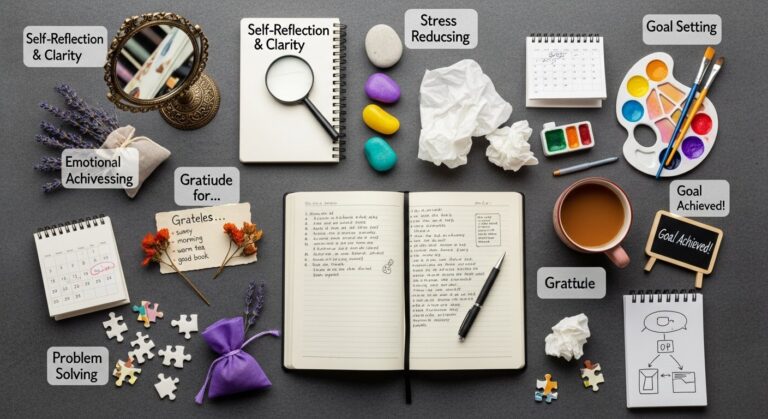
define personal values - photo 2 illustration

The act of taking the time to define personal values is not a mere intellectual exercise; it is a profound investment in your future self and the quality of your entire life. The benefits ripple through every aspect of your existence, offering a pathway to greater peace, purpose, and authentic happiness. For women seeking intentional living and deep personal growth, this clarity is absolutely essential.

Guiding Your Decisions with Clarity and Confidence

Imagine standing at a crossroads, faced with a difficult choice – perhaps a career opportunity that offers financial gain but demands significant travel away from family, or a social invitation that conflicts with your need for quiet reflection. When you have clearly defined personal values, these decisions become less daunting. Instead of agonizing over pros and cons based solely on external factors, you can filter each option through your values. If “family” and “well-being” are paramount, the decision to prioritize home might become clear. If “growth” and “contribution” drive you, the career opportunity might align perfectly. Values act as an internal GPS, preventing you from getting lost in indecision and regret, allowing you to choose paths that truly resonate.

Cultivating Authentic Happiness and Well-being

True happiness isn’t about constant pleasure; it’s often about living a life that feels authentic and meaningful. When your actions, relationships, and lifestyle are out of sync with your core values, it creates internal dissonance, leading to feelings of stress, anxiety, dissatisfaction, and even burnout. Conversely, living in alignment with your values cultivates a deep sense of peace, contentment, and genuine well-being. It’s the feeling of “this is right,” of being in flow, of knowing you are honoring your true self. This intrinsic fulfillment is far more sustainable and profound than fleeting external pleasures.

Building Stronger Relationships and Deeper Connections

Our values profoundly influence our relationships. When you understand your own values, you can articulate them to others, fostering more honest and transparent interactions. You also become more adept at identifying partners, friends, and colleagues with whom you share synergistic values, leading to deeper, more supportive connections. Conversely, recognizing value conflicts early can help you navigate disagreements more effectively or even understand when a relationship might not be serving your highest good. For women, who often carry the emotional labor in relationships, this clarity can be a powerful tool for setting boundaries and nurturing connections that uplift rather than deplete.

Fueling Your Purpose and Driving Personal Growth

Your values are intimately linked to your sense of purpose. When you define personal values, you begin to see the common threads that run through your passions, your aspirations, and what truly moves you. This clarity can illuminate your life’s purpose, giving direction to your energy and efforts. Furthermore, values act as benchmarks for personal growth. As you strive to live more fully by your values—whether it’s cultivating more “courage,” practicing greater “compassion,” or pursuing “creativity”—you are actively engaging in continuous self-improvement and evolution. This iterative process of living and growing into your values is the essence of an intentional life.

Practical Strategies to Define Personal Values: Your Step-by-Step Discovery Journey

The journey to define personal values is a deeply introspective one, but it doesn’t have to be vague or overwhelming. There are several powerful, practical strategies you can employ to uncover your core values. Approach this process with curiosity and an open heart, remembering that there’s no single “right” answer—only your authentic truth.

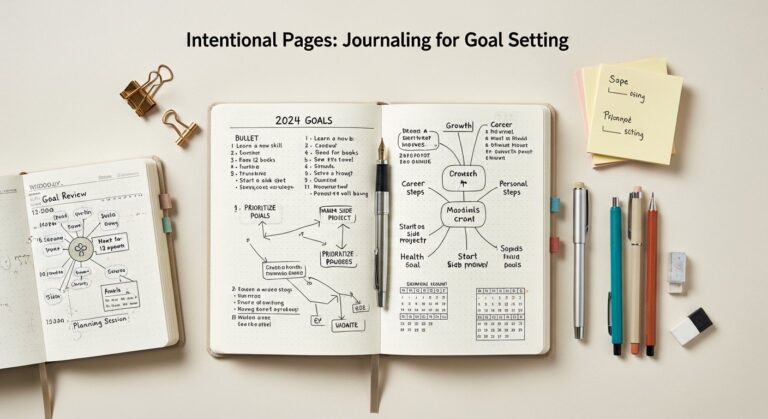
Method 1: The Reflective Journaling Deep Dive

Journaling is an incredibly potent tool for self-discovery. Dedicate quiet time to explore the following prompts:

  • When do I feel most alive and fulfilled? Describe specific moments, situations, or activities. What underlying qualities were present?
  • When have I felt proud of myself? What actions did you take? What principles were you upholding?
  • When have I felt angry, frustrated, or deeply upset? What was violated in those moments? What value was being disregarded by yourself or others?
  • What causes or issues do I feel most passionately about? What injustices or movements stir your soul?
  • If I could only teach one thing to my children or loved ones, what would it be? This often points to a fundamental value you wish to impart.
  • What qualities do I admire most in others? List specific people (real or fictional) and the traits you respect.
  • If I had unlimited time and resources, what would I dedicate my life to?

As you journal, look for recurring themes, emotions, and priorities. Highlight words or concepts that repeatedly emerge. These are strong indicators of your values.

Method 2: Analyzing Peak Experiences and Moments of Discomfort

Our strongest emotions are often signposts to our values. Think about:

  • Peak Experiences: Recall times when you felt truly happy, content, engaged, or proud. What was happening? What was most important about those moments? For example, if you felt immense joy volunteering for a cause, “contribution” or “compassion” might be a value.
  • Moments of Discomfort/Strong Negative Reactions: Remember times when you felt deeply offended, angry, betrayed, or frustrated. What boundary was crossed? What principle was violated? If someone was dishonest, and you felt immense anger, “integrity” or “truth” might be a core value. If a workplace environment stifled your ideas, “creativity” or “autonomy” could be key.

This method helps you identify values not just intellectually, but emotionally, revealing what truly matters when put to the test.

Method 3: Utilizing Comprehensive Value Lists and Card Sorts

Sometimes, simply seeing a list of values can spark recognition. There are many comprehensive lists available online or in personal development books. You can:

  • Scan and Select: Go through a long list of values (e.g., courage, creativity, loyalty, peace, innovation, family, wisdom, security, adventure, humility, service, independence, authenticity, compassion, beauty, effectiveness, joy, order, spirituality, leadership, growth). Mark every value that resonates, even slightly.
  • Prioritize: From your marked list, narrow it down to your top 10-15. Then, force yourself to choose your top 5-7 non-negotiable, most fundamental values.
  • Value Card Sort: Some exercises involve sorting physical or digital cards with values into categories like “very important,” “important,” and “less important,” and then prioritizing further. This kinesthetic approach can be very effective.

This method helps put a name to feelings you might already have and broadens your understanding of potential values.

Method 4: The “Who Do You Admire?” Exercise

Think of people, real or fictional, whom you deeply admire. What qualities do they possess? What actions do they take that inspire you? List these individuals and then identify the specific virtues or characteristics you find most compelling in them. For instance, if you admire a historical figure known for their resilience in adversity, “courage” or “perseverance” might be a core value for you. If you respect a leader who empowers their team, “collaboration” or “empowerment” could be a value. Our admiration often reflects the values we aspire to embody ourselves.

Method 5: Considering Your Legacy and Ideal Self

This method involves projecting into the future:

  • Your Eulogy/Obituary: Imagine your funeral or a written obituary. What do you want people to say about you? What impact do you want to have left on the world? What virtues do you hope they remember you for?
  • Your Ideal Self: If you were living your most authentic, intentional, and fulfilled life, what would that look like? How would you behave? What principles would guide your decisions? What kind of person would you be?

These exercises help you connect with your deeper aspirations and the lasting impact you wish to make, often revealing core values that guide your life’s purpose.

Remember, the goal is not to have a perfect list immediately, but to engage in a thoughtful, ongoing process. Your values are living principles, and revisiting them periodically is a sign of healthy personal growth. Once you define personal values using these methods, you’ll feel a profound sense of clarity and direction.

[INLINE IMAGE 2: place after fourth H2 | alt=”define personal values comparison illustration”]

Exploring Common Categories and Examples of Personal Values

As you work to define personal values, you’ll notice that they often fall into broader categories. Understanding these categories can help you identify a balanced set of values that cover various aspects of your life. While every individual’s list will be unique, recognizing common themes provides a useful framework.

Core Categories: From Intrinsic to Instrumental

Values can generally be grouped into different categories, though there’s often overlap. Some common ways to categorize them include:

  • Relational Values: Focus on how you interact with others and the importance of connections. (e.g., family, loyalty, compassion, honesty, community, respect, empathy, forgiveness).
  • Personal Growth/Self-Development Values: Emphasize learning, improvement, and evolving as an individual. (e.g., growth, wisdom, curiosity, creativity, self-awareness, authenticity, challenge, mastery).
  • Achievement/Career Values: Relate to your professional life, accomplishments, and contribution. (e.g., success, impact, innovation, competence, leadership, recognition, efficiency, purpose).
  • Well-being/Lifestyle Values: Pertain to your physical, mental, and emotional health, and how you choose to live your daily life. (e.g., health, peace, balance, joy, mindfulness, serenity, simplicity, freedom, security).
  • Ethical/Moral Values: Govern your sense of right and wrong, justice, and integrity. (e.g., integrity, justice, fairness, responsibility, honesty, ethics, kindness).
  • Spiritual/Existential Values: Address your connection to something larger than yourself, meaning, and purpose. (e.g., spirituality, faith, purpose, transcendence, meaning, inner harmony).

Having values across different categories often leads to a more well-rounded and balanced life. For instance, a focus solely on “achievement” without “well-being” can lead to burnout, while “freedom” without “responsibility” might lead to chaos.

Examples of Personal Values Across Different Life Domains

Here’s a snapshot of some commonly identified personal values, categorized to help you see their breadth and consider which ones resonate most with you:

Value Category Examples of Personal Values How it Might Manifest
Relational Love, Connection, Family, Empathy, Loyalty, Respect, Trust, Community, Friendship Prioritizing time with loved ones, actively listening, building strong team bonds, volunteering.
Personal Growth Curiosity, Learning, Wisdom, Authenticity, Creativity, Self-Awareness, Challenge, Innovation Reading widely, pursuing new skills, being open to feedback, expressing unique ideas, journaling.
Achievement/Impact Excellence, Success, Contribution, Purpose, Impact, Competence, Recognition, Leadership Striving for high quality work, seeking opportunities to make a difference, taking initiative.
Well-being/Lifestyle Health, Balance, Peace, Joy, Simplicity, Freedom, Security, Mindfulness, Serenity Engaging in regular exercise, setting boundaries, practicing meditation, decluttering, saving for the future.
Ethical/Moral Integrity, Honesty, Justice, Fairness, Responsibility, Compassion, Humility, Courage Speaking your truth, standing up for others, taking accountability, treating all with dignity.
Spiritual/Existential Meaning, Faith, Spirituality, Inner Harmony, Transcendence, Gratitude, Wonder Practicing spiritual rituals, connecting with nature, seeking deeper understanding of existence, appreciating life’s beauty.

As you review these examples, allow yourself to feel which words resonate deeply. Don’t just pick what sounds “good” or what society expects; choose what genuinely feels like an internal truth. The more accurately you define personal values, the more powerful they become as guiding forces.

Living in Alignment: Integrating Your Values into Daily Practice

Once you define personal values, the real work—and the real magic—begins: living them. This isn’t about rigid adherence, but a conscious effort to align your daily actions, decisions, and habits with what truly matters to you. This integration is the heart of intentional living and the pathway to a deeply fulfilling life for women seeking personal growth and a slow lifestyle.

Mindful Decision-Making: Your Values as a Filter

Every day, we make countless decisions, from the mundane to the monumental. Instead of acting on impulse or external pressure, pause and ask yourself: “Which of my core values does this decision uphold or violate?”

  • Career Choices: Does a new job offer align with your value of “balance” or demand too much, conflicting with “family”? Does it allow for “creativity” or is it stifling?
  • Spending Habits: If “financial security” is a value, does that impulsive purchase support or detract from it? If “contribution” is key, are you allocating resources to causes you care about?
  • Social Engagements: Does saying “yes” to an event align with your value of “connection” and “joy,” or does it contradict your need for “rest” and “solitude”?

By consciously using your values as a filter, you’ll make choices that feel authentic and empowering, reducing regret and fostering inner peace.

Setting Goals Rooted in Your Core Values

Traditional goal-setting often focuses on external achievements. While these are important, truly powerful goals are those deeply rooted in your values. When you define personal values, you have a compass for meaningful goal creation:

  • If “health” is a value, your goal might be to establish a consistent fitness routine or prioritize nutritious eating.
  • If “learning” is a value, your goal could be to read a book a month or enroll in a new course.
  • If “community” is a value, your goal might be to volunteer regularly or host regular gatherings for friends and neighbors.

Goals tied to values are inherently more motivating and resilient because they tap into your intrinsic desires for how you want to live, not just what you want to achieve.

Crafting a Values-Aligned Morning Routine

Your morning routine sets the tone for your entire day. Infuse it with your values:

  • If “peace” and “mindfulness” are values, incorporate meditation, quiet reflection, or gentle stretching.
  • If “growth” and “learning” are values, dedicate time to reading or journaling.
  • If “health” is paramount, ensure your morning includes hydration, movement, or a nutritious breakfast.

A values-aligned morning isn’t about perfection; it’s about consciously beginning your day in a way that honors what’s important to you, creating a ripple effect of intentionality.

Communicating Your Values in Relationships and Work

Authenticity in relationships and professional environments comes from clarity about your values. When you define personal values, you can:

  • Set Boundaries: If “balance” is a value, you can confidently say no to overtime or weekend work. If “respect” is paramount, you can address disrespectful behavior.
  • Build Trust: Living consistently with your values builds integrity and trust. Others know what to expect from you.
  • Find Alignment: In partnerships (romantic or business), openly discussing core values can reveal areas of synergy or potential conflict, leading to stronger, more resilient connections.

Being clear about your values isn’t confrontational; it’s empowering and fosters healthier interactions.
Explore more intentional living practices for women for further insights on integrating your values.

Auditing Your Time and Resources Through a Values Lens

Where you spend your time, energy, and money are direct reflections of your values, whether conscious or unconscious. Conduct a “values audit”:

  • Time Audit: Track how you spend your time for a week. Are the majority of your hours dedicated to activities that align with your top values? Or are you getting sidetracked by things that don’t truly matter?
  • Resource Audit: Review your budget. Are your financial contributions going towards things that reflect your values (e.g., charity if “contribution” is key, experiences if “adventure” is key, quality education if “learning” is key)?

This audit isn’t about judgment, but about gaining awareness. It provides actionable insights into where adjustments can be made to bring your life more fully into alignment with your defined personal values.

When Values Conflict: Navigating Internal and External Dissonance

define personal values - chart 6 illustration

Even after you define personal values, life isn’t always a smooth alignment. It’s inevitable that you’ll encounter situations where your values clash – either within yourself or with the values of others. Navigating these conflicts effectively is a crucial part of living an intentional life and fostering true personal growth.

Identifying Internal Value Conflicts

Internal conflict arises when two or more of your own core values seem to be pulling you in different directions. This often manifests as indecision, anxiety, or a sense of being stuck. For example:

  • “Adventure” vs. “Security”: You might yearn to travel the world (adventure) but also deeply value having a stable home and financial safety net (security).
  • “Honesty” vs. “Compassion”: You might believe in absolute truth (honesty) but also want to protect someone’s feelings (compassion).
  • “Career Growth” vs. “Family Time”: You value excelling professionally (growth) but also prioritize being present with your children (family).

The key to resolving internal conflicts is not to abandon one value, but to seek creative ways to integrate or prioritize them situationally. Acknowledge both values are important, then explore solutions that honor both to the greatest extent possible. Perhaps adventure can be found in local trips or shorter, intense experiences that don’t compromise security long-term.

Addressing External Conflicts: Relationships and Society

External value conflicts occur when your values clash with those of another person, a group, or societal expectations. This can be particularly challenging in close relationships or professional settings.

  • In Relationships: A partner might highly value “spontaneity,” while you value “planning” and “order.” Or friends might value “socializing” above all else, while you prioritize “alone time” and “rest.”
  • At Work: Your workplace might prioritize “profit” above all, while you value “ethical practice” or “employee well-being.”
  • Societal Norms: Societal pressures often conflict with individual values, especially for women regarding roles, appearance, or success metrics.

When faced with external conflicts, it’s vital to:

  1. Communicate Clearly: Articulate your values respectfully. “I value downtime, so I need to decline this evening event.”
  2. Understand Their Perspective: Try to see why the other person holds their value. This doesn’t mean agreeing, but understanding.
  3. Seek Compromise or Boundary Setting: Can you find a middle ground? If not, what boundaries do you need to set to protect your values? Sometimes, accepting that a person or situation simply doesn’t align with your values is the most authentic choice.

Strategies for Resolution and Compromise (Without Compromising Self)

Navigating value conflicts requires wisdom and self-awareness:

  • Prioritization: In a specific situation, which value is truly paramount? Sometimes one value must take precedence.
  • Creative Solutions: Can you find a third way that honors both values? (e.g., finding a job that offers both growth and flexibility).
  • Define the Non-Negotiables: What values are so core that compromising them would mean compromising your very self? Be clear about these.
  • Acceptance and Detachment: Sometimes, you must accept that you cannot change another person’s values or a systemic situation. In these cases, focus on your own actions and boundaries.
  • Self-Compassion: Conflict is hard. Be kind to yourself as you navigate these complex situations. It’s a sign that you are deeply engaged in living your authentic life.

The ability to consciously navigate value conflicts is a hallmark of emotional intelligence and true resilience. It transforms potential sources of stress into opportunities for deeper self-understanding and stronger, more authentic living.

The Dynamic Nature of Values: Embracing Evolution and Re-evaluation

While you strive to define personal values that feel foundational and enduring, it’s crucial to understand that values are not static. They are living principles that can, and often do, evolve over the course of a lifetime. Embracing this dynamic nature is a key aspect of continuous personal growth and maintaining an intentional, authentic life.

Why Values Can Shift Over Time

Just as you grow and change, so too can your values. This isn’t a sign of inconsistency, but rather a reflection of your evolving experience and wisdom. Several factors contribute to this natural shift:

  • Major Life Events: Pivotal moments such as marriage, parenthood, career changes, loss, illness, or significant travel can profoundly reshape what you prioritize. The birth of a child, for instance, often elevates “family” or “nurturing” to a new level of importance.
  • Personal Growth and Learning: As you learn new things, gain new perspectives, and challenge old beliefs, your understanding of what truly matters can deepen and broaden. A period of intense self-reflection or therapy might bring previously unconscious values to the forefront.
  • Changes in Environment: Moving to a new city, joining a different community, or experiencing a new culture can expose you to different ways of life and belief systems, influencing your values.
  • Maturation: What was important in your twenties might differ significantly from your priorities in your forties or sixties. Youth often prioritizes “adventure” or “freedom,” while later stages might emphasize “legacy,” “peace,” or “contribution.”

Recognizing that values can shift allows you to be flexible and adapt your life to your current truth, rather than clinging to an outdated blueprint.

Life Stages and Their Influence on Your Core Values

Consider how values might naturally shift across different life stages for women:

  • Early Adulthood (20s): Often focused on “independence,” “exploration,” “achievement,” “personal freedom,” and building a foundation for career and relationships.
  • Mid-Adulthood (30s-40s): May see values shift towards “family,” “security,” “community,” “contribution,” “balance,” and “meaning” as careers stabilize and families grow.
  • Later Adulthood (50s+): Can bring a deeper focus on “wisdom,” “legacy,” “health,” “peace,” “spirituality,” and “authenticity” as priorities shift from accumulation to reflection and impact.

While these are generalizations, they illustrate how life’s journey naturally brings different values into prominence. What remains constant is the need to regularly define personal values for your current self.
Learn more about embracing personal growth through these evolving stages.

Regular Check-ins: When and How to Reassess Your Values

Because values are dynamic, periodic reassessment is essential. This isn’t about second-guessing yourself, but rather about ensuring your internal compass is still pointing you in the right direction.

  • When to Reassess:
    • After a major life change (marriage, birth, death, job loss/gain, move).
    • When you feel a persistent sense of unease, misalignment, or dissatisfaction.
    • During periods of transition or uncertainty.
    • Annually, as part of a year-end review or goal-setting process.
    • Whenever you feel stuck or indecisive about important choices.
  • How to Reassess:
    • Revisit your original values list: Do they still resonate as strongly?
    • Repeat value discovery exercises: Go through the journaling prompts, peak experience analysis, or value card sorts again. You might find new words emerge, or existing ones shift in priority.
    • Reflect on recent decisions: Which decisions felt “right” and why? Which felt “wrong” and what value was being ignored?
    • Consult trusted mentors or friends: Sometimes an outside perspective can help you see shifts you might be missing.

Making value reassessment a regular practice ensures that your intentional life remains authentically yours, continually adjusted to reflect the woman you are becoming.

The Contextual Life Approach: Values as the Cornerstone of a Fulfilling Life

At thecontextuallife, our philosophy is rooted in the belief that an intentional, slow, and fulfilling life is built from the inside out. When you define personal values, you’re not just identifying abstract concepts; you’re forging the very foundation upon which sustainable happiness, profound mindset shifts, and genuine personal growth can thrive. Values are the bedrock of our approach to empowering women to live their most authentic lives.

Values and Mindset Shifts

Our work on mindset shifts is intrinsically linked to understanding personal values. Often, limiting beliefs or negative thought patterns stem from an unconscious misalignment with what truly matters to us. For example, a woman who values “creativity” but is stuck in a highly rigid, uncreative job might develop a limiting belief that she’s “not good enough” or “can’t succeed in a creative field.” By consciously defining her value of creativity, she can then identify the mindset shift needed: perhaps moving from “I must tolerate this” to “I deserve work that ignites my passion,” and taking steps to find or create that environment.

Values provide the “why” behind wanting to shift your mindset. They give you the motivation and direction to challenge self-doubt, overcome fear, and cultivate beliefs that empower you to live in accordance with your deepest desires. When you define personal values, you gain clarity on what thoughts and beliefs serve you, and which do not.

Values and the Slow Lifestyle

The slow lifestyle isn’t about doing nothing; it’s about doing what truly matters, deliberately and with intention. It’s about prioritizing presence over productivity, connection over constant consumption, and inner peace over external validation. This resonates perfectly with the power of values.

  • If you value “peace” and “simplicity,” a slow lifestyle naturally follows, leading you to declutter, reduce commitments, and create space for calm.
  • If “connection” and “family” are paramount, a slow pace allows for unhurried conversations, shared meals, and quality time.
  • If “mindfulness” and “well-being” are core, a slow approach encourages practices like meditation, intentional eating, and rest.

When you define personal values, you gain a clear blueprint for crafting a slow lifestyle that truly supports your most cherished principles. It moves beyond a trend to become a deeply personal and meaningful way of life.
Discover how to cultivate a slow lifestyle that aligns with your core values.

Values as a Catalyst for Deep Personal Growth

Personal growth is not a destination but a continuous journey of becoming. Values act as both the map and the fuel for this journey. They challenge you to step outside your comfort zone, refine your character, and align your actions with your highest self.

  • Clarity in Growth: When you know your values, you know what to grow towards. If “courage” is a value, growth means practicing bravery in difficult situations. If “compassion” is key, growth means expanding your empathy and acts of service.
  • Resilience in Challenges: When faced with setbacks, returning to your values provides an anchor. “Why am I


    Define Personal Values: Your Ultimate Guide to Intentional Living and Authentic Self-Discovery

    Affiliate disclosure: This article may contain affiliate links. Recommendations are independent and editorially driven.

    In the whirlwind of modern life, it’s easy to feel adrift, pulled in countless directions by external expectations, societal pressures, and the ever-present hum of digital distractions. For women navigating the complexities of career, family, personal aspirations, and the relentless pursuit of “having it all,” this feeling of being unmoored can be particularly acute. Yet, amidst this chaos, there exists a powerful, internal compass—your personal values—that, when clearly defined, can guide you back to an intentional, fulfilling, and authentically aligned life.

    At thecontextuallife, we believe that understanding and living by your personal values is not just a self-help trend; it is the cornerstone of genuine personal growth, profound mindset shifts, and the beautiful, slow lifestyle you deeply desire. It’s the secret ingredient to making decisions with confidence, fostering meaningful relationships, and finding purpose in every step you take. This comprehensive guide will empower you to define personal values, integrate them into your daily existence, and unlock a life rich in clarity and joy.

    Whether you’re feeling a nagging sense of misalignment, grappling with a major life decision, or simply seeking a deeper understanding of yourself, this journey to define personal values is the most transformative step you can take. It’s about more than just identifying abstract ideals; it’s about crafting a blueprint for a life that truly reflects who you are, what you stand for, and what brings you profound contentment.

    What Exactly Are Personal Values? The Unseen Compass of Your Life

    To truly define personal values, we must first understand their fundamental nature. Personal values are the fundamental beliefs and principles that guide your life and influence your behavior, decisions, and perceptions. They are the deeply held convictions about what is important to you, what you deem right or wrong, desirable or undesirable, and how you choose to conduct yourself in the world. Think of them as your internal moral and ethical compass, silently directing your journey even when you’re not consciously aware of it.

    These values are not arbitrary; they are shaped by your upbringing, experiences, culture, relationships, and observations. They evolve over time but, at their core, represent the essence of your identity. When you define personal values, you’re not creating them out of thin air; you’re uncovering what has always resonated most deeply within you.

    Beyond Morals: Understanding the Nuance

    While personal values often intersect with morals, they are not entirely synonymous. Morals are typically society’s widely accepted standards of right and wrong, often external and culturally imposed. Values, on the other hand, are deeply personal and internal. For example, “honesty” might be a moral principle (it’s generally wrong to lie), but for one person, “truth” might be a core personal value that drives them to seek transparency in all interactions, even when difficult. For another, “compassion” might be a higher value, leading them to prioritize kindness over brutal honesty in certain situations. Understanding this nuance is crucial as you seek to define personal values for yourself.

    The Foundation of Self: Why Values Matter

    Your personal values act as a powerful filter through which you interpret the world and make choices. When you understand what your values are, you gain immense clarity about why you react a certain way, why some situations feel right and others cause discomfort, and what truly brings you fulfillment. They are the bedrock of your self-identity and provide a sense of stability and purpose in an ever-changing world. Without a clear understanding of your values, you risk living a life dictated by external forces, constantly chasing fleeting desires or succumbing to others’ expectations.

    Values vs. Goals vs. Beliefs: A Clear Distinction

    It’s important to distinguish personal values from other guiding elements of your life:

    • Values: Enduring principles that define what is meaningful and important to you. They are about how you want to live. (e.g., integrity, freedom, community).
    • Goals: Specific, measurable outcomes you aim to achieve. They are about what you want to achieve. (e.g., get a promotion, run a marathon, save for a down payment). While goals can be inspired by values, they are distinct.
    • Beliefs: Convictions or ideas you hold to be true, often about yourself, others, or the world. (e.g., “I believe in the power of positive thinking,” “I believe people are inherently good”). Beliefs can influence values, but values are more about underlying drivers of behavior.

    Understanding these distinctions helps clarify the specific role values play in shaping your intentional life. When you define personal values, you create the framework upon which meaningful goals and empowering beliefs can be built.

    [INLINE IMAGE 1: place after second H2 | alt=”define personal values concept illustration”]

    The Profound Impact of Clearly Defined Personal Values

    The act of taking the time to define personal values is not a mere intellectual exercise; it is a profound investment in your future self and the quality of your entire life. The benefits ripple through every aspect of your existence, offering a pathway to greater peace, purpose, and authentic happiness. For women seeking intentional living and deep personal growth, this clarity is absolutely essential.

    Guiding Your Decisions with Clarity and Confidence

    Imagine standing at a crossroads, faced with a difficult choice – perhaps a career opportunity that offers financial gain but demands significant travel away from family, or a social invitation that conflicts with your need for quiet reflection. When you have clearly defined personal values, these decisions become less daunting. Instead of agonizing over pros and cons based solely on external factors, you can filter each option through your values. If “family” and “well-being” are paramount, the decision to prioritize home might become clear. If “growth” and “contribution” drive you, the career opportunity might align perfectly. Values act as an internal GPS, preventing you from getting lost in indecision and regret, allowing you to choose paths that truly resonate.

    Cultivating Authentic Happiness and Well-being

    True happiness isn’t about constant pleasure; it’s often about living a life that feels authentic and meaningful. When your actions, relationships, and lifestyle are out of sync with your core values, it creates internal dissonance, leading to feelings of stress, anxiety, dissatisfaction, and even burnout. Conversely, living in alignment with your values cultivates a deep sense of peace, contentment, and genuine well-being. It’s the feeling of “this is right,” of being in flow, of knowing you are honoring your true self. This intrinsic fulfillment is far more sustainable and profound than fleeting external pleasures.

    Building Stronger Relationships and Deeper Connections

    Our values profoundly influence our relationships. When you understand your own values, you can articulate them to others, fostering more honest and transparent interactions. You also become more adept at identifying partners, friends, and colleagues with whom you share synergistic values, leading to deeper, more supportive connections. Conversely, recognizing value conflicts early can help you navigate disagreements more effectively or even understand when a relationship might not be serving your highest good. For women, who often carry the emotional labor in relationships, this clarity can be a powerful tool for setting boundaries and nurturing connections that uplift rather than deplete.

    Fueling Your Purpose and Driving Personal Growth

    Your values are intimately linked to your sense of purpose. When you define personal values, you begin to see the common threads that run through your passions, your aspirations, and what truly moves you. This clarity can illuminate your life’s purpose, giving direction to your energy and efforts. Furthermore, values act as benchmarks for personal growth. As you strive to live more fully by your values—whether it’s cultivating more “courage,” practicing greater “compassion,” or pursuing “creativity”—you are actively engaging in continuous self-improvement and evolution. This iterative process of living and growing into your values is the essence of an intentional life.

    Practical Strategies to Define Personal Values: Your Step-by-Step Discovery Journey

    The journey to define personal values is a deeply introspective one, but it doesn’t have to be vague or overwhelming. There are several powerful, practical strategies you can employ to uncover your core values. Approach this process with curiosity and an open heart, remembering that there’s no single “right” answer—only your authentic truth.

    Method 1: The Reflective Journaling Deep Dive

    Journaling is an incredibly potent tool for self-discovery. Dedicate quiet time to explore the following prompts:

    • When do I feel most alive and fulfilled? Describe specific moments, situations, or activities. What underlying qualities were present?
    • When have I felt proud of myself? What actions did you take? What principles were you upholding?
    • When have I felt angry, frustrated, or deeply upset? What was violated in those moments? What value was being disregarded by yourself or others?
    • What causes or issues do I feel most passionately about? What injustices or movements stir your soul?
    • If I could only teach one thing to my children or loved ones, what would it be? This often points to a fundamental value you wish to impart.
    • What qualities do I admire most in others? List specific people (real or fictional) and the traits you respect.
    • If I had unlimited time and resources, what would I dedicate my life to?

    As you journal, look for recurring themes, emotions, and priorities. Highlight words or concepts that repeatedly emerge. These are strong indicators of your values.

    Method 2: Analyzing Peak Experiences and Moments of Discomfort

    Our strongest emotions are often signposts to our values. Think about:

    • Peak Experiences: Recall times when you felt truly happy, content, engaged, or proud. What was happening? What was most important about those moments? For example, if you felt immense joy volunteering for a cause, “contribution” or “compassion” might be a value.
    • Moments of Discomfort/Strong Negative Reactions: Remember times when you felt deeply offended, angry, betrayed, or frustrated. What boundary was crossed? What principle was violated? If someone was dishonest, and you felt immense anger, “integrity” or “truth” might be a core value. If a workplace environment stifled your ideas, “creativity” or “autonomy” could be key.

    This method helps you identify values not just intellectually, but emotionally, revealing what truly matters when put to the test.

    Method 3: Utilizing Comprehensive Value Lists and Card Sorts

    Sometimes, simply seeing a list of values can spark recognition. There are many comprehensive lists available online or in personal development books. You can:

    • Scan and Select: Go through a long list of values (e.g., courage, creativity, loyalty, peace, innovation, family, wisdom, security, adventure, humility, service, independence, authenticity, compassion, beauty, effectiveness, joy, order, spirituality, leadership, growth). Mark every value that resonates, even slightly.
    • Prioritize: From your marked list, narrow it down to your top 10-15. Then, force yourself to choose your top 5-7 non-negotiable, most fundamental values.
    • Value Card Sort: Some exercises involve sorting physical or digital cards with values into categories like “very important,” “important,” and “less important,” and then prioritizing further. This kinesthetic approach can be very effective.

    This method helps put a name to feelings you might already have and broadens your understanding of potential values.

    Method 4: The “Who Do You Admire?” Exercise

    Think of people, real or fictional, whom you deeply admire. What qualities do they possess? What actions do they take that inspire you? List these individuals and then identify the specific virtues or characteristics you find most compelling in them. For instance, if you admire a historical figure known for their resilience in adversity, “courage” or “perseverance” might be a core value for you. If you respect a leader who empowers their team, “collaboration” or “empowerment” could be a value. Our admiration often reflects the values we aspire to embody ourselves.

    Method 5: Considering Your Legacy and Ideal Self

    This method involves projecting into the future:

    • Your Eulogy/Obituary: Imagine your funeral or a written obituary. What do you want people to say about you? What impact do you want to have left on the world? What virtues do you hope they remember you for?
    • Your Ideal Self: If you were living your most authentic, intentional, and fulfilled life, what would that look like? How would you behave? What principles would guide your decisions? What kind of person would you be?

    These exercises help you connect with your deeper aspirations and the lasting impact you wish to make, often revealing core values that guide your life’s purpose.

    Remember, the goal is not to have a perfect list immediately, but to engage in a thoughtful, ongoing process. Your values are living principles, and revisiting them periodically is a sign of healthy personal growth. Once you define personal values using these methods, you’ll feel a profound sense of clarity and direction.

    [INLINE IMAGE 2: place after fourth H2 | alt=”define personal values comparison illustration”]

    Exploring Common Categories and Examples of Personal Values

    As you work to define personal values, you’ll notice that they often fall into broader categories. Understanding these categories can help you identify a balanced set of values that cover various aspects of your life. While every individual’s list will be unique, recognizing common themes provides a useful framework.

    Core Categories: From Intrinsic to Instrumental

    Values can generally be grouped into different categories, though there’s often overlap. Some common ways to categorize them include:

    • Relational Values: Focus on how you interact with others and the importance of connections. (e.g., family, loyalty, compassion, honesty, community, respect, empathy, forgiveness).
    • Personal Growth/Self-Development Values: Emphasize learning, improvement, and evolving as an individual. (e.g., growth, wisdom, curiosity, creativity, self-awareness, authenticity, challenge, mastery).
    • Achievement/Career Values: Relate to your professional life, accomplishments, and contribution. (e.g., success, impact, innovation, competence, leadership, recognition, efficiency, purpose).
    • Well-being/Lifestyle Values: Pertain to your physical, mental, and emotional health, and how you choose to live your daily life. (e.g., health, peace, balance, joy, mindfulness, serenity, simplicity, freedom, security).
    • Ethical/Moral Values: Govern your sense of right and wrong, justice, and integrity. (e.g., integrity, justice, fairness, responsibility, honesty, ethics, kindness).
    • Spiritual/Existential Values: Address your connection to something larger than yourself, meaning, and purpose. (e.g., spirituality, faith, purpose, transcendence, meaning, inner harmony).

    Having values across different categories often leads to a more well-rounded and balanced life. For instance, a focus solely on “achievement” without “well-being” can lead to burnout, while “freedom” without “responsibility” might lead to chaos.

    Examples of Personal Values Across Different Life Domains

    Here’s a snapshot of some commonly identified personal values, categorized to help you see their breadth and consider which ones resonate most with you:

    Value Category Examples of Personal Values How it Might Manifest
    Relational Love, Connection, Family, Empathy, Loyalty, Respect, Trust, Community, Friendship Prioritizing time with loved ones, actively listening, building strong team bonds, volunteering.
    Personal Growth Curiosity, Learning, Wisdom, Authenticity, Creativity, Self-Awareness, Challenge, Innovation Reading widely, pursuing new skills, being open to feedback, expressing unique ideas, journaling.
    Achievement/Impact Excellence, Success, Contribution, Purpose, Impact, Competence, Recognition, Leadership Striving for high quality work, seeking opportunities to make a difference, taking initiative.
    Well-being/Lifestyle Health, Balance, Peace, Joy, Simplicity, Freedom, Security, Mindfulness, Serenity Engaging in regular exercise, setting boundaries, practicing meditation, decluttering, saving for the future.
    Ethical/Moral Integrity, Honesty, Justice, Fairness, Responsibility, Compassion, Humility, Courage Speaking your truth, standing up for others, taking accountability, treating all with dignity.
    Spiritual/Existential Meaning, Faith, Spirituality, Inner Harmony, Transcendence, Gratitude, Wonder Practicing spiritual rituals, connecting with nature, seeking deeper understanding of existence, appreciating life’s beauty.

    As you review these examples, allow yourself to feel which words resonate deeply. Don’t just pick what sounds “good” or what society expects; choose what genuinely feels like an internal truth. The more accurately you define personal values, the more powerful they become as guiding forces.

    Living in Alignment: Integrating Your Values into Daily Practice

    Once you define personal values, the real work—and the real magic—begins: living them. This isn’t about rigid adherence, but a conscious effort to align your daily actions, decisions, and habits with what truly matters to you. This integration is the heart of intentional living and the pathway to a deeply fulfilling life for women seeking personal growth and a slow lifestyle.

    Mindful Decision-Making: Your Values as a Filter

    Every day, we make countless decisions, from the mundane to the monumental. Instead of acting on impulse or external pressure, pause and ask yourself: “Which of my core values does this decision uphold or violate?”

    • Career Choices: Does a new job offer align with your value of “balance” or demand too much, conflicting with “family”? Does it allow for “creativity” or is it stifling?
    • Spending Habits: If “financial security” is a value, does that impulsive purchase support or detract from it? If “contribution” is key, are you allocating resources to causes you care about?
    • Social Engagements: Does saying “yes” to an event align with your value of “connection” and “joy,” or does it contradict your need for “rest” and “solitude”?

    By consciously using your values as a filter, you’ll make choices that feel authentic and empowering, reducing regret and fostering inner peace.

    Setting Goals Rooted in Your Core Values

    Traditional goal-setting often focuses on external achievements. While these are important, truly powerful goals are those deeply rooted in your values. When you define personal values, you have a compass for meaningful goal creation:

    • If “health” is a value, your goal might be to establish a consistent fitness routine or prioritize nutritious eating.
    • If “learning” is a value, your goal could be to read a book a month or enroll in a new course.
    • If “community” is a value, your goal might be to volunteer regularly or host regular gatherings for friends and neighbors.

    Goals tied to values are inherently more motivating and resilient because they tap into your intrinsic desires for how you want to live, not just what you want to achieve.

    Crafting a Values-Aligned Morning Routine

    Your morning routine sets the tone for your entire day. Infuse it with your values:

    • If “peace” and “mindfulness” are values, incorporate meditation, quiet reflection, or gentle stretching.
    • If “growth” and “learning” are values, dedicate time to reading or journaling.
    • If “health” is paramount, ensure your morning includes hydration, movement, or a nutritious breakfast.

    A values-aligned morning isn’t about perfection; it’s about consciously beginning your day in a way that honors what’s important to you, creating a ripple effect of intentionality.

    Communicating Your Values in Relationships and Work

    Authenticity in relationships and professional environments comes from clarity about your values. When you define personal values, you can:

    • Set Boundaries: If “balance” is a value, you can confidently say no to overtime or weekend work. If “respect” is paramount, you can address disrespectful behavior.
    • Build Trust: Living consistently with your values builds integrity and trust. Others know what to expect from you.
    • Find Alignment: In partnerships (romantic or business), openly discussing core values can reveal areas of synergy or potential conflict, leading to stronger, more resilient connections.

    Being clear about your values isn’t confrontational; it’s empowering and fosters healthier interactions.
    Explore more intentional living practices for women for further insights on integrating your values.

    Auditing Your Time and Resources Through a Values Lens

    Where you spend your time, energy, and money are direct reflections of your values, whether conscious or unconscious. Conduct a “values audit”:

    • Time Audit: Track how you spend your time for a week. Are the majority of your hours dedicated to activities that align with your top values? Or are you getting sidetracked by things that don’t truly matter?
    • Resource Audit: Review your budget. Are your financial contributions going towards things that reflect your values (e.g., charity if “contribution” is key, experiences if “adventure” is key, quality education if “learning” is key)?

    This audit isn’t about judgment, but about gaining awareness. It provides actionable insights into where adjustments can be made to bring your life more fully into alignment with your defined personal values.

    When Values Conflict: Navigating Internal and External Dissonance

    Even after you define personal values, life isn’t always a smooth alignment. It’s inevitable that you’ll encounter situations where your values clash – either within yourself or with the values of others. Navigating these conflicts effectively is a crucial part of living an intentional life and fostering true personal growth.

    Identifying Internal Value Conflicts

    Internal conflict arises when two or more of your own core values seem to be pulling you in different directions. This often manifests as indecision, anxiety, or a sense of being stuck. For example:

    • “Adventure” vs. “Security”: You might yearn to travel the world (adventure) but also deeply value having a stable home and financial safety net (security).
    • “Honesty” vs. “Compassion”: You might believe in absolute truth (honesty) but also want to protect someone’s feelings (compassion).
    • “Career Growth” vs. “Family Time”: You value excelling professionally (growth) but also prioritize being present with your children (family).

    The key to resolving internal conflicts is not to abandon one value, but to seek creative ways to integrate or prioritize them situationally. Acknowledge both values are important, then explore solutions that honor both to the greatest extent possible. Perhaps adventure can be found in local trips or shorter, intense experiences that don’t compromise security long-term.

    Addressing External Conflicts: Relationships and Society

    External value conflicts occur when your values clash with those of another person, a group, or societal expectations. This can be particularly challenging in close relationships or professional settings.

    • In Relationships: A partner might highly value “spontaneity,” while you value “planning” and “order.” Or friends might value “socializing” above all else, while you prioritize “alone time” and “rest.”
    • At Work: Your workplace might prioritize “profit” above all, while you value “ethical practice” or “employee well-being.”
    • Societal Norms: Societal pressures often conflict with individual values, especially for women regarding roles, appearance, or success metrics.

    When faced with external conflicts, it’s vital to:

    1. Communicate Clearly: Articulate your values respectfully. “I value downtime, so I need to decline this evening event.”
    2. Understand Their Perspective: Try to see why the other person holds their value. This doesn’t mean agreeing, but understanding.
    3. Seek Compromise or Boundary Setting: Can you find a middle ground? If not, what boundaries do you need to set to protect your values? Sometimes, accepting that a person or situation simply doesn’t align with your values is the most authentic choice.

    Strategies for Resolution and Compromise (Without Compromising Self)

    Navigating value conflicts requires wisdom and self-awareness:

    • Prioritization: In a specific situation, which value is truly paramount? Sometimes one value must take precedence.
    • Creative Solutions: Can you find a third way that honors both values? (e.g., finding a job that offers both growth and flexibility).
    • Define the Non-Negotiables: What values are so core that compromising them would mean compromising your very self? Be clear about these.
    • Acceptance and Detachment: Sometimes, you must accept that you cannot change another person’s values or a systemic situation. In these cases, focus on your own actions and boundaries.
    • Self-Compassion: Conflict is hard. Be kind to yourself as you navigate these complex situations. It’s a sign that you are deeply engaged in living your authentic life.

    The ability to consciously navigate value conflicts is a hallmark of emotional intelligence and true resilience. It transforms potential sources of stress into opportunities for deeper self-understanding and stronger, more authentic living.

    The Dynamic Nature of Values: Embracing Evolution and Re-evaluation

    While you strive to define personal values that feel foundational and enduring, it’s crucial to understand that values are not static. They are living principles that can, and often do, evolve over the course of a lifetime. Embracing this dynamic nature is a key aspect of continuous personal growth and maintaining an intentional, authentic life.

    Why Values Can Shift Over Time

    Just as you grow and change, so too can your values. This isn’t a sign of inconsistency, but rather a reflection of your evolving experience and wisdom. Several factors contribute to this natural shift:

    • Major Life Events: Pivotal moments such as marriage, parenthood, career changes, loss, illness, or significant travel can profoundly reshape what you prioritize. The birth of a child, for instance, often elevates “family” or “nurturing” to a new level of importance.
    • Personal Growth and Learning: As you learn new things, gain new perspectives, and challenge old beliefs, your understanding of what truly matters can deepen and broaden. A period of intense self-reflection or therapy might bring previously unconscious values to the forefront.
    • Changes in Environment: Moving to a new city, joining a different community, or experiencing a new culture can expose you to different ways of life and belief systems, influencing your values.
    • Maturation: What was important in your twenties might differ significantly from your priorities in your forties or sixties. Youth often prioritizes “adventure” or “freedom,” while later stages might emphasize “legacy,” “peace,” or “contribution.”

    Recognizing that values can shift allows you to be flexible and adapt your life to your current truth, rather than clinging to an outdated blueprint.

    Life Stages and Their Influence on Your Core Values

    Consider how values might naturally shift across different life stages for women:

    • Early Adulthood (20s): Often focused on “independence,” “exploration,” “achievement,” “personal freedom,” and building a foundation for career and relationships.
    • Mid-Adulthood (30s-40s): May see values shift towards “family,” “security,” “community,” “contribution,” “balance,” and “meaning” as careers stabilize and families grow.
    • Later Adulthood (50s+): Can bring a deeper focus on “wisdom,” “legacy,” “health,” “peace,” “spirituality,” and “authenticity” as priorities shift from accumulation to reflection and impact.

    While these are generalizations, they illustrate how life’s journey naturally brings different values into prominence. What remains constant is the need to regularly define personal values for your current self.
    Learn more about embracing personal growth through these evolving stages.

    Regular Check-ins: When and How to Reassess Your Values

    Because values are dynamic, periodic reassessment is essential. This isn’t about second-guessing yourself, but rather about ensuring your internal compass is still pointing you in the right direction.

    • When to Reassess:
      • After a major life change (marriage, birth, death, job loss/gain, move).
      • When you feel a persistent sense of unease, misalignment, or dissatisfaction.
      • During periods of transition or uncertainty.
      • Annually, as part of a year-end review or goal-setting process.
      • Whenever you feel stuck or indecisive about important choices.
    • How to Reassess:
      • Revisit your original values list: Do they still resonate as strongly?
      • Repeat value discovery exercises: Go through the journaling prompts, peak experience analysis, or value card sorts again. You might find new words emerge, or existing ones shift in priority.
      • Reflect on recent decisions: Which decisions felt “right” and why? Which felt “wrong” and what value was being ignored?
      • Consult trusted mentors or friends: Sometimes an outside perspective can help you see shifts you might be missing.

    Making value reassessment a regular practice ensures that your intentional life remains authentically yours, continually adjusted to reflect the woman you are becoming.

    The Contextual Life Approach: Values as the Cornerstone of a Fulfilling Life

    At thecontextuallife, our philosophy is rooted in the belief that an intentional, slow, and fulfilling life is built from the inside out. When you define personal values, you’re not just identifying abstract concepts; you’re forging the very foundation upon which sustainable happiness, profound mindset shifts, and genuine personal growth can thrive. Values are the bedrock of our approach to empowering women to live their most authentic lives.

    Values and Mindset Shifts

    Our work on mindset shifts is intrinsically linked to understanding personal values. Often, limiting beliefs or negative thought patterns stem from an unconscious misalignment with what truly matters to us. For example, a woman who values “creativity” but is stuck in a highly rigid, uncreative job might develop a limiting belief that she’s “not good enough” or “can’t succeed in a creative field.” By consciously defining her value of creativity, she can then identify the mindset shift needed: perhaps moving from “I must tolerate this” to “I deserve work that ignites my passion,” and taking steps to find or create that environment.

    Values provide the “why” behind wanting to shift your mindset. They give you the motivation and direction to challenge self-doubt, overcome fear, and cultivate beliefs that empower you to live in accordance with your deepest desires. When you define personal values, you gain clarity on what thoughts and beliefs serve you, and which do not.

    Values and the Slow Lifestyle

    The slow lifestyle isn’t about doing nothing; it’s about doing what truly matters, deliberately and with intention. It’s about prioritizing presence over productivity, connection over constant consumption, and inner peace over external validation. This resonates perfectly with the power of values.

    • If you value “peace” and “simplicity,” a slow lifestyle naturally follows, leading you to declutter, reduce commitments, and create space for calm.
    • If “connection” and “family” are paramount, a slow pace allows for unhurried conversations, shared meals, and quality time.
    • If “mindfulness” and “well-being” are core, a slow approach encourages practices like meditation, intentional eating, and rest.

    When you define personal values, you gain a clear blueprint for crafting a slow lifestyle that truly supports your most cherished principles. It moves beyond a trend to become a deeply personal and meaningful way of life.
    Discover how to cultivate a slow lifestyle that aligns with your core values.

    Values as a Catalyst for Deep Personal Growth

    Personal growth is not a destination but a continuous journey of becoming. Values act as both the map and the fuel for this journey. They challenge you to step outside your comfort zone, refine your character, and align your actions with your highest self.

    • Clarity in Growth: When you know your values, you know what to grow towards. If “courage” is a value, growth means practicing bravery in difficult situations. If “compassion” is key, growth means expanding your empathy and acts of service.
    • Resilience in Challenges: When faced with setbacks, returning to your values provides an anchor. “Why am I

THE LATEST

Illustration of a woman writing in a journal at a cozy desk — women's lifestyle journaling guide

How To Start Journaling

How to Start Journaling: Your Definitive Guide to Intentional Reflection for a Richer Life By thecontextuallife Editorial Team — Senior

Illustration of a woman practicing resilience and self-care for a women's lifestyle article

How To Build Resilience

How to Build Resilience: An Intentional Woman’s Guide to Unshakeable Inner Strength By thecontextuallife Editorial Team — Senior editors with

Hi, I’m Thea.

I started this brand as a personal online publication after graduating from Boston University with a degree in Marketing and Design. Originally from San Francisco, I was thousands of miles from family and friends, and needed an outlet for exploring my passions and connecting with others. My goal has always been to show others the beauty in enjoying life’s simple pleasures and to encourage others to look inward for self fulfillment.

Thousands of readers later, The Contextual Life has become a resource for anyone wanting a sense of community and a source of inspiration throughout their journey of life. It’s a place where readers can find suggestions on where to travel, what to eat, what to wear, and what to shop for, from experts who are almost like personal friends.

The Contextual Life brings our mission to life through news, products, experiences, and design. We are dedicated to providing the latest information to help you live a lifestyle that you love. Thank you for being here. Stay awhile.

thea-signature
Im-thea