


Healing from Dating Burnout: A Comprehensive Guide to Self-Care and Recovery in 2026
The modern search for connection can often feel less like a romantic quest and more like a grueling second job. In 2026, where digital interfaces and algorithmic matching dominate our social lives, “dating burnout” has become a pervasive psychological phenomenon. It is characterized by emotional exhaustion, a cynical outlook toward potential partners, and a profound sense of “swipe fatigue.” If the mere thought of a first-date interrogation makes you want to delete every app on your phone and retreat into permanent solitude, you aren’t alone.
Dating burnout occurs when the output of emotional energy far exceeds the rewards of connection. For adults committed to improving their relationships and social skills, the solution isn’t necessarily to “try harder” or “go on more dates.” Instead, the path to finding a healthy partnership begins with a radical pivot toward the self. This guide explores the essential self-care strategies required to heal from dating exhaustion and reclaim your enthusiasm for life and love.
1. Identifying the Signs: Are You Drained or Just Disappointed?
Before you can implement a self-care strategy, you must acknowledge that dating burnout is a legitimate state of emotional depletion. It is different from the temporary sting of a bad date or a single rejection; it is a systemic failure of your social battery. Recognizing the symptoms early can prevent deeper resentment or social withdrawal.
Common indicators of dating burnout include:
* **Apathy and Cynicism:** You find yourself assuming the worst about every new match. You might think, “They’ll probably just ghost me anyway,” or “Everyone on this app is the same.”
* **Physical Dread:** You feel a sense of heaviness or anxiety when a notification pops up, or you find yourself making excuses to cancel dates at the last minute because you simply lack the energy to perform.
* **Comparison Fatigue:** You constantly compare your single status to the highlight reels of couples on social media, leading to feelings of inadequacy or bitterness.
* **The “Interview” Mentality:** Dates no longer feel like fun explorations of a new person; they feel like repetitive, scripted interviews where you are both the tired HR manager and the desperate candidate.
If these signs resonate, your nervous system is likely in a state of “fight or flight” regarding romance. True self-care in this stage involves pausing the external search to address the internal fatigue.
2. The Power of the “Digital Detox”: Stepping Away from the Apps
In the 2026 dating landscape, the primary source of burnout is often the medium itself. Dating apps are designed with gamification elements—swipes, likes, and dopamine-inducing notifications—that can lead to a compulsive “scarcity mindset.” One of the most effective forms of self-care for dating burnout is the intentional digital detox.
A detox isn’t just “not checking the apps for a weekend.” It is a structured period of time—ideally 30 to 90 days—where you deactivate your profiles and remove the apps from your phone. This period allows your brain’s reward system to reset. During this time, you aren’t “quitting” on love; you are protecting your peace.
The benefits of a digital detox include:
* **Reduced Decision Fatigue:** We aren’t evolved to process hundreds of potential mates in a single sitting. Removing the “infinite choice” reduces the cognitive load on your brain.
* **Breaking the Dopamine Loop:** You stop seeking validation from strangers’ likes and start finding it in your real-world achievements and connections.
* **Time Reclamation:** Calculate how many hours a week you spend swiping and messaging. Reinvesting that time into a hobby or rest is a radical act of self-love.
3. Emotional Re-regulation: Refocusing on the “Self” in Self-Care
When we are deep in the dating trenches, our sense of self-worth often becomes tethered to our “success” in finding a partner. Self-care for dating burnout requires a deliberate decoupling of your value from your relationship status. This is the time to engage in “emotional re-regulation.”
Focus on activities that make you feel like a whole person, rather than a “half” waiting to be completed. This includes:
* **Reprioritizing Platonic Intimacy:** Burnout often happens because we put all our emotional eggs in the romantic basket. Reconnecting with friends and family provides a “soft landing” and reminds you that you are already loved and valued.
* **Physical Wellness as Grounding:** When dating feels cerebral and anxious, return to the body. Whether it’s weightlifting, yoga, or long walks, physical movement helps process the cortisol built up from dating stress.
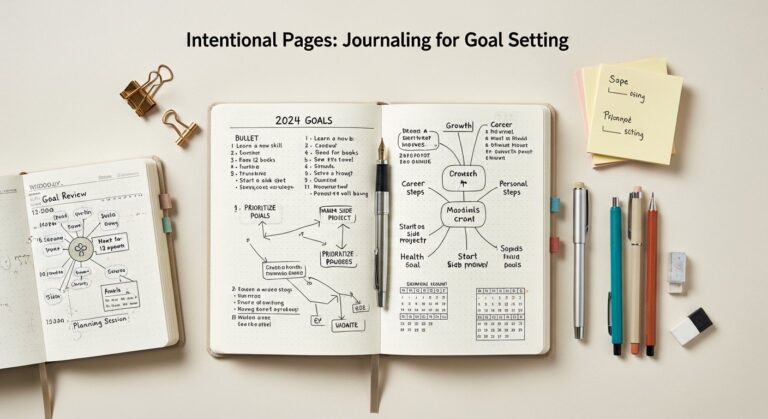
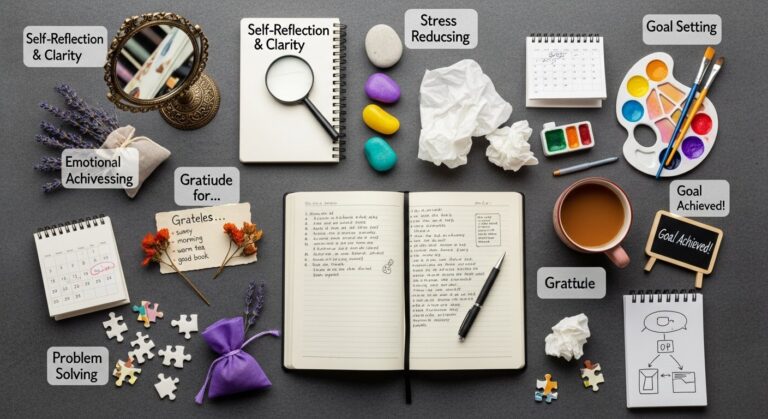
* **Journaling and Reflection:** Instead of analyzing why a “match” didn’t work, analyze what *you* need. What boundaries did you ignore? What parts of yourself have you been suppressing to be more “likable”?
* **Therapeutic Support:** If dating burnout has morphed into a deeper sense of hopelessness, working with a therapist can help you identify “attachment wounds” or patterns that lead to exhaustion.
4. Setting Sustainable Boundaries for Future Connections
Once you’ve taken a break and restored your energy, the temptation is to jump back in exactly as you did before. However, preventing a relapse into burnout requires a new set of “dating boundaries.” This is about quality over quantity and protecting your energetic currency.
Consider implementing these 2026-appropriate boundaries:
* **The “Hell Yes” Rule:** Only agree to a date if you are genuinely excited about the person. “Giving everyone a chance” is a noble idea that leads directly to burnout. If the conversation is lackluster, it’s okay to politely decline.
* **Limited Messaging Timelines:** Avoid weeks of “pen-pal” behavior. If you haven’t moved to a video call or an in-person meeting within 5-7 days, the momentum often turns into emotional labor without the payoff.
* **Controlled “App Time”:** Treat dating apps like an email inbox. Check them for 20 minutes once or twice a day, then close them. Avoid “bedtime swiping,” which interferes with your sleep and mental health.
* **The First Date Framework:** Keep first dates short, low-pressure, and in a comfortable environment. A one-hour coffee or walk is much less taxing than a three-course dinner with a stranger.
5. Rebuilding Social Skills Outside the Romantic Sphere
Often, dating burnout makes us feel like we’ve “lost our spark” or forgotten how to talk to people. This is because we’ve been using our social skills in a high-stakes, high-pressure environment. A key component of recovery is rebuilding these skills in low-stakes, non-romantic settings.
Improving your social skills holistically helps lower the pressure of dating. Try these methods:
* **Micro-Interactions:** Practice small talk with baristas, neighbors, or colleagues. These brief, pleasant interactions reinforce the idea that social connection can be easy and rewarding without needing a “result.”
* **Community Engagement:** Join a club, a sports team, or a volunteer group. This allows you to practice “socializing in the wild” rather than through a screen. It also builds “social proof”—reminding you that you are a competent, likable person in a group setting.
* **Active Listening:** Focus on being curious about people rather than being “impressive.” When you remove the need to “sell” yourself, social interactions become significantly less exhausting.
* **The “Third Place”:** Find a place that isn’t work or home where you feel comfortable. Becoming a “regular” somewhere builds a sense of belonging that provides the security needed to handle the ups and downs of dating.
6. Redefining Success in the Modern Dating Landscape
The final step in healing from dating burnout is a mindset shift. In 2026, we are often conditioned to see dating as a “failure” unless it ends in a long-term relationship or marriage. This binary view is a recipe for chronic dissatisfaction.
Redefine what a “successful” date looks like. Success can be:
* Learning something new about a different profession or culture.
* Upholding a boundary you previously would have let slide.
* Having a great meal or a fun conversation, even if there was no romantic spark.
* Recognizing early on that someone isn’t a fit and ending it gracefully.
By shifting the goal from “finding the one” to “engaging authentically with the world,” you remove the heavy burden of expectation. Self-care means allowing yourself to be a person who is dating, rather than a person whose identity is “the seeker.” When you are no longer desperate for a specific outcome, you become more attractive to others and, more importantly, more at peace with yourself.
***
Frequently Asked Questions
**Q1: How long should a dating break last?**
A: While there is no magic number, most experts suggest at least 30 days to fully break the dopamine loop associated with apps. If you still feel dread at the thought of a date after a month, extend it to 90 days. The goal is to return only when you feel “curious” rather than “obligated.”
**Q2: Will I “miss out” on someone great if I take a break?**
A: This is the “FOMO” (Fear Of Missing Out) talking. The reality is that if you are burnt out, you likely wouldn’t be the best version of yourself for a “great” person anyway. A healthy relationship requires two people who are emotionally available. Taking time to heal ensures you are actually ready when that person appears.
**Q3: Is it okay to tell a match that I’m feeling burnt out?**
A: It is better to be honest than to ghost, but you don’t need to over-explain. A simple, “I’ve realized I need to take a step back from dating for a while to focus on myself” is respectful and clear. It also keeps the door open for a future connection when you’re feeling refreshed.
**Q4: Can I still “casually” date while burnt out?**
A: Usually, no. Even casual dating requires emotional labor, communication, and time. If you are experiencing burnout, your “battery” is at zero. Trying to date “casually” often leads to more frustration because your tolerance for any friction is very low.
**Q5: How do I deal with the loneliness that comes with taking a break?**
A: Loneliness is a natural human emotion, but it is not an emergency. Use this time to lean into “solitude” vs. “loneliness.” Fill your schedule with things that bring you joy—activities you might have neglected while dating. Loneliness often signals a need for connection, so reach out to friends or family to satisfy that social hunger.
***
Conclusion
Dating burnout is not a sign of personal failure; it is a natural response to an increasingly complex and demanding social ecosystem. In 2026, the most radical act of self-care you can perform is to stop running on the treadmill of “enoughness”—trying to be enough, do enough, and swipe enough to find love.
By identifying the signs of exhaustion, stepping back from digital pressures, and reinvesting that energy into your own well-being, you do more than just recover. You build a foundation of self-respect and emotional resilience that will serve you far better than any algorithm ever could. Remember, the most important relationship you will ever cultivate is the one you have with yourself. When that relationship is thriving, the rest of the world—including the dating world—tends to look a whole lot brighter. Take the break, breathe, and trust that your spark will return when you’ve given yourself the space to let it glow again.