

Deconstructing the “No Time” Myth: It’s About Priority, Not Scarcity
The most common barrier to building a reading habit is the pervasive belief that one simply doesn’t have enough hours in the day. While it’s true that our lives are incredibly full, often what we perceive as a lack of time is, in reality, a matter of how we prioritize and allocate our existing time. Just as we consciously choose to invest time in our careers, relationships, or even our Morning Routine For Women 2026, reading often falls by the wayside because it’s not given the same level of deliberate intent. The truth is, time isn’t found; it’s made. It’s about shifting our mindset from passively waiting for free time to actively carving out moments for what truly matters.
Consider the myriad ways we spend our micro-moments throughout the day: scrolling through social media, passively watching television, or mindlessly commuting. These seemingly insignificant slivers of time, when aggregated, represent a substantial chunk of our day. The challenge, therefore, isn’t to magically conjure extra hours, but to re-evaluate how we utilize the hours we already possess. This perspective shift is the foundational step in building any new habit, especially one as enriching as reading.
When we say “I have no time,” what we often mean is “I haven’t prioritized it,” or “I haven’t figured out how to fit it in.” This isn’t a judgment, but an observation. Life is demanding, and without a conscious effort to integrate new habits, they rarely materialize on their own. By acknowledging this, we empower ourselves to take control. Building a reading habit when you have no time begins with the understanding that every minute counts, and that even small, consistent efforts can yield profound results over time. It’s akin to the philosophy of How To Eat Healthier Without Dieting – focusing on small, sustainable changes rather than drastic, overwhelming overhauls. We’re not aiming to become a speed-reading prodigy overnight, but rather to cultivate a sustainable, enjoyable relationship with books.
Key takeaways for reframing your mindset:
- Time is a resource you allocate: Recognize that you have agency over your schedule, even if it feels constrained.
- Small moments accumulate: Don’t dismiss the power of 5, 10, or 15 minutes.
- Intentionality is key: Consciously decide that reading is a priority for your well-being and growth.
- Challenge your assumptions: Question where your time truly goes and identify potential reading opportunities.
This initial mindset shift is crucial. Without it, even the most ingenious strategies for time management will fall flat. Once you truly believe that building a reading habit is achievable, despite your busy life, you’ve already won half the battle.
Strategic Time Harvesting: Finding Pockets of Opportunity in a Busy Day
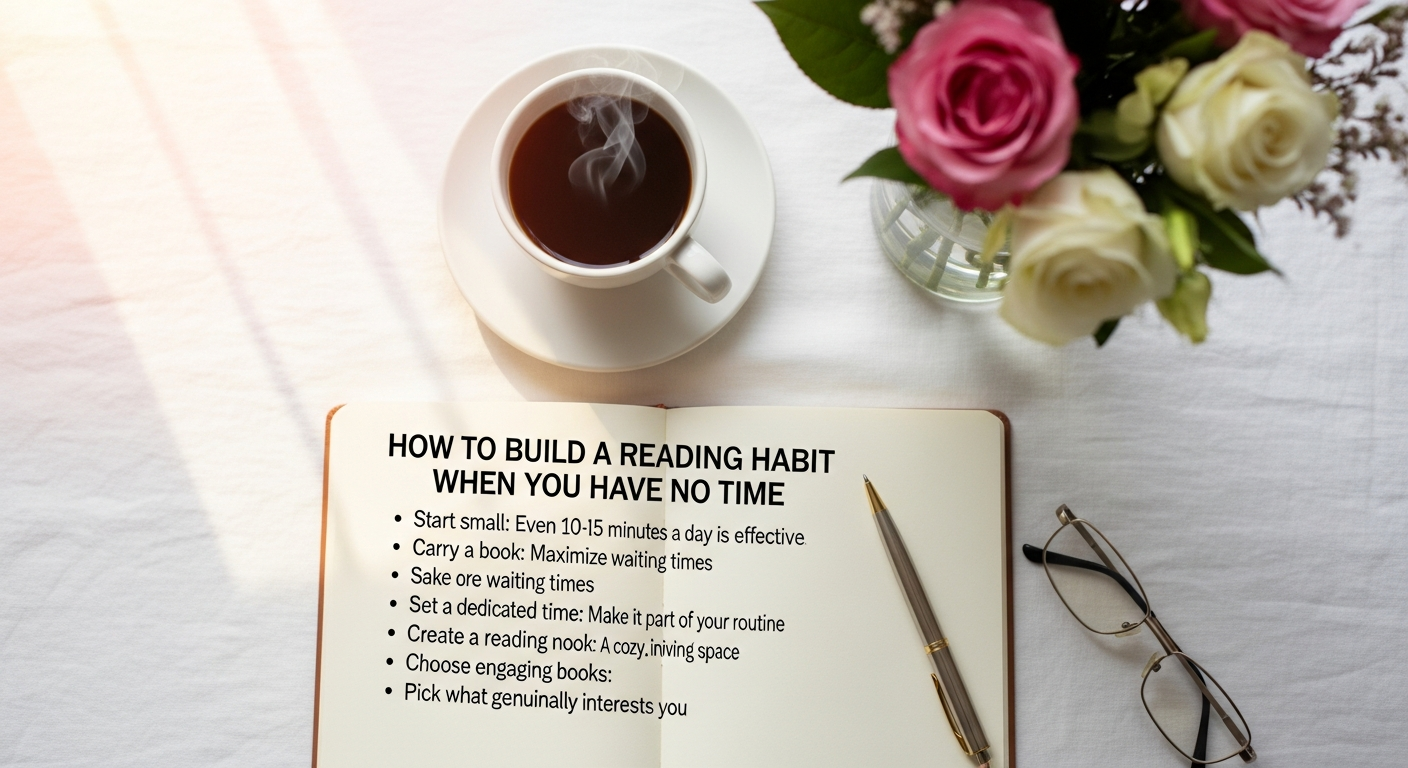
Once you’ve embraced the mindset that time for reading can be made, the next step is to actively identify and harvest those elusive pockets of opportunity that often go unnoticed. Our days are punctuated by numerous small waiting periods, transitions, and downtimes that, individually, seem too brief to be useful, but collectively, can add up to significant reading time. The art of strategic time harvesting lies in recognizing these moments and proactively filling them with a book instead of a phone screen or idle thought.
The Power of Micro-Reading Moments
Micro-reading involves utilizing short bursts of time—anywhere from 2 to 15 minutes—to engage with a book. This approach is particularly effective for those who feel they lack large, uninterrupted blocks of time. Here are common scenarios where micro-reading can thrive:
- The Commute: Whether you’re on public transport, carpooling, or even waiting for a ride-share, these minutes are prime for reading. Audiobooks are excellent for driving, while e-readers or physical books are perfect for buses and trains.
- Waiting Times: Think about all the moments you spend waiting: at the doctor’s office, in line at the grocery store, for a meeting to start, for your coffee to brew, or for a child’s extracurricular activity to finish. Always have a book or e-reader handy.
- Lunch Breaks: Instead of eating at your desk or scrolling, dedicate the first 10-15 minutes of your lunch break to reading. It offers a mental escape and recharges your brain differently than screen time.
- Before Bed: Even if it’s just for 15 minutes, reading before sleep can help you wind down and improve sleep quality, acting as a much healthier alternative to endless phone scrolling. This can become a peaceful ritual, much like a calming element of your Best Body Care Routine Soft Glowing Skin.
- During Chores: For tasks that don’t require intense focus, such as folding laundry, washing dishes, or light tidying, audiobooks can be your best friend.
Scheduling and Habit Stacking
To ensure these micro-moments don’t get lost, consider formalizing them. You don’t need a rigid schedule, but integrating reading into existing routines makes it more likely to stick. This is known as habit stacking.
- Pairing with existing habits: Identify a habit you already do consistently and “stack” reading onto it. For example, “After I pour my morning coffee, I will read for 10 minutes.” Or, “While I’m waiting for the oven to preheat, I will read for 5 minutes.”
- Designated reading times: Even if they’re short, setting aside specific times can be powerful. For example, make a commitment to read for 10 minutes immediately after waking up, before checking your phone, as part of your updated Morning Routine For Women 2026.
- Calendar blocking (even for small increments): If your schedule is highly structured, literally block out 15-minute “reading breaks” in your digital calendar. Treat them as non-negotiable appointments with yourself.
The key here is consistency over quantity. Five minutes of reading every day is far more effective in building a habit than one two-hour binge read once a month. It trains your brain to expect and crave that reading time, gradually transforming it from a chore into a comforting ritual. This approach mirrors the sustainable principles found in strategies like How To Eat Healthier Without Dieting, where small, consistent dietary improvements lead to lasting health benefits.
Making Reading Accessible: The Right Tools & Environment
Embracing Digital Reading: E-readers and Audiobooks
For the busy woman, digital formats are often game-changers, offering unparalleled convenience and portability.
- E-readers (Kindle, Kobo, Nook): These devices are lightweight, hold thousands of books, and have screens designed for comfortable reading, even in bright sunlight. They are perfect for carrying in your purse, using on commutes, or discreetly pulling out during a few spare minutes. Many offer features like dictionary lookups, highlighting, and note-taking, enhancing the reading experience. The ability to instantly download a new book means you’re never without something to read.
- Audiobooks: This format is arguably the most transformative for time-strapped individuals. Audiobooks allow you to “read” while doing tasks that typically preclude reading a physical book: driving, walking, exercising, cooking, cleaning, or even getting ready in the morning as part of your Morning Routine For Women 2026. They turn otherwise passive time into active learning or immersive storytelling. Apps like Audible, Libby (for library books), and Libro.fm make accessing audiobooks incredibly easy.
Don’t feel pressured to choose one format over another. Many avid readers utilize a hybrid approach, enjoying physical books at home and switching to an e-reader or audiobook when on the go. The goal is simply to remove friction and make reading an ever-present option.
Creating an Inviting Reading Nook (However Small)
While digital tools facilitate reading on the go, having a dedicated, comfortable space at home can significantly enhance your reading enjoyment and consistency. This doesn’t require a grand library; even a small corner can suffice.
- Comfort is key: A comfortable chair, good lighting (natural light is ideal, but a warm lamp works wonders), and perhaps a soft blanket can transform a simple space into a haven.
- Minimize distractions: Try to choose a spot away from the television or high-traffic areas of your home. If necessary, use noise-canceling headphones to block out ambient sounds.
- Keep books visible and accessible: Have your current read, and perhaps a few tempting next reads, within arm’s reach. Seeing them acts as a gentle visual cue and makes it easy to pick one up. Avoid burying them under piles of clutter.
- Personalize your space: Add elements that make you feel relaxed and happy—a plant, a favorite mug, a scented candle. This reinforces the idea that reading is a pleasurable act of self-care, much like indulging in a luxurious step of your Best Body Care Routine Soft Glowing Skin.
Even if you only get to use your dedicated reading nook for 15 minutes a day, the act of intentionally creating and using that space elevates reading from a chore to a cherished ritual. It signals to your brain that this is a time for relaxation, reflection, and personal growth.
Integrating Reading into Your Existing Lifestyle: Seamless Blending
The most sustainable habits are those that don’t feel like an added burden but rather a natural extension of your existing life. This section focuses on clever ways to weave reading into your daily fabric, leveraging established routines and adopting a flexible mindset. The goal is to make reading feel less like an obligation and more like an effortless enhancement to your day.
Morning Rituals: A Powerful Start to Your Day
The morning often sets the tone for the entire day, and integrating reading here can be incredibly impactful. Instead of immediately diving into emails or social media, consider dedicating the first 10-20 minutes to a book.
- The “No Phone First” Rule: Challenge yourself to not touch your phone for a set period after waking. Use this time for reading. It provides a peaceful, focused start, free from the immediate demands of the digital world.
- Pair with a Warm Beverage: Make a cup of coffee or tea, find your reading spot, and settle in for a few pages. This creates a comforting routine.
- Part of Your Morning Routine For Women 2026: As you refine your morning routine for optimal well-being in the coming years, purposefully include reading. Imagine waking up, hydrating, perhaps doing a quick stretch, and then spending 15 minutes reading a book that inspires or educates you, before diving into the day’s tasks. This intentional start can significantly reduce stress and improve focus. It’s a proactive choice for mental nourishment, much like choosing a nutritious breakfast.
Even if it’s just a chapter or two, starting your day with reading can provide a sense of accomplishment and intellectual stimulation that lasts for hours.
Leveraging Downtime and Transitions
As discussed in strategic time harvesting, recognizing and utilizing transitional moments is crucial. But beyond just acknowledging them, actively planning for them makes a difference.
- The “Always Have a Book” Principle: Carry a book, e-reader, or have your audiobook app ready on your phone at all times. This eliminates the “I forgot my book” excuse.
- The “5-Minute Rule”: If you find yourself with an unexpected 5-minute gap (waiting for water to boil, commercials during a show, a few minutes before an appointment), automatically pick up your book. Don’t underestimate these small increments.
- Post-Activity Wind-Down: After a workout, dinner, or putting children to bed, instead of immediately turning on the TV, try reading for 15-30 minutes. It serves as a mental cool-down, preparing you for restful sleep.
Reading as Self-Care and Mental Nourishment
Frame reading not as a chore, but as a vital component of your self-care regimen. Just as you dedicate time to physical well-being or career development, reading nourishes your mind and spirit.
- Mental Break: In the same way that a relaxing bath with your favorite products is part of your Best Body Care Routine Soft Glowing Skin, reading offers a crucial mental break from the day’s demands. It allows your brain to shift gears, process information differently, and detach from stressors.
- Analogy to Healthy Eating: Think of reading like How To Eat Healthier Without Dieting. You don’t overhaul your entire diet overnight; you make small, consistent, healthy choices. Similarly, you don’t need to read a classic novel every week. Choose books you enjoy, read when you can, and gradually, these small mental nourishments build up to a healthier, more active mind. It’s about sustainable consumption of knowledge and stories, not restrictive quotas.
- Stress Reduction: Studies consistently show that reading can reduce stress levels more effectively than listening to music, taking a walk, or playing video games. It’s an accessible, powerful tool for mental well-being.
By consciously integrating reading into your existing routines and framing it as an essential act of self-care, you elevate its status in your daily life, making it a non-negotiable component rather than an expendable luxury.
Overcoming Obstacles and Staying Motivated on Your Reading Journey
Even with the best intentions and strategies, building a new habit, especially one that requires sustained focus, inevitably encounters hurdles. From distractions to dwindling motivation, staying on track requires resilience and a few clever tactics. Understanding common obstacles and proactively addressing them is key to making reading a lasting part of your life.
Battling Distractions and Maintaining Focus
In our hyper-connected world, distractions are ubiquitous. Phones, notifications, household chores, and even our own racing thoughts can pull us away from a book.
- Digital Detox during Reading: The most significant distraction for many is their smartphone. During your designated reading time, even if it’s only 10 minutes, put your phone on silent, face down, or in another room. Treat it like a mini-meditation—a period dedicated solely to the book.
- Create a “Reading Zone”: Even if you don’t have a dedicated nook, mentally (and physically, if possible) designate your reading spot as a no-distraction zone. Signal to others in your household that this is your quiet time.
- Mindfulness and Returning to the Text: It’s natural for your mind to wander. When it does, gently bring your attention back to the words on the page. Don’t judge yourself; simply refocus.
Dealing with Reading Slumps and Lack of Motivation
There will be days, or even weeks, when the desire to read wanes. This is normal and shouldn’t be a reason to abandon your habit entirely.
- Don’t Force It: If a book isn’t captivating you, it’s okay to put it down. Life is too short to read books you don’t enjoy. Give yourself permission to choose another. This is a crucial element of sustainable habit building, akin to finding enjoyable, healthy food options when you’re trying to figure out How To Eat Healthier Without Dieting.
- Try a Different Genre or Format: Sometimes a change of pace is all you need. If you’ve been reading heavy non-fiction, switch to a lighthearted novel. If physical books feel cumbersome, try an audiobook.
- Revisit Your “Why”: Remind yourself why you wanted to build this habit in the first place. Is it for knowledge, escape, relaxation, personal growth? Reconnecting with your motivation can reignite your spark.
- Join a Book Club or Online Community: Having a social element or accountability can be incredibly motivating. Discussing books with others can introduce you to new titles and keep you engaged.
- Set Realistic Goals: Instead of aiming for a certain number of books per month, focus on consistent daily time. “I will read for 15 minutes every day” is more achievable and less pressure-inducing than “I will read 4 books this month.”
Tracking Progress and Celebrating Small Wins
Seeing your progress can be a huge motivator. It reinforces the positive feedback loop and shows you that your efforts are yielding results.
- Use a Reading Journal or App: Tools like Goodreads, StoryGraph, or even a simple notebook can help you track books read, pages consumed, and your thoughts. This visual representation of your progress is powerful.
- Celebrate Milestones: Finished your first book of the year? Read consistently for a month? Acknowledge these achievements. It doesn’t have to be a grand celebration; a quiet moment of self-congratulation or a treat can be enough.
- Focus on Consistency, Not Speed: Remember, the goal is to build a habit, not to become a speed reader. Consistency is the true measure of success. Every time you pick up a book, you’re reinforcing the habit.
Building a reading habit is a journey, not a destination. There will be ups and downs, but by anticipating obstacles and having strategies in place, you can navigate them gracefully and keep your reading life vibrant and enriching.
Curating Your Reading Life: What to Read and Why It Matters
One of the most enjoyable aspects of building a reading habit is the freedom to explore an infinite universe of stories and knowledge. However, for the busy woman with limited time, choosing what to read can feel overwhelming. The key is to curate a reading life that genuinely excites and benefits you, ensuring that every precious minute spent reading is a rewarding one. This means moving beyond obligation and towards genuine interest.
Choosing Books That Resonate with YOU
The biggest mistake many people make when trying to read more is feeling compelled to read books they “should” read, rather than books they genuinely want to read. For a habit to stick, it must be enjoyable.
- Follow Your Interests: What topics genuinely fascinate you? Is it history, science fiction, personal development, true crime, romance, or literary fiction? Don’t be afraid to lean into your preferences. If you love stories about strong female protagonists, seek them out. If you’re interested in refining your Morning Routine For Women 2026, find books on productivity and mindfulness.
- Read Widely, but Don’t Force It: While it’s great to expand your horizons, don’t feel guilty if you prefer certain genres. The goal is to read, not to conform to someone else’s idea of what a “good” reader consumes.
- Utilize Recommendations Wisely: Friends, online communities, and reputable review sites can be excellent sources of recommendations. However, remember that personal taste is subjective. What one person loves, another might not. Always check reviews or read a sample before committing.
- Don’t Be Afraid to Abandon a Book: As mentioned, life is too short for books that don’t capture your attention. If you’re 50 pages in and dread picking it up, it’s okay to move on. This ensures your reading time remains positive and motivating.
The Benefits of Diverse Reading
While following your interests is paramount, also consider the various benefits that different types of reading can offer:
- Fiction for Empathy and Escape: Novels and short stories transport you to different worlds, allowing you to experience diverse perspectives and emotions. This enhances empathy, reduces stress, and provides a much-needed mental break. It’s a form of escapism that can be incredibly therapeutic.
- Non-Fiction for Growth and Knowledge: Whether it’s a memoir, a self-help book, a historical account, or a scientific exploration, non-fiction expands your knowledge base, challenges your thinking, and can inspire personal and professional growth. For instance, reading about nutrition can complement your journey of How To Eat Healthier Without Dieting, offering deeper insights beyond simple meal planning.
- Poetry and Essays for Reflection: These shorter forms can be perfect for micro-reading moments, offering concentrated doses of beauty, insight, and opportunities for deep reflection without requiring a long-term commitment to a narrative.
Building Your “To-Be-Read” (TBR) List
Having a curated list of books you’re excited to read is a powerful motivator. It eliminates the “what should I read next?” dilemma, ensuring you always have a tempting option ready.
- Keep a Running List: Use an app (Goodreads, StoryGraph), a digital note (Evernote, Notion), or a physical notebook to jot down titles that pique your interest.
- Be Proactive in Discovering Books: Follow authors, publishers, and book reviewers on social media. Browse independent bookstores. Listen to literary podcasts. The more you engage with the reading world, the more enticing titles you’ll discover.
- Consider “Reading Moods”: Sometimes you want something light, other times something challenging. Curate your TBR list with a variety of genres and lengths so you always have a book that matches your current mood and available time.
By thoughtfully curating your reading life, you transform reading from a potentially daunting task into a source of constant joy, learning, and personal enrichment. It becomes a bespoke journey, tailored to your unique tastes and ambitions, making it an indispensable part of your contextual life.
The Long-Term Rewards: Why Your Reading Habit Matters for 2026 and Beyond
While the immediate gratification of a good story or a new piece of knowledge is undeniable, the true power of a consistent reading habit lies in its cumulative, long-term benefits. For the modern woman striving for holistic well-being and continuous growth, making time for reading, even amidst a packed schedule, is an investment that pays dividends across every facet of life in 2026 and well into the future.
Enhanced Cognitive Function and Mental Agility
Reading is essentially a workout for your brain. It engages multiple cognitive processes simultaneously: comprehension, memory, critical thinking, and imagination. Consistent reading:
- Improves Brain Connectivity: Studies show that reading enhances connectivity in various brain regions, leading to improved overall brain function.
- Boosts Vocabulary and Communication Skills: Exposure to diverse language structures and words naturally expands your vocabulary and refines your ability to articulate your thoughts, both verbally and in writing. This is invaluable in professional settings and personal relationships.
- Sharpens Analytical Thinking: Engaging with complex narratives or challenging non-fiction trains your brain to analyze information, identify patterns, and draw conclusions.
- Delays Cognitive Decline: Regular mental stimulation, like reading, has been linked to a reduced risk of age-related cognitive decline, including conditions like dementia. It helps maintain cognitive vitality for longer.
Greater Empathy and Emotional Intelligence
Fiction, in particular, serves as a powerful tool for developing empathy. By stepping into the shoes of diverse characters and experiencing their triumphs and tribulations, readers gain a deeper understanding of human nature and different perspectives. This translates into:
- Improved Understanding of Others: You learn to see the world through different lenses, fostering greater compassion and reducing judgment.
- Enhanced Social Skills: Understanding nuanced emotions and motivations in stories can help you better navigate real-life social interactions and relationships.
- Emotional Regulation: Experiencing a wide range of emotions vicariously through characters can help you process and understand your own feelings more effectively.
Stress Reduction and Enhanced Well-being
In a world that constantly bombards us with information and demands, reading offers a profound sense of calm and escape. It’s a deliberate act of slowing down and focusing your attention.
- Effective Stress Reliever: As noted earlier, reading can reduce stress levels significantly, even more than other popular relaxation techniques. It transports you away from daily worries.
- Improved Sleep Quality: Establishing a pre-sleep reading ritual helps signal to your body that it’s time to wind down, promoting more restful and deeper sleep, an essential component of overall wellness and a natural extension of a thoughtful Best Body Care Routine Soft Glowing Skin.
- Mindfulness and Presence: When you’re absorbed in a book, you’re fully present in that moment, offering a respite from multitasking and overthinking.
Continuous Learning and Personal Growth
Reading is arguably the most accessible and effective way to engage in lifelong learning. Every book, whether fiction or non-fiction, offers an opportunity to learn something new:
- Acquiring New Skills and Knowledge: From mastering a new hobby to gaining insights into leadership, reading provides a wealth of information at your fingertips. This constant learning keeps you adaptable and relevant in a rapidly changing world.
- Broadening Perspectives: Exposure to different cultures, ideas, and philosophies expands your worldview and challenges your preconceptions.
- Inspiration and Motivation: Biographies, self-help books, and even compelling fiction can inspire you to pursue your goals, overcome challenges, and live a more fulfilling life.
By consistently dedicating time to reading, you are not just turning pages; you are actively investing in your mental health, emotional intelligence, and intellectual prowess. This habit, meticulously built even when time feels scarce, will empower you to thrive in 2026 and beyond, ensuring a richer, more insightful, and deeply satisfying contextual life.
Frequently Asked Questions
Recommended Resources
Check out How To Practice Gratitude Daily on Rock Salt Plum for a deeper dive.
Explore Best Wellness Habits For Women Over 30 for additional insights.