


icon

Creating a life you love

Share

How To Be Happier In Everyday Life Simple Habits

In the whirlwind of modern life, it’s easy for the pursuit of happiness to feel like a distant, often overwhelming, goal. We juggle careers, relationships, personal aspirations, and the endless demands of daily existence, often leaving us feeling depleted and wondering if a truly joyful life is even within reach. The glossy images on social media portray an effortless bliss that seems unattainable, leaving us with a gnawing sense that we’re somehow missing the secret formula.

But what if happiness isn’t about grand gestures or a complete overhaul of your life, but rather a gentle accumulation of small, intentional practices? What if the key to unlocking a more vibrant, fulfilling existence lies in understanding how to be happier in everyday life simple habits that you can weave into the fabric of your routine? At The Contextual Life, we believe that true well-being is found in the richness of your daily experiences, in the mindful moments, and in the deliberate choices you make. It’s about cultivating a landscape of inner peace and joy, one small, actionable step at a time.

This comprehensive guide is designed to be your trusted companion on this journey. We’ve sifted through research, personal anecdotes, and psychological insights to bring you practical, grounded advice that you can integrate into your life, starting today. Prepare to discover simple, yet profound, habits that will help you reframe your perspective, nurture your spirit, and rediscover the profound joy that exists in the everyday.

Cultivating Presence: The Power of Mindful Living for Everyday Joy

In an age of constant distraction, true presence has become a superpower. Our minds often race, replaying past events or fast-forwarding to future worries, preventing us from fully experiencing the richness of the current moment. Learning to anchor yourself in the now isn’t about stopping thoughts; it’s about observing them without judgment and gently bringing your attention back to what’s unfolding around you.

Micro-Habits for Mindful Presence:

  • The Mindful Minute: Start your day with one minute of focused breathing. Notice the sensation of your breath entering and leaving your body. When your mind wanders (and it will!), gently guide it back. This simple practice sets a tone of calm awareness for the entire day.
  • Sensory Savoring: Choose one routine activity each day – drinking your morning coffee, washing dishes, walking to your car – and engage all your senses. Notice the warmth of the mug, the aroma of the coffee, the feel of the bubbles, the sounds around you, the colors of the leaves. Turn an automatic action into a moment of intentional pleasure.
  • Digital Detox Pockets: Designate specific times or places as phone-free zones. This could be during meals, the first hour after waking, the last hour before bed, or while engaging in conversation with loved ones. Give your full attention to the people and activities in front of you without the siren call of notifications.
  • Body Scan Awareness: Take a few moments throughout the day to do a quick “body scan.” Notice any tension you might be holding in your shoulders, jaw, or stomach. Take a deep breath into that area and consciously release the tension. This simple check-in connects you to your physical self and can alleviate stress before it builds up.

By regularly practicing these micro-habits, you train your brain to become more present, transforming mundane moments into opportunities for peace and appreciation. This foundational shift in how you experience time is crucial for developing habits that lead to genuine everyday happiness.

Nurturing Your Inner World: Prioritizing Self-Care & Emotional Well-being

✨ Wellness Tip

Self-care isn’t a luxury; it’s a non-negotiable component of a happy and resilient life. Far too often, women are conditioned to prioritize everyone else’s needs before their own, leading to burnout, resentment, and a profound disconnect from their inner selves. True self-care goes beyond bubble baths (though those are lovely!); it’s about understanding your emotional landscape and deliberately choosing activities that replenish your energy and soothe your soul.

Actionable Self-Care & Emotional Nurturing:

  1. Identify Your Non-Negotiables: What are the few things that, if neglected, significantly diminish your well-being? Is it 7-8 hours of sleep, 30 minutes of quiet time, a weekly call with a friend, or movement every other day? Identify these core needs and then guard them fiercely. Schedule them into your calendar if necessary, treating them with the same importance as any other appointment.
  2. The Emotional Check-In: Once a day, take a moment to ask yourself, “How am I really feeling right now?” Acknowledge whatever comes up without judgment. Are you tired, stressed, joyful, anxious? Understanding your emotional state is the first step toward addressing it. You might even want to try using an “emotional temperature check” scale from 1 to 10.
  3. Set and Enforce Boundaries: This is perhaps one of the most powerful acts of self-care. Learning to say “no” to requests that deplete you, setting limits on your time and energy, and clearly communicating your needs to others are essential for protecting your emotional reserves. This includes digital boundaries (e.g., turning off notifications after a certain hour) and personal boundaries (e.g., declining an invitation that doesn’t align with your energy levels).
  4. Cultivate a “Joy List”: Keep a running list, either physically or digitally, of activities that genuinely bring you joy and energy. This could be reading a book, listening to music, gardening, dancing, taking a walk in nature, painting, or anything else that lights you up. When you feel depleted or unsure how to replenish yourself, consult your joy list.
  5. Gentle Movement & Adequate Sleep: Treat your body like the precious vessel it is. Incorporate movement you enjoy – a brisk walk, yoga, dancing – rather than forcing yourself into grueling workouts you dread. Prioritize sleep by creating a consistent bedtime routine, making your bedroom a sanctuary, and aiming for 7-9 hours of quality rest. Sleep deprivation is a direct pathway to decreased happiness and increased irritability.

By intentionally tending to your inner world and making self-care a consistent practice, you build resilience and create a solid foundation for experiencing more joy and contentment in your daily life. This is a powerful component of how to be happier in everyday life simple habits that truly make a difference.

The Art of Connection: Strengthening Relationships for Everyday Joy

Humans are inherently social creatures, and meaningful connections are vital for our well-being. Studies consistently show that strong social bonds are one of the most significant predictors of happiness and longevity. In our fast-paced world, it’s easy for relationships to become superficial or to drift, but nurturing them doesn’t require grand gestures; it requires intentionality and presence.

Cultivating Deeper Connections:

  • Practice Active Listening: When you’re with a loved one, put away distractions and give them your full attention. Listen not just to their words, but to the emotions behind them. Ask clarifying questions and reflect back what you hear. This makes people feel truly seen and heard, deepening the bond.
  • Schedule Quality Time (Even Small Doses): Life gets busy, but even 15-20 minutes of dedicated, uninterrupted time with a partner, child, or friend can make a huge difference. This could be a shared meal without phones, a short walk together, or simply sitting and talking. Quality over quantity is key.
  • Reach Out & Check In: A quick text, a short phone call, or a thoughtful email to say “I’m thinking of you” can strengthen a bond. It shows you care and are investing in the relationship, even when you can’t be physically together. Remember birthdays, anniversaries, or important life events.
  • Small Acts of Kindness: Offer to help a friend with a task, bring a neighbor a home-baked treat, leave a thoughtful note for your partner, or offer a genuine compliment to a stranger. These small gestures ripple outwards, not only brightening someone else’s day but also boosting your own mood.
  • Join or Create a Community: Seek out groups or activities that align with your interests, whether it’s a book club, a hiking group, a volunteer organization, or a creative workshop. Shared passions are a powerful way to forge new connections and build a supportive community.

Investing in your relationships is an investment in your own happiness. These simple habits create a tapestry of support and love that enriches your daily existence and reminds you that you are not alone on this journey.

Embracing Gratitude: Shifting Your Perspective Towards Positivity

Gratitude is not just a feeling; it’s a powerful practice that can rewire your brain to focus on the good, even amidst challenges. When we actively seek out things to appreciate, we shift our perspective from what’s lacking to what’s abundant, fostering a sense of contentment and joy. It’s one of the most straightforward and effective habits for how to be happier in everyday life simple habits that can profoundly impact your outlook.

Daily Gratitude Practices:

  1. The Gratitude Journal: Dedicate 5-10 minutes each day (perhaps before bed) to writing down 3-5 things you are genuinely grateful for. Be specific! Instead of “I’m grateful for my family,” try “I’m grateful for the sound of my daughter’s laughter during dinner tonight” or “I’m grateful for my partner’s thoughtful gesture of making me coffee this morning.”
  2. Gratitude Walk: As you go for a walk, consciously look for things to appreciate – the warmth of the sun, the colors of the flowers, the sound of birds, a friendly face, the sturdy ground beneath your feet. Turn it into a moving meditation of appreciation.
  3. Expressing Thanks Directly: Don’t just feel gratitude; express it. Send a thank-you note, make a phone call, or simply tell someone directly how much you appreciate them and why. This not only boosts your mood but also strengthens your relationships.
  4. “Three Good Things” Before Bed: This simple practice involves recalling three positive things that happened during your day, no matter how small. It could be a delicious meal, a kind word from a colleague, or a moment of calm. This helps you end your day on a positive note and primes your brain to look for good things.
  5. Gratitude Jar: Throughout the year, write down moments of joy, kindness, or things you’re grateful for on small slips of paper and put them in a jar. On New Year’s Eve, open the jar and read through all the wonderful moments you’ve experienced.

By regularly practicing gratitude, you train your brain to notice and appreciate the small wonders and blessings that are always present, fundamentally altering your daily experience and boosting your overall happiness.

Simple Habits for Everyday Happiness: Decluttering Your Space & Mind

Our external environment often mirrors our internal state, and vice-versa. A cluttered home can lead to a cluttered mind, creating a sense of overwhelm, stress, and diminished peace. By intentionally decluttering both your physical space and your mental landscape, you create room for clarity, calm, and happiness.

Strategies for Decluttering & Simplicity:

  • The “One-In, One-Out” Rule: For every new item you bring into your home (a new shirt, a new book, a new kitchen gadget), commit to donating or discarding one similar item. This prevents accumulation and keeps your belongings in check.
  • Tackle One Zone at a Time: Instead of feeling overwhelmed by your entire home, choose one small area – a drawer, a shelf, your bedside table – and dedicate 10-15 minutes to decluttering it. The satisfaction of a small win can motivate you to do more.
  • Digital Declutter: Your digital life can be as cluttered as your physical one. Delete unused apps, unsubscribe from unwanted emails, organize your digital files, and clean up your desktop. A streamlined digital environment reduces mental friction.
  • Mindful Consumption: Before making a purchase, ask yourself: “Do I truly need this? Will it add value to my life? Do I already have something similar?” This conscious approach reduces impulsive buying and prevents unnecessary clutter from entering your home.
  • Learn to Say “No” & Prioritize: Just as you declutter physical items, learn to declutter your schedule and commitments. Saying “no” to non-essential tasks or invitations that don’t align with your values or energy levels frees up time and mental space for what truly matters. Prioritize your most important tasks each day.
  • The “Brain Dump”: When your mind feels overwhelmed with thoughts, to-dos, and worries, do a “brain dump.” Write down everything that’s swirling in your head onto a piece of paper. Once it’s out, you can then organize, prioritize, or discard items, creating mental clarity.

Creating space, both physically and mentally, allows you to breathe more easily, reduces decision fatigue, and fosters a sense of calm and control. These are fundamental simple habits for everyday happiness that contribute to a more peaceful and ordered life.

Movement, Nourishment, and Rest: Foundations for Sustainable Well-being

It’s impossible to consistently feel happy and vibrant if your fundamental physiological needs aren’t met. Our physical health is intricately linked to our mental and emotional well-being. Prioritizing movement, nourishing our bodies, and ensuring adequate rest aren’t just “good ideas”; they are essential building blocks for a joyful life.

Cultivating Physical Well-being:

  1. Integrate Joyful Movement: Forget punishing workouts. Find forms of movement that you genuinely enjoy – dancing, hiking, swimming, cycling, walking with a friend, gardening, or practicing yoga. Aim for at least 30 minutes of moderate activity most days of the week. Even short bursts of movement throughout the day can significantly boost your mood and energy.
  2. Nourish Your Body Mindfully: Focus on whole, unprocessed foods that make you feel good. Listen to your body’s hunger and fullness cues. Don’t fall into the trap of restrictive diets, but rather cultivate a balanced approach to eating that fuels your body and mind. Hydration is key – keep a water bottle handy and sip throughout the day.
  3. Prioritize Sleep Hygiene: Quality sleep is arguably the most powerful tool for mental and emotional well-being. Create a consistent sleep schedule (even on weekends). Make your bedroom a sanctuary: cool, dark, and quiet. Wind down before bed with calming activities like reading, gentle stretching, or a warm bath, avoiding screens for at least an hour before sleep.
  4. Spend Time in Nature: Research consistently shows that spending time outdoors reduces stress, improves mood, and boosts overall well-being. Even 15-20 minutes in a park, garden, or natural setting can make a significant difference. Breathe in the fresh air, soak up some natural light, and connect with the natural world.
  5. Mindful Eating: When you eat, pay attention to your food. Notice the colors, textures, smells, and tastes. Chew slowly and savor each bite. This not only enhances your enjoyment of food but also helps with digestion and prevents overeating.

When you consistently tend to your physical needs, you create a robust foundation that allows you to better cope with stress, experience more energy, and cultivate a deeper sense of well-being, paving the way for everyday happiness.

Growth & Purpose: Finding Meaning in the Mundane

Beyond pleasure and comfort, a deep sense of happiness often stems from a feeling of purpose and continuous growth. We are wired to learn, adapt, and contribute. When we feel stagnant or disconnected from our values, our well-being can suffer. Infusing your daily life with small habits of growth and purpose can add a profound layer of meaning and fulfillment.

Habits for Growth & Purpose:

  • Embrace Lifelong Learning: Dedicate a small amount of time each day or week to learning something new, simply for the joy of it. This could be reading a non-fiction book, listening to an educational podcast, learning a new language, taking an online course, or even mastering a new recipe. The act of expanding your knowledge keeps your mind agile and engaged.
  • Connect to Your Values: Take some time to reflect on what truly matters to you. What are your core values (e.g., kindness, creativity, integrity, community, freedom)? Then, identify one small way you can align your daily actions with one of these values. For instance, if community is important, volunteer for 30 minutes once a week. If creativity, dedicate 15 minutes to a creative hobby.
  • Set Small, Meaningful Goals: Instead of waiting for a grand life purpose to appear, identify small, achievable goals that resonate with you. This could be finishing a creative project, mastering a new skill, running a 5k, or organizing a specific area of your home. The process of working towards and achieving even small goals provides a sense of accomplishment and direction.
  • Practice Contribution & Service: Giving back to others, even in small ways, is a powerful pathway to happiness. Volunteer your time, offer a helping hand to a friend or neighbor, mentor someone, or simply be a kind presence in your community. The act of contributing often shifts focus away from personal worries and fosters a sense of connection and purpose.
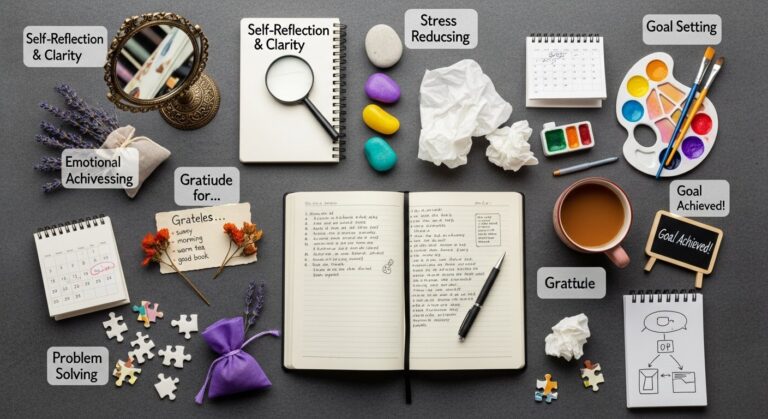
  • Reflect & Introspect: Regularly set aside time for reflection. Journaling, meditation, or simply quiet contemplation can help you process experiences, learn from challenges, and clarify your path forward. Understanding yourself and your journey is crucial for purposeful living.

By intentionally seeking opportunities for growth and aligning your actions with your values, you add a deeper dimension to your everyday life, moving beyond fleeting pleasures to a more sustained and profound sense of happiness and fulfillment. These are essential habits if you truly want to understand how to be happier in everyday life simple habits that resonate with your soul.

Conclusion: Your Journey to Everyday Happiness Starts Now

The quest for happiness doesn’t have to be a monumental undertaking or a constant pursuit of external achievements. Instead, it’s a beautiful, ongoing journey of cultivating internal habits and making intentional choices that align with your well-being. From embracing mindful presence to nurturing your inner world, strengthening your connections, practicing gratitude, decluttering your life, and tending to your physical and spiritual needs, each of these simple habits is a powerful step towards a more joyful, grounded, and fulfilling everyday existence.

Remember, consistency trumps intensity. You don’t need to overhaul your entire life overnight. Choose one or two habits from this guide that resonate most deeply with you right now and commit to practicing them for a week. See how they feel. Then, gradually layer in more. Just as a garden flourishes with consistent care, your inner landscape of happiness will bloom with regular, gentle tending.

You have the power within you to cultivate a life rich in joy and contentment. Start small, be kind to yourself, and trust in the profound impact of these simple, yet transformative, habits. Your happier everyday life awaits.

Frequently Asked Questions

How quickly can I expect to feel happier by adopting these habits?
The timeline varies for everyone, but many people report feeling a noticeable shift in mood and perspective within a few weeks of consistently practicing just one or two habits. Some practices, like gratitude journaling, can offer an immediate mood boost. The key is consistency and patience, as sustainable happiness is built over time.
What if I miss a day or a week of my habits? Does it ruin my progress?
Absolutely not! Progress is not linear, and life happens. The most important thing is not perfection, but resilience. If you miss a day, simply acknowledge it without judgment and gently return to your practice the next day. Don’t let a missed day become an excuse to abandon your efforts entirely. Self-compassion is key.
I feel overwhelmed by too many suggestions. Where should I start?
Start small! Choose just one or two habits that feel most appealing or easiest to implement, and focus on those for a week or two. For instance, try “The Mindful Minute” each morning and writing down “Three Good Things” before bed. Once those feel integrated, you can gradually add another habit. Overwhelm defeats the purpose.
How can I make these habits stick in my busy schedule?
Integrate them into existing routines. For example, practice sensory savoring while drinking your morning coffee, do your gratitude journal right before you brush your teeth at night, or take a gratitude walk during your lunch break. Set reminders on your phone, use habit tracker apps, and tell a trusted friend for accountability. Start with micro-habits that take very little time.
Is it okay to adapt these habits to fit my unique lifestyle?
Absolutely! These are guidelines, not rigid rules. The most effective habits are those that genuinely resonate with you and fit seamlessly into your life. Feel free to modify suggestions, combine practices, or invent your own variations. The goal is personal well-being, so tailor them to what works best for you.

THE LATEST

Hi, I’m Thea.

I started this brand as a personal online publication after graduating from Boston University with a degree in Marketing and Design. Originally from San Francisco, I was thousands of miles from family and friends, and needed an outlet for exploring my passions and connecting with others. My goal has always been to show others the beauty in enjoying life’s simple pleasures and to encourage others to look inward for self fulfillment.

Thousands of readers later, The Contextual Life has become a resource for anyone wanting a sense of community and a source of inspiration throughout their journey of life. It’s a place where readers can find suggestions on where to travel, what to eat, what to wear, and what to shop for, from experts who are almost like personal friends.

The Contextual Life brings our mission to life through news, products, experiences, and design. We are dedicated to providing the latest information to help you live a lifestyle that you love. Thank you for being here. Stay awhile.

thea-signature
Im-thea