


At The Contextual Life, we understand that this isn’t just a minor annoyance; it’s a profound challenge that can erode trust, strain communication, and ultimately diminish the very intimacy you crave. Overthinking can stem from a variety of sources – past experiences, attachment styles, societal pressures, or even just the inherent vulnerability that comes with truly loving another person. But here’s the good news: while it might feel ingrained, overthinking is a habit, and like all habits, it can be unlearned. It requires self-awareness, compassion, and a commitment to conscious effort, but the rewards—a more serene mind, stronger bonds, and a deeper sense of self—are immeasurable.
In this comprehensive guide, we’re diving deep into the heart of relationship overthinking. We’ll explore its common roots, equip you with powerful strategies to interrupt the cycle, and offer actionable steps you can implement today to reclaim your peace of mind and cultivate a more secure, joyful partnership. Prepare to gain clarity, build resilience, and transform your relationship from a source of anxiety into the sanctuary it’s meant to be. Let’s embark on this journey together, armed with intelligence, empathy, and practical wisdom.
Understanding the Roots of Relationship Overthinking
Before we can effectively address overthinking, it’s crucial to understand where it comes from. Like an iceberg, the visible worrying is often just a fraction of deeper, underlying currents. Unpacking these roots isn’t about blaming yourself, but about fostering self-compassion and pinpointing areas for growth.
The Shadow of Past Experiences: Trauma, Heartbreak, and Trust Issues
- Past Relationship Trauma: If you’ve been hurt, betrayed, or abandoned in previous relationships, your mind naturally develops protective mechanisms. Overthinking becomes a way to “predict” and “prevent” future pain, even if it leads to current anxiety. You might unconsciously scan for red flags, expecting history to repeat itself.
- Childhood Attachment Styles: Our earliest relationships with caregivers shape our attachment styles. If you developed an anxious attachment style, you might constantly seek reassurance, fear abandonment, and perceive subtle shifts in your partner’s behavior as signs of withdrawal or disinterest. This is often an unconscious pattern, driven by a deep need for connection and a fear of losing it.
- Unresolved Trust Issues: Perhaps you’ve been lied to, let down, or had your trust broken, either by a partner, a friend, or a family member. These experiences can make it incredibly difficult to fully relax into a new relationship, leading to constant vigilance and suspicion.
The Internal Landscape: Insecurity, Self-Doubt, and Perfectionism
- Low Self-Esteem and Insecurity: When you don’t feel entirely worthy of love or belonging, you might overthink your partner’s feelings because you secretly believe they could leave you for someone “better.” Every perceived flaw in the relationship becomes evidence that you’re not enough, fueling a constant need for external validation.
- Fear of Failure or Rejection: Overthinking can be a manifestation of a deep-seated fear of relationship failure. If you believe your worth is tied to the success of your relationships, you might relentlessly analyze every interaction to “ensure” things don’t go wrong, ironically pushing them towards strain.
- Perfectionism and Idealization: Some overthinkers hold idealized visions of what a “perfect” relationship should look like, often gleaned from social media, movies, or even childhood fantasies. When reality inevitably falls short, it triggers anxiety and a frantic attempt to “fix” perceived imperfections, often through endless analysis.
External Influences and Societal Pressures
- Social Media Comparison: The curated highlight reels of other couples on social media can create unrealistic expectations and fuel comparison. You might overthink your own relationship’s “performance,” wondering if it measures up, or if your partner loves you “as much” as others appear to be loved.
- Societal Narratives Around Love: From fairytale endings to dramatic relationship milestones, popular culture often paints an unrealistic picture of love and partnership. When your reality doesn’t align, it can spark anxiety and lead to obsessive analysis about what might be “wrong.”
Recognizing these potential origins is the first step toward compassionately addressing your overthinking. It’s not a flaw in your character; it’s often a coping mechanism that, while understandable, no longer serves you. With this understanding, we can now move to practical strategies to unwind these patterns.
Cultivating Self-Awareness: Your First Line of Defense Against Overthinking in Relationships
Identify Your Triggers and Patterns
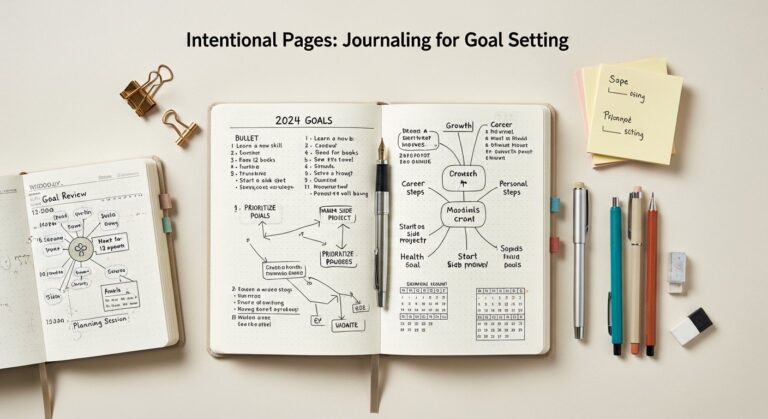
- Journaling: Start a dedicated “overthinking journal.” When you feel the familiar anxiety creeping in, jot down:
- The situation: What just happened or didn’t happen? (e.g., “Partner didn’t text back for 3 hours,” “I saw them glance at their phone during dinner,” “They seemed distracted when I talked about my day.”)
- Your initial thoughts: What was the first thought that popped into your head? (e.g., “They’re losing interest,” “They’re mad at me,” “I’m not important enough.”)
- Your feelings: How did those thoughts make you feel? (e.g., anxious, insecure, rejected, angry.)
- Your physical sensations: Where do you feel it in your body? (e.g., knot in stomach, racing heart, tense shoulders.)
- Your response: What did you do? (e.g., texted again, scrolled through their social media, withdrew, picked a fight.)
Over time, you’ll start to see patterns in what triggers your overthinking and how you typically react. This insight is gold.
- Mindfulness Practices: Incorporate daily mindfulness exercises, even for just 5-10 minutes. This isn’t about stopping thoughts but observing them without judgment. When you notice a thought about your relationship, simply acknowledge it (“Ah, there’s a thought about my partner’s tone of voice”) and let it pass, rather than getting entangled in it. This builds the “muscle” of observation.
Recognize Common Cognitive Distortions
Overthinking often thrives on faulty thinking patterns. Learning to spot these “cognitive distortions” is like having a mental x-ray machine:
- Catastrophizing: Blowing things out of proportion. “They didn’t text back instantly; they must be breaking up with me.”
Actionable Tip: Ask yourself, “What’s the most likely scenario? What’s the least likely? And what’s a more realistic middle ground?”
- Mind-Reading: Assuming you know what your partner is thinking or feeling without asking. “They’re quiet, so they must be upset with me.”
Actionable Tip: Remind yourself, “I can’t read minds. The only way to know is to ask.”
- Fortune-Telling: Predicting a negative future outcome without concrete evidence. “This argument means we’re going to break up.”
Actionable Tip: Focus on the present moment. “What do I know for sure right now?”
- Personalization: Taking everything personally, even when it’s not about you. “They’re stressed about work, so I must have done something wrong.”
Actionable Tip: Consider alternative explanations. “Could there be another reason for their behavior that has nothing to do with me?”
- All-or-Nothing Thinking: Viewing situations in extremes, with no middle ground. “If they don’t do X, then they don’t love me at all.”
Actionable Tip: Look for shades of gray. Relationships are nuanced; very few things are absolute.
By bringing these patterns into the light of your awareness, you create a vital pause—a space between the trigger and your reaction—where you can choose a different, more constructive response. This self-awareness is the foundation upon which you’ll build healthier thought patterns and a more secure relationship.
Harnessing Communication: The Antidote to Assumption and a Key to Stop Overthinking in Relationships
One of the most potent tools we have against relationship overthinking is direct, honest communication. Overthinking thrives in silence and assumption, building elaborate narratives based on guesses and fears. Open dialogue with your partner can dismantle these narratives and replace them with reality and understanding.
Ask Clarifying Questions, Don’t Assume
Instead of ruminating about what your partner “might” mean or “must” be feeling, bridge the gap with questions. This can feel vulnerable, but it’s an act of strength and trust.
- Be Specific and Non-Accusatory: Frame your questions from a place of curiosity, not accusation.
- Instead of: “Why were you so quiet last night? Are you mad at me?” (Assumes and accuses)
- Try: “I noticed you seemed a bit quiet last night, and I was wondering how you were feeling? Is everything okay?” (Expresses observation and open inquiry)
- Address Specific Behaviors, Not Character: Focus on what you observed, rather than interpreting their character.
- Instead of: “You always leave me on read because you don’t care about my feelings.”
- Try: “When I send you a text and don’t hear back for a few hours, my mind starts to race. I was wondering what’s usually happening on your end when that occurs?”
- Use “I” Statements: This centers the conversation on your experience, making it less likely your partner will feel defensive.
- “I feel anxious when X happens.”
- “I’m worried about Y.”
- “My interpretation of that was Z, and I wanted to check if that’s what you intended.”
Express Your Needs and Fears
Your partner isn’t a mind-reader. If you’re struggling with overthinking, sharing this with them (in a calm moment, not during a spiral) can invite their support.
- Share Your Tendency to Overthink: “Sometimes I have a tendency to overthink things, especially in relationships. When I’m feeling insecure, my mind can run wild, and it’s not a reflection of my trust in you, but my own internal battle. Could you help me by [specific request]?”
- Ask for Reassurance (Consciously): It’s okay to ask for reassurance sometimes, as long as it’s not constant and isn’t replacing your own inner work. “I’m feeling a bit insecure today, and it would really help me if you could just tell me you love me / that we’re okay.”
- Be Clear About What You Need: Do you need more consistent communication? A deeper explanation of their feelings? Space to process? Articulate it kindly. “It would really help me feel more connected if we could have a check-in call once a day when we’re apart, even a quick one.”
Practice Active and Empathetic Listening
Communication is a two-way street. When your partner responds, truly listen to understand, not just to formulate your next question or defense.
- Put Down Distractions: Give them your full attention.
- Reflect What You Hear: “So, if I’m understanding correctly, you’re saying that you were quiet last night because you had a really stressful day at work, and you just needed some downtime, not because you were upset with me. Is that right?” This helps clarify and shows you’re engaged.
- Validate Their Perspective: Even if you don’t agree, acknowledge their feelings. “I can understand why you might feel that way.”
Set Communication Boundaries
While open communication is vital, it also needs structure to prevent it from becoming a channel for endless reassurance-seeking. For example, agree on a time to discuss concerns rather than immediately sending a barrage of texts when anxiety strikes.
- Agree on “Check-in” Times: If distance or busy schedules are triggers, agree on regular check-in points.
- Limit “Crisis” Communication: If an overthinking spiral hits, agree to pause before flooding your partner. Use grounding techniques first, and then decide if a conversation is genuinely necessary or if you can manage the thought on your own.
By mastering clear, empathetic communication, you replace the murky waters of assumption with the clear stream of understanding. This not only helps you to stop overthinking in relationships but also builds a foundation of trust and intimacy that can weather any storm.
Building Inner Security and Self-Trust: The Anchor Against Overthinking
While external communication with your partner is vital, the most powerful antidote to overthinking comes from within. When your sense of worth and security is anchored internally, your overthinking mind has less leverage. This is about building a robust sense of self that doesn’t rely solely on external validation or the state of your relationship.
Cultivate a Strong Sense of Self-Worth
- Identify Your Values: What truly matters to you? What principles guide your life? When you live in alignment with your values, you build intrinsic confidence. List your top 3-5 values and find ways to embody them daily.
- Practice Self-Compassion: Overthinking often comes with a harsh inner critic. Counter this with kindness. Talk to yourself as you would a dear friend who is struggling. Acknowledge your feelings without judgment. “It’s okay to feel anxious right now; this is a challenging feeling.”
- Celebrate Your Strengths: Make a list of your accomplishments, your positive qualities, and the things you love about yourself, both inside and out. Revisit this list regularly. The more you appreciate your own value, the less you’ll seek it solely from your partner.
Nurture Your Personal Growth and Interests
When your entire world revolves around your relationship, it’s easy for relationship-related thoughts to consume you. Diversifying your focus reduces this pressure.
- Invest in Hobbies and Passions: Pursue activities you genuinely love, whether it’s painting, hiking, reading, learning a new language, or volunteering. These pursuits provide a sense of accomplishment, joy, and identity outside of your partnership.
- Maintain Strong Friendships and Family Bonds: A robust support network means you’re not putting all your emotional eggs in one relational basket. Friends offer different perspectives, unconditional support, and a vital sense of belonging.
- Prioritize Self-Care: This isn’t just bubble baths (though those are great!). It’s about consistently meeting your physical, emotional, and mental needs. Adequate sleep, nutritious food, regular exercise, and moments of quiet reflection all contribute to a more stable and resilient mind.
Develop Trust in Your Intuition (and Reality)
Overthinking often involves a disconnect from your gut feeling, replacing it with endless analysis. Reconnecting with your intuition is key.
- Practice Reality-Testing: When an overthinking thought arises, consciously ask yourself: “What evidence do I actually have for this thought?” “Is this a fact, or an interpretation?” “What’s another possible explanation?” This helps separate fear-based fantasies from actual reality.
- Connect with Your Body: Your body often holds wisdom before your mind catches up. When you feel anxious, pause. Notice where the sensation is. Breathe into it. What is your body trying to tell you, beyond the noise of your thoughts?
- Affirmations: Use positive affirmations to reprogram your subconscious mind. “I am secure in myself.” “I trust my intuition.” “My relationship is built on love and respect.” “I am worthy of love and peace.” Repeat these consistently, especially when anxiety strikes.
By focusing on your inner world—building your self-worth, pursuing your passions, and trusting your own judgment—you create a strong internal anchor. This doesn’t mean you won’t care about your relationship; it means you’ll care from a place of wholeness, rather than anxiety, making it much easier to stop overthinking in relationships and enjoy the present moment.
Setting Healthy Boundaries and Managing Expectations to Reduce Relationship Overthinking
Overthinking often spirals when boundaries are blurry, or when our expectations of a relationship (or our partner) are unrealistic. Clear boundaries, both internal and external, provide structure and security, while managing expectations fosters contentment and reduces anxiety.
Establish Personal Boundaries with Overthinking Itself
This might sound counter-intuitive, but you can set boundaries with your own thoughts and behaviors related to overthinking.
- The “Worry Window”: Designate a specific, limited time each day (e.g., 15-30 minutes) to allow yourself to actively worry and overthink about your relationship concerns. Outside of this window, if an overthinking thought pops up, acknowledge it, and tell yourself, “I’ll address this during my worry window.” This trains your mind that it has a dedicated time, preventing it from consuming your entire day.
- Limit Reassurance-Seeking: While occasional reassurance is fine, constant seeking feeds the overthinking cycle. Set a personal boundary on how often you’ll ask for reassurance, or challenge yourself to sit with the discomfort instead of immediately seeking external validation.
- No Mind-Reading or Fortune-Telling: Make a conscious pact with yourself that you will not engage in these cognitive distortions. If you catch yourself doing it, gently redirect your thoughts back to what you actually know or commit to asking your partner directly.
Communicate and Enforce Relationship Boundaries
Healthy boundaries with your partner are not about control; they’re about defining what’s acceptable and what’s not, protecting your energy, and fostering mutual respect.
- Time and Space: It’s healthy to have individual time and space outside the relationship. If your partner needs alone time, or you do, communicate this clearly. Overthinking can escalate when one person feels suffocated or the other feels neglected.
- Example: “I really value our time together, and I also need a couple of hours to myself after work to decompress. That helps me be more present when we reconnect.”
- Digital Boundaries: How quickly do you expect a text back? Is it okay to look through each other’s phones? Discuss and agree on these expectations. Unspoken digital rules are a massive source of overthinking.
- Example: “I’m not always on my phone, so sometimes it takes me a while to respond. If it’s urgent, please call.”
- Example: “I prefer to keep my phone private, and I trust that you do too. If you ever have a concern about something, please just ask me directly.”
- Dealing with Conflict: How will you handle disagreements? Will you take space, or talk it through immediately? Knowing the process can reduce anxiety during conflict.
- Example: “When we disagree, I sometimes need a little time to cool down before I can talk constructively. Can we agree to take a 30-minute break and then revisit it?”
Manage Realistic Expectations for Your Partner and the Relationship
No person or relationship is perfect. Holding onto unrealistic ideals is a sure path to constant disappointment and overthinking.
- Embrace Imperfection: Understand that your partner will make mistakes, disappoint you sometimes, and won’t always meet your every need. That’s simply part of being human. Release the expectation that they should always know what you’re thinking or always act exactly as you’d prefer.
- Relationships are Cyclical: There will be highs and lows, periods of intense connection, and periods where you feel more independent. This ebb and flow is normal and healthy, not a sign of impending doom.
- Your Partner is Not Your Everything: While your partner is incredibly important, they cannot fulfill every single emotional, social, and personal need you have. Relying solely on them for happiness, validation, or security puts immense pressure on both of you and fuels overthinking when they inevitably fall short. Diversify your sources of joy and support.
- Challenge the “Fairytale” Narrative: Actively question the romanticized versions of relationships presented in media. Real love is often quieter, messier, and more enduring than the dramatic portrayals.
By establishing clear boundaries, both internal and external, and recalibrating your expectations, you create a more stable and less anxiety-provoking environment for your relationship. This allows you to differentiate between genuine concerns and the manufactured anxieties of an overactive mind, making it easier to stop overthinking in relationships and enjoy the connection you have.
Practical Strategies to Disrupt Overthinking in the Moment
Even with self-awareness and strong communication, overthinking spirals can still strike. The key is to have a toolkit of immediate, actionable strategies to disrupt the cycle before it gains momentum. These techniques are designed to ground you in the present and interrupt the negative thought loop.
The 5-4-3-2-1 Grounding Technique
This sensory exercise is excellent for pulling your mind out of an anxious thought spiral and back into the present moment.
- 5: Name five things you can see. (e.g., “The blue pen on my desk, the crack in the ceiling, the green leaves on the tree outside, my watch, the dust motes dancing in the light.”)
- 4: Name four things you can feel. (e.g., “My feet on the floor, the texture of my shirt, the warmth of my mug, the breeze on my skin.”)
- 3: Name three things you can hear. (e.g., “Birds chirping, the hum of the refrigerator, my own breathing.”)
- 2: Name two things you can smell. (e.g., “The scent of my coffee, the faint smell of laundry detergent.”)
- 1: Name one thing you can taste. (e.g., “The lingering taste of my breakfast, my own saliva.”)
This practice forces your brain to engage with your immediate surroundings, shifting focus away from internal worries.
Thought Challenging and Reframe
Actively question the validity of your overthinking thoughts.
- Is This Thought a Fact or an Opinion? Most overthinking thoughts are opinions or interpretations, not concrete facts. “My partner hates my cooking” is an opinion. “My partner ate two servings of my cooking” is a fact.
- What’s the Evidence For and Against This Thought? List tangible proof. Often, the evidence against your negative thought is much stronger than the evidence for it.
- What’s an Alternative Explanation? Force yourself to come up with at least three other possible reasons for your partner’s behavior or the situation, even if they seem unlikely at first. This breaks the tunnel vision of overthinking.
- How Would My Best Friend See This Situation? Imagine offering advice to a friend who had this exact thought. You’d likely be more rational and compassionate. Apply that perspective to yourself.
Mindful Movement or Physical Activity
When you’re caught in a mental loop, sometimes the best way out is through your body.
- Go for a Walk: Even a 10-minute walk can clear your head. Focus on the sensation of your feet hitting the ground, the sights, sounds, and smells around you.
- Stretch or Do Yoga: Gentle movement can release tension and bring you back into your body.
- Deep Breathing Exercises: When we overthink, our breathing tends to become shallow. Practice diaphragmatic breathing (belly breathing) to activate your parasympathetic nervous system, which promotes relaxation. Inhale slowly for a count of four, hold for seven, exhale for eight. Repeat several times.
The “Defusion” Technique
This technique, from Acceptance and Commitment Therapy (ACT), helps you “unhook” from distressing thoughts without trying to change or suppress them.
- Say the Thought Aloud: “My partner is pulling away from me.” Now add, “I’m having the thought that my partner is pulling away from me.” This creates distance between you and the thought.
- Sing Your Thought: Sing the thought to the tune of a silly song, like “Happy Birthday.” This breaks its power and often makes it seem absurd.
- Visualize Your Thought: Imagine your thought as an object, like a leaf floating down a stream, a cloud passing in the sky, or a word on a whiteboard that can be erased. Let it pass without engaging.
Engage in Distraction (Mindfully)
Sometimes, a temporary distraction is necessary to break the thought pattern, as long as it’s not a long-term avoidance strategy.
- Call a Trusted Friend: Talk about something entirely unrelated to your relationship, or ask for their objective perspective on your overthinking (not to seek reassurance, but for a reality check).
- Dive into an Engaging Task: Read a captivating book, watch an absorbing documentary, work on a challenging puzzle, or immerse yourself in a creative project.
- Listen to Music: Put on upbeat music that makes you want to dance, or calming music for relaxation.
Having these tools at your disposal empowers you to actively challenge and redirect your overthinking mind. The more you practice these disruptions, the stronger your mental resilience will become, allowing you to gradually stop overthinking in relationships and live more fully in the present.
Knowing When to Seek Professional Support
While the strategies we’ve discussed offer powerful tools for managing overthinking, it’s crucial to acknowledge that some struggles run deeper. If your overthinking feels debilitating, significantly impacts your mental health, causes chronic distress in your relationship, or seems rooted in complex past trauma, seeking professional support is not just a good idea—it’s an act of courage and self-care.
Signs That Professional Help Might Be Beneficial:
- Constant, Unmanageable Anxiety: If your overthinking is a near-constant state, leading to persistent anxiety, panic attacks, or difficulty concentrating in other areas of your life.
- Relationship Breakdown: If overthinking has led to frequent arguments, a breakdown of trust, or your partner expressing exhaustion or resentment.
- Impact on Daily Functioning: If your overthinking is causing you to neglect work, social activities, or personal responsibilities.
- Depression or Hopelessness: If overthinking leads to feelings of sadness, hopelessness, lack of motivation, or thoughts that life isn’t worth living.
- Reliving Past Trauma: If your overthinking consistently triggers memories or feelings associated with past abuse, betrayal, or significant loss.
- Self-Sabotaging Behaviors: If you find yourself pushing your partner away, engaging in infidelity due to insecurity, or constantly creating drama in the relationship because of your thoughts.
Types of Professional Support:
- Individual Therapy: A therapist can help you explore the underlying causes of your overthinking, such as attachment wounds, trauma, low self-esteem, or anxiety disorders.
- Cognitive Behavioral Therapy (CBT): Highly effective for overthinking, CBT helps you identify and challenge negative thought patterns and develop healthier coping mechanisms.
- Dialectical Behavior Therapy (DBT): Focuses on mindfulness, distress tolerance, emotion regulation, and interpersonal effectiveness – all crucial skills for managing intense emotional reactions and overthinking.
- Eye Movement Desensitization and Reprocessing (EMDR): Particularly useful if your overthinking is linked to past traumatic experiences.
- Couples Counseling: If your overthinking is significantly impacting your partnership, a couples therapist can provide a neutral space for you and your partner to communicate, understand each other’s needs, and develop shared strategies for managing challenges. They can help you both identify patterns, improve communication, and rebuild trust.
- Support Groups: Sometimes, connecting with others who share similar struggles can be incredibly validating and provide a sense of community. Look for groups focused on anxiety, relationship issues, or building self-esteem.
Finding the Right Professional:
- Referrals: Ask your doctor, friends, or family for recommendations.
- Online Directories: Websites like Psychology Today, GoodTherapy, or Zocdoc allow you to search for therapists by specialty, location, and insurance.
- Initial Consultations: Many therapists offer a free brief consultation call. Use this opportunity to ask questions, assess their approach, and see if you feel a connection. The therapeutic relationship is key to success.
Seeking help is a sign of strength, not weakness. A qualified professional can offer personalized guidance, teach you advanced coping strategies, and help you heal the deeper wounds that contribute to your overthinking. This investment in yourself and your relationship can lead to profound and lasting transformation, paving the way for a more secure, loving, and peaceful partnership.
Frequently Asked Questions
Is overthinking in relationships always a bad thing?▾
My partner says I overthink, but I feel like I’m just being cautious. How can I tell the difference?▾
How long does it take to stop overthinking in relationships?▾
What if my partner isn’t supportive of my efforts to stop overthinking?▾
Can I really change my attachment style from anxious to secure?▾
Conclusion: Reclaiming Your Peace in Love
The journey to stop overthinking in relationships is a profound path of self-discovery, vulnerability, and intentional growth. It’s about dismantling old patterns that no longer serve you and building new foundations of trust—first within yourself, and then with your partner. We’ve explored the myriad roots of relationship overthinking, from past traumas to societal pressures, and armed you with a comprehensive toolkit of strategies: from cultivating self-awareness and mastering communication to setting healthy boundaries and employing in-the-moment disruption techniques. We’ve also highlighted the critical importance of knowing when to seek professional support, ensuring you have every resource at your disposal.
Remember, this isn’t about eradicating all doubts or achieving a mythical state of perfect calm. It’s about learning to differentiate between genuine concerns and fear-based narratives. It’s about trusting your instincts more than your anxieties, and choosing open dialogue over internal rumination. It’s about creating space for true connection, free from the constant noise of “what if.”
You deserve to experience the full beauty and joy of love without the constant shadow of overthinking. This work takes time, patience, and compassion for yourself. There will be days when the old patterns creep back in, but each time you apply a new strategy, each time you choose awareness over anxiety, you reinforce a healthier path. Embrace this journey with kindness, celebrate your progress, and trust that with consistent effort, you can transform your relationship with yourself and with your partner into one of deeper security, authentic connection, and profound peace. The Contextual Life believes in your ability to cultivate this vibrant, fulfilling life, one conscious choice at a time.