


Setting Healthy Boundaries with Family Members: A Modern Woman’s Guide to Peace and Personal Space
This comprehensive guide from The Contextual Life is designed to empower you. We’ll walk you through understanding what healthy boundaries truly mean, how to identify your own unique needs, and practical strategies for communicating and maintaining these boundaries with grace, courage, and self-compassion. Consider this your roadmap to reclaiming your personal energy, strengthening your family relationships on healthier terms, and fostering the authentic life you deserve.
Understanding What Healthy Boundaries Are (And Why They’re Essential with Family)
Before we dive into the “how,” let’s clarify the “what.” What exactly are healthy boundaries?
At their core, boundaries are guidelines, rules, or limits that you establish to protect your well-being, energy, and values in your relationships. They define what you are and are not comfortable with, what you will and will not tolerate. Think of them less like walls that shut people out, and more like fences that define your property line, allowing for connection and shared space, but also clearly marking where your responsibility ends and another’s begins.
With family, these boundaries become particularly crucial, and often, particularly challenging. Why? Because family relationships are typically long-standing, deeply emotional, and often carry unspoken expectations, historical roles, and ingrained patterns. The people we love most can inadvertently overstep, not out of malice, but from a place of habit, perceived duty, or even misguided love. Without clear boundaries, these dynamics can lead to:
- Resentment: When your needs are consistently unmet or ignored.
- Burnout: From constantly giving beyond your capacity.
- Anxiety and Stress: Anticipating difficult interactions or feeling a lack of control.
- Erosion of Self-Esteem: When your voice isn’t heard or your needs aren’t respected.
- Strained Relationships: Ironically, a lack of boundaries often damages relationships in the long run.
There are several types of boundaries, and you might need to set them in various areas of your life:
- Physical Boundaries: Personal space, touch, privacy regarding your body. (e.g., “Please don’t comment on my weight.”)
- Emotional Boundaries: Not taking on others’ feelings, protecting your emotional energy, not being responsible for their happiness. (e.g., “I’m not comfortable discussing that topic.”)
- Time Boundaries: How you spend your time, availability, punctuality. (e.g., “I’m not available for calls after 9 PM.”)
- Financial Boundaries: Lending/borrowing money, gifts, expectations around financial support. (e.g., “I can’t lend you money right now.”)
- Intellectual Boundaries: Respect for your thoughts, opinions, and values, engaging in respectful debate. (e.g., “I understand we disagree, and I’m going to stop discussing this now.”)
- Communication Boundaries: How you prefer to communicate, tone, frequency. (e.g., “Please don’t call me multiple times in a row if I don’t answer.”)
Understanding these different facets will help you pinpoint exactly where your needs lie.
Identifying Your Boundary Needs: Self-Reflection as the First Step
Before you can communicate a boundary, you need to understand what you need to protect. This isn’t about being selfish; it’s about being self-aware. This introspective phase is critical and often overlooked.
To begin, engage in some honest self-reflection. Ask yourself:
- What situations leave me feeling drained, resentful, or violated after interacting with family members?
- Example: “Every time my mother asks about my reproductive plans, I feel invaded and angry.”
- Example: “My brother frequently asks to borrow money, and I feel taken advantage of.”
- Example: “My in-laws drop by unannounced, and it throws off my entire day.”
- What topics or behaviors make me uncomfortable?
- Example: Constant criticism, unsolicited advice, gossip, political debates that turn heated.
- Where do I feel my personal space (physical, emotional, time) is being disrespected?
- Example: Physical touch I don’t invite, reading my texts over my shoulder, showing up without notice.
- What do I secretly wish would change in my family interactions?
- Example: “I wish my aunt wouldn’t pressure me to eat more.”
- Example: “I wish my parents would respect my parenting choices for my children.”
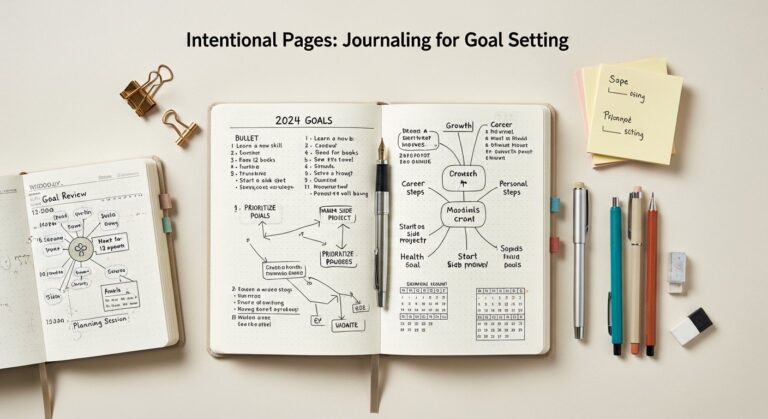
Actionable Step: The Boundary Journal
Take out a journal or open a note on your phone. For a week or two, after any family interaction (phone call, visit, text exchange), quickly jot down:
1. What happened?
2. How did it make you feel (physically and emotionally)?
3. What specific boundary might have prevented this feeling?
This practice will illuminate patterns and clearly show you where your most pressing boundary needs lie. Don’t censor yourself; this is for your eyes only. Recognizing your triggers is the first step toward consciously addressing them.
Crafting Your Boundary Statements: Clear, Calm, and Consistent Communication
Once you’ve identified your needs, the next step is to formulate your boundary statements. This is about clarity, directness, and owning your feelings without assigning blame. The goal is to communicate your needs in a way that is respectful but firm.
Here’s a framework for how to set healthy boundaries with family members using effective communication:
1. Use “I” Statements: Focus on your feelings and needs, rather than accusing the other person. This makes the message less confrontational and more about your internal experience.
* Instead of: “You always interrupt me, it’s so rude!”
* Try: “I feel unheard when I’m interrupted, and I need to finish my thought.”
2. Be Direct and Specific: Vague boundaries are easily ignored. State exactly what you need.
* Instead of: “I wish you wouldn’t be so nosy.”
* Try: “I’m not going to discuss my finances/love life/career decisions with you.”
3. Keep it Concise: Long explanations or justifications can dilute your message and invite debate. State your boundary clearly and then stop talking.
* Instead of: “I can’t come over this Sunday because I had a really long week, and I have a lot of errands, and I just need some time to relax, and my partner also wants to do XYZ…”
* Try: “I’m not available this Sunday.” (You can add “I hope we can connect another time,” but don’t over-explain your ‘no.’)
4. Focus on Behavior, Not Character: Address the specific action, not the person’s character.
* Instead of: “You’re so critical.”
* Try: “When you offer unsolicited advice about my parenting, I feel undermined. I need you to trust my judgment.”
5. State a Consequence (Optional, but Powerful): If previous attempts to set a boundary have failed, you might need to communicate what will happen if the boundary is crossed. We’ll discuss this more in a later section.
Examples of Effective Boundary Statements:
- “I love you, and I appreciate your concern, but I’m not looking for advice on my career right now. I just need you to listen.”
- “My partner and I have decided on how we’re raising our children. I need you to respect our choices, even if they differ from yours.”
- “I can’t discuss that topic. If it comes up again, I’ll need to end the conversation/change the subject.”
- “Please call before you come over. Unannounced visits don’t work for my schedule.”
- “I’m not going to loan money at this time. I wish you the best in finding a solution.”
- “I’m happy to talk, but I need you to speak to me respectfully. If the yelling continues, I’ll have to hang up.”
Practice these statements in your head, or even out loud, until they feel natural. The more prepared you are, the more confident you’ll feel when the time comes to communicate.
Communicating Boundaries Effectively (Even When It’s Hard)
This is often where the rubber meets the road. Communicating boundaries, especially with family, can feel incredibly daunting. Fear of hurting feelings, guilt, or anticipating an angry reaction can make us retreat. But remember, you are protecting your well-being, which is a non-negotiable act of self-love.
Here are strategies for delivering your boundary message:
1. Choose the Right Time and Place:
* Avoid highly emotional moments, public settings, or when you’re already stressed or tired.
* Find a calm, private moment. Sometimes, a phone call or even a well-thought-out text/email can be better for initial boundary setting if face-to-face is too intimidating or tends to escalate. This gives both parties space to process.
2. Be Calm and Confident:
* Even if your heart is pounding, try to project a calm demeanor. Your tone of voice, body language, and eye contact (if applicable) convey as much as your words.
* Confidence doesn’t mean aggression; it means clarity and conviction.
3. Start Soft, Stay Firm:
* You can open with an affirmation of love or appreciation to soften the delivery, especially if this is a new conversation. “Mom, I love spending time with you, and I value our relationship…”
* Then, deliver your boundary statement clearly and concisely.
* Avoid wavering, apologizing excessively, or over-explaining. “No” is a complete sentence.
4. Anticipate Reactions:
* Family members might react with surprise, confusion, anger, sadness, guilt-tripping, or even dismissiveness. This is often because you’re changing an established dynamic, and change can be uncomfortable.
Mentally prepare for these reactions so you aren’t caught off guard. Their reaction is their* responsibility, not yours.
5. Rehearse if Necessary:
* Practice what you’ll say with a trusted friend or in front of a mirror. This builds confidence and helps you refine your words.
6. Set Expectations for Ongoing Communication:
* Let them know this isn’t a one-time conversation. “I wanted to let you know this is important to me, and I’ll be gentle in reminding you if it comes up again.”
Remember, the goal isn’t to get them to agree with your boundary immediately or even to like it. The goal is to clearly communicate your needs and then follow through.
Navigating Pushback and Guilt: Holding Your Ground with Love
It’s highly likely that when you start setting boundaries, you’ll encounter some form of pushback. This could manifest as:
- Guilt-tripping: “After all I’ve done for you…” “You’re hurting my feelings.”
- Anger/Defensiveness: “I was just trying to help!” “Why are you being so sensitive?”
- Dismissal: “Oh, you’re being dramatic.” “That’s ridiculous.”
- Playing the victim: “No one ever cares about my feelings.”
- Passive-aggression: Subtle digs, cold shoulder, talking to other family members about you.
These reactions are challenging because they often tap into our deepest fears: of disapproval, of not being loved, of being “bad.” This is where self-compassion and inner strength become your greatest allies.
Strategies for Holding Your Ground:
1. Validate Their Feelings (Without Invalidating Yours): “I understand you might be disappointed/frustrated/upset.” This shows empathy without backing down.
* Example: “I hear that you’re sad I won’t be joining for dinner, but I still need to stick to my decision.”
2. Reiterate Your Boundary (The Broken Record Technique): You don’t need to engage in a debate or justify yourself endlessly. Simply repeat your boundary calmly.
* Family: “But why can’t you just tell me about your job search? I’m worried.”
* You: “I appreciate your concern, but I’m not going to discuss my job search at this time.” (Repeat as needed.)
3. Don’t J.A.D.E.: Don’t Justify, Argue, Defend, or Explain. The more you JADE, the more hooks you give them to pull you back into the old dynamic. Your boundary is your truth; it doesn’t require their approval.
4. Manage Guilt: Guilt is often a learned response from a lifetime of being conditioned to prioritize others’ needs over your own.
* Remind yourself that setting boundaries is not selfish; it’s necessary for your mental health and, ultimately, for maintaining healthier relationships.
Think of it this way: You can’t pour from an empty cup. By protecting your energy, you’ll be able to show up more genuinely and lovingly when you do* interact.
* It’s okay for others to feel uncomfortable. Their discomfort is not your responsibility.
5. Give Yourself Permission to Disengage: If the pushback becomes too intense, abusive, or unproductive, you have the right to end the conversation or remove yourself from the situation.
* “I’m going to take a break from this conversation.”
* “I need to go now, but we can talk another time when we’re both calmer.”
This process requires courage. Remember that you are redefining a relationship dynamic that may have existed for decades. It’s not a quick fix, but a journey towards greater respect and authenticity.
Implementing Consequences: The Power of Follow-Through
A boundary without a consequence is merely a request. For boundaries to be effective, especially with family members who consistently overstep, you must be prepared to implement logical consequences. This isn’t about punishment; it’s about self-protection and reinforcing the importance of your limits.
Consequences are the actions you will take to protect yourself if your boundary is repeatedly violated. They are not threats; they are statements of what you will do.
Key Principles for Consequences:
1. Logical and Proportional: The consequence should directly relate to the boundary being crossed.
* Boundary: “I need you to call before you come over.”
* Violation: They show up unannounced.
* Consequence: “I’m sorry, but I’m not available right now. I need to ask you to leave, and we can plan a visit for another time.” (You might not even open the door.)
2. Communicated Clearly (If Necessary): Sometimes, the consequence is just an action you take. Other times, it’s helpful to state it in advance, especially if the boundary is new or deeply ingrained.
* “If this topic comes up again, I’ll need to end the conversation/leave the room.”
* “If you continue to criticize my parenting choices, I’ll need to limit our visits with the children.” (This is a significant consequence, to be used for serious, repeated violations.)
3. Follow Through, Every Time: This is the most crucial part. If you state a consequence and then don’t follow through, you teach the other person that your boundaries are flexible and can be ignored. Consistency builds trust in your word, even if they don’t like the boundary itself.
4. Focus on Your Actions, Not Theirs: Consequences are about your actions to protect yourself, not about controlling their behavior. You can’t force someone to respect your boundaries, but you can control your response when they don’t.
Examples of Consequences:
- For unsolicited advice/criticism: “I’ve told you I’m not discussing this. If you bring it up again, I’m going to hang up the phone/end our visit.”
- For financial pressure: “I’ve said I can’t lend money. If you keep asking, I won’t be able to talk about finances with you at all.”
- For gossip/negativity: “I’m not comfortable with this conversation. If you continue, I’ll change the subject or remove myself.”
- For unannounced visits: “My schedule is full. I’m not available right now. We can schedule a time to connect.” (And don’t open the door or invite them in.)
- For disrespectful communication (yelling, insults): “I will not tolerate being yelled at. If you continue, I will end this call/leave the room.”
Implementing consequences can be emotionally taxing, but it is a powerful way to demonstrate that your boundaries are serious and that you are committed to protecting your well-being. It sends a clear message that you respect yourself enough to enforce your limits.
Maintaining Boundaries Over Time: A Continuous Practice of Self-Care
Setting boundaries isn’t a one-and-done event; it’s an ongoing practice. Family dynamics are fluid, and people might test your boundaries, especially early on. It requires continuous effort, self-awareness, and self-compassion.
1. Be Prepared for Regression: Old habits die hard. Family members might “forget” your boundaries, especially during stressful times or holidays. Don’t take it personally; gently and calmly reiterate your boundary.
* “Mom, remember we talked about not discussing my weight? I’d appreciate it if we could stick to that.”
2. Self-Check Regularly: Periodically check in with yourself. Are your boundaries still serving you? Have your needs changed? Do some boundaries need to be adjusted, strengthened, or perhaps even softened in certain areas?
* Life changes (new job, new relationship, children) often necessitate new boundaries.
3. Celebrate Small Victories: Acknowledge your efforts and successes. Each time you uphold a boundary, you are strengthening your self-respect and building confidence.
* “I said ‘no’ to that last-minute request, and it felt good!”
4. Seek Support: Talk to a trusted friend, partner, or therapist about your boundary challenges. Having an external sounding board can provide validation, perspective, and encouragement.
5. Practice Self-Compassion: There will be times when you falter, when you don’t enforce a boundary perfectly, or when you feel overwhelmed. That’s okay. Treat yourself with the same kindness and understanding you would offer a friend. Learn from the experience and recommit to your well-being.
Building and maintaining healthy boundaries with family members is a profound act of self-care and a testament to your personal growth. It demonstrates that you value yourself, your time, your energy, and your peace. And ultimately, it cultivates relationships that are built on mutual respect, understanding, and genuine love.
Conclusion: Embrace Your Power, Embrace Your Peace
Stepping into the power of setting healthy boundaries with family members is one of the most transformative journeys a modern woman can undertake. It’s not about pushing loved ones away or creating distance; it’s about crafting a safe, respectful space where true connection can flourish without compromising your well-being. You are not responsible for managing the emotions of others, nor are you obligated to sacrifice your own peace for the sake of theirs.
This path requires courage, consistency, and a deep well of self-compassion. There will be discomfort, moments of doubt, and perhaps even some ruffled feathers. But on the other side of these challenges lies a profound sense of liberation, clarity, and renewed energy. You’ll find that as you honor your own needs, you model healthy behavior for those around you, inspiring respect and fostering more authentic relationships.
Remember, you are worthy of respect, worthy of space, and worthy of living a life that feels aligned with your deepest values. Begin today, take one small step, and watch as the ripples of your self-advocacy create a more harmonious and respectful life – not just for you, but for everyone you hold dear. Your journey to empowered living starts now.
Frequently Asked Questions
My family thinks setting boundaries is rude or disrespectful. How do I deal with that?▾
What if a family member continuously ignores my boundaries, even after I’ve explained them?▾
I feel so guilty when I say “no” to family. How do I overcome this?▾
Can I set boundaries with older family members, like parents or grandparents, who might be set in their ways?▾
How do I handle family holidays or gatherings where boundaries are frequently tested?▾
1. Set clear intentions: What boundaries do you most need to uphold?
2. Communicate proactively: If needed, send a polite group text or email a few days before about your availability or specific requests (e.g., “We’ll be arriving at X time and leaving at Y time”).
3. Have an exit strategy: Know how you’ll remove yourself if a boundary is crossed (e.g., step out for “fresh air,” offer to help in the kitchen, have an excuse to leave early).
4. Partner support: If you have a partner, agree on a signal to help each other disengage or back each other up when a boundary is being tested.
Remember, you don’t have to stay in uncomfortable situations if your boundaries are repeatedly violated.