


icon

Creating a life you love

Share

Best Wellness Habits For Women In Their 20S And 30S

Thriving Through Your Twenties and Thirties: The Best Wellness Habits for Women

The journey through your 20s and 30s can feel like navigating a thrilling, yet sometimes turbulent, ocean. One moment you’re riding the wave of newfound independence and career growth, the next you’re grappling with the undertow of societal expectations, relationship complexities, and the relentless hum of modern life. It’s a time of immense growth, self-discovery, and often, a touch of overwhelm. Many women find themselves juggling demanding careers, nurturing blossoming relationships, perhaps even starting families, all while trying to figure out “who they are” and “what they want.” In this whirlwind, it’s all too easy to let your own well-being slip to the bottom of the to-do list.

But what if we told you that these pivotal decades are precisely the time to lay a robust foundation for lifelong health and happiness? What if cultivating a set of intentional, powerful routines could transform the way you navigate these years, allowing you to not just survive, but truly thrive? At The Contextual Life, we believe in empowering women to live their most vibrant lives, and that starts with understanding and implementing the best wellness habits for women in their 20s and 30s. This comprehensive guide is designed to be your trusted companion, offering practical, research-backed advice to help you build a holistic wellness framework that supports every facet of your being – physical, mental, emotional, and spiritual. Let’s dive in and discover how to craft a life filled with energy, resilience, and profound joy.

Nurturing Your Physical Foundation: Fueling Your Body for Sustained Energy

Your body is your vessel, carrying you through every experience, challenge, and triumph. In your 20s and 30s, energy demands are high, whether you’re pulling late nights at work, hitting the gym, or chasing toddlers. Prioritizing your physical health isn’t about rigid diets or punishing workouts; it’s about respectful nourishment and joyful movement that supports your unique physiology and lifestyle.

Mindful Eating for Sustained Energy and Vitality

Forget the fad diets and the restrictive eating patterns that leave you feeling deprived and drained. The goal here is sustainable, mindful nutrition that provides consistent energy, boosts your mood, and supports long-term health. Think of food as fuel, information, and pleasure, all rolled into one.

  • Prioritize Whole Foods: Build your meals around unprocessed ingredients like fresh fruits and vegetables, lean proteins (chicken, fish, beans, lentils, tofu), whole grains (quinoa, brown rice, oats), and healthy fats (avocado, nuts, seeds, olive oil). These foods are packed with essential vitamins, minerals, and fiber, which are crucial for hormone balance, energy production, and gut health.
  • Hydration is Key: It sounds simple, but many of us walk around mildly dehydrated. Aim for at least 8 glasses (around 2-3 liters) of water daily, more if you’re active or live in a hot climate. Keep a reusable water bottle handy and sip throughout the day. Dehydration can lead to fatigue, headaches, poor concentration, and even impact your skin’s radiance.
  • Balance Your Blood Sugar: Consuming balanced meals that combine protein, healthy fats, and complex carbohydrates helps stabilize blood sugar, preventing energy crashes and intense cravings. For example, instead of a plain bagel for breakfast, try Greek yogurt with berries and a sprinkle of nuts.
  • Listen to Your Body’s Cues: Practice intuitive eating. Eat when you’re hungry, stop when you’re comfortably full, and savor your meals. Pay attention to how different foods make you feel – do they energize you or leave you feeling sluggish?
  • Limit Processed Foods and Added Sugars: These can contribute to inflammation, energy spikes and crashes, and nutrient deficiencies. While an occasional treat is fine, making them a daily staple can undermine your wellness goals.

Movement as Medicine, Not Punishment

Your 20s and 30s are prime time for building bone density and muscle mass, which are critical for preventing osteoporosis and metabolic slowdowns later in life. But beyond the physical benefits, movement is a powerful tool for stress reduction, mood enhancement, and cognitive function.

  • Find Joy in Movement: The key to consistency is finding activities you genuinely enjoy. If you hate the treadmill, don’t force it. Try dancing, hiking, cycling, swimming, yoga, Pilates, martial arts, or team sports. When exercise is fun, it doesn’t feel like a chore.
  • Mix it Up: Incorporate a variety of exercises into your routine. Aim for a balance of:
    • Strength Training (2-3 times/week): Using weights, resistance bands, or your own body weight helps build muscle, boost metabolism, and strengthen bones.
    • Cardio (3-5 times/week): Activities that elevate your heart rate improve cardiovascular health and endurance.
    • Flexibility & Mobility (daily or several times/week): Yoga, stretching, or foam rolling can improve range of motion, prevent injuries, and reduce muscle soreness.
  • Consistency Over Intensity: Short, consistent bursts of movement are often more effective than sporadic, grueling workouts. Even 15-30 minutes of brisk walking daily can make a significant difference.
  • Integrate Movement into Your Day: Take the stairs, park further away, walk during phone calls, stand at your desk, or do a quick stretch break every hour. Every little bit adds up.

Cultivating Mental & Emotional Resilience: Navigating the Inner Landscape

✨ Wellness Tip

The pressures of modern life can take a significant toll on our mental and emotional well-being. From career anxieties to social media comparison, it’s easy to feel overwhelmed. Developing robust mental and emotional resilience in your 20s and 30s is paramount for navigating challenges with grace and maintaining inner peace.

Mastering Stress & Anxiety: Tools for Calm in a Chaotic World

Stress is an unavoidable part of life, but chronic stress can wreak havoc on your health. Learning effective coping mechanisms is a vital skill.

  • Identify Your Triggers: What situations, people, or thoughts consistently lead to stress or anxiety? Awareness is the first step toward managing them.
  • Practice Mindful Breathing: When stress hits, your breath becomes shallow. Deep, diaphragmatic breathing activates the parasympathetic nervous system, calming your body. Try the 4-7-8 breath: inhale for 4 counts, hold for 7, exhale for 8.
  • Set Healthy Boundaries: Learn to say “no” to commitments that overextend you, protect your time and energy, and distance yourself from draining relationships or environments. This is one of the most powerful best wellness habits for women in their 20s and 30s.
  • Develop Healthy Coping Mechanisms: Instead of reaching for unhealthy coping strategies (e.g., excessive alcohol, emotional eating, endless scrolling), find positive outlets like journaling, talking to a trusted friend, spending time in nature, or engaging in a creative hobby.
  • Don’t Hesitate to Seek Professional Support: Therapy or coaching can provide invaluable tools, insights, and strategies for managing stress, anxiety, trauma, or navigating difficult life transitions. There’s immense strength in asking for help.

The Power of Self-Compassion: Your Inner Ally

Women, in particular, are often prone to harsh self-criticism. Cultivating self-compassion is about treating yourself with the same kindness, understanding, and care you would offer a dear friend.

  • Challenge Your Inner Critic: Become aware of negative self-talk. Is what you’re saying to yourself true? Is it helpful? Would you say it to someone you love? Replace harsh judgments with gentler, more realistic statements.
  • Embrace Imperfection: Understand that making mistakes and experiencing setbacks is a natural part of being human. Release the pressure to be perfect and instead focus on growth and learning.
  • Practice Self-Care Rituals: Regularly engage in activities that nourish your soul and make you feel good, simply because you deserve it, not as a reward or a fix. This could be a luxurious bath, reading a book, or listening to music.

Digital Detox & Mindful Tech Use

Our phones and devices are powerful tools, but they can also be significant sources of distraction, comparison, and anxiety. Mindful tech use is a non-negotiable wellness habit for the digital age.

  • Implement Screen Time Limits: Most smartphones have built-in features to track and limit app usage. Use them.
  • Create No-Phone Zones/Times: Designate your bedroom as a phone-free sanctuary, keep phones off the dinner table, and put them away during social gatherings.
  • Take Regular Social Media Breaks: Step away from the endless scroll. A few days, a week, or even a month can offer immense clarity and reduce feelings of inadequacy.
  • Curate Your Feed: Unfollow accounts that make you feel bad about yourself, create comparison, or promote negativity. Follow accounts that inspire, educate, and uplift you.

The Non-Negotiable: Prioritizing Sleep & Rest for Optimal Function

In our go-go-go culture, sleep is often the first thing to be sacrificed. Yet, adequate, quality sleep is foundational to every aspect of your well-being – mental clarity, emotional regulation, physical health, and even skin radiance. In your 20s and 30s, when life is demanding, sleep becomes even more crucial.

Crafting Your Sleep Sanctuary & Routine

Aim for 7-9 hours of quality sleep per night. This isn’t a luxury; it’s a biological necessity. Cultivate habits that signal to your body it’s time to wind down.
  • Stick to a Consistent Sleep Schedule: Go to bed and wake up around the same time every day, even on weekends. This helps regulate your body’s natural circadian rhythm.
  • Optimize Your Sleep Environment: Your bedroom should be dark, cool (around 65°F or 18°C), and quiet. Block out light with blackout curtains, use an eye mask, and consider earplugs or a white noise machine if needed.
  • Establish a Relaxing Pre-Sleep Routine: About an hour before bed, start winding down. This could include a warm bath, reading a physical book, gentle stretching, listening to calming music, or journaling.
  • Limit Screens Before Bed: The blue light emitted from phones, tablets, and laptops can interfere with melatonin production, the hormone that helps you sleep. Power down devices at least an hour before bedtime.
  • Watch Caffeine and Alcohol Intake: Avoid caffeine in the late afternoon and evening. While alcohol might initially make you feel drowsy, it disrupts sleep quality later in the night.

Beyond Sleep: Active Rest & Downtime

Rest isn’t just about sleeping; it’s also about intentionally disengaging from productivity and allowing your mind and body to recharge. Many women in their 20s and 30s struggle with feeling guilty for resting, viewing it as unproductive. This mindset needs to shift.

  • Schedule Downtime: Just as you schedule meetings or appointments, schedule blocks of time for pure, unstructured relaxation.
  • Embrace “Micro-Rests”: Even 5-10 minutes of stepping away from your desk, closing your eyes, or taking a few deep breaths can make a difference in your energy levels and focus.
  • Disconnect from the “Hustle”: Resist the urge to constantly be productive. Sometimes, the most productive thing you can do is nothing at all.
  • Engage in Restorative Activities: These might include gentle yoga, meditation, spending time in nature, listening to calming music, or simply staring out the window.

Building Your Village: Connection, Boundaries & Authentic Relationships

Humans are inherently social creatures, and meaningful connections are a cornerstone of wellness. Yet, in our 20s and 30s, friendships can shift, and new relationship dynamics emerge. Nurturing your social health is as important as any other wellness habit.

Fostering Meaningful Relationships

Invest in the people who lift you up and bring joy to your life. Quality over quantity is key here.

  • Be Intentional About Connection: Don’t wait for others to reach out. Schedule regular catch-ups with friends and family. A simple text, a phone call, or a coffee date can strengthen bonds.
  • Cultivate Diverse Friendships: Surround yourself with people from different backgrounds, perspectives, and life stages. This enriches your world and challenges your thinking.
  • Join Communities: Whether it’s a book club, a hiking group, a volunteer organization, or a professional network, finding like-minded individuals can provide a sense of belonging and support.
  • Practice Active Listening: When you’re with loved ones, put away distractions and truly listen to what they’re saying. Show genuine interest and empathy.

The Art of Healthy Boundaries: Protecting Your Energy

Boundaries are not walls; they are respectful guidelines that protect your time, energy, and emotional well-being. Learning to set and enforce them is a crucial skill in your 20s and 30s, especially as demands on your time increase.

  • Saying “No” Gracefully: Understand that saying no to one thing means saying yes to something else – often, to yourself and your priorities. You don’t always need to explain or apologize.
  • Communicate Your Needs Clearly: Whether it’s with friends, family, partners, or colleagues, clearly articulate what you need and what you’re comfortable with. Avoid passive-aggressive behavior or expecting others to read your mind.
  • Define Your Non-Negotiables: What are the things you absolutely will not compromise on regarding your time, energy, or values? Protect these fiercely.
  • Recognize and Address Boundary Violations: When someone oversteps a boundary, address it calmly and assertively. This reinforces your limits and teaches others how to treat you.

Navigating Romantic Relationships with Intention

For those in romantic partnerships, fostering a healthy, supportive relationship is a significant aspect of overall wellness. This involves conscious effort and consistent communication.

  • Prioritize Open Communication: Talk openly and honestly about your feelings, needs, and expectations. Active listening and empathy are vital.
  • Cultivate Mutual Respect: Respect each other’s individuality, boundaries, and autonomy.
  • Maintain Individual Identities: While shared interests are great, it’s also important to maintain your own hobbies, friendships, and personal growth paths.
  • Share Responsibilities: Ensure there’s a fair distribution of emotional labor, household tasks, and financial responsibilities.

Empowering Your Future: Financial Wellness & Purposeful Living

While often overlooked in traditional wellness discussions, financial health and a sense of purpose profoundly impact your stress levels, peace of mind, and overall happiness. Establishing strong habits in these areas during your 20s and 30s creates a powerful foundation for your future.

Taking Charge of Your Finances: Reducing Stress, Building Security

Financial stress is a leading cause of anxiety. Empowering yourself with financial literacy and healthy money habits reduces this burden significantly.

  • Create a Budget and Stick to It: Understand where your money is going. Track your income and expenses to identify areas where you can save or cut back. Numerous apps and tools can help.
  • Build an Emergency Fund: Aim to save 3-6 months’ worth of living expenses. This provides a crucial safety net for unexpected events like job loss or medical emergencies.
  • Start Saving & Investing Early: Even small, consistent contributions can grow significantly over time due to compounding interest. Understand your retirement options (401k, IRA) and consider speaking with a financial advisor.
  • Manage Debt Responsibly: Prioritize paying off high-interest debt (like credit cards) as quickly as possible. Understand student loan repayment options.
  • Educate Yourself: Read books, listen to podcasts, and take courses on personal finance. The more knowledgeable you are, the more confident you’ll feel about managing your money.

Finding Your “Why” & Pursuing Passions

A sense of purpose and engagement in activities that light you up are critical for long-term well-being. Your 20s and 30s are excellent times to explore what truly resonates with you.

  • Reflect on Your Values: What truly matters to you? What impact do you want to have on the world? Aligning your actions with your values brings greater fulfillment.
  • Explore Your Passions (Beyond Your Job): What hobbies or interests genuinely excite you? Make time for them, whether it’s painting, writing, gardening, learning a new language, or playing an instrument. These activities provide joy and a sense of accomplishment outside of work.
  • Consider Career Alignment: While not everyone will have their dream job in their 20s and 30s, think about whether your career path aligns with your long-term goals and values. If not, what small steps can you take to shift toward something more fulfilling?
  • Give Back: Volunteering your time or skills to a cause you care about can provide an immense sense of purpose and connection.

Integrating Mindfulness & Self-Care Rituals: Your Daily Dose of Presence

In a world constantly vying for your attention, carving out moments for mindfulness and intentional self-care is no longer a luxury, but a necessity. These practices allow you to slow down, reconnect with yourself, and recharge, ensuring you show up as your best self for the people and pursuits that matter.

Your Daily Dose of Mindfulness

Mindfulness is the practice of being fully present in the moment, without judgment. It helps reduce stress, improve focus, and cultivate a deeper appreciation for life. These are the best wellness habits for women in their 20s and 30s to combat an overactive mind.

  • Start a Meditation Practice: Even 5-10 minutes a day can make a significant difference. Use guided meditation apps like Calm or Headspace to get started. The goal isn’t to stop thinking, but to observe your thoughts without getting swept away by them.
  • Practice Mindful Moments Throughout Your Day:
    • Mindful Eating: Pay attention to the colors, textures, smells, and tastes of your food. Chew slowly and savor each bite.
    • Mindful Walking: Notice the sensation of your feet on the ground, the sounds around you, the feeling of the air on your skin.
    • Mindful Listening: Truly listen when someone is speaking, without planning your response.
    • Savor Simple Pleasures: Take a moment to truly appreciate your morning coffee, the warmth of the sun, or a beautiful piece of music.
  • Deep Breathing Exercises: Integrate short breathing exercises (like the 4-7-8 breath mentioned earlier) into moments of stress or transition during your day.

Personalized Self-Care Practices

Self-care isn’t a one-size-fits-all concept. It’s about consciously engaging in activities that replenish your energy, soothe your soul, and bring you joy. Identify what truly recharges you.

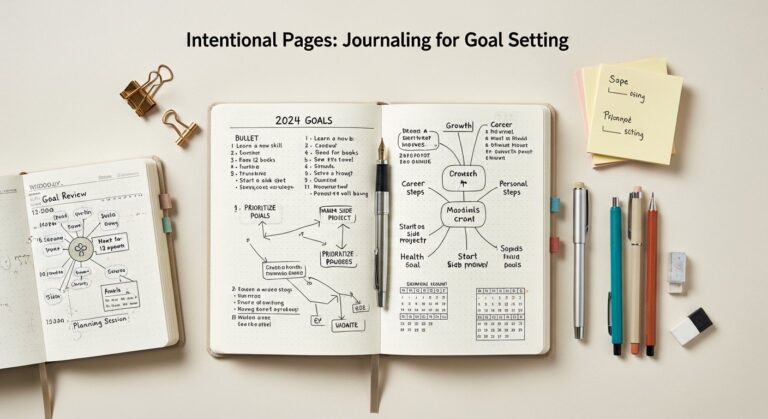
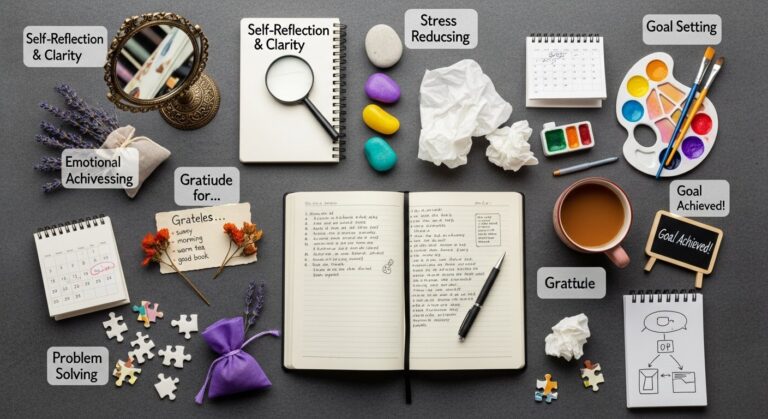
  • Journaling: A powerful tool for processing emotions, gaining clarity, and tracking personal growth. Whether it’s free-writing, gratitude journaling, or bullet journaling, find a style that works.
  • Nature Immersion: Spend time outdoors regularly – whether it’s a walk in a park, a hike in the woods, or simply sitting in your garden. Nature has a profound calming and restorative effect.
  • Creative Outlets: Engage in activities that allow for self-expression, like painting, drawing, writing poetry, playing music, or crafting.
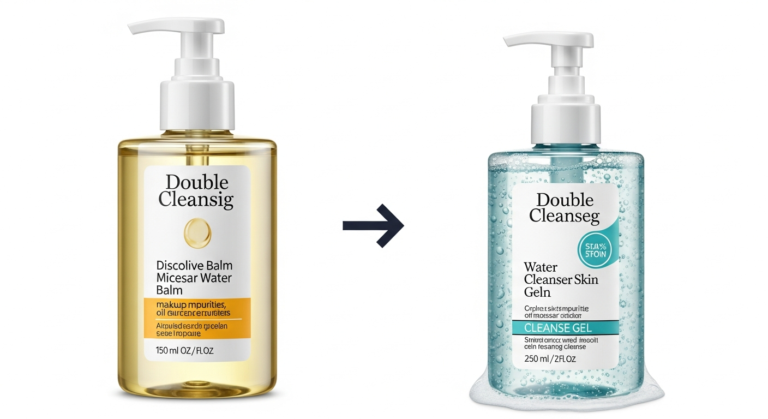
  • Skincare Rituals: Beyond just appearance, a dedicated skincare routine can be a beautiful act of self-care – a moment to slow down, connect with your body, and feel pampered.
  • Read for Pleasure: Step away from screens and lose yourself in a good book, novel, or engaging article.
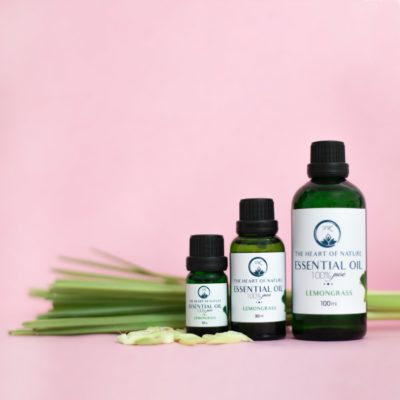
  • Enjoy a Warm Bath or Shower: The simple act of cleansing can be deeply relaxing and meditative. Add essential oils or bath salts for an extra touch.

Establishing Routines that Serve You

Routines provide structure and a sense of control, reducing decision fatigue and ensuring your wellness habits are consistently integrated into your life.

  • Morning Routine: Design a morning ritual that sets a positive tone for your day. This might include meditation, light stretching, journaling, a nutritious breakfast, or simply enjoying a quiet cup of tea before the day’s demands begin.
  • Evening Wind-Down: Create an evening routine that signals to your body it’s time to prepare for rest. This could involve disconnecting from screens, reading, gentle stretching, or a warm shower.
  • Flexibility is Key: While routines are beneficial, be flexible. Life happens. Don’t let a missed day derail your entire practice. Get back on track the next day with self-compassion.

Embrace Your Journey: A Conclusion to Thriving

Your 20s and 30s are dynamic, transformative years, and the habits you cultivate now will echo through the rest of your life. While the idea of implementing all these practices at once might feel daunting, remember that wellness is a journey, not a destination. It’s about continuous learning, adapting, and showing up for yourself with consistency and compassion.

Don’t strive for perfection; strive for progress. Start small. Pick one or two of these best wellness habits for women in their 20s and 30s that resonate most deeply with you and commit to them for a few weeks. Perhaps it’s incorporating daily mindful movement, prioritizing 7 hours of sleep, or setting one clear boundary. As these habits become ingrained, gradually add more.

The investment you make in your well-being today is an investment in a future self who is vibrant, resilient, and deeply fulfilled. At The Contextual Life, we encourage you to embrace this journey with an open heart and a curious mind. You have the power to consciously sculpt a life that not only meets your ambitions but also deeply nourishes your soul. Here’s to thriving – in every beautiful, complex context of your life.

Frequently Asked Questions

I feel overwhelmed by all these suggestions. Where should I even begin?
Start small and focus on consistency over perfection. Choose one habit that feels most achievable or addresses your most pressing concern (e.g., improving sleep, drinking more water, or taking a 10-minute walk daily). Once that feels integrated, gradually add another. Remember, even tiny steps lead to significant progress over time.
Is it too late to build good wellness habits if I’m already in my late 30s?
Absolutely not! It’s never too late to prioritize your health and well-being. The 30s are an excellent time to solidify these foundations, as you often have more self-awareness and resources than in your 20s. Every positive change you make, at any age, contributes to a healthier, happier you.
How can I make time for wellness habits with a demanding job and family responsibilities?
Integration and prioritization are key. Look for ways to weave habits into your existing routine (e.g., walking meetings, meal prepping on weekends, a 5-minute meditation before kids wake up). Learn to say “no” to non-essential commitments and fiercely protect your personal time. Even short bursts of self-care are better than none. Consider delegating tasks where possible to free up mental and physical space.
What’s the most important habit to start with if I want to see a noticeable difference quickly?
While all habits are interconnected, many wellness experts agree that improving sleep quality or consistent hydration can yield noticeable improvements in energy, mood, and concentration relatively quickly. Addressing one of these fundamental biological needs often creates a positive ripple effect throughout other areas of your life.
How do I stay motivated when I inevitably hit a slump or lose consistency?
First, practice self-compassion – slumps are a normal part of any journey. Reconnect with your “why” – why did you start these habits in the first place? Track your progress to see how far you’ve come. Find an accountability partner or community. And don’t be afraid to adjust your habits; if something isn’t working, modify it until it feels more sustainable and enjoyable for you.

THE LATEST

Hi, I’m Thea.

I started this brand as a personal online publication after graduating from Boston University with a degree in Marketing and Design. Originally from San Francisco, I was thousands of miles from family and friends, and needed an outlet for exploring my passions and connecting with others. My goal has always been to show others the beauty in enjoying life’s simple pleasures and to encourage others to look inward for self fulfillment.

Thousands of readers later, The Contextual Life has become a resource for anyone wanting a sense of community and a source of inspiration throughout their journey of life. It’s a place where readers can find suggestions on where to travel, what to eat, what to wear, and what to shop for, from experts who are almost like personal friends.

The Contextual Life brings our mission to life through news, products, experiences, and design. We are dedicated to providing the latest information to help you live a lifestyle that you love. Thank you for being here. Stay awhile.

thea-signature
Im-thea