


The Modern Dilemma: Drowning in Digital Noise
Why a Digital Detox Isn’t Just a Trend – It’s a Necessity for Modern Women
We live in an age where our phones are extensions of our hands, our social feeds dictate our perception of reality, and work often bleeds into our personal lives via endless emails and messaging apps. While technology offers undeniable benefits, its pervasive nature has taken a toll on our mental, emotional, and even physical health. For women navigating the complexities of modern life, the pressure to be constantly available, informed, and “on” can lead to chronic stress, anxiety, and burnout.
Consider the subtle but significant ways constant digital engagement impacts us:
- Mental Overload: Our brains are simply not designed to process the sheer volume of information, notifications, and stimuli we encounter daily. This leads to decision fatigue, reduced focus, and a constant state of low-level stress.
- Impact on Sleep: The blue light emitted by screens suppresses melatonin production, making it harder to fall asleep and reducing the quality of rest. Late-night scrolling also keeps our minds wired, preventing true relaxation.
- Erosion of Real-Life Connections: While social media promises connection, it often fosters superficial interactions. Spending more time glued to a screen means less time engaging deeply with loved ones, nurturing friendships, or participating in community activities.
- Diminished Self-Worth: The curated realities presented on social media can fuel comparison, inadequacy, and a persistent feeling of “not enough.” This can be particularly damaging to self-esteem and body image.
- Reduced Productivity and Creativity: Constant interruptions from notifications break our concentration, making deep work and creative flow incredibly difficult to achieve. Our minds rarely get the space they need to wander, synthesize, and innovate.
A digital detox isn’t about rejecting technology entirely; it’s about re-establishing control, creating intentional boundaries, and rediscovering the joy and peace that come from being truly present. It’s an act of radical self-care, allowing you to breathe, think, and simply be without the incessant demands of the digital world.
Preparing for Your Digital Detox: Setting Intentions and Boundaries
1. Define Your “Why” and Your “What”
Before you unplug, get clear on what you hope to gain and what you consider a “detox.”
- Your “Why”: Is it to reduce anxiety? Improve sleep? Reconnect with a hobby? Be more present with family? Writing down your motivations will be a powerful anchor when temptations arise.
- Your “What”: What does “digital detox” mean to you? For some, it’s a complete weekend shutdown. For others, it’s specific hours without social media. Defining your scope makes the goal tangible.
2. Conduct a Digital Audit
Take a few days to observe your digital habits without judgment.
- Track Screen Time: Most smartphones have built-in screen time trackers. See which apps consume most of your time. This awareness is often shocking and highly motivating.
- Notification Overload: Which apps are constantly vying for your attention? List them out.
- App Inventory: Go through your phone. Delete apps you don’t use, move distracting apps off your home screen, and disable notifications for everything non-essential.
3. Communicate Your Intentions
This is crucial, especially for longer detoxes or those impacting work.
- Inform Loved Ones: Let family, close friends, and important colleagues know you’ll be less accessible. Explain why you’re doing it. This manages expectations and prevents worry.
- Set an Away Message: If taking a longer break, set an email auto-responder or a message on messaging apps indicating when you’ll return and who to contact for urgent matters.
4. Plan Analog Replacements
The digital void needs to be filled with something positive, or you’ll quickly revert to old habits. Brainstorm activities you genuinely enjoy.
- Hobbies: Reading, painting, gardening, playing an instrument, cooking.
- Movement: Long walks, yoga, hiking, dancing.
- Connection: Scheduling actual coffee dates, calling a friend, playing board games.
- Mindfulness: Meditation, journaling, simply sitting in silence.
5. Charge Essential Devices (Then Hide Them)
Ensure any devices you will use (e.g., e-reader without internet, camera) are charged. For devices you’re detoxing from, charge them, then place them out of sight and out of easy reach. The friction of having to retrieve them can be a powerful deterrent.
Your Digital Detox Blueprint: Levels of Unplugging
There’s no one-size-fits-all approach to a digital detox. The right level for you depends on your lifestyle, your comfort with unplugging, and your ultimate goals. Start where you feel comfortable and gradually challenge yourself.
1. The Micro-Detox: Daily Digital Boundaries
This is an excellent starting point for everyone and helps build muscle memory for longer breaks.
- Morning Hour: No screens for the first hour after waking up. Use this time for journaling, meditation, making breakfast, or reading a physical book.
- Evening Wind-Down: No screens 1-2 hours before bed. This significantly improves sleep quality.
- Mealtime Mindfulness: Declare meals a tech-free zone, especially when eating with others.
- “Walking” or “Commuting” Detachment: Leave your phone in your pocket or bag during walks, commutes, or errands. Observe the world around you.
2. The Half-Day or Full-Day Reset
A slightly more immersive experience, perfect for a weekend day.
- Choose a Day: Dedicate a Saturday or Sunday to being completely unplugged from all non-essential devices (phone, laptop, tablet, TV).
- Plan Your Analog Day: Fill your day with activities that bring you joy and peace – a hike, visiting a museum, baking, gardening, spending quality time with loved ones.
- Emergency Protocol: If you must be reachable, consider using an old flip phone for calls only, or designate one trusted person to be your emergency contact for a specific time window.
3. The Weekend Warrior: A 48-Hour Unplug
This is where significant shifts in perspective and well-being begin to happen. A full 48 hours offers enough time for your brain to truly decompress.
- Friday Evening to Sunday Evening: Commit to no non-essential digital devices. This includes social media, news sites, streaming services, and even email.
- Pre-Plan Everything: Make sure any necessary digital tasks (like confirming plans with friends, checking directions) are done before Friday evening.
- Inform Everyone: Again, let your key contacts know you’ll be offline.
- Embrace Boredom: This is where creativity and introspection flourish. Don’t be afraid of moments of quiet.
4. The Extended Reset: A Multi-Day Digital Fast
For those feeling deeply overwhelmed or seeking profound clarity, an extended detox (3 days to a week or more) can be transformative. This is often done during a vacation or a dedicated retreat.
- Significant Preparation: This level requires meticulous planning, including setting up out-of-office messages, delegating responsibilities, and truly preparing your environment for a complete break.
- Consider a “Dumb Phone”: If you need to be reachable for genuine emergencies, consider swapping your smartphone for a basic call-and-text-only device for the duration.
- Journal Your Experience: Documenting your thoughts, feelings, and observations can enhance the learning and growth from this deep dive into presence.
Regardless of the level you choose, the key is consistency and self-compassion. Don’t beat yourself up if you slip; simply observe, learn, and gently guide yourself back to your intention.
Practical Strategies for a Successful Digital Detox
Knowing why and what level to detox is great, but how do you actually do it without feeling overwhelmed or deprived? Here are actionable strategies to help you successfully implement a digital detox and feel better fast.
1. Create Designated Tech-Free Zones and Times
- The Bedroom is Sacred: No phones, tablets, or laptops in the bedroom. Invest in an old-fashioned alarm clock. This is perhaps the single most impactful change you can make for better sleep.
- Kitchen Counter Charging Station: Create a central charging hub for all devices, preferably not in a high-traffic or relaxation area. When not in use, devices live there.
- Family Dinner, Tech-Free: Make a house rule that mealtimes are for conversation and connection, not screens.
- The “Offline Hour”: Dedicate at least one hour a day (or several mini-breaks) to being completely offline. No work emails, no social media, no browsing.
2. Replace Tech Habits with Fulfilling Analog Activities
The biggest challenge is often not avoiding tech, but filling the void. Plan engaging alternatives.
- Rediscover Reading: Keep a physical book (or an e-reader without internet) handy for moments you’d normally reach for your phone.
- Embrace Nature: Spend time outdoors – a walk in the park, gardening, sitting on a bench and observing.
- Creative Pursuits: Dust off that sketch pad, pick up knitting needles, try a new recipe, write.
- Move Your Body: Go for a run, do some yoga, stretch, dance to your favorite music.
- Connect Deeply: Call a friend or family member for a genuine conversation, or schedule an in-person meet-up.
3. Optimize Your Devices for Minimal Distraction
You don’t have to throw your phone away to reclaim control.
- Notification Overhaul: Go through every app and disable all non-essential notifications. Only allow direct calls or texts from a select few. Turn off vibrations and sounds.
- Greyscale Your Screen: Many phones have accessibility settings to switch your screen to greyscale. This makes your phone less appealing and addictive.
- App Declutter & Relocation: Delete apps you don’t truly use. Move social media and other distracting apps off your home screen, ideally into a folder several swipes away.
- Airplane Mode: Utilize airplane mode for focused work periods or when you simply need undisturbed time.
4. Set Intentional Screen Time Rules
Instead of mindlessly consuming, be deliberate.
- Time Limits: Use your phone’s built-in screen time limits for specific apps (e.g., 30 minutes for social media).
- Batch Processing: Instead of checking email or social media constantly, designate specific times to do so (e.g., once in the morning, once in the afternoon).
- Mindful Consumption: Before opening an app, ask yourself: “What is my intention here? What do I hope to gain?” If there isn’t a clear, positive answer, reconsider.
5. Use Technology to Aid Your Detox (Ironically)
Some apps are designed to help you reduce screen time!
- Focus Apps: Apps like Forest, Freedom, or Opal block distracting websites and apps for set periods.
- Screen Time Reports: Regularly review your screen time reports to stay accountable and identify problem areas.
By implementing these practical strategies, you’ll create an environment that supports your desire to unplug and allows you to experience the benefits of a digital detox much more quickly.
Navigating FOMO and Reconnecting with Your Real Life
One of the biggest hurdles to a successful digital detox is the fear of missing out (FOMO). That nagging feeling that something exciting is happening without you, or that you’re falling behind on news, trends, or social updates, can be incredibly powerful. However, understanding and proactively addressing FOMO is key to truly feeling better fast.
1. Recognize and Reframe FOMO
- Identify the Trigger: When does FOMO hit hardest? Is it seeing friends’ vacation photos, career announcements, or breaking news? Acknowledge the feeling without judgment.
- Shift Your Perspective: Reframe FOMO as “JOMO” – the Joy of Missing Out. Embrace the peace, presence, and freedom that comes from not being plugged in. When you’re offline, you’re not missing out on anything truly essential to your immediate well-being. You’re simply choosing a different focus.
- Question the Urgency: Most “urgent” digital information isn’t truly urgent. Very little will genuinely impact your life if you don’t see it the second it’s posted.
2. Cultivate Real-Life Connections
Fill the social void with authentic interactions. This is the antidote to digital superficiality.
- Schedule Face-to-Face Time: Make plans with friends and family for actual meet-ups. A coffee date, a walk, a shared meal – these build stronger bonds than a thousand likes.
- Engage in Deep Conversations: When you’re with people, put your phone away. Practice active listening and be fully present in the dialogue.
- Join a Community: Find a local club, class, or volunteer group centered around an interest (book club, pottery class, hiking group). These provide organic, in-person social connections.
3. Embrace the Present Moment
The digital world constantly pulls us into the past (reliving memories, scrolling old posts) or the future (planning, anticipating, comparing). A detox brings you back to the now.
- Practice Mindfulness: Take moments throughout your day to simply observe your surroundings using all five senses. Notice the taste of your food, the sounds around you, the feeling of the breeze.
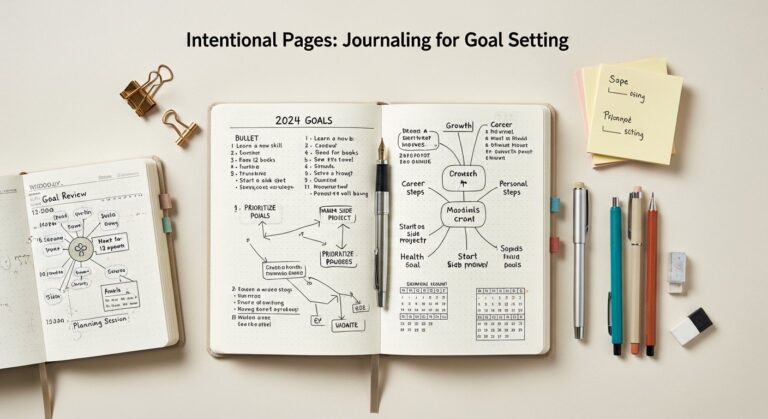
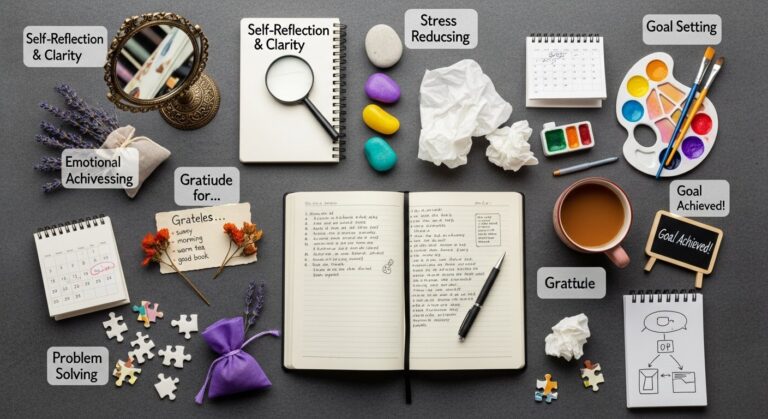
- Journaling: Use a physical journal to process your thoughts and feelings. This allows for deep self-reflection without digital distraction.
- Engage Your Hands and Mind: Focus on activities that require your full attention – cooking a complex meal, solving a puzzle, building something, learning a new skill.
4. Let Go of the Need to Document Everything
We often feel compelled to photograph, video, and post every significant moment. During your detox, practice simply experiencing.
- Be Present, Not Producer: Enjoy the concert, the sunset, the laughter with friends without the immediate need to capture it for an audience.
- Trust Your Memory: Allow your brain to encode memories naturally, rather than outsourcing them to your phone’s camera roll. You might find your memories are richer and more vivid when you’re fully immersed.
By actively countering FOMO and consciously investing in your real-life experiences and connections, you’ll discover a profound sense of contentment and joy that no digital feed can replicate. This shift from virtual engagement to actual presence is a cornerstone of how to do a digital detox and feel better fast.
Reaping the Rewards: How a Digital Detox Helps You Feel Better Fast
The beauty of a digital detox is that its benefits are often immediate and profoundly impactful. You don’t have to wait weeks or months to feel a difference; many women report significant improvements in just a few days. Here’s how you can expect to feel better, faster:
1. Enhanced Mental Clarity and Focus
- Reduced Brain Fog: Without the constant input and task-switching, your brain gets a much-needed break. This leads to clearer thinking, better decision-making, and a sense of mental spaciousness.
- Improved Concentration: Your ability to focus on a single task for extended periods will strengthen. You’ll find yourself able to dive deeper into work, hobbies, or conversations without distraction.
- Sparked Creativity: When your mind isn’t constantly consuming, it has room to generate new ideas, solve problems, and engage in creative thought processes.
2. Significant Stress and Anxiety Reduction
- Lowered Cortisol Levels: The “always-on” culture keeps us in a state of low-level fight-or-flight. Unplugging allows your nervous system to calm down, reducing stress hormones.
- Decreased Social Comparison: Stepping away from curated social media feeds removes a major source of anxiety and feelings of inadequacy. You’ll worry less about what others are doing and more about what genuinely makes you happy.
- Greater Sense of Control: Reclaiming your time and attention from technology gives you a powerful sense of agency, reducing feelings of overwhelm and helplessness.
3. Deeper, More Restorative Sleep
- Improved Melatonin Production: Eliminating blue light exposure before bed allows your body to produce melatonin naturally, signaling that it’s time to sleep.
- Calmer Mind at Bedtime: Without the stimulating input of screens, your mind can quiet down, making it easier to fall asleep and stay asleep. You’ll wake up feeling more refreshed and energized.
4. Stronger, More Authentic Relationships
- Increased Presence: When you’re not distracted by your phone, you are fully present with your loved ones. This leads to more meaningful conversations, deeper empathy, and stronger bonds.
- Better Communication: You’ll naturally gravitate towards face-to-face or voice conversations, which convey more nuance and emotion than text-based interactions.
- Real Connection, Not Just Likes: You’ll prioritize genuine human connection over virtual validation, leading to a richer and more satisfying social life.
5. Heightened Self-Awareness and Personal Growth
- Time for Introspection: The quiet moments created by a detox allow for self-reflection, journaling, and understanding your own thoughts and emotions without external noise.
- Rediscovered Hobbies: You’ll have the time and mental space to revisit old passions or discover new ones, leading to a greater sense of purpose and joy.
- Reduced Impulse and Reactivity: With less digital stimulation, you’ll likely find yourself less reactive and more thoughtful in your responses, both online and offline.
These benefits aren’t just theoretical; they are tangible shifts you can experience rapidly. By intentionally stepping back from the digital world, you create space for these positive changes to take root, helping you to truly feel better, faster.
Beyond the Detox: Integrating Mindful Tech Habits for Lasting Wellness
A digital detox isn’t just a one-time event; it’s a powerful catalyst for re-evaluating your relationship with technology and establishing healthier, more sustainable habits. The goal isn’t to live in a cave, but to integrate tech intentionally, so it serves you, rather than controls you. Here’s how to maintain those hard-won benefits and ensure you continue to feel better long after your initial unplugging period.
1. Establish Non-Negotiable Tech-Free Zones and Times
Carry forward the most impactful changes from your detox.
- Bedroom Boundary: Keep your bedroom a screen-free sanctuary, permanently.
- Morning & Evening Rituals: Continue your practice of no-screens for the first hour of waking and the last hour before bed.
- Designated “Offline” Hours: Schedule regular blocks of time each day or week where you are completely off-grid. Treat these like important appointments.
2. Be Proactive with Notifications and App Management
Don’t let your devices creep back into demanding your attention.
- Aggressive Notification Culling: Re-evaluate every notification. If it’s not absolutely essential for safety or immediate communication with close contacts, turn it off.
- Strategic App Placement: Keep social media and other distracting apps in folders, off your home screen, or even deleted if you find yourself easily sucked in. Access them via the search bar when you genuinely need them.
- Regular App Audits: Periodically review your apps and delete anything that doesn’t add genuine value or joy to your life.
3. Cultivate Intentional Consumption
Instead of mindlessly scrolling, ask yourself: “What is my intention?”
- Purposeful Browsing: Before opening a social media app or news site, define your goal. Are you looking for specific information, connecting with a particular person, or just passing time?
- Time-Box Your Sessions: Use timers for social media or news consumption. When the timer goes off, close the app.
- Follow Mindfully: Curate your feeds. Unfollow accounts that make you feel inadequate, anxious, or don’t align with your values. Seek out inspiring, informative, or genuinely joyful content.
4. Prioritize Analog Hobbies and Real-Life Connections
Actively schedule time for the activities and people that brought you joy during your detox.
- Build a “Joy List”: Keep a running list of non-digital activities you love. When you feel the urge to scroll, consult your list.
- Schedule In-Person Time: Make regular dates with friends and family that involve putting phones away.
- Embrace Nature: Continue to prioritize time outdoors, whether it’s a walk, gardening, or simply sitting in a park.
5. Practice Self-Compassion and Regular Check-ins
Maintaining new habits is a journey, not a destination.
- Acknowledge Slips: You’re human. If you find yourself slipping back into old patterns, don’t beat yourself up. Simply notice it, reflect on why it happened, and gently redirect yourself.
- Periodic Mini-Detoxes: Consider scheduling a “digital Sabbath” (one tech-free day) or a weekend detox once a month or quarter to recalibrate and reinforce your boundaries.
- Listen to Your Body: Pay attention to how you feel after extended screen time. Are you tired, anxious, or irritable? Use these cues as reminders to step back.
By integrating these mindful tech habits, you transform a temporary detox into a permanent lifestyle upgrade. You’ll not only maintain the benefits of feeling better fast but continually nurture a healthier, more balanced relationship with technology that supports your overall well-being and personal growth.
Your Journey to a More Present and Vibrant Life
Taking a step back from the incessant demands of our digital lives is more than just a trend; it’s a profound act of self-preservation and self-love in our modern world. As women striving for wellness, beauty, authentic relationships, and personal growth, creating intentional boundaries with technology isn’t a luxury – it’s a necessity. You now have a comprehensive blueprint on how to do a digital detox and feel better fast, equipped with practical strategies, different levels of unplugging, and a clear understanding of the incredible benefits that await. Embrace the quiet, savor the present, and reclaim the vibrant life that exists beyond the screen. Your journey to greater clarity, deeper connection, and lasting well-being begins the moment you decide to unplug.