


icon

Creating a life you love

Share

Best Herbal Teas For Stress And Anxiety Relief

Sip Your Way to Serenity: The Best Herbal Teas for Stress and Anxiety Relief

In our beautifully chaotic modern lives, it’s all too easy to find ourselves caught in a relentless cycle of to-do lists, digital demands, and the pervasive hum of everyday stress. From navigating career challenges to nurturing relationships, managing household tasks, and still trying to carve out time for ourselves, the pressure can feel immense. And for many of us, this constant pressure morphs into something deeper: a persistent feeling of anxiety, a tightening in the chest, a mind that simply won’t quiet down. If you’ve been searching for gentle yet effective ways to reclaim your calm, you’re in the right place. We believe in finding peace in the everyday, and today, we’re diving deep into one of nature’s most comforting remedies: the best herbal teas for stress and anxiety relief.

Imagine a warm mug cradled in your hands, the steam carrying delicate aromas that instantly signal a moment of pause. Herbal teas offer more than just a comforting beverage; they provide a powerful blend of therapeutic compounds that can genuinely soothe the nervous system, quiet a racing mind, and even encourage restful sleep. This isn’t just about a quick fix; it’s about cultivating a ritual, a mindful moment that supports your overall well-being. In this comprehensive guide, we’ll explore the science and serenity behind these botanical allies, offering you actionable insights and practical tips to incorporate them into your daily self-care routine. Get ready to discover your new favorite pathway to tranquility.

Understanding Stress & Anxiety: A Gentle Approach to Relief

Before we delve into the specific brews, let’s acknowledge what stress and anxiety truly are. Stress is our body’s natural response to perceived threats or demands, triggering our “fight or flight” system. It’s a primal mechanism that, in short bursts, can be beneficial. However, chronic stress, the kind many of us experience daily, can wreak havoc on our physical and mental health. Anxiety, often a companion to stress, is characterized by persistent worry, tension, and nervousness, even in the absence of an immediate threat.

The conventional approaches to managing stress and anxiety are varied, but many women are increasingly drawn to natural, holistic methods that work in harmony with the body. This is where herbal teas shine. Unlike pharmaceutical interventions that often target specific symptoms with potent compounds, many herbal teas work by gently supporting the body’s natural relaxation processes. They often contain compounds known as:

  • Nervines: Herbs that directly impact the nervous system, helping to calm and soothe tension. Some are relaxing (like chamomile), while others can be more stimulating or restorative.
  • Adaptogens: Herbs that help the body adapt to stress, normalizing physiological functions and promoting overall resilience. They don’t just calm you down; they help your body cope better with future stressors.
  • Hypnotics/Sedatives: Herbs that promote sleep and relaxation, often used for acute insomnia or significant restlessness.

By understanding these classifications, you can better select the teas that align with your specific needs, whether you’re looking for a midday calm, an evening wind-down, or long-term resilience against life’s pressures. The beauty of herbal teas lies in their accessibility, their gentle nature, and the deeply comforting ritual they offer.

The Powerhouse Brews: Best Herbal Teas for Stress and Anxiety Relief

✨ Wellness Tip

Ready to meet your botanical allies? Here are some of the most effective herbal teas known for their ability to soothe the nervous system, calm a racing mind, and support overall well-being. Each offers a unique profile of benefits, making it easy to find your perfect match.

Chamomile: The Gentle Soother

Perhaps the most well-known and universally loved calming tea, chamomile has been used for centuries to promote relaxation and sleep. Its delicate apple-like flavor makes it a comforting bedtime ritual. The magic of chamomile lies in an antioxidant called apigenin, which binds to specific receptors in your brain that help decrease anxiety and initiate sleep. It acts as a mild sedative, gently easing you into a state of calm without heavy drowsiness.

  • Benefits: Reduces general anxiety, promotes restful sleep, eases digestive discomfort often linked to stress, and has anti-inflammatory properties.
  • Best For: Daily stress relief, evening wind-down, mild insomnia, nervous stomachs.
  • How to Brew: Steep 1-2 teaspoons of dried chamomile flowers (or one tea bag) in hot water for 5-10 minutes. For a stronger brew, cover your mug while steeping to trap the volatile oils.
  • Pro Tip: Try adding a slice of lemon or a drizzle of honey to enhance its delicate flavor. Enjoy a cup about an hour before bedtime to signal to your body it’s time to unwind.

Lemon Balm: The Uplifting Calmer

Part of the mint family, lemon balm (Melissa officinalis) is renowned for its bright, lemony fragrance and its potent calming effects. It has been historically used to reduce stress, improve mood, and aid sleep. Studies suggest that lemon balm may increase the availability of GABA (gamma-aminobutyric acid) in the brain, a neurotransmitter that helps regulate the nervous system and promote relaxation. It also possesses mild antiviral properties, adding to its wellness benefits.

  • Benefits: Reduces anxiety and agitation, improves mood, enhances cognitive function and focus, promotes sleep, and can ease headaches.
  • Best For: Midday stress, nervous tension, improving focus while staying calm, and uplifting spirits.
  • How to Brew: Steep 1-2 teaspoons of dried lemon balm leaves (or one tea bag) in hot water for 5-10 minutes. Its flavor is bright and refreshing, even without additions.
  • Pro Tip: Combine lemon balm with chamomile for a powerful synergistic effect against anxiety and insomnia. It’s also lovely iced on a warm day for a refreshing calm.

Passionflower: The Sleep Inducer

With its strikingly beautiful blooms, passionflower (Passiflora incarnata) is a powerful herb often used for more significant anxiety and sleep disturbances. It works by increasing levels of GABA in the brain, much like some anti-anxiety medications, but in a gentler, natural way. This helps to quiet overactive brain activity, leading to relaxation and promoting deeper, more restorative sleep.

  • Benefits: Significant reduction in anxiety, improved sleep quality, helps alleviate symptoms of generalized anxiety disorder, and can reduce restlessness.
  • Best For: Moderate to severe anxiety, difficulty falling asleep or staying asleep, and reducing racing thoughts at night.
  • How to Brew: Use 1-2 teaspoons of dried passionflower herb per cup of boiling water. Steep for 10-15 minutes, as it needs a longer steep to extract its full potency. The flavor can be slightly earthy, so some find it beneficial to blend with other calming herbs.
  • Important Note: Due to its sedative effects, it’s best to use passionflower in the evening or when you don’t need to be alert. Consult your doctor if you are on other sedatives or anxiety medications.

Lavender: The Aromatic Stress Reducer

Lavender (Lavandula angustifolia) isn’t just for aromatherapy; its fragrant flowers make a wonderfully soothing tea. The compounds in lavender, particularly linalool and linalyl acetate, interact with neurotransmitters in the brain to produce calming and anxiolytic effects. The act of smelling the tea as it steeps also contributes to its therapeutic power, as the olfactory system directly impacts the limbic system, which controls emotions.

  • Benefits: Reduces anxiety and stress, improves sleep quality, alleviates nervous headaches, and has a gentle uplifting effect on mood.
  • Best For: Aromatic relaxation, mild anxiety, restlessness, and preparing for sleep.
  • How to Brew: Use about 1 teaspoon of dried culinary lavender flowers per cup of hot water. Steep for no more than 5 minutes; over-steeping can make the tea taste bitter or overly perfumed.
  • Pro Tip: A small amount of lavender blended with chamomile or peppermint creates a wonderfully balanced and effective calming brew.

Holy Basil (Tulsi): The Adaptogenic Gem

Known as “The Queen of Herbs” in Ayurveda, Holy Basil (Ocimum sanctum or tenuiflorum), or Tulsi, is a powerful adaptogen. This means it helps your body adapt to physical, emotional, and environmental stress, promoting balance and resilience rather than simply sedating. Tulsi works by normalizing cortisol levels (our primary stress hormone), reducing inflammation, and offering neuroprotective benefits. It doesn’t just calm you down; it helps your body build a stronger defense against stress over time.

  • Benefits: Reduces chronic stress, boosts mental clarity and focus, enhances resilience, supports immune function, and has anti-inflammatory and antioxidant properties.
  • Best For: Long-term stress management, improving overall well-being, sustained energy without jitters, and building mental fortitude.
  • How to Brew: Steep 1-2 teaspoons of dried tulsi leaves (or one tea bag) in hot water for 5-10 minutes. Tulsi has a unique, slightly spicy, clove-like, and refreshing flavor.
  • Pro Tip: Enjoy tulsi daily as a foundational wellness tea. It’s excellent on its own or blended with ginger or green tea for an extra health kick.

Valerian Root: The Stronger Sedative

Valerian root (Valeriana officinalis) is one of the most potent herbal sedatives available, often used as a natural alternative to sleep medications for acute insomnia. It works by increasing the amount of GABA in the brain, similar to passionflower, but typically with a more pronounced effect. While effective, its earthy, sometimes pungent aroma and taste mean it’s often preferred in capsules or blended with other, more palatable herbs.

  • Benefits: Significant help with insomnia, reduces severe anxiety and restlessness, and promotes deep, restorative sleep.
  • Best For: Moderate to severe sleep issues, acute anxiety attacks (under professional guidance).
  • How to Brew: Use 1 teaspoon of dried valerian root per cup. Steep in hot water for 10-15 minutes. Due to its strong flavor, you might consider blending it with peppermint or honey.
  • Important Note: Valerian can cause drowsiness, so it’s strictly a nighttime tea. It can also interact with certain medications (like sedatives, antidepressants, and anti-anxiety drugs) and should be used with caution and professional advice. Avoid driving or operating machinery after consuming.

Rooibos: The Caffeine-Free Antioxidant Base

While not a nervine or adaptogen in the same way as the others, Rooibos (Aspalathus linearis), or “red bush” tea, deserves a mention as an excellent caffeine-free base for your calming blends. Rich in antioxidants like aspalathin and nothofagin, rooibos helps protect the body from oxidative stress, which can be exacerbated by anxiety. Its naturally sweet, earthy flavor blends beautifully with other calming herbs, and being naturally caffeine-free, it won’t contribute to anxiety or disturb sleep.

  • Benefits: High in antioxidants, naturally caffeine-free, supports cardiovascular health, and is gentle on the digestive system.
  • Best For: Anytime sipping, as a base for custom calming blends, and for those sensitive to caffeine.
  • How to Brew: Steep 1-2 teaspoons of rooibos (or one tea bag) in boiling water for 5-10 minutes. It can be steeped longer without becoming bitter.
  • Pro Tip: Blend rooibos with chamomile, lemon balm, or lavender for a delicious and highly effective stress-relief tea.

Beyond the Brew: Maximizing Your Tea Ritual for Calm

It’s not just about the herbs; it’s also about the ritual. Transforming your tea preparation into a mindful moment can significantly amplify its calming effects. Here’s how to make your tea time a true self-care practice:

  1. Choose Your Vessel Wisely: Select a mug that feels good in your hands – one that brings you comfort and joy. This small detail can elevate the experience.
  2. Mindful Brewing: Pay attention to the water boiling, the steam rising, the aroma as the herbs steep. Instead of rushing, see it as a meditation. Cover your mug while steeping to capture the beneficial volatile oils.
  3. Create an Ambiance: Dim the lights, put on some soft music, light a candle, or diffuse a calming essential oil like frankincense or bergamot. Make your space a sanctuary.
  4. Sip Slowly and Deliberately: Don’t gulp. Savor each warm sip. Notice the flavors, the warmth spreading through you. Allow yourself to be fully present in this moment of quiet.
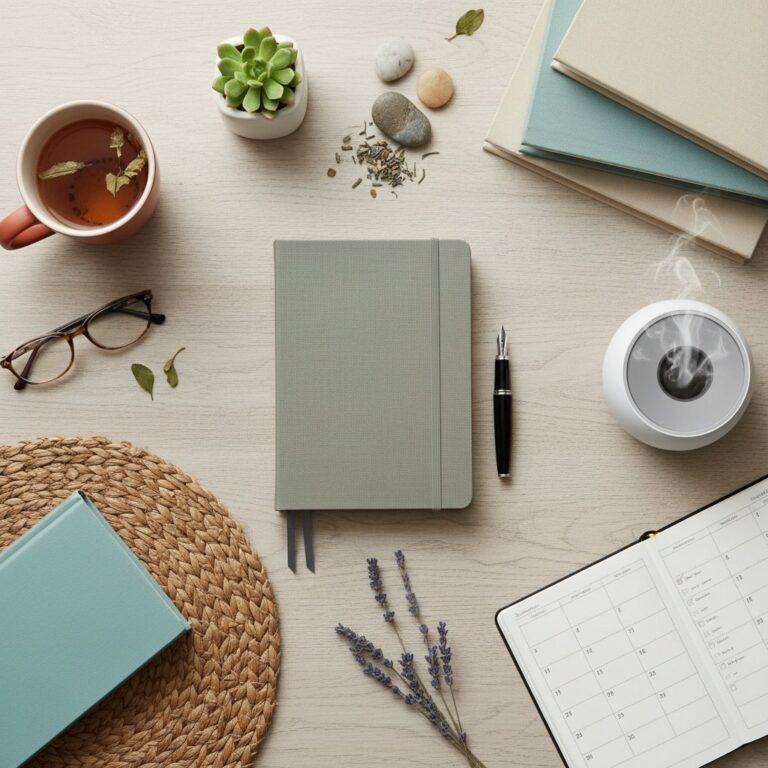
  5. Pair with Other Practices: Enjoy your tea while journaling, reading a book, listening to a guided meditation, or simply sitting in quiet reflection. This enhances the overall stress-reducing effect.

This ritual signals to your nervous system that it’s safe to relax. It creates a pause in the demands of your day, offering a much-needed mental and emotional reset.

Choosing Your Perfect Blend: Tips for Every Woman

With so many wonderful options, how do you choose the right tea for you? Consider these factors:

  • Your Primary Concern:
    • General Stress/Daily Calm: Chamomile, Lemon Balm, Holy Basil, Rooibos.
    • Sleep Support/Insomnia: Passionflower, Valerian Root, Chamomile, Lavender.
    • Acute Anxiety/Panic: Passionflower, Valerian Root (with caution), Lemon Balm.
    • Long-Term Resilience/Adaptation: Holy Basil.
  • Time of Day:
    • Morning/Daytime: Holy Basil (for focus and resilience), Lemon Balm (for calm alertness), Rooibos (anytime).
    • Evening/Bedtime: Chamomile, Passionflower, Lavender, Valerian Root. Avoid anything stimulating.
  • Flavor Preference: If you don’t enjoy the taste, you’re less likely to stick with it.
    • Mild/Fruity: Chamomile, Rooibos.
    • Bright/Citrusy: Lemon Balm.
    • Floral/Aromatic: Lavender.
    • Earthy/Spicy: Holy Basil, Valerian Root (can be strong).
  • Potential Interactions: Always research and consult a healthcare professional, especially if you are pregnant, breastfeeding, on medication, or have underlying health conditions. Some herbs can interact with drugs or have contraindications.
  • Listen to Your Body: Start with one tea and observe how you feel. Everyone’s body responds differently. What works wonders for one person might be less effective for another.

Don’t be afraid to experiment with blends! Many excellent commercial “calm” or “sleep” teas combine several of these herbs for a synergistic effect. You can also create your own custom blends at home.

Integrating Herbal Teas into Your Daily Self-Care Routine

Making herbal teas a consistent part of your routine is key to experiencing their full benefits. Here’s how to weave them seamlessly into your day:

  1. Morning Ritual: Start your day with a cup of Holy Basil (Tulsi). It sets a grounded tone, supports your body’s stress response, and offers a gentle energy boost without the jitters of caffeine. This can be your protective shield against the day’s stressors.
  2. Midday Mind Reset: When the afternoon slump hits, or you feel stress building, reach for Lemon Balm or a blend with Chamomile and Rooibos. This offers a gentle reset, helping to clear your mind and reduce tension without making you drowsy. It’s a wonderful alternative to another cup of coffee.
  3. Evening Wind-Down: This is arguably the most crucial time for calming teas. About an hour before you plan to go to bed, brew a cup of Chamomile, Passionflower, or a Lavender blend. Use this time to disconnect from screens, engage in a relaxing activity, and allow the herbs to prepare your body and mind for restorative sleep.
  4. Crisis Calmer: Keep some instant or easily brewable tea bags (like chamomile or lemon balm) on hand for moments of acute stress or anxiety. The warm liquid and comforting flavors can provide immediate solace.
  5. Batch Brewing for Convenience: For busy days, consider brewing a larger batch of your favorite iced calming tea (like lemon balm or rooibos) and keep it in the fridge. This way, a soothing sip is always within reach.
  6. Mindful Moments: Every time you prepare or drink your tea, take a deep breath. Let it be a reminder to pause, recenter, and connect with your inner calm. This consistent practice trains your nervous system to associate tea time with relaxation.

Remember, consistency is more important than intensity. A small, regular dose of calm through tea can be more effective in the long run than occasional large doses.

Safety First: Important Considerations and When to Consult a Professional

While herbal teas are generally considered safe and gentle, it’s crucial to approach them with an informed perspective. “Natural” doesn’t always mean “without effect” or “without risk.”

  • Pregnancy and Breastfeeding: Many herbs are not recommended during pregnancy or while breastfeeding due to insufficient research on their safety for the fetus or infant. Always consult your doctor or a qualified herbalist before consuming any herbal teas if you are pregnant or nursing.
  • Medication Interactions: Some herbs can interact with prescription medications, potentially altering their effectiveness or causing adverse side effects. For example, Valerian root can enhance the effects of sedatives, and St. John’s Wort (often found in “mood” teas, though not explicitly covered here) can interact with antidepressants, birth control, and other drugs. If you are on any medication, always discuss new herbal supplements with your doctor or pharmacist.
  • Allergies: If you have allergies to plants in specific families (e.g., ragweed allergy and chamomile), proceed with caution or avoid those herbs entirely.
  • Underlying Health Conditions: If you have a serious medical condition (e.g., liver disease, heart conditions), consult your doctor before using herbal teas therapeutically.
  • Dosage and Quality: Stick to recommended dosages. More is not always better. Purchase high-quality, organic herbs from reputable sources to ensure purity and potency.
  • When to Seek Professional Help: Herbal teas are wonderful for mild to moderate stress and anxiety, but they are not a substitute for professional mental health care. If you experience severe, persistent, or debilitating anxiety, panic attacks, depression, or if your symptoms significantly interfere with your daily life, please reach out to a doctor, therapist, or counselor. They can provide an accurate diagnosis and a comprehensive treatment plan that may include therapy, medication, and lifestyle adjustments.

Think of herbal teas as a supportive tool in your broader wellness toolkit, not as a sole cure for significant mental health challenges.

Embrace Your Inner Calm, One Sip at a Time

Navigating the demands of modern life can feel like a constant uphill battle against stress and anxiety. But what if one of your most powerful allies for peace and presence could be found in a simple, warm cup? The world of herbal teas offers a gentle, accessible, and deeply nourishing pathway to reclaim your calm. From the soothing embrace of chamomile to the adaptogenic resilience of Holy Basil, these botanical wonders are nature’s gift, ready to support your nervous system and uplift your spirit.

Remember, self-care isn’t a luxury; it’s a necessity, especially for women striving to thrive in every aspect of their lives. Integrating these best herbal teas for stress and anxiety relief into your daily routine is more than just drinking a beverage; it’s an act of mindfulness, a commitment to your well-being, and a beautiful ritual that reminds you to pause, breathe, and nurture yourself. So go ahead, choose your brew, create your moment, and allow the gentle wisdom of nature to guide you toward a more serene and balanced life. Your journey to inner peace is just a sip away.

Frequently Asked Questions

Can herbal teas completely cure anxiety?
Herbal teas are excellent for managing mild to moderate stress and anxiety symptoms, promoting relaxation, and supporting overall well-being. However, they are not typically a “cure” for clinical anxiety disorders. For persistent or severe anxiety, it’s essential to consult with a healthcare professional or therapist for a comprehensive treatment plan.
Are there any side effects to drinking these teas?
Most herbal teas, when consumed in moderation, have minimal side effects. However, some individuals might experience mild digestive upset, allergic reactions (especially if allergic to plants in the same family, e.g., ragweed and chamomile), or drowsiness (especially with stronger sedatives like valerian root). It’s crucial to be aware of potential interactions with medications and to consult a doctor if you have underlying health conditions, are pregnant, or breastfeeding.
How long does it take for herbal teas to work?
The effects can vary. Some teas, like chamomile or lemon balm, can provide a noticeable calming effect within 30-60 minutes of consumption, especially for acute stress or restlessness. Adaptogenic teas like Holy Basil work more subtly over time, building resilience with consistent daily use. For sleep, aim to drink sedative teas about an hour before bedtime.
Can I drink these teas every day?
Yes, many calming herbal teas like chamomile, lemon balm, rooibos, and holy basil are safe and beneficial for daily consumption. In fact, consistent use often yields the best results, especially for adaptogens. For stronger sedatives like valerian root, it might be best to use them as needed or in cycles, under guidance.
Where should I buy good quality herbal teas?
To ensure purity and potency, purchase dried herbs or tea bags from reputable sources. Look for organic, non-GMO certifications. Good options include health food stores, specialty tea shops, organic grocery stores, and trusted online herbal retailers. Avoid products with artificial flavors or excessive fillers.

THE LATEST

Hi, I’m Thea.

I started this brand as a personal online publication after graduating from Boston University with a degree in Marketing and Design. Originally from San Francisco, I was thousands of miles from family and friends, and needed an outlet for exploring my passions and connecting with others. My goal has always been to show others the beauty in enjoying life’s simple pleasures and to encourage others to look inward for self fulfillment.

Thousands of readers later, The Contextual Life has become a resource for anyone wanting a sense of community and a source of inspiration throughout their journey of life. It’s a place where readers can find suggestions on where to travel, what to eat, what to wear, and what to shop for, from experts who are almost like personal friends.

The Contextual Life brings our mission to life through news, products, experiences, and design. We are dedicated to providing the latest information to help you live a lifestyle that you love. Thank you for being here. Stay awhile.

thea-signature
Im-thea