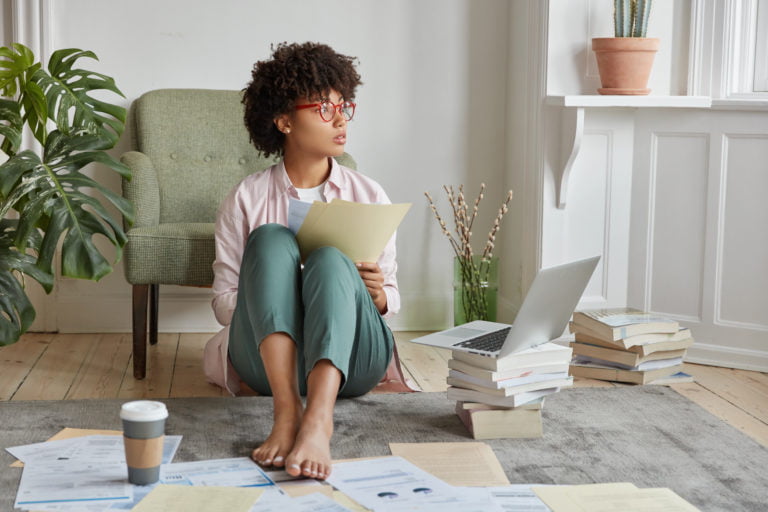



Perhaps you’ve scrolled through Instagram, admiring the serene poses, or heard friends rave about the benefits of yoga, but the thought of joining a class—the schedule constraints, the perceived judgment, the cost—has held you back. You’re not alone. Many women desire the profound benefits of yoga but struggle with traditional access. This is where the magic of embracing yoga for beginners at home for women truly shines. It’s an accessible, empowering pathway to wellness that fits seamlessly into your unique life, on your own terms.
This comprehensive guide is designed to demystify at-home yoga, transforming it from an intimidating practice into a cherished ritual. We’ll explore why an at-home practice is perfectly suited for your busy life, how to set up your own sacred space, master foundational poses with confidence, and build a sustainable routine that nourishes your body, mind, and spirit. Prepare to discover the profound strength, flexibility, and inner calm that awaits you, all from the comfort and privacy of your own home.
Why Embrace Yoga for Beginners at Home? Your Sanctuary Awaits
The journey into yoga doesn’t have to begin in a mirrored studio filled with seasoned practitioners. In fact, starting your practice in the comfort of your own home offers a unique set of advantages, especially for beginners:
- Unmatched Convenience and Flexibility: No travel time, no rigid class schedules. Your practice begins when you’re ready, whether that’s first thing in the morning, during a lunch break, or after the kids are asleep. This flexibility is a game-changer for women juggling multiple responsibilities.
- Privacy and Comfort: For many, the thought of trying new poses in front of others can be intimidating. At home, you’re free to explore, wobble, and modify without self-consciousness. It’s a judgment-free zone where you can truly connect with your body.
- Cost-Effective Wellness: Studio memberships can be a significant investment. Starting at home allows you to begin with minimal equipment, often just a mat, and tap into a wealth of free or affordable online resources.
- Personalized Pace and Practice: You set the tempo. Linger longer in a pose that feels good, skip one that doesn’t, or pause to catch your breath. Your at-home practice evolves with you, tailored to your energy levels and needs on any given day.
- Deeper Self-Connection: Without external distractions, an at-home practice can foster a profound sense of introspection. It becomes a dedicated time for self-reflection, mindfulness, and listening to your body’s subtle cues.
- Building Self-Discipline and Empowerment: Committing to an at-home practice cultivates self-discipline and agency. Each time you step onto your mat, you’re making a conscious choice to prioritize your well-being, building confidence and empowering yourself from within.
Embracing yoga for beginners at home for women isn’t just a workaround; it’s a powerful choice that puts you in control of your wellness journey, making yoga a truly sustainable and joyful part of your life.
Crafting Your Sacred Space: Essential Setup for At-Home Yoga
The Essentials:
- A Yoga Mat: This is your primary piece of equipment. Invest in a good quality, non-slip mat that offers adequate cushioning. Look for mats that are at least 4-5mm thick for comfort on knees and joints. Your mat marks your dedicated space and provides necessary grip.
- Comfortable Clothing: Choose clothing that allows for a full range of motion without restricting movement or feeling too baggy. Leggings, shorts, breathable tops – whatever makes you feel comfortable and uninhibited.
- A Clear Space: Find an area in your home where you can unroll your mat and extend your arms and legs without hitting furniture. It doesn’t need to be large, but free from clutter allows for mental clarity.
Optional Enhancements for Ambiance and Support:
- Yoga Blocks: These are incredibly helpful for bringing the floor closer to you, supporting balances, and deepening stretches. Don’t view them as a sign of weakness; they’re tools for accessibility and proper alignment.
- Yoga Strap: A strap can assist in reaching limbs in certain stretches, making poses more accessible if flexibility is a work in progress.
- Blanket or Cushion: A folded blanket can provide cushioning under knees, support for seated poses, or warmth during Savasana (final relaxation).
- Lighting: Soft, natural light is ideal. If practicing in the evening, dim overhead lights and consider a warm lamp or even candles (with caution) to create a calming atmosphere.
- Sound: Gentle instrumental music, nature sounds, or even complete silence can enhance your focus. Avoid anything too distracting.
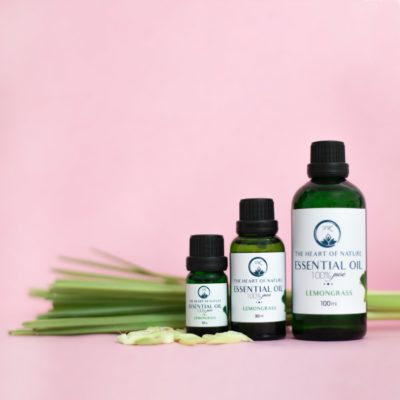
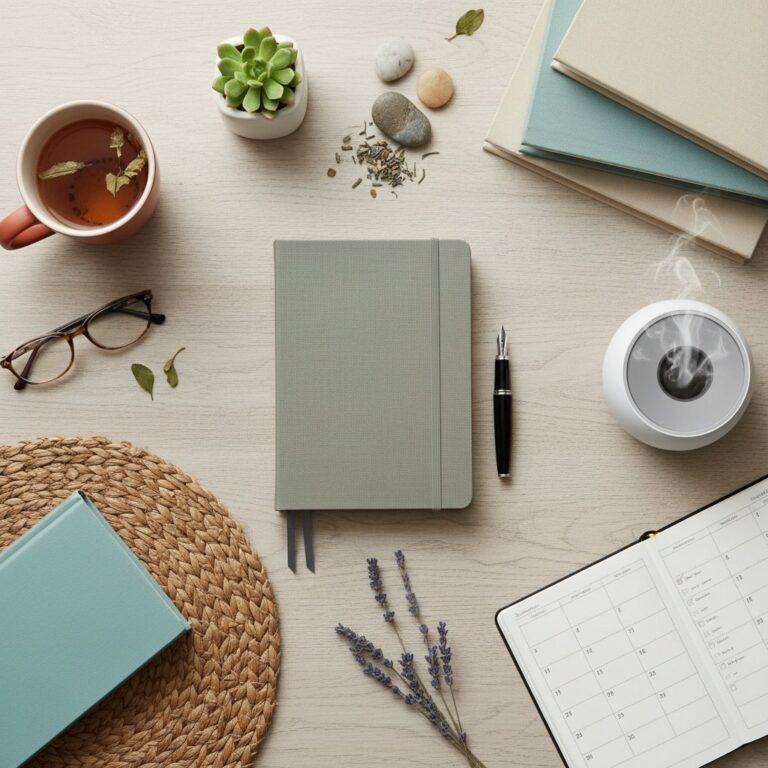
- Aromatherapy: A diffuser with essential oils like lavender (calming), peppermint (invigorating), or frankincense (grounding) can subtly shift your mood and deepen your practice.
- A Plant or Small Altar: A touch of nature or a small collection of meaningful objects (a stone, a photo, an affirmation card) can create a focal point and infuse your space with positive energy.
Remember, the goal isn’t perfection, but presence. Even if your “studio” is just a corner of your living room, making it a space you enjoy entering will encourage consistency.
Your Foundational Poses: A Gentle Introduction to At-Home Yoga for Women
Learning foundational poses is key to building a safe and effective at-home yoga practice. Focus on proper alignment and listening to your body rather than achieving a “perfect” shape. Here are some essential poses for beginners:
1. Mountain Pose (Tadasana)
- How to: Stand tall with your big toes touching, heels slightly apart. Lift all ten toes, spread them wide, and then gently place them back down. Engage your thigh muscles, lift your kneecaps. Draw your naval gently towards your spine. Shoulders roll back and down, hands by your sides with palms facing forward. Gaze forward.
- Benefits: Establishes grounding, improves posture, strengthens core and legs, and teaches proper alignment that carries into all other standing poses. It’s the starting point for awareness.
- Modifications: If balancing is difficult, slightly separate your feet to hip-width apart. Focus on evenly distributing your weight through all four corners of your feet.
2. Child’s Pose (Balasana)
- How to: Kneel on your mat with big toes touching and knees wide apart (or together, whatever is more comfortable for your hips). Sink your hips back towards your heels. Fold forward, resting your torso between your thighs. Extend your arms forward with palms down, or rest them alongside your body with palms up. Rest your forehead on the mat.
- Benefits: A deeply calming and restorative pose. It gently stretches the hips, thighs, and ankles while relieving stress and fatigue. It’s a wonderful pose to return to whenever you need a moment of rest or introspection during your practice.
- Modifications: If your hips don’t reach your heels, place a folded blanket or cushion between them. If your forehead doesn’t reach the mat, stack your fists or use a block under your forehead.
3. Cat-Cow (Marjaryasana-Bitilasana)
- How to: Start on all fours, hands directly under shoulders, knees under hips. Inhale, drop your belly towards the mat, lift your chest and tailbone (Cow pose). Exhale, round your spine towards the ceiling, tuck your chin to your chest (Cat pose). Move fluidly between these two poses, coordinating with your breath.
- Benefits: Warms up the spine, increases flexibility, stretches the back and torso, and coordinates breath with movement. It’s excellent for releasing tension in the back and improving spinal mobility.
- Modifications: If kneeling is uncomfortable, place a folded blanket under your knees. Move slowly and gently, only to a range of motion that feels good.
4. Downward-Facing Dog (Adho Mukha Svanasana)
- How to: From hands and knees, tuck your toes under, lift your hips towards the ceiling, forming an inverted V-shape. Press firmly through your hands (fingers spread wide), lengthen your spine. Allow your head to hang freely. You can keep a slight bend in your knees, especially if your hamstrings are tight, and lift your heels. Work towards straightening your legs and bringing your heels closer to the mat over time.
- Benefits: Strengthens arms, shoulders, and legs, stretches hamstrings and calves, elongates the spine, and calms the brain. It’s considered a full-body rejuvenating pose.
- Modifications: Keep a generous bend in your knees to prioritize spinal length. Walk your hands slightly wider or closer as needed. If wrists are sensitive, use props like wedges or practice on your forearms (Dolphin Pose).
5. Cobra Pose (Bhujangasana)
- How to: Lie on your stomach, tops of your feet flat on the mat, hands under your shoulders, elbows hugging close to your body. Press your pubic bone into the mat. Inhale, gently lift your head and chest off the mat, keeping your gaze forward or slightly down. Use your back muscles more than pushing intensely with your hands. Keep your shoulders relaxed and away from your ears.
- Benefits: Strengthens the spine, opens the chest and shoulders, improves flexibility in the upper body, and invigorates the body. It’s a gentle backbend that can counteract slouching.
- Modifications: Lift only a few inches off the mat (Baby Cobra) or simply keep your head down and focus on pressing your pelvis into the mat and lengthening your spine. Avoid crunching your neck; keep it long.
6. Triangle Pose (Trikonasana)
- How to: Start standing with feet wide, about 3-4 feet apart. Turn your right foot out 90 degrees, left foot slightly in. Extend arms parallel to the floor. Hinging from your right hip, reach forward with your right hand. Rest your right hand on your shin, ankle, or a block (do not place directly on your knee). Extend your left arm straight up towards the ceiling, gazing towards your left thumb. Keep both legs strong.
- Benefits: Strengthens legs, core, and back. Stretches hamstrings, groin, hips, and spine. Improves balance and focus, and can help relieve stress.
- Modifications: Keep a slight bend in your front knee. Use a block under your bottom hand to bring the floor closer. You can also gaze forward or down if looking up strains your neck.
7. Corpse Pose (Savasana)
- How to: Lie flat on your back, legs extended and slightly apart, feet falling open naturally. Arms by your sides, palms facing up, slightly away from your body. Close your eyes. Allow your body to feel heavy and completely relax. Focus on your breath, letting thoughts drift by without judgment.
- Benefits: Essential for integrating the benefits of your practice, calming the nervous system, reducing stress, and promoting deep relaxation. Never skip Savasana!
- Modifications: Place a rolled blanket or pillow under your knees for lower back comfort. Cover your eyes with an eye pillow.
Practice these poses regularly, paying close attention to your body. As you become more familiar, you’ll gain confidence and body awareness, preparing you for more complex sequences.
Building Your Consistent Practice: Tips for At-Home Yoga Success
Starting is one thing; sticking with it is another. Here’s how to cultivate a consistent and rewarding at-home yoga practice:
1. Start Small and Be Patient
- Time Commitment: Begin with just 10-15 minutes a few times a week. Even a short practice is incredibly beneficial and easier to commit to than an hour-long session. As you feel stronger and more comfortable, you can gradually extend your time.
- Patience: Yoga is a journey, not a destination. Don’t expect immediate flexibility or mastery of complex poses. Celebrate small victories – a deeper breath, a moment of stillness, a slightly straighter leg.
2. Schedule Your Practice Like an Appointment
- Consistency over Intensity: It’s better to practice for 15 minutes three times a week than to attempt a 60-minute session once a month.
- Dedicated Time: Look at your week and identify specific windows for your yoga practice. Put it in your calendar. Treating it like an important appointment increases the likelihood you’ll show up.
3. Find Your Virtual Guide
- Online Resources: The internet is brimming with free and subscription-based yoga content.
- YouTube: Channels like “Yoga with Adriene” are excellent for beginners, offering clear instructions, varying lengths, and a warm, encouraging approach. Search for “beginner yoga flow,” “gentle yoga,” or “morning yoga.”
- Apps & Platforms: Apps like Glo, Peloton (which has fantastic yoga programs), or Down Dog offer structured programs, pose libraries, and customizable practices, often with free trial periods.
- Listen and Watch: Follow along carefully. Don’t be afraid to pause the video to adjust your pose or re-listen to instructions.
4. Listen to Your Body Above All Else
- No Pain, All Gain: Yoga should not be painful. You might feel a stretch or some muscle engagement, but sharp pain is a signal to ease off or modify the pose.
- Modify Liberally: Use your props. Bend your knees. Don’t feel pressured to look a certain way. Your body is unique, and your practice should honor that.
- Rest When Needed: If you feel tired or overwhelmed, take a Child’s Pose. This is your practice, your time to nurture yourself.
5. Embrace the Breath (Pranayama)
- Conscious Breathing: Yoga is deeply connected to the breath. Even if you’re just starting, try to connect your movement with your inhalations and exhalations. Inhales often accompany expansive movements, exhales accompany contracting ones.
- Ujjayi Breath: Also known as “ocean breath,” it involves slightly constricting the back of your throat to create a soft, audible sound on both the inhale and exhale. It’s grounding and helps build internal heat and focus.
6. Keep a Journal
- Track Progress: Note how you feel before and after practice, any challenges you faced, or new insights. This can be a powerful motivator and helps you recognize your growth beyond physical flexibility.
- Reflect: What poses felt good? What did you struggle with? This reflection helps you tailor your future practices.
Building a consistent practice is a marathon, not a sprint. Be kind to yourself, celebrate your efforts, and remember why you started this journey towards self-care and wellness.
Overcoming Obstacles: Navigating Your At-Home Yoga Journey
Even with the best intentions, you’ll encounter hurdles on your at-home yoga journey. Here’s how to gracefully navigate common challenges:
- “I don’t have enough time.”
- Solution: Redefine “enough.” Even 5-10 minutes of conscious breathing and a few simple stretches (like Cat-Cow or Child’s Pose) count as yoga. Break it down: instead of a single long session, do a short morning stretch and a brief evening wind-down. Consistency in short bursts often trumps sporadic long sessions.
- “I feel awkward and uncoordinated.”
- Solution: Welcome to being human! Everyone starts somewhere. The beauty of at-home yoga is its privacy. There’s no one watching, no one to impress. Embrace the wobbles, the tumbles, and the less-than-graceful moments. They are part of the learning process. Focus on how the pose feels in your body, not how it looks.
- “I lack motivation.”
- Solution: Identify your ‘why.’ Is it stress relief? Better sleep? More energy? Remind yourself of these benefits. Create a small ritual: put on your favorite yoga pants, light a candle, play calming music. Sometimes, just unrolling the mat is the hardest part; once you’re there, the motivation often follows. Consider tracking your practice on a calendar to visualize your progress.
- “I’m worried about injuries or doing poses incorrectly.”
- Solution: Start with beginner-specific videos that offer clear alignment cues and modifications. Use props generously (blocks, straps, blankets). If you have existing injuries or chronic conditions, consult a doctor or physical therapist before starting, and inform your chosen online instructor (if applicable) or seek out videos designed for specific conditions. Prioritize listening to your body over pushing into pain.
- “I get bored with the same routine.”
- Solution: Variety is the spice of life! Explore different online instructors, styles (e.g., gentle flow, restorative, Hatha), or video lengths. Experiment with different types of music or practice in silence. You can also focus on different areas of the body each day (e.g., “hip openers,” “chest stretches”).
- “My space isn’t ideal.”
- Solution: Work with what you have. If your space is small, practice poses that don’t require much lateral movement. If it’s noisy, use headphones with calming music or ambient sounds. Even a cluttered room can become a sanctuary if you create a small, dedicated spot and mentally “close off” the rest of the room during your practice.
Remember, these obstacles are opportunities for self-compassion and creative problem-solving. Your yoga practice is a reflection of life – ever-changing, challenging, and ultimately, deeply rewarding.
Beyond the Mat: Integrating Yoga Principles into Your Daily Life
The true power of yoga extends far beyond the physical postures you practice on your mat. The principles of mindfulness, breath awareness, and self-compassion cultivated during your at-home sessions can profoundly transform your daily life as a woman navigating modern challenges.
- Mindful Moments:
- Conscious Breathing: Notice your breath throughout the day. A few deep, intentional breaths can instantly calm your nervous system during a stressful meeting, a challenging conversation, or even just waiting in line.
- Present Moment Awareness: Practice eating mindfully, savoring each bite. Pay full attention when listening to a friend. Truly see the colors, feel the textures, and hear the sounds around you. This reduces anxiety about the past or future.
- Movement as Medicine:
- Body Awareness: Your yoga practice teaches you to tune into your body’s signals. Off the mat, this means noticing when you’re slouching at your desk and taking a moment to sit taller, or recognizing tension in your shoulders and consciously relaxing them.
- Mindful Movement: Instead of rushing through tasks, bring the grace and intention of your yoga movements to everyday actions. Stretch gently upon waking, walk with awareness, or move with purpose through your home.
- Self-Compassion and Non-Judgment:
- Internal Dialogue: Yoga encourages you to meet yourself where you are, without judgment. Extend this kindness to your inner monologue throughout the day. Replace harsh self-criticism with understanding and encouragement.
- Acceptance: Just as you accept your body’s limitations on the mat, practice accepting circumstances or others without the need to control them. This fosters inner peace and reduces unnecessary struggle.
- Stress Resilience:
- Perspective Shift: Regular yoga practice often leads to a greater sense of perspective. Minor inconveniences might no longer feel like major crises. You develop a more resilient approach to challenges.
- Emotional Regulation: By understanding the connection between breath, body, and mind, you gain tools to better regulate your emotions, responding rather than reacting to situations.
Think of your mat as a training ground for life. The strength, flexibility, and inner peace you cultivate there become resources you can draw upon in every aspect of your demanding yet beautiful life. Integrating yoga principles means living more intentionally, kindly, and fully, truly embodying the contextual life you desire.
Deepening Your Journey: Next Steps in At-Home Yoga for Women
Once you’ve established a consistent at-home practice, you might find yourself ready to explore deeper dimensions of yoga. This journey of self-discovery is continuous and immensely rewarding.
1. Explore Different Yoga Styles
While Hatha or gentle Vinyasa flows are great for beginners, there’s a rich tapestry of yoga styles to explore:
- Vinyasa Flow: If you enjoy dynamic movement linked with breath, Vinyasa (often just called “flow”) offers creative sequences that build heat and stamina.
- Yin Yoga: This slower, more meditative practice involves holding passive poses for longer durations (3-5 minutes) to target connective tissues like ligaments and fascia. It’s incredibly grounding and excellent for increasing flexibility and calming the nervous system.
- Restorative Yoga: Focused entirely on relaxation and healing, restorative yoga uses many props (blankets, bolsters, eye pillows) to support the body in gentle poses, allowing for deep rest and rejuvenation.
- Kundalini Yoga: Often involving repetitive movements, breathwork, chanting, and meditation, Kundalini aims to awaken energy at the base of the spine for spiritual and personal growth.
Many online platforms and YouTube channels offer introductory classes to these various styles, allowing you to try them from home.
2. Dive Deeper into Pranayama (Breathwork) and Meditation
Yoga is much more than physical postures. As you grow more comfortable with the physical aspects, dedicate time to conscious breathing exercises (pranayama) and meditation:
- Alternate Nostril Breathing (Nadi Shodhana): A balancing breath technique that calms the nervous system.
- Box Breathing (Sama Vritti): Inhaling for 4, holding for 4, exhaling for 4, holding for 4. Excellent for focus and stress reduction.
- Guided Meditations: Apps like Calm, Headspace, or Insight Timer offer a vast library of guided meditations suitable for beginners, focusing on mindfulness, sleep, gratitude, or stress relief.
3. Incorporate More Props and Creative Sequencing
As you understand the purpose of blocks, straps, and bolsters, you can begin to use them more creatively to deepen stretches, provide support, and modify poses to suit your body even better. Experiment with creating your own mini-sequences based on how you feel on a particular day, or what your body needs.
4. Consider Occasional In-Person Experiences (Optional)
While at-home yoga is incredibly effective, occasionally attending a local studio class or workshop can offer unique benefits:
- Personalized Feedback: An in-person instructor can offer hands-on adjustments and personalized alignment cues you can then apply to your home practice.
- Community: While home practice is private, some find connection and inspiration in a shared group setting.
- New Inspiration: Trying a class with a different teacher can introduce you to new poses, sequences, and philosophies.
Think of a studio visit not as abandoning your home practice, but as enriching it, bringing new insights back to your sanctuary.
Your journey with yoga for beginners at home for women is deeply personal. Let curiosity be your guide, listen to your intuition, and allow this empowering practice to unfold at its own pace, continually revealing new layers of strength, peace, and self-awareness.
Frequently Asked Questions
How often should a beginner practice yoga at home?▾
What are the absolute essential props for home yoga?▾
Is it okay to feel sore after yoga?▾
How do I know if I’m doing the poses correctly without an instructor?▾
Can yoga really help with stress and anxiety?▾
Embrace Your Mat, Embrace Your Power
You stand on the cusp of a truly transformative journey. The decision to embrace yoga for beginners at home for women is more than just choosing a new exercise; it’s an act of radical self-care, a commitment to your well-being, and a powerful step towards a more grounded, flexible, and joyful life. No longer do you need to navigate crowded studios or rigid schedules; your sanctuary, your mat, and your inner wisdom are all you need to begin.
Remember, this isn’t about perfection; it’s about progress, presence, and profound self-connection. Each time you unroll your mat, you’re not just performing poses; you’re nurturing your body, quieting your mind, and strengthening your spirit. You’re building resilience for the beautiful, complex life you lead, and discovering a wellspring of inner peace that is always accessible.
So, take a deep breath. Find your space. And step onto your mat. Your journey of strength, serenity, and self-discovery starts now, right here, in the comfort of your own home. You are capable, you are worthy, and the incredible benefits of yoga await you.