
Tips for Accessorizing as a Man
Accessorizing is an art form that can elevate a man’s style from ordinary to exceptional. For the modern man, accessories are no longer afterthoughts but pivotal elements of personal expression and style. With the right pieces, you can subtly communicate your confidence, attention to detail, and sartorial savvy. Whether you’re dressing for a board meeting or a casual weekend outing, the perfect accessory can complete your look. Keep reading to discover the essentials of men’s accessories and how to expertly incorporate them into your wardrobe.
Choosing Quality over Quantity in Men’s Jewelry
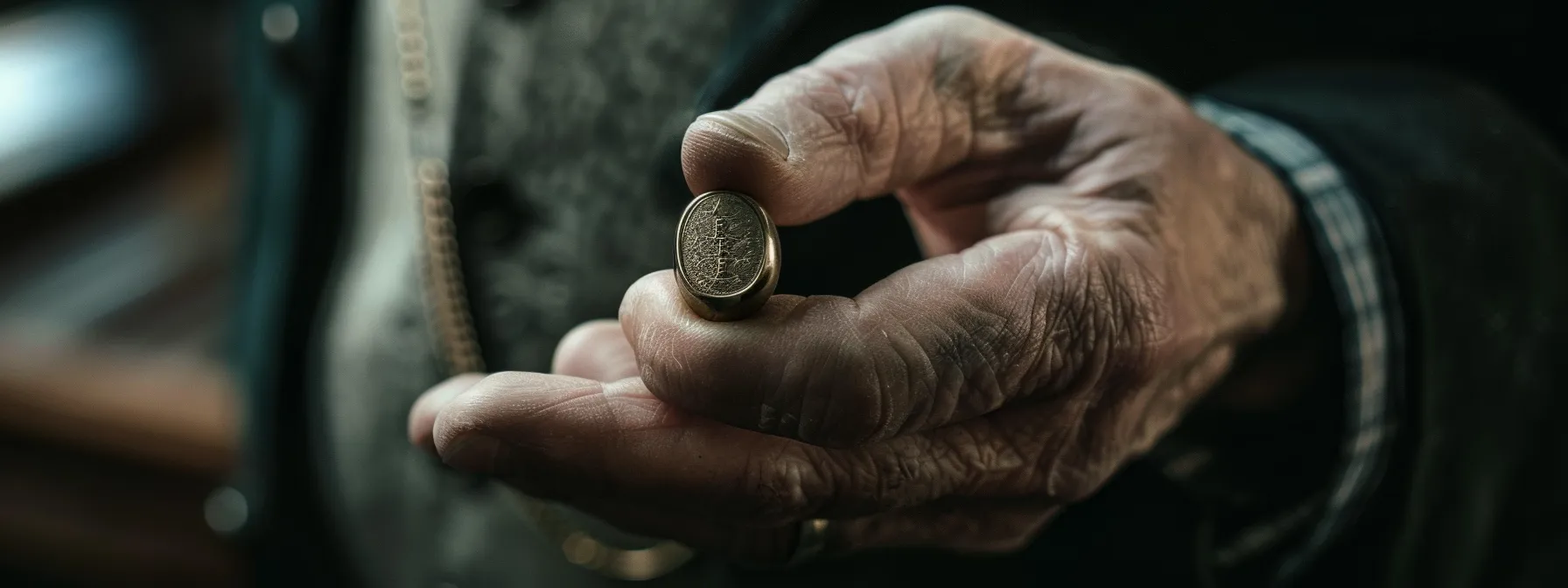
Men’s jewelry should be approached with a less-is-more philosophy, with an emphasis on quality over quantity. A single, well-crafted piece can speak volumes about the wearer’s style and status. It’s important to select items that resonate with your personal style and that are timeless enough to withstand passing trends.
In the realm of rings, for instance, Oxford Signet Rings offer a classic look that pairs well with almost any attire, exuding class and tradition. Opting for quality materials such as gold, silver, or platinum not only ensures durability but also a refined appearance that cheap metals cannot match.
When it comes to bracelets and necklaces, minimalism prevails. A single chain or a tasteful leather band can complement your wristwatch or outfit without overwhelming it. The key is to choose jewelry that feels comfortable and aligns with your lifestyle; an item that feels natural on you will be worn more often and with greater confidence.
Selecting the Right Watch for Every Occasion
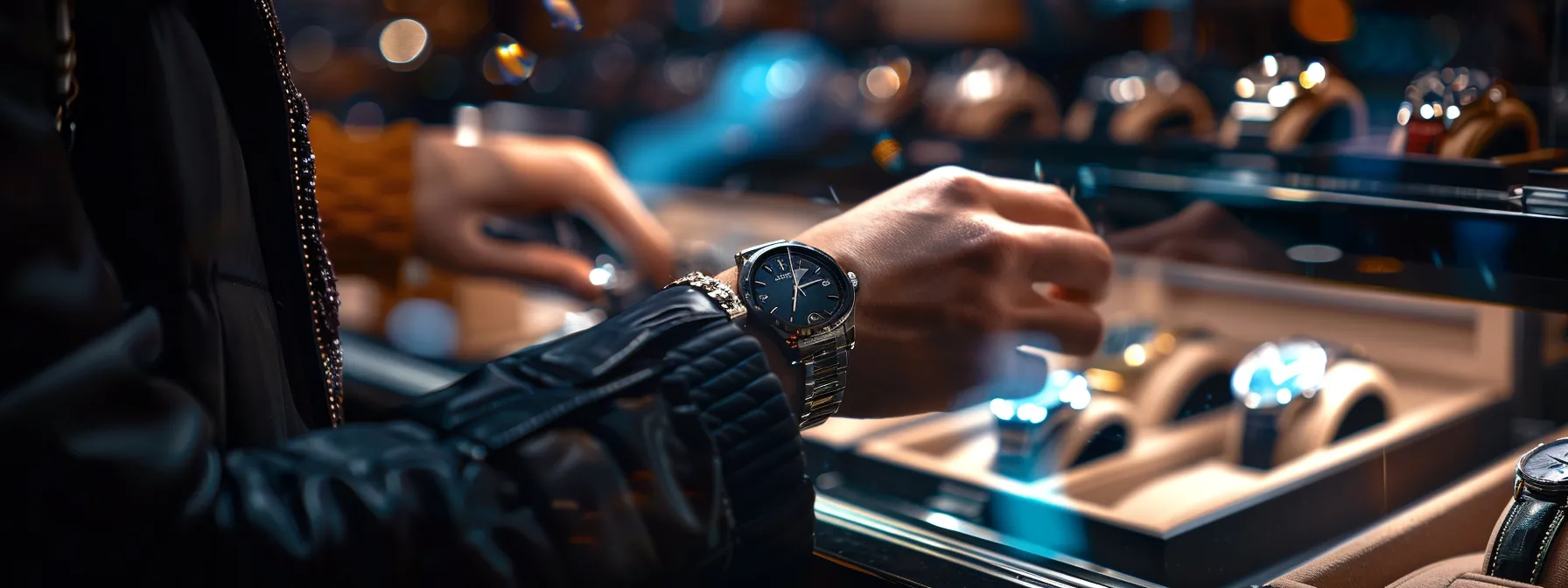
When it comes to watches, one size does not fit all—metaphorically speaking. The right watch for a corporate meeting, a rugged sports watch for outdoor adventures, and an elegant timepiece for evening affairs each set a tone for the wearer’s sense of occasion. Watches are not just timekeepers; they’re indicators of personality and priority.
For formal occasions, a classic dress watch with a minimalist design is appropriate. Leather straps in black or brown are typical choices that offer a refined look. The watch should be subtle enough not to distract, but distinguished enough to be noticed when it peeks from beneath a shirt cuff.
Conversely, casual outings offer more flexibility in watch selection. This is the arena for more expressive designs, inclusive of chronographs, pilot watches, or even smartwatches. The straps can also be more adventurous, with materials like fabric, rubber, or even unconventional leathers providing a contemporary edge.
The Art of Combining Neckwear and Pocket Squares
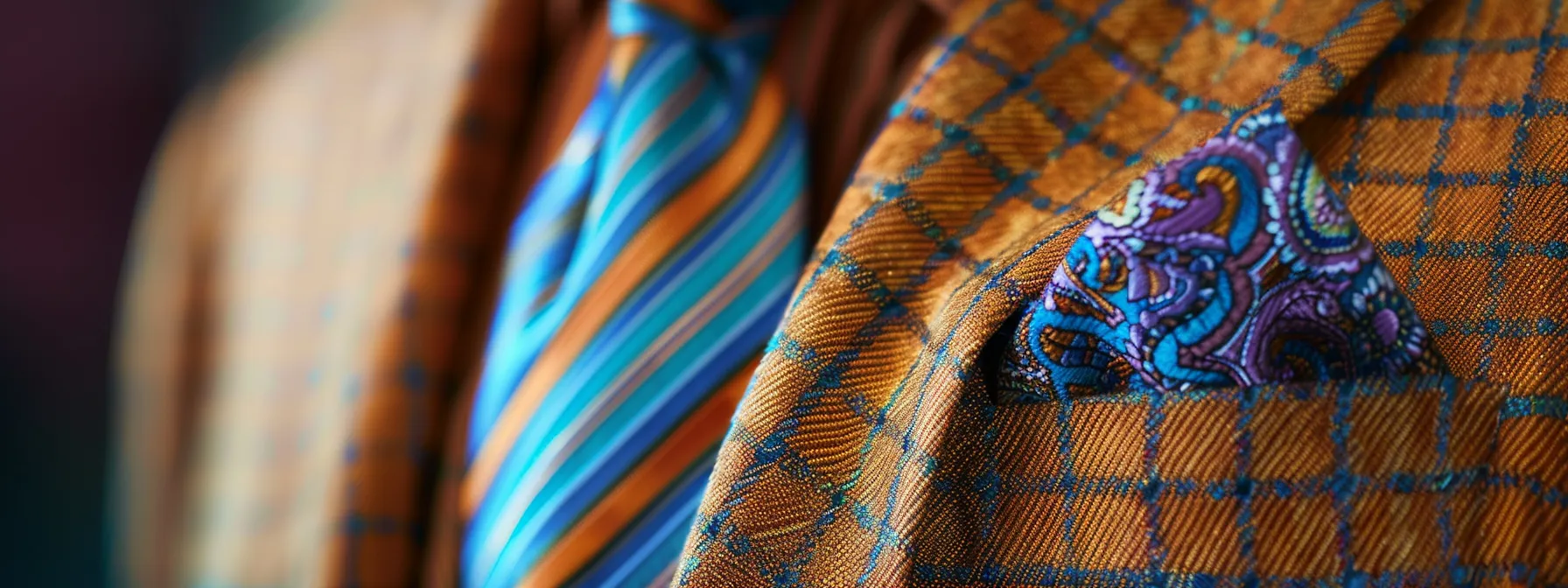
The duo of neckties and pocket squares is a classic combination that enables sartorial expression. When paired correctly, they can create a harmonious look that adds a pop of color and personality to a suit. The key is to coordinate without being overly matchy-matchy; identical patterns or fabrics can look contrived.
When selecting a tie and pocket square, it’s best to draw from a common color palette while varying the patterns. For example, if the tie features stripes, a pocket square with a paisley or polka dot pattern can complement it nicely, provided there’s a unifying color element.
The fold of the pocket square also contributes to the overall style. From the straight-edge to more elaborate configurations like the puff or the three-point fold, each creates a different level of formality and flair. Experimenting with different folds allows for subtle personalization of your look.
Mastering the Shoe and Belt Coordination
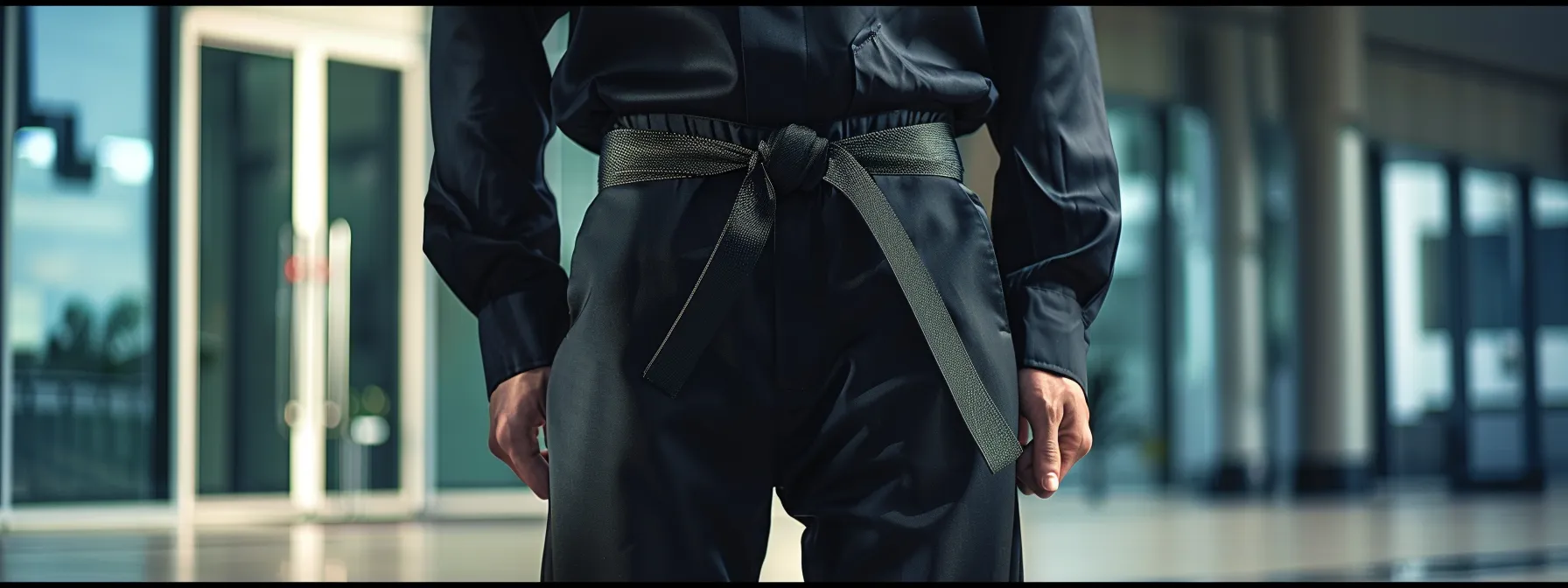
The adage of matching shoes and belts holds truer than ever in the world of men’s fashion. This simple detail is a marker of a man who understands the rules of accessorizing. A well-coordinated pairing can bring cohesion to an outfit, contributing to a polished and put-together appearance.
In most professional and formal settings, the rule is straightforward: black shoes require a black belt, and brown shoes call for a similar shade of brown belt. This clear-cut association ensures a seamless aesthetic transition from the upper to lower halves of the ensemble, reinforcing a thoughtful and methodical approach to dressing.
To simplify the coordination process, investing in versatile belts and shoes that work across multiple outfits is wise. Classic styles in standard colors will most often provide the broadest utility, allowing you to focus on other areas of your outfit while remaining confident in your foundational pairings.
Altogether, the thoughtful selection and coordination of accessories are key components of a well-put-together look for any man. By focusing on quality, understanding the balance between standout pieces and understated elegance, and mastering the art of coordination, your accessories can elevate your style and imbue each outfit with your personal touch.