


What Is Intentional Living: A Complete Guide for Women
Affiliate disclosure: This article may contain affiliate links. Recommendations are independent and editorially driven.
In a world that often pulls us in a million different directions, the concept of intentional living offers a powerful anchor. For women, in particular, navigating a complex landscape of personal aspirations, professional demands, and societal expectations can feel overwhelming. This guide is designed to clarify What Is Intentional Living, specifically tailored to empower women to reclaim their narrative, define their purpose, and build a life that truly resonates with their deepest values.
Intentional living is far more than a trend; it’s a profound shift in perspective. It’s about moving from autopilot to purpose-driven action, making conscious choices that align with what truly matters to you. It’s about designing your life, rather than simply letting it happen. For women, this often translates into finding clarity amidst chaos, cultivating inner peace, and fostering authentic connections in a way that supports, rather than depletes, their energy. Let’s embark on this journey together to uncover the transformative power of living intentionally.
Understanding the Core Principles of Intentional Living
At its heart, intentional living is about consciousness. It’s a deliberate effort to align your daily actions with your overarching values and goals. Rather than passively reacting to life, you actively create it. This approach demands self-awareness, reflection, and a willingness to make choices that might sometimes go against the grain of societal norms or immediate gratification.
Defining Intentionality
Intentionality, in this context, means acting with purpose and design. It’s about asking “why” before you do, buy, or commit to something. It involves a conscious decision-making process where you weigh your options against your personal vision for your life. For instance, an intentional woman doesn’t just scroll social media aimlessly; she might decide to engage for a set period, seeking inspiration or connection, before redirecting her attention to a more fulfilling activity. This isn’t about perfection, but persistence in alignment.
Why Intentional Living Resonates with Women
Women often juggle multiple roles – caregiver, professional, partner, friend. This constant multi-tasking can lead to burnout, a sense of being stretched thin, and a feeling of losing touch with one’s authentic self. Intentional living offers a pathway to mitigate these challenges. By consciously prioritizing, setting boundaries, and aligning choices with personal values, women can:
- Reduce overwhelm and stress.
- Cultivate a stronger sense of self and identity.
- Allocate time and energy to what truly matters.
- Foster meaningful relationships.
- Achieve personal and professional goals with greater clarity.
- Experience more joy, peace, and fulfillment.
It empowers them to move beyond societal expectations and craft a life that genuinely reflects their desires and spirit, rather than merely ticking boxes. It’s about moving from a life of obligation to a life of conscious creation.
Embracing a Mindset Shift: From Reactive to Proactive

The journey to intentional living begins internally, with a fundamental shift in mindset. Many of us operate in a reactive mode, responding to external stimuli, demands, and crises. Intentional living invites us to step into a proactive stance, where we are the architects of our experiences, not just the recipients.
[INLINE IMAGE 1: place after second H2 | alt=”What Is Intentional Living: A Complete Guide for Women concept illustration”]
Overcoming the “Busy” Trap
For women, the “busy” trap is particularly insidious. There’s often an internalized pressure to be constantly productive, always available, and perpetually “doing.” This can lead to a sense of worth being tied to output rather than inherent value. Intentional living challenges this by encouraging us to differentiate between busyness and productivity, between doing things and doing the right things. It’s about discerning what truly deserves our precious time and energy, allowing us to say “no” to less important demands and “yes” to what truly fuels us.
Cultivating Self-Awareness: The Foundation
You cannot live intentionally if you don’t know what you’re intending for. Self-awareness is the bedrock. This involves:
- Identifying Your Core Values: What principles guide your decisions? Is it freedom, security, creativity, connection, growth, service? Truly understanding these provides a compass for your choices.
- Recognizing Your Strengths and Weaknesses: Where do you naturally excel? Where do you struggle? Acknowledging both allows for realistic goal-setting and self-compassion.
- Understanding Your Needs: What do you need to feel energized, balanced, and fulfilled? This includes physical needs (sleep, nutrition, movement), emotional needs (connection, validation), and spiritual needs (purpose, meaning).
- Observing Your Patterns: How do you typically react to stress? What habits serve you, and which deplete you? Honest self-observation is key to making conscious changes.
Journaling, meditation, and regular self-reflection are powerful tools for cultivating this essential self-awareness. Consider setting aside fifteen minutes each morning or evening for just this purpose. Explore our guide on daily mindfulness practices for more ideas.
Practical Steps to Infuse Intentionality into Your Daily Life
Translating the philosophy of intentional living into tangible daily actions is where the real transformation happens. It’s not about grand gestures but consistent, small choices that compound over time.
Setting Clear Intentions and Goals
Start each day, week, or even each activity with an intention. Ask yourself: “What do I want to achieve or experience from this?” This primes your mind for purpose. Beyond daily intentions, establish clear, meaningful personal and professional goals that align with your core values. Use frameworks like SMART goals (Specific, Measurable, Achievable, Relevant, Time-bound) to make them actionable.
- Morning Intentions: Before checking your phone, set an intention for the day. “Today, I will focus on nourishing my body,” or “Today, I will approach challenges with patience.”
- Weekly Priorities: At the start of each week, identify your 1-3 most important tasks or experiences, ensuring they connect back to your larger vision.
- Vision Boarding: Create a visual representation of your desired future. This can be a powerful tool for women to clarify their aspirations and keep them top of mind.
Crafting Intentional Routines and Habits
Routines often get a bad rap for being rigid, but intentional routines are quite the opposite. They are structured freedom – automating beneficial behaviors to free up mental energy for more creative and purposeful pursuits. Identify areas of your life where you feel chaotic or overwhelmed and consider introducing a simple, intentional routine.
- Morning Rituals: Instead of rushing, create a mindful morning routine that energizes you. This could include meditation, journaling, gentle exercise, or a nourishing breakfast.
- Evening Wind-Down: Prepare for restful sleep with a consistent routine – dimming lights, reading, avoiding screens, and light stretching.
- Digital Detox: Schedule specific times for checking emails and social media, rather than being constantly tethered.
[INLINE IMAGE 2: place after fourth H2 | alt=”What Is Intentional Living: A Complete Guide for Women comparison illustration”]
Cultivating Mindful Consumption
Intentional living extends to how we consume – not just food, but also media, material goods, and even relationships. This practice encourages conscious choices that support your values and reduce clutter, both physical and mental.
- Material Goods: Before making a purchase, ask: “Do I truly need this? Does it add value to my life? Does it align with my budget and sustainability values?” Embracing minimalist principles can greatly aid this.
- Information and Media: Be selective about the news, social media accounts, and entertainment you engage with. Does it uplift you, inform you, or drain you? Curate your digital environment to be a source of inspiration rather than anxiety.
- Food and Nutrition: Practice mindful eating. Pay attention to what you eat, how it makes you feel, and where it comes from. Choose foods that nourish your body and mind intentionally.
Nourishing Intentional Relationships
Relationships are the fabric of our lives. Intentional women invest their time and energy into relationships that are reciprocal, supportive, and truly enriching. This often means actively choosing who you spend your time with and how you interact.
- Quality over Quantity: Prioritize deep, meaningful connections over a wide network of superficial acquaintances.
- Setting Boundaries: Learn to say “no” to draining commitments and protect your energy. This is a crucial skill for women who naturally tend to be people-pleasers.
- Active Listening: When engaging with loved ones, practice presence. Put away distractions and truly listen to understand, fostering deeper connection.
- Expressing Gratitude: Regularly express appreciation for the people who enrich your life.
Navigating Challenges and Sustaining the Intentional Path
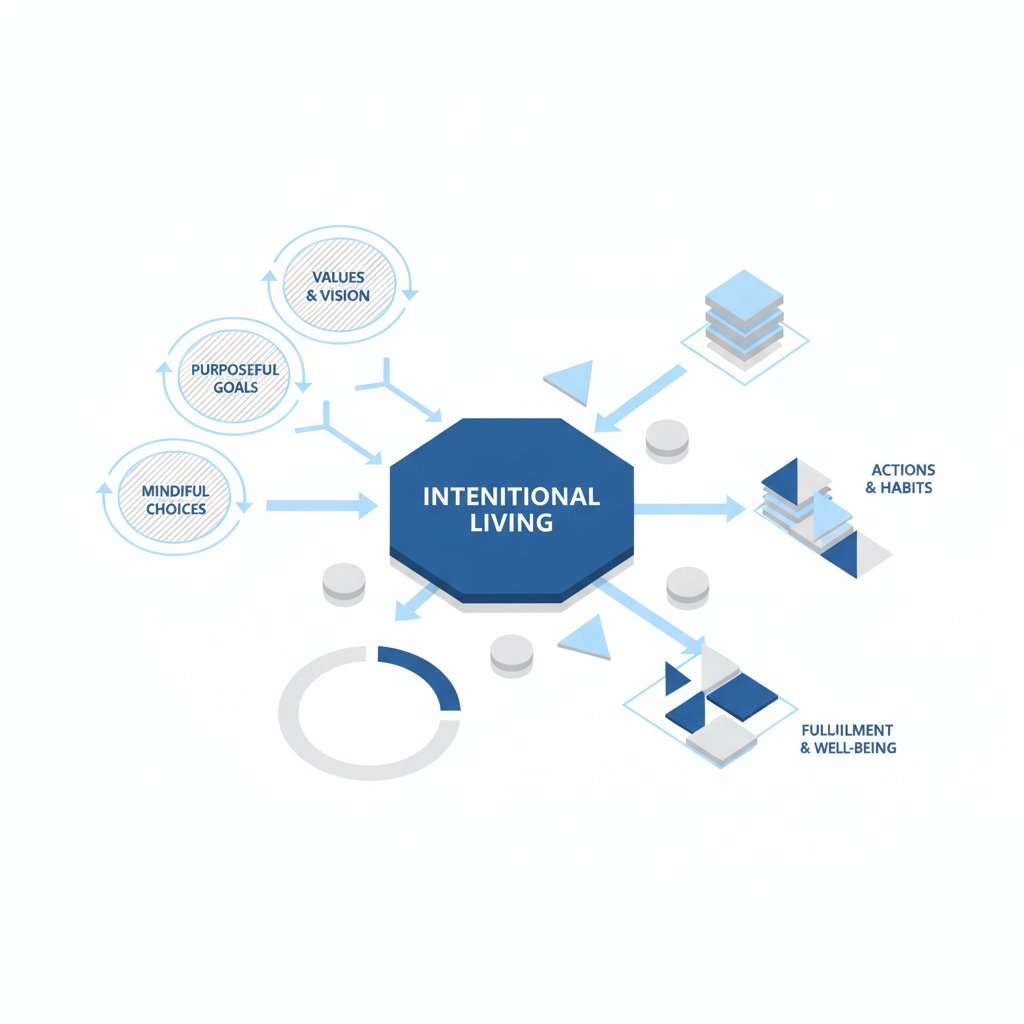
The path to intentional living isn’t always smooth. There will be distractions, setbacks, and moments where you feel you’ve fallen off track. The key is not to achieve perfection, but to develop resilience and consistent self-compassion.
Overcoming Perfectionism and Self-Judgment
Many women grapple with perfectionism, which can be a significant barrier to intentional living. The quest for an “ideal” intentional life can lead to paralysis or self-condemnation when things don’t go according to plan. Remember, intentional living is a practice, not a destination. It’s about constant adjustment, learning, and self-kindness. When you falter, simply acknowledge it, re-center, and begin again.
- Practice Self-Compassion: Treat yourself with the same kindness and understanding you would offer a friend.
- Embrace Imperfection: Understand that progress, not perfection, is the goal.
- Reframe Setbacks: View challenges as opportunities for learning and growth, rather than failures.
Dealing with External Pressures and Expectations
Society, family, and even friends can exert pressure that goes against your intentional choices. This could be the expectation to work endless hours, to participate in activities that don’t serve you, or to conform to certain lifestyle norms. Developing a strong sense of self-worth and clear boundaries becomes paramount.
- Communicate Your Needs: Clearly articulate your boundaries and reasons for your choices to those around you.
- Find Your Support System: Connect with other women who are also on an intentional living path. Their understanding and encouragement can be invaluable.
- Prioritize Your Well-being: Remember that taking care of yourself is not selfish; it’s essential for you to show up fully in all aspects of your life.
The Role of Reflection and Adjustment
Intentional living is an iterative process. What works for you today might need tweaking tomorrow. Regular reflection allows you to assess what’s working, what’s not, and how you can adjust your approach. This could involve weekly reviews where you look back at your intentions and evaluate your progress, or simply moments of quiet contemplation.
- Journaling: Use a journal to reflect on your experiences, emotions, and decisions. This helps pinpoint areas for adjustment.
- Monthly Check-ins: Dedicate time each month to review your values, goals, and routines. Are they still serving you?
- Nature Walks: Spending time in nature can provide clarity and a fresh perspective for reflection.
Exploring Different Facets of Intentional Living for Women
Intentional living isn’t a one-size-fits-all concept. It manifests uniquely in different areas of a woman’s life. Understanding these facets can help you pinpoint where to focus your intentional efforts first.
Intentional Health and Well-being
This goes beyond crash diets and fleeting fitness trends. Intentional health is about sustainable practices that nourish your body, mind, and spirit. It’s about listening to your body and respecting its needs.
- Mindful Movement: Choose physical activities you genuinely enjoy, whether it’s yoga, dancing, hiking, or weight training, rather than feeling obligated to follow a trend.
- Nourishing Nutrition: Focus on whole, unprocessed foods that give you energy and support your health, rather than restrictive diets.
- Adequate Rest: Prioritize sleep and periods of true rest, recognizing their crucial role in physical and mental recuperação.
- Stress Management: Integrate practices like meditation, deep breathing, or spending time in nature to proactively manage stress.
Intentional Finances and Abundance
Money matters are often approached reactively. Intentional financial living means bringing consciousness to how you earn, spend, save, and invest your money, aligning it with your values and future goals.
- Budgeting with Purpose: Create a budget that reflects your priorities – whether it’s saving for a dream trip, investing in personal development, or supporting causes you care about.
- Conscious Spending: Before every purchase, pause and consider if it aligns with your values. Is it a need or a fleeting want?
- Debt Management: Create an intentional plan to reduce or eliminate debt that might be hindering your freedom.
- Saving and Investing: Proactively plan for your future, ensuring financial security and creating opportunities for what truly matters to you.
Intentional Career and Purpose
For many women, career is more than just a job; it’s a significant part of their identity and purpose. Intentional career management involves aligning your work with your skills, values, and aspirations.
- Defining Your “Why”: Understand the deepest motivators behind your work. Is it impact, creativity, financial independence, or something else?
- Skill Development with Purpose: Choose to learn skills that genuinely excite you and contribute to your long-term vision, rather than just chasing the next promotion.
- Boundary Setting: Learn to protect your personal time and energy from excessive work demands, preventing burnout.
- Seeking Fulfillment: If your current role doesn’t align, explore options for career transition, entrepreneurship, or volunteering that offer greater meaning.
Different approaches to career and purpose can lead to varying levels of satisfaction and personal growth. Here’s a brief comparison of common paths:
| Aspect | Reactive Career Path | Intentional Career Path | Purposeful Entrepreneurship |
|---|---|---|---|
| Motivation | Salary, security, external validation | Alignment with values, growth, skill utilization | Impact, autonomy, passion, solving problems |
| Decision-Making | Responding to opportunities, avoiding risks | Proactive, seeking aligned roles, deliberate training | Vision-driven, innovative, user/customer-centric |
| Time Management | Overburdened, working long hours, feeling drained | Strategic prioritization, boundary setting, focused work | Flexible, project-based, deep work, self-directed |
| Challenges | Burnout, lack of fulfillment, feeling stuck | Navigating compromise, communicating boundaries | Financial risk, isolation, high responsibility |
| Indicators of Success | Promotions, higher pay, external recognition | Meaningful work, personal growth, work-life harmony | Achieving impact, sustainable business, personal fulfillment |
Intentional Home and Environment
Your living space significantly impacts your well-being. Intentional home management is about creating an environment that supports your peace, productivity, and personal style, rather than being a source of stress.
- Decluttering with Purpose: Regularly assess your belongings. Do they serve a purpose, bring you joy, or contribute to clutter? Remove what doesn’t align.
- Creating Sanctuary: Design spaces that feel calm and inspiring. This might involve thoughtful organization, soothing colors, plants, or specific items that hold meaning.
- Sustainable Choices: Make intentional choices about the products you bring into your home, considering their environmental impact and ethical sourcing.
- Digital Declutter: Extend intentionality to your digital spaces – organize files, clean up your inbox, and reduce digital noise.
Cultivating Inner Harmony: Mindfulness, Gratitude, and Joy
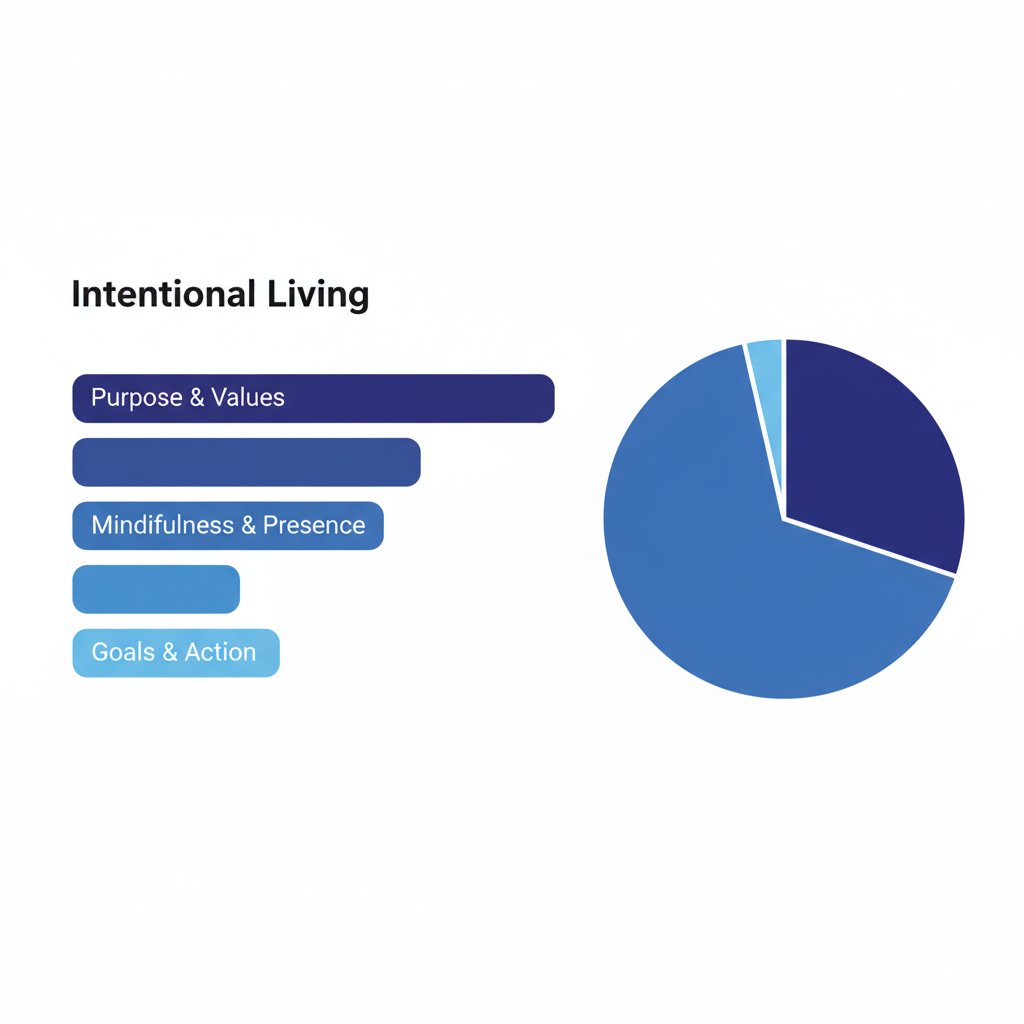
At the core of intentional living is an enduring sense of inner harmony. This isn’t just about managing external circumstances, but nurturing your internal landscape. For women, who are often attuned to the emotional needs of others, it’s vital to prioritize their own emotional and spiritual well-being.
The Power of Mindfulness and Presence
Mindfulness is the practice of being fully present in the current moment, observing your thoughts, feelings, and sensations without judgment. It’s a foundational skill for intentional living, allowing you to make conscious choices rather than reacting on autopilot. Regular mindfulness practice helps to:
- Reduce Stress: By focusing on the present, you can detach from worries about the past or future.
- Enhance Focus: Improve your ability to concentrate on tasks and activities, leading to greater effectiveness.
- Increase Emotional Regulation: Develop a greater awareness of your emotions, allowing you to respond thoughtfully rather than impulsively.
- Deepen Appreciation: Notice the small joys and beauty in everyday life that might otherwise go unnoticed.
Simple ways to practice mindfulness include mindful breathing exercises, mindful eating, or a five-minute walking meditation. Our beginner’s guide to meditation can help you get started.
Practicing Gratitude and Appreciation
Gratitude is a powerful intentional practice that shifts your focus from what’s lacking to what’s abundant. Regularly acknowledging the good in your life can dramatically improve your outlook and well-being. For women, who often feel external pressures to strive for more, gratitude offers a grounding perspective.
- Gratitude Journaling: Dedicate a few minutes each day to write down 3-5 things you are grateful for.
- Expressing Thanks: Make it a habit to verbally express gratitude to loved ones, colleagues, and even strangers who offer a service.
- Mindful Appreciation: Take a moment to truly savor positive experiences, whether it’s a warm cup of tea, a beautiful sunset, or a meaningful conversation.
This practice cultivates a positive feedback loop, training your brain to notice and appreciate more of the good things in your life.
Infusing Joy and Play into Your Life
Intentional living isn’t about rigid discipline; it’s about creating a life that feels joyful and fulfilling. For many women, especially those in caregiving or demanding roles, carving out time for pure joy and play can feel like a luxury. However, it’s an absolute necessity for well-being.
- Identify Your Joy Triggers: What activities genuinely light you up and bring you a sense of lightness and fun? It could be dancing, painting, reading fiction, hiking, or simply listening to music.
- Schedule Playtime: Intentionally block out time in your calendar for these joy-inducing activities, treating them as non-negotiable appointments.
- Embrace Your Inner Child: Allow yourself to be silly, creative, and spontaneous without concern for productivity or external judgment.
- Connect with Playful People: Spend time with friends or family members who inspire laughter and lightheartedness.
By intentionally weaving moments of joy and play into your routine, you replenish your energy, foster creativity, and cultivate a richer, more vibrant life.
The Long-Term Impact of Intentional Living for Women
The beauty of intentional living lies not just in the immediate benefits, but in its cumulative effect over time. As women consistently make conscious choices aligned with their values, they begin to see profound, lasting transformations in all areas of their lives.
Building a Life of Purpose and Meaning
One of the most significant outcomes of intentional living is a deep-seated sense of purpose. When your actions are consistently aligned with your core values, your life feels less like a series of random events and more like a cohesive, meaningful journey. For women, this can be incredibly empowering, providing a clear direction amidst societal pressures and changing life phases.
- Clarity of Direction: Your “north star” becomes clearer, guiding your decisions and reducing internal conflict.
- Increased Fulfillment: Engaging in activities that resonate with your purpose leads to a profound sense of satisfaction that extends beyond temporary pleasures.
- Legacy and Impact: As you live intentionally, you naturally begin to consider the impact you want to have on the world and how you can contribute meaningfully.
Enhanced Resilience and Well-being
Living intentionally builds a strong foundation of physical, mental, and emotional well-being. By proactively managing stress, nurturing relationships, and prioritizing self-care, women develop greater resilience to life’s inevitable challenges.
- Reduced Burnout: Strategic prioritization and boundary-setting prevent the chronic exhaustion often faced by women.
- Improved Mental Health: Practices like mindfulness and gratitude foster a more positive outlook and reduce anxiety and depression.
- Stronger Relationships: Intentional cultivation leads to deeper, more supportive connections that are a buffer against life’s difficulties.
- Better Physical Health: Conscious choices about nutrition, movement, and rest contribute to sustained physical vitality.
Empowerment and Authentic Self-Expression
Perhaps most importantly, intentional living empowers women to step into their authentic selves. It liberates them from the need to conform, allowing them to define success and happiness on their own terms. This leads to a life lived with integrity and courage.
- Confidence in Choices: When you know why you’re doing something, you stand firmer in your decisions.
- Breaking Free from Comparison: Focusing on your own intentional path reduces the temptation to compare yourself to others.
- Living Your Truth: Intentionality allows you to express your unique gifts, passions, and personality without apology, creating a life that is truly yours.
- Inspiring Others: By living intentionally, you naturally inspire other women around you to explore their own paths to purpose and fulfillment.
The journey of intentional living is dynamic and personal. It requires ongoing commitment, self-reflection, and a willingness to adapt. However, the rewards – a life imbued with purpose, peace, and profound joy – are immeasurable. For every woman seeking to live a life that truly reflects her inner spirit, understanding What Is Intentional Living is the first, powerful step.
Embrace this journey, one conscious choice at a time, and watch as your life unfolds in ways more meaningful and fulfilling than you ever imagined. Your intentional life awaits.
Frequently Asked Questions
Q1: What is the single most important aspect of intentional living for women?
A1: While many aspects are crucial, for women, the single most important aspect is arguably cultivating deep self-awareness and establishing firm boundaries. This allows them to understand their unique values and needs, and then protect their time and energy from external pressures, enabling them to make truly conscious choices that serve them, rather than constantly serving others.
Q2: Is intentional living a spiritual practice, a lifestyle, or both?
A2: Intentional living is best understood as both a lifestyle and can be a profoundly spiritual practice, depending on the individual. As a lifestyle, it involves practical decision-making and habits. As a spiritual practice, it often connects individuals to their deepest values, purpose, and a sense of meaning beyond the mundane, fostering inner peace and alignment.
Q3: How quickly can I expect to see results from living intentionally?
A3: The timeline for seeing “results” from intentional living varies greatly. Some individuals experience immediate shifts in perspective and mood after making their first conscious choice. More profound, life-altering changes, such as reduced stress, clearer purpose, and improved relationships, develop gradually over weeks, months, and years of consistent practice and reflection. It’s a journey, not a quick fix.
Q4: Can I practice intentional living if I have a very demanding job or family life?
A4: Absolutely. In fact, intentional living is often even more critical for women with demanding jobs or family lives. It’s not about having endless free time, but about making conscious choices within your existing constraints. This might involve setting micro-intentions, being highly selective with commitments, and carving out small, dedicated pockets of time for self-care and reflection, even just 5-10 minutes a day. It helps prevent burnout by ensuring your limited energy is spent on what truly matters.
Q5: What’s the difference between intentional living and minimalism?
A5: Minimalism is often a component or a powerful tool within intentional living, but they are not the same. Intentional living is a broader philosophy about making conscious choices across all areas of your life (relationships, career, health, finances). Minimalism specifically focuses on decluttering and reducing material possessions to create more space, time, and freedom. A minimalist often lives intentionally, and an intentional person may choose minimalist practices, but one doesn’t strictly define the other.
What Is Intentional Living: A Complete Guide for Women
Affiliate disclosure: This article may contain affiliate links. Recommendations are independent and editorially driven.
In a world that often pulls us in a million different directions, the concept of intentional living offers a powerful anchor. For women, in particular, navigating a complex landscape of personal aspirations, professional demands, and societal expectations can feel overwhelming. This guide is designed to clarify What Is Intentional Living, specifically tailored to empower women to reclaim their narrative, define their purpose, and build a life that truly resonates with their deepest values.
Intentional living is far more than a trend; it’s a profound shift in perspective. It’s about moving from autopilot to purpose-driven action, making conscious choices that align with what truly matters to you. It’s about designing your life, rather than simply letting it happen. For women, this often translates into finding clarity amidst chaos, cultivating inner peace, and fostering authentic connections in a way that supports, rather than depletes, their energy. Let’s embark on this journey together to uncover the transformative power of living intentionally.
Understanding the Core Principles of Intentional Living
At its heart, intentional living is about consciousness. It’s a deliberate effort to align your daily actions with your overarching values and goals. Rather than passively reacting to life, you actively create it. This approach demands self-awareness, reflection, and a willingness to make choices that might sometimes go against the grain of societal norms or immediate gratification.
Defining Intentionality
Intentionality, in this context, means acting with purpose and design. It’s about asking “why” before you do, buy, or commit to something. It involves a conscious decision-making process where you weigh your options against your personal vision for your life. For instance, an intentional woman doesn’t just scroll social media aimlessly; she might decide to engage for a set period, seeking inspiration or connection, before redirecting her attention to a more fulfilling activity. This isn’t about perfection, but persistence in alignment.
Why Intentional Living Resonates with Women
Women often juggle multiple roles – caregiver, professional, partner, friend. This constant multi-tasking can lead to burnout, a sense of being stretched thin, and a feeling of losing touch with one’s authentic self. Intentional living offers a pathway to mitigate these challenges. By consciously prioritizing, setting boundaries, and aligning choices with personal values, women can:
- Reduce overwhelm and stress.
- Cultivate a stronger sense of self and identity.
- Allocate time and energy to what truly matters.
- Foster meaningful relationships.
- Achieve personal and professional goals with greater clarity.
- Experience more joy, peace, and fulfillment.
It empowers them to move beyond societal expectations and craft a life that genuinely reflects their desires and spirit, rather than merely ticking boxes. It’s about moving from a life of obligation to a life of conscious creation.
Embracing a Mindset Shift: From Reactive to Proactive
The journey to intentional living begins internally, with a fundamental shift in mindset. Many of us operate in a reactive mode, responding to external stimuli, demands, and crises. Intentional living invites us to step into a proactive stance, where we are the architects of our experiences, not just the recipients.
[INLINE IMAGE 1: place after second H2 | alt=”What Is Intentional Living: A Complete Guide for Women concept illustration”]
Overcoming the “Busy” Trap
For women, the “busy” trap is particularly insidious. There’s often an internalized pressure to be constantly productive, always available, and perpetually “doing.” This can lead to a sense of worth being tied to output rather than inherent value. Intentional living challenges this by encouraging us to differentiate between busyness and productivity, between doing things and doing the right things. It’s about discerning what truly deserves our precious time and energy, allowing us to say “no” to less important demands and “yes” to what truly fuels us.
Cultivating Self-Awareness: The Foundation
You cannot live intentionally if you don’t know what you’re intending for. Self-awareness is the bedrock. This involves:
- Identifying Your Core Values: What principles guide your decisions? Is it freedom, security, creativity, connection, growth, service? Truly understanding these provides a compass for your choices.
- Recognizing Your Strengths and Weaknesses: Where do you naturally excel? Where do you struggle? Acknowledging both allows for realistic goal-setting and self-compassion.
- Understanding Your Needs: What do you need to feel energized, balanced, and fulfilled? This includes physical needs (sleep, nutrition, movement), emotional needs (connection, validation), and spiritual needs (purpose, meaning).
- Observing Your Patterns: How do you typically react to stress? What habits serve you, and which deplete you? Honest self-observation is key to making conscious changes.
Journaling, meditation, and regular self-reflection are powerful tools for cultivating this essential self-awareness. Consider setting aside fifteen minutes each morning or evening for just this purpose. Explore our guide on daily mindfulness practices for more ideas.
Practical Steps to Infuse Intentionality into Your Daily Life
Translating the philosophy of intentional living into tangible daily actions is where the real transformation happens. It’s not about grand gestures but consistent, small choices that compound over time.
Setting Clear Intentions and Goals
Start each day, week, or even each activity with an intention. Ask yourself: “What do I want to achieve or experience from this?” This primes your mind for purpose. Beyond daily intentions, establish clear, meaningful personal and professional goals that align with your core values. Use frameworks like SMART goals (Specific, Measurable, Achievable, Relevant, Time-bound) to make them actionable.
- Morning Intentions: Before checking your phone, set an intention for the day. “Today, I will focus on nourishing my body,” or “Today, I will approach challenges with patience.”
- Weekly Priorities: At the start of each week, identify your 1-3 most important tasks or experiences, ensuring they connect back to your larger vision.
- Vision Boarding: Create a visual representation of your desired future. This can be a powerful tool for women to clarify their aspirations and keep them top of mind.
Crafting Intentional Routines and Habits
Routines often get a bad rap for being rigid, but intentional routines are quite the opposite. They are structured freedom – automating beneficial behaviors to free up mental energy for more creative and purposeful pursuits. Identify areas of your life where you feel chaotic or overwhelmed and consider introducing a simple, intentional routine.
- Morning Rituals: Instead of rushing, create a mindful morning routine that energizes you. This could include meditation, journaling, gentle exercise, or a nourishing breakfast.
- Evening Wind-Down: Prepare for restful sleep with a consistent routine – dimming lights, reading, avoiding screens, and light stretching.
- Digital Detox: Schedule specific times for checking emails and social media, rather than being constantly tethered.
[INLINE IMAGE 2: place after fourth H2 | alt=”What Is Intentional Living: A Complete Guide for Women comparison illustration”]
Cultivating Mindful Consumption
Intentional living extends to how we consume – not just food, but also media, material goods, and even relationships. This practice encourages conscious choices that support your values and reduce clutter, both physical and mental.
- Material Goods: Before making a purchase, ask: “Do I truly need this? Does it add value to my life? Does it align with my budget and sustainability values?” Embracing minimalist principles can greatly aid this.
- Information and Media: Be selective about the news, social media accounts, and entertainment you engage with. Does it uplift you, inform you, or drain you? Curate your digital environment to be a source of inspiration rather than anxiety.
- Food and Nutrition: Practice mindful eating. Pay attention to what you eat, how it makes you feel, and where it comes from. Choose foods that nourish your body and mind intentionally.
Nourishing Intentional Relationships
Relationships are the fabric of our lives. Intentional women invest their time and energy into relationships that are reciprocal, supportive, and truly enriching. This often means actively choosing who you spend your time with and how you interact.
- Quality over Quantity: Prioritize deep, meaningful connections over a wide network of superficial acquaintances.
- Setting Boundaries: Learn to say “no” to draining commitments and protect your energy. This is a crucial skill for women who naturally tend to be people-pleasers.
- Active Listening: When engaging with loved ones, practice presence. Put away distractions and truly listen to understand, fostering deeper connection.
- Expressing Gratitude: Regularly express appreciation for the people who enrich your life.
Navigating Challenges and Sustaining the Intentional Path
The path to intentional living isn’t always smooth. There will be distractions, setbacks, and moments where you feel you’ve fallen off track. The key is not to achieve perfection, but to develop resilience and consistent self-compassion.
Overcoming Perfectionism and Self-Judgment
Many women grapple with perfectionism, which can be a significant barrier to intentional living. The quest for an “ideal” intentional life can lead to paralysis or self-condemnation when things don’t go according to plan. Remember, intentional living is a practice, not a destination. It’s about constant adjustment, learning, and self-kindness. When you falter, simply acknowledge it, re-center, and begin again.
- Practice Self-Compassion: Treat yourself with the same kindness and understanding you would offer a friend.
- Embrace Imperfection: Understand that progress, not perfection, is the goal.
- Reframe Setbacks: View challenges as opportunities for learning and growth, rather than failures.
Dealing with External Pressures and Expectations
Society, family, and even friends can exert pressure that goes against your intentional choices. This could be the expectation to work endless hours, to participate in activities that don’t serve you, or to conform to certain lifestyle norms. Developing a strong sense of self-worth and clear boundaries becomes paramount.
- Communicate Your Needs: Clearly articulate your boundaries and reasons for your choices to those around you.
- Find Your Support System: Connect with other women who are also on an intentional living path. Their understanding and encouragement can be invaluable.
- Prioritize Your Well-being: Remember that taking care of yourself is not selfish; it’s essential for you to show up fully in all aspects of your life.
The Role of Reflection and Adjustment
Intentional living is an iterative process. What works for you today might need tweaking tomorrow. Regular reflection allows you to assess what’s working, what’s not, and how you can adjust your approach. This could involve weekly reviews where you look back at your intentions and evaluate your progress, or simply moments of quiet contemplation.
- Journaling: Use a journal to reflect on your experiences, emotions, and decisions. This helps pinpoint areas for adjustment.
- Monthly Check-ins: Dedicate time each month to review your values, goals, and routines. Are they still serving you?
- Nature Walks: Spending time in nature can provide clarity and a fresh perspective for reflection.
Exploring Different Facets of Intentional Living for Women
Intentional living isn’t a one-size-fits-all concept. It manifests uniquely in different areas of a woman’s life. Understanding these facets can help you pinpoint where to focus your intentional efforts first.
Intentional Health and Well-being
This goes beyond crash diets and fleeting fitness trends. Intentional health is about sustainable practices that nourish your body, mind, and spirit. It’s about listening to your body and respecting its needs.
- Mindful Movement: Choose physical activities you genuinely enjoy, whether it’s yoga, dancing, hiking, or weight training, rather than feeling obligated to follow a trend.
- Nourishing Nutrition: Focus on whole, unprocessed foods that give you energy and support your health, rather than restrictive diets.
- Adequate Rest: Prioritize sleep and periods of true rest, recognizing their crucial role in physical and mental recuperação.
- Stress Management: Integrate practices like meditation, deep breathing, or spending time in nature to proactively manage stress.
Intentional Finances and Abundance
Money matters are often approached reactively. Intentional financial living means bringing consciousness to how you earn, spend, save, and invest your money, aligning it with your values and future goals.
- Budgeting with Purpose: Create a budget that reflects your priorities – whether it’s saving for a dream trip, investing in personal development, or supporting causes you care about.
- Conscious Spending: Before every purchase, pause and consider if it aligns with your values. Is it a need or a fleeting want?
- Debt Management: Create an intentional plan to reduce or eliminate debt that might be hindering your freedom.
- Saving and Investing: Proactively plan for your future, ensuring financial security and creating opportunities for what truly matters to you.
Intentional Career and Purpose
For many women, career is more than just a job; it’s a significant part of their identity and purpose. Intentional career management involves aligning your work with your skills, values, and aspirations.
- Defining Your “Why”: Understand the deepest motivators behind your work. Is it impact, creativity, financial independence, or something else?
- Skill Development with Purpose: Choose to learn skills that genuinely excite you and contribute to your long-term vision, rather than just chasing the next promotion.
- Boundary Setting: Learn to protect your personal time and energy from excessive work demands, preventing burnout.
- Seeking Fulfillment: If your current role doesn’t align, explore options for career transition, entrepreneurship, or volunteering that offer greater meaning.
Different approaches to career and purpose can lead to varying levels of satisfaction and personal growth. Here’s a brief comparison of common paths:
| Aspect | Reactive Career Path | Intentional Career Path | Purposeful Entrepreneurship |
|---|---|---|---|
| Motivation | Salary, security, external validation | Alignment with values, growth, skill utilization | Impact, autonomy, passion, solving problems |
| Decision-Making | Responding to opportunities, avoiding risks | Proactive, seeking aligned roles, deliberate training | Vision-driven, innovative, user/customer-centric |
| Time Management | Overburdened, working long hours, feeling drained | Strategic prioritization, boundary setting, focused work | Flexible, project-based, deep work, self-directed |
| Challenges | Burnout, lack of fulfillment, feeling stuck | Navigating compromise, communicating boundaries | Financial risk, isolation, high responsibility |
| Indicators of Success | Promotions, higher pay, external recognition | Meaningful work, personal growth, work-life harmony | Achieving impact, sustainable business, personal fulfillment |
Intentional Home and Environment
Your living space significantly impacts your well-being. Intentional home management is about creating an environment that supports your peace, productivity, and personal style, rather than being a source of stress.
- Decluttering with Purpose: Regularly assess your belongings. Do they serve a purpose, bring you joy, or contribute to clutter? Remove what doesn’t align.
- Creating Sanctuary: Design spaces that feel calm and inspiring. This might involve thoughtful organization, soothing colors, plants, or specific items that hold meaning.
- Sustainable Choices: Make intentional choices about the products you bring into your home, considering their environmental impact and ethical sourcing.
- Digital Declutter: Extend intentionality to your digital spaces – organize files, clean up your inbox, and reduce digital noise.
Cultivating Inner Harmony: Mindfulness, Gratitude, and Joy
At the core of intentional living is an enduring sense of inner harmony. This isn’t just about managing external circumstances, but nurturing your internal landscape. For women, who are often attuned to the emotional needs of others, it’s vital to prioritize their own emotional and spiritual well-being.
The Power of Mindfulness and Presence
Mindfulness is the practice of being fully present in the current moment, observing your thoughts, feelings, and sensations without judgment. It’s a foundational skill for intentional living, allowing you to make conscious choices rather than reacting on autopilot. Regular mindfulness practice helps to:
- Reduce Stress: By focusing on the present, you can detach from worries about the past or future.
- Enhance Focus: Improve your ability to concentrate on tasks and activities, leading to greater effectiveness.
- Increase Emotional Regulation: Develop a greater awareness of your emotions, allowing you to respond thoughtfully rather than impulsively.
- Deepen Appreciation: Notice the small joys and beauty in everyday life that might otherwise go unnoticed.
Simple ways to practice mindfulness include mindful breathing exercises, mindful eating, or a five-minute walking meditation. Our beginner’s guide to meditation can help you get started.
Practicing Gratitude and Appreciation
Gratitude is a powerful intentional practice that shifts your focus from what’s lacking to what’s abundant. Regularly acknowledging the good in your life can dramatically improve your outlook and well-being. For women, who often feel external pressures to strive for more, gratitude offers a grounding perspective.
- Gratitude Journaling: Dedicate a few minutes each day to write down 3-5 things you are grateful for.
- Expressing Thanks: Make it a habit to verbally express gratitude to loved ones, colleagues, and even strangers who offer a service.
- Mindful Appreciation: Take a moment to truly savor positive experiences, whether it’s a warm cup of tea, a beautiful sunset, or a meaningful conversation.
This practice cultivates a positive feedback loop, training your brain to notice and appreciate more of the good things in your life.
Infusing Joy and Play into Your Life
Intentional living isn’t about rigid discipline; it’s about creating a life that feels joyful and fulfilling. For many women, especially those in caregiving or demanding roles, carving out time for pure joy and play can feel like a luxury. However, it’s an absolute necessity for well-being.
- Identify Your Joy Triggers: What activities genuinely light you up and bring you a sense of lightness and fun? It could be dancing, painting, reading fiction, hiking, or simply listening to music.
- Schedule Playtime: Intentionally block out time in your calendar for these joy-inducing activities, treating them as non-negotiable appointments.
- Embrace Your Inner Child: Allow yourself to be silly, creative, and spontaneous without concern for productivity or external judgment.
- Connect with Playful People: Spend time with friends or family members who inspire laughter and lightheartedness.
By intentionally weaving moments of joy and play into your routine, you replenish your energy, foster creativity, and cultivate a richer, more vibrant life.
The Long-Term Impact of Intentional Living for Women
The beauty of intentional living lies not just in the immediate benefits, but in its cumulative effect over time. As women consistently make conscious choices aligned with their values, they begin to see profound, lasting transformations in all areas of their lives.
Building a Life of Purpose and Meaning
One of the most significant outcomes of intentional living is a deep-seated sense of purpose. When your actions are consistently aligned with your core values, your life feels less like a series of random events and more like a cohesive, meaningful journey. For women, this can be incredibly empowering, providing a clear direction amidst societal pressures and changing life phases.
- Clarity of Direction: Your “north star” becomes clearer, guiding your decisions and reducing internal conflict.
- Increased Fulfillment: Engaging in activities that resonate with your purpose leads to a profound sense of satisfaction that extends beyond temporary pleasures.
- Legacy and Impact: As you live intentionally, you naturally begin to consider the impact you want to have on the world and how you can contribute meaningfully.
Enhanced Resilience and Well-being
Living intentionally builds a strong foundation of physical, mental, and emotional well-being. By proactively managing stress, nurturing relationships, and prioritizing self-care, women develop greater resilience to life’s inevitable challenges.
- Reduced Burnout: Strategic prioritization and boundary-setting prevent the chronic exhaustion often faced by women.
- Improved Mental Health: Practices like mindfulness and gratitude foster a more positive outlook and reduce anxiety and depression.
- Stronger Relationships: Intentional cultivation leads to deeper, more supportive connections that are a buffer against life’s difficulties.
- Better Physical Health: Conscious choices about nutrition, movement, and rest contribute to sustained physical vitality.
Empowerment and Authentic Self-Expression
Perhaps most importantly, intentional living empowers women to step into their authentic selves. It liberates them from the need to conform, allowing them to define success and happiness on their own terms. This leads to a life lived with integrity and courage.
- Confidence in Choices: When you know why you’re doing something, you stand firmer in your decisions.
- Breaking Free from Comparison: Focusing on your own intentional path reduces the temptation to compare yourself to others.
- Living Your Truth: Intentionality allows you to express your unique gifts, passions, and personality without apology, creating a life that is truly yours.
- Inspiring Others: By living intentionally, you naturally inspire other women around you to explore their own paths to purpose and fulfillment.
The journey of intentional living is dynamic and personal. It requires ongoing commitment, self-reflection, and a willingness to adapt. However, the rewards – a life imbued with purpose, peace, and profound joy – are immeasurable. For every woman seeking to live a life that truly reflects her inner spirit, understanding What Is Intentional Living is the first, powerful step.
Embrace this journey, one conscious choice at a time, and watch as your life unfolds in ways more meaningful and fulfilling than you ever imagined. Your intentional life awaits.
Frequently Asked Questions
Q1: What is the single most important aspect of intentional living for women?
A1: While many aspects are crucial, for women, the single most important aspect is arguably cultivating deep self-awareness and establishing firm boundaries. This allows them to understand their unique values and needs, and then protect their time and energy from external pressures, enabling them to make truly conscious choices that serve them, rather than constantly serving others.
Q2: Is intentional living a spiritual practice, a lifestyle, or both?
A2: Intentional living is best understood as both a lifestyle and can be a profoundly spiritual practice, depending on the individual. As a lifestyle, it involves practical decision-making and habits. As a spiritual practice, it often connects individuals to their deepest values, purpose, and a sense of meaning beyond the mundane, fostering inner peace and alignment.
Q3: How quickly can I expect to see results from living intentionally?
A3: The timeline for seeing “results” from intentional living varies greatly. Some individuals experience immediate shifts in perspective and mood after making their first conscious choice. More profound, life-altering changes, such as reduced stress, clearer purpose, and improved relationships, develop gradually over weeks, months, and years of consistent practice and reflection. It’s a journey, not a quick fix.
Q4: Can I practice intentional living if I have a very demanding job or family life?
A4: Absolutely. In fact, intentional living is often even more critical for women with demanding jobs or family lives. It’s not about having endless free time, but about making conscious choices within your existing constraints. This might involve setting micro-intentions, being highly selective with commitments, and carving out small, dedicated pockets of time for self-care and reflection, even just 5-10 minutes a day. It helps prevent burnout by ensuring your limited energy is spent on what truly matters.
Q5: What’s the difference between intentional living and minimalism?
A5: Minimalism is often a component or a powerful tool within intentional living, but they are not the same. Intentional living is a broader philosophy about making conscious choices across all areas of your life (relationships, career, health, finances). Minimalism specifically focuses on decluttering and reducing material possessions to create more space, time, and freedom. A minimalist often lives intentionally, and an intentional person may choose minimalist practices, but one doesn’t strictly define the other.