


What to Write in a Journal: Your Ultimate Guide to Intentional Living & Personal Growth
By thecontextuallife Editorial Team — Senior editors with 10+ years of subject-matter experience.
Published 2026-05-26 · Last Updated 2026-05-26
Affiliate disclosure: This article may contain affiliate links. Recommendations are independent and editorially driven.
In the vibrant tapestry of intentional living, a journal isn’t just a collection of blank pages; it’s a sacred space, a silent confidante, and a powerful tool for self-discovery. For women navigating the complexities of modern life while striving for authenticity and personal growth, knowing what to write in a journal can be the key to unlocking profound clarity, emotional intelligence, and a deeper connection to their inner selves. It’s a practice that transcends mere record-keeping, transforming into a daily ritual of reflection, manifestation, and mindful living.
At thecontextuallife, we believe that true personal growth blossoms from within. Journaling offers a unique pathway to cultivate this inner garden, allowing you to explore your thoughts, feelings, dreams, and challenges without judgment. Whether you’re a seasoned journaler looking for fresh inspiration or someone hesitant to pick up a pen, this comprehensive guide will illuminate the endless possibilities of what to write in a journal, empowering you to craft a practice that truly resonates with your unique journey towards a slow, intentional, and fulfilling life.
From simple daily reflections to deep dives into your subconscious, we’ll explore diverse prompts and techniques designed to enhance self-awareness, process emotions, set powerful intentions, and document the beautiful evolution of your life. Let’s embark on this transformative journey together, turning those blank pages into a vibrant testament to your personal growth and intentional living.
The Profound Benefits of Journaling for Intentional Living
Journaling is far more than a simple pastime; it’s a strategic practice for anyone committed to living a more intentional and mindful life. Especially for women juggling multiple roles and seeking moments of stillness amidst the bustle, the act of putting pen to paper can yield an abundance of benefits that ripple through every aspect of existence. Understanding these advantages can be the initial spark that compels you to discover what to write in a journal.
Cultivating Self-Awareness and Clarity
One of the most immediate and impactful benefits of journaling is the profound enhancement of self-awareness. When you write, you externalize your internal world, allowing you to observe your thoughts and feelings from a fresh perspective. This process helps you identify patterns in your thinking, understand the root causes of your reactions, and recognize your core values and beliefs. Through consistent journaling, you gain clarity on who you are, what truly matters to you, and what drives your decisions, which is foundational for intentional living.
Processing Emotions and Stress Reduction
Life brings a spectrum of emotions, from joy and excitement to sadness and frustration. Journaling provides a safe, non-judgmental outlet to process these feelings. Instead of bottling up stress, anger, or anxiety, writing them down allows you to release them, understand them, and ultimately move through them. This emotional catharsis can significantly reduce stress levels, improve mental well-being, and prevent emotional buildup that can lead to burnout. It’s a powerful tool for emotional regulation and resilience.
Goal Setting and Manifestation
For those striving to achieve specific goals, journaling acts as a dynamic roadmap. By regularly writing about your aspirations, breaking them down into actionable steps, and visualizing their successful completion, you embed these intentions deeply within your subconscious. Journaling helps you clarify what you truly want, identify potential obstacles, and celebrate small victories along the way. It reinforces your commitment and keeps your goals at the forefront of your mind, significantly increasing your chances of manifestation. This is a crucial element for anyone wondering what to write in a journal to achieve their dreams.
Documenting Your Growth Journey
The beauty of a journal lies in its ability to become a living archive of your personal evolution. Over time, you can look back at past entries and witness the incredible progress you’ve made, the challenges you’ve overcome, and the wisdom you’ve gained. This documentation serves as a powerful reminder of your strength and resilience, fostering a sense of accomplishment and encouraging continued growth. It’s a testament to your journey, reminding you that every step, no matter how small, contributes to the larger narrative of your intentional life.
Enhancing Creativity and Problem-Solving
The free flow of writing in a journal can unlock dormant creative energies. When you allow your thoughts to meander without a specific agenda, you often stumble upon novel ideas, innovative solutions, and unexpected insights. Journaling encourages divergent thinking, helping you connect seemingly unrelated concepts and approach problems from new angles. It’s a space where you can brainstorm freely, explore imaginative scenarios, and cultivate the kind of open-mindedness that fuels both creativity and effective problem-solving in all areas of your life.
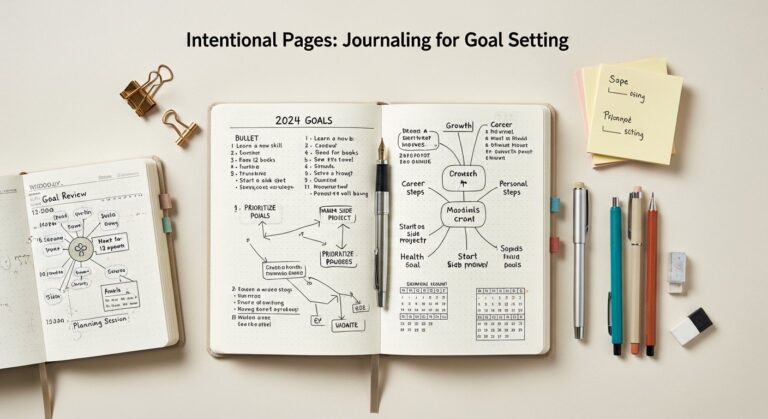
[INLINE IMAGE 1: place after second H2 | alt=”what to write in a journal concept illustration”]
Getting Started: Essential Journaling Tools and Mindset

Embarking on a journaling practice doesn’t require complex equipment or a specialized skill set. The beauty of it lies in its simplicity and accessibility. However, a few mindful choices regarding your tools and cultivating the right mindset can significantly enhance your experience and help you consistently discover what to write in a journal. This initial setup is about creating an inviting and supportive environment for your inner exploration.
Choosing Your Journal: Digital vs. Analog
The first decision often revolves around the medium: digital or analog? Both have their merits, and the best choice depends on your personal preference and lifestyle.
- Analog Journals: For many, the tactile experience of a physical notebook and pen is deeply satisfying. The act of writing by hand can slow down your thoughts, fostering a deeper connection to your words. There’s a certain ritualistic charm to selecting a beautiful notebook, feeling the texture of the paper, and watching ink flow. Analog journals are free from digital distractions and offer a sense of permanence. Brands like Leuchtturm1917, Moleskine, and Archer & Olive are popular choices known for their quality.
- Digital Journals: If you prefer typing, value portability, or want the ability to easily search and organize entries, a digital journal might be ideal. Apps like Day One, Journey, and Penzu offer features like tagging, photo integration, and passcode protection. Google Docs or a simple word processor can also serve as a digital journal. Digital journaling allows for quick entries on the go and can be integrated seamlessly into a tech-forward lifestyle.
Consider trying both to see which resonates most with your flow and allows you to express yourself most authentically.
Selecting Your Writing Instrument
If you opt for an analog journal, your choice of writing instrument can profoundly impact your experience. A pen that glides smoothly across the paper, feels comfortable in your hand, and produces a satisfying line can make the act of writing a joy rather than a chore.
- Gel Pens: Offer vibrant colors and smooth ink flow.
- Fountain Pens: Provide a luxurious writing experience, encouraging a slower, more deliberate pace.
- Ballpoint Pens: Reliable and practical for everyday use.
- Pencils: Allow for easy erasing and a lighter touch.
Experiment with different pens until you find one that feels like a natural extension of your thoughts, making the process of writing what to write in a journal a truly pleasurable experience.
Finding Your Sacred Space and Time
Creating a dedicated space and time for your journaling practice can significantly boost consistency and deepen its impact. This doesn’t mean you need an elaborate shrine; it could be a quiet corner of your living room, a favorite armchair, or even a serene spot outdoors.
- Space: Choose a place where you feel comfortable, undisturbed, and able to focus. Minimize distractions by turning off notifications or letting family members know you need some uninterrupted time.
- Time: Consistency is key. Many find morning pages (writing shortly after waking) incredibly beneficial for clearing the mind and setting intentions for the day. Others prefer evening journaling to process the day’s events and release tension before sleep. Even 10-15 minutes can make a difference. The important thing is to find a slot that works for your schedule and commit to it, making it a non-negotiable part of your routine. This ritualistic approach makes it easier to engage with what to write in a journal regularly.
Overcoming the Blank Page Syndrome
The most common hurdle for new journalers is facing a blank page and feeling like there’s nothing to say. This “blank page syndrome” can be paralyzing, but it’s entirely normal. Here’s how to navigate it:
- Start Small: Don’t feel pressured to write a lengthy essay. Even a few sentences or bullet points are a valid entry.
- Write Anything: If you truly don’t know what to write, start by writing about that feeling. “I don’t know what to write. My mind feels blank. I’m feeling a bit overwhelmed today…” Often, this primes the pump, and other thoughts will begin to emerge.
- Use Prompts: This guide is full of prompts! Use them as launching pads. Pick one that vaguely resonates and see where it takes you.
- Free Writing: Set a timer for 5-10 minutes and write continuously without lifting your pen or stopping to edit. Don’t worry about grammar, spelling, or coherence. Just let your thoughts flow. This technique is excellent for clearing mental clutter and bypassing the inner critic.
Remember, your journal is for you alone. There are no rules, no grades, and no right or wrong way to fill its pages. Embrace the freedom of expression, and trust that with consistent practice, the words will come.
Core Prompts: What to Write When You’re Starting Out
When you first open your journal, the sheer freedom of it can sometimes be overwhelming. The good news is, you don’t have to invent profound insights from scratch. There are many foundational prompts and approaches that can serve as excellent starting points, guiding you to discover what to write in a journal for impactful personal growth and intentional living. These core prompts are designed to be accessible, helping you build a consistent practice and cultivate self-awareness.
Daily Reflections: Gratitude and Intentions
A simple yet powerful way to begin each day or conclude it is through gratitude and intention setting. This practice shifts your mindset towards positivity and purpose.
- Morning Gratitude: List 3-5 things you are genuinely grateful for right now. They can be big or small – the warmth of your coffee, a peaceful morning, a healthy body, a supportive friend. Feel the emotion behind each one.
- Daily Intentions: What energy do you want to bring into your day? What do you want to achieve or experience? Frame your intentions positively. “Today, I intend to approach challenges with patience,” or “My intention is to be fully present in my conversations.”
- Evening Reflections: At the end of the day, reflect on what went well, what challenged you, and what you learned. What was a moment of joy? How did you embody your intentions?
This dual practice of gratitude and intention creates a powerful feedback loop, focusing your mind on the good and guiding your actions.
Emotional Check-ins: Exploring Feelings
One of the most therapeutic aspects of journaling is creating a safe space for your emotions. Many of us are taught to suppress or rationalize our feelings, but journaling allows for honest, raw exploration.
- The “How Am I Feeling?” Prompt: Simply ask yourself, “How am I feeling right now?” and write down every emotion that comes up. Don’t censor. If you feel “blah,” write “blah.” Then, ask “Why?” or “What might be contributing to this feeling?”
- Naming and Exploring Emotions: Pick one prominent emotion you’re experiencing (e.g., anxiety, joy, frustration, peace). Describe what it feels like in your body. Where do you feel it? What thoughts accompany it? When have you felt this before? What does this emotion need from you?
- Processing Difficult Emotions: If you’re struggling with a particular emotion, dedicate an entire entry to it. Let yourself rant, cry on paper, express your anger. The act of externalizing it can be incredibly cathartic and help you move past it.
This practice builds emotional literacy and resilience, crucial for navigating life’s ups and downs.
Future Self Journaling: Envisioning Your Desires
Journaling isn’t just about reflecting on the past or present; it’s a potent tool for shaping your future. Future Self Journaling involves stepping into the shoes of the person you aspire to become.
- Letter from Your Future Self: Imagine yourself 1, 5, or 10 years from now, having achieved your wildest dreams. Write a letter from that future self to your current self. What advice do they give? What wisdom have they gained? What did they do to get there?
- Describe Your Ideal Day/Life: Write in vivid detail about what your ideal day looks like when you’re living your most authentic and fulfilling life. What are you doing? Who are you with? How do you feel? What does your environment look like?
- Goal Visualization: Choose one specific goal. Write about it as if it has already happened. “I am so grateful that I successfully launched my passion project. Here’s how it unfolded…” Describe the steps, the feelings, and the impact.
This technique trains your brain to believe in the possibility of your desires and provides a clear vision to work towards. Learn more about vision boarding and future pacing for personal success.
Mind Dumps: Clearing Your Mental Clutter
Sometimes, your mind feels like a chaotic jumble of thoughts, worries, to-do lists, and ideas. A mind dump is a simple yet incredibly effective way to clear that mental clutter and create space for clarity.
- The Brain Spill: Set a timer for 10-15 minutes and write down absolutely everything that’s on your mind. Don’t worry about organization, grammar, or making sense. Just let it all out – worries, tasks, random thoughts, fragments of conversations, brilliant ideas, anxieties.
- Categorize and Prioritize: Once the timer goes off, look back at what you’ve written. Can you identify recurring themes? Are there actionable items you need to add to your to-do list? Are there anxieties you can reframe or address?
- Problem-Solving Dumps: If you’re grappling with a specific problem, dedicate a mind dump to it. Write down every angle, every fear, every potential solution, no matter how outlandish. Often, the act of seeing it all laid out helps you find a path forward.
Mind dumps are particularly useful when you feel overwhelmed, anxious, or creatively blocked. They provide an immediate sense of relief and can often reveal underlying patterns or solutions you weren’t consciously aware of.
Deepening Your Practice: Advanced Journaling Techniques
Once you’ve established a consistent journaling habit with core prompts, you might feel ready to delve deeper. Advanced journaling techniques move beyond simple reflection, inviting you to explore your subconscious, challenge your perspectives, and engage with your inner world on a more profound level. These methods are excellent for women committed to intense personal growth and radical self-acceptance, pushing the boundaries of what to write in a journal.
Shadow Work: Confronting Your Inner Self
Shadow work, a concept popularized by Carl Jung, involves exploring the parts of ourselves that we hide, deny, or deem unacceptable – our “shadow.” These can be aspects we’ve suppressed due to societal conditioning, past traumas, or a desire to always appear “good.” Bringing these parts into the light of awareness is crucial for true integration and wholeness.
- Identifying Triggers: When do you react disproportionately to something? What behaviors in others annoy you most? Often, these are reflections of our own unacknowledged shadow aspects. Journal about these triggers: What is the emotion? What story are you telling yourself? What part of you feels threatened or unseen?
- Exploring “Unacceptable” Traits: Make a list of traits you dislike in yourself or that you’ve been told are “bad.” For each one, write about its potential positive side. For example, “anger” might represent a healthy boundary, “laziness” might be a need for rest, “selfishness” might be self-preservation.
- Embracing Your Dark Side: Write a letter to your shadow self, acknowledging its existence, understanding its purpose (often protection), and integrating it into your whole being. How can these seemingly negative traits serve you in a healthy, constructive way?
Shadow work is not about eliminating these parts but understanding and integrating them, leading to a more authentic and powerful sense of self.
Stream of Consciousness Writing
Similar to a mind dump, but with an added layer of intentional un-editing, stream of consciousness writing is about allowing your thoughts to flow directly from your mind onto the page without any censorship, structure, or concern for grammar, spelling, or coherence. The goal is to capture the raw, unfiltered flow of your inner dialogue.
- Set a Timer: Commit to writing for 10-20 minutes without lifting your pen or stopping to think. If you get stuck, write “I don’t know what to write” until another thought emerges.
- No Editing: Resist the urge to go back and correct mistakes or rephrase sentences. The purpose is to access the subconscious and bypass the inner critic.
- Embrace the Randomness: Allow your thoughts to jump from topic to topic, person to person, memory to future plan. There’s no narrative required.
This technique can be incredibly revealing, often surfacing forgotten memories, subconscious beliefs, or creative insights that your conscious mind might otherwise suppress. It’s a powerful way to truly see what to write in a journal when you let go of all expectations.
Dialogue Journaling: Communicating with Different Selves
Dialogue journaling involves writing conversations between different parts of yourself, or between yourself and a challenge, a goal, a loved one (living or passed), or even a spiritual guide. This technique allows you to gain different perspectives and process complex internal dynamics.
- Inner Child Dialogue: Write a conversation between your adult self and your inner child. What does your inner child need to express? What comfort or reassurance can your adult self offer?
- Wisdom Self Dialogue: Imagine you are communicating with your highest, wisest self. What questions do you ask? What answers or guidance do you receive?
- Problem/Solution Dialogue: If you’re facing a dilemma, write a dialogue between the “problem” and the “solution,” or between the part of you that wants one thing and the part that wants another. Explore the arguments of each side.
This method can be incredibly powerful for conflict resolution, decision-making, and fostering self-compassion, as it allows you to truly hear and acknowledge different facets of your experience.
Themed Journaling: Focusing on Specific Areas
While general journaling is wonderful, dedicating specific journals or sections of your journal to particular themes can help you dive deep into areas of interest or challenge. This structured approach helps categorize your thoughts and track progress in specific domains.
- Dream Journal: Keep a journal by your bedside to record dreams immediately upon waking. Look for symbols, recurring themes, and messages from your subconscious.
- Gratitude Journal: A dedicated journal just for gratitude can amplify its positive effects. Aim for daily entries, focusing on different aspects of your life each time.
- Reading/Learning Journal: As you read books, articles, or take courses, use a journal to jot down key takeaways, personal reflections, questions, and how new information connects to your existing knowledge.
- Manifestation/Abundance Journal: Focus solely on your desires, manifestations, and feelings of abundance. Write as if your desires have already come true, detailing the emotions and experiences.
Themed journaling allows for concentrated growth in specific areas, making it easier to track progress and gain specialized insights into what to write in a journal for particular goals. Explore different types of journaling for specific goals.
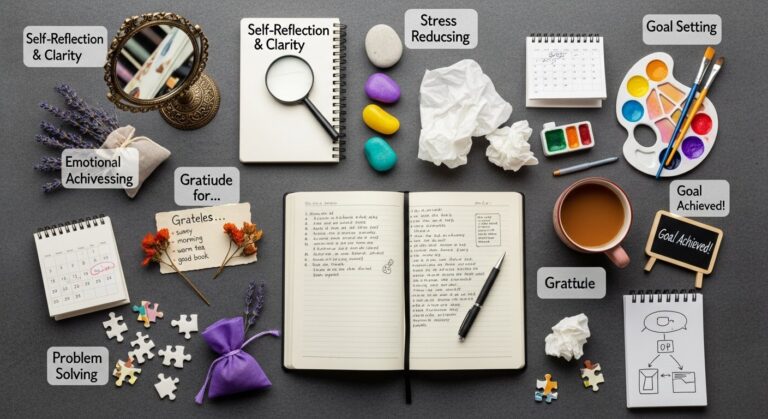
[INLINE IMAGE 2: place after fourth H2 | alt=”what to write in a journal comparison illustration”]
Tailoring Your Journal to Specific Life Areas
Journaling is a versatile practice that can be adapted to almost any aspect of your life, providing clarity, insight, and a path forward. By intentionally focusing your journaling on specific areas, you can unlock deeper understanding and foster targeted growth. For women committed to intentional living, tailoring what to write in a journal to align with their current life challenges and aspirations can be profoundly transformative.
Relationship Journaling: Fostering Deeper Connections
Relationships are the bedrock of our lives, and journaling can be an invaluable tool for understanding, nurturing, and improving them – with partners, family, friends, and even colleagues. This type of journaling focuses on your interactions and feelings within these connections.
- Reflecting on Interactions: After a significant conversation or interaction, journal about how you felt, what was said (and unsaid), and what you learned. Did you communicate effectively? What could have been handled differently?
- Exploring Conflicts: When conflicts arise, use your journal to process your emotions, understand your role, and brainstorm constructive solutions. Avoid assigning blame; focus on your feelings and needs.
- Gratitude for Relationships: Regularly write about what you appreciate in your relationships. What qualities do you admire in others? What moments of connection have brought you joy? This reinforces positive bonds.
- Setting Boundaries: Use your journal to explore where your boundaries might be weak or nonexistent. What do you need to communicate to protect your energy and well-being in a relationship? How can you assert these boundaries kindly but firmly?
- Healing Past Wounds: If you carry past relational wounds, journaling can be a space to process forgiveness (of self or others), understand patterns, and release old hurts that might be impacting present relationships.
Relationship journaling helps you become a more mindful and empathetic participant in your connections, fostering deeper bonds and healthier interactions.
Career & Purpose Journaling: Aligning with Your Calling
For women seeking purpose-driven careers or simply aiming for greater satisfaction in their professional lives, journaling can illuminate their path, clarify their values, and empower them to make intentional choices.
- Defining Your Values & Passions: What truly lights you up? What values are non-negotiable for you in a work environment? Journal about moments when you felt most engaged and fulfilled professionally.
- Career Visioning: What does your ideal professional life look like in 1, 3, 5 years? What kind of impact do you want to make? Describe your dream role, your ideal work environment, and the skills you want to develop.
- Problem-Solving & Strategy: Use your journal to brainstorm solutions to work challenges, strategize for career advancement, or process difficult decisions (e.g., job changes, project choices).
- Skills & Strengths Inventory: Regularly list your strengths, achievements, and the skills you’re proud of. This builds confidence and helps you recognize your value. What skills do you want to cultivate next?
- Overcoming Limiting Beliefs: Identify any self-doubt or limiting beliefs holding you back in your career. Challenge these beliefs on paper. “I’m not good enough” becomes “What evidence do I have of my capabilities? What small step can I take to prove this belief wrong?”
This practice transforms your journal into a powerful career coach, helping you align your work with your deepest sense of purpose.
Health & Wellness Journaling: Nurturing Body and Mind
Our physical and mental well-being are inextricably linked. Journaling offers a holistic approach to understanding and improving your health, fostering a deeper connection with your body and mind.
- Tracking Habits: Monitor your sleep patterns, eating habits, exercise routines, and hydration. Notice correlations between these habits and your energy levels, mood, or physical symptoms.
- Body Scan & Sensations: Regularly check in with your body. Where do you feel tension? What sensations are present? Without judgment, simply observe and describe what you notice. This enhances body awareness.
- Emotional Eating/Stress Triggers: If you struggle with emotional eating or stress-related habits, journal about the emotions leading up to these behaviors. What are you truly hungry for? What alternative coping mechanisms can you explore?
- Gratitude for Your Body: Shift your focus from perceived flaws to genuine appreciation for what your body does for you. “I’m grateful for my strong legs that carry me,” “I appreciate my immune system for protecting me.”
- Exploring Wellness Goals: Define your health goals clearly. Why are they important to you? What small, consistent actions can you take? Journal about your progress and any challenges you encounter.
Health and wellness journaling empowers you to become an active participant in your well-being, fostering a compassionate and mindful relationship with your body and mind.
Spiritual Journaling: Connecting with Your Inner Wisdom
For many women on a path of intentional living, spirituality is a core component. Spiritual journaling provides a sacred space to explore your beliefs, connect with your inner wisdom, and deepen your sense of purpose and connection to something larger than yourself.
- Reflecting on Spiritual Texts/Teachings: If you follow a particular spiritual path, use your journal to reflect on scriptures, teachings, or meditations. What resonates with you? What questions arise? How can you integrate these principles into your daily life?
- Intuitive Guidance: Pose questions to your intuition or higher self in your journal. Then, write whatever comes to mind without overthinking. Often, answers or insights will emerge from a place of deep knowing.
- Nature Reflections: After spending time in nature, journal about your observations, the feelings it evokes, and any metaphors or lessons you draw from the natural world.
- Prayer/Meditation Reflections: Document your experiences during prayer or meditation. What insights did you receive? What challenges did you face? What did you feel?
- Exploring Your Purpose: Use prompts like “What is my soul’s deepest longing?” or “How can I be of service to the world?” to explore your spiritual purpose and contribution.
Spiritual journaling is a profoundly personal practice that enriches your inner life, offering guidance, peace, and a deeper sense of meaning and connection. Discover practices for cultivating spiritual awareness in daily life.
Overcoming Common Journaling Challenges
While journaling is a deeply rewarding practice, it’s not without its hurdles. Many women encounter common challenges that can disrupt their flow or even lead them to abandon the practice altogether. Understanding these obstacles and equipping yourself with strategies to overcome them is key to sustaining a meaningful journaling habit. Knowing what to write in a journal sometimes takes a backseat to simply knowing how to stick with it.
Dealing with Inconsistency
Life is busy, and consistency can be elusive. You might start strong, then miss a few days, and suddenly feel like you’ve fallen off the wagon completely. This is perhaps the most common challenge.
- Release Guilt: First and foremost, let go of any guilt. Missing a day (or a week) doesn’t negate your practice. Pick up where you left off, or start a fresh page. Every day is a new opportunity.
- Small Chunks: You don’t need an hour. Even 5-10 minutes of focused writing can be incredibly beneficial. Prioritize quality over quantity.
- Schedule It: Treat your journaling time like an important appointment. Block it out in your calendar.
- Trigger Habits: Link journaling to an existing habit. For instance, journal immediately after your morning coffee, or before you brush your teeth at night.
- Experiment with Formats: If long-form writing feels daunting, switch to bullet points, lists, or even drawing. The goal is to engage with your inner world, not to produce perfect prose.
The key is flexibility and self-compassion. The goal is progress, not perfection.
Maintaining Privacy and Security
Your journal often holds your most private thoughts, fears, and dreams. Ensuring its privacy and security is paramount, especially if you share a living space with others.
- Physical Journals: Choose a journal that doesn’t immediately scream “diary.” Store it in a private drawer, a lockable box, or somewhere not easily accessible to curious eyes. Consider writing in a code or shorthand if extreme privacy is a concern.
- Digital Journals: Utilize apps with robust password protection, fingerprint/face ID, and encryption. Be mindful of cloud storage and ensure your backups are also secure.
- Mindset Shift: Even if someone were to read your journal, remember that it reflects your internal process, not necessarily your outward reality. However, if this fear inhibits your writing, take the necessary steps to secure it fully.
Feeling secure in your privacy allows you to be completely honest and vulnerable in your writing, which is where the deepest insights often emerge.
When Journaling Feels Overwhelming
Sometimes, the sheer volume of thoughts, emotions, or problems can make the act of journaling feel like another burden rather than a relief. This can happen during times of intense stress or emotional upheaval.
- Permission to Be Brief: If you feel overwhelmed, give yourself permission to write only a few lines. “Today feels heavy. I’m feeling X, Y, Z. That’s all for now.” Acknowledging the feeling is enough.
- Focus on One Thing: Instead of trying to tackle everything, pick just one emotion or one problem to write about. Grant yourself permission to ignore the rest for now.
- The “Brain Dump” as a Release: Sometimes, the overwhelm is the thing to write about. A quick, uncensored brain dump can help externalize the chaos, making it feel less consuming.
- Shift to Gratitude: If heavy topics feel too much, pivot to a simple gratitude list. Focusing on positive aspects can offer a gentle mental reset.
- Take a Break: If it truly feels too much, step away for a day or two. There’s no rule that says you must journal every single day. Listen to what your mind and body need.
Journaling should be a supportive practice, not an additional source of stress. Adjust your approach to meet yourself where you are.
Knowing When to Reread and Reflect
Many people diligently write in their journals but rarely go back to reread. While the act of writing itself is therapeutic, reflection on past entries amplifies the benefits of journaling, offering profound insights into your growth over time.
- Scheduled Reviews: Dedicate specific times for rereading, such as at the end of each month, quarter, or year. This allows for a broad overview of your journey.
- Look for Patterns: As you reread, pay attention to recurring themes, emotions, or challenges. Are there patterns in your behavior or thinking that you can now identify?
- Celebrate Growth: Notice how you’ve overcome past obstacles or achieved goals you once only dreamed of. This is a powerful motivator and builds self-efficacy.
- Identify Wisdom Gained: What advice would your past self have needed? What wisdom can you now impart to your current self based on your journey?
- Answer Old Questions: You might find that questions you grappled with months ago now have clear answers, or that a problem you struggled with has long since resolved.
Rereading transforms your journal from a mere collection of thoughts into a rich tapestry of your personal narrative, revealing the profound journey of your intentional life.
Journaling for Specific Intentional Living Goals
Intentional living is about making conscious choices that align with your values and aspirations. Journaling becomes an incredibly powerful tool in this pursuit, allowing you to not just reflect on your intentions but actively shape them. By tailoring what to write in a journal to specific goals, you can accelerate your progress and deepen your commitment to a mindful, purpose-driven life.
Journaling for Mindfulness & Presence
In a world of constant distractions, cultivating mindfulness and presence is a key component of intentional living. Journaling can anchor you to the present moment and enhance your ability to observe without judgment.
- Sensory Awareness: Describe your surroundings using all five senses. What do you see, hear, smell, taste, and feel right now? This grounds you in the present.
- Mindful Observation: Choose one object or natural element (a plant, a cloud, your coffee cup) and describe it in detail, noticing every nuance.
- Moment of Joy: Reflect on one small moment during your day when you felt fully present and joyful. What made that moment special? How did it feel in your body?
- Breath Awareness: Journal about your breath. How does it feel? Where do you feel it most? Notice any changes in your breath as you write.
This practice trains your attention muscle, making it easier to be present not just in your journal, but in all aspects of your life. Explore daily mindfulness practices for a calmer life.
Journaling for Decision Making
Facing a big decision can be daunting. Journaling offers a structured yet flexible approach to weigh options, explore consequences, and tap into your inner wisdom to make choices that truly serve you.
- Pros and Cons List (with a Twist): Beyond simple pros and cons, write about the emotional implications of each choice. How would each option make you *feel*?
- Future Scenarios: Write a mini-story for each potential decision. Imagine living out each choice for a week, a month, or a year. What are the day-to-day realities?
- Values Alignment: For each option, assess how well it aligns with your core values. Does it support growth, authenticity, connection, or other values important to you?
- Fear Exploration: What fears are associated with each decision? Write them down. Often, just naming a fear diminishes its power.
- Intuitive Check: After exploring logically, close your eyes and ask your intuition: “Which path feels most aligned?” Write down the first sensation or insight that comes.
Your journal becomes a strategic partner, helping you navigate complex choices with clarity and confidence.
Journaling for Habit Formation
Whether you’re trying to cultivate a new positive habit or break an old detrimental one, journaling can be a powerful catalyst for behavioral change.
- Why This Habit Matters: Deeply explore the “why” behind your desired habit. How will it improve your life? What positive ripple effects will it create? Connect it to your core values.
- Small Steps & Obstacles: Break your desired habit into the smallest possible steps. Identify potential obstacles and proactively brainstorm solutions.
- Tracking Progress & Celebrations: Daily or weekly, track your progress. Acknowledge your efforts, even if you don’t hit perfection. Celebrate small wins to maintain motivation.
- Identity Shift: Instead of saying “I need to become a person who journals,” start writing “I am a consistent journaler.” How does that person think, feel, and act?
- Relapse Reflections: If you miss a day or revert to an old habit, don’t judge. Journal about what happened. What triggered it? What can you learn from it? How can you get back on track?
By consistently reflecting on your habit journey, you reinforce positive behaviors and develop resilience against setbacks.
Journaling for Self-Compassion
In the pursuit of intentional living and personal growth, it’s easy to fall into the trap of self-criticism. Journaling can be a profound practice for cultivating self-compassion, treating yourself with the same kindness and understanding you would offer a dear friend.
- Reframing Inner Critic Statements: When you notice your inner critic speaking harshly, write down the critical thought. Then, reframe it with a compassionate response. “I’m such a failure” becomes “I’m having a hard time right now, and that’s okay. What did I learn from this experience?”
- Letter to Yourself: Write a letter to yourself as if you were your own best friend or a loving mentor. Offer encouragement, understanding, and unconditional support during a challenging time.
- Acknowledge Your Humanity: Write about a
What to Write in a Journal: Your Ultimate Guide to Intentional Living & Personal Growth
By thecontextuallife Editorial Team — Senior editors with 10+ years of subject-matter experience.
Published 2026-05-26 · Last Updated 2026-05-26Affiliate disclosure: This article may contain affiliate links. Recommendations are independent and editorially driven.
In the vibrant tapestry of intentional living, a journal isn’t just a collection of blank pages; it’s a sacred space, a silent confidante, and a powerful tool for self-discovery. For women navigating the complexities of modern life while striving for authenticity and personal growth, knowing what to write in a journal can be the key to unlocking profound clarity, emotional intelligence, and a deeper connection to their inner selves. It’s a practice that transcends mere record-keeping, transforming into a daily ritual of reflection, manifestation, and mindful living.
At thecontextuallife, we believe that true personal growth blossoms from within. Journaling offers a unique pathway to cultivate this inner garden, allowing you to explore your thoughts, feelings, dreams, and challenges without judgment. Whether you’re a seasoned journaler looking for fresh inspiration or someone hesitant to pick up a pen, this comprehensive guide will illuminate the endless possibilities of what to write in a journal, empowering you to craft a practice that truly resonates with your unique journey towards a slow, intentional, and fulfilling life.
From simple daily reflections to deep dives into your subconscious, we’ll explore diverse prompts and techniques designed to enhance self-awareness, process emotions, set powerful intentions, and document the beautiful evolution of your life. Let’s embark on this transformative journey together, turning those blank pages into a vibrant testament to your personal growth and intentional living.
The Profound Benefits of Journaling for Intentional Living
Journaling is far more than a simple pastime; it’s a strategic practice for anyone committed to living a more intentional and mindful life. Especially for women juggling multiple roles and seeking moments of stillness amidst the bustle, the act of putting pen to paper can yield an abundance of benefits that ripple through every aspect of existence. Understanding these advantages can be the initial spark that compels you to discover what to write in a journal.
Cultivating Self-Awareness and Clarity
One of the most immediate and impactful benefits of journaling is the profound enhancement of self-awareness. When you write, you externalize your internal world, allowing you to observe your thoughts and feelings from a fresh perspective. This process helps you identify patterns in your thinking, understand the root causes of your reactions, and recognize your core values and beliefs. Through consistent journaling, you gain clarity on who you are, what truly matters to you, and what drives your decisions, which is foundational for intentional living.
Processing Emotions and Stress Reduction
Life brings a spectrum of emotions, from joy and excitement to sadness and frustration. Journaling provides a safe, non-judgmental outlet to process these feelings. Instead of bottling up stress, anger, or anxiety, writing them down allows you to release them, understand them, and ultimately move through them. This emotional catharsis can significantly reduce stress levels, improve mental well-being, and prevent emotional buildup that can lead to burnout. It’s a powerful tool for emotional regulation and resilience.
Goal Setting and Manifestation
For those striving to achieve specific goals, journaling acts as a dynamic roadmap. By regularly writing about your aspirations, breaking them down into actionable steps, and visualizing their successful completion, you embed these intentions deeply within your subconscious. Journaling helps you clarify what you truly want, identify potential obstacles, and celebrate small victories along the way. It reinforces your commitment and keeps your goals at the forefront of your mind, significantly increasing your chances of manifestation. This is a crucial element for anyone wondering what to write in a journal to achieve their dreams.
Documenting Your Growth Journey
The beauty of a journal lies in its ability to become a living archive of your personal evolution. Over time, you can look back at past entries and witness the incredible progress you’ve made, the challenges you’ve overcome, and the wisdom you’ve gained. This documentation serves as a powerful reminder of your strength and resilience, fostering a sense of accomplishment and encouraging continued growth. It’s a testament to your journey, reminding you that every step, no matter how small, contributes to the larger narrative of your intentional life.
Enhancing Creativity and Problem-Solving
The free flow of writing in a journal can unlock dormant creative energies. When you allow your thoughts to meander without a specific agenda, you often stumble upon novel ideas, innovative solutions, and unexpected insights. Journaling encourages divergent thinking, helping you connect seemingly unrelated concepts and approach problems from new angles. It’s a space where you can brainstorm freely, explore imaginative scenarios, and cultivate the kind of open-mindedness that fuels both creativity and effective problem-solving in all areas of your life.
[INLINE IMAGE 1: place after second H2 | alt=”what to write in a journal concept illustration”]
Getting Started: Essential Journaling Tools and Mindset
Embarking on a journaling practice doesn’t require complex equipment or a specialized skill set. The beauty of it lies in its simplicity and accessibility. However, a few mindful choices regarding your tools and cultivating the right mindset can significantly enhance your experience and help you consistently discover what to write in a journal. This initial setup is about creating an inviting and supportive environment for your inner exploration.
Choosing Your Journal: Digital vs. Analog
The first decision often revolves around the medium: digital or analog? Both have their merits, and the best choice depends on your personal preference and lifestyle.
- Analog Journals: For many, the tactile experience of a physical notebook and pen is deeply satisfying. The act of writing by hand can slow down your thoughts, fostering a deeper connection to your words. There’s a certain ritualistic charm to selecting a beautiful notebook, feeling the texture of the paper, and watching ink flow. Analog journals are free from digital distractions and offer a sense of permanence. Brands like Leuchtturm1917, Moleskine, and Archer & Olive are popular choices known for their quality.
- Digital Journals: If you prefer typing, value portability, or want the ability to easily search and organize entries, a digital journal might be ideal. Apps like Day One, Journey, and Penzu offer features like tagging, photo integration, and passcode protection. Google Docs or a simple word processor can also serve as a digital journal. Digital journaling allows for quick entries on the go and can be integrated seamlessly into a tech-forward lifestyle.
Consider trying both to see which resonates most with your flow and allows you to express yourself most authentically.
Selecting Your Writing Instrument
If you opt for an analog journal, your choice of writing instrument can profoundly impact your experience. A pen that glides smoothly across the paper, feels comfortable in your hand, and produces a satisfying line can make the act of writing a joy rather than a chore.
- Gel Pens: Offer vibrant colors and smooth ink flow.
- Fountain Pens: Provide a luxurious writing experience, encouraging a slower, more deliberate pace.
- Ballpoint Pens: Reliable and practical for everyday use.
- Pencils: Allow for easy erasing and a lighter touch.
Experiment with different pens until you find one that feels like a natural extension of your thoughts, making the process of writing what to write in a journal a truly pleasurable experience.
Finding Your Sacred Space and Time
Creating a dedicated space and time for your journaling practice can significantly boost consistency and deepen its impact. This doesn’t mean you need an elaborate shrine; it could be a quiet corner of your living room, a favorite armchair, or even a serene spot outdoors.
- Space: Choose a place where you feel comfortable, undisturbed, and able to focus. Minimize distractions by turning off notifications or letting family members know you need some uninterrupted time.
- Time: Consistency is key. Many find morning pages (writing shortly after waking) incredibly beneficial for clearing the mind and setting intentions for the day. Others prefer evening journaling to process the day’s events and release tension before sleep. Even 10-15 minutes can make a difference. The important thing is to find a slot that works for your schedule and commit to it, making it a non-negotiable part of your routine. This ritualistic approach makes it easier to engage with what to write in a journal regularly.
Overcoming the Blank Page Syndrome
The most common hurdle for new journalers is facing a blank page and feeling like there’s nothing to say. This “blank page syndrome” can be paralyzing, but it’s entirely normal. Here’s how to navigate it:
- Start Small: Don’t feel pressured to write a lengthy essay. Even a few sentences or bullet points are a valid entry.
- Write Anything: If you truly don’t know what to write, start by writing about that feeling. “I don’t know what to write. My mind feels blank. I’m feeling a bit overwhelmed today…” Often, this primes the pump, and other thoughts will begin to emerge.
- Use Prompts: This guide is full of prompts! Use them as launching pads. Pick one that vaguely resonates and see where it takes you.
- Free Writing: Set a timer for 5-10 minutes and write continuously without lifting your pen or stopping to edit. Don’t worry about grammar, spelling, or coherence. Just let your thoughts flow. This technique is excellent for clearing mental clutter and bypassing the inner critic.
Remember, your journal is for you alone. There are no rules, no grades, and no right or wrong way to fill its pages. Embrace the freedom of expression, and trust that with consistent practice, the words will come.
Core Prompts: What to Write When You’re Starting Out
When you first open your journal, the sheer freedom of it can sometimes be overwhelming. The good news is, you don’t have to invent profound insights from scratch. There are many foundational prompts and approaches that can serve as excellent starting points, guiding you to discover what to write in a journal for impactful personal growth and intentional living. These core prompts are designed to be accessible, helping you build a consistent practice and cultivate self-awareness.
Daily Reflections: Gratitude and Intentions
A simple yet powerful way to begin each day or conclude it is through gratitude and intention setting. This practice shifts your mindset towards positivity and purpose.
- Morning Gratitude: List 3-5 things you are genuinely grateful for right now. They can be big or small – the warmth of your coffee, a peaceful morning, a healthy body, a supportive friend. Feel the emotion behind each one.
- Daily Intentions: What energy do you want to bring into your day? What do you want to achieve or experience? Frame your intentions positively. “Today, I intend to approach challenges with patience,” or “My intention is to be fully present in my conversations.”
- Evening Reflections: At the end of the day, reflect on what went well, what challenged you, and what you learned. What was a moment of joy? How did you embody your intentions?
This dual practice of gratitude and intention creates a powerful feedback loop, focusing your mind on the good and guiding your actions.
Emotional Check-ins: Exploring Feelings
One of the most therapeutic aspects of journaling is creating a safe space for your emotions. Many of us are taught to suppress or rationalize our feelings, but journaling allows for honest, raw exploration.
- The “How Am I Feeling?” Prompt: Simply ask yourself, “How am I feeling right now?” and write down every emotion that comes up. Don’t censor. If you feel “blah,” write “blah.” Then, ask “Why?” or “What might be contributing to this feeling?”
- Naming and Exploring Emotions: Pick one prominent emotion you’re experiencing (e.g., anxiety, joy, frustration, peace). Describe what it feels like in your body. Where do you feel it? What thoughts accompany it? When have you felt this before? What does this emotion need from you?
- Processing Difficult Emotions: If you’re struggling with a particular emotion, dedicate an entire entry to it. Let yourself rant, cry on paper, express your anger. The act of externalizing it can be incredibly cathartic and help you move past it.
This practice builds emotional literacy and resilience, crucial for navigating life’s ups and downs.
Future Self Journaling: Envisioning Your Desires
Journaling isn’t just about reflecting on the past or present; it’s a potent tool for shaping your future. Future Self Journaling involves stepping into the shoes of the person you aspire to become.
- Letter from Your Future Self: Imagine yourself 1, 5, or 10 years from now, having achieved your wildest dreams. Write a letter from that future self to your current self. What advice do they give? What wisdom have they gained? What did they do to get there?
- Describe Your Ideal Day/Life: Write in vivid detail about what your ideal day looks like when you’re living your most authentic and fulfilling life. What are you doing? Who are you with? How do you feel? What does your environment look like?
- Goal Visualization: Choose one specific goal. Write about it as if it has already happened. “I am so grateful that I successfully launched my passion project. Here’s how it unfolded…” Describe the steps, the feelings, and the impact.
This technique trains your brain to believe in the possibility of your desires and provides a clear vision to work towards. Learn more about vision boarding and future pacing for personal success.
Mind Dumps: Clearing Your Mental Clutter
Sometimes, your mind feels like a chaotic jumble of thoughts, worries, to-do lists, and ideas. A mind dump is a simple yet incredibly effective way to clear that mental clutter and create space for clarity.
- The Brain Spill: Set a timer for 10-15 minutes and write down absolutely everything that’s on your mind. Don’t worry about organization, grammar, or making sense. Just let it all out – worries, tasks, random thoughts, fragments of conversations, brilliant ideas, anxieties.
- Categorize and Prioritize: Once the timer goes off, look back at what you’ve written. Can you identify recurring themes? Are there actionable items you need to add to your to-do list? Are there anxieties you can reframe or address?
- Problem-Solving Dumps: If you’re grappling with a specific problem, dedicate a mind dump to it. Write down every angle, every fear, every potential solution, no matter how outlandish. Often, the act of seeing it all laid out helps you find a path forward.
Mind dumps are particularly useful when you feel overwhelmed, anxious, or creatively blocked. They provide an immediate sense of relief and can often reveal underlying patterns or solutions you weren’t consciously aware of.
Deepening Your Practice: Advanced Journaling Techniques
Once you’ve established a consistent journaling habit with core prompts, you might feel ready to delve deeper. Advanced journaling techniques move beyond simple reflection, inviting you to explore your subconscious, challenge your perspectives, and engage with your inner world on a more profound level. These methods are excellent for women committed to intense personal growth and radical self-acceptance, pushing the boundaries of what to write in a journal.
Shadow Work: Confronting Your Inner Self
Shadow work, a concept popularized by Carl Jung, involves exploring the parts of ourselves that we hide, deny, or deem unacceptable – our “shadow.” These can be aspects we’ve suppressed due to societal conditioning, past traumas, or a desire to always appear “good.” Bringing these parts into the light of awareness is crucial for true integration and wholeness.
- Identifying Triggers: When do you react disproportionately to something? What behaviors in others annoy you most? Often, these are reflections of our own unacknowledged shadow aspects. Journal about these triggers: What is the emotion? What story are you telling yourself? What part of you feels threatened or unseen?
- Exploring “Unacceptable” Traits: Make a list of traits you dislike in yourself or that you’ve been told are “bad.” For each one, write about its potential positive side. For example, “anger” might represent a healthy boundary, “laziness” might be a need for rest, “selfishness” might be self-preservation.
- Embracing Your Dark Side: Write a letter to your shadow self, acknowledging its existence, understanding its purpose (often protection), and integrating it into your whole being. How can these seemingly negative traits serve you in a healthy, constructive way?
Shadow work is not about eliminating these parts but understanding and integrating them, leading to a more authentic and powerful sense of self.
Stream of Consciousness Writing
Similar to a mind dump, but with an added layer of intentional un-editing, stream of consciousness writing is about allowing your thoughts to flow directly from your mind onto the page without any censorship, structure, or concern for grammar, spelling, or coherence. The goal is to capture the raw, unfiltered flow of your inner dialogue.
- Set a Timer: Commit to writing for 10-20 minutes without lifting your pen or stopping to think. If you get stuck, write “I don’t know what to write” until another thought emerges.
- No Editing: Resist the urge to go back and correct mistakes or rephrase sentences. The purpose is to access the subconscious and bypass the inner critic.
- Embrace the Randomness: Allow your thoughts to jump from topic to topic, person to person, memory to future plan. There’s no narrative required.
This technique can be incredibly revealing, often surfacing forgotten memories, subconscious beliefs, or creative insights that your conscious mind might otherwise suppress. It’s a powerful way to truly see what to write in a journal when you let go of all expectations.
Dialogue Journaling: Communicating with Different Selves
Dialogue journaling involves writing conversations between different parts of yourself, or between yourself and a challenge, a goal, a loved one (living or passed), or even a spiritual guide. This technique allows you to gain different perspectives and process complex internal dynamics.
- Inner Child Dialogue: Write a conversation between your adult self and your inner child. What does your inner child need to express? What comfort or reassurance can your adult self offer?
- Wisdom Self Dialogue: Imagine you are communicating with your highest, wisest self. What questions do you ask? What answers or guidance do you receive?
- Problem/Solution Dialogue: If you’re facing a dilemma, write a dialogue between the “problem” and the “solution,” or between the part of you that wants one thing and the part that wants another. Explore the arguments of each side.
This method can be incredibly powerful for conflict resolution, decision-making, and fostering self-compassion, as it allows you to truly hear and acknowledge different facets of your experience.
Themed Journaling: Focusing on Specific Areas
While general journaling is wonderful, dedicating specific journals or sections of your journal to particular themes can help you dive deep into areas of interest or challenge. This structured approach helps categorize your thoughts and track progress in specific domains.
- Dream Journal: Keep a journal by your bedside to record dreams immediately upon waking. Look for symbols, recurring themes, and messages from your subconscious.
- Gratitude Journal: A dedicated journal just for gratitude can amplify its positive effects. Aim for daily entries, focusing on different aspects of your life each time.
- Reading/Learning Journal: As you read books, articles, or take courses, use a journal to jot down key takeaways, personal reflections, questions, and how new information connects to your existing knowledge.
- Manifestation/Abundance Journal: Focus solely on your desires, manifestations, and feelings of abundance. Write as if your desires have already come true, detailing the emotions and experiences.
Themed journaling allows for concentrated growth in specific areas, making it easier to track progress and gain specialized insights into what to write in a journal for particular goals. Explore different types of journaling for specific goals.
[INLINE IMAGE 2: place after fourth H2 | alt=”what to write in a journal comparison illustration”]
Tailoring Your Journal to Specific Life Areas
Journaling is a versatile practice that can be adapted to almost any aspect of your life, providing clarity, insight, and a path forward. By intentionally focusing your journaling on specific areas, you can unlock deeper understanding and foster targeted growth. For women committed to intentional living, tailoring what to write in a journal to align with their current life challenges and aspirations can be profoundly transformative.
Relationship Journaling: Fostering Deeper Connections
Relationships are the bedrock of our lives, and journaling can be an invaluable tool for understanding, nurturing, and improving them – with partners, family, friends, and even colleagues. This type of journaling focuses on your interactions and feelings within these connections.
- Reflecting on Interactions: After a significant conversation or interaction, journal about how you felt, what was said (and unsaid), and what you learned. Did you communicate effectively? What could have been handled differently?
- Exploring Conflicts: When conflicts arise, use your journal to process your emotions, understand your role, and brainstorm constructive solutions. Avoid assigning blame; focus on your feelings and needs.
- Gratitude for Relationships: Regularly write about what you appreciate in your relationships. What qualities do you admire in others? What moments of connection have brought you joy? This reinforces positive bonds.
- Setting Boundaries: Use your journal to explore where your boundaries might be weak or nonexistent. What do you need to communicate to protect your energy and well-being in a relationship? How can you assert these boundaries kindly but firmly?
- Healing Past Wounds: If you carry past relational wounds, journaling can be a space to process forgiveness (of self or others), understand patterns, and release old hurts that might be impacting present relationships.
Relationship journaling helps you become a more mindful and empathetic participant in your connections, fostering deeper bonds and healthier interactions.
Career & Purpose Journaling: Aligning with Your Calling
For women seeking purpose-driven careers or simply aiming for greater satisfaction in their professional lives, journaling can illuminate their path, clarify their values, and empower them to make intentional choices.
- Defining Your Values & Passions: What truly lights you up? What values are non-negotiable for you in a work environment? Journal about moments when you felt most engaged and fulfilled professionally.
- Career Visioning: What does your ideal professional life look like in 1, 3, 5 years? What kind of impact do you want to make? Describe your dream role, your ideal work environment, and the skills you want to develop.
- Problem-Solving & Strategy: Use your journal to brainstorm solutions to work challenges, strategize for career advancement, or process difficult decisions (e.g., job changes, project choices).
- Skills & Strengths Inventory: Regularly list your strengths, achievements, and the skills you’re proud of. This builds confidence and helps you recognize your value. What skills do you want to cultivate next?
- Overcoming Limiting Beliefs: Identify any self-doubt or limiting beliefs holding you back in your career. Challenge these beliefs on paper. “I’m not good enough” becomes “What evidence do I have of my capabilities? What small step can I take to prove this belief wrong?”
This practice transforms your journal into a powerful career coach, helping you align your work with your deepest sense of purpose.
Health & Wellness Journaling: Nurturing Body and Mind
Our physical and mental well-being are inextricably linked. Journaling offers a holistic approach to understanding and improving your health, fostering a deeper connection with your body and mind.
- Tracking Habits: Monitor your sleep patterns, eating habits, exercise routines, and hydration. Notice correlations between these habits and your energy levels, mood, or physical symptoms.
- Body Scan & Sensations: Regularly check in with your body. Where do you feel tension? What sensations are present? Without judgment, simply observe and describe what you notice. This enhances body awareness.
- Emotional Eating/Stress Triggers: If you struggle with emotional eating or stress-related habits, journal about the emotions leading up to these behaviors. What are you truly hungry for? What alternative coping mechanisms can you explore?
- Gratitude for Your Body: Shift your focus from perceived flaws to genuine appreciation for what your body does for you. “I’m grateful for my strong legs that carry me,” “I appreciate my immune system for protecting me.”
- Exploring Wellness Goals: Define your health goals clearly. Why are they important to you? What small, consistent actions can you take? Journal about your progress and any challenges you encounter.
Health and wellness journaling empowers you to become an active participant in your well-being, fostering a compassionate and mindful relationship with your body and mind.
Spiritual Journaling: Connecting with Your Inner Wisdom
For many women on a path of intentional living, spirituality is a core component. Spiritual journaling provides a sacred space to explore your beliefs, connect with your inner wisdom, and deepen your sense of purpose and connection to something larger than yourself.
- Reflecting on Spiritual Texts/Teachings: If you follow a particular spiritual path, use your journal to reflect on scriptures, teachings, or meditations. What resonates with you? What questions arise? How can you integrate these principles into your daily life?
- Intuitive Guidance: Pose questions to your intuition or higher self in your journal. Then, write whatever comes to mind without overthinking. Often, answers or insights will emerge from a place of deep knowing.
- Nature Reflections: After spending time in nature, journal about your observations, the feelings it evokes, and any metaphors or lessons you draw from the natural world.
- Prayer/Meditation Reflections: Document your experiences during prayer or meditation. What insights did you receive? What challenges did you face? What did you feel?
- Exploring Your Purpose: Use prompts like “What is my soul’s deepest longing?” or “How can I be of service to the world?” to explore your spiritual purpose and contribution.
Spiritual journaling is a profoundly personal practice that enriches your inner life, offering guidance, peace, and a deeper sense of meaning and connection. Discover practices for cultivating spiritual awareness in daily life.
Overcoming Common Journaling Challenges
While journaling is a deeply rewarding practice, it’s not without its hurdles. Many women encounter common challenges that can disrupt their flow or even lead them to abandon the practice altogether. Understanding these obstacles and equipping yourself with strategies to overcome them is key to sustaining a meaningful journaling habit. Knowing what to write in a journal sometimes takes a backseat to simply knowing how to stick with it.
Dealing with Inconsistency
Life is busy, and consistency can be elusive. You might start strong, then miss a few days, and suddenly feel like you’ve fallen off the wagon completely. This is perhaps the most common challenge.
- Release Guilt: First and foremost, let go of any guilt. Missing a day (or a week) doesn’t negate your practice. Pick up where you left off, or start a fresh page. Every day is a new opportunity.
- Small Chunks: You don’t need an hour. Even 5-10 minutes of focused writing can be incredibly beneficial. Prioritize quality over quantity.
- Schedule It: Treat your journaling time like an important appointment. Block it out in your calendar.
- Trigger Habits: Link journaling to an existing habit. For instance, journal immediately after your morning coffee, or before you brush your teeth at night.
- Experiment with Formats: If long-form writing feels daunting, switch to bullet points, lists, or even drawing. The goal is to engage with your inner world, not to produce perfect prose.
The key is flexibility and self-compassion. The goal is progress, not perfection.
Maintaining Privacy and Security
Your journal often holds your most private thoughts, fears, and dreams. Ensuring its privacy and security is paramount, especially if you share a living space with others.
- Physical Journals: Choose a journal that doesn’t immediately scream “diary.” Store it in a private drawer, a lockable box, or somewhere not easily accessible to curious eyes. Consider writing in a code or shorthand if extreme privacy is a concern.
- Digital Journals: Utilize apps with robust password protection, fingerprint/face ID, and encryption. Be mindful of cloud storage and ensure your backups are also secure.
- Mindset Shift: Even if someone were to read your journal, remember that it reflects your internal process, not necessarily your outward reality. However, if this fear inhibits your writing, take the necessary steps to secure it fully.
Feeling secure in your privacy allows you to be completely honest and vulnerable in your writing, which is where the deepest insights often emerge.
When Journaling Feels Overwhelming
Sometimes, the sheer volume of thoughts, emotions, or problems can make the act of journaling feel like another burden rather than a relief. This can happen during times of intense stress or emotional upheaval.
- Permission to Be Brief: If you feel overwhelmed, give yourself permission to write only a few lines. “Today feels heavy. I’m feeling X, Y, Z. That’s all for now.” Acknowledging the feeling is enough.
- Focus on One Thing: Instead of trying to tackle everything, pick just one emotion or one problem to write about. Grant yourself permission to ignore the rest for now.
- The “Brain Dump” as a Release: Sometimes, the overwhelm is the thing to write about. A quick, uncensored brain dump can help externalize the chaos, making it feel less consuming.
- Shift to Gratitude: If heavy topics feel too much, pivot to a simple gratitude list. Focusing on positive aspects can offer a gentle mental reset.
- Take a Break: If it truly feels too much, step away for a day or two. There’s no rule that says you must journal every single day. Listen to what your mind and body need.
Journaling should be a supportive practice, not an additional source of stress. Adjust your approach to meet yourself where you are.
Knowing When to Reread and Reflect
Many people diligently write in their journals but rarely go back to reread. While the act of writing itself is therapeutic, reflection on past entries amplifies the benefits of journaling, offering profound insights into your growth over time.
- Scheduled Reviews: Dedicate specific times for rereading, such as at the end of each month, quarter, or year. This allows for a broad overview of your journey.
- Look for Patterns: As you reread, pay attention to recurring themes, emotions, or challenges. Are there patterns in your behavior or thinking that you can now identify?
- Celebrate Growth: Notice how you’ve overcome past obstacles or achieved goals you once only dreamed of. This is a powerful motivator and builds self-efficacy.
- Identify Wisdom Gained: What advice would your past self have needed? What wisdom can you now impart to your current self based on your journey?
- Answer Old Questions: You might find that questions you grappled with months ago now have clear answers, or that a problem you struggled with has long since resolved.
Rereading transforms your journal from a mere collection of thoughts into a rich tapestry of your personal narrative, revealing the profound journey of your intentional life.
Journaling for Specific Intentional Living Goals
Intentional living is about making conscious choices that align with your values and aspirations. Journaling becomes an incredibly powerful tool in this pursuit, allowing you to not just reflect on your intentions but actively shape them. By tailoring what to write in a journal to specific goals, you can accelerate your progress and deepen your commitment to a mindful, purpose-driven life.
Journaling for Mindfulness & Presence
In a world of constant distractions, cultivating mindfulness and presence is a key component of intentional living. Journaling can anchor you to the present moment and enhance your ability to observe without judgment.
- Sensory Awareness: Describe your surroundings using all five senses. What do you see, hear, smell, taste, and feel right now? This grounds you in the present.
- Mindful Observation: Choose one object or natural element (a plant, a cloud, your coffee cup) and describe it in detail, noticing every nuance.
- Moment of Joy: Reflect on one small moment during your day when you felt fully present and joyful. What made that moment special? How did it feel in your body?
- Breath Awareness: Journal about your breath. How does it feel? Where do you feel it most? Notice any changes in your breath as you write.
This practice trains your attention muscle, making it easier to be present not just in your journal, but in all aspects of your life. Explore daily mindfulness practices for a calmer life.
Journaling for Decision Making
Facing a big decision can be daunting. Journaling offers a structured yet flexible approach to weigh options, explore consequences, and tap into your inner wisdom to make choices that truly serve you.
- Pros and Cons List (with a Twist): Beyond simple pros and cons, write about the emotional implications of each choice. How would each option make you *feel*?
- Future Scenarios: Write a mini-story for each potential decision. Imagine living out each choice for a week, a month, or a year. What are the day-to-day realities?
- Values Alignment: For each option, assess how well it aligns with your core values. Does it support growth, authenticity, connection, or other values important to you?
- Fear Exploration: What fears are associated with each decision? Write them down. Often, just naming a fear diminishes its power.
- Intuitive Check: After exploring logically, close your eyes and ask your intuition: “Which path feels most aligned?” Write down the first sensation or insight that comes.
Your journal becomes a strategic partner, helping you navigate complex choices with clarity and confidence.
Journaling for Habit Formation
Whether you’re trying to cultivate a new positive habit or break an old detrimental one, journaling can be a powerful catalyst for behavioral change.
- Why This Habit Matters: Deeply explore the “why” behind your desired habit. How will it improve your life? What positive ripple effects will it create? Connect it to your core values.
- Small Steps & Obstacles: Break your desired habit into the smallest possible steps. Identify potential obstacles and proactively brainstorm solutions.
- Tracking Progress & Celebrations: Daily or weekly, track your progress. Acknowledge your efforts, even if you don’t hit perfection. Celebrate small wins to maintain motivation.
- Identity Shift: Instead of saying “I need to become a person who journals,” start writing “I am a consistent journaler.” How does that person think, feel, and act?
- Relapse Reflections: If you miss a day or revert to an old habit, don’t judge. Journal about what happened. What triggered it? What can you learn from it? How can you get back on track?
By consistently reflecting on your habit journey, you reinforce positive behaviors and develop resilience against setbacks.
Journaling for Self-Compassion
In the pursuit of intentional living and personal growth, it’s easy to fall into the trap of self-criticism. Journaling can be a profound practice for cultivating self-compassion, treating yourself with the same kindness and understanding you would offer a dear friend.
- Reframing Inner Critic Statements: When you notice your inner critic speaking harshly, write down the critical thought. Then, reframe it with a compassionate response. “I’m such a failure” becomes “I’m having a hard time right now, and that’s okay. What did I learn from this experience?”
- Letter to Yourself: Write a letter to yourself as if you were your own best friend or a loving mentor. Offer encouragement, understanding, and unconditional support during a challenging time.
- Acknowledge Your Humanity: Write about a