


Unlocking Your Best Self: The Foundational Principles of Intentional Living
By thecontextuallife Editorial Team — Senior editors with 10+ years of subject-matter experience.
Published 2026-05-26 · Last Updated 2026-05-26
Affiliate disclosure: This article may contain affiliate links. Recommendations are independent and editorially driven.
In a world that often pulls us in countless directions, demanding our attention and energy without pause, it’s easy to feel adrift. Many women find themselves caught in a reactive cycle, moving from one obligation to the next, often feeling overwhelmed and disconnected from their deepest desires. This is precisely why the concept of intentional living has become not just a trend, but a lifeline for those seeking a more meaningful, authentic, and fulfilling existence.

Intentional living is a deliberate practice, a conscious choice to design your life rather than passively accept it. It’s about aligning your daily actions with your core values, your deepest passions, and your long-term vision for happiness and purpose. It’s a philosophy that empowers you to be the architect of your own destiny, creating a life that truly resonates with who you are and who you aspire to become.
For women, intentional living offers a powerful framework to navigate the complexities of modern life – balancing career ambitions, family responsibilities, personal well-being, and societal expectations. It provides the tools to reclaim your time, energy, and agency, fostering a sense of control and profound satisfaction that transcends fleeting moments of joy.
This comprehensive guide will explore the foundational principles that underpin an intentional life. We’ll delve into each principle, offering practical insights, actionable strategies, and reflective exercises designed to help you integrate these powerful concepts into your daily routine. By understanding and applying these principles, you will cultivate a life rich in purpose, peace, and personal growth.
Understanding Intentional Living: More Than Just a Buzzword
Before we dive into the specific principles, it’s crucial to grasp what intentional living truly means. It’s not about perfection or adhering to a rigid set of rules. Instead, it’s a dynamic and evolving journey of self-discovery and conscious creation.
What is Intentional Living?
At its heart, intentional living is the practice of making conscious choices about how you live your life. It means being deliberate with your time, your energy, your resources, and your focus. Rather than operating on autopilot, driven by external pressures, societal norms, or unconscious habits, you actively decide what matters most to you and then organize your life around those priorities. This involves a continuous process of reflection, evaluation, and adaptation.
Consider the contrast: a life lived unintentionally often feels reactive, chaotic, and unfulfilling. Decisions are made out of habit, obligation, or convenience. You might find yourself saying “yes” to things you don’t truly want to do, spending time on activities that drain you, or pursuing goals that don’t align with your deepest values. Intentional living flips this script, putting you firmly in the driver’s seat of your own experience.
The Power of Conscious Choice
The cornerstone of intentional living is the recognition and utilization of your power of conscious choice. Every moment, every interaction, every decision presents an opportunity to choose. Do you choose to react impulsively or respond thoughtfully? Do you choose to fill your day with distractions or focus on what truly adds value? Do you choose to nurture relationships that uplift you or tolerate those that diminish you?
Embracing conscious choice means taking responsibility for your actions, your reactions, and the direction of your life. It means stepping away from victimhood and embracing your agency. This doesn’t imply that you can control every external circumstance, but it absolutely means you can control your internal response and the choices you make within those circumstances. This paradigm shift alone can be profoundly liberating.
Why Intentional Living Matters for Women Today
For women, the journey toward intentional living holds particular significance. Societal expectations can often place immense pressure on women to be everything to everyone – the perfect professional, the nurturing mother, the supportive partner, the diligent homemaker, the graceful friend. This often leads to burnout, self-neglect, and a profound sense of losing oneself amidst the demands of others.
Intentional living provides a framework for women to:
- Reclaim their identity: By consciously defining what truly matters to them, separate from external pressures.
- Prioritize well-being: Making self-care and personal growth non-negotiable elements of their lives.
- Cultivate authentic relationships: Investing in connections that are truly supportive and reciprocal.
- Achieve meaningful goals: Pursuing ambitions that are deeply aligned with their personal values, not just what’s expected.
- Reduce stress and overwhelm: By simplifying, setting boundaries, and focusing energy on what truly matters.
- Empower their voice: Making choices that reflect their true desires and advocating for their needs.
In essence, intentional living empowers women to live a life that is not just full, but fulfilling – a life designed by them, for them, fostering joy, resilience, and profound satisfaction. Explore more about designing a slow lifestyle that supports your intentional choices.
Principle 1: Self-Awareness – The Compass for Your Journey

The very first and arguably most critical principle of intentional living is self-awareness. Without a deep understanding of who you are – your values, beliefs, strengths, weaknesses, and emotional landscape – it’s impossible to make truly intentional choices. Self-awareness acts as your internal compass, guiding you toward decisions that align with your authentic self and away from paths that lead to discontent.
Cultivating Self-Reflection Practices
Self-awareness isn’t a destination; it’s a continuous practice. It requires consistent self-reflection, making time and space to look inward. Here are some effective practices:
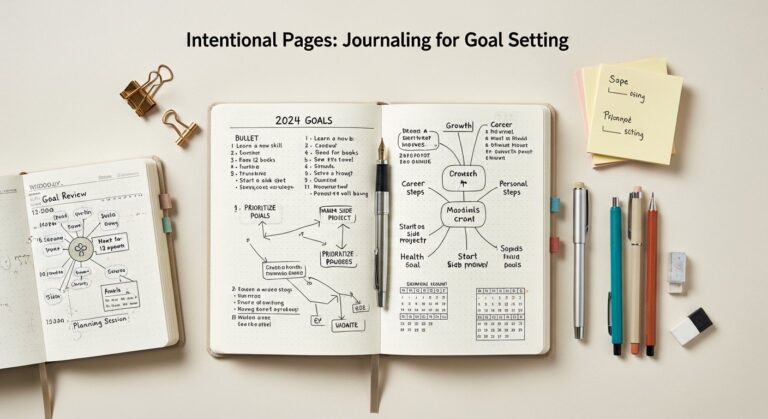
- Journaling: Dedicate 10-15 minutes each day to writing down your thoughts, feelings, observations, and insights without judgment. Prompt questions like “What brought me joy today?” or “What challenged me, and how did I respond?” can be powerful.
- Meditation and Mindfulness: These practices train your mind to observe your thoughts and emotions without getting entangled in them. They create a crucial distance, allowing you to see patterns and understand your internal landscape more clearly.
- Quiet Time: Simply carving out moments of silence each day, free from distractions, allows your inner voice to emerge. This could be during a morning walk, while sipping tea, or before bed.
- Seeking Feedback: While internal reflection is key, external perspectives from trusted friends, mentors, or therapists can offer valuable insights into blind spots you might not recognize.
Identifying Your Core Values and Beliefs
Your core values are the fundamental principles that guide your life. They are what you hold most important – things like integrity, freedom, family, creativity, community, growth, or compassion. Your beliefs are the assumptions you hold about yourself, others, and the world. Both profoundly influence your decisions and behaviors, often unconsciously.
To identify your core values:
- Make a list of everything you care about in life. Don’t censor yourself.
- Group similar items together and try to distill them into single words or short phrases.
- Rank your top 5-10 values. These are your true north.
Understanding your beliefs involves observing your internal dialogue. What stories do you tell yourself about your capabilities, your worth, or what’s possible for you? Are these beliefs empowering or limiting? Challenging limiting beliefs is a vital step in aligning your actions with a more intentional life.
Understanding Your Strengths and Weaknesses
A realistic assessment of your strengths and weaknesses is essential for effective intentional living. Your strengths are your natural talents, skills, and positive attributes that you can leverage to achieve your goals and contribute meaningfully. Your weaknesses are areas where you might struggle, need to develop, or require support.
- Strengths: What do you excel at? What comes easily to you? What do others commend you for? Think about skills, personality traits, and areas of knowledge. Recognizing these allows you to lean into them, designing your life to maximize their use and minimize effort in areas where you naturally struggle.
- Weaknesses: Where do you consistently face challenges? What tasks do you dread? Where do you feel insecure or incompetent? Acknowledging weaknesses isn’t about self-criticism, but about strategic planning. You can either work to improve these areas, delegate them, or consciously choose to avoid situations that heavily rely on them.
Self-awareness empowers you to make informed decisions about your career, relationships, hobbies, and personal development, ensuring that your choices are authentic to who you are.
[INLINE IMAGE 1: place after second H2 | alt=”principles of intentional living concept illustration”]
Principle 2: Clarity of Purpose – Defining Your “Why”
Once you understand yourself, the next crucial step in intentional living is to define your purpose. This isn’t necessarily about finding one grand, overarching purpose for your entire life, but rather about having a clear sense of “why” behind your actions, decisions, and goals. Clarity of purpose provides direction, motivation, and a filter through which you can evaluate opportunities and commitments.
Crafting a Personal Vision Statement
A personal vision statement is a powerful articulation of the kind of life you want to create and the person you want to become. It’s a statement about your ideal future, inspiring and guiding your daily choices. It shouldn’t be a to-do list, but rather a description of your desired state of being and impact.
When crafting yours, ask yourself:
- What does my ideal life look and feel like?
- What kind of person do I want to be? What qualities do I want to embody?
- What impact do I want to have on my family, community, or the world?
- What do I want to be known for?
Your vision statement should be concise, positive, and present-tense. For example: “I am a loving and present mother who fosters creativity and resilience in her children. I am a passionate leader, building a sustainable business that empowers women, while maintaining a balanced life filled with adventure and deep connections.” This statement then becomes a benchmark for evaluating decisions: does this choice move me closer to my vision?
Setting Meaningful, Aligned Goals
Goals are the stepping stones that translate your broad vision and values into tangible actions. For goals to be truly meaningful and contribute to an intentional life, they must be deeply aligned with your core values and overall vision. Setting arbitrary goals simply because they’re popular or expected often leads to frustration and a sense of disconnection.
When setting goals, consider the following:
- Alignment: Does this goal genuinely resonate with my values and vision? Will achieving it bring me closer to the life I truly desire?
- Intrinsic Motivation: Am I pursuing this goal because I genuinely want to, or because I feel I should?
- Clarity: Is the goal specific, measurable, achievable, relevant, and time-bound (SMART)?
- Impact: How will achieving this goal impact different areas of my life (relationships, health, career, personal growth)?
For example, if “growth” is a core value, a goal like “read 12 books on personal development this year” is more aligned than “buy 12 new outfits.”
Distinguishing Between Short-term and Long-term Intentions
Intentional living requires a balance between big-picture vision and day-to-day execution. It’s helpful to distinguish between long-term intentions and short-term intentions.
- Long-term Intentions: These are often broader goals related to your vision statement. They might span years or even decades – like building a specific career, raising children with certain values, achieving financial independence, or cultivating a particular type of relationship. They provide the overarching direction.
- Short-term Intentions: These are the daily, weekly, or monthly actions and micro-goals that serve your long-term intentions. They are the actionable steps. For example, if a long-term intention is “to write a book,” a short-term intention might be “to write for 30 minutes every morning before work.”
By consciously connecting your daily actions (short-term intentions) to your larger aspirations (long-term intentions), you ensure that every step you take is purposeful and contributes to the life you’re intentionally building. This connection transforms mundane tasks into meaningful contributions to your future self.
Principle 3: Mindful Action – Bridging Intention and Reality

Self-awareness and clarity of purpose lay the groundwork, but intentional living truly comes alive through mindful action. This principle is about consciously bringing your intentions into reality through your daily behaviors, choices, and interactions. It’s about closing the gap between what you say you want and what you actually do, ensuring your actions are consistent with your values and goals.
The Art of Mindful Decision-Making
Mindful decision-making is about pausing before acting, especially in situations that trigger automatic responses or urges. It involves bringing awareness to your options, considering the potential outcomes, and choosing the path that best aligns with your intentions and values, rather than reacting on impulse or habit.
When faced with a decision, large or small, practice asking yourself:
- What is my true intention in this situation?
- Does this choice align with my core values and long-term vision?
- What are the potential short-term and long-term consequences of this choice?
- Am I making this choice from a place of fear, obligation, or genuine desire?
- What would my most intentional self do?
This pause, even for a few seconds, can transform a reactive choice into a powerful, deliberate action. It allows you to move away from choices that might offer immediate gratification but detract from your deeper purpose, towards those that build a more fulfilling future.
Overcoming Procrastination and Analysis Paralysis
Even with clear intentions, many women struggle with actually taking action. Procrastination and analysis paralysis are common roadblocks to intentional living. Procrastination is delaying tasks despite knowing the negative consequences, often driven by fear, perfectionism, or overwhelm. Analysis paralysis occurs when you overthink a decision to the point of inaction.
Strategies for mindful action:
- Break Down Tasks: Large goals can feel daunting. Break them into smaller, manageable steps. Focus on taking just one small step.
- Set Deadlines: Create realistic but firm deadlines for yourself. Publicly committing to a deadline can also provide accountability.
- “Done is Better Than Perfect”: Release the pressure of perfectionism. Often, taking imperfect action is far more productive than waiting for the “perfect” moment or plan.
- Time Blocking: Dedicate specific blocks of time in your calendar for focused work on your intentional goals. Treat these appointments with yourself as non-negotiable.
- Identify the Root Cause: If you’re procrastinating, try to understand why. Is it fear of failure? Fear of success? Lack of clarity? Addressing the underlying emotion is key.
Practicing Presence in Daily Life
Mindful action isn’t just about goal-oriented tasks; it’s also about how you engage with your everyday life. Practicing presence means fully immersing yourself in the current moment, whether you’re working, eating, spending time with loved ones, or doing chores. It’s about noticing the details, experiencing your senses, and engaging fully rather than letting your mind wander to the past or future.
Being present:
- Enhances Enjoyment: You extract more joy and meaning from simple moments.
- Improves Relationships: When you’re fully present with others, you listen better, connect more deeply, and build stronger bonds.
- Increases Effectiveness: By focusing entirely on the task at hand, you’re more efficient and make fewer mistakes.
- Reduces Stress: Presence pulls you away from anxious thoughts about the future or regrets about the past.
Simple practices like mindful eating, taking a few conscious breaths throughout the day, or putting away your phone during conversations can significantly boost your presence and, by extension, your intentional engagement with life.
[INLINE IMAGE 2: place after fourth H2 | alt=”principles of intentional living comparison illustration”]
Principle 4: Prioritization and Boundaries – Guarding Your Energy
In a world of endless demands and opportunities, learning to prioritize effectively and set clear boundaries is non-negotiable for intentional living. This principle is about consciously deciding where your precious time and energy will go, and just as importantly, where it will not. It’s about protecting your internal resources to ensure they are directed towards what truly matters to you.
Identifying Your Non-Negotiables
Your non-negotiables are those essential activities, relationships, or conditions that are vital for your well-being, growth, and ability to live intentionally. These are the things you absolutely must protect and integrate into your life, regardless of external pressures.
Examples of non-negotiables might include:
- Sleep: Getting 7-8 hours of quality sleep each night.
- Movement: Daily physical activity, even if it’s a short walk.
- Quiet Time: Dedicated time for reflection, meditation, or simply being still.
- Meaningful Connection: Regular quality time with loved ones.
- Creative Outlet: Engaging in a hobby or activity that brings you joy and expression.
- Nutritious Meals: Preparing and consuming healthy food that fuels your body.
Once you identify your non-negotiables, they become the sacred elements of your schedule. You then build the rest of your life around them, ensuring they are not sacrificed at the altar of busyness or external demands. This act of safeguarding your essentials is a powerful form of self-respect and intentional design.
Setting Healthy Boundaries with Yourself and Others
Boundaries are the invisible lines we draw to protect our physical, emotional, and mental space. They communicate what is acceptable and unacceptable in our interactions with others, and crucially, with ourselves. Without clear boundaries, we become susceptible to burnout, resentment, and a feeling of being constantly drained.
Boundaries with Others:
- Saying “No”: The ability to decline requests that don’t align with your priorities or values, without guilt.
- Time Boundaries: Communicating when you are available for work, family, or social engagements, and when you are not. (e.g., “I don’t check work emails after 6 PM.”)
- Emotional Boundaries: Protecting yourself from absorbing others’ negativity or taking on their emotional labor.
- Physical Boundaries: Ensuring your personal space and needs are respected.
Boundaries with Yourself:
- Digital Detox: Setting limits on screen time, social media, or news consumption.
- Rest and Recovery: Not pushing yourself past your limits, recognizing when you need a break.
- Self-Talk: Challenging negative self-talk and cultivating a more compassionate inner voice.
Setting boundaries often feels uncomfortable at first, especially for women who are conditioned to be agreeable and nurturing. However, it’s an act of radical self-care that frees up immense energy for what truly matters.
The Skill of Effective Time and Energy Management
Prioritization and boundaries are intrinsically linked to effective time and energy management. It’s not just about fitting more into your day, but about strategically allocating your most valuable resources to your highest priorities. This requires a shift from simply managing time to managing your energy levels throughout the day.
- Identify Peak Energy Times: When are you most focused and productive? Schedule your most important tasks during these times.
- Batch Similar Tasks: Group similar activities (e.g., emails, errands, creative work) to reduce context-switching and increase efficiency.
- Use Tools Wisely: Calendars, planners, and task management apps can be incredibly helpful, but only if you use them intentionally and don’t let them become another source of overwhelm.
- The Eisenhower Matrix: Categorize tasks as Urgent/Important, Important/Not Urgent, Urgent/Not Important, or Not Urgent/Not Important. Focus your energy on the “Important” tasks.
- Regular Reviews: Weekly or monthly reviews of how you’re spending your time and energy allow you to adjust and ensure alignment with your intentions.
To illustrate the power of these choices, consider the stark contrast between a life lived on autopilot versus one guided by intentional prioritization:
| Aspect of Life | Life on Autopilot | Intentional Living with Prioritization |
|---|---|---|
| Daily Schedule | Reacts to incoming demands, overscheduled, little downtime. | Proactively designed, includes non-negotiables, space for spontaneity. |
| Decision-Making | Impulsive, often based on convenience or others’ expectations. | Reflective, aligned with values, considers long-term impact. |
| Energy Levels | Frequent burnout, feeling drained, constant fatigue. | Sustained energy, clear mind, feeling replenished. |
| Relationships | Strained by overcommitment, superficial connections. | Fewer, but deeper and more authentic connections. |
| Personal Growth | Stagnant, little time for learning or self-improvement. | Consistent self-development, embraces challenges. |
| Sense of Purpose | Vague, often feels lost or unfulfilled. | Clear, deeply satisfying, meaningful direction. |
Principle 5: Continuous Growth and Adaptability – Embracing Evolution

Intentional living is not a static state but a dynamic process. The world changes, you change, and your priorities may shift over time. Therefore, the principle of continuous growth and adaptability is vital. It’s about cultivating a mindset that embraces learning, resilience, and the willingness to evolve, ensuring your intentional life remains relevant and fulfilling through all seasons.
The Mindset of a Lifelong Learner
A lifelong learner is someone who is consistently curious, open to new information, and committed to expanding their knowledge and skills throughout their life. This isn’t just about formal education; it’s about a fundamental belief that there’s always more to learn, both about the world and about yourself.
Cultivating this mindset involves:
- Curiosity: Asking “why?” and “how?” frequently. Seeking to understand different perspectives.
- Openness to New Ideas: Being willing to consider ideas that challenge your existing beliefs.
- Seeking Knowledge: Reading books, listening to podcasts, taking courses, attending workshops – actively pursuing information in areas of interest and growth.
- Reflecting on Experiences: Seeing every experience, positive or negative, as an opportunity for learning and self-improvement.
In intentional living, continuous learning empowers you to refine your purpose, discover new passions, and develop the skills needed to navigate a complex world. It keeps your mind agile and your spirit vibrant.
Navigating Change with Grace and Resilience
Life is inherently unpredictable. Layoffs happen, relationships evolve, health challenges arise, and global events impact us all. Intentional living doesn’t mean you avoid change; it means you cultivate the resilience and adaptability to navigate it with greater grace and strength.
Resilience is the ability to bounce back from adversity, to adapt to difficult situations, and to learn from them. Adaptability is the capacity to adjust to new conditions. Both are critical for maintaining an intentional path.
Practices for navigating change:
- Emotional Regulation: Developing the ability to understand and manage your emotions during stressful times.
- Problem-Solving Skills: Approaching challenges with a solution-oriented mindset.
- Support Systems: Leaning on friends, family, or mentors during difficult transitions.
- Mindset Shift: Viewing change not as a threat, but as an opportunity for growth and recalibration. Ask: “What can I learn from this? How can I adapt?”
- Flexibility: Being willing to adjust your plans and expectations when circumstances demand it, rather than rigidly adhering to outdated intentions.
An intentional life isn’t rigid; it’s robust. It has a strong core (your values and purpose) but flexible branches that can bend without breaking in the wind of change.
Refining Your Intentions Over Time
Just as you grow, so too should your intentions. What felt deeply important five years ago might have less relevance today, and new passions might emerge. Intentional living includes a regular practice of revisiting and refining your vision, values, and goals.
Schedule regular “check-ins” with yourself – perhaps quarterly or annually – to:
- Review Your Vision: Does your personal vision statement still resonate? Has it evolved?
- Re-evaluate Values: Are your core values still the same? Have any new values emerged as more important?
- Assess Goals: Are your current goals still aligned with your updated vision and values? Are there new goals that are more meaningful? Have you achieved some goals and need to set new ones?
- Reflect on Progress: What have you learned? What challenges did you overcome? What adjustments need to be made?
This iterative process ensures that your intentional life remains authentic to your evolving self. It prevents you from becoming stuck in a path that no longer serves you, allowing your intentionality to grow and deepen alongside your personal journey. Discover powerful mindset shifts for personal growth that will support this continuous evolution.
Principle 6: Cultivating Connection – Meaningful Relationships and Community
Humans are inherently social beings. While intentional living often emphasizes personal agency and self-direction, it would be incomplete without the principle of cultivating meaningful connections. Our relationships and our sense of belonging to a community profoundly impact our well-being, our growth, and our capacity to live a truly rich and purposeful life.
Fostering Authentic Connections
Intentional living isn’t about having a vast network, but about nurturing authentic, deep, and supportive relationships. This means investing your time and energy into connections that are reciprocal, uplifting, and aligned with your values, and gently releasing those that are draining or unfulfilling.
To foster authentic connections:
- Be Present: Give your full attention when interacting with others. Put away distractions and truly listen.
- Show Vulnerability: Share your true self – your joys, struggles, fears, and hopes – in appropriate ways. Authenticity invites authenticity.
- Practice Empathy: Seek to understand others’ perspectives and feelings without judgment.
- Express Appreciation: Regularly acknowledge and celebrate the people in your life.
- Set Boundaries: As discussed earlier, healthy boundaries are crucial for sustainable, respectful relationships.
- Invest Quality Time: Prioritize one-on-one time or small group interactions that allow for deeper conversations.
Authentic connections provide emotional support, intellectual stimulation, and a sense of belonging that enriches the intentional life journey.
The Role of Community in Intentional Living
Beyond individual relationships, being part of a community – whether it’s a neighborhood, a spiritual group, a professional network, or a shared interest group – provides a powerful sense of belonging and collective purpose. Community can reinforce your values, offer diverse perspectives, and provide opportunities for shared experiences.
Benefits of community:
- Shared Values: Finding groups where your core values are reflected and celebrated can be incredibly affirming.
- Support System: A community offers a network of support during challenging times and celebrates your successes.
- Sense of Belonging: Fulfills a fundamental human need to be part of something larger than oneself.
- Growth Opportunities: Exposing you to new ideas, cultures, and ways of thinking.
- Accountability: Being part of a community can help keep you accountable to your goals and intentions, especially if you share them with others.
Actively seeking out and engaging with communities that resonate with you is a conscious choice that significantly enhances the fabric of an intentional life. Consider joining an intentional living community for women to further your journey.
Giving Back and Creating Positive Impact
A truly intentional life often extends beyond personal well-being to encompass a desire to contribute positively to the world. Giving back, whether through volunteering, mentorship, or simply acts of kindness, adds a profound layer of meaning and purpose. It connects your individual intentions to a larger collective good.
Ways to create positive impact intentionally:
- Volunteer Your Time: Dedicate hours to a cause you care about.
- Share Your Skills: Offer your expertise to non-profits or individuals in need.
- Mentorship: Guide and support others who are earlier in their journey.
- Conscious Consumption: Make intentional choices about who and what you support with your purchases.
- Advocacy: Use your voice to champion causes aligned with your values.
- Everyday Kindness: Simple acts like offering a smile, holding a door, or listening to a friend can create ripples of positive impact.
By consciously choosing to give back, you not only uplift others but also deepen your own sense of purpose and fulfillment, embodying the very essence of an intentional life that benefits both self and society.
Principle 7: Simplicity and Decluttering – Making Space for What Matters
In our consumer-driven society, it’s easy to accumulate more than we need – not just physical possessions, but also digital noise, mental clutter, and endless commitments. The principle of simplicity and decluttering in intentional living is about consciously making space. It’s about removing the superfluous to create room for what genuinely brings value, joy, and peace to your life.
Decluttering Your Physical Space
Our physical environment has a profound impact on our mental and emotional state. A cluttered space often leads to a cluttered mind, contributing to stress, overwhelm, and distraction. Intentional decluttering is not just about tidiness; it’s about curating your surroundings to support your intentional lifestyle.
Key aspects of physical decluttering:
- Purpose-Driven: Ask: “Does this item serve a purpose or bring me joy?” If not, consider letting it go.
- One In, One Out Rule: For every new item you bring into your home, commit to removing an existing item.
- Category by Category: Tackle one category at a time (e.g., clothes, books, kitchenware) rather than trying to do your entire home at once.
- Create Systems: Once decluttered, establish simple, intuitive systems for storage and organization to maintain order.
- Resist the Urge to Accumulate: Practice conscious consumption. Before buying something new, ask if it’s truly needed or if it aligns with your intentional lifestyle.
A simplified physical space reduces visual noise, makes daily routines smoother, and creates a more peaceful backdrop for living intentionally.
Simplifying Your Digital Life
In the 2020s, digital clutter can be as overwhelming, if not more so, than physical clutter. Constant notifications, endless social media feeds, overcrowded inboxes, and a multitude of apps can fragment our attention and erode our intentional focus. Simplifying your digital life is crucial for mental clarity.
Strategies for digital decluttering:
- Notification Audit: Turn off unnecessary notifications on your phone and computer. Only allow essential alerts.
- Social Media Cleanse: Unfollow accounts that don’t uplift, inform, or inspire you. Limit your time on platforms.
- Email Management: Unsubscribe from mailing lists you don’t read. Create a system for processing your inbox regularly (e.g., the “zero inbox” method).
- App Purge: Delete unused apps from your devices. Organize essential apps into folders.
- Scheduled Digital Breaks: Designate specific times of the day or week to be completely offline.
- Mindful Consumption: Approach digital content with intention. Ask: “Is this serving my purpose or just distracting me?”
A streamlined digital environment frees up mental bandwidth and allows you to direct your attention more purposefully.
Minimizing Mental Clutter and Overwhelm
Beyond the tangible, intentional living also involves minimizing mental clutter – the endless to-do lists, worries, ruminations, and distracting thoughts that constantly vie for our attention. Mental overwhelm can be just as debilitating as physical or digital clutter.
Techniques for minimizing mental clutter:
- Brain Dump: Get all your thoughts, worries, and tasks out of your head and onto paper or a digital list. This externalizes the clutter.
- Prioritization: Once everything is out, prioritize. What truly needs your attention now? What can be delegated or discarded?
- Mindfulness & Meditation: Regular practice helps train your mind to observe thoughts without getting carried away by them.
- Limit Information Intake: Be selective about the news, conversations, and inputs you consume, especially those that trigger anxiety or negativity.
- Saying “No” to Commitments: Protect your mental space by not overcommitting.
- Processing Emotions: Don’t suppress difficult emotions. Acknowledge them, process them, and let them go. Journaling or talking to a trusted friend can help.
By actively decluttering your physical, digital, and mental spaces, you create a clearer, calmer environment both internally and externally, allowing you to focus your energy on what truly contributes to your intentional life.
Integrating the Principles: A Holistic Approach to Life
While we’ve explored each principle of intentional living individually, their true power lies in their integration. They are not isolated concepts but interconnected pillars that support a holistic, purpose-driven life. Self-awareness informs your purpose, which guides your mindful actions, protected by your boundaries, fueled by continuous growth, nurtured by connections, and supported by simplicity. The journey of intentional living is ongoing, requiring consistent effort and compassionate self-reflection.
Starting Your Intentional Living Journey
Embarking on an intentional living journey can feel overwhelming if you try to implement everything at once. The key is to start small, be patient with yourself, and build momentum.
- Choose One Principle: Don’t try to master all seven at once. Pick one principle that resonates most strongly or feels like the most urgent area for change in your life. For many, self-awareness is a great starting point.
- Small, Consistent Actions: Instead of grand gestures, commit to one small, actionable step related to your chosen principle each day or week. (e.g., “I will journal for 5 minutes daily,” or “I will say ‘no’ to one non-essential request this week.”)
- Be Kind to Yourself: There will be days when you fall back into old habits. This is normal. Acknowledge it without judgment, learn from it, and gently redirect yourself. Intentional living is a practice, not perfection.
- Seek Inspiration and Support: Connect with others on a similar journey, read books, listen to podcasts. The thecontextuallife community is a wonderful resource for inspiration and shared experiences.
- Schedule Reflection: Make time, even if it’s just 1
Unlocking Your Best Self: The Foundational Principles of Intentional Living
By thecontextuallife Editorial Team — Senior editors with 10+ years of subject-matter experience.
Published 2026-05-26 · Last Updated 2026-05-26Affiliate disclosure: This article may contain affiliate links. Recommendations are independent and editorially driven.
In a world that often pulls us in countless directions, demanding our attention and energy without pause, it’s easy to feel adrift. Many women find themselves caught in a reactive cycle, moving from one obligation to the next, often feeling overwhelmed and disconnected from their deepest desires. This is precisely why the concept of intentional living has become not just a trend, but a lifeline for those seeking a more meaningful, authentic, and fulfilling existence.
Intentional living is a deliberate practice, a conscious choice to design your life rather than passively accept it. It’s about aligning your daily actions with your core values, your deepest passions, and your long-term vision for happiness and purpose. It’s a philosophy that empowers you to be the architect of your own destiny, creating a life that truly resonates with who you are and who you aspire to become.
For women, intentional living offers a powerful framework to navigate the complexities of modern life – balancing career ambitions, family responsibilities, personal well-being, and societal expectations. It provides the tools to reclaim your time, energy, and agency, fostering a sense of control and profound satisfaction that transcends fleeting moments of joy.
This comprehensive guide will explore the foundational principles that underpin an intentional life. We’ll delve into each principle, offering practical insights, actionable strategies, and reflective exercises designed to help you integrate these powerful concepts into your daily routine. By understanding and applying these principles, you will cultivate a life rich in purpose, peace, and personal growth.
Understanding Intentional Living: More Than Just a Buzzword
Before we dive into the specific principles, it’s crucial to grasp what intentional living truly means. It’s not about perfection or adhering to a rigid set of rules. Instead, it’s a dynamic and evolving journey of self-discovery and conscious creation.
What is Intentional Living?
At its heart, intentional living is the practice of making conscious choices about how you live your life. It means being deliberate with your time, your energy, your resources, and your focus. Rather than operating on autopilot, driven by external pressures, societal norms, or unconscious habits, you actively decide what matters most to you and then organize your life around those priorities. This involves a continuous process of reflection, evaluation, and adaptation.
Consider the contrast: a life lived unintentionally often feels reactive, chaotic, and unfulfilling. Decisions are made out of habit, obligation, or convenience. You might find yourself saying “yes” to things you don’t truly want to do, spending time on activities that drain you, or pursuing goals that don’t align with your deepest values. Intentional living flips this script, putting you firmly in the driver’s seat of your own experience.
The Power of Conscious Choice
The cornerstone of intentional living is the recognition and utilization of your power of conscious choice. Every moment, every interaction, every decision presents an opportunity to choose. Do you choose to react impulsively or respond thoughtfully? Do you choose to fill your day with distractions or focus on what truly adds value? Do you choose to nurture relationships that uplift you or tolerate those that diminish you?
Embracing conscious choice means taking responsibility for your actions, your reactions, and the direction of your life. It means stepping away from victimhood and embracing your agency. This doesn’t imply that you can control every external circumstance, but it absolutely means you can control your internal response and the choices you make within those circumstances. This paradigm shift alone can be profoundly liberating.
Why Intentional Living Matters for Women Today
For women, the journey toward intentional living holds particular significance. Societal expectations can often place immense pressure on women to be everything to everyone – the perfect professional, the nurturing mother, the supportive partner, the diligent homemaker, the graceful friend. This often leads to burnout, self-neglect, and a profound sense of losing oneself amidst the demands of others.
Intentional living provides a framework for women to:
- Reclaim their identity: By consciously defining what truly matters to them, separate from external pressures.
- Prioritize well-being: Making self-care and personal growth non-negotiable elements of their lives.
- Cultivate authentic relationships: Investing in connections that are truly supportive and reciprocal.
- Achieve meaningful goals: Pursuing ambitions that are deeply aligned with their personal values, not just what’s expected.
- Reduce stress and overwhelm: By simplifying, setting boundaries, and focusing energy on what truly matters.
- Empower their voice: Making choices that reflect their true desires and advocating for their needs.
In essence, intentional living empowers women to live a life that is not just full, but fulfilling – a life designed by them, for them, fostering joy, resilience, and profound satisfaction. Explore more about designing a slow lifestyle that supports your intentional choices.
Principle 1: Self-Awareness – The Compass for Your Journey
The very first and arguably most critical principle of intentional living is self-awareness. Without a deep understanding of who you are – your values, beliefs, strengths, weaknesses, and emotional landscape – it’s impossible to make truly intentional choices. Self-awareness acts as your internal compass, guiding you toward decisions that align with your authentic self and away from paths that lead to discontent.
Cultivating Self-Reflection Practices
Self-awareness isn’t a destination; it’s a continuous practice. It requires consistent self-reflection, making time and space to look inward. Here are some effective practices:
- Journaling: Dedicate 10-15 minutes each day to writing down your thoughts, feelings, observations, and insights without judgment. Prompt questions like “What brought me joy today?” or “What challenged me, and how did I respond?” can be powerful.
- Meditation and Mindfulness: These practices train your mind to observe your thoughts and emotions without getting entangled in them. They create a crucial distance, allowing you to see patterns and understand your internal landscape more clearly.
- Quiet Time: Simply carving out moments of silence each day, free from distractions, allows your inner voice to emerge. This could be during a morning walk, while sipping tea, or before bed.
- Seeking Feedback: While internal reflection is key, external perspectives from trusted friends, mentors, or therapists can offer valuable insights into blind spots you might not recognize.
Identifying Your Core Values and Beliefs
Your core values are the fundamental principles that guide your life. They are what you hold most important – things like integrity, freedom, family, creativity, community, growth, or compassion. Your beliefs are the assumptions you hold about yourself, others, and the world. Both profoundly influence your decisions and behaviors, often unconsciously.
To identify your core values:
- Make a list of everything you care about in life. Don’t censor yourself.
- Group similar items together and try to distill them into single words or short phrases.
- Rank your top 5-10 values. These are your true north.
Understanding your beliefs involves observing your internal dialogue. What stories do you tell yourself about your capabilities, your worth, or what’s possible for you? Are these beliefs empowering or limiting? Challenging limiting beliefs is a vital step in aligning your actions with a more intentional life.
Understanding Your Strengths and Weaknesses
A realistic assessment of your strengths and weaknesses is essential for effective intentional living. Your strengths are your natural talents, skills, and positive attributes that you can leverage to achieve your goals and contribute meaningfully. Your weaknesses are areas where you might struggle, need to develop, or require support.
- Strengths: What do you excel at? What comes easily to you? What do others commend you for? Think about skills, personality traits, and areas of knowledge. Recognizing these allows you to lean into them, designing your life to maximize their use and minimize effort in areas where you naturally struggle.
- Weaknesses: Where do you consistently face challenges? What tasks do you dread? Where do you feel insecure or incompetent? Acknowledging weaknesses isn’t about self-criticism, but about strategic planning. You can either work to improve these areas, delegate them, or consciously choose to avoid situations that heavily rely on them.
Self-awareness empowers you to make informed decisions about your career, relationships, hobbies, and personal development, ensuring that your choices are authentic to who you are.
[INLINE IMAGE 1: place after second H2 | alt=”principles of intentional living concept illustration”]
Principle 2: Clarity of Purpose – Defining Your “Why”
Once you understand yourself, the next crucial step in intentional living is to define your purpose. This isn’t necessarily about finding one grand, overarching purpose for your entire life, but rather about having a clear sense of “why” behind your actions, decisions, and goals. Clarity of purpose provides direction, motivation, and a filter through which you can evaluate opportunities and commitments.
Crafting a Personal Vision Statement
A personal vision statement is a powerful articulation of the kind of life you want to create and the person you want to become. It’s a statement about your ideal future, inspiring and guiding your daily choices. It shouldn’t be a to-do list, but rather a description of your desired state of being and impact.
When crafting yours, ask yourself:
- What does my ideal life look and feel like?
- What kind of person do I want to be? What qualities do I want to embody?
- What impact do I want to have on my family, community, or the world?
- What do I want to be known for?
Your vision statement should be concise, positive, and present-tense. For example: “I am a loving and present mother who fosters creativity and resilience in her children. I am a passionate leader, building a sustainable business that empowers women, while maintaining a balanced life filled with adventure and deep connections.” This statement then becomes a benchmark for evaluating decisions: does this choice move me closer to my vision?
Setting Meaningful, Aligned Goals
Goals are the stepping stones that translate your broad vision and values into tangible actions. For goals to be truly meaningful and contribute to an intentional life, they must be deeply aligned with your core values and overall vision. Setting arbitrary goals simply because they’re popular or expected often leads to frustration and a sense of disconnection.
When setting goals, consider the following:
- Alignment: Does this goal genuinely resonate with my values and vision? Will achieving it bring me closer to the life I truly desire?
- Intrinsic Motivation: Am I pursuing this goal because I genuinely want to, or because I feel I should?
- Clarity: Is the goal specific, measurable, achievable, relevant, and time-bound (SMART)?
- Impact: How will achieving this goal impact different areas of my life (relationships, health, career, personal growth)?
For example, if “growth” is a core value, a goal like “read 12 books on personal development this year” is more aligned than “buy 12 new outfits.”
Distinguishing Between Short-term and Long-term Intentions
Intentional living requires a balance between big-picture vision and day-to-day execution. It’s helpful to distinguish between long-term intentions and short-term intentions.
- Long-term Intentions: These are often broader goals related to your vision statement. They might span years or even decades – like building a specific career, raising children with certain values, achieving financial independence, or cultivating a particular type of relationship. They provide the overarching direction.
- Short-term Intentions: These are the daily, weekly, or monthly actions and micro-goals that serve your long-term intentions. They are the actionable steps. For example, if a long-term intention is “to write a book,” a short-term intention might be “to write for 30 minutes every morning before work.”
By consciously connecting your daily actions (short-term intentions) to your larger aspirations (long-term intentions), you ensure that every step you take is purposeful and contributes to the life you’re intentionally building. This connection transforms mundane tasks into meaningful contributions to your future self.
Principle 3: Mindful Action – Bridging Intention and Reality
Self-awareness and clarity of purpose lay the groundwork, but intentional living truly comes alive through mindful action. This principle is about consciously bringing your intentions into reality through your daily behaviors, choices, and interactions. It’s about closing the gap between what you say you want and what you actually do, ensuring your actions are consistent with your values and goals.
The Art of Mindful Decision-Making
Mindful decision-making is about pausing before acting, especially in situations that trigger automatic responses or urges. It involves bringing awareness to your options, considering the potential outcomes, and choosing the path that best aligns with your intentions and values, rather than reacting on impulse or habit.
When faced with a decision, large or small, practice asking yourself:
- What is my true intention in this situation?
- Does this choice align with my core values and long-term vision?
- What are the potential short-term and long-term consequences of this choice?
- Am I making this choice from a place of fear, obligation, or genuine desire?
- What would my most intentional self do?
This pause, even for a few seconds, can transform a reactive choice into a powerful, deliberate action. It allows you to move away from choices that might offer immediate gratification but detract from your deeper purpose, towards those that build a more fulfilling future.
Overcoming Procrastination and Analysis Paralysis
Even with clear intentions, many women struggle with actually taking action. Procrastination and analysis paralysis are common roadblocks to intentional living. Procrastination is delaying tasks despite knowing the negative consequences, often driven by fear, perfectionism, or overwhelm. Analysis paralysis occurs when you overthink a decision to the point of inaction.
Strategies for mindful action:
- Break Down Tasks: Large goals can feel daunting. Break them into smaller, manageable steps. Focus on taking just one small step.
- Set Deadlines: Create realistic but firm deadlines for yourself. Publicly committing to a deadline can also provide accountability.
- “Done is Better Than Perfect”: Release the pressure of perfectionism. Often, taking imperfect action is far more productive than waiting for the “perfect” moment or plan.
- Time Blocking: Dedicate specific blocks of time in your calendar for focused work on your intentional goals. Treat these appointments with yourself as non-negotiable.
- Identify the Root Cause: If you’re procrastinating, try to understand why. Is it fear of failure? Fear of success? Lack of clarity? Addressing the underlying emotion is key.
Practicing Presence in Daily Life
Mindful action isn’t just about goal-oriented tasks; it’s also about how you engage with your everyday life. Practicing presence means fully immersing yourself in the current moment, whether you’re working, eating, spending time with loved ones, or doing chores. It’s about noticing the details, experiencing your senses, and engaging fully rather than letting your mind wander to the past or future.
Being present:
- Enhances Enjoyment: You extract more joy and meaning from simple moments.
- Improves Relationships: When you’re fully present with others, you listen better, connect more deeply, and build stronger bonds.
- Increases Effectiveness: By focusing entirely on the task at hand, you’re more efficient and make fewer mistakes.
- Reduces Stress: Presence pulls you away from anxious thoughts about the future or regrets about the past.
Simple practices like mindful eating, taking a few conscious breaths throughout the day, or putting away your phone during conversations can significantly boost your presence and, by extension, your intentional engagement with life.
[INLINE IMAGE 2: place after fourth H2 | alt=”principles of intentional living comparison illustration”]
Principle 4: Prioritization and Boundaries – Guarding Your Energy
In a world of endless demands and opportunities, learning to prioritize effectively and set clear boundaries is non-negotiable for intentional living. This principle is about consciously deciding where your precious time and energy will go, and just as importantly, where it will not. It’s about protecting your internal resources to ensure they are directed towards what truly matters to you.
Identifying Your Non-Negotiables
Your non-negotiables are those essential activities, relationships, or conditions that are vital for your well-being, growth, and ability to live intentionally. These are the things you absolutely must protect and integrate into your life, regardless of external pressures.
Examples of non-negotiables might include:
- Sleep: Getting 7-8 hours of quality sleep each night.
- Movement: Daily physical activity, even if it’s a short walk.
- Quiet Time: Dedicated time for reflection, meditation, or simply being still.
- Meaningful Connection: Regular quality time with loved ones.
- Creative Outlet: Engaging in a hobby or activity that brings you joy and expression.
- Nutritious Meals: Preparing and consuming healthy food that fuels your body.
Once you identify your non-negotiables, they become the sacred elements of your schedule. You then build the rest of your life around them, ensuring they are not sacrificed at the altar of busyness or external demands. This act of safeguarding your essentials is a powerful form of self-respect and intentional design.
Setting Healthy Boundaries with Yourself and Others
Boundaries are the invisible lines we draw to protect our physical, emotional, and mental space. They communicate what is acceptable and unacceptable in our interactions with others, and crucially, with ourselves. Without clear boundaries, we become susceptible to burnout, resentment, and a feeling of being constantly drained.
Boundaries with Others:
- Saying “No”: The ability to decline requests that don’t align with your priorities or values, without guilt.
- Time Boundaries: Communicating when you are available for work, family, or social engagements, and when you are not. (e.g., “I don’t check work emails after 6 PM.”)
- Emotional Boundaries: Protecting yourself from absorbing others’ negativity or taking on their emotional labor.
- Physical Boundaries: Ensuring your personal space and needs are respected.
Boundaries with Yourself:
- Digital Detox: Setting limits on screen time, social media, or news consumption.
- Rest and Recovery: Not pushing yourself past your limits, recognizing when you need a break.
- Self-Talk: Challenging negative self-talk and cultivating a more compassionate inner voice.
Setting boundaries often feels uncomfortable at first, especially for women who are conditioned to be agreeable and nurturing. However, it’s an act of radical self-care that frees up immense energy for what truly matters.
The Skill of Effective Time and Energy Management
Prioritization and boundaries are intrinsically linked to effective time and energy management. It’s not just about fitting more into your day, but about strategically allocating your most valuable resources to your highest priorities. This requires a shift from simply managing time to managing your energy levels throughout the day.
- Identify Peak Energy Times: When are you most focused and productive? Schedule your most important tasks during these times.
- Batch Similar Tasks: Group similar activities (e.g., emails, errands, creative work) to reduce context-switching and increase efficiency.
- Use Tools Wisely: Calendars, planners, and task management apps can be incredibly helpful, but only if you use them intentionally and don’t let them become another source of overwhelm.
- The Eisenhower Matrix: Categorize tasks as Urgent/Important, Important/Not Urgent, Urgent/Not Important, or Not Urgent/Not Important. Focus your energy on the “Important” tasks.
- Regular Reviews: Weekly or monthly reviews of how you’re spending your time and energy allow you to adjust and ensure alignment with your intentions.
To illustrate the power of these choices, consider the stark contrast between a life lived on autopilot versus one guided by intentional prioritization:
Aspect of Life Life on Autopilot Intentional Living with Prioritization Daily Schedule Reacts to incoming demands, overscheduled, little downtime. Proactively designed, includes non-negotiables, space for spontaneity. Decision-Making Impulsive, often based on convenience or others’ expectations. Reflective, aligned with values, considers long-term impact. Energy Levels Frequent burnout, feeling drained, constant fatigue. Sustained energy, clear mind, feeling replenished. Relationships Strained by overcommitment, superficial connections. Fewer, but deeper and more authentic connections. Personal Growth Stagnant, little time for learning or self-improvement. Consistent self-development, embraces challenges. Sense of Purpose Vague, often feels lost or unfulfilled. Clear, deeply satisfying, meaningful direction. Principle 5: Continuous Growth and Adaptability – Embracing Evolution
Intentional living is not a static state but a dynamic process. The world changes, you change, and your priorities may shift over time. Therefore, the principle of continuous growth and adaptability is vital. It’s about cultivating a mindset that embraces learning, resilience, and the willingness to evolve, ensuring your intentional life remains relevant and fulfilling through all seasons.
The Mindset of a Lifelong Learner
A lifelong learner is someone who is consistently curious, open to new information, and committed to expanding their knowledge and skills throughout their life. This isn’t just about formal education; it’s about a fundamental belief that there’s always more to learn, both about the world and about yourself.
Cultivating this mindset involves:
- Curiosity: Asking “why?” and “how?” frequently. Seeking to understand different perspectives.
- Openness to New Ideas: Being willing to consider ideas that challenge your existing beliefs.
- Seeking Knowledge: Reading books, listening to podcasts, taking courses, attending workshops – actively pursuing information in areas of interest and growth.
- Reflecting on Experiences: Seeing every experience, positive or negative, as an opportunity for learning and self-improvement.
In intentional living, continuous learning empowers you to refine your purpose, discover new passions, and develop the skills needed to navigate a complex world. It keeps your mind agile and your spirit vibrant.
Navigating Change with Grace and Resilience
Life is inherently unpredictable. Layoffs happen, relationships evolve, health challenges arise, and global events impact us all. Intentional living doesn’t mean you avoid change; it means you cultivate the resilience and adaptability to navigate it with greater grace and strength.
Resilience is the ability to bounce back from adversity, to adapt to difficult situations, and to learn from them. Adaptability is the capacity to adjust to new conditions. Both are critical for maintaining an intentional path.
Practices for navigating change:
- Emotional Regulation: Developing the ability to understand and manage your emotions during stressful times.
- Problem-Solving Skills: Approaching challenges with a solution-oriented mindset.
- Support Systems: Leaning on friends, family, or mentors during difficult transitions.
- Mindset Shift: Viewing change not as a threat, but as an opportunity for growth and recalibration. Ask: “What can I learn from this? How can I adapt?”
- Flexibility: Being willing to adjust your plans and expectations when circumstances demand it, rather than rigidly adhering to outdated intentions.
An intentional life isn’t rigid; it’s robust. It has a strong core (your values and purpose) but flexible branches that can bend without breaking in the wind of change.
Refining Your Intentions Over Time
Just as you grow, so too should your intentions. What felt deeply important five years ago might have less relevance today, and new passions might emerge. Intentional living includes a regular practice of revisiting and refining your vision, values, and goals.
Schedule regular “check-ins” with yourself – perhaps quarterly or annually – to:
- Review Your Vision: Does your personal vision statement still resonate? Has it evolved?
- Re-evaluate Values: Are your core values still the same? Have any new values emerged as more important?
- Assess Goals: Are your current goals still aligned with your updated vision and values? Are there new goals that are more meaningful? Have you achieved some goals and need to set new ones?
- Reflect on Progress: What have you learned? What challenges did you overcome? What adjustments need to be made?
This iterative process ensures that your intentional life remains authentic to your evolving self. It prevents you from becoming stuck in a path that no longer serves you, allowing your intentionality to grow and deepen alongside your personal journey. Discover powerful mindset shifts for personal growth that will support this continuous evolution.
Principle 6: Cultivating Connection – Meaningful Relationships and Community
Humans are inherently social beings. While intentional living often emphasizes personal agency and self-direction, it would be incomplete without the principle of cultivating meaningful connections. Our relationships and our sense of belonging to a community profoundly impact our well-being, our growth, and our capacity to live a truly rich and purposeful life.
Fostering Authentic Connections
Intentional living isn’t about having a vast network, but about nurturing authentic, deep, and supportive relationships. This means investing your time and energy into connections that are reciprocal, uplifting, and aligned with your values, and gently releasing those that are draining or unfulfilling.
To foster authentic connections:
- Be Present: Give your full attention when interacting with others. Put away distractions and truly listen.
- Show Vulnerability: Share your true self – your joys, struggles, fears, and hopes – in appropriate ways. Authenticity invites authenticity.
- Practice Empathy: Seek to understand others’ perspectives and feelings without judgment.
- Express Appreciation: Regularly acknowledge and celebrate the people in your life.
- Set Boundaries: As discussed earlier, healthy boundaries are crucial for sustainable, respectful relationships.
- Invest Quality Time: Prioritize one-on-one time or small group interactions that allow for deeper conversations.
Authentic connections provide emotional support, intellectual stimulation, and a sense of belonging that enriches the intentional life journey.
The Role of Community in Intentional Living
Beyond individual relationships, being part of a community – whether it’s a neighborhood, a spiritual group, a professional network, or a shared interest group – provides a powerful sense of belonging and collective purpose. Community can reinforce your values, offer diverse perspectives, and provide opportunities for shared experiences.
Benefits of community:
- Shared Values: Finding groups where your core values are reflected and celebrated can be incredibly affirming.
- Support System: A community offers a network of support during challenging times and celebrates your successes.
- Sense of Belonging: Fulfills a fundamental human need to be part of something larger than oneself.
- Growth Opportunities: Exposing you to new ideas, cultures, and ways of thinking.
- Accountability: Being part of a community can help keep you accountable to your goals and intentions, especially if you share them with others.
Actively seeking out and engaging with communities that resonate with you is a conscious choice that significantly enhances the fabric of an intentional life. Consider joining an intentional living community for women to further your journey.
Giving Back and Creating Positive Impact
A truly intentional life often extends beyond personal well-being to encompass a desire to contribute positively to the world. Giving back, whether through volunteering, mentorship, or simply acts of kindness, adds a profound layer of meaning and purpose. It connects your individual intentions to a larger collective good.
Ways to create positive impact intentionally:
- Volunteer Your Time: Dedicate hours to a cause you care about.
- Share Your Skills: Offer your expertise to non-profits or individuals in need.
- Mentorship: Guide and support others who are earlier in their journey.
- Conscious Consumption: Make intentional choices about who and what you support with your purchases.
- Advocacy: Use your voice to champion causes aligned with your values.
- Everyday Kindness: Simple acts like offering a smile, holding a door, or listening to a friend can create ripples of positive impact.
By consciously choosing to give back, you not only uplift others but also deepen your own sense of purpose and fulfillment, embodying the very essence of an intentional life that benefits both self and society.
Principle 7: Simplicity and Decluttering – Making Space for What Matters
In our consumer-driven society, it’s easy to accumulate more than we need – not just physical possessions, but also digital noise, mental clutter, and endless commitments. The principle of simplicity and decluttering in intentional living is about consciously making space. It’s about removing the superfluous to create room for what genuinely brings value, joy, and peace to your life.
Decluttering Your Physical Space
Our physical environment has a profound impact on our mental and emotional state. A cluttered space often leads to a cluttered mind, contributing to stress, overwhelm, and distraction. Intentional decluttering is not just about tidiness; it’s about curating your surroundings to support your intentional lifestyle.
Key aspects of physical decluttering:
- Purpose-Driven: Ask: “Does this item serve a purpose or bring me joy?” If not, consider letting it go.
- One In, One Out Rule: For every new item you bring into your home, commit to removing an existing item.
- Category by Category: Tackle one category at a time (e.g., clothes, books, kitchenware) rather than trying to do your entire home at once.
- Create Systems: Once decluttered, establish simple, intuitive systems for storage and organization to maintain order.
- Resist the Urge to Accumulate: Practice conscious consumption. Before buying something new, ask if it’s truly needed or if it aligns with your intentional lifestyle.
A simplified physical space reduces visual noise, makes daily routines smoother, and creates a more peaceful backdrop for living intentionally.
Simplifying Your Digital Life
In the 2020s, digital clutter can be as overwhelming, if not more so, than physical clutter. Constant notifications, endless social media feeds, overcrowded inboxes, and a multitude of apps can fragment our attention and erode our intentional focus. Simplifying your digital life is crucial for mental clarity.
Strategies for digital decluttering:
- Notification Audit: Turn off unnecessary notifications on your phone and computer. Only allow essential alerts.
- Social Media Cleanse: Unfollow accounts that don’t uplift, inform, or inspire you. Limit your time on platforms.
- Email Management: Unsubscribe from mailing lists you don’t read. Create a system for processing your inbox regularly (e.g., the “zero inbox” method).
- App Purge: Delete unused apps from your devices. Organize essential apps into folders.
- Scheduled Digital Breaks: Designate specific times of the day or week to be completely offline.
- Mindful Consumption: Approach digital content with intention. Ask: “Is this serving my purpose or just distracting me?”
A streamlined digital environment frees up mental bandwidth and allows you to direct your attention more purposefully.
Minimizing Mental Clutter and Overwhelm
Beyond the tangible, intentional living also involves minimizing mental clutter – the endless to-do lists, worries, ruminations, and distracting thoughts that constantly vie for our attention. Mental overwhelm can be just as debilitating as physical or digital clutter.
Techniques for minimizing mental clutter:
- Brain Dump: Get all your thoughts, worries, and tasks out of your head and onto paper or a digital list. This externalizes the clutter.
- Prioritization: Once everything is out, prioritize. What truly needs your attention now? What can be delegated or discarded?
- Mindfulness & Meditation: Regular practice helps train your mind to observe thoughts without getting carried away by them.
- Limit Information Intake: Be selective about the news, conversations, and inputs you consume, especially those that trigger anxiety or negativity.
- Saying “No” to Commitments: Protect your mental space by not overcommitting.
- Processing Emotions: Don’t suppress difficult emotions. Acknowledge them, process them, and let them go. Journaling or talking to a trusted friend can help.
By actively decluttering your physical, digital, and mental spaces, you create a clearer, calmer environment both internally and externally, allowing you to focus your energy on what truly contributes to your intentional life.
Integrating the Principles: A Holistic Approach to Life
While we’ve explored each principle of intentional living individually, their true power lies in their integration. They are not isolated concepts but interconnected pillars that support a holistic, purpose-driven life. Self-awareness informs your purpose, which guides your mindful actions, protected by your boundaries, fueled by continuous growth, nurtured by connections, and supported by simplicity. The journey of intentional living is ongoing, requiring consistent effort and compassionate self-reflection.
Starting Your Intentional Living Journey
Embarking on an intentional living journey can feel overwhelming if you try to implement everything at once. The key is to start small, be patient with yourself, and build momentum.
- Choose One Principle: Don’t try to master all seven at once. Pick one principle that resonates most strongly or feels like the most urgent area for change in your life. For many, self-awareness is a great starting point.
- Small, Consistent Actions: Instead of grand gestures, commit to one small, actionable step related to your chosen principle each day or week. (e.g., “I will journal for 5 minutes daily,” or “I will say ‘no’ to one non-essential request this week.”)
- Be Kind to Yourself: There will be days when you fall back into old habits. This is normal. Acknowledge it without judgment, learn from it, and gently redirect yourself. Intentional living is a practice, not perfection.
- Seek Inspiration and Support: Connect with others on a similar journey, read books, listen to podcasts. The thecontextuallife community is a wonderful resource for inspiration and shared experiences.
- Schedule Reflection: Make time, even if it’s just 1