


What is Intentional Living? A Comprehensive Guide for Women Seeking Purpose and Clarity
By thecontextuallife Editorial Team — Senior editors with 10+ years of subject-matter experience.
Published 2026-05-26 · Last Updated 2026-05-26
Affiliate disclosure: This article may contain affiliate links. Recommendations are independent and editorially driven.
In a world that constantly demands our attention, pulls us in a million directions, and often dictates our pace, the concept of intentional living emerges as a beacon for many women. It’s more than just a trending phrase; it’s a profound philosophy and a powerful practice for reclaiming agency over your life, aligning your daily actions with your deepest values, and cultivating a sense of purpose that permeates every aspect of your existence. For the women navigating the complexities of modern life – balancing careers, families, personal aspirations, and societal expectations – understanding what intentional living truly means can be the first step toward a more fulfilling, peaceful, and authentic journey.
At its heart, intentional living is about making conscious choices rather than drifting through life on autopilot. It’s about being deliberate with your time, energy, and resources, ensuring they are invested in what truly matters to you. This guide from thecontextuallife delves deep into the essence of intentional living, exploring its foundational principles, myriad benefits, and practical strategies specifically tailored for women ready to embrace a life of greater meaning and less overwhelm. We’ll unpack how this transformative approach can revolutionize your relationships, finances, career, and personal well-being, paving the way for profound personal growth and a more joyful, slow lifestyle.
Unpacking the Essence: Defining What Intentional Living Truly Means
The term “intentional living” resonates deeply because it speaks to a universal yearning: the desire to live a life that feels authentic, purposeful, and truly *ours*. But what does this concept truly encapsulate? Is it about grand gestures, or is it woven into the fabric of everyday moments?
Beyond Buzzwords: A Practical Definition
At its core, intentional living is the practice of living in alignment with your values and purpose, making deliberate choices about how you spend your time, energy, and resources. It’s about moving from a reactive stance to a proactive one, where you are the architect of your life, not just a passenger. Instead of letting external circumstances, societal pressures, or ingrained habits dictate your path, you actively choose what to prioritize, what to engage with, and what to let go of.
- Conscious Choice: Every decision, from how you start your morning to how you manage your finances, is a deliberate choice.
- Values Alignment: Your actions and decisions are consistently checked against your core values.
- Purpose-Driven: You have a clear sense of what matters most to you, and your life reflects that purpose.
- Mindful Engagement: You are present and aware in your experiences, rather than operating on autopilot.
The Core Principles: Awareness, Choice, Action
Intentional living isn’t a vague ideal; it’s built upon concrete principles that, when practiced consistently, create a powerful ripple effect throughout your life:
- Awareness: This is the starting point. It involves deep self-reflection to understand who you are, what you value, what brings you joy, and what drains your energy. It’s about recognizing your patterns, both helpful and unhelpful, and becoming conscious of your default settings. Without awareness, change is difficult, if not impossible.
- Choice: Once aware, you gain the power to choose. Instead of reacting instinctively or habitually, you pause and deliberately decide how to respond. This might involve choosing to say “no” to an obligation that doesn’t align with your priorities, choosing to invest time in a passion project, or choosing to respond with patience instead of anger. This freedom of choice is the cornerstone of personal agency.
- Action: Awareness and choice are powerful, but they are incomplete without action. Intentional living requires you to translate your deliberate choices into tangible behaviors and habits. It’s about consistently showing up for the life you want to build, even when it’s challenging. Action reinforces your choices and builds momentum, solidifying your intentional path.
[INLINE IMAGE 1: place after second H2 | alt=”what is intentional living concept illustration”]
Intentionality vs. Mindlessness: A Key Distinction
Perhaps the easiest way to grasp intentional living is to contrast it with its opposite: mindlessness or living on autopilot. Many of us, through no fault of our own, spend significant portions of our lives in a state of mindlessness. This isn’t laziness; it’s often a coping mechanism for overwhelm, a result of ingrained habits, or a consequence of a culture that values busyness over meaningful engagement.
- Mindless Living:
- Drifting from one activity to the next without clear purpose.
- Reacting to external stimuli and demands.
- Feeling overwhelmed, stressed, or unfulfilled despite a full schedule.
- Making choices based on convenience, habit, or external pressure.
- Spending time and energy on things that don’t truly matter.
- Intentional Living:
- Consciously choosing how to spend time, energy, and resources.
- Proactively shaping your life according to your values and goals.
- Experiencing a sense of purpose, peace, and fulfillment.
- Making decisions rooted in self-awareness and deliberate choice.
- Investing in what brings you joy, growth, and meaning.
The distinction is profound. One leads to a feeling of being carried along by the current; the other empowers you to steer your own ship, even against strong tides. This fundamental shift from mindlessness to intentionality is where the true transformative power of this lifestyle begins, especially for women who often find themselves shouldering many responsibilities and feeling pulled in countless directions without a clear sense of personal direction.
The Transformative Power: Why Intentional Living Matters for Women

For women, intentional living is not merely a lifestyle choice; it’s often a revolutionary act of self-reclamation. Societal expectations, cultural conditioning, and the relentless demands of modern life can subtly, yet powerfully, steer women away from their authentic selves. Intentional living provides the framework to navigate these pressures with grace and strength, fostering a life of deeper meaning and genuine satisfaction.
Reclaiming Agency and Personal Power
Many women grow up internalizing messages that prioritize the needs of others above their own. This often leads to a diminished sense of personal agency, where decisions are made based on what is expected, convenient, or agreeable to others. Intentional living directly challenges this paradigm. By consciously choosing your path, you reclaim your power to:
- Set Boundaries: Learning to say “no” to commitments that drain your energy or don’t align with your values, thereby protecting your time and well-being.
- Define Your Own Success: Moving away from externally defined metrics of success (e.g., perfect home, demanding career, always-available mother) to creating a personal definition that resonates with your inner desires.
- Make Authentic Choices: Ditching the “shoulds” and “oughts” to make decisions that genuinely serve your highest good and reflect your true aspirations.
This reclaiming of agency is profoundly empowering, allowing women to step into leadership roles in their own lives, directing their energy toward their personal vision rather than passively accepting what comes their way.
Cultivating Inner Peace and Reducing Overwhelm
The pace of modern life, characterized by constant connectivity, endless to-do lists, and the pressure to “have it all” and “do it all,” often leaves women feeling perpetually overwhelmed and anxious. Intentional living offers an antidote by encouraging a more deliberate, focused approach to life:
- Prioritization: By identifying what truly matters, you can strategically allocate your time and energy, reducing the mental clutter of too many competing demands.
- Mindful Engagement: When you choose to engage with something, you do so fully, rather than multitasking poorly or letting your mind wander to the next task. This creates a sense of presence and calm.
- Simplicity: Intentional living often leads to a desire for less – less clutter, fewer obligations, less noise – creating space for tranquility and mental clarity. This reduction in external stimuli directly translates to a decrease in internal overwhelm.
The result is a profound sense of inner peace, a calm amidst the chaos, derived from knowing that your actions are aligned and purposeful, rather than chaotic and reactive.
Aligning Life with Values and Purpose
One of the most profound benefits of intentional living is the ability to bridge the gap between who you are and how you live. Many women feel a disconnect between their deeply held values (e.g., creativity, family, community, health) and their day-to-day reality, which often feels dictated by external pressures or routine. Intentional living provides the tools to:
- Identify Core Values: Through self-reflection, you uncover the fundamental principles that guide your life and bring you meaning.
- Translate Values into Action: You then consciously design your life choices – from how you spend your weekends to your career path – to reflect these values. If creativity is a core value, you intentionally carve out time for artistic pursuits. If community is important, you actively seek opportunities to connect and contribute.
- Discover and Live Your Purpose: When your actions are consistently aligned with your values, a deeper sense of purpose emerges. Your life feels less like a series of disjointed tasks and more like a coherent narrative directed by your authentic self.
This alignment creates a profound sense of fulfillment, where every aspect of your life feels integrated and meaningful, rather than fragmented and arbitrary.
Fostering Authentic Relationships
Intentional living extends beyond individual pursuits to significantly impact our connections with others. For women, who often play central roles in nurturing relationships, this approach can transform dynamics from superficial to deeply meaningful:
- Presence Over Distraction: By intentionally choosing to be present when interacting with loved ones, you offer your full attention, fostering deeper understanding and connection. This means putting away the phone during family dinners or truly listening during conversations.
- Boundary Setting: Healthy relationships thrive on clear boundaries. Intentional living empowers you to communicate your needs and limits, preventing burnout and resentment, and ultimately leading to more respectful and sustainable connections.
- Nurturing Meaningful Connections: You consciously decide which relationships to invest your time and energy into, prioritizing those that are reciprocal, supportive, and uplifting, rather than spreading yourself thin across many superficial ties.
- Authentic Communication: Intentionality encourages honest, vulnerable communication, fostering trust and intimacy by expressing your true thoughts and feelings rather than what you think others want to hear.
By applying intentionality to your relationships, you move beyond obligation and expectation, building a network of authentic, supportive connections that enrich your life and the lives of those around you. For further reading on cultivating supportive relationships, explore building healthy relationships in a busy world.
Decoding the “How”: Practical Frameworks for an Intentional Life
Understanding the “what” and “why” of intentional living is crucial, but the real transformation happens in the “how.” It’s about translating these powerful concepts into actionable steps that become integrated into your daily life. This isn’t a one-size-fits-all prescription; rather, it’s a framework that you can adapt to your unique circumstances and aspirations as a woman seeking growth and purpose.
Self-Reflection and Value Identification
The bedrock of intentional living is a deep understanding of yourself. Without knowing what truly matters to you, your intentions will lack solid grounding. This phase requires introspection and honesty.
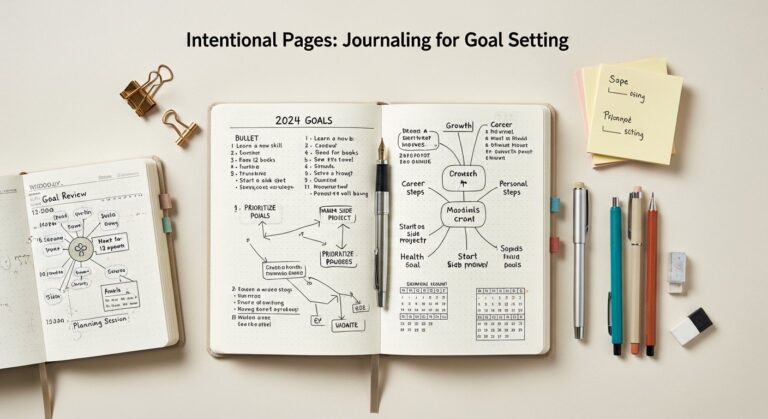
- Journaling Prompts: Dedicate time to explore questions like:
- What makes me feel truly alive and joyful?
- What angers or frustrates me? (Often, these reveal violated values.)
- What causes do I care deeply about?
- What qualities do I admire most in others?
- If I had unlimited time and resources, how would I spend my days?
- Value Exercises: Review lists of common values (e.g., creativity, community, security, adventure, learning, family, freedom, integrity). Circle those that resonate most strongly and then narrow them down to your top 3-5 core values. These will be your compass.
- Past Experiences Review: Reflect on moments in your life where you felt most fulfilled and most depleted. What were the underlying circumstances and principles at play during those times? This can illuminate your inherent values.
This initial self-discovery phase is not a one-time event; it’s an ongoing practice of checking in with yourself as you evolve.
Setting Clear Intentions and Goals
Once you understand your values, the next step is to translate them into clear intentions and actionable goals. Intentions are different from goals; an intention is the underlying quality or desired state of being you want to bring to an activity, while a goal is a specific, measurable outcome.
- Daily Intentions: Before starting your day, set an intention. “Today, I intend to approach my work with mindfulness and focus,” or “Today, I intend to practice patience with my children.” This sets the tone for your actions.
- Long-Term Intentions: For broader areas of life, set overarching intentions. “I intend to cultivate a home environment that feels peaceful and organized,” or “I intend to nurture my physical health with consistency.”
- SMART Goals: Complement your intentions with SMART (Specific, Measurable, Achievable, Relevant, Time-bound) goals. If your intention is to nurture physical health, a goal might be: “I will walk for 30 minutes, 5 times a week, for the next three months.”
The combination of intentions and goals provides both direction and a framework for measuring progress, ensuring your actions are purpose-driven.
Mindful Decision-Making: Everyday Choices
Intentional living isn’t just about big life choices; it’s about the multitude of small decisions you make every single day. Cultivating mindfulness in these moments is key.
- The Pause: Before reacting, speaking, or committing, take a brief pause. Ask yourself: “Does this align with my values? Is this contributing to the life I want to build? Is this serving my highest self?”
- Conscious Consumption: Apply intentionality to what you buy, what media you consume, and how you use technology. Does this purchase genuinely add value, or is it impulse? Is this social media scroll uplifting, or is it draining?
- Energy Management: Recognize what energizes you and what depletes you. Make conscious choices to engage more with the former and minimize exposure to the latter.
These micro-decisions, accumulated over time, create the macro-impact of an intentional life.
Creating Supportive Routines and Habits
Our lives are largely a product of our habits. Intentional living leverages this truth by helping you design routines and habits that automatically steer you towards your desired life.
- Morning Rituals: Design a morning routine that primes you for an intentional day – meditation, journaling, exercise, or a quiet cup of coffee.
- Evening Wind-Down: Create an evening routine that promotes restful sleep and reflection, preparing you for the next day.
- Habit Stacking: Link new desired habits to existing ones. For example, “After I brew my coffee, I will write in my gratitude journal for five minutes.”
- Environmental Design: Modify your physical environment to support your intentional choices. Declutter your workspace for focus, or put your running shoes by the door to encourage exercise.
Routines provide structure and reduce decision fatigue, freeing up mental energy for truly deliberate choices.
Decluttering Your Life: Physical, Mental, Digital
Intentional living thrives in space – physical, mental, and digital. Decluttering is a powerful act of intentionality, making room for what truly matters.
- Physical Decluttering: Go beyond merely tidying. Apply the “does this add value?” or “does this spark joy?” test to your possessions. Donate, sell, or discard items that no longer serve you, creating a more peaceful and functional living space.
- Mental Decluttering: Practice mindfulness and meditation to quiet the incessant mental chatter. Identify and challenge limiting beliefs or negative thought patterns. Use tools like brain dumps to clear your mind.
- Digital Decluttering: Curate your online experience. Unfollow accounts that don’t inspire you, unsubscribe from unnecessary emails, limit social media time, and organize your digital files. Your digital environment profoundly impacts your mental state.
Each act of decluttering is an act of intentional choice, clearing the path for greater clarity and purpose. For a deeper dive into simplifying your surroundings, refer to our article on mindful decluttering for a calm home.
Intentional Living in Action: Key Pillars and Areas of Focus

Intentional living is not confined to one aspect of your life; it’s a holistic philosophy that can be applied to every domain. By consciously bringing intention to key areas, women can experience profound transformation and create a life that feels genuinely integrated and purposeful.
Intentional Relationships: Nurturing Connections
Relationships are the bedrock of a fulfilling life. Applying intentionality means moving beyond passive interactions to actively cultivate meaningful connections.
- Quality over Quantity: Deliberately choose to invest your time and energy in a smaller circle of genuinely supportive and enriching relationships, rather than spreading yourself thin across many superficial acquaintances.
- Active Listening: When interacting with loved ones, practice true presence. Put away distractions, maintain eye contact, and listen not just to respond, but to understand.
- Expressing Appreciation: Make it an intentional practice to regularly express gratitude and appreciation to those you care about. A sincere compliment or thank you can deepen bonds.
- Setting Boundaries: Understand your limits and communicate them clearly and respectfully. This protects your energy and ensures relationships are built on mutual respect. It’s an act of self-care and relationship care.
- Conflict Resolution: Approach disagreements with an intention to understand, find solutions, and strengthen the relationship, rather than seeking to win or assign blame.
Intentional Finances: Purposeful Spending and Saving
Money is a tool, and intentional living helps you wield it with purpose, aligning your financial decisions with your values and long-term goals.
- Value-Based Budgeting: Instead of simply tracking expenses, categorize your spending based on what truly matters to you. Are you spending on experiences, personal development, or contributions to causes you believe in? Or are your finances inadvertently supporting habits that don’t align with your values?
- Conscious Consumption: Before making a purchase, pause and ask: “Do I truly need this? Does this add value to my life? Is it aligned with my long-term financial goals and my values (e.g., sustainability, ethical production)?”
- Saving and Investing with Purpose: Set clear financial goals – whether it’s for retirement, a down payment, education, or a passion project – and intentionally automate savings and investments towards these goals. Each dollar saved is an intentional step towards your desired future.
- Debt Management: Approach debt reduction with a clear strategy and intention, understanding how it impacts your financial freedom and ability to live intentionally.
Intentional Career & Work: Finding Meaning in Labor
For many women, work occupies a significant portion of their lives. Bringing intentionality to your career can transform it from a source of stress to a wellspring of fulfillment.
- Aligning Work with Values: Seek roles or projects that resonate with your core values and purpose. If your current role doesn’t, explore how you can infuse more meaning into your daily tasks or strategically plan for a transition.
- Purposeful Productivity: Instead of just “being busy,” intentionally focus on tasks that contribute most to your goals and the impact you want to make. Use time-blocking and prioritize deeply.
- Continuous Learning and Growth: Intentionally seek opportunities for professional development that align with your long-term aspirations and intellectual curiosity.
- Work-Life Integration (Not Balance): Instead of rigidly separating work and life, intentionally integrate them in a way that allows both to flourish, setting clear boundaries when needed but also finding synergies.
- Networking with Intention: Cultivate professional relationships that are mutually beneficial and aligned with your career growth, rather than simply collecting contacts.
Intentional Health & Well-being: Mind, Body, Spirit
Your well-being is the foundation upon which all other intentional pursuits rest. Nurturing your physical, mental, and spiritual health is paramount.
- Mindful Eating: Pay attention to what you eat, how it makes you feel, and why you’re eating. Make intentional choices about nourishing your body with whole foods, rather than mindlessly consuming.
- Deliberate Movement: Choose physical activities you genuinely enjoy and that support your body’s needs, rather than feeling obligated to follow fleeting fitness trends. Integrate movement intentionally into your day.
- Rest and Recovery: Prioritize sleep and conscious rest. Recognize that rest is not a luxury but a fundamental component of intentional living and peak performance. Schedule downtime.
- Mental Hygiene: Engage in practices that support your mental health – meditation, journaling, therapy, spending time in nature, or engaging in hobbies that provide flow.
- Spiritual Connection: Whether through organized religion, nature connection, mindfulness, or personal reflection, intentionally nurture your spiritual side to foster inner peace and a sense of belonging.
Intentional Consumption: Conscious Choices
In a consumer-driven society, intentional consumption is a powerful act of defiance and alignment.
- Minimalism as a Tool: Embrace minimalism not as an aesthetic, but as a practical tool to reduce clutter, reduce mental load, and free up resources for what truly matters. Ask: “Do I own this, or does it own me?”
- Sustainable Choices: Intentionally choose products and services that align with your environmental and ethical values. Support businesses that prioritize sustainability, fair trade, and responsible practices.
- Experience Over Possessions: Prioritize investing in experiences (travel, learning, events) that create lasting memories and personal growth, rather than accumulating material possessions.
- “Buy Once, Buy Well”: Choose quality over quantity, investing in durable, timeless items that will last, reducing the need for constant replacement.
Intentional consumption liberates you from the endless cycle of desiring more and allows you to derive greater satisfaction from less.
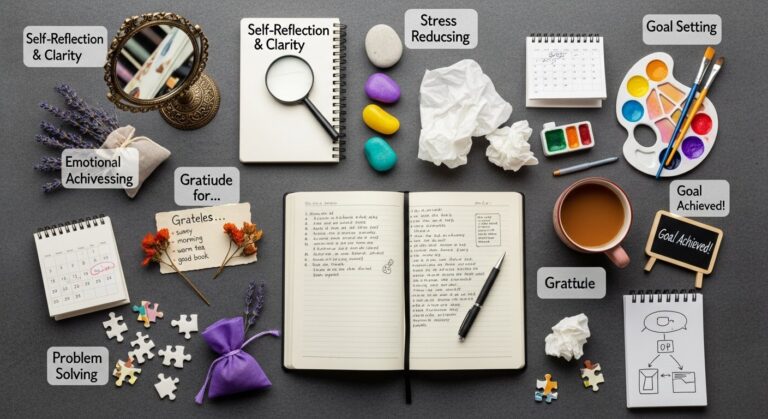
[INLINE IMAGE 2: place after fourth H2 | alt=”what is intentional living comparison illustration”]
Comparison: Intentional Living vs. Default Living
To further illustrate the impact of embracing an intentional lifestyle, let’s compare some key characteristics of intentional living versus what we might call “default living” – a life lived largely on autopilot.
| Aspect of Life | Intentional Living | Default Living (On Autopilot) |
|---|---|---|
| Decision-Making | Conscious, value-aligned, proactive, reflective. | Reactive, habitual, influenced by external pressures, impulsive. |
| Time Management | Prioritized, protected, spent on meaningful activities, scheduled purposefully. | Fragmented, often feels rushed or wasted, dictated by urgent demands. |
| Relationships | Deep, authentic, boundary-rich, nurtured with presence. | Superficial, often driven by obligation, prone to resentment. |
| Finances | Purpose-driven spending, strategic saving, aligned with long-term goals. | Impulse buying, debt accumulation, anxiety around money. |
| Well-being | Proactive self-care (physical, mental, spiritual), conscious rest. | Neglected, reactive to illness/stress, driven by external pressures. |
| Sense of Self | Clear purpose, authentic, empowered, peaceful. | Confused, overwhelmed, reactive, unfulfilled. |
| Approach to Challenges | Reflective problem-solving, growth-oriented, resilient. | Overwhelmed, avoidance, feels like a victim of circumstance. |
Navigating the Challenges: Overcoming Obstacles to Intentionality
While the allure of intentional living is strong, the path to a truly deliberate life is not without its hurdles. For women, these challenges can be particularly nuanced, stemming from deeply ingrained habits, societal expectations, and the sheer volume of responsibilities often shouldered. Recognizing and addressing these obstacles is a vital part of the intentional journey.
The Myth of Perfection: Embracing Progress, Not Perfection
One of the most significant stumbling blocks for women embarking on intentional living is the pressure to do it “perfectly.” Social media often showcases idealized versions of slow, minimalist, or perfectly curated lives, leading to a sense of inadequacy if one’s own journey isn’t instantly flawless.
- Release the “All or Nothing” Mentality: Intentional living is a practice, not a destination. There will be days when you fall back into old habits, make mindless choices, or feel overwhelmed. This is normal. The intention is to notice, learn, and gently redirect yourself.
- Celebrate Small Wins: Focus on the progress, no matter how small. Did you take five minutes to journal today? Did you say no to an obligation that didn’t serve you? Acknowledge these deliberate actions.
- Practice Self-Compassion: Be kind to yourself. Treat your intentional living journey with the same patience and understanding you would offer a dear friend. Perfectionism is often a barrier to beginning and sustaining any meaningful change.
Battling Societal Pressures and Expectations
Women are often bombarded with conflicting societal messages: be a devoted mother, a successful career woman, a supportive partner, a perfectly put-together individual, and always gracious. These external pressures can make it incredibly difficult to carve out a path that is genuinely self-directed.
- Identify the Sources of Pressure: Recognize where these expectations are coming from – media, family, friends, workplace culture. Understanding the source helps to depersonalize the pressure.
- Cultivate Inner Authority: Strengthen your internal compass. Regularly return to your core values and ask: “Does this expectation align with my values? Or is it someone else’s agenda?”
- Practice Gentle Resistance: You don’t always have to overtly rebel. Sometimes, gentle, consistent choices that defy expectations (e.g., choosing a slower pace, prioritizing personal time) are the most powerful forms of resistance.
- Find Your Tribe: Connect with other women who are also pursuing intentional living. A supportive community can validate your choices and provide encouragement when societal norms feel overwhelming.
Managing Time and Energy Effectively
A common lament for many women is the feeling of having insufficient time and energy to dedicate to anything beyond the immediate demands of life. Intentional living requires a deliberate allocation of these precious resources, which can be challenging when there are competing priorities.
- Auditing Your Time and Energy: For a week or two, track exactly how you spend your time and where your energy goes. This awareness is crucial for identifying leaks and misalignments.
- Strategic Prioritization: Learn to distinguish between urgent and important tasks. Focus on the important tasks that align with your intentional goals, even if they aren’t screaming for immediate attention. The Eisenhower Matrix can be a helpful tool here.
- Batching and Automation: Group similar tasks together (e.g., respond to emails all at once). Automate what you can (e.g., bill payments, meal planning basics) to free up mental space.
- Scheduling Downtime: Intentionally schedule blocks of free time, rest, and self-care into your calendar. Treat these appointments with yourself as non-negotiable. For more insights on this, read our article on mastering mindful time management.
Overcoming Fear of Missing Out (FOMO)
In an age of constant connectivity and curated social media feeds, FOMO is a powerful force, especially for women who often feel pressure to be involved in everything. The intentional choice to opt out, simplify, or slow down can trigger feelings of anxiety about missing opportunities or social events.
- Shift Your Perspective: Reframe FOMO as JOMO (Joy of Missing Out). When you choose to protect your time and energy, you’re not missing out on something external; you’re gaining something internally – peace, focus, self-alignment.
- Curate Your Inputs: Be intentional about what you consume. Unfollow social media accounts that trigger FOMO. Limit news intake. Focus on content that inspires and informs, rather than creates comparison or anxiety.
- Focus on What You’re Gaining: When you say “no” to one thing, you’re saying “yes” to another – perhaps to rest, to a passion project, to quality time with family, or to simply being present in your own home.
- Remind Yourself of Your Values: When FOMO creeps in, return to your core values. Is attending that event truly aligned with what matters most to you right now, or is it a distraction?
Overcoming these challenges requires persistence, self-awareness, and a deep commitment to your chosen path. Each obstacle overcome strengthens your resolve and reinforces the power of your intentional choices.
Intentional Living and the Slow Lifestyle Movement

In an increasingly fast-paced and hyper-connected world, the “slow lifestyle” movement has gained significant traction, offering a counter-narrative to the glorification of busyness. For women seeking to embrace intentional living, these two philosophies are not just compatible; they are deeply intertwined and mutually reinforcing. Understanding their synergy can unlock a more peaceful, present, and purposeful existence.
Synergies: Why They Go Hand-in-Hand
The slow lifestyle is not about doing everything at a snail’s pace, but rather about being deliberate and mindful in all aspects of life. This echoes the core tenets of intentional living:
- Conscious Consumption: Both philosophies advocate for thoughtful purchasing, valuing quality over quantity, and considering the impact of our choices – whether it’s slow fashion, slow food, or slow travel. This reduces clutter and mental overwhelm, making space for intentional living.
- Prioritizing Quality Over Speed: Instead of rushing through tasks or experiences, the slow movement encourages savoring moments, giving full attention to what you’re doing. This presence is a direct outcome of intentional decision-making about how to allocate your time and focus.
- Reclaiming Time and Attention: Both intentional living and the slow lifestyle challenge the notion that “busyness” equals “worth.” They champion the intentional creation of space – for reflection, rest, creativity, and connection – which is crucial for living a deliberate life.
- Values Alignment: At their core, both movements encourage deep self-reflection to identify what truly matters. For the slow movement, this often translates to valuing connection, craft, nature, and community. For intentional living, these become the very values around which one designs their life.
- Anti-Overwhelm: A key driver for both is a desire to mitigate the pervasive sense of overwhelm and burnout in modern society. By intentionally slowing down and simplifying, we reduce the inputs that contribute to stress and mental fatigue.
Essentially, intentional living provides the “why” and the “how” – the deliberate decision-making framework – while the slow lifestyle often provides the specific areas and practices (slow food, slow parenting, slow work) where that intentionality can be most effectively applied to create a more humane and satisfying pace of life.
Embracing Slowness as a Deliberate Choice
Choosing to slow down in a world that pushes for speed is an inherently intentional act. It requires courage and conviction to swim against the current. For women, who often feel the societal pressure to juggle multiple roles at breakneck speed, embracing slowness is a powerful statement of self-worth and autonomy.
- The Power of the Pause: Slowness encourages us to pause before reacting, before consuming, before committing. This pause is the moment where intentionality can enter.
- Mindful Engagement: When you choose to do something slowly – whether it’s enjoying a meal, having a conversation, or working on a project – you engage with it more deeply. This mindful engagement amplifies satisfaction and reduces errors.
- Resisting the Cult of Productivity: The slow lifestyle directly challenges the relentless pursuit of maximum output. It asks us to consider what truly productive means in terms of well-being and meaningful contribution, rather than just quantity of tasks completed.
- Creating Margin: Slowness creates “margin” in your life – empty space in your schedule, mental quiet, and physical room. This margin is where creativity flourishes, insights emerge, and true rest occurs, all of which are vital for sustained intentional living.
Finding Joy in the Present Moment
Perhaps one of the most beautiful outcomes of integrating intentional living with a slow lifestyle is the enhanced ability to find joy in the present moment. When you are not constantly rushing to the next thing, when your choices are aligned with your values, and when you’ve created space in your life, you are more attuned to the simple pleasures that often pass unnoticed.
- Savoring Experiences: The slow lifestyle teaches you to savor your morning coffee, a walk in nature, a conversation with a friend, or the process of preparing a meal. Each becomes an intentional act, rich with sensory detail and gratitude.
- Appreciating the Ordinary: Intentional slowness helps you find beauty and meaning in the mundane. A quiet evening at home, the simple act of folding laundry, or listening to the rain can become moments of profound peace and contentment.
- Reducing Anxiety About the Future: While intentional living involves planning for the future, the slow approach helps ground you in the now. By focusing on purposeful action in the present, you reduce anxiety about what’s next, trusting that your deliberate choices are building the future you desire.
For women, embracing the slow lifestyle is a radical act of self-care and empowerment. It’s an invitation to step off the hamster wheel, breathe deeply, and consciously design a life that is rich in meaning, connection, and authentic joy, all guided by the principles of intentional living.
Mindset Shifts for a More Intentional Existence
Intentional living is not just a set of practices; it’s fundamentally a way of seeing the world and your place within it. It requires significant mindset shifts – a reorientation of your inner landscape – that empower you to embrace deliberate choices and personal growth. For women, these internal transformations are often the most profound, allowing them to break free from limiting beliefs and societal conditioning.
From Scarcity to Abundance Mentality
Many women operate from a subconscious scarcity mindset: not enough time, not enough money, not enough energy, not enough love, not enough good opportunities to go around. This mindset fuels anxiety, competition, and a feeling of constant lack. An intentional life requires a shift towards abundance.
- Recognize Limiting Beliefs: Become aware of thoughts like “I can’t afford that,” “There’s no time for me,” or “I’m not good enough.” Challenge these beliefs.
- Focus on What You Have: Practice gratitude for your current resources – time, skills, relationships,
What is Intentional Living? A Comprehensive Guide for Women Seeking Purpose and Clarity
By thecontextuallife Editorial Team — Senior editors with 10+ years of subject-matter experience.
Published 2026-05-26 · Last Updated 2026-05-26Affiliate disclosure: This article may contain affiliate links. Recommendations are independent and editorially driven.
In a world that constantly demands our attention, pulls us in a million directions, and often dictates our pace, the concept of intentional living emerges as a beacon for many women. It’s more than just a trending phrase; it’s a profound philosophy and a powerful practice for reclaiming agency over your life, aligning your daily actions with your deepest values, and cultivating a sense of purpose that permeates every aspect of your existence. For the women navigating the complexities of modern life – balancing careers, families, personal aspirations, and societal expectations – understanding what intentional living truly means can be the first step toward a more fulfilling, peaceful, and authentic journey.
At its heart, intentional living is about making conscious choices rather than drifting through life on autopilot. It’s about being deliberate with your time, energy, and resources, ensuring they are invested in what truly matters to you. This guide from thecontextuallife delves deep into the essence of intentional living, exploring its foundational principles, myriad benefits, and practical strategies specifically tailored for women ready to embrace a life of greater meaning and less overwhelm. We’ll unpack how this transformative approach can revolutionize your relationships, finances, career, and personal well-being, paving the way for profound personal growth and a more joyful, slow lifestyle.
Unpacking the Essence: Defining What Intentional Living Truly Means
The term “intentional living” resonates deeply because it speaks to a universal yearning: the desire to live a life that feels authentic, purposeful, and truly *ours*. But what does this concept truly encapsulate? Is it about grand gestures, or is it woven into the fabric of everyday moments?
Beyond Buzzwords: A Practical Definition
At its core, intentional living is the practice of living in alignment with your values and purpose, making deliberate choices about how you spend your time, energy, and resources. It’s about moving from a reactive stance to a proactive one, where you are the architect of your life, not just a passenger. Instead of letting external circumstances, societal pressures, or ingrained habits dictate your path, you actively choose what to prioritize, what to engage with, and what to let go of.
- Conscious Choice: Every decision, from how you start your morning to how you manage your finances, is a deliberate choice.
- Values Alignment: Your actions and decisions are consistently checked against your core values.
- Purpose-Driven: You have a clear sense of what matters most to you, and your life reflects that purpose.
- Mindful Engagement: You are present and aware in your experiences, rather than operating on autopilot.
The Core Principles: Awareness, Choice, Action
Intentional living isn’t a vague ideal; it’s built upon concrete principles that, when practiced consistently, create a powerful ripple effect throughout your life:
- Awareness: This is the starting point. It involves deep self-reflection to understand who you are, what you value, what brings you joy, and what drains your energy. It’s about recognizing your patterns, both helpful and unhelpful, and becoming conscious of your default settings. Without awareness, change is difficult, if not impossible.
- Choice: Once aware, you gain the power to choose. Instead of reacting instinctively or habitually, you pause and deliberately decide how to respond. This might involve choosing to say “no” to an obligation that doesn’t align with your priorities, choosing to invest time in a passion project, or choosing to respond with patience instead of anger. This freedom of choice is the cornerstone of personal agency.
- Action: Awareness and choice are powerful, but they are incomplete without action. Intentional living requires you to translate your deliberate choices into tangible behaviors and habits. It’s about consistently showing up for the life you want to build, even when it’s challenging. Action reinforces your choices and builds momentum, solidifying your intentional path.
[INLINE IMAGE 1: place after second H2 | alt=”what is intentional living concept illustration”]
Intentionality vs. Mindlessness: A Key Distinction
Perhaps the easiest way to grasp intentional living is to contrast it with its opposite: mindlessness or living on autopilot. Many of us, through no fault of our own, spend significant portions of our lives in a state of mindlessness. This isn’t laziness; it’s often a coping mechanism for overwhelm, a result of ingrained habits, or a consequence of a culture that values busyness over meaningful engagement.
- Mindless Living:
- Drifting from one activity to the next without clear purpose.
- Reacting to external stimuli and demands.
- Feeling overwhelmed, stressed, or unfulfilled despite a full schedule.
- Making choices based on convenience, habit, or external pressure.
- Spending time and energy on things that don’t truly matter.
- Intentional Living:
- Consciously choosing how to spend time, energy, and resources.
- Proactively shaping your life according to your values and goals.
- Experiencing a sense of purpose, peace, and fulfillment.
- Making decisions rooted in self-awareness and deliberate choice.
- Investing in what brings you joy, growth, and meaning.
The distinction is profound. One leads to a feeling of being carried along by the current; the other empowers you to steer your own ship, even against strong tides. This fundamental shift from mindlessness to intentionality is where the true transformative power of this lifestyle begins, especially for women who often find themselves shouldering many responsibilities and feeling pulled in countless directions without a clear sense of personal direction.
The Transformative Power: Why Intentional Living Matters for Women
For women, intentional living is not merely a lifestyle choice; it’s often a revolutionary act of self-reclamation. Societal expectations, cultural conditioning, and the relentless demands of modern life can subtly, yet powerfully, steer women away from their authentic selves. Intentional living provides the framework to navigate these pressures with grace and strength, fostering a life of deeper meaning and genuine satisfaction.
Reclaiming Agency and Personal Power
Many women grow up internalizing messages that prioritize the needs of others above their own. This often leads to a diminished sense of personal agency, where decisions are made based on what is expected, convenient, or agreeable to others. Intentional living directly challenges this paradigm. By consciously choosing your path, you reclaim your power to:
- Set Boundaries: Learning to say “no” to commitments that drain your energy or don’t align with your values, thereby protecting your time and well-being.
- Define Your Own Success: Moving away from externally defined metrics of success (e.g., perfect home, demanding career, always-available mother) to creating a personal definition that resonates with your inner desires.
- Make Authentic Choices: Ditching the “shoulds” and “oughts” to make decisions that genuinely serve your highest good and reflect your true aspirations.
This reclaiming of agency is profoundly empowering, allowing women to step into leadership roles in their own lives, directing their energy toward their personal vision rather than passively accepting what comes their way.
Cultivating Inner Peace and Reducing Overwhelm
The pace of modern life, characterized by constant connectivity, endless to-do lists, and the pressure to “have it all” and “do it all,” often leaves women feeling perpetually overwhelmed and anxious. Intentional living offers an antidote by encouraging a more deliberate, focused approach to life:
- Prioritization: By identifying what truly matters, you can strategically allocate your time and energy, reducing the mental clutter of too many competing demands.
- Mindful Engagement: When you choose to engage with something, you do so fully, rather than multitasking poorly or letting your mind wander to the next task. This creates a sense of presence and calm.
- Simplicity: Intentional living often leads to a desire for less – less clutter, fewer obligations, less noise – creating space for tranquility and mental clarity. This reduction in external stimuli directly translates to a decrease in internal overwhelm.
The result is a profound sense of inner peace, a calm amidst the chaos, derived from knowing that your actions are aligned and purposeful, rather than chaotic and reactive.
Aligning Life with Values and Purpose
One of the most profound benefits of intentional living is the ability to bridge the gap between who you are and how you live. Many women feel a disconnect between their deeply held values (e.g., creativity, family, community, health) and their day-to-day reality, which often feels dictated by external pressures or routine. Intentional living provides the tools to:
- Identify Core Values: Through self-reflection, you uncover the fundamental principles that guide your life and bring you meaning.
- Translate Values into Action: You then consciously design your life choices – from how you spend your weekends to your career path – to reflect these values. If creativity is a core value, you intentionally carve out time for artistic pursuits. If community is important, you actively seek opportunities to connect and contribute.
- Discover and Live Your Purpose: When your actions are consistently aligned with your values, a deeper sense of purpose emerges. Your life feels less like a series of disjointed tasks and more like a coherent narrative directed by your authentic self.
This alignment creates a profound sense of fulfillment, where every aspect of your life feels integrated and meaningful, rather than fragmented and arbitrary.
Fostering Authentic Relationships
Intentional living extends beyond individual pursuits to significantly impact our connections with others. For women, who often play central roles in nurturing relationships, this approach can transform dynamics from superficial to deeply meaningful:
- Presence Over Distraction: By intentionally choosing to be present when interacting with loved ones, you offer your full attention, fostering deeper understanding and connection. This means putting away the phone during family dinners or truly listening during conversations.
- Boundary Setting: Healthy relationships thrive on clear boundaries. Intentional living empowers you to communicate your needs and limits, preventing burnout and resentment, and ultimately leading to more respectful and sustainable connections.
- Nurturing Meaningful Connections: You consciously decide which relationships to invest your time and energy into, prioritizing those that are reciprocal, supportive, and uplifting, rather than spreading yourself thin across many superficial ties.
- Authentic Communication: Intentionality encourages honest, vulnerable communication, fostering trust and intimacy by expressing your true thoughts and feelings rather than what you think others want to hear.
By applying intentionality to your relationships, you move beyond obligation and expectation, building a network of authentic, supportive connections that enrich your life and the lives of those around you. For further reading on cultivating supportive relationships, explore building healthy relationships in a busy world.
Decoding the “How”: Practical Frameworks for an Intentional Life
Understanding the “what” and “why” of intentional living is crucial, but the real transformation happens in the “how.” It’s about translating these powerful concepts into actionable steps that become integrated into your daily life. This isn’t a one-size-fits-all prescription; rather, it’s a framework that you can adapt to your unique circumstances and aspirations as a woman seeking growth and purpose.
Self-Reflection and Value Identification
The bedrock of intentional living is a deep understanding of yourself. Without knowing what truly matters to you, your intentions will lack solid grounding. This phase requires introspection and honesty.
- Journaling Prompts: Dedicate time to explore questions like:
- What makes me feel truly alive and joyful?
- What angers or frustrates me? (Often, these reveal violated values.)
- What causes do I care deeply about?
- What qualities do I admire most in others?
- If I had unlimited time and resources, how would I spend my days?
- Value Exercises: Review lists of common values (e.g., creativity, community, security, adventure, learning, family, freedom, integrity). Circle those that resonate most strongly and then narrow them down to your top 3-5 core values. These will be your compass.
- Past Experiences Review: Reflect on moments in your life where you felt most fulfilled and most depleted. What were the underlying circumstances and principles at play during those times? This can illuminate your inherent values.
This initial self-discovery phase is not a one-time event; it’s an ongoing practice of checking in with yourself as you evolve.
Setting Clear Intentions and Goals
Once you understand your values, the next step is to translate them into clear intentions and actionable goals. Intentions are different from goals; an intention is the underlying quality or desired state of being you want to bring to an activity, while a goal is a specific, measurable outcome.
- Daily Intentions: Before starting your day, set an intention. “Today, I intend to approach my work with mindfulness and focus,” or “Today, I intend to practice patience with my children.” This sets the tone for your actions.
- Long-Term Intentions: For broader areas of life, set overarching intentions. “I intend to cultivate a home environment that feels peaceful and organized,” or “I intend to nurture my physical health with consistency.”
- SMART Goals: Complement your intentions with SMART (Specific, Measurable, Achievable, Relevant, Time-bound) goals. If your intention is to nurture physical health, a goal might be: “I will walk for 30 minutes, 5 times a week, for the next three months.”
The combination of intentions and goals provides both direction and a framework for measuring progress, ensuring your actions are purpose-driven.
Mindful Decision-Making: Everyday Choices
Intentional living isn’t just about big life choices; it’s about the multitude of small decisions you make every single day. Cultivating mindfulness in these moments is key.
- The Pause: Before reacting, speaking, or committing, take a brief pause. Ask yourself: “Does this align with my values? Is this contributing to the life I want to build? Is this serving my highest self?”
- Conscious Consumption: Apply intentionality to what you buy, what media you consume, and how you use technology. Does this purchase genuinely add value, or is it impulse? Is this social media scroll uplifting, or is it draining?
- Energy Management: Recognize what energizes you and what depletes you. Make conscious choices to engage more with the former and minimize exposure to the latter.
These micro-decisions, accumulated over time, create the macro-impact of an intentional life.
Creating Supportive Routines and Habits
Our lives are largely a product of our habits. Intentional living leverages this truth by helping you design routines and habits that automatically steer you towards your desired life.
- Morning Rituals: Design a morning routine that primes you for an intentional day – meditation, journaling, exercise, or a quiet cup of coffee.
- Evening Wind-Down: Create an evening routine that promotes restful sleep and reflection, preparing you for the next day.
- Habit Stacking: Link new desired habits to existing ones. For example, “After I brew my coffee, I will write in my gratitude journal for five minutes.”
- Environmental Design: Modify your physical environment to support your intentional choices. Declutter your workspace for focus, or put your running shoes by the door to encourage exercise.
Routines provide structure and reduce decision fatigue, freeing up mental energy for truly deliberate choices.
Decluttering Your Life: Physical, Mental, Digital
Intentional living thrives in space – physical, mental, and digital. Decluttering is a powerful act of intentionality, making room for what truly matters.
- Physical Decluttering: Go beyond merely tidying. Apply the “does this add value?” or “does this spark joy?” test to your possessions. Donate, sell, or discard items that no longer serve you, creating a more peaceful and functional living space.
- Mental Decluttering: Practice mindfulness and meditation to quiet the incessant mental chatter. Identify and challenge limiting beliefs or negative thought patterns. Use tools like brain dumps to clear your mind.
- Digital Decluttering: Curate your online experience. Unfollow accounts that don’t inspire you, unsubscribe from unnecessary emails, limit social media time, and organize your digital files. Your digital environment profoundly impacts your mental state.
Each act of decluttering is an act of intentional choice, clearing the path for greater clarity and purpose. For a deeper dive into simplifying your surroundings, refer to our article on mindful decluttering for a calm home.
Intentional Living in Action: Key Pillars and Areas of Focus
Intentional living is not confined to one aspect of your life; it’s a holistic philosophy that can be applied to every domain. By consciously bringing intention to key areas, women can experience profound transformation and create a life that feels genuinely integrated and purposeful.
Intentional Relationships: Nurturing Connections
Relationships are the bedrock of a fulfilling life. Applying intentionality means moving beyond passive interactions to actively cultivate meaningful connections.
- Quality over Quantity: Deliberately choose to invest your time and energy in a smaller circle of genuinely supportive and enriching relationships, rather than spreading yourself thin across many superficial acquaintances.
- Active Listening: When interacting with loved ones, practice true presence. Put away distractions, maintain eye contact, and listen not just to respond, but to understand.
- Expressing Appreciation: Make it an intentional practice to regularly express gratitude and appreciation to those you care about. A sincere compliment or thank you can deepen bonds.
- Setting Boundaries: Understand your limits and communicate them clearly and respectfully. This protects your energy and ensures relationships are built on mutual respect. It’s an act of self-care and relationship care.
- Conflict Resolution: Approach disagreements with an intention to understand, find solutions, and strengthen the relationship, rather than seeking to win or assign blame.
Intentional Finances: Purposeful Spending and Saving
Money is a tool, and intentional living helps you wield it with purpose, aligning your financial decisions with your values and long-term goals.
- Value-Based Budgeting: Instead of simply tracking expenses, categorize your spending based on what truly matters to you. Are you spending on experiences, personal development, or contributions to causes you believe in? Or are your finances inadvertently supporting habits that don’t align with your values?
- Conscious Consumption: Before making a purchase, pause and ask: “Do I truly need this? Does this add value to my life? Is it aligned with my long-term financial goals and my values (e.g., sustainability, ethical production)?”
- Saving and Investing with Purpose: Set clear financial goals – whether it’s for retirement, a down payment, education, or a passion project – and intentionally automate savings and investments towards these goals. Each dollar saved is an intentional step towards your desired future.
- Debt Management: Approach debt reduction with a clear strategy and intention, understanding how it impacts your financial freedom and ability to live intentionally.
Intentional Career & Work: Finding Meaning in Labor
For many women, work occupies a significant portion of their lives. Bringing intentionality to your career can transform it from a source of stress to a wellspring of fulfillment.
- Aligning Work with Values: Seek roles or projects that resonate with your core values and purpose. If your current role doesn’t, explore how you can infuse more meaning into your daily tasks or strategically plan for a transition.
- Purposeful Productivity: Instead of just “being busy,” intentionally focus on tasks that contribute most to your goals and the impact you want to make. Use time-blocking and prioritize deeply.
- Continuous Learning and Growth: Intentionally seek opportunities for professional development that align with your long-term aspirations and intellectual curiosity.
- Work-Life Integration (Not Balance): Instead of rigidly separating work and life, intentionally integrate them in a way that allows both to flourish, setting clear boundaries when needed but also finding synergies.
- Networking with Intention: Cultivate professional relationships that are mutually beneficial and aligned with your career growth, rather than simply collecting contacts.
Intentional Health & Well-being: Mind, Body, Spirit
Your well-being is the foundation upon which all other intentional pursuits rest. Nurturing your physical, mental, and spiritual health is paramount.
- Mindful Eating: Pay attention to what you eat, how it makes you feel, and why you’re eating. Make intentional choices about nourishing your body with whole foods, rather than mindlessly consuming.
- Deliberate Movement: Choose physical activities you genuinely enjoy and that support your body’s needs, rather than feeling obligated to follow fleeting fitness trends. Integrate movement intentionally into your day.
- Rest and Recovery: Prioritize sleep and conscious rest. Recognize that rest is not a luxury but a fundamental component of intentional living and peak performance. Schedule downtime.
- Mental Hygiene: Engage in practices that support your mental health – meditation, journaling, therapy, spending time in nature, or engaging in hobbies that provide flow.
- Spiritual Connection: Whether through organized religion, nature connection, mindfulness, or personal reflection, intentionally nurture your spiritual side to foster inner peace and a sense of belonging.
Intentional Consumption: Conscious Choices
In a consumer-driven society, intentional consumption is a powerful act of defiance and alignment.
- Minimalism as a Tool: Embrace minimalism not as an aesthetic, but as a practical tool to reduce clutter, reduce mental load, and free up resources for what truly matters. Ask: “Do I own this, or does it own me?”
- Sustainable Choices: Intentionally choose products and services that align with your environmental and ethical values. Support businesses that prioritize sustainability, fair trade, and responsible practices.
- Experience Over Possessions: Prioritize investing in experiences (travel, learning, events) that create lasting memories and personal growth, rather than accumulating material possessions.
- “Buy Once, Buy Well”: Choose quality over quantity, investing in durable, timeless items that will last, reducing the need for constant replacement.
Intentional consumption liberates you from the endless cycle of desiring more and allows you to derive greater satisfaction from less.
[INLINE IMAGE 2: place after fourth H2 | alt=”what is intentional living comparison illustration”]
Comparison: Intentional Living vs. Default Living
To further illustrate the impact of embracing an intentional lifestyle, let’s compare some key characteristics of intentional living versus what we might call “default living” – a life lived largely on autopilot.
Aspect of Life Intentional Living Default Living (On Autopilot) Decision-Making Conscious, value-aligned, proactive, reflective. Reactive, habitual, influenced by external pressures, impulsive. Time Management Prioritized, protected, spent on meaningful activities, scheduled purposefully. Fragmented, often feels rushed or wasted, dictated by urgent demands. Relationships Deep, authentic, boundary-rich, nurtured with presence. Superficial, often driven by obligation, prone to resentment. Finances Purpose-driven spending, strategic saving, aligned with long-term goals. Impulse buying, debt accumulation, anxiety around money. Well-being Proactive self-care (physical, mental, spiritual), conscious rest. Neglected, reactive to illness/stress, driven by external pressures. Sense of Self Clear purpose, authentic, empowered, peaceful. Confused, overwhelmed, reactive, unfulfilled. Approach to Challenges Reflective problem-solving, growth-oriented, resilient. Overwhelmed, avoidance, feels like a victim of circumstance. Navigating the Challenges: Overcoming Obstacles to Intentionality
While the allure of intentional living is strong, the path to a truly deliberate life is not without its hurdles. For women, these challenges can be particularly nuanced, stemming from deeply ingrained habits, societal expectations, and the sheer volume of responsibilities often shouldered. Recognizing and addressing these obstacles is a vital part of the intentional journey.
The Myth of Perfection: Embracing Progress, Not Perfection
One of the most significant stumbling blocks for women embarking on intentional living is the pressure to do it “perfectly.” Social media often showcases idealized versions of slow, minimalist, or perfectly curated lives, leading to a sense of inadequacy if one’s own journey isn’t instantly flawless.
- Release the “All or Nothing” Mentality: Intentional living is a practice, not a destination. There will be days when you fall back into old habits, make mindless choices, or feel overwhelmed. This is normal. The intention is to notice, learn, and gently redirect yourself.
- Celebrate Small Wins: Focus on the progress, no matter how small. Did you take five minutes to journal today? Did you say no to an obligation that didn’t serve you? Acknowledge these deliberate actions.
- Practice Self-Compassion: Be kind to yourself. Treat your intentional living journey with the same patience and understanding you would offer a dear friend. Perfectionism is often a barrier to beginning and sustaining any meaningful change.
Battling Societal Pressures and Expectations
Women are often bombarded with conflicting societal messages: be a devoted mother, a successful career woman, a supportive partner, a perfectly put-together individual, and always gracious. These external pressures can make it incredibly difficult to carve out a path that is genuinely self-directed.
- Identify the Sources of Pressure: Recognize where these expectations are coming from – media, family, friends, workplace culture. Understanding the source helps to depersonalize the pressure.
- Cultivate Inner Authority: Strengthen your internal compass. Regularly return to your core values and ask: “Does this expectation align with my values? Or is it someone else’s agenda?”
- Practice Gentle Resistance: You don’t always have to overtly rebel. Sometimes, gentle, consistent choices that defy expectations (e.g., choosing a slower pace, prioritizing personal time) are the most powerful forms of resistance.
- Find Your Tribe: Connect with other women who are also pursuing intentional living. A supportive community can validate your choices and provide encouragement when societal norms feel overwhelming.
Managing Time and Energy Effectively
A common lament for many women is the feeling of having insufficient time and energy to dedicate to anything beyond the immediate demands of life. Intentional living requires a deliberate allocation of these precious resources, which can be challenging when there are competing priorities.
- Auditing Your Time and Energy: For a week or two, track exactly how you spend your time and where your energy goes. This awareness is crucial for identifying leaks and misalignments.
- Strategic Prioritization: Learn to distinguish between urgent and important tasks. Focus on the important tasks that align with your intentional goals, even if they aren’t screaming for immediate attention. The Eisenhower Matrix can be a helpful tool here.
- Batching and Automation: Group similar tasks together (e.g., respond to emails all at once). Automate what you can (e.g., bill payments, meal planning basics) to free up mental space.
- Scheduling Downtime: Intentionally schedule blocks of free time, rest, and self-care into your calendar. Treat these appointments with yourself as non-negotiable. For more insights on this, read our article on mastering mindful time management.
Overcoming Fear of Missing Out (FOMO)
In an age of constant connectivity and curated social media feeds, FOMO is a powerful force, especially for women who often feel pressure to be involved in everything. The intentional choice to opt out, simplify, or slow down can trigger feelings of anxiety about missing opportunities or social events.
- Shift Your Perspective: Reframe FOMO as JOMO (Joy of Missing Out). When you choose to protect your time and energy, you’re not missing out on something external; you’re gaining something internally – peace, focus, self-alignment.
- Curate Your Inputs: Be intentional about what you consume. Unfollow social media accounts that trigger FOMO. Limit news intake. Focus on content that inspires and informs, rather than creates comparison or anxiety.
- Focus on What You’re Gaining: When you say “no” to one thing, you’re saying “yes” to another – perhaps to rest, to a passion project, to quality time with family, or to simply being present in your own home.
- Remind Yourself of Your Values: When FOMO creeps in, return to your core values. Is attending that event truly aligned with what matters most to you right now, or is it a distraction?
Overcoming these challenges requires persistence, self-awareness, and a deep commitment to your chosen path. Each obstacle overcome strengthens your resolve and reinforces the power of your intentional choices.
Intentional Living and the Slow Lifestyle Movement
In an increasingly fast-paced and hyper-connected world, the “slow lifestyle” movement has gained significant traction, offering a counter-narrative to the glorification of busyness. For women seeking to embrace intentional living, these two philosophies are not just compatible; they are deeply intertwined and mutually reinforcing. Understanding their synergy can unlock a more peaceful, present, and purposeful existence.
Synergies: Why They Go Hand-in-Hand
The slow lifestyle is not about doing everything at a snail’s pace, but rather about being deliberate and mindful in all aspects of life. This echoes the core tenets of intentional living:
- Conscious Consumption: Both philosophies advocate for thoughtful purchasing, valuing quality over quantity, and considering the impact of our choices – whether it’s slow fashion, slow food, or slow travel. This reduces clutter and mental overwhelm, making space for intentional living.
- Prioritizing Quality Over Speed: Instead of rushing through tasks or experiences, the slow movement encourages savoring moments, giving full attention to what you’re doing. This presence is a direct outcome of intentional decision-making about how to allocate your time and focus.
- Reclaiming Time and Attention: Both intentional living and the slow lifestyle challenge the notion that “busyness” equals “worth.” They champion the intentional creation of space – for reflection, rest, creativity, and connection – which is crucial for living a deliberate life.
- Values Alignment: At their core, both movements encourage deep self-reflection to identify what truly matters. For the slow movement, this often translates to valuing connection, craft, nature, and community. For intentional living, these become the very values around which one designs their life.
- Anti-Overwhelm: A key driver for both is a desire to mitigate the pervasive sense of overwhelm and burnout in modern society. By intentionally slowing down and simplifying, we reduce the inputs that contribute to stress and mental fatigue.
Essentially, intentional living provides the “why” and the “how” – the deliberate decision-making framework – while the slow lifestyle often provides the specific areas and practices (slow food, slow parenting, slow work) where that intentionality can be most effectively applied to create a more humane and satisfying pace of life.
Embracing Slowness as a Deliberate Choice
Choosing to slow down in a world that pushes for speed is an inherently intentional act. It requires courage and conviction to swim against the current. For women, who often feel the societal pressure to juggle multiple roles at breakneck speed, embracing slowness is a powerful statement of self-worth and autonomy.
- The Power of the Pause: Slowness encourages us to pause before reacting, before consuming, before committing. This pause is the moment where intentionality can enter.
- Mindful Engagement: When you choose to do something slowly – whether it’s enjoying a meal, having a conversation, or working on a project – you engage with it more deeply. This mindful engagement amplifies satisfaction and reduces errors.
- Resisting the Cult of Productivity: The slow lifestyle directly challenges the relentless pursuit of maximum output. It asks us to consider what truly productive means in terms of well-being and meaningful contribution, rather than just quantity of tasks completed.
- Creating Margin: Slowness creates “margin” in your life – empty space in your schedule, mental quiet, and physical room. This margin is where creativity flourishes, insights emerge, and true rest occurs, all of which are vital for sustained intentional living.
Finding Joy in the Present Moment
Perhaps one of the most beautiful outcomes of integrating intentional living with a slow lifestyle is the enhanced ability to find joy in the present moment. When you are not constantly rushing to the next thing, when your choices are aligned with your values, and when you’ve created space in your life, you are more attuned to the simple pleasures that often pass unnoticed.
- Savoring Experiences: The slow lifestyle teaches you to savor your morning coffee, a walk in nature, a conversation with a friend, or the process of preparing a meal. Each becomes an intentional act, rich with sensory detail and gratitude.
- Appreciating the Ordinary: Intentional slowness helps you find beauty and meaning in the mundane. A quiet evening at home, the simple act of folding laundry, or listening to the rain can become moments of profound peace and contentment.
- Reducing Anxiety About the Future: While intentional living involves planning for the future, the slow approach helps ground you in the now. By focusing on purposeful action in the present, you reduce anxiety about what’s next, trusting that your deliberate choices are building the future you desire.
For women, embracing the slow lifestyle is a radical act of self-care and empowerment. It’s an invitation to step off the hamster wheel, breathe deeply, and consciously design a life that is rich in meaning, connection, and authentic joy, all guided by the principles of intentional living.
Mindset Shifts for a More Intentional Existence
Intentional living is not just a set of practices; it’s fundamentally a way of seeing the world and your place within it. It requires significant mindset shifts – a reorientation of your inner landscape – that empower you to embrace deliberate choices and personal growth. For women, these internal transformations are often the most profound, allowing them to break free from limiting beliefs and societal conditioning.
From Scarcity to Abundance Mentality
Many women operate from a subconscious scarcity mindset: not enough time, not enough money, not enough energy, not enough love, not enough good opportunities to go around. This mindset fuels anxiety, competition, and a feeling of constant lack. An intentional life requires a shift towards abundance.
- Recognize Limiting Beliefs: Become aware of thoughts like “I can’t afford that,” “There’s no time for me,” or “I’m not good enough.” Challenge these beliefs.
- Focus on What You Have: Practice gratitude for your current resources – time, skills, relationships,