


How to Heal After Heartbreak: A Comprehensive Guide to Emotional Recovery and Growth
Heartbreak is more than just a metaphorical ache; it is a profound physiological and psychological event that can leave you feeling disoriented, exhausted, and uncertain of the future. Whether you are reeling from the end of a long-term marriage or the sudden collapse of a promising new connection, the pain is real and valid. In 2026, our understanding of the human brain reveals that the “pain” of a breakup mirrors the neurological pathways of physical injury and even chemical withdrawal. However, this period of vulnerability also offers a unique, albeit painful, opportunity for radical self-improvement and the refining of your social skills. Learning how to heal after heartbreak isn’t just about “getting over” someone; it’s about rebuilding a stronger, more resilient version of yourself. This guide will walk you through the essential stages of recovery, providing actionable strategies to help you mend your heart, reclaim your identity, and eventually step back into the social world with newfound confidence and wisdom.
1. The Science of the “Breakup Brain”: Why It Hurts So Much
To heal effectively, you must first understand what is happening inside your body. When you are in love, your brain is flooded with “feel-good” chemicals like dopamine and oxytocin. When a relationship ends, these levels plummet, and the brain’s stress response system—cortisol and adrenaline—takes over. This creates a state of “attachment withdrawal” that is remarkably similar to quitting an addictive substance.
Furthermore, functional MRI scans have shown that the areas of the brain that process physical pain are activated during social rejection. This explains why heartbreak often manifests as a literal “heaviness” in the chest or a physical ache. Acknowledging that your pain is biological can help remove the shame or frustration you might feel about “not being over it yet.” In 2026, we view emotional recovery as a form of neurological rewiring. You are not “weak” for struggling; your brain is simply recalibrating to a new reality. Understanding this allows you to approach your healing with the same patience you would afford a broken limb.
2. Implementing the “No Contact” Rule for Neurological Reset
One of the most difficult yet essential steps in how to heal after heartbreak is the implementation of the “No Contact” rule. This means a complete cessation of communication: no texting, no “checking in,” and crucially, no “scrolling” through their social media profiles. In the digital age, this is harder than ever, but it is the most effective way to break the dopamine-withdrawal loop.
Every time you look at an ex-partner’s Instagram story or re-read an old message, you are giving your brain a “hit” of the old connection, which resets your healing clock to zero. No Contact isn’t about being petty or cruel; it’s about creating a “sanitized environment” where your nervous system can finally settle. This boundary allows the obsessive thoughts to slowly diminish, giving you the mental bandwidth to focus on your own life. If you share children or professional obligations, keep communication strictly logistical, brief, and “grey rock”—meaning as uninteresting and emotionless as a grey rock—to protect your emotional energy.
3. Rebuilding Your Identity Outside of a Partnership
When we are in a long-term relationship, our sense of “self” often merges with the “we.” This is known as “self-expansion.” When the relationship ends, a significant portion of your identity can feel as though it has vanished, leading to a sense of “self-loss.” To heal, you must actively engage in “self-re-discovery.”
Start by conducting an “identity audit.” What are the hobbies, interests, or personality traits you suppressed or neglected during the relationship? Perhaps you stopped painting, or you stopped seeing certain friends because your partner didn’t enjoy them. 2026 is the year to reclaim those fragments. Re-engaging with solo activities isn’t just a distraction; it’s a way to prove to your brain that you are a whole, functioning individual without the other person. This process builds self-efficacy—the belief in your own ability to succeed—which is a cornerstone of healthy social skills and future relationship success.
4. Cultivating Emotional Intelligence: Feeling Without Dwelling
Healing requires a delicate balance between processing your emotions and not becoming a prisoner to them. This is where emotional intelligence (EQ) comes into play. Many people attempt to “tough it out” or distract themselves with work and superficial dating, but suppressed emotions eventually resurface as anxiety, bitterness, or physical illness.
To heal properly, you must allow yourself to cycle through the stages of grief: denial, anger, bargaining, depression, and finally, acceptance. However, the key is “active processing.” This involves:
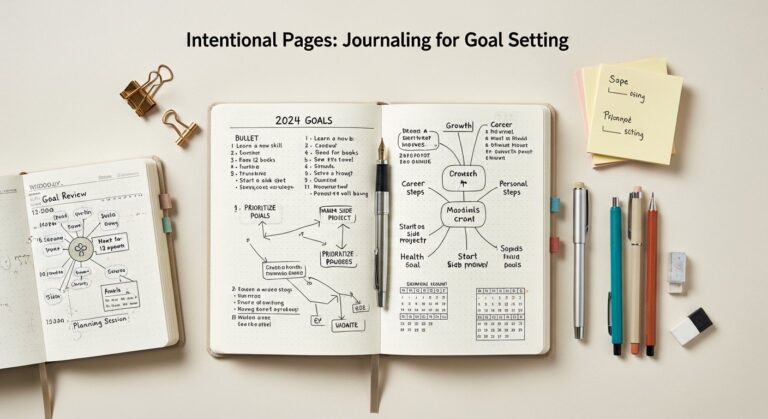
* **Journaling:** Writing down your thoughts helps move them from the chaotic emotional center of the brain (the amygdala) to the rational center (the prefrontal cortex).
* **Narrative Reframing:** Instead of telling yourself, “I failed,” try “This relationship taught me what I need and what I will not tolerate in the future.”
* **Mindfulness:** Learning to sit with uncomfortable feelings without reacting to them.
By mastering these techniques, you aren’t just healing from a breakup; you are significantly improving your relationship skills for the future. You are learning how to regulate your emotions, a trait that is highly attractive and essential for long-term stability in any social setting.
5. Expanding Your Social Circle and Improving Social Skills
Heartbreak often leads to social isolation, but human connection is one of the most powerful healers. As you begin to move out of the initial “acute” phase of grief, it’s time to lean into your wider social network. This is an opportune moment to refine your social skills, which may have become “rusty” during a long-term partnership.
Focus on “third places”—locations that are neither home nor work, such as fitness clubs, hobby groups, or community centers. Practice the art of “active listening” and “vulnerability” with friends. Being able to express your needs and listen to others builds deeper, more platonic bonds that provide a safety net for your heart. In 2026, social wellness is recognized as a key pillar of mental health. By diversifying your “emotional portfolio”—investing in friends, family, and community rather than just one romantic partner—you create a more stable foundation for your life. This makes you less likely to experience a total collapse the next time a single relationship faces challenges.
6. Dating Again: Recognizing Patterns and Setting New Standards
Eventually, the fog will lift, and you will feel the first stirrings of interest in someone new. The goal of healing is not to stay single forever, but to ensure that when you do date again, you aren’t repeating the same patterns. Use the lessons from your heartbreak to create a “Values Checklist” rather than a “Features Checklist.”
Before jumping back into the dating pool, evaluate the “Social Dynamics” of your past relationship. Were there red flags you ignored? Did you struggle with boundaries? By taking the time to heal and improve your social skills first, you enter the dating world as a “high-value” partner—someone who is self-aware, emotionally regulated, and clear about their expectations. Avoid “rebound” relationships that serve only to numb the pain; instead, seek connections that align with your new, stronger sense of self. The goal is to move from a place of “needing” a partner to “wanting” a partner who complements your already-full life.
FAQ: Frequently Asked Questions About Heartbreak
**Q1: How long does it actually take to heal from a breakup?**
A: There is no set timeline, as healing is non-linear. However, research suggests that most people begin to feel significantly better around the 3-to-6-month mark, provided they are actively working on their recovery and maintaining “No Contact.” For long-term marriages, the process can take longer. The key is to focus on progress, not perfection.
**Q2: Is “closure” something I need to get from my ex?**
A: No. True closure is something you give yourself. Waiting for an ex to apologize or explain their actions keeps you tethered to them and gives them power over your healing. Closure comes from accepting the reality of the situation and deciding that you no longer need their input to move forward.
**Q3: Can we stay friends after the breakup?**
A: While it is possible in the long term, it is rarely advisable in the immediate aftermath. You need time to detach emotionally and biologically. Attempting to be friends too soon often leads to “breadcrumbing” or confusing emotional “relapses.” Wait until you are completely indifferent to their dating life before considering a platitude of friendship.
**Q4: How do I deal with mutual friends?**
A: This is a complex social skill. Be honest with mutual friends about your boundaries. It is okay to say, “I value our friendship, but I’d prefer not to hear updates about my ex for a while.” Real friends will respect this. If certain friends insist on “playing both sides” or bringing drama, it may be necessary to distance yourself temporarily.
**Q5: When should I seek professional help for my heartbreak?**
A: If you find yourself unable to function in daily life (working, eating, sleeping) after several weeks, or if you are experiencing thoughts of self-harm or deep hopelessness, it is time to see a therapist. EMDR (Eye Movement Desensitization and Reprocessing) and CBT (Cognitive Behavioral Therapy) are particularly effective for the trauma of a sudden breakup.
Conclusion: Turning Pain Into Power
Healing after heartbreak is one of the most challenging emotional marathons you will ever run, but it is also one of the most transformative. By understanding the science of your pain, maintaining strict boundaries, and focusing on the intentional rebuilding of your identity and social skills, you transform a period of loss into a period of profound gain.
As we look toward 2026, the cultural conversation around relationships has shifted toward self-sovereignty and emotional intelligence. You are no longer defined by who you are with, but by how you handle the challenges of being human. Heartbreak is a “forced reset,” but it allows you to clear out old, toxic patterns and replace them with healthier ways of relating to yourself and others. Be patient with your heart. It is a muscle, and like any muscle, it grows stronger through the process of being challenged and then allowed to recover. You will not only heal; you will thrive, equipped with the wisdom and resilience to build a more fulfilling social and romantic life than ever before.