

Postpartum Wellness: A Holistic Guide for New Mothers
What is the Postpartum Period: A Transformative Journey?
The postpartum period is a unique and often underestimated chapter in a woman’s life. It’s not merely the end of pregnancy; it’s the beginning of a new self, a new family dynamic, and a profound physiological recalibration. Your body has just undergone the monumental feat of creating and birthing a human being, and it needs significant time, care, and support to heal and recover. Hormonal levels plummet dramatically after birth, influencing mood, energy, and physical sensations. Simultaneously, you are adapting to newborn sleep patterns, learning to care for a newborn, and redefining your identity.
Recognizing the significance of this phase is the first step toward embracing postpartum wellness. Society often expects new mothers to “bounce back” quickly, fueled by images of celebrities looking perfectly refreshed just weeks after birth. This unrealistic pressure can be detrimental, fostering a sense of failure in mothers who are simply trying to survive. Instead, view the postpartum period as a sacred window for healing and bonding, a time when your primary job is to rest, recover, and connect with your baby. The World Health Organization (WHO) recommends that all women and babies receive at least four postnatal check-ups in the first six weeks after birth, highlighting the critical importance of this period for both mother and child.
What are the Key Postpartum Realities to Acknowledge?
- Physical Healing: Whether you had a vaginal birth or a C-section, your body has wounds, stretched muscles, and internal organs that are returning to their pre-pregnancy positions. This takes time, often weeks or months.
- Hormonal Rollercoaster: Estrogen and progesterone levels drop sharply within 48 hours of birth, similar to menopause, which can trigger mood swings, hot flashes, and hair loss.
- Sleep Deprivation: Newborns need to feed frequently, day and night, leading to fragmented sleep for mothers. This profoundly impacts mood, cognitive function, and physical healing.
- Emotional Landscape: The “baby blues” affect 50-80% of new mothers, characterized by weepiness, anxiety, and mood swings. More severe conditions like Postpartum Depression (PPD) affect 1 in 7 women, while Postpartum Anxiety (PPA) can affect up to 1 in 5.
- Identity Shift: Becoming a mother is a profound identity shift that requires time and space to integrate. You are now a caregiver, protector, and nurturer, often with less time for pre-baby hobbies or friendships.
Embracing these realities, rather than resisting them, allows you to set realistic expectations and proactively seek the support you need. This guide offers strategies across various domains to support you through this monumental life transition, making it a comprehensive postpartum wellness guide for new mothers.
How to Achieve Physical Recovery & Restoration Postpartum?
The physical recovery from childbirth is unique for every mother, but it universally requires time, patience, and gentle care. Your body has been through an incredible ordeal, and respecting its need for healing is paramount for long-term health. Ignoring physical recovery can lead to chronic pain, incontinence, or other complications down the line.
How Can New Mothers Prioritize Rest Postpartum?
Rest is not a luxury; it’s a non-negotiable component of postpartum recovery. Sleep deprivation hinders healing, impairs cognitive function, and exacerbates emotional challenges. The old adage “sleep when the baby sleeps” is often easier said than done, but it’s a crucial strategy. Limit visitors, delegate chores, and let go of the pressure to keep a tidy house. Your priority is healing and bonding.
- Practical Tip: If possible, aim for at least one nap during the day when your baby is asleep. Recruit your partner, a family member, or a friend to take the baby for a few hours so you can get uninterrupted sleep.
- Example: Sarah, a first-time mom, found her energy plummeting by midday. She started scheduling a “rest hour” where her husband took their baby for a walk, allowing her to either nap or simply lie down with her eyes closed, which significantly improved her afternoon energy levels.
What is the Importance of Gentle Movement & Pelvic Floor Health Postpartum?
While strenuous exercise should be avoided in the early weeks, gentle movement is beneficial for circulation, mood, and gradual strengthening. Walking is an excellent starting point. However, particular attention must be paid to pelvic floor and core recovery, regardless of birth type. The pelvic floor muscles support your bladder, bowel, and uterus, and they are significantly impacted by pregnancy and childbirth.
- Actionable Steps:
- Pelvic Floor Physiotherapy: Consult a specialized women’s health physiotherapist around 6 weeks postpartum. They can assess your pelvic floor strength, identify any diastasis recti (abdominal separation), and provide a personalized recovery plan. This is perhaps the single most important step for long-term physical wellness.
- Gentle Walks: Start with short, slow walks (10-15 minutes) and gradually increase duration and intensity as you feel ready. Listen to your body and stop if you feel pain or discomfort.
- Deep Core Breathing: Practice diaphragmatic breathing to re-engage your deep core muscles without straining. Lie on your back, place one hand on your chest and one on your belly. Inhale deeply, allowing your belly to rise, then exhale slowly, drawing your belly button towards your spine.
- Avoid High-Impact Activities: Refrain from running, jumping, heavy lifting, or intense ab exercises until cleared by your doctor and ideally a pelvic floor physio, usually not before 3-6 months postpartum.
How to Manage Postpartum Wound Care & Hygiene?
Whether you had perineal tearing, an episiotomy, or a C-section incision, proper wound care is essential to prevent infection and promote healing.
- Vaginal Birth Recovery:
- Use a peri bottle with warm water to cleanse after urination.
- Change pads frequently.
- Sitz baths can soothe discomfort and promote healing.
- Consider cooling pads or witch hazel pads for pain relief.
- C-Section Recovery:
- Keep the incision clean and dry. Gently wash with mild soap and water, pat dry.
- Wear loose-fitting clothing that doesn’t rub the incision.
- Avoid heavy lifting (anything heavier than your baby) for at least 6-8 weeks.
- Watch for signs of infection: increased pain, redness, swelling, fever, or pus.
What is Essential Postpartum Nutrition for New Mothers?
Your body needs optimal nutrition to recover from birth, produce breast milk (if you choose to breastfeed), and sustain you through sleepless nights. This is not the time for restrictive dieting; it’s a time for nutrient-dense, easily digestible foods that support healing and energy.
Why is Hydration Key During Postpartum Recovery?
Dehydration can lead to fatigue, headaches, and can impact milk supply. Aim to drink at least 8-10 glasses of water daily, more if breastfeeding. Keep a water bottle handy at all times, especially during feeding sessions.
What Nutrient-Dense Foods Should New Mothers Prioritize?
Focus on a balanced diet rich in whole foods. Think of every meal as an opportunity to fuel your recovery.
- Protein: Essential for tissue repair and muscle maintenance. Include lean meats, poultry, fish, eggs, beans, lentils, and nuts. Aim for a protein source at every meal.
- Healthy Fats: Support hormone regulation and brain health. Avocados, nuts, seeds, olive oil, and fatty fish (like salmon, rich in Omega-3s) are excellent choices. Omega-3s are especially crucial for both mother’s mood and baby’s brain development.
- Complex Carbohydrates: Provide sustained energy. Whole grains (oats, brown rice, quinoa), sweet potatoes, and root vegetables prevent energy crashes.
- Vitamins and Minerals:
- Iron: To replenish stores depleted during pregnancy and birth, preventing postpartum anemia. Found in red meat, spinach, lentils. Pair with Vitamin C for better absorption.
- Calcium & Vitamin D: Crucial for bone health, especially if breastfeeding. Dairy, fortified plant milks, leafy greens, and sunlight exposure.
- Vitamin C: For wound healing and immune support. Citrus fruits, berries, bell peppers.
- Fiber: Essential for digestive health, preventing constipation which is common postpartum. Fruits, vegetables, and whole grains.
How to Prepare Easy-to-Eat Meals for Postpartum?
With a newborn, elaborate cooking is often impossible. Focus on meals that can be made in advance, require minimal effort, or are easy to eat with one hand.
- Practical Tips:
- Batch Cook: Before birth, freeze meals like stews, soups, lasagnas, and casseroles.
- One-Pan Meals: Roasting vegetables and protein on a single baking sheet is quick and minimizes cleanup.
- Snack Stations: Keep healthy snacks within reach: nuts, seeds, fruit, yogurt, cheese sticks, hard-boiled eggs.
- Accept Help: Don’t hesitate to ask friends or family to bring meals or help with grocery shopping. Meal train services are also invaluable.
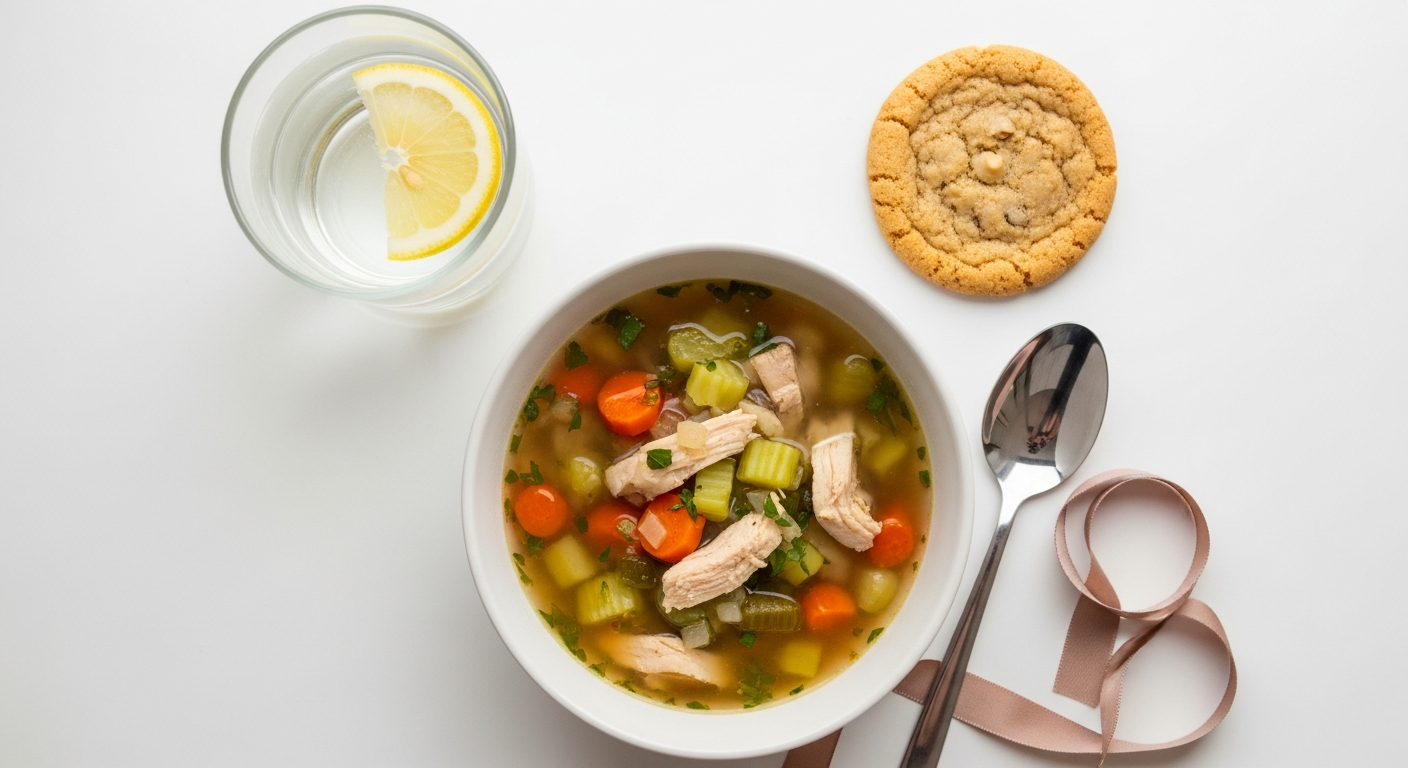
- Example: A new mom’s freezer might be stocked with lactation cookies, pre-portioned smoothie packs, and hearty lentil soup, ensuring she has nutritious options even on the most demanding days.
Remember, this is a marathon, not a sprint. Fuel your body with kindness and consistency, recognizing the profound work it is doing.
How to Nurture Mental & Emotional Well-being Postpartum?

The emotional landscape of postpartum can be as challenging as the physical. Hormonal shifts, sleep deprivation, and the immense responsibility of caring for a newborn can create a whirlwind of emotions. Prioritizing your mental and emotional health is not selfish; it’s fundamental to your well-being and your capacity to care for your baby.
What is the Difference Between Baby Blues and Postpartum Mood and Anxiety Disorders (PMADs)?
It’s crucial to understand the difference between the common “baby blues” and more serious conditions like Postpartum Depression (PPD) or Postpartum Anxiety (PPA).
- Baby Blues: Affects 50-80% of new mothers, typically starting 2-3 days after birth and resolving within two weeks. Symptoms include weepiness, irritability, anxiety, and mood swings. These are generally mild and self-limiting.
- PMADs: These are more severe, persistent, and debilitating. They can start any time in the first year postpartum.
- Postpartum Depression (PPD): Symptoms include persistent sadness, hopelessness, loss of interest in activities, changes in appetite or sleep, feelings of guilt or worthlessness, difficulty bonding with the baby, and thoughts of harming oneself or the baby.
- Postpartum Anxiety (PPA): Characterized by excessive worry, racing thoughts, panic attacks, physical symptoms like heart palpitations, and intrusive thoughts about the baby’s safety.
If your symptoms last longer than two weeks, worsen, or interfere with your daily functioning, please seek professional help immediately. You are not alone, and these conditions are treatable. About 1 in 7 women experience PPD, and even more experience PPA. Seeking help is a sign of strength.
What are Effective Strategies for Emotional Resilience Postpartum?
- Talk About Your Feelings: Share your experiences with a trusted partner, friend, family member, or a support group. Verbalizing your emotions can be incredibly cathartic and reduce feelings of isolation.
- Mindfulness and Meditation: Even 5-10 minutes of quiet reflection, deep breathing, or guided meditation can help calm your nervous system. Apps like Calm or Headspace offer postpartum-specific meditations.
- Prioritize Self-Care (Even Small Acts): Self-care doesn’t have to be a spa day. It can be a warm shower, reading a chapter of a book, listening to your favorite music, or enjoying a cup of tea in peace. Identify small, achievable acts that bring you joy or calm.
- Limit Social Media: The curated perfection seen on social media can often fuel feelings of inadequacy. Take a break or consciously choose who you follow.
- Get Outside: Even a short walk in nature can boost mood, reduce stress, and provide a much-needed change of scenery. Sunlight exposure also helps regulate your circadian rhythm.
- Connect with Other New Mothers: Sharing experiences with women going through similar challenges can create a powerful sense of community and validation. Look for local new mom groups or online forums.
- Seek Professional Support: If you are struggling, don’t hesitate to reach out to your doctor, a therapist specializing in maternal mental health, or a postpartum doula. Cognitive Behavioral Therapy (CBT) and medication are highly effective treatments for PMADs.
Remember, nurturing your emotional well-being is an ongoing process, not a destination. Be kind to yourself, acknowledge your feelings, and actively seek the support you deserve.
How to Build Your Support System Postpartum?
No one can, or should, do postpartum alone. Historically, new mothers were surrounded by a community of women who provided practical and emotional support. In modern society, this “village” often needs to be intentionally built. A strong support system is critical for both your mental health and your capacity to care for your baby.
How to Identify Your Postpartum Support Network?
Think broadly about who can offer different kinds of support:
- Partner/Spouse: Your partner is your primary support. Clear communication, division of labor, and mutual understanding are vital. Discuss expectations for nighttime feedings, household chores, and emotional support before the baby arrives.
- Family & Friends: These can be invaluable for practical help. Don’t be afraid to ask for specific tasks:
- “Could you bring us a meal?”
- “Could you watch the baby so I can shower/nap?”
- “Could you take our older kids to the park for an hour?”
- “Could you help with laundry or grocery shopping?”
- Professional Support:
- Lactation Consultant: If you’re breastfeeding and encountering challenges.
- Postpartum Doula: Provides non-medical physical and emotional support, practical help (light housework, meal prep), and newborn care guidance.
- Therapist/Counselor: For mental health support, especially if experiencing PMADs.
- Pelvic Floor Physiotherapist: For physical recovery and addressing specific issues like incontinence or diastasis recti.
- Community & Peer Support:
- New Mom Groups: Online or in-person groups offer a safe space to share experiences and realize you’re not alone.
- Parenting Classes: Beyond newborn care, some classes focus on maternal wellness or adjusting to parenthood.
- Online Forums/Social Media Groups: Curated groups can offer a sense of community, but be mindful of their content and tone.
What are Strategies for Leveraging Your Postpartum Support System?
- Be Specific About Your Needs: People often want to help but don’t know how. Instead of saying, “Let me know if you want to help,” say, “Could you pick up some groceries for us on Tuesday?”
- Delegate Without Guilt: This is a time to accept help gracefully. You are recovering from a major life event; it’s okay to let others carry some of the load.
- Protect Your Time & Energy: It’s also okay to set boundaries. Limit visitors if you feel overwhelmed, or designate specific visiting hours.
- Communicate with Your Partner: Regularly check in with each other. Discuss who is responsible for what, share frustrations, and offer emotional support. Even 15 minutes of uninterrupted conversation daily can make a difference.
- Build a ‘Contact List’ of Resources: Have phone numbers for your doctor, lactation consultant, and any support lines readily available.
Remember, your village is an extension of your own capacity to heal and nurture your baby. Embrace it, lean on it, and don’t be afraid to ask for what you need. This proactive approach is a cornerstone of any effective postpartum wellness guide.
How to Manage Sleep, Rest, and Energy Postpartum?
Sleep deprivation is almost synonymous with new parenthood, but understanding its impact and developing strategies to mitigate it is crucial for your well-being. Chronic sleep deprivation can worsen mood, impair judgment, weaken your immune system, and make every challenge feel insurmountable.
What are Realistic Expectations for Postpartum Sleep?
The first step is to accept that uninterrupted, eight-hour stretches of sleep are unlikely for several months. Instead, focus on maximizing the quality and quantity of sleep you can get in shorter bursts.
- Newborn Sleep Patterns: Newborns typically sleep in short cycles (2-4 hours) and need to feed frequently. This means your sleep will be fragmented.
- Impact on You: You might feel perpetually tired, “foggy,” or emotionally volatile. These are normal responses to lack of sleep, not personal failings.
What are Strategies for Maximizing Postpartum Rest?
- Sleep When the Baby Sleeps (Still Relevant!): This remains the golden rule. Prioritize sleep over chores, emails, or social media. Even a 20-minute nap can be restorative.
- Ask for Night Help: If possible, have your partner take one night feeding shift (e.g., giving a bottle of expressed milk or formula) or bring the baby to you for breastfeeding, then take the baby back so you can immediately fall back asleep.
- Power Naps: Even short naps (20-30 minutes) can improve alertness and reduce fatigue. Avoid naps longer than 90 minutes during the day, as they can sometimes leave you feeling groggier.
- Create a Conducive Sleep Environment: When you do get to sleep, ensure your bedroom is dark, quiet, and cool. Use blackout curtains, earplugs, or a white noise machine if needed.
- Prioritize Sleep Over “Productivity”: Let go of the pressure to “get things done” during every waking moment. Your body needs rest more than your house needs to be spotless.
- Screen Time Before Bed: Avoid screens (phone, tablet, TV) for at least an hour before you plan to sleep. The blue light can interfere with melatonin production, making it harder to fall asleep.
- Accept Help with Night Feeds (if feasible): If breastfeeding, consider pumping once a day so your partner can give a bottle, allowing you an uninterrupted stretch of sleep. If formula feeding, take turns with your partner for night feeds.
How to Manage Energy Levels Beyond Sleep Postpartum?
Since consistent sleep is a challenge, other energy management techniques become crucial:
- Mindful Breathing: When you feel overwhelmed or exhausted, take a few deep, slow breaths. This can activate your parasympathetic nervous system, promoting calm.
- Short Bursts of Movement: A quick stretch, a walk around the block, or some gentle yoga can boost energy and reduce tension without depleting your reserves.
- Nutrient-Rich Snacks: As discussed in the nutrition section, keep healthy snacks available to avoid energy dips.
- Delegate and Prioritize: Ruthlessly prioritize tasks. What absolutely needs to get done? What can wait? What can someone else do?
By implementing these strategies, you can make the most of the sleep you do get and better manage your energy throughout the demanding postpartum period. This active approach to energy management is a key component of a robust postpartum wellness guide.
How to Craft Your Personalized Postpartum Wellness Guide?
While this guide provides a comprehensive overview of postpartum wellness, the most effective plan is one that is tailored to your unique circumstances, needs, and preferences. There is no one-size-fits-all solution, and what works for one mother may not work for another. The key is flexibility, self-compassion, and a willingness to adjust your plan as your needs and your baby’s needs evolve.
What are the Steps to Create Your Personal Postpartum Wellness Plan?
- Self-Assessment & Reflection:
- Identify Your Core Needs: What areas are you struggling with the most right now? (e.g., sleep, physical pain, emotional overwhelm, lack of support).
- Acknowledge Your Strengths: What resources or coping mechanisms do you already possess?
- Set Realistic Goals: Instead of “I will get 8 hours of sleep,” try “I will aim for one uninterrupted 3-hour stretch of sleep per day, even if that means a daytime nap.”
- Prioritize & Plan:
- Choose 1-2 Focus Areas: Don’t try to overhaul everything at once. Pick the most pressing areas (e.g., gentle movement and asking for meal help) and focus your energy there first.
- Schedule Self-Care: Just as you schedule baby appointments, schedule time for your own well-being. Even 15-minute blocks are valuable.
- Pre-plan for Challenges: Think about potential triggers for stress or exhaustion and how you’ll respond. (e.g., “If I feel overwhelmed by visitors, I will ask my partner to politely excuse us.”)
- Build Your Toolkit:
- Resource List: Compile a list of important contacts: doctor, therapist, lactation consultant, trusted friends/family.
- Physical Aids: Peri bottle, sitz bath supplies, comfortable clothing, healthy snacks.
- Mental Health Tools: Journal, meditation app, comforting music playlist, affirmations.
- Communicate & Delegate:
- Share Your Plan: Discuss your wellness goals and needs with your partner and close support system.
- Assign Tasks: Clearly delegate responsibilities for baby care, household chores, and errands.
- Practice Saying “No”: It’s okay to decline non-essential requests or invitations. Your energy is a precious resource.
- Flexibility & Re-evaluation:
- Be Kind to Yourself: There will be days when your plan goes out the window. That’s okay. Forgive yourself and start fresh the next moment.
- Regular Check-ins: Periodically reassess what’s working and what isn’t. Adjust your strategies as your baby grows and your needs change. For example, as your baby sleeps longer, you might shift from fragmented naps to longer stretches at night.
This personalized approach transforms this general postpartum wellness guide into a living document that evolves with you. Remember, postpartum wellness is a journey of self-discovery, resilience, and immense love. Embrace the process, celebrate the small victories, and always prioritize your health—because a healthy, supported mother is the best foundation for a thriving family.
Conclusion: Embracing Your Postpartum Wellness Journey
The postpartum period is a unique and challenging chapter, but it is also a powerful opportunity for growth, self-discovery, and profound bonding. By embracing a holistic approach to wellness—nurturing your physical recovery, nourishing your body, safeguarding your mental and emotional health, building a robust support system, and prioritizing rest—you lay a strong foundation for both your well-being and your family’s. This postpartum wellness guide is not just a list of recommendations; it’s an invitation to treat yourself with the same love, care, and patience that you offer your newborn. Remember, asking for help is a sign of strength, not weakness. Listening to your body and mind is essential, and honoring this transformative journey will ultimately lead to a more joyful and fulfilling experience of motherhood. You are doing an incredible job; continue to prioritize yourself as you navigate this beautiful new chapter.
Next Step: Begin by identifying one small, actionable step from this guide that resonates with you today. It could be drinking an extra glass of water, taking a 10-minute walk, or simply reaching out to a trusted friend. Your wellness journey begins with intention and self-compassion.
Frequently Asked Questions About Postpartum Wellness
How long does the postpartum period truly last?▾
What are the warning signs of postpartum depression (PPD) that I shouldn’t ignore?▾
Is it safe to exercise during postpartum, and when can I start?▾
How can I manage breastfeeding pain or difficulties?▾
My partner wants to help, but I’m not sure what to ask for. What are some specific ways they can support me?▾
Reviewed by Olivia Sterling, Senior Content Editor — Last reviewed: May 02, 2026